


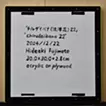
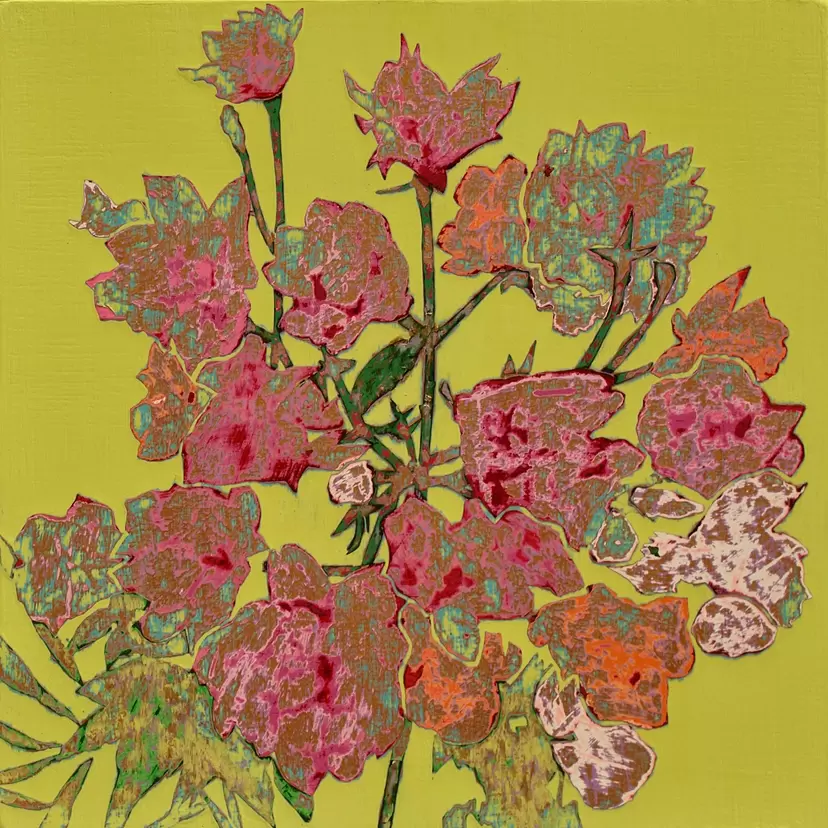
chirudaibana 22
制作年份: 2024
材料或技法: 丙烯酸纤维, 帆布
尺寸: 30 × 30 × 2.8 cm
版本: 独特
签名:包括


关于作品
- 制作年份
- 2024
- 材料或技法
- 丙烯酸纤维, 帆布
- 尺寸
- 30 × 30 × 2.8 cm
- 版本
- 独特
- 签名
- 包括
- 制作人员名单
- ©︎Hideaki Fujimoto
- 画框
- 不包含
- 作品证书
- 包括
- 艺术品分销商
- Hideaki Fujimoto
- 发货区域
- 冲绳县
- 发送前的天数
- 大约两周
- 类别
- 绘画
- 风格
- 日常生活, 半抽象, 情绪化的, 静物, 其他的, 日本画/和, 浪漫的
作品详情
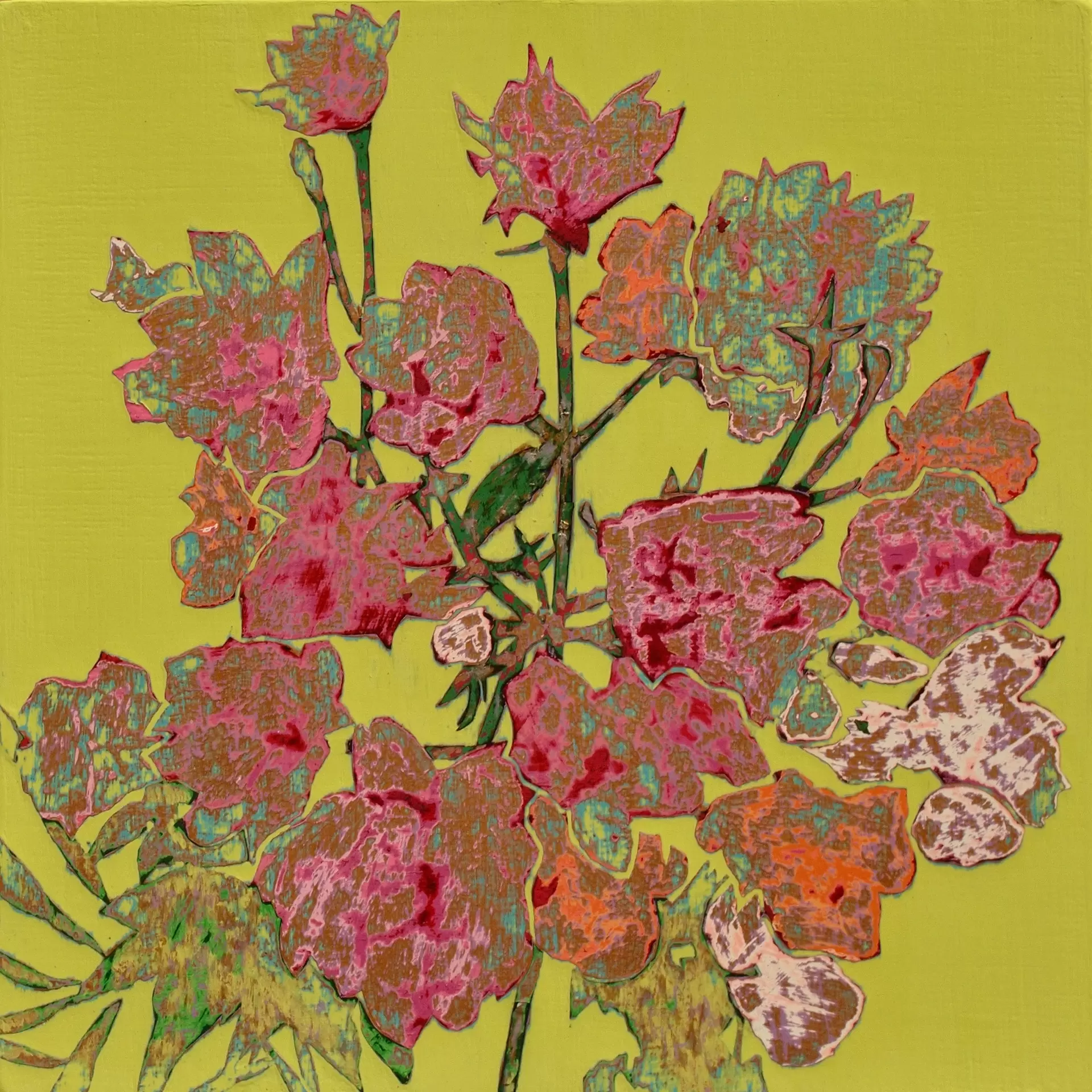
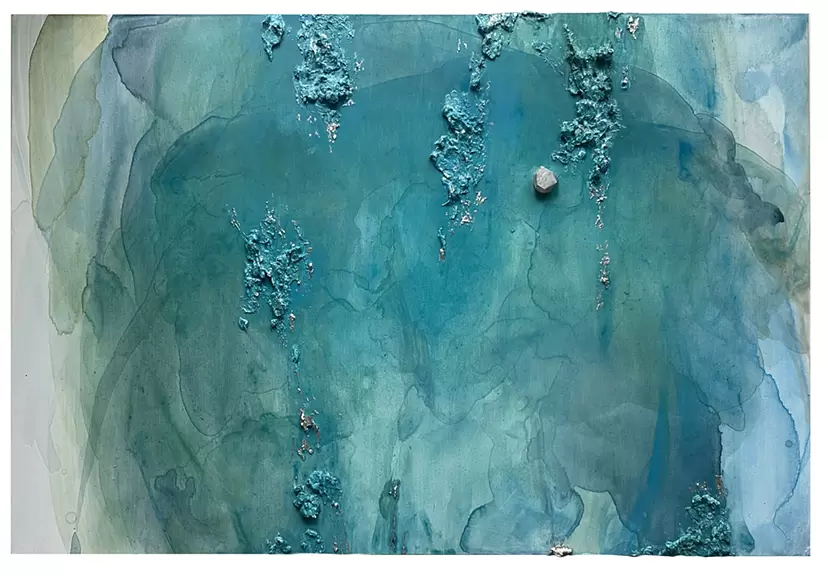
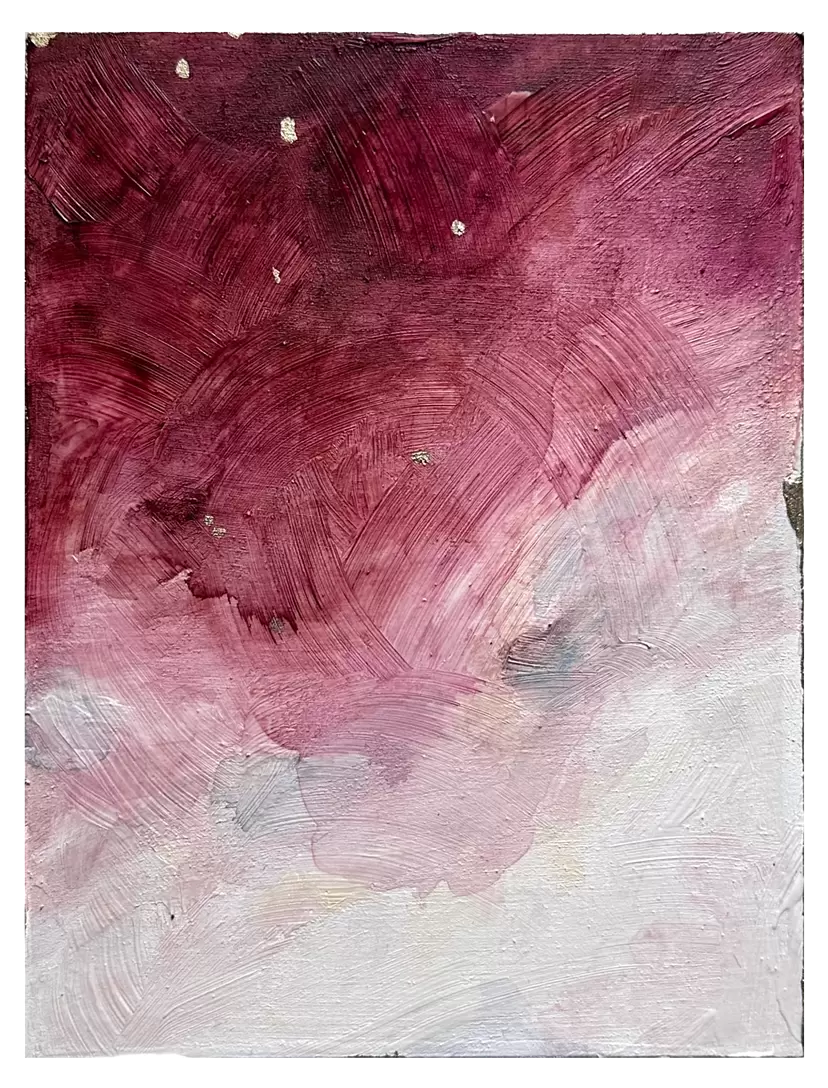
chirudaibana 22
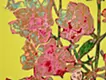
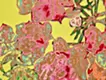
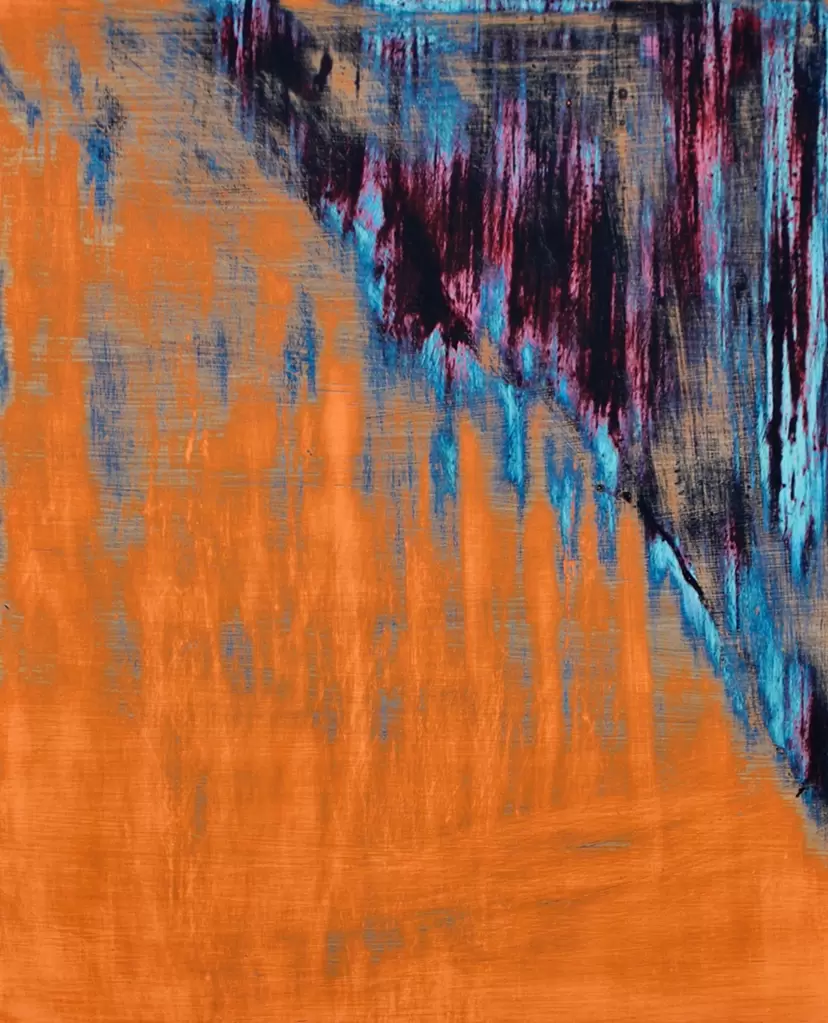
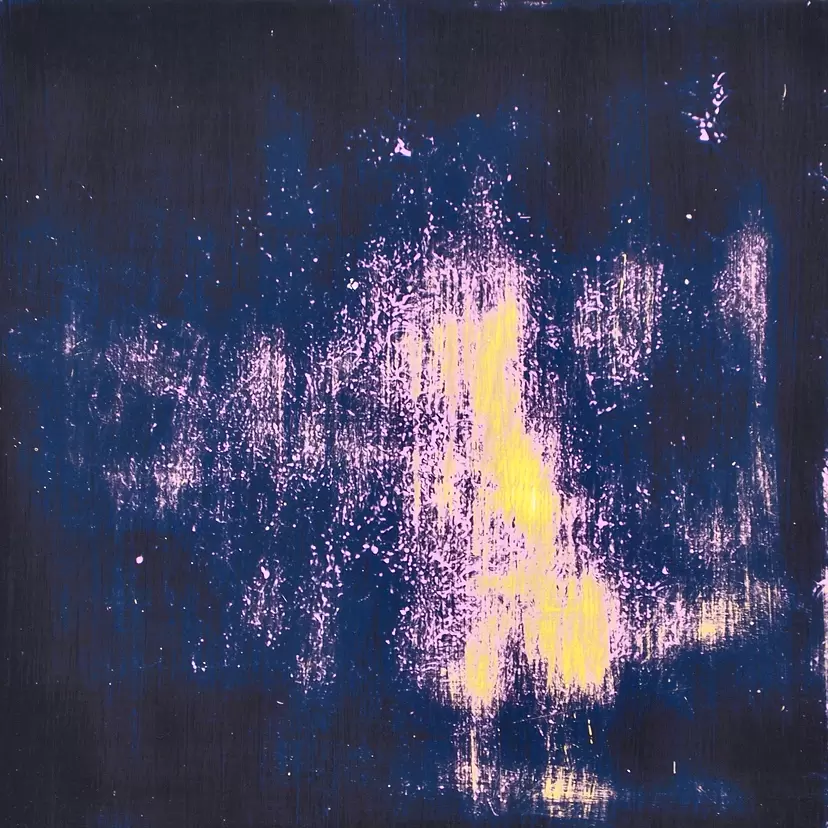
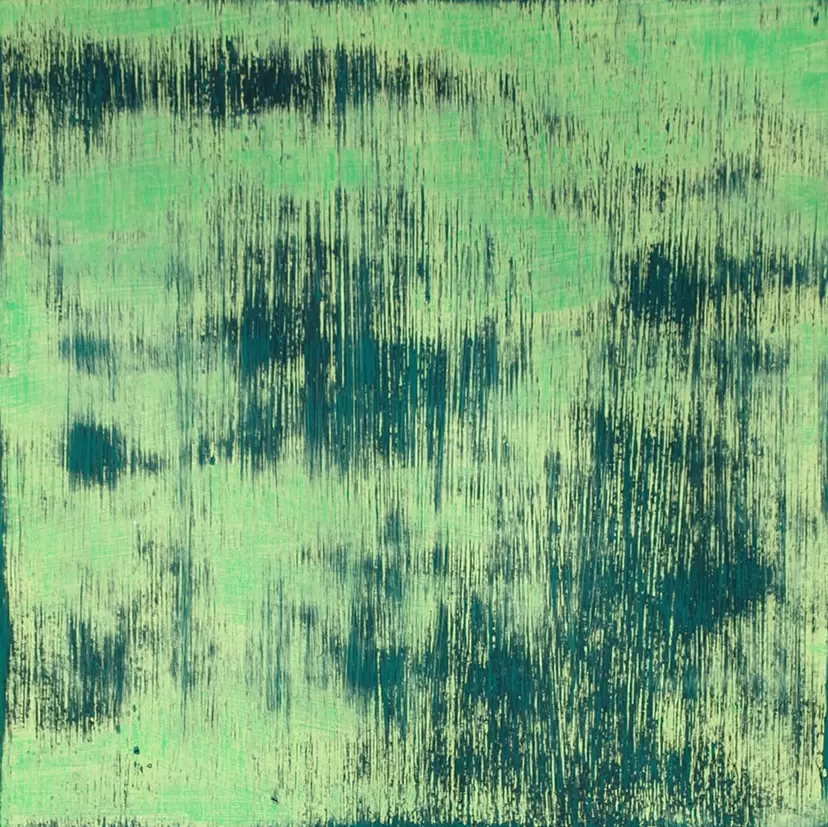
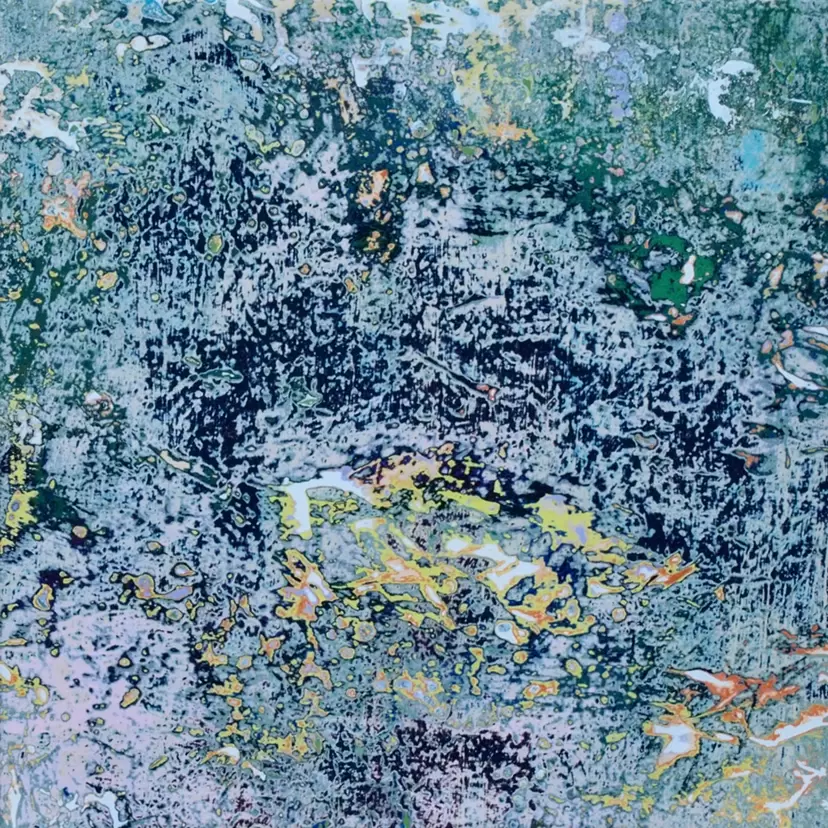
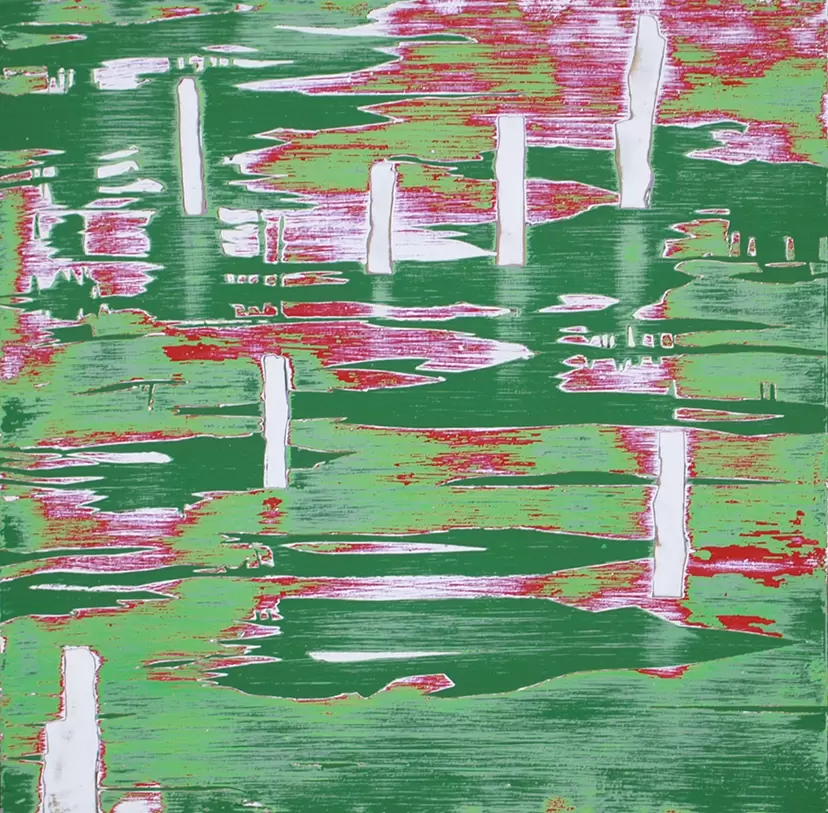
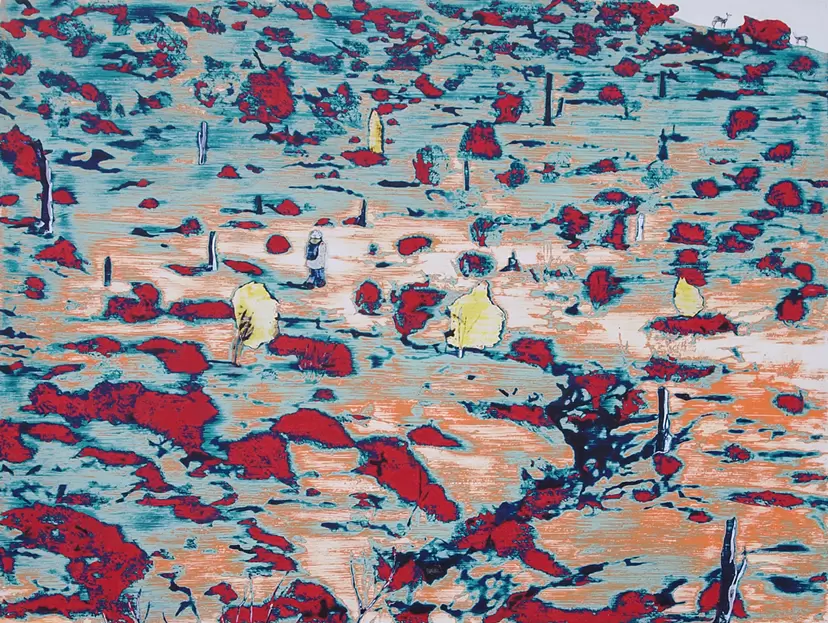
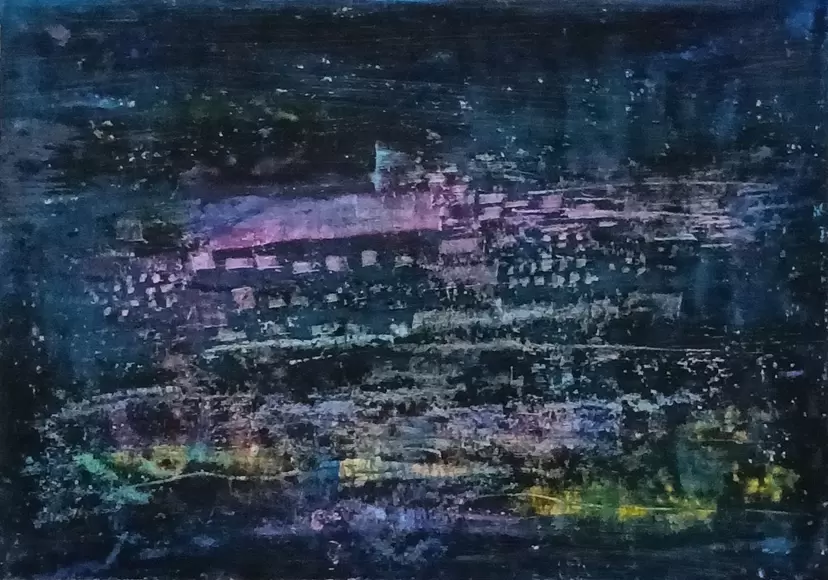
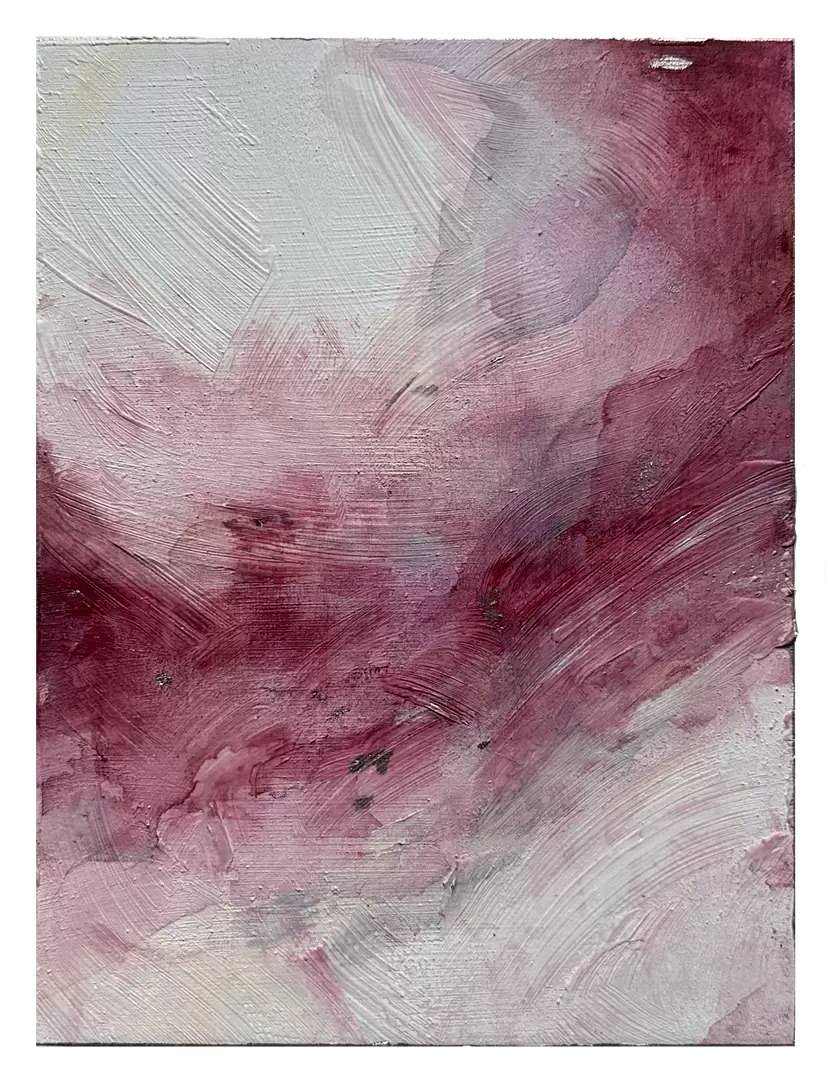
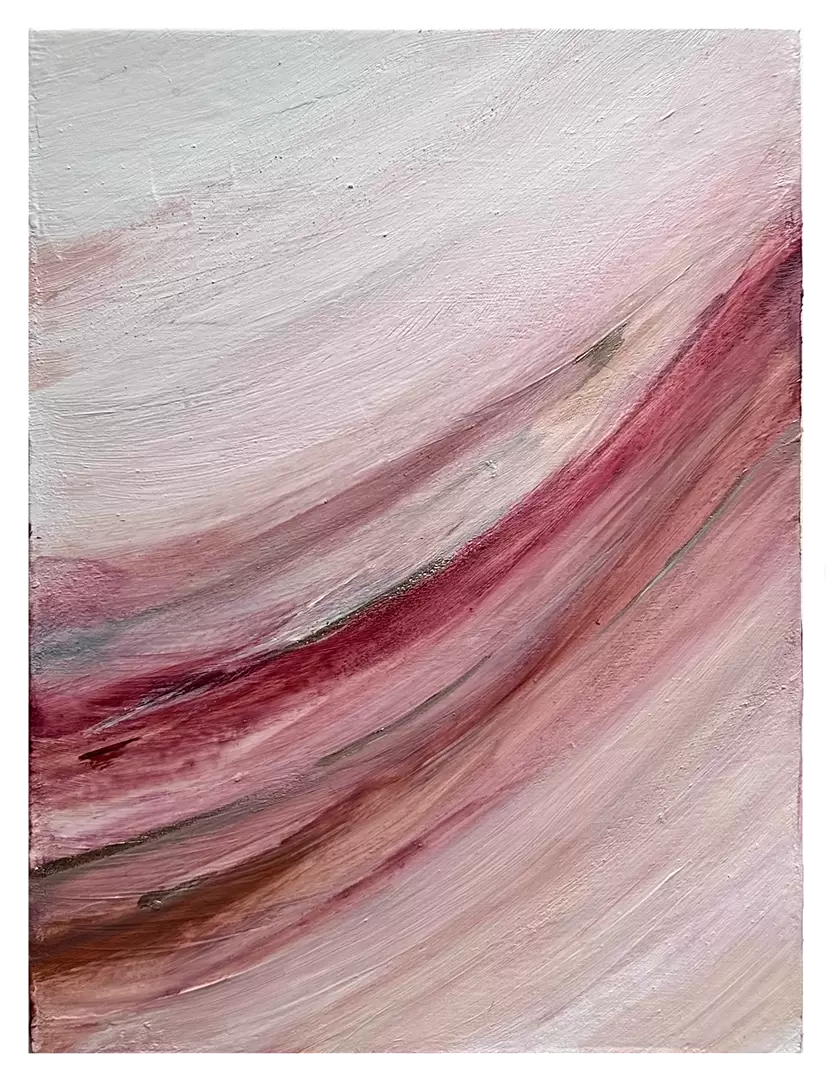
The series title is a coined term created by the author using the Okinawan dialect "Chirudai (沈滞)." It depicts flowers that exist only within the layers of overlapping acrylic paint.
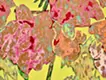
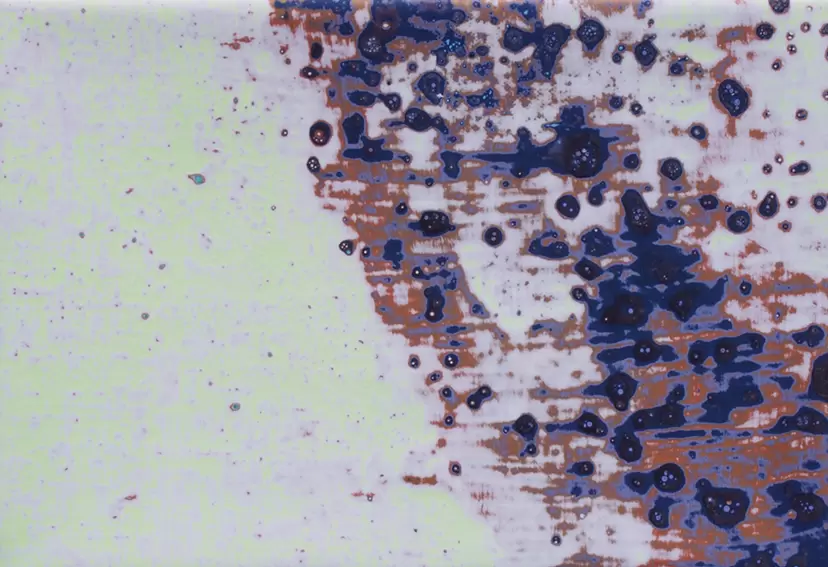
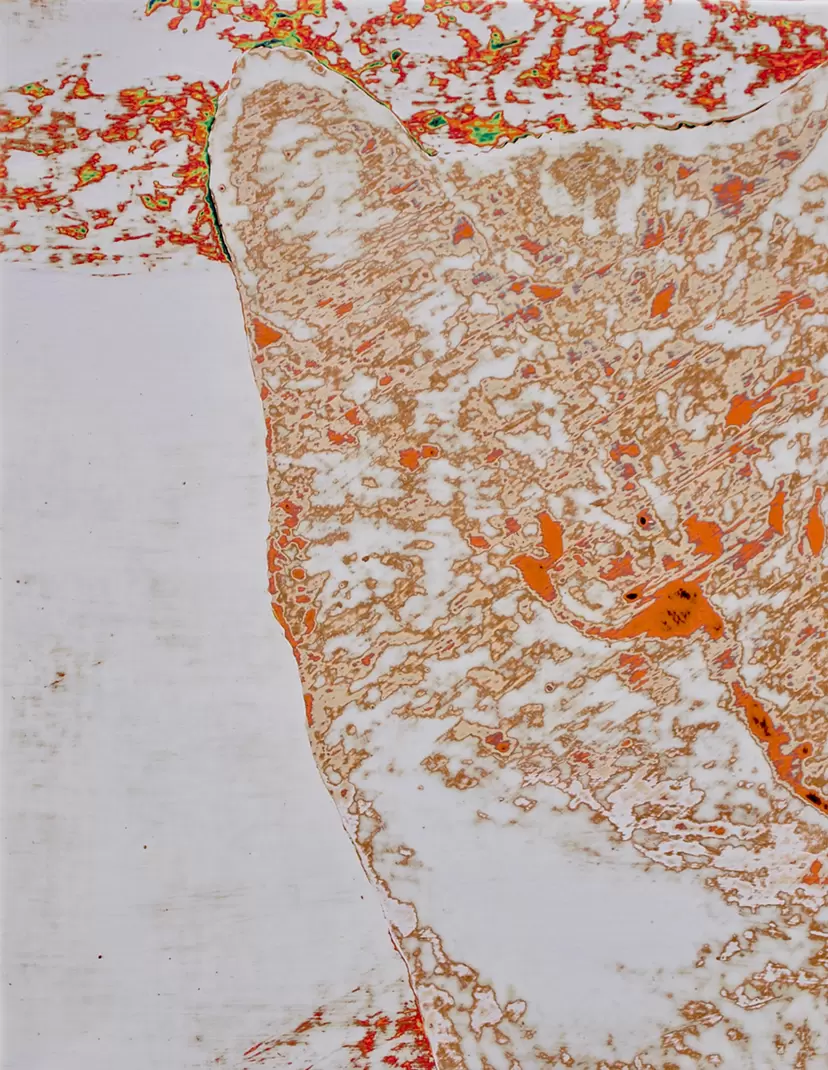
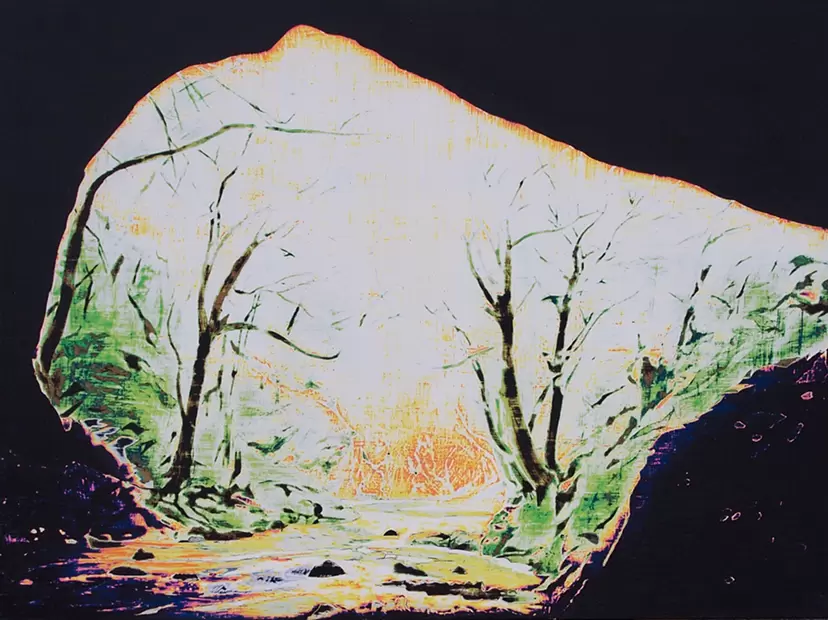
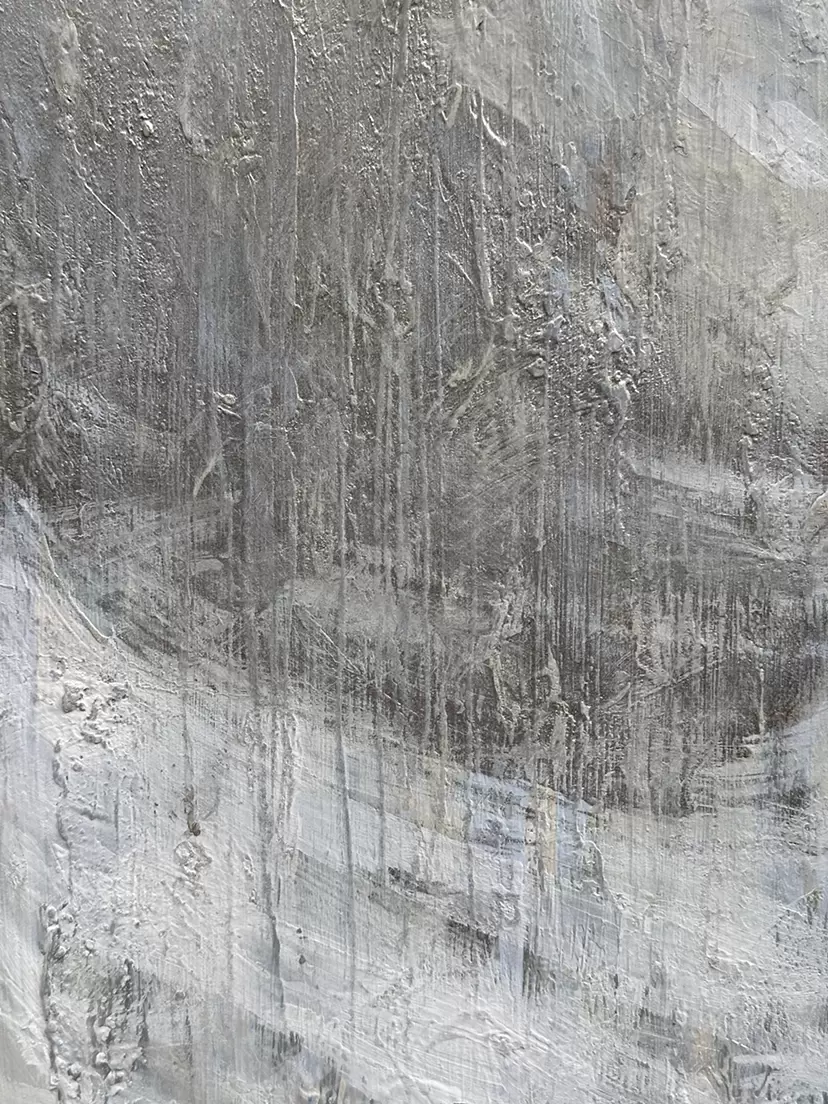
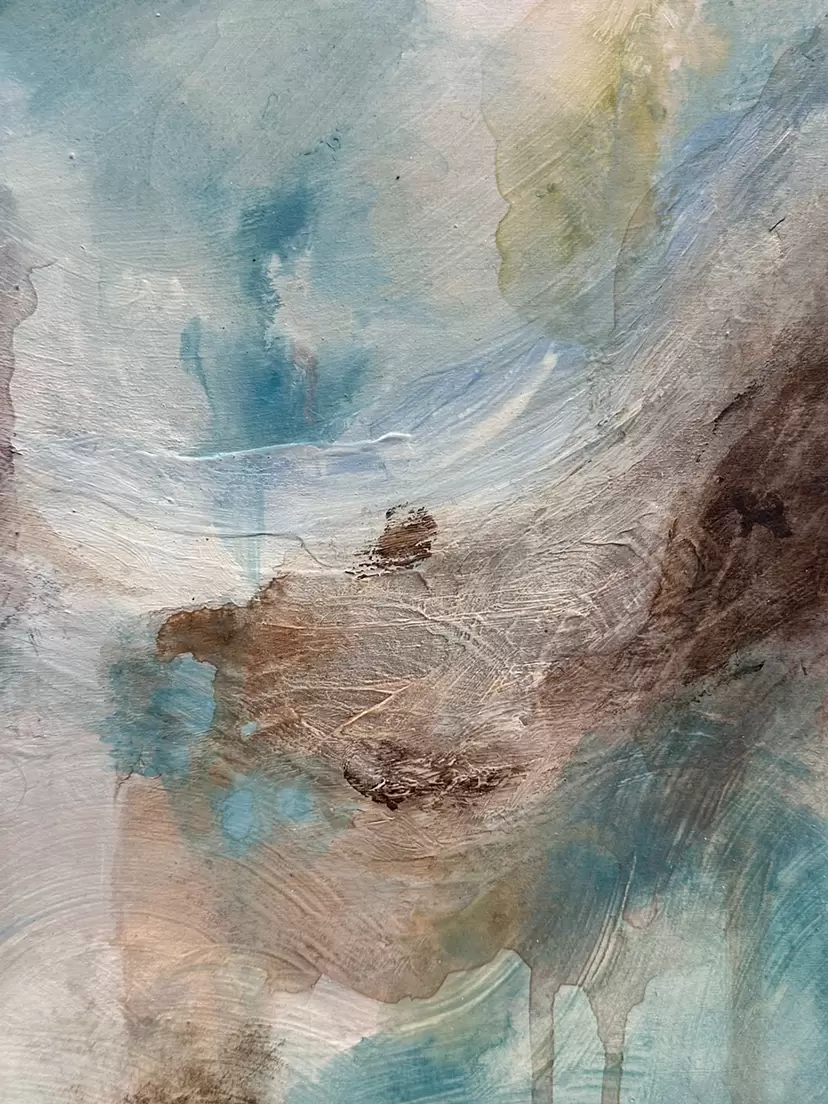
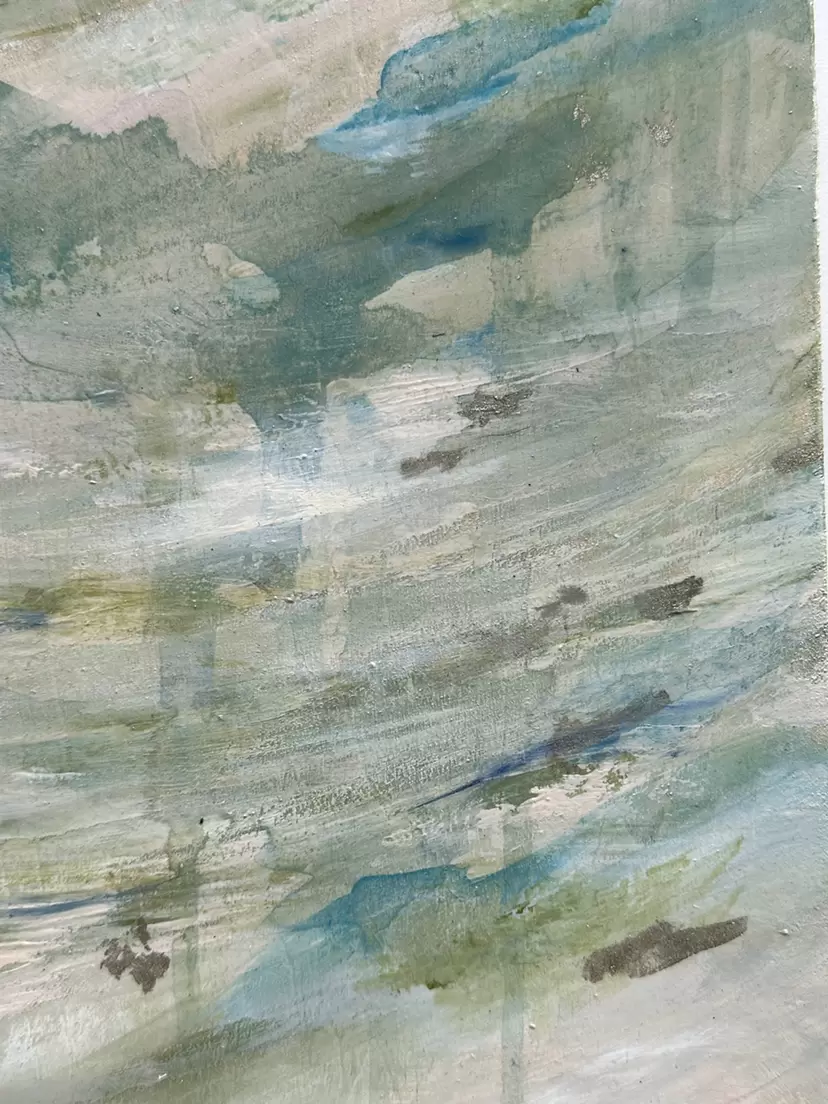
The technique of layering acrylic paint and sanding to reveal the surface is consistent with the non-objective free painting "Layers of Color." Therefore, the material and color expression remain consistent throughout this series.
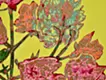
The panels used are adhered on both sides. The surface, sides, and back are all primed. The background color on the screen is overlaid on the sides. The slits on the back of the artwork serve as internal ventilation ducts for the panel, but during installation, pins and hooks can also be used. Additionally, the smooth surface created through sanding allows for easy cleaning with a cloth or similar material.
Utilizing one of the characteristics of painting, the "layered magic."
Capturing scenes that can only exist through paint on a support.
Since I aspired to create in 1999, I have been exploring techniques that align with my desires, relentlessly pursuing the potential of painting.
"Flower Painting"
When I first started my artistic endeavors, I struggled to find a substantial motivation for this seemingly straightforward theme of "great flowers." While occasionally creating works inspired by plants, I confirmed the technical feasibility of such endeavors.
While in this frame of mind, in the spring of 2006, I came across the word "chirudai" in an article in a local Okinawan newspaper—used in the sense of something being "stagnant" or "at a standstill." I later learned it's an Okinawan dialect word describing a state in which things have come to a halt, unable to move forward.
As soon as I grasped the meaning of "Chirudai," the title "Chirudai + Flower = Chirudaibana (沈滞花)" popped into my mind like instant glue. I thought, "This can create a flower painting."
It resonated well with the image of finding something beautiful and positive amidst a negative, stagnant state. In my artistic process, akin to excavation, I carve out shapes and colors submerged within the thick layers of acrylic paint. This dual meaning felt fitting.
Since then, this piece has become one of the series I sporadically expand upon in my artistic journey.
silence, mercy, and hope
This technique involves layering acrylic paint and sanding to bring out the surface of the painting. I began using this method in 1999, aligning with my creative aspirations since the time I embarked on artistic pursuits. I have consistently employed this technique in my painting ever since.
The process begins with a full-scale line drawing on tracing paper, similar to "the oshita-zu"—the full-scale preparatory drawing used in traditional Japanese-style painting (Nihonga). At the same time, he plans the composition of the color layers to be built up. Once both the linework and the color plan are largely settled, the drawing is transferred from the tracing paper onto the panel, and work on the actual painting surface begins.
For the main canvas, I apply preparation by crushing the base and wood grain before using different types of brushes to layer in various touches. I repeat the process of layering, incorporating both partial and full-surface coverage, with over 20 layers, building up the paint as part of the depiction.
Then, while sprinkling water on the canvas, I use waterproof sandpaper to grind the surface repeatedly until the final image is achieved. I employ various sanding methods, including machine (belt sander) sanding and manual grinding, combining them as needed.
About a month and a half
I rent an old wooden house and live there. I'm allocating that one room to my own production room.
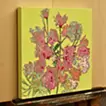
观赏摆饰在房间里的样子
购买方式

这件作品可供购买。

USD 344
*显示的为汇率换算的参考价格。结算将以日元进行。
购买作品时是否有需要帮助?

加入等候名单
加入等待名单,以便在有作品可供购买时收到通知。
在线咨询
专业艺术顾问在这里协助您购买作品。 如果您对推荐的作品有任何疑问,或者您在购买时遇到任何问题,欢迎使用在线咨询。
艺术家
painter
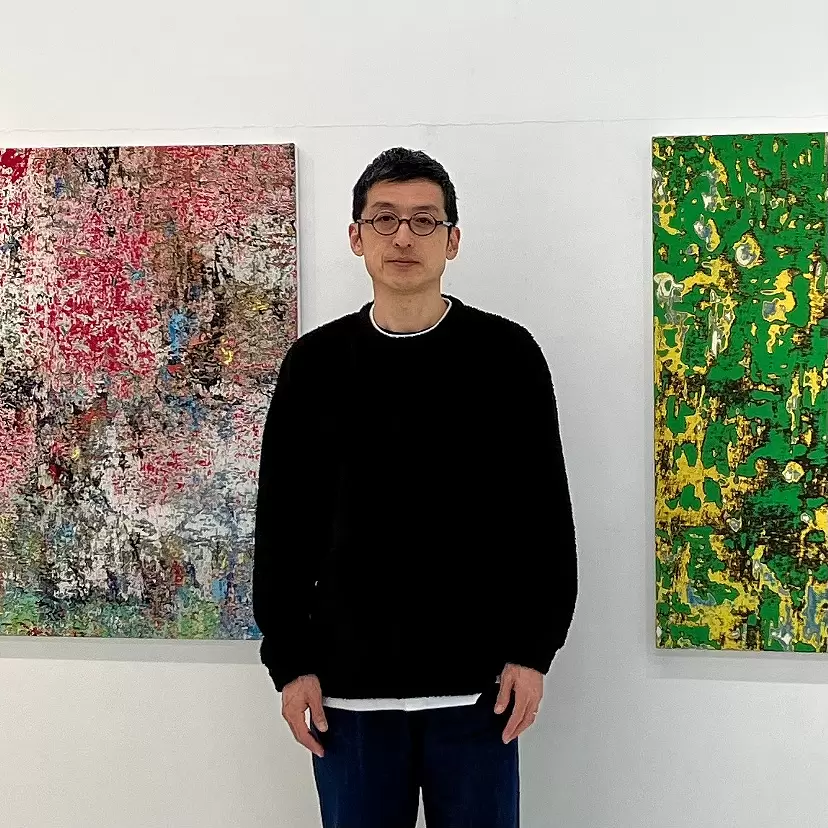
Painting as PhenomenonHideaki Fujimoto explores the possibilities of painting through a method that builds up the picture surface by layering and grinding acrylic paint. His compositions range from the representational to the non-representational, yet all share a common quality of color and matière.Born in Akashi, Hyogo Prefecture, Fujimoto developed an early fascination with vehicles and machinery that grew into a longing to "make things." This led him to AKASHI National College of Technology, where he studied mechanical engineering; his graduation research examined the wear of NBC cutting tools in metal processing, and the textures and imagery of metal he observed under an electron microscope during that research continue to inform his work today.While still a student, he grew increasingly drawn to design and graphic art, and decided to change course, transferring to the Department of Industrial Design (now the Department of Design Engineering), School of Engineering, Chiba University, where he studied design more broadly. For his graduation project, he worked in a fine art research laboratory, producing paintings.After graduating, he worked at a design office and gained other professional experience before once again deciding to pursue painting. He enrolled in the Department of Oil Painting at Musashino Art School, spending two years relearning the fundamentals of painting and completing the program in March 1997. He moved to Naha, Okinawa immediately afterward, and has been based there, continuing his practice, ever since.Having long been drawn to painting's layered structure, uniqueness, and physicality, Fujimoto arrived in 1999 at his signature technique: building the picture surface by layering acrylic paint and grinding it down with sandpaper. Since then, while continuing to explore a range of visual styles, he has consistently pursued what he calls the "layered magic" hidden within painting.In recent years, he has also actively presented and sold his work online, including through e-commerce platforms and art subscription services.
查看艺术家信息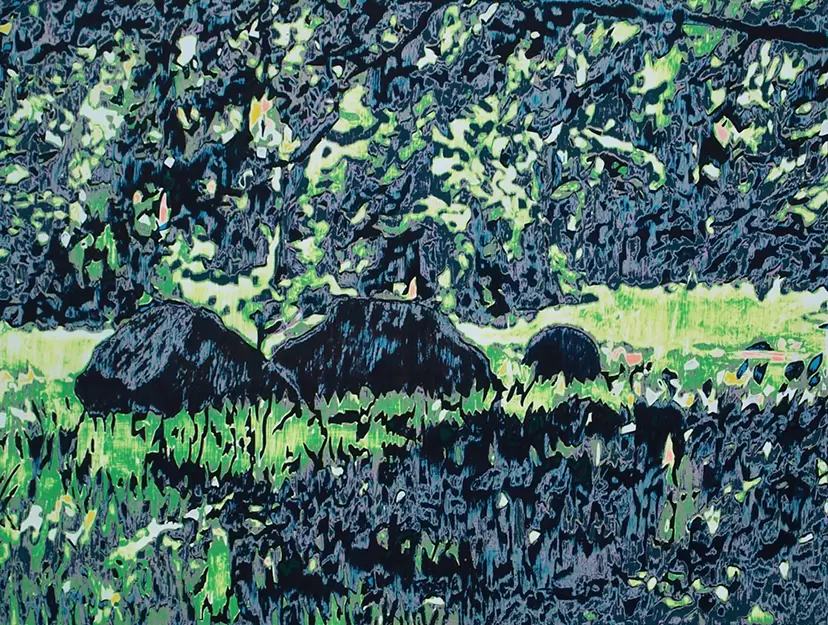
ご覧頂きありがとうございます。
ArtStickerでは、アンフォルメル絵画「Layers of Color」シリーズを中心に作品を公開中ですが、他シリーズからも追加していきます。
多様なコンテンツや表現がある中で、「絵画のおもしろさ」を自分なりに考え探究しながら作家活動をしています。
ご支援は、作品の制作、発表活動、制作環境の維持に充てさせて頂きます。
どうぞよろしくお願い致します。