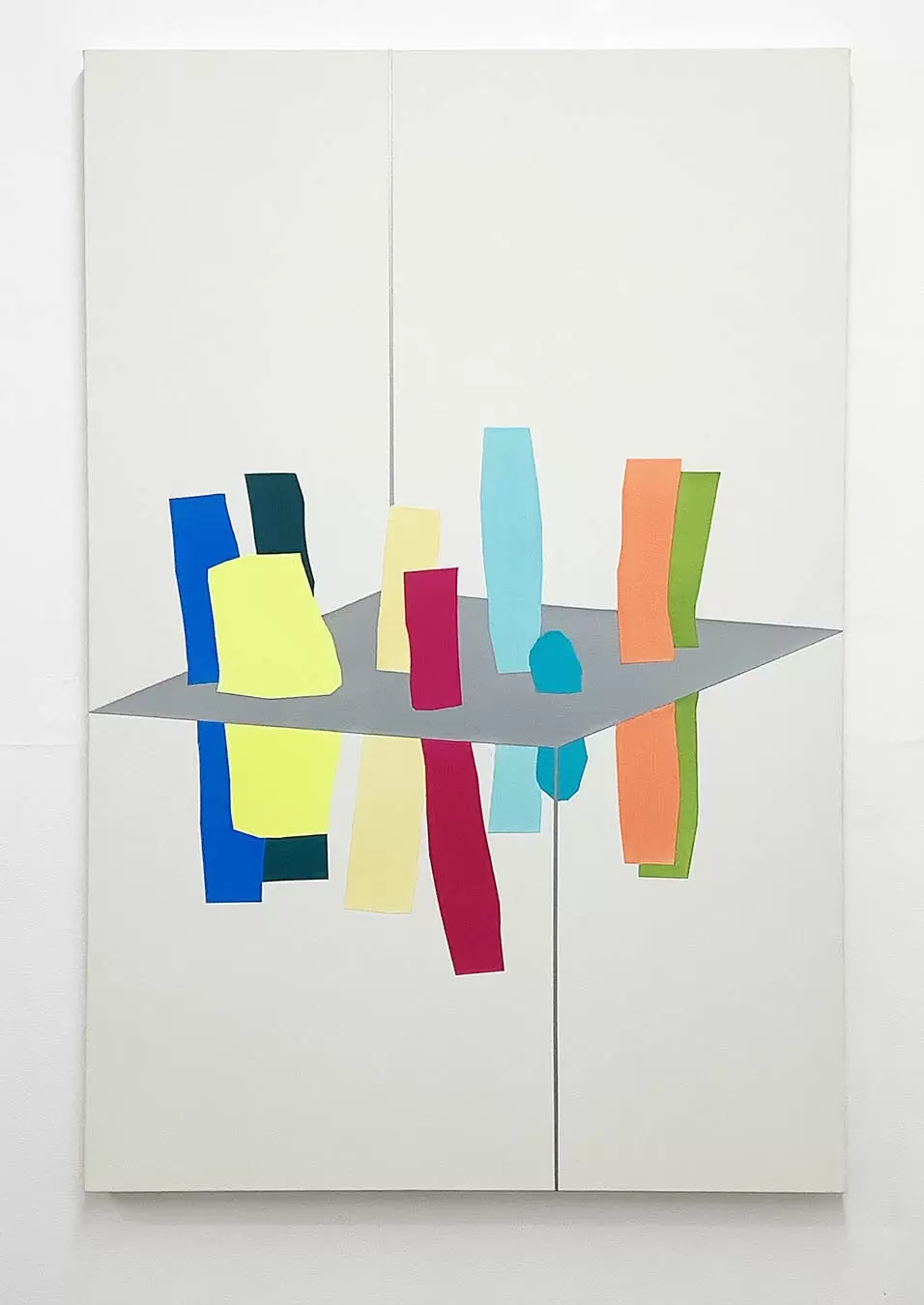
melt-Through

制作年份: 2025
材料或技法: 丙烯酸纤维, 帆布, 其他的
尺寸: 116.7 × 72.7 cm
版本: 独特
签名:包括

关于作品
- 制作年份
- 2025
- 材料或技法
- 丙烯酸纤维, 帆布, 其他的
- 尺寸
- 116.7 × 72.7 cm
- 版本
- 独特
- 签名
- 包括
- 画框
- 不包含
- 作品证书
- 不包含
- 类别
- 绘画
- 风格
- 抽象的
作品详情
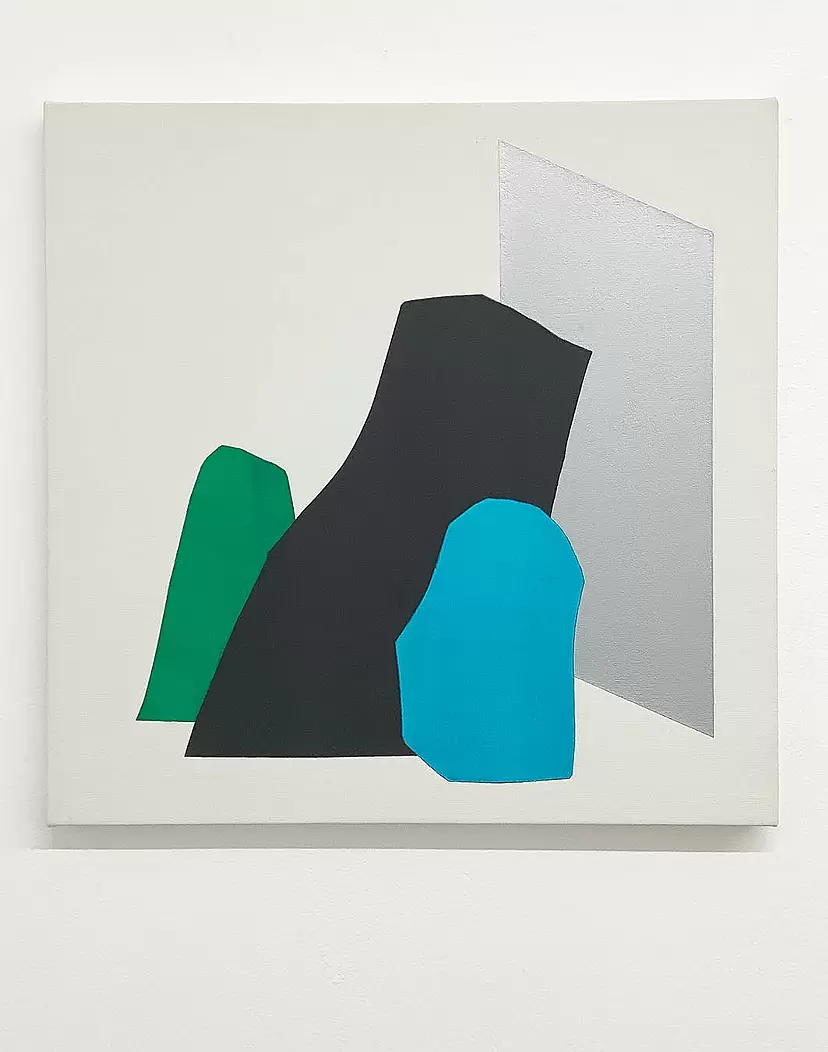
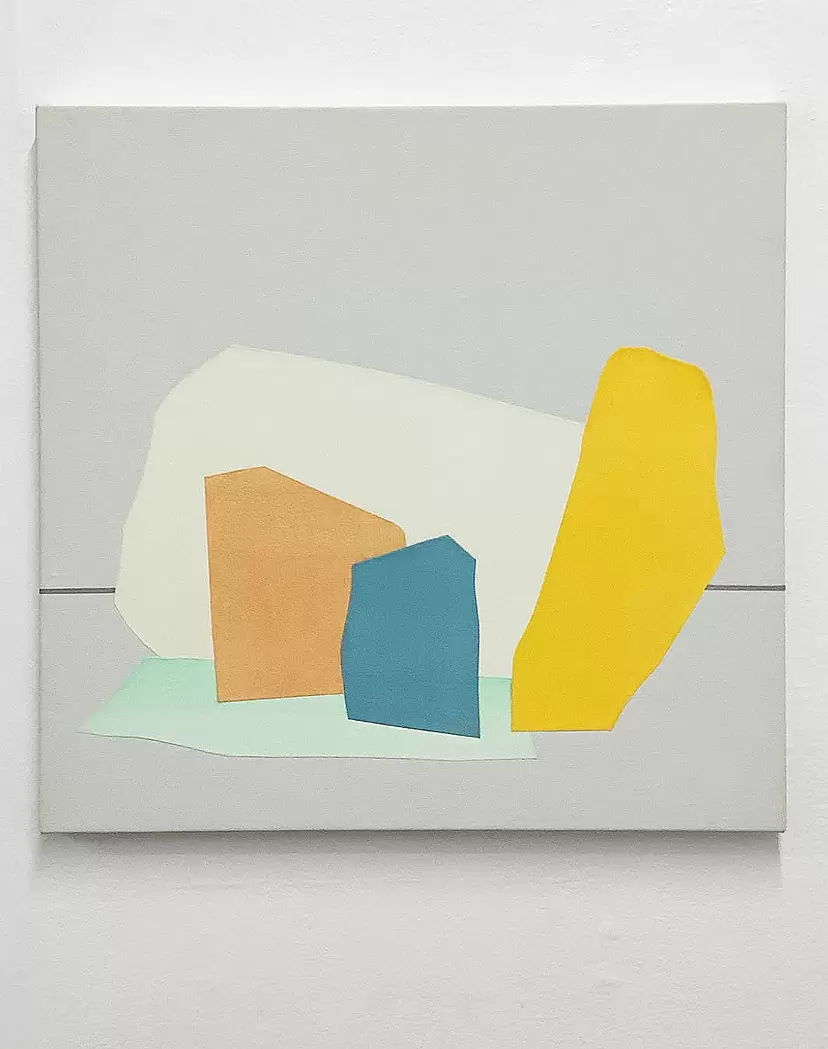
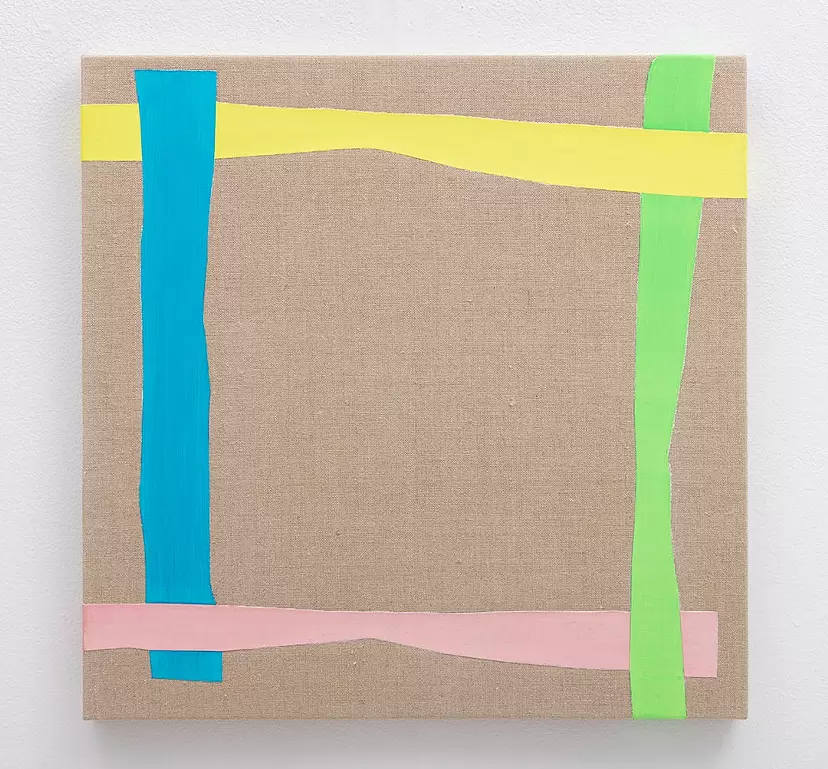
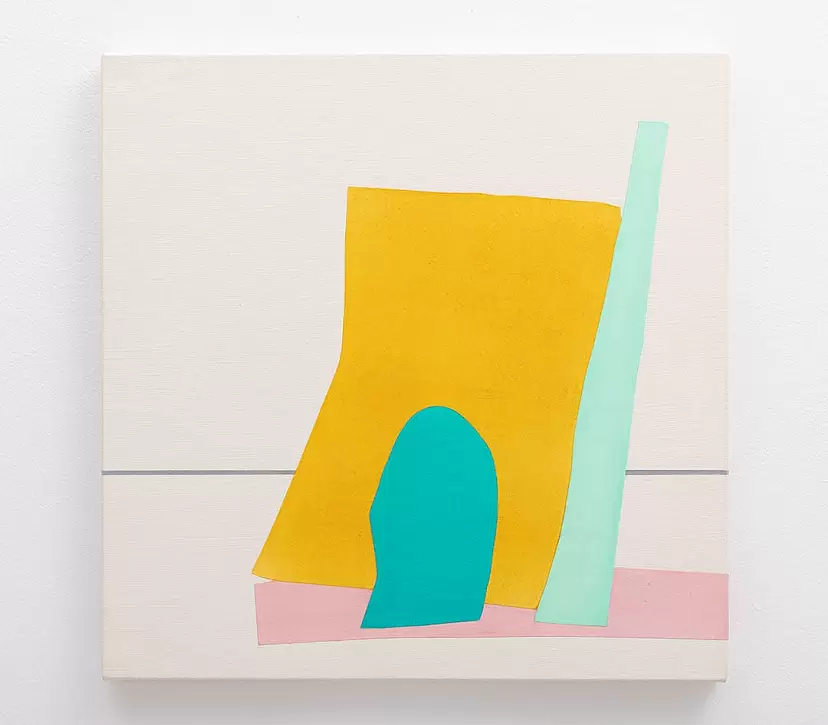
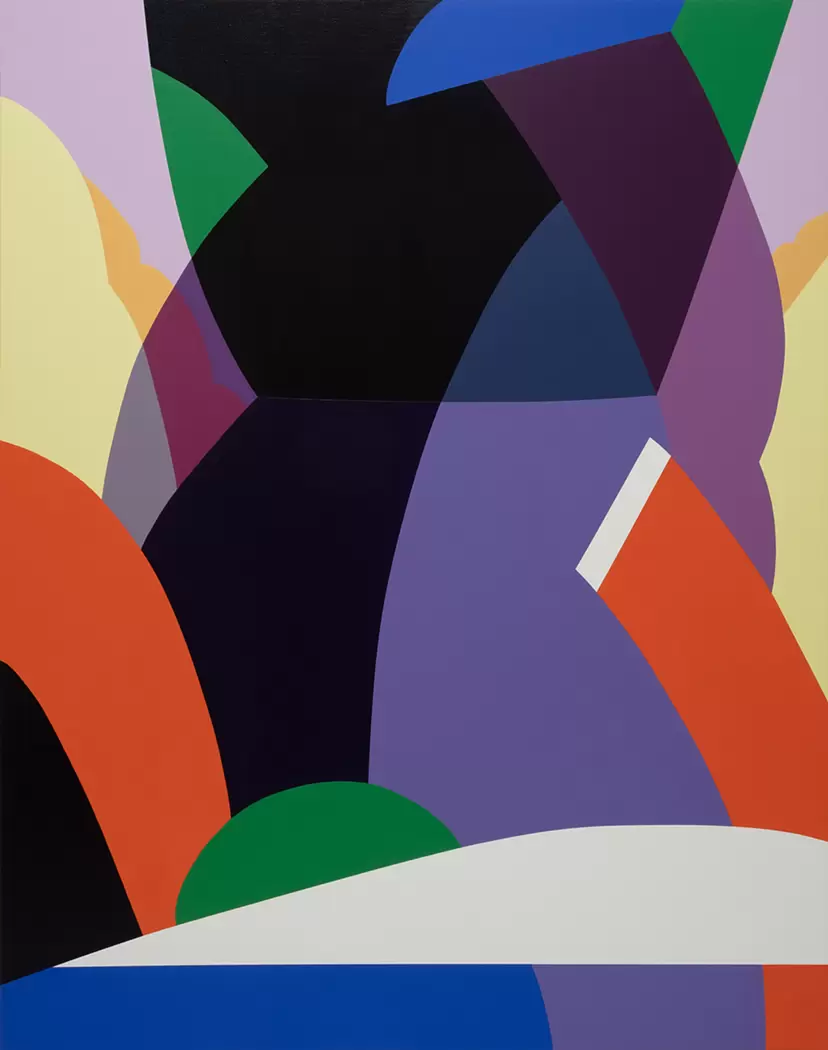
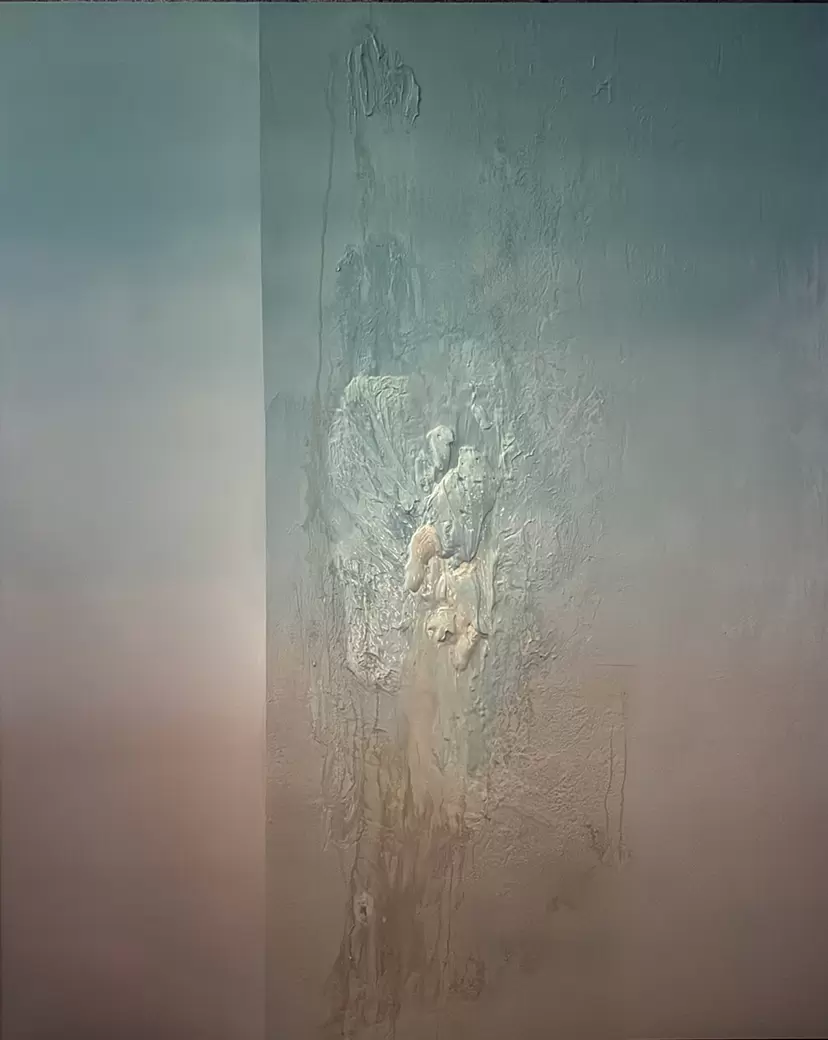
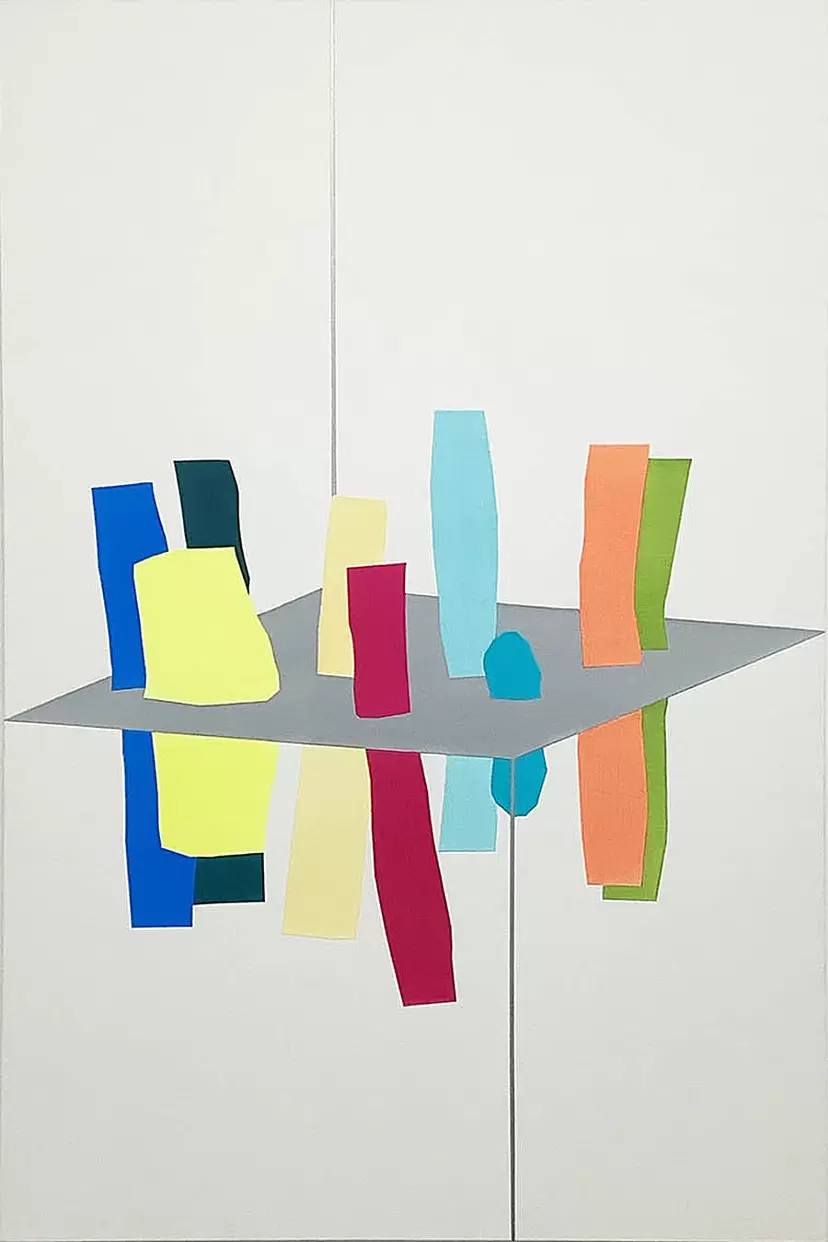
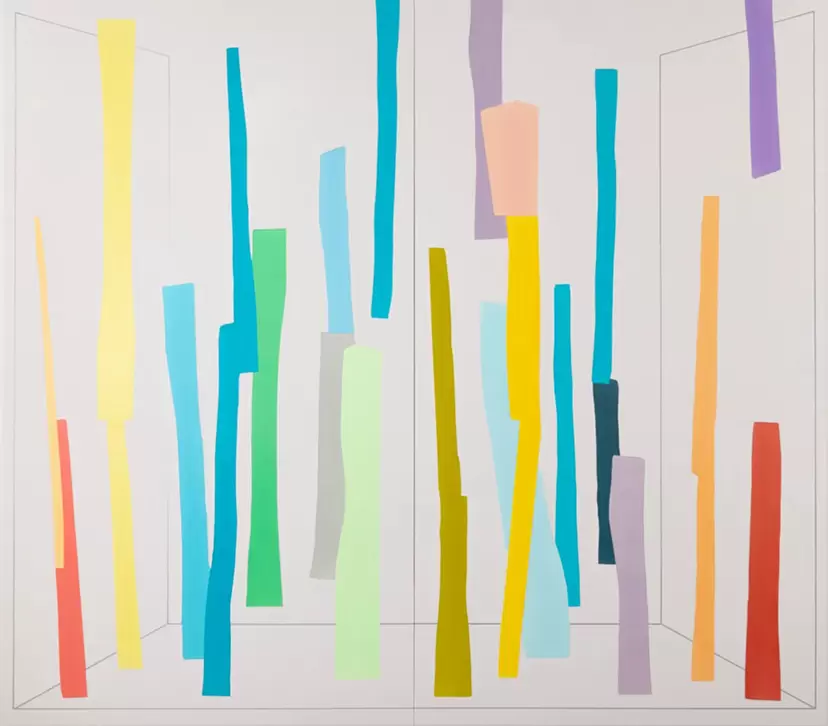
melt-through 2025
acrylic paint with luminescent pigment on canvas
116.7 x 72.7 cm
About the Takeshi Hosaka solo exhibition “Art in the Mundane: Being in Everyday 2”
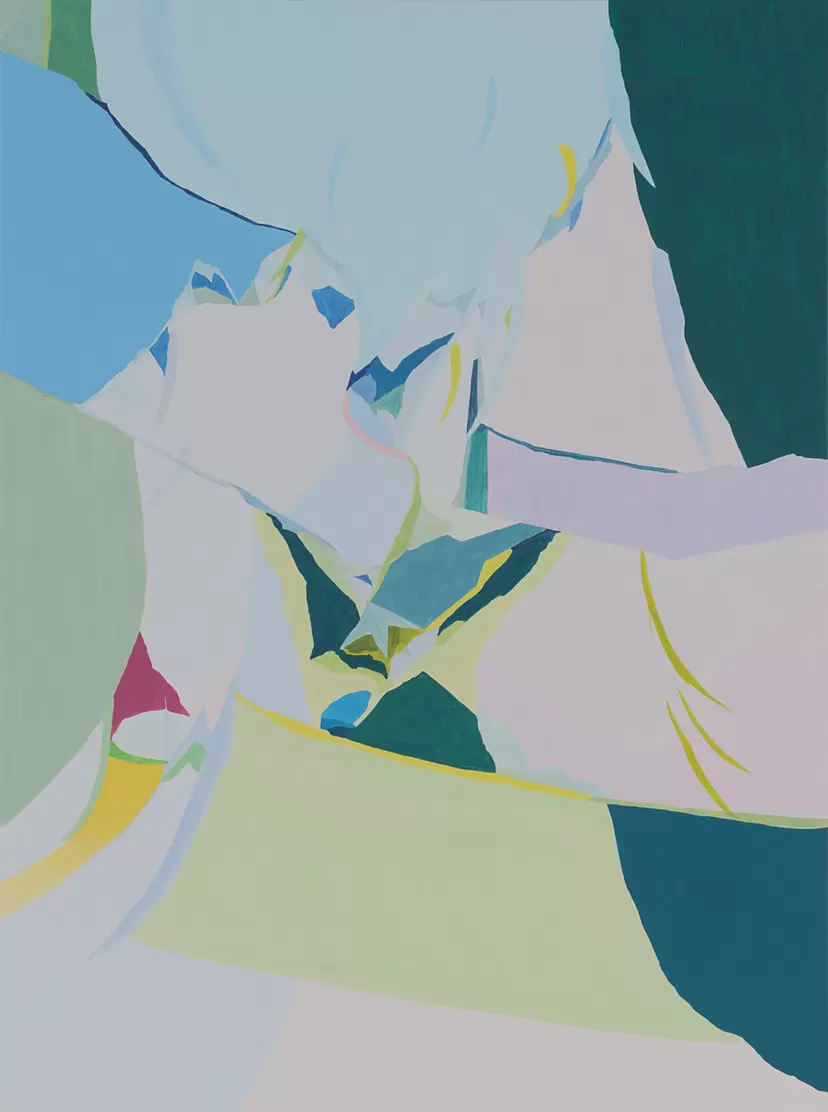
This solo exhibition by Takeshi Hosaka is a continuation of last year’s show, Art in the Mundane : Being in Everyday, hence the title Art in the Mundane : Being in Everyday 2. As in his previous works, the paintings present spatial structures and color fields that are both simple and intricately composed upon the canvas. Each surface is evenly painted to eliminate painterly sentiment, achieving a balance and rhythm that define Hosaka’s visual language. Born in Fukushima, Hosaka often titles his works “ debris ”, invoking the lingering memory of radiation and its history of use in Japan―an essential conceptual layer in his art. A distinctive feature of this new exhibition is the diversity of canvas sizes. It may seem a minor detail, yet for an artist who has long worked with three-dimensional, object-like forms, the flat, frontal surface of a canvas once posed a certain discomfort. For that reason, his earlier works on large canvases began as an attempt to confront a format in which he himself felt little material presence. Now, in this second series, it seems Hosaka’s sensibility and perception have finally harmonized with the nature of the canvas. Viewers can expect works in a wide range of sizes, each revealing the rhythmic interplay of Hosaka’s distinctive color palette―whether on an intimate or grand scale.
Artwork comments from GALLERY ZERO
As I was viewing the new pieces, especially the square-format works, an image of a garden suddenly came to mind. Not a lush garden filled with trees and flowers, but the famous dry landscape garden at Ryōan-ji―composed of white gravel and stones.
The perspective I imagined was not of the entire garden, but of a fragment: a single stone arrangement, or perhaps a small tsuboniwa courtyard. Hosaka’s slightly off-white, cream-toned backgrounds seem to function as white sand or spatial voids, generating within real space a pictorial fiction―a “place” that is simultaneously painted and imagined. Upon these grounds, the color planes appear, upon closer inspection, not as mere two-dimensional surfaces but as possessing subtle three-dimensional volume. In that sense, they function much like the stone compositions of karesansui (dry gardens). If the monochrome austerity of a Zen garden at Ryōan-ji serves to prompt meditation and contemplation, then Hosaka’s “ debris ” paintings―through their harmonious colors and stable compositions―seem to invite relaxation, release, and, in turn, imaginative reflection. Speaking of which, David Hockney once created a photographic work capturing Ryōan-ji’s garden. His multi-perspective, reverse-perspective composition was deeply thoughtful yet full of playfulness―very much in Hockney’s spirit. I imagine Hosaka, too, was aware of such ideas as he conceived this new series.
Please enjoy these colorful, spirited works that expand both vision and thought.
展览资讯
- 过去的展览
- 保坂毅 “ ケのbiの図の2:Art in the Mundane: Being in Everyday 2 ”2025.10.18 - 11.08
观赏摆饰在房间里的样子
艺术家

Artist
Takeshi Hosaka was born in 1980 in Fukushima, Japan, and graduated from Musashino Art University's graduate school of oil painting in 2005. He lives and works in Tokyo. Takeshi Hosaka has been showing paintings of stripes, checks, and single-colored surfaces on three-dimensional supports that resemble objects. These object-like paintings, which can appear three-dimensional or two-dimensional depending on the viewer's shifting perspective, are experiments in space and the viewer's point of view. 1980 born in Fukushima, Japan 2005 Musashino Art University, Painting Course ( MA ), Tokyo, Japan Solo Exhibitions 2024 “Art in the Mundane:Being in Everyday”, GALLERY ZERO, Osaka, Japan 2020 “net drawing”, GALLERY ZERO, Osaka, Japan 2019 “outside margin”, Sou Gallery, Tokyo, Japan 2019 “Good boy, go to bed early”, CAGE GALLERY, Tokyo, Japan 2018 “partition and deception”, Sou Gallery, Tokyo, Japan 2017 “if else if”, GALLERY ZERO, Osaka, Japan 2017 “whisper of form, voice of color”, HUS DESIGN GALLERY, Osaka, Japan 2016 “rearrangement”, SOH GALLERY, Tokyo, Japan 2016 “around and around”, A-things, Tokyo, Japan 2015 “2×4×2+0”, GALLERY ZERO, Osaka, Japan 2014 “BACKGROUND”, gFAL, Tokyo, Japan 2014 “drive in the house”, HARMAS GALLERY, Tokyo, Japan 2011 “color-colar-colar”, A-things, Tokyo, Japan 2009 “Work”, youkobo ART SPACE, Tokyo, Japan 2009 “Scrutinize”, A-things, Tokyo, Japan 2007 Art Trace Gallery, Tokyo, Japan 2006 Art Trace Gallery, Tokyo, Japan Group Exhibitions 2018 SIAF 2018, project FUKUSHIMA!, Fukushima, JP 2016 Kitasandoh Alternative, project.KABATA、Tokyo, JP 2016 “ Situation/Decision - Takeshi Hosaka・Fuyuki Ono・Kota Sasaki・Kohsuke Hayashi - ”, AKIBATAMABI 21, Tokyo, Japan 2016 “Hypothesis and stardust”A-things, Tokyo, Japan 2016 Tir na nog Gallery, Tokyo, Japan 2015 “railroad siding 2015”, Tokorozawa Second Feeding Service Center, Saitama, Japan 2014 Dynamics of expression”, HARMAS GALLERY, Tokyo, Japan 2012 “L×W×H”A-things, Tokyo, Japan 2011 “TRIO-A-DOT”A-things, Tokyo, Japan 2010-11 “Primary Field Ⅱ”The Museum of Modern Art Hayama, Kanagawa, Japan 2010 “TRIO-A-GRID”A-things, Tokyo, Japan 2009 “Cyborg Dream”Art Trace Gallery, Tokyo, Japan 2009 “TRIO-A-STRIPE”A-things, Tokyo, Japan 2005 “Selected Works from Musashino University Degree Show”Tokyo, Japan Awards 2008 The 23th HOLBEIN Scholarship Public Collection The Museum of Modern Art Hayama Stripe 05(Kiwaku) 2006-2008 oil, glue, Medium Density Fiberboard, wood 43×49×6.5 cm From 8-1 - From 8-6 2007 oil, beeswax, glue, MDF, wood each: 13×24×5.5 cm From 9-2 2007-2009 oil, glue, MDF, wood 16×24×5 cm From 9-3 2007-2009 oil, glue, MDF, wood 16×24×5 cm Bibliography 2019 Mizuo Nakajima (Art Criticism) "Between Discipline and Games: On the Works of HosakaTakeshi 2018 Nariai Hajime (at the time : curator, Tokyo Station Gallery), "Seeing Reliefs, Eyes are Reliefs" 2014 11/13 Hideyuki Nagasawa (Professor of Musashino Art University), 2014 1/18 Michio Hayashi (Art history|Art critic), 2011 1/17 Hiraku Koreeda (curator), Inteview (Exhibition catalogue), The Museum of Modern Art Hayama 2009 9/17 Bijutsu Techo, October 2009 issue “Go! Artists Go!”
查看艺术家信息