


A=B
Year: 2024
Material/Technique: Paper, Pastel, Pencil
Size: 206 × 136 cm
Edition: Unique
Signed:Not Set
This artwork is available for purchase.
USD 1,585
Note: Prices are displayed as reference prices converted at the exchange rate. Payments are made in Japanese yen.


About the Work
- Year
- 2024
- Material/Technique
- Paper, Pastel, Pencil
- Size
- 206 × 136 cm
- Edition
- Unique
- Signed
- Not Set
- Frame
- Not Set
- Work Certificate
- Not Set
- Distributor of artworks
- Momoka Kawashima
- Ship-from Area
- Not Set
- Days Until Dispatch
- Not Set
- Category
- Paper Work
Work Details
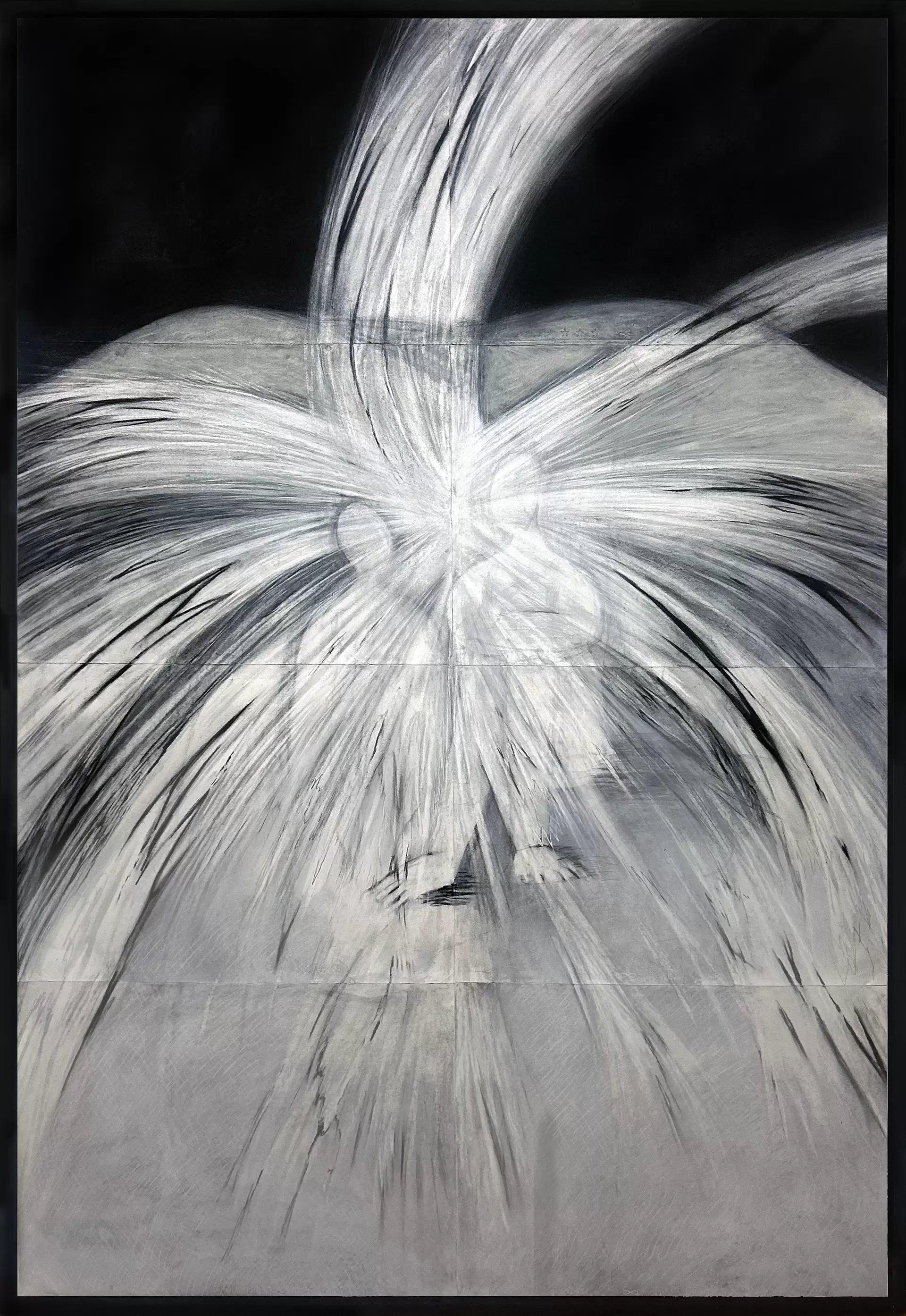
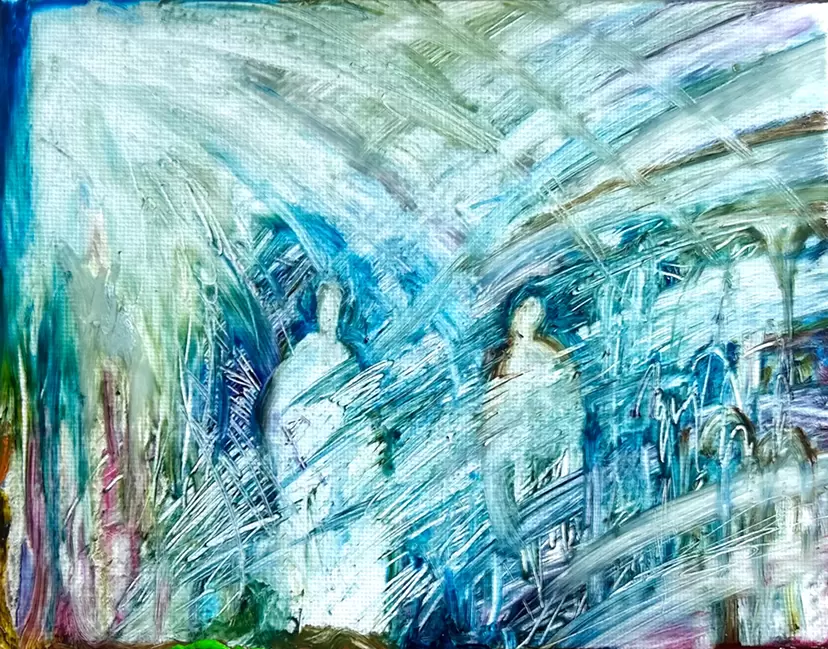
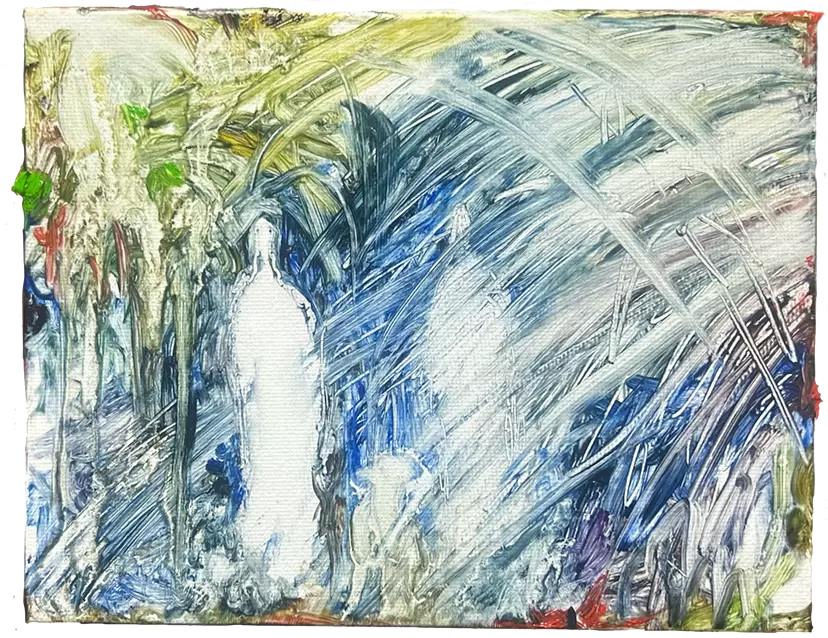
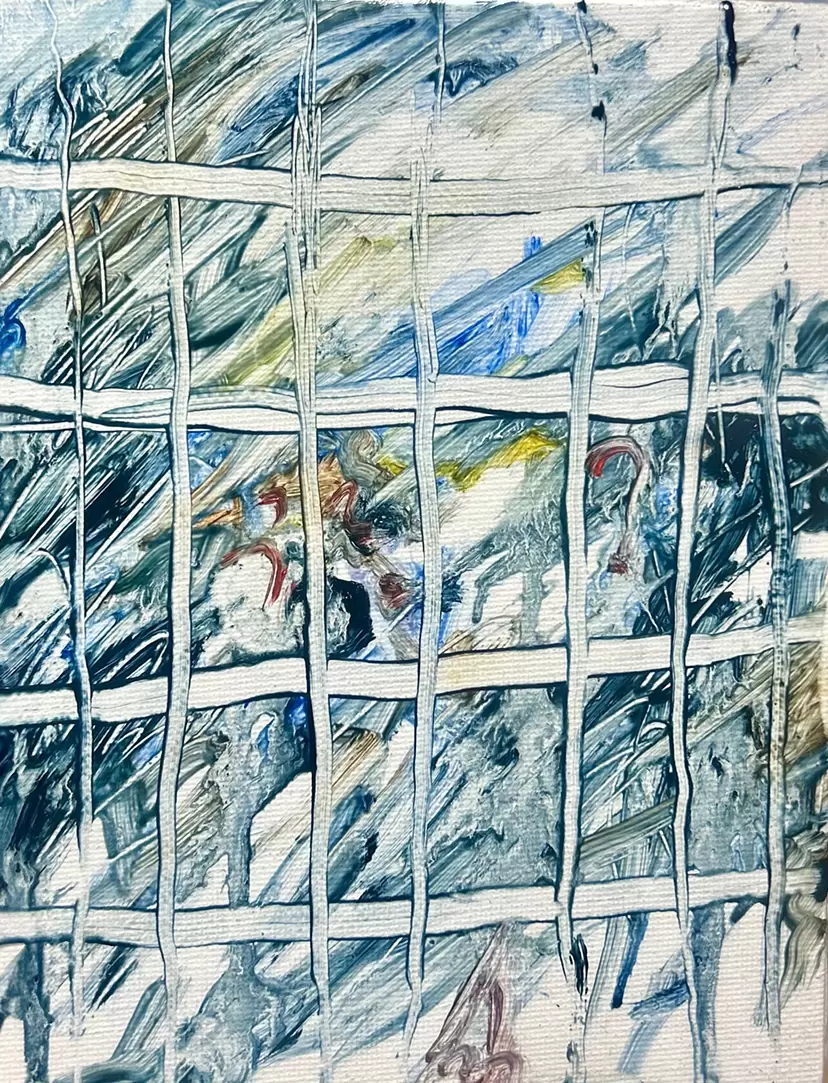
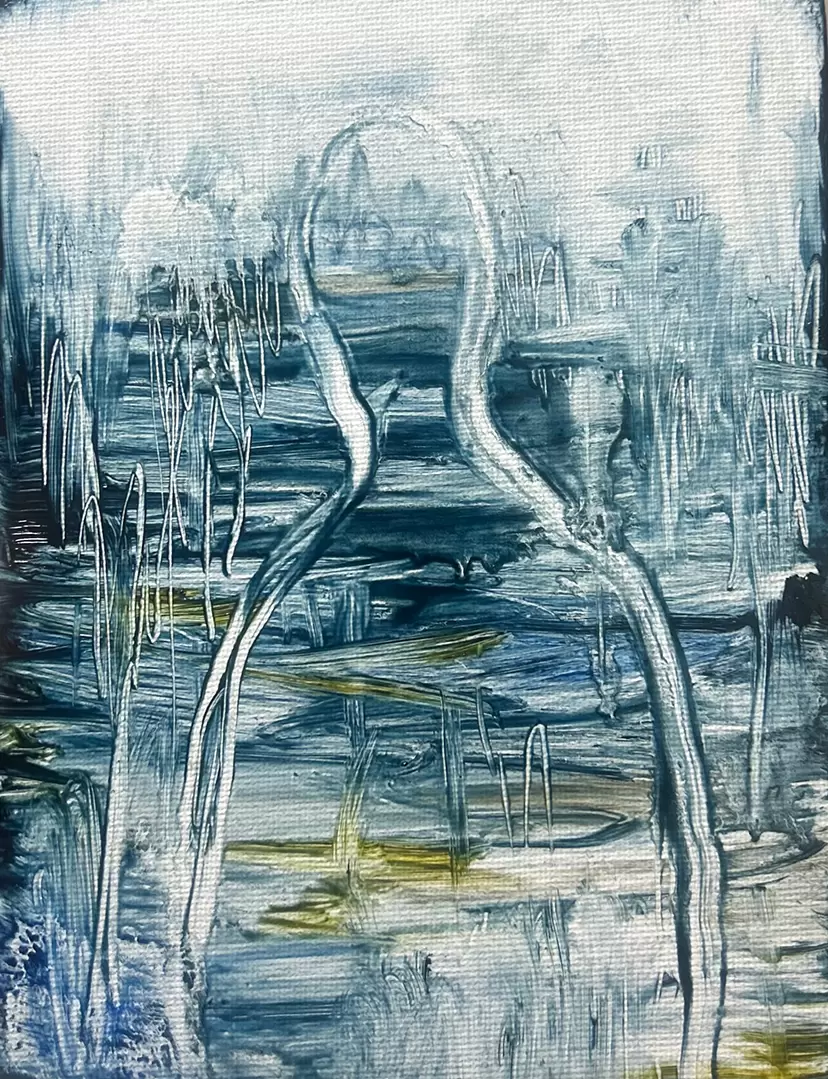
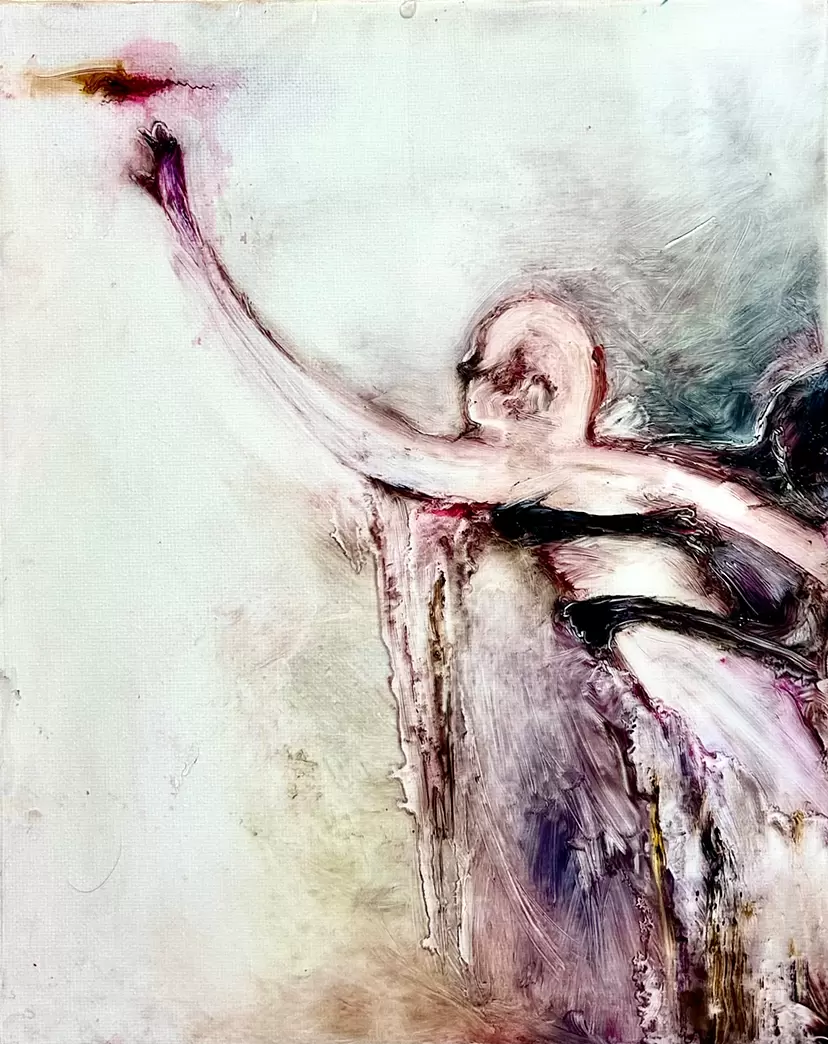
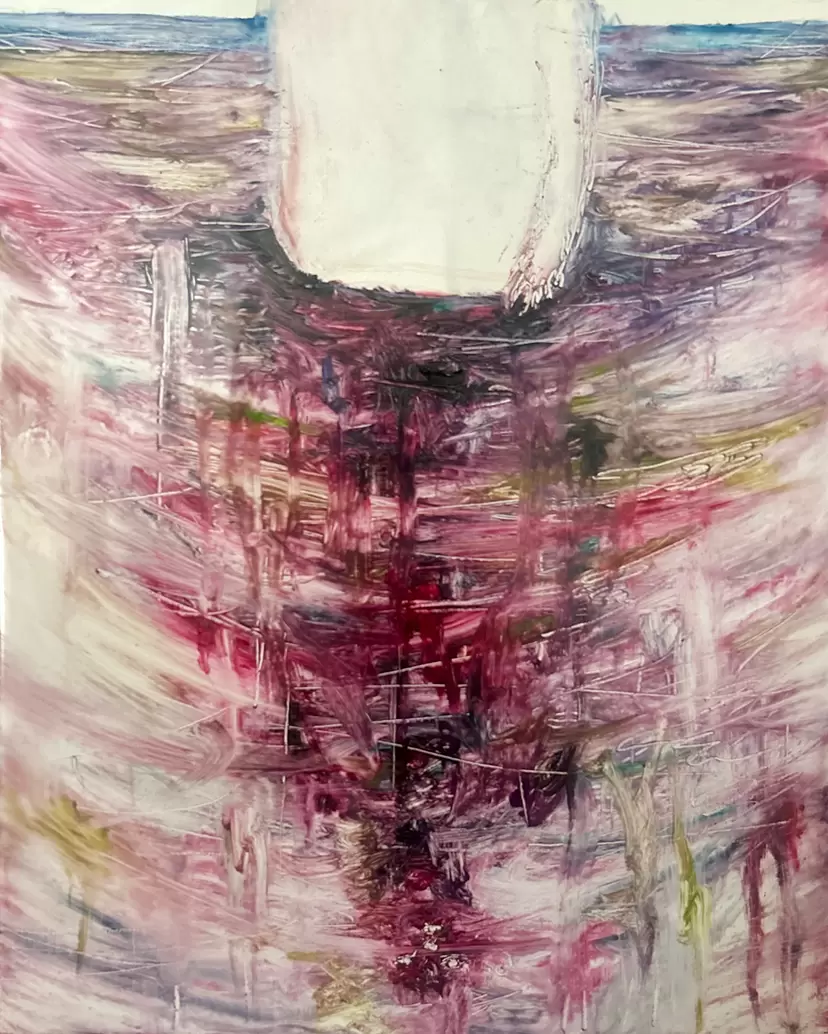
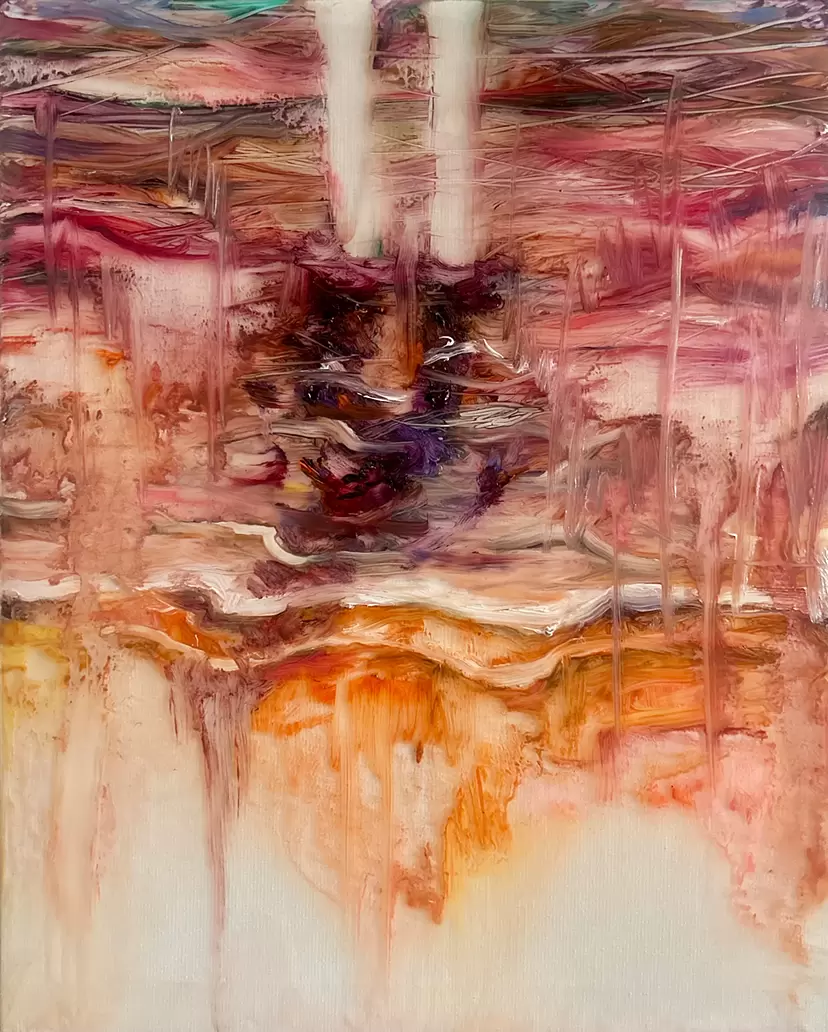
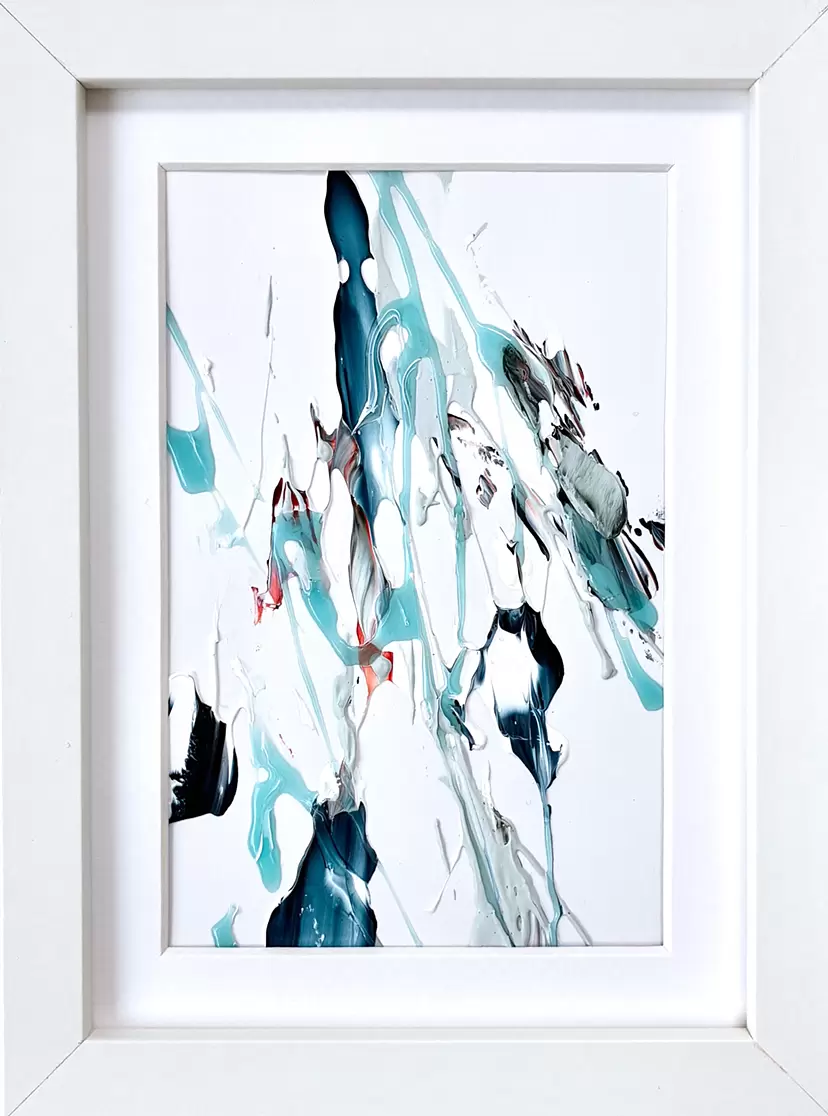
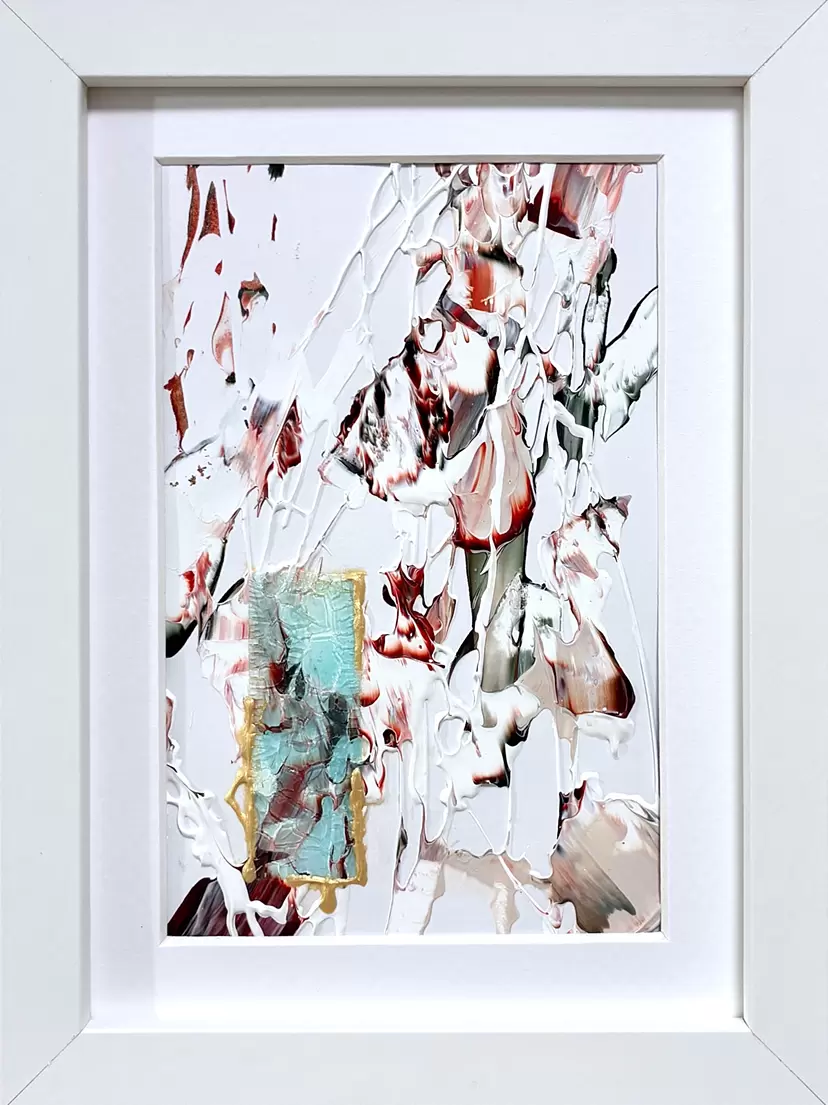
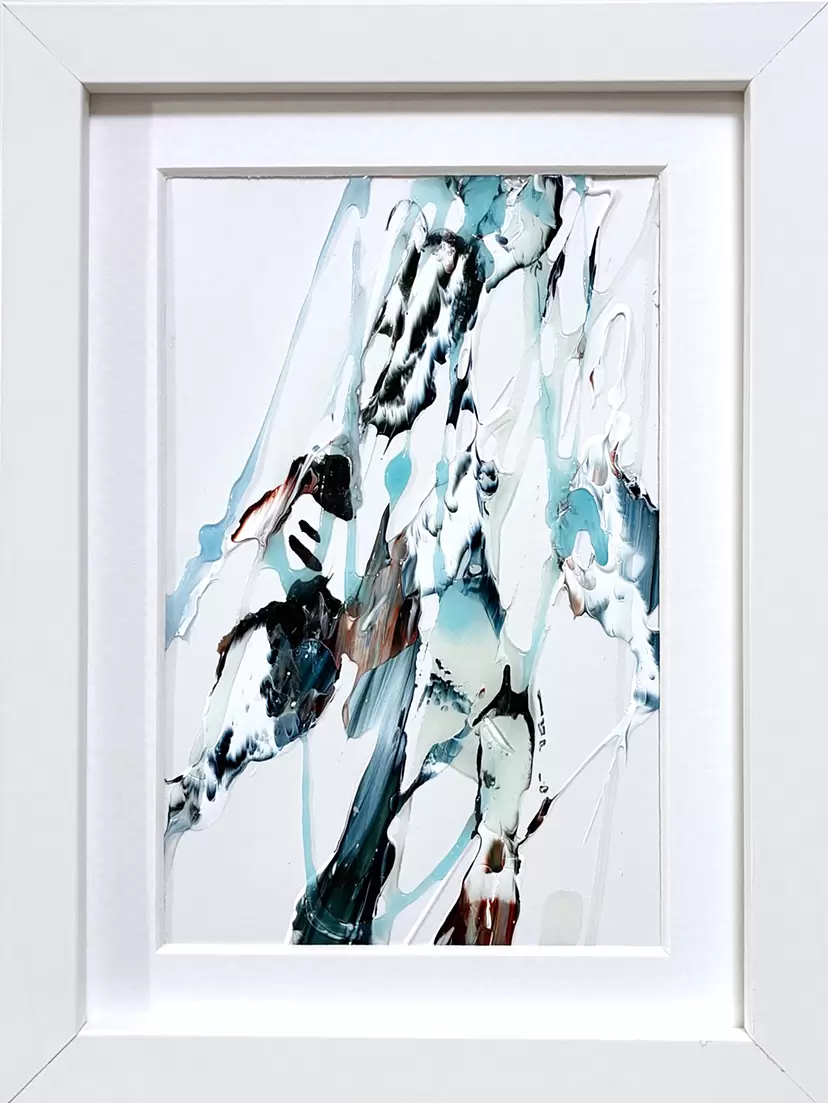
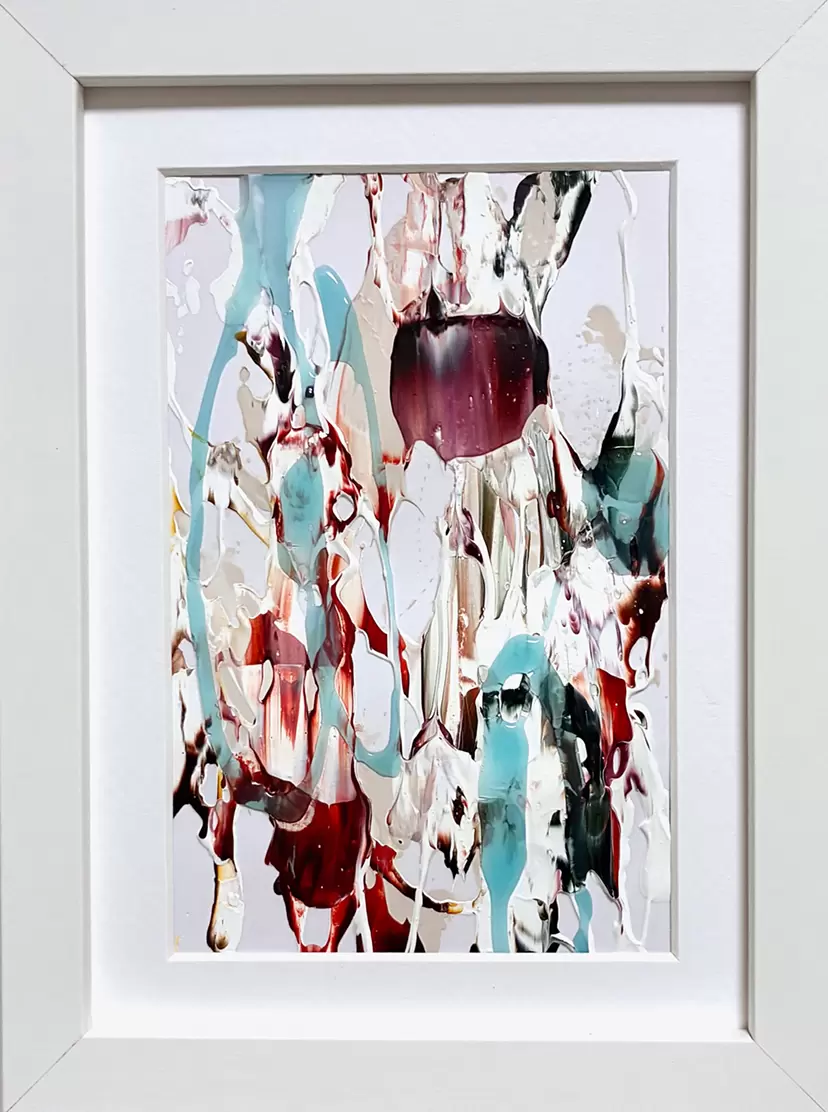
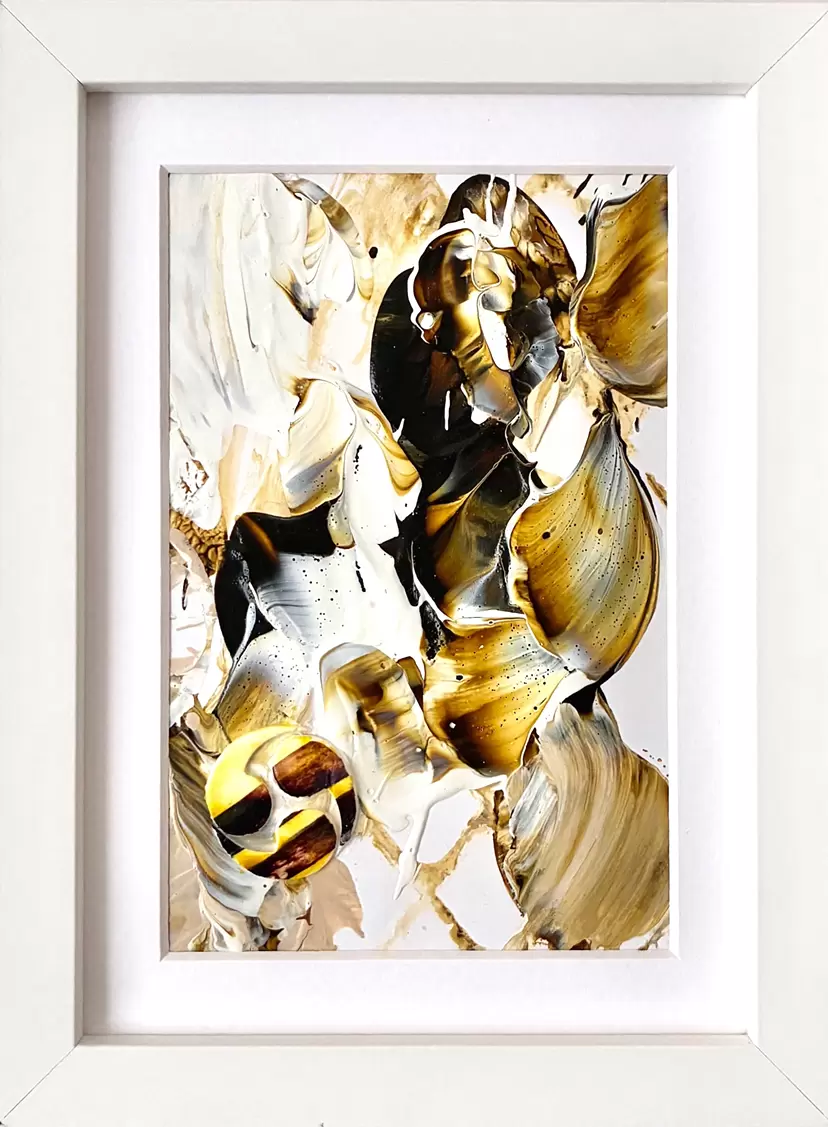
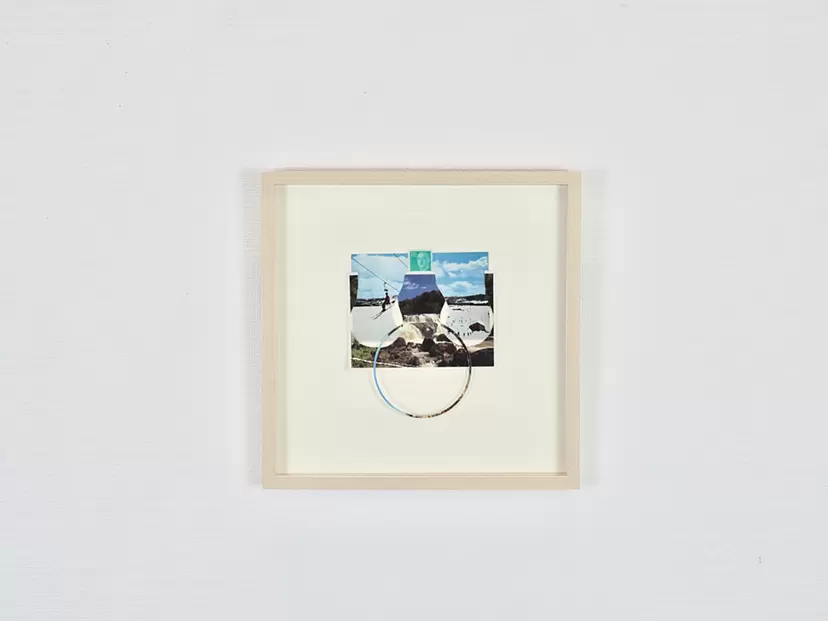
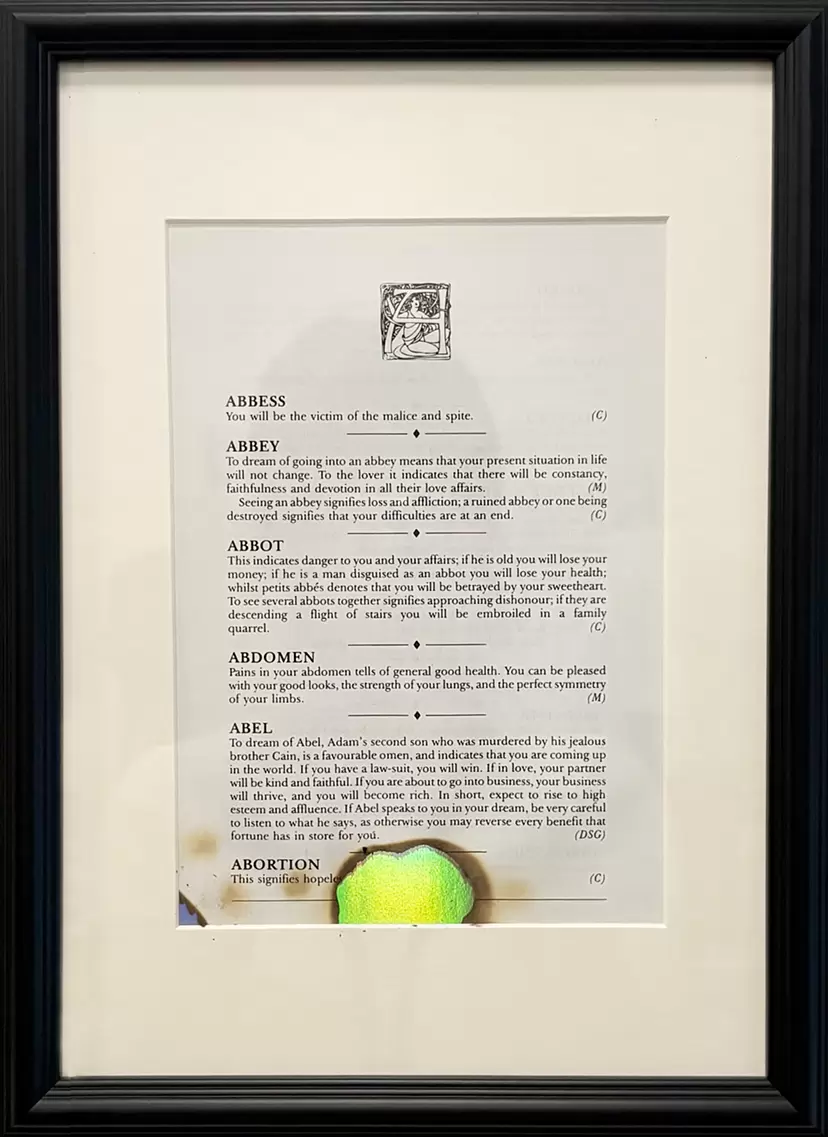
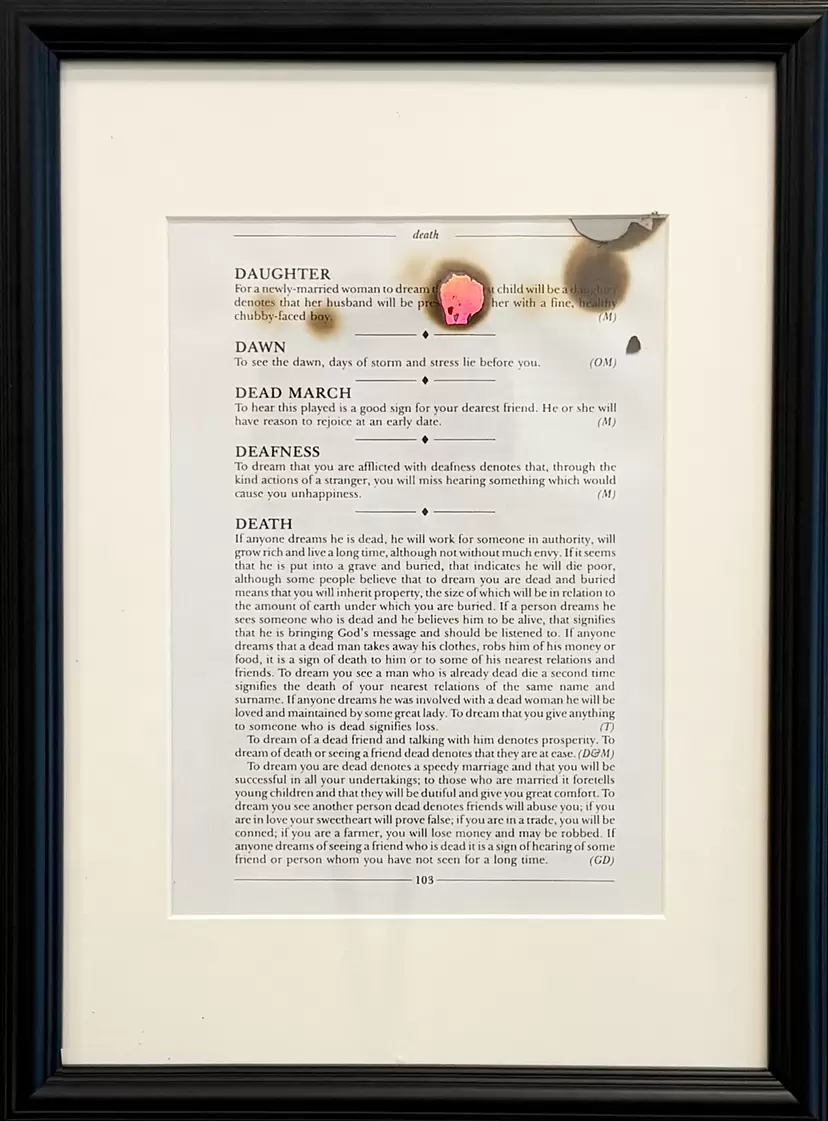
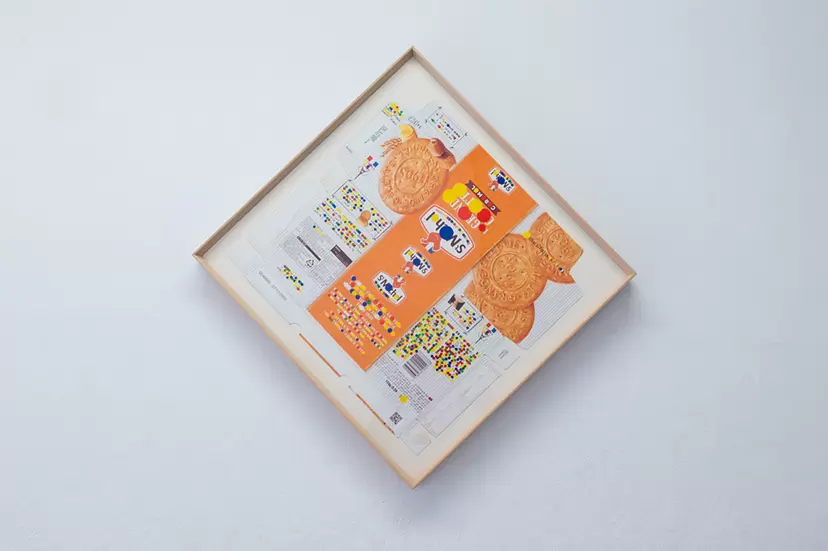
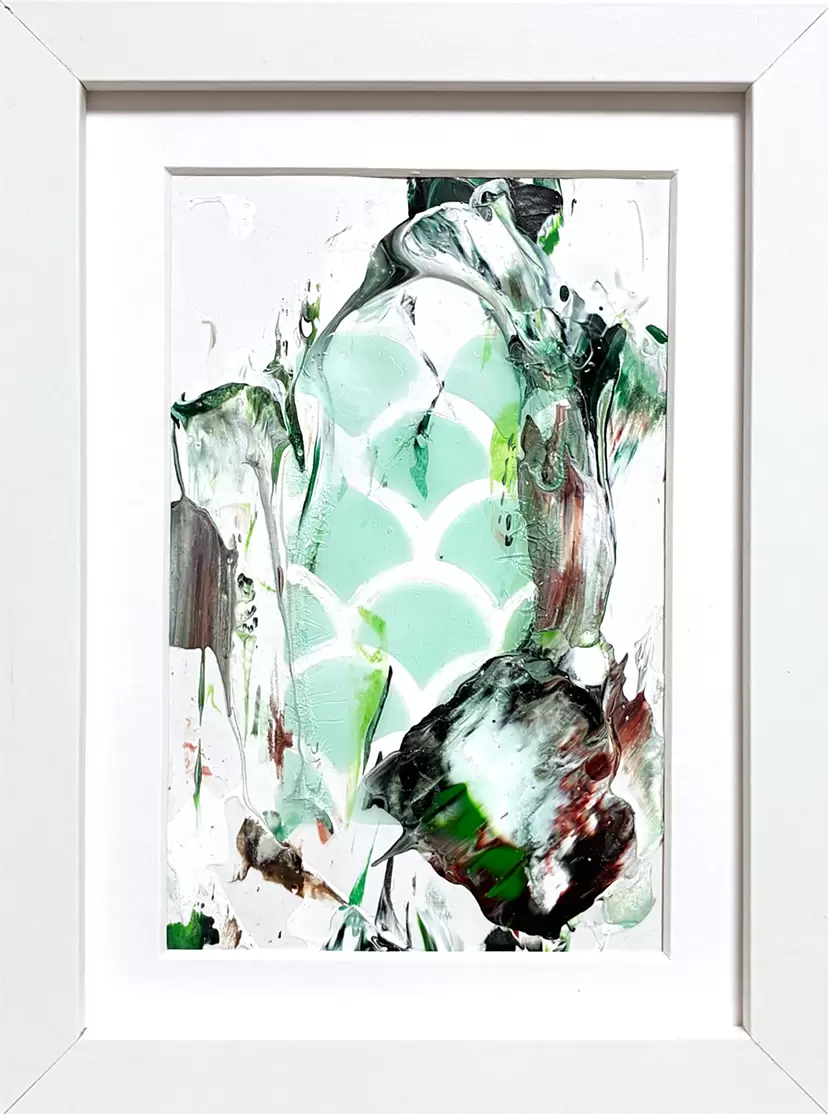
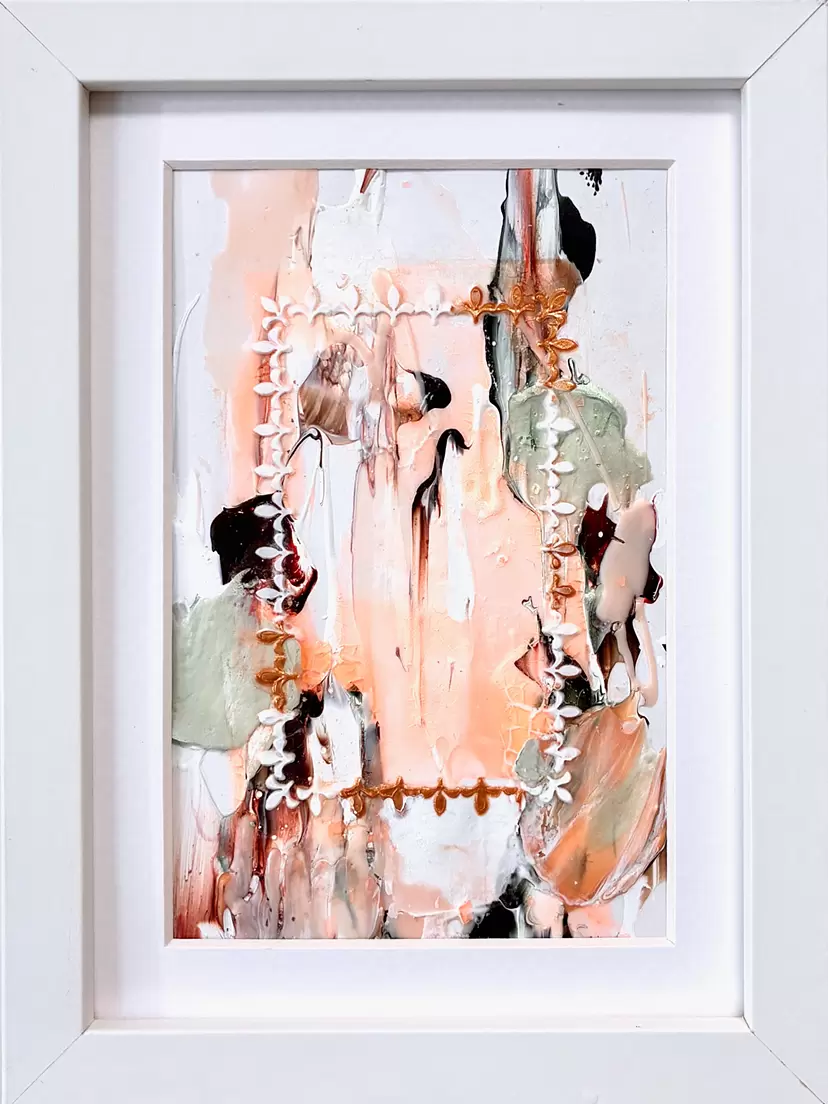
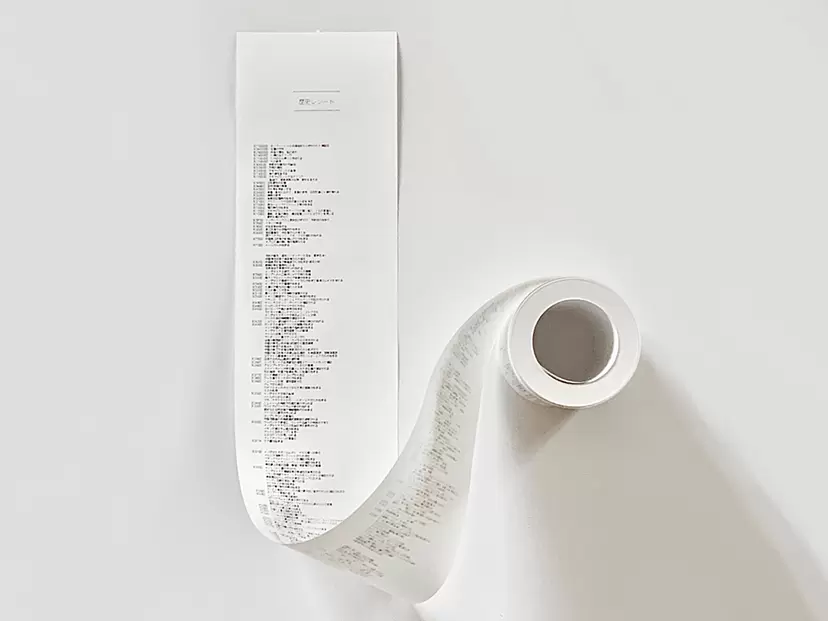
戯曲は最も人間に近い言葉だと思う。上演する目的で書かれた言葉は、誰かによって発せられるために作られている。だからこそ音としての意識や息づかいまでもが、他のどの言葉よりもありありと感じられる。言葉になったものと、言葉になる前のものとの狭間をゆらいでいるようだ。 誰しもが抱える、この星との一生のお別れを意味する訣別という蟠りは、他者を真剣に受け取ることで、祈りに変わる。このことをテーマに、他者を真剣に受け取る様を、「A:B」、「A=B」、「A∩B」の3つのパターンから、それぞれを題目とした短編戯曲を書いた。「A」=わたしと、「B」=あなたの、閉ざされたちいさな会話劇である。この戯曲は、板の上で演じられることを目的としていない。野原や山の麓、海の側など、個人の会話が繰り広げられやすく、かつ2人の会話が2人だけのものになる場所を想定した野外劇である。これは、観客がいてはじめて成立するとされている演劇を、パーソナルなものとしている。そのため、この戯曲が仮に上演されることとなっても、観客は存在しない。観客のいない2人の会話劇だからこそ、世界は成立しうる。 そこから、この短編戯曲を画面上で芝居をするように絵に落とし込んだ。この作品は、戯曲から絵画に移行するという複雑な過程を経た作品である。 芝居は、確かに他者のものであるはずの言葉が、ほんの一瞬、自分のものになる瞬間がある。それは言葉になる前のものを、言葉でなぞるような行為に近しい。 一方で絵は、芝居のようだ。線を重ねていくうちに、徐々に輪郭が現れては消える。そのうち、ほんの一瞬光が差す。その光が画面に現れたときにはじめて、ようやく誰かと分かり合えたような感覚がする。偉い人が正解で、私たちが間違っているということはあり得ないのだと、そう強く主張できる唯一の手段に思える。 言葉と絵の関係は、言語と非言語という面では対極にあるかもしれない。だからこそ、双方を結ぶことに意味があるはずだ。同じ言葉でも伝え方によって印象が変わってしまうように、言葉は言葉そのもの以外の影響が大きい。その言葉以外の表現に、わたしは絵を選ぶ。自らの言葉が、目の前の他者であるあなたの形を縁取りながら変化していくといった、ただそれだけの日常生活の延長を、画面上で上演する。 そうすることで、なぜ、わたしが、あなたが生きているのか、その答えが微かに見えてくると信じている。
How to Buy

This artwork is available for purchase.
USD 1,585
Note: Prices are displayed as reference prices converted at the exchange rate. Payments are made in Japanese yen.
Need help with purchasing?

Join the waiting list
Join the waiting list to be notified when artworks become available for purchase.
Start Chat
Our art concierge is here to help. Please feel free to chat with us about artwork recommendations or issues with purchasing.
Artist
Artist
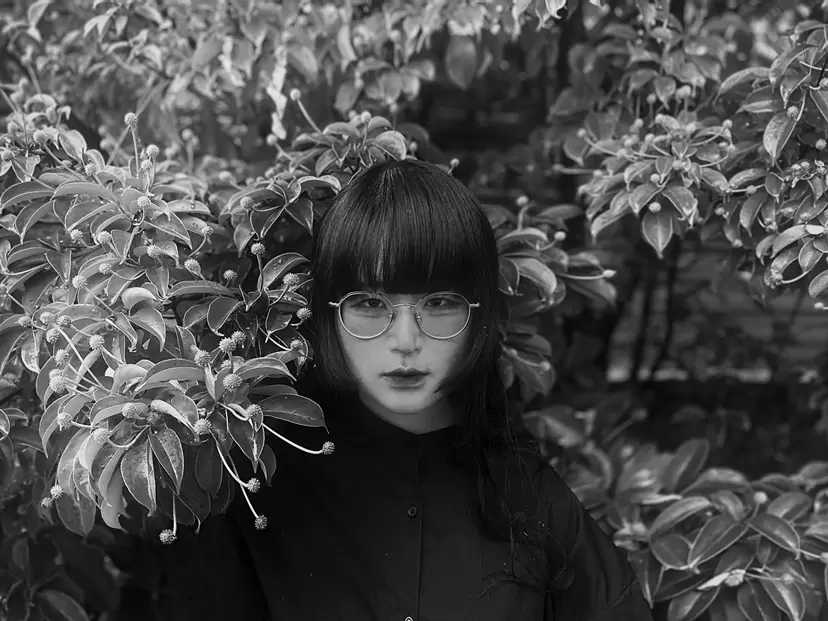
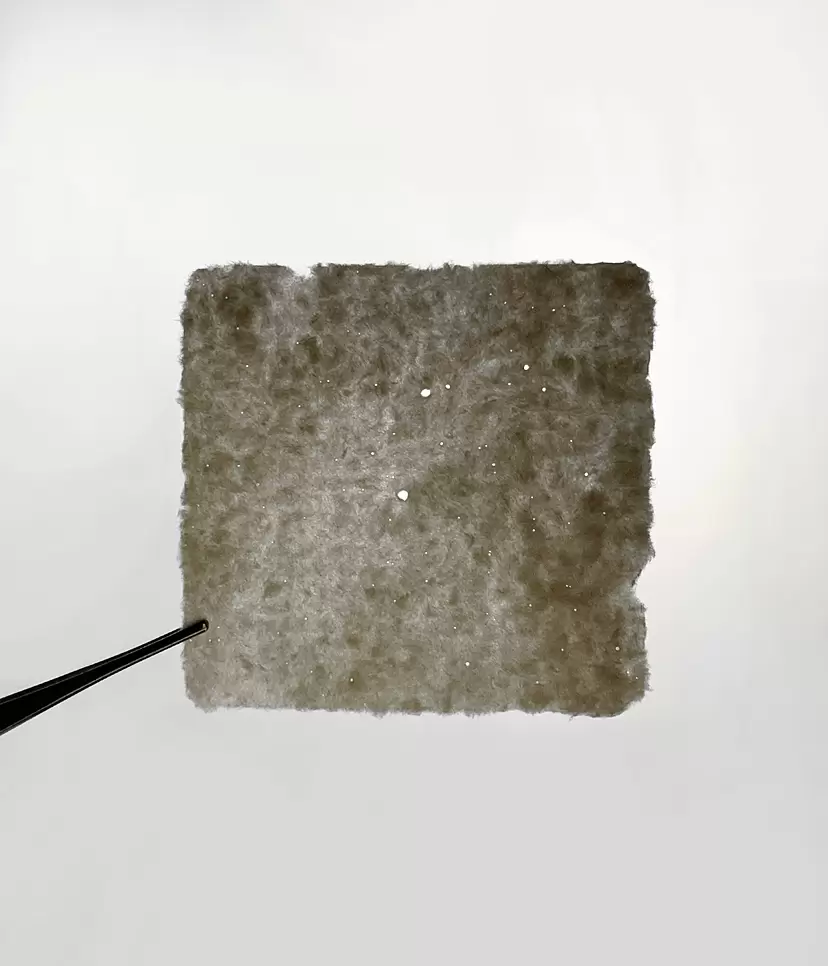
Momoka Kawashima’s practice begins with the question: “Is it possible to continue loving another who no longer has a physical presence, even after a loss has occurred?”In her work, the figure referred to as “you” initially emerges as a name for a particular individual whom she is unlikely ever to meet again, but gradually comes to embody the totality of those who have been lost. How does their absence remain within us, and how does it continue to transform? Through painting, installation, poetry, and text, Kawashima attempts to give form to the transformation of memory as an indeterminate entity.In Archive Fever, Jacques Derrida points to the paradox that “memory loses its essence in the process of preservation.” This structure is deeply connected to Kawashima’s practice. The act of attempting to remember or record “you” simultaneously contains the possibility of transforming, or even losing, that very essence. Yet she regards the act of continuing to confront this contradiction itself as one form of loving.Her textual practice is likewise grounded in the finite nature of dialogue and repetition between “you” and “I.” By translating her own words into paintings and installations, she considers the impossibility of fully crossing between language and the nonverbal as a “slippage in translation.” By repeatedly moving back and forth between language and the nonverbal, this slippage may at times be filled in, and at other times expand. She continues this process until the shifting nature of the translation itself becomes a representation of the absence of “you.”In recent years, Kawashima has increasingly chosen semi-transparent to transparent materials, such as fire-resistant and security films, as supports for her paintings, in order to trace the contours of others held within memory. These materials are associated with survival and protection—materials placed in the hands of those who choose to survive. The appearance of her works changes according to the position of the light source, and no work ever retains exactly the same appearance. Such changes evoke a way of being that continues to transform for as long as one continues to choose survival. At the same time, the technical contradiction of layering oil paint, a combustible material, onto a fire-resistant support reflects the contradiction inherent in the very act of continuing to depict “you.”Despite carrying this paradox, Kawashima continues to give form to the absence of “you.” The more she attempts to preserve “you” as something tangible, the more the work ceases to be “you” itself. And yet, by continuing to name it “you” within her work, she wishes to continue believing in “you” as an irreplaceable presence.
See artist informationSend a Sticker
Support Request Message
Send a Sticker to this artwork and support the artist.(¥160〜)
What is Sticker?

ご支援は今後の制作活動に大切に使わせていただきます。