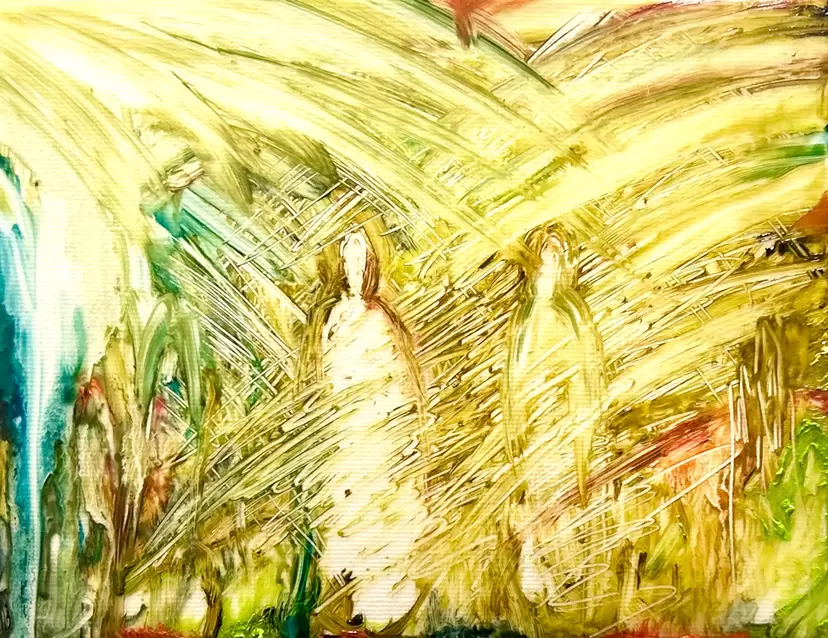
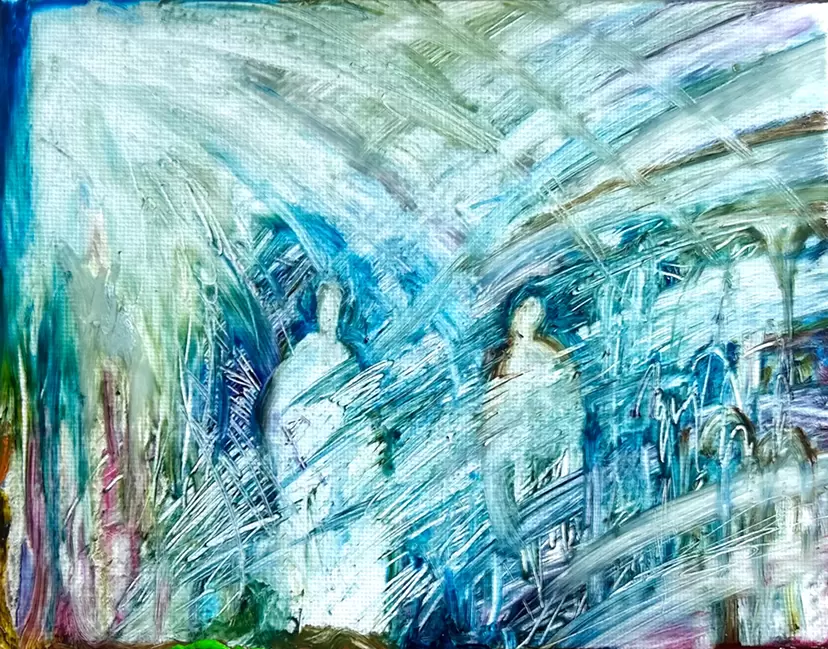
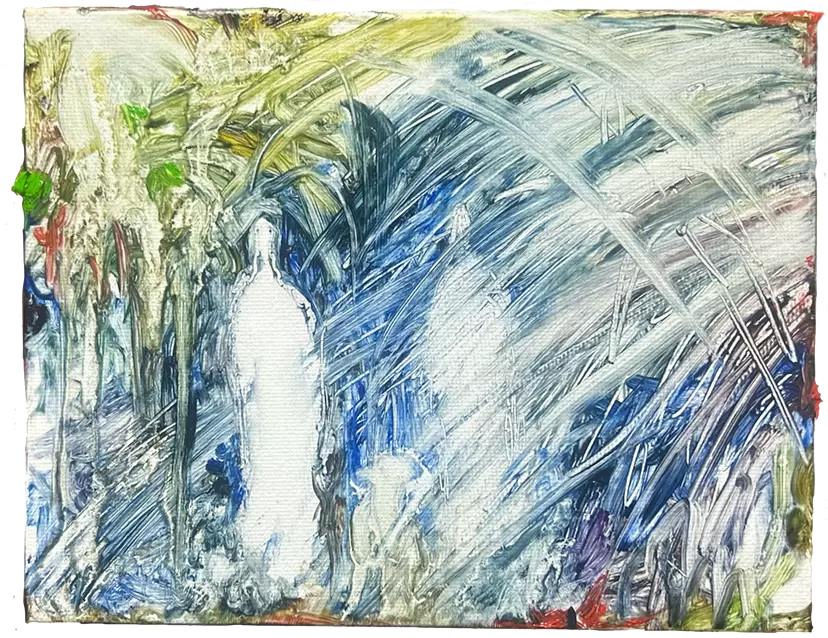
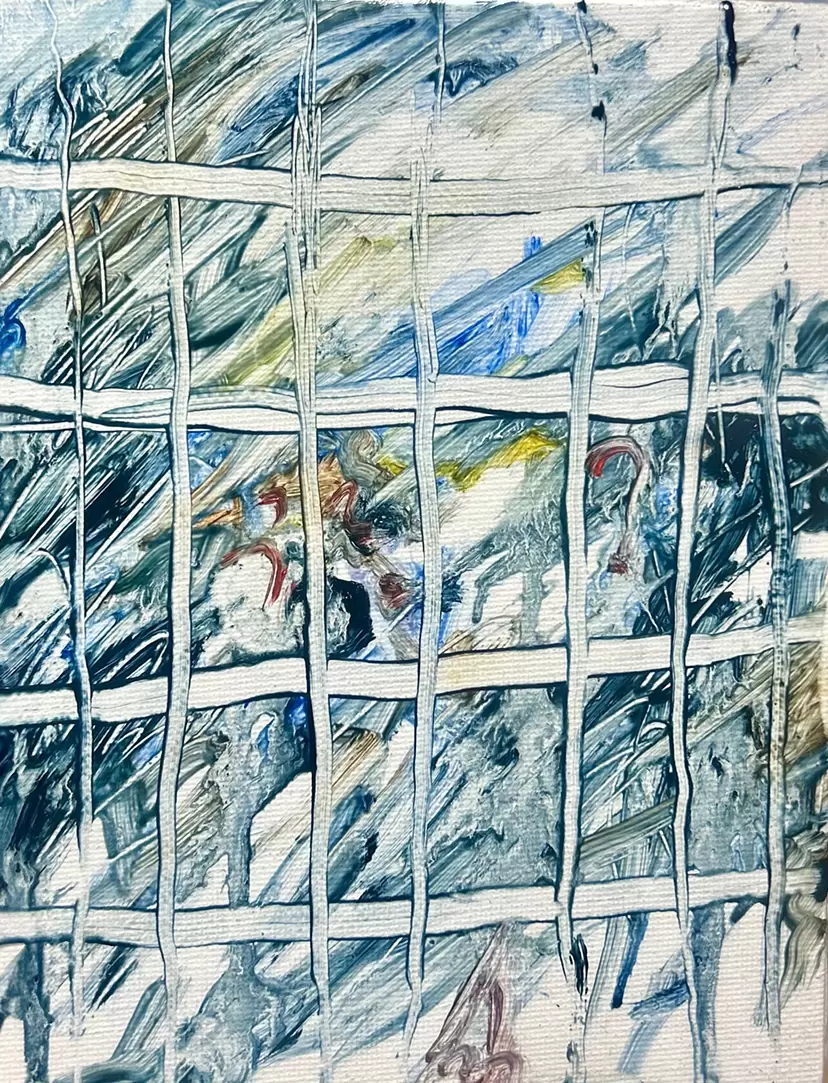
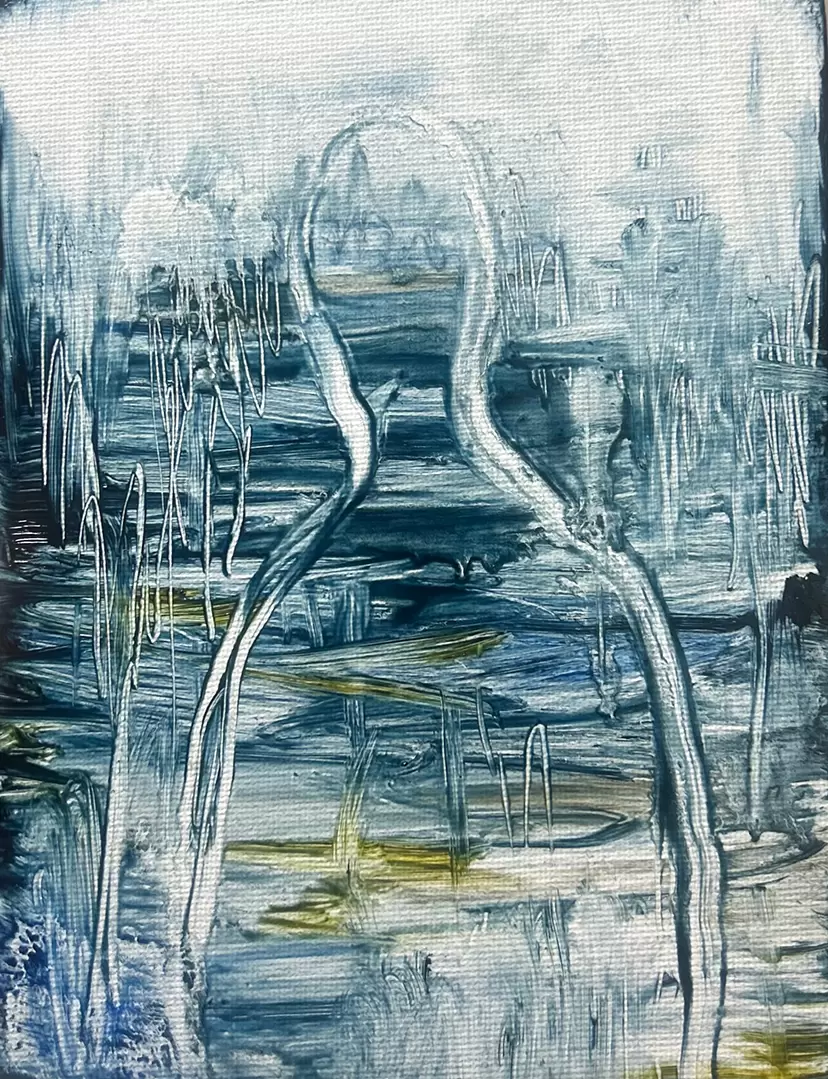
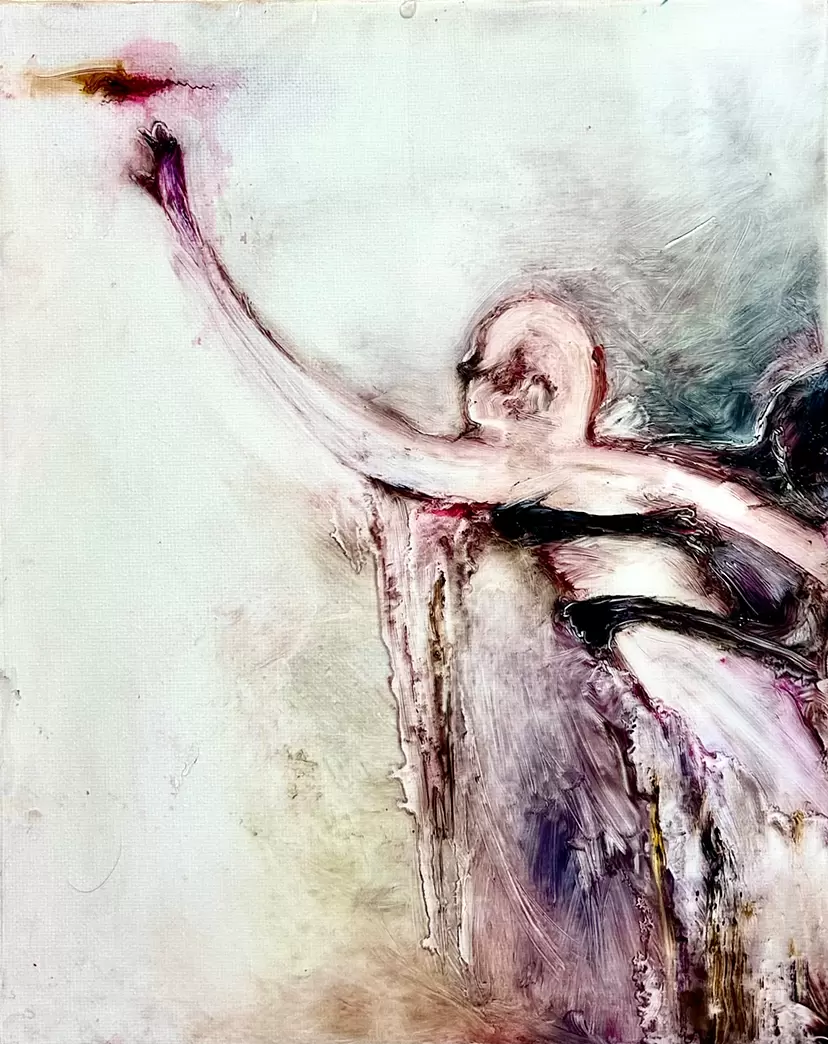
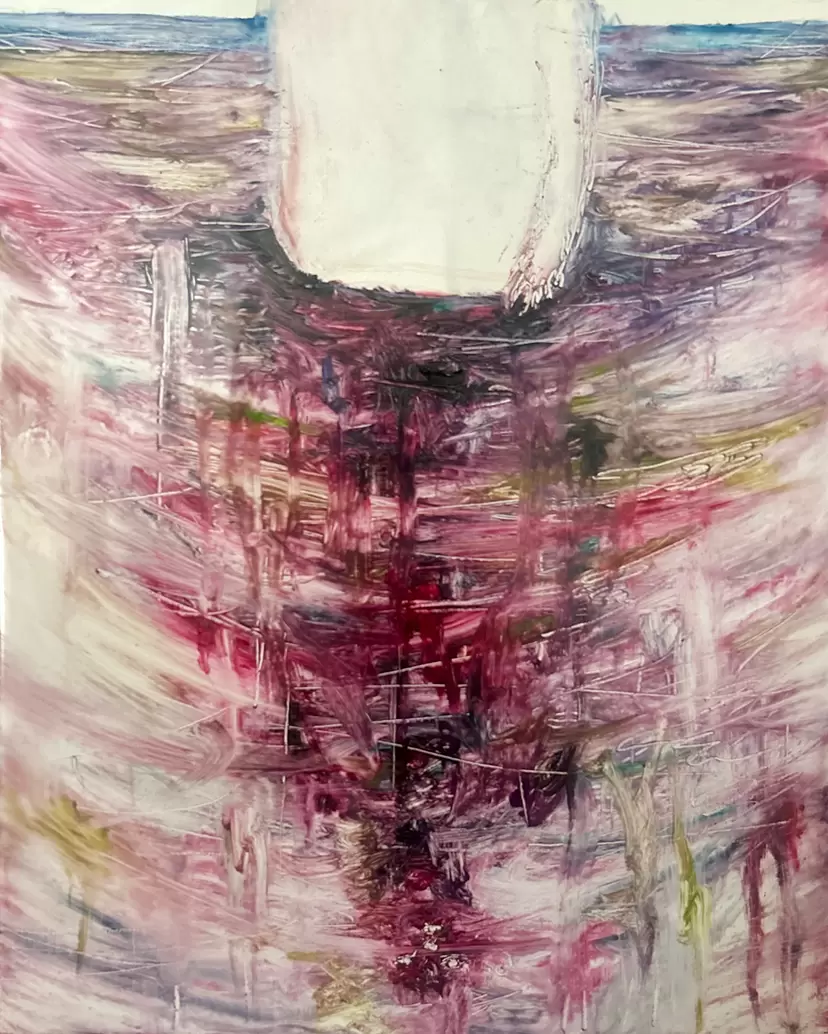
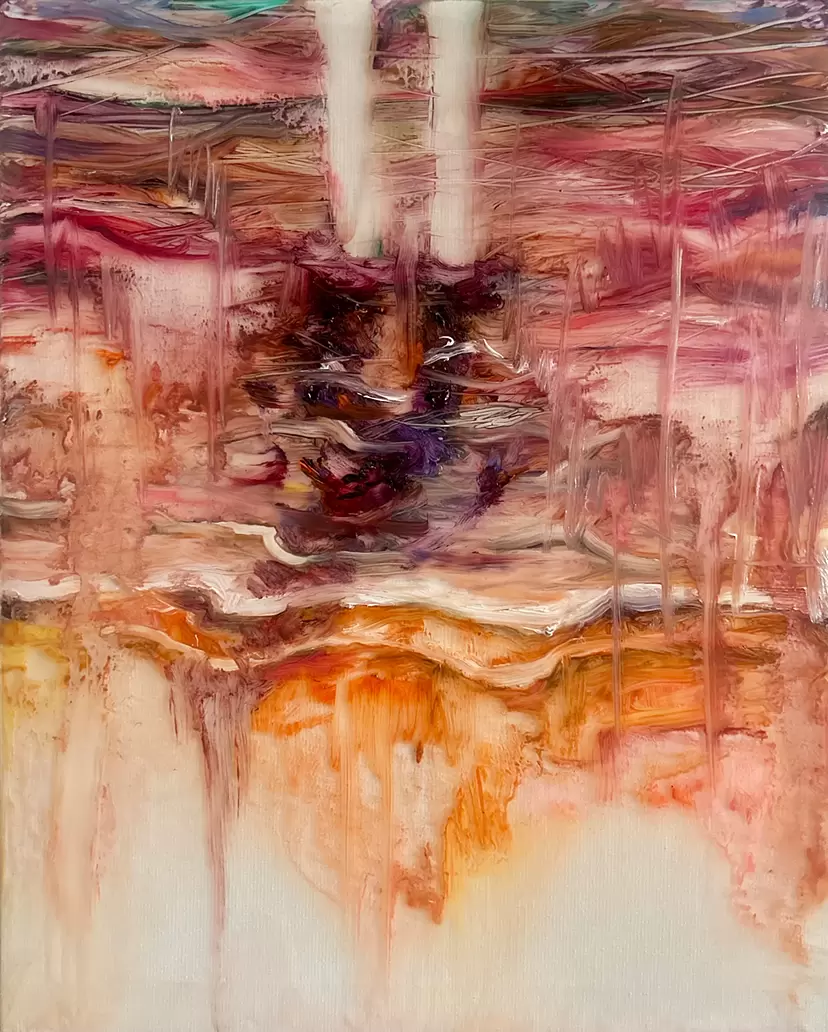
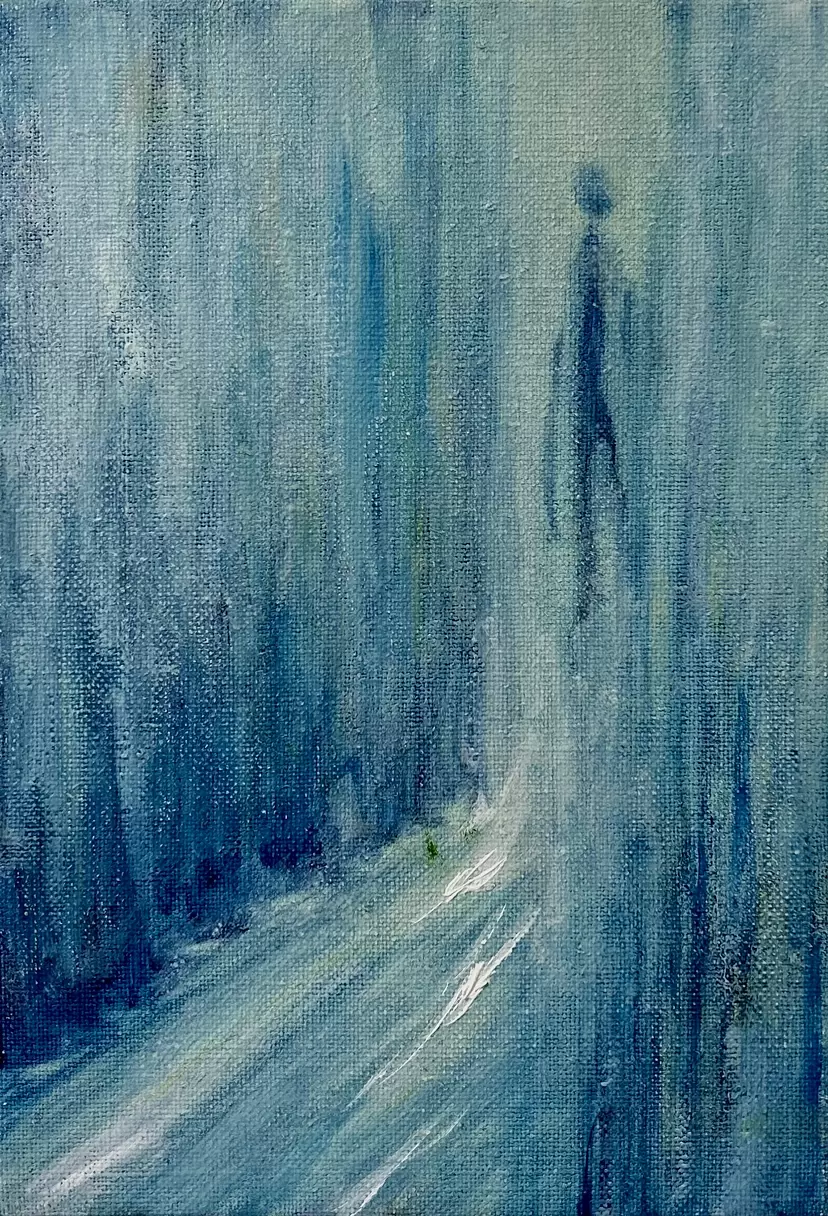
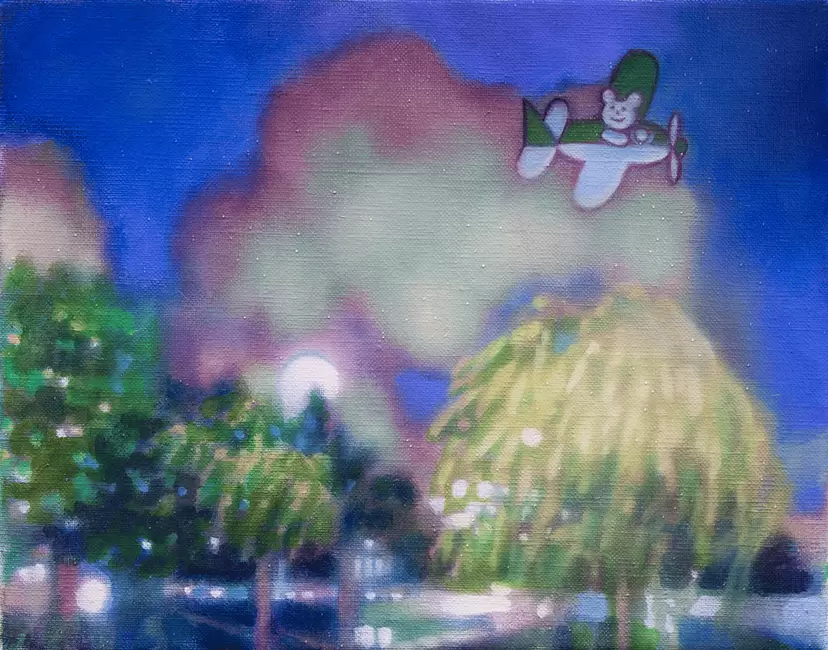
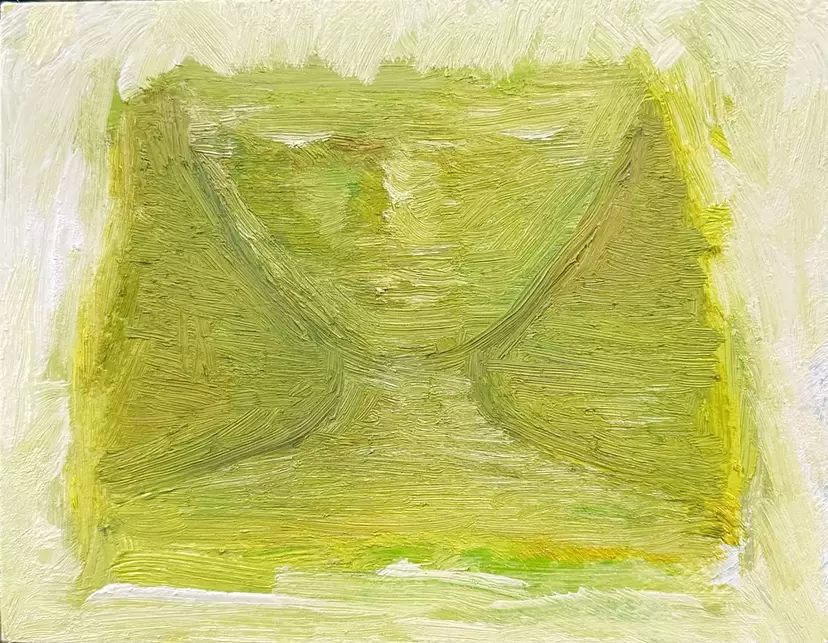
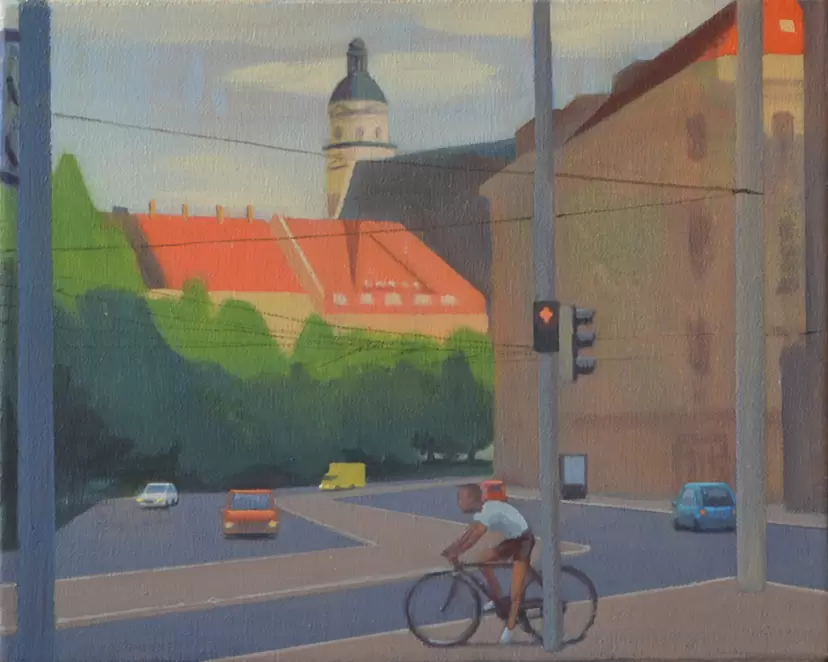
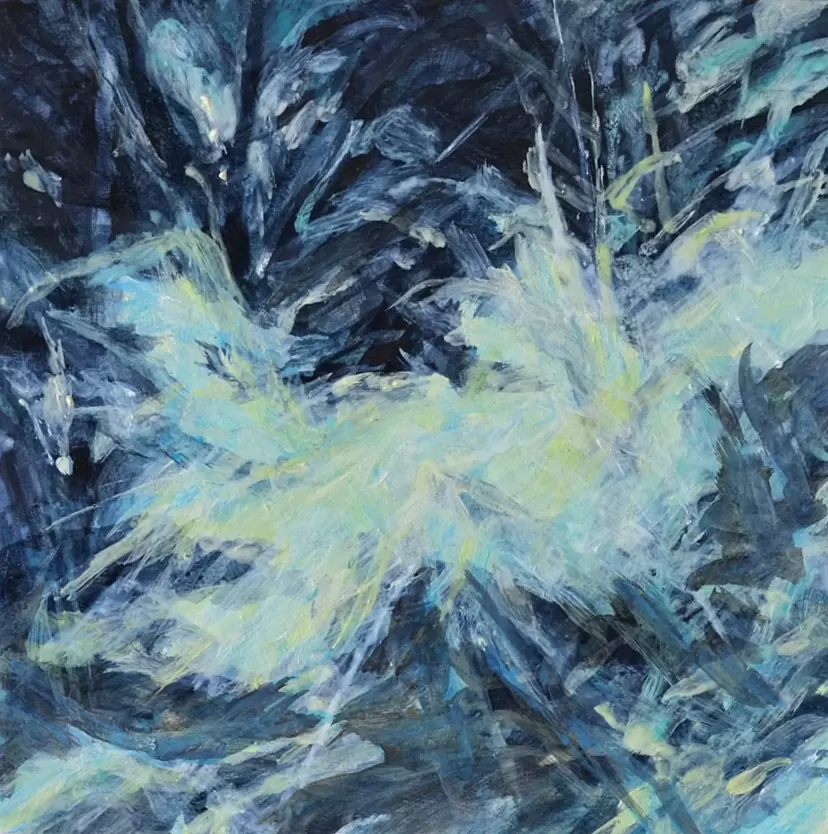
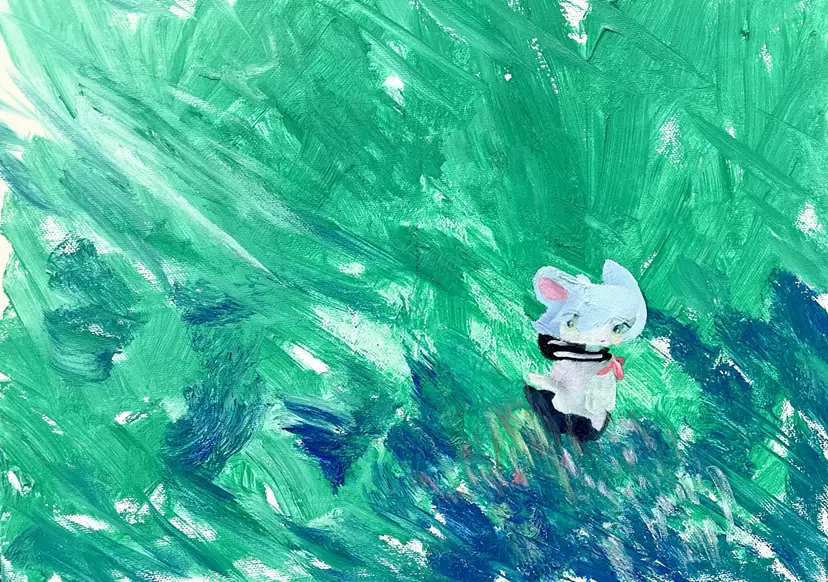
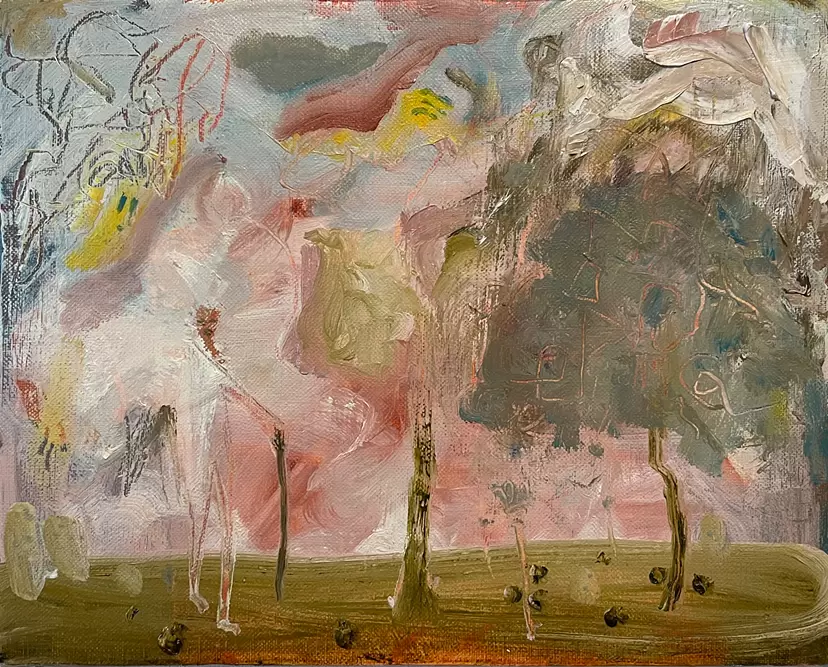
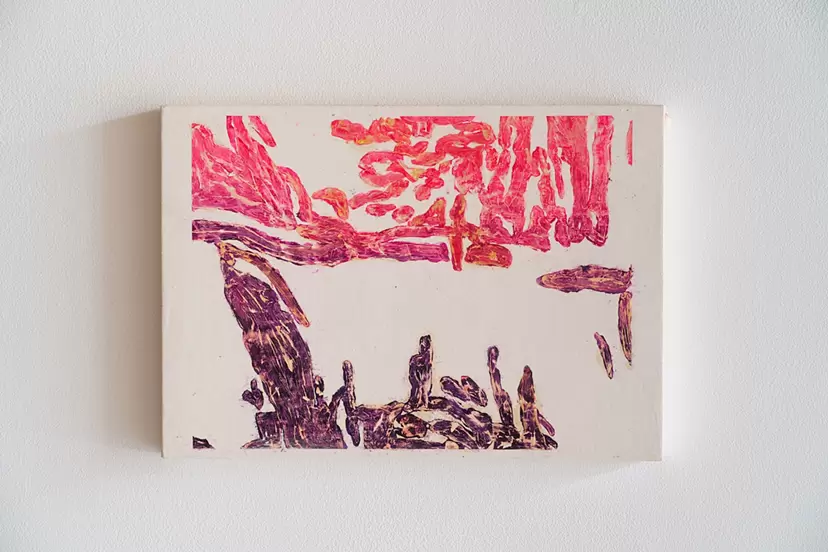
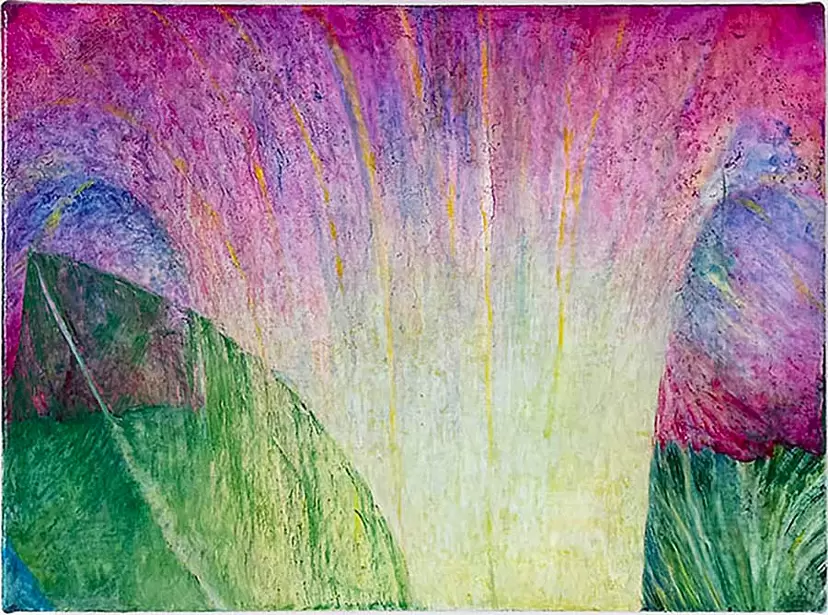
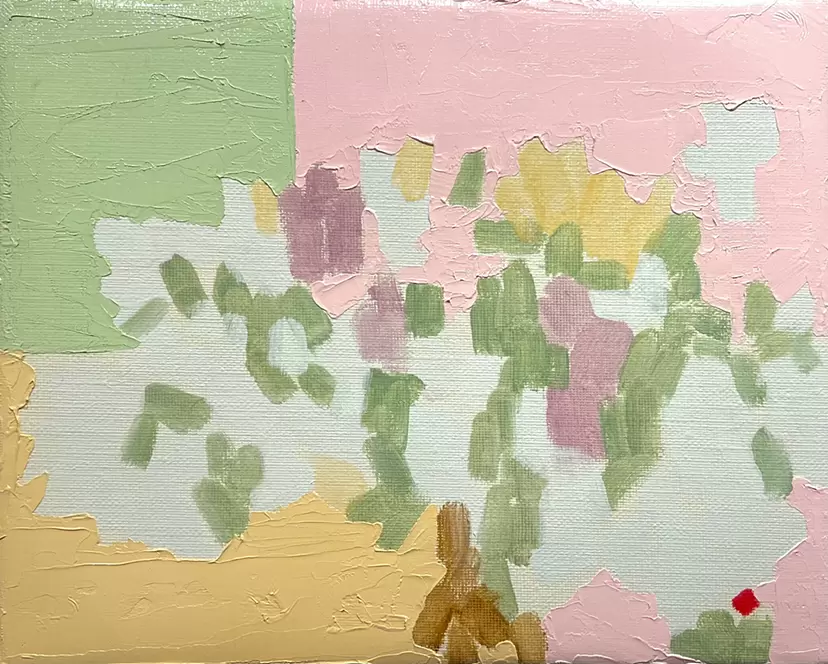
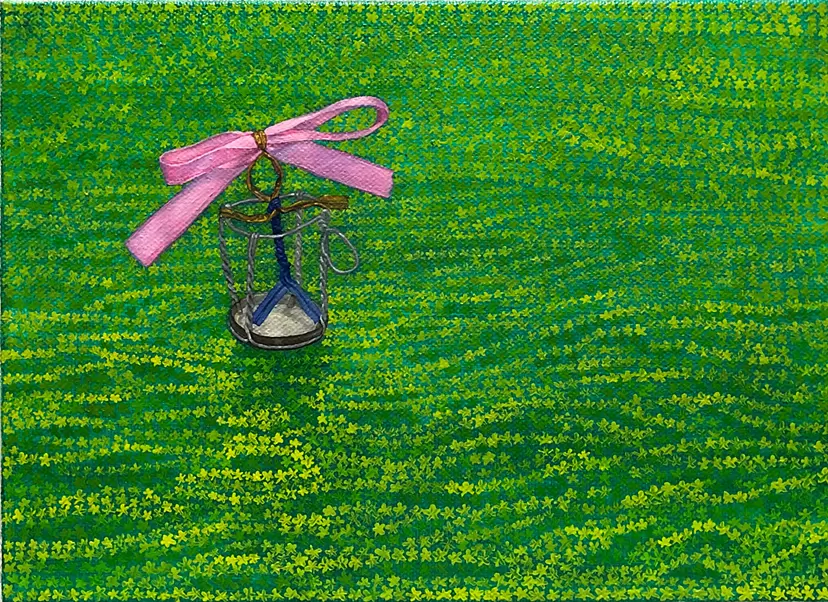
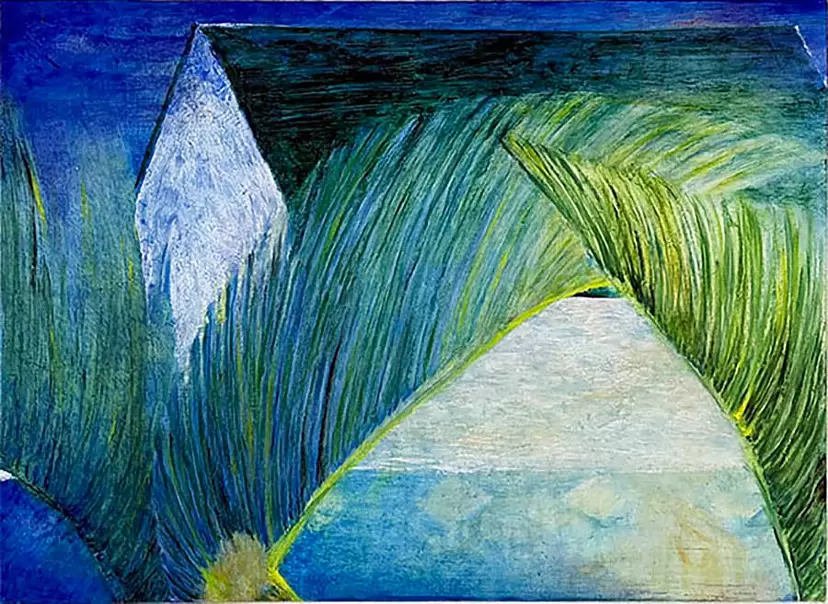
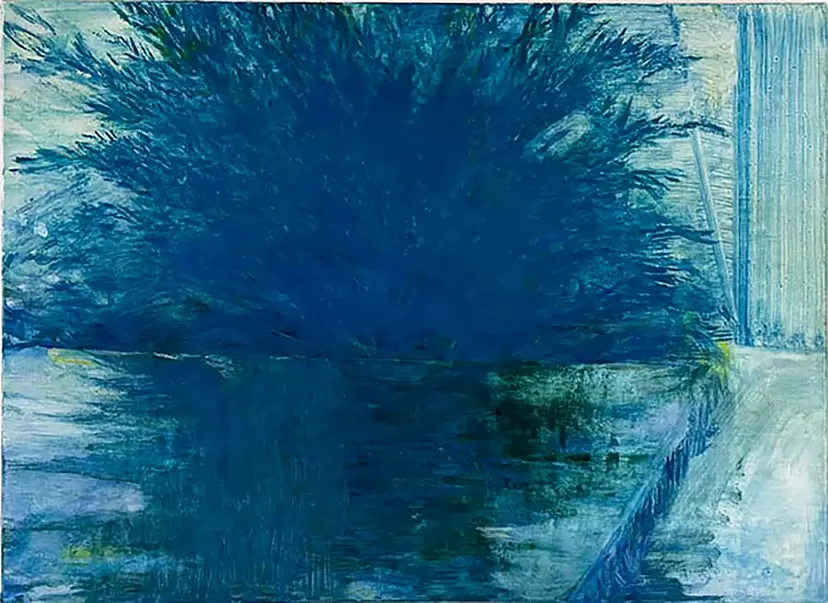
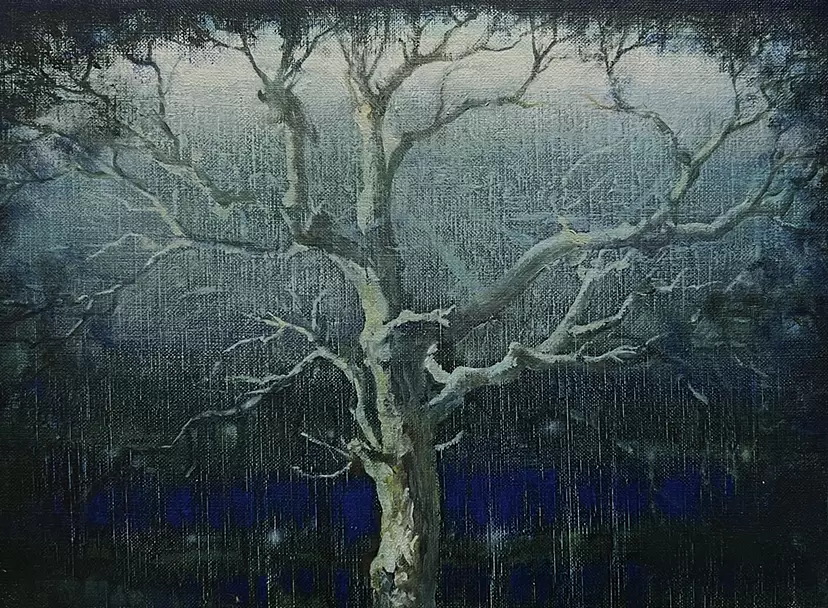
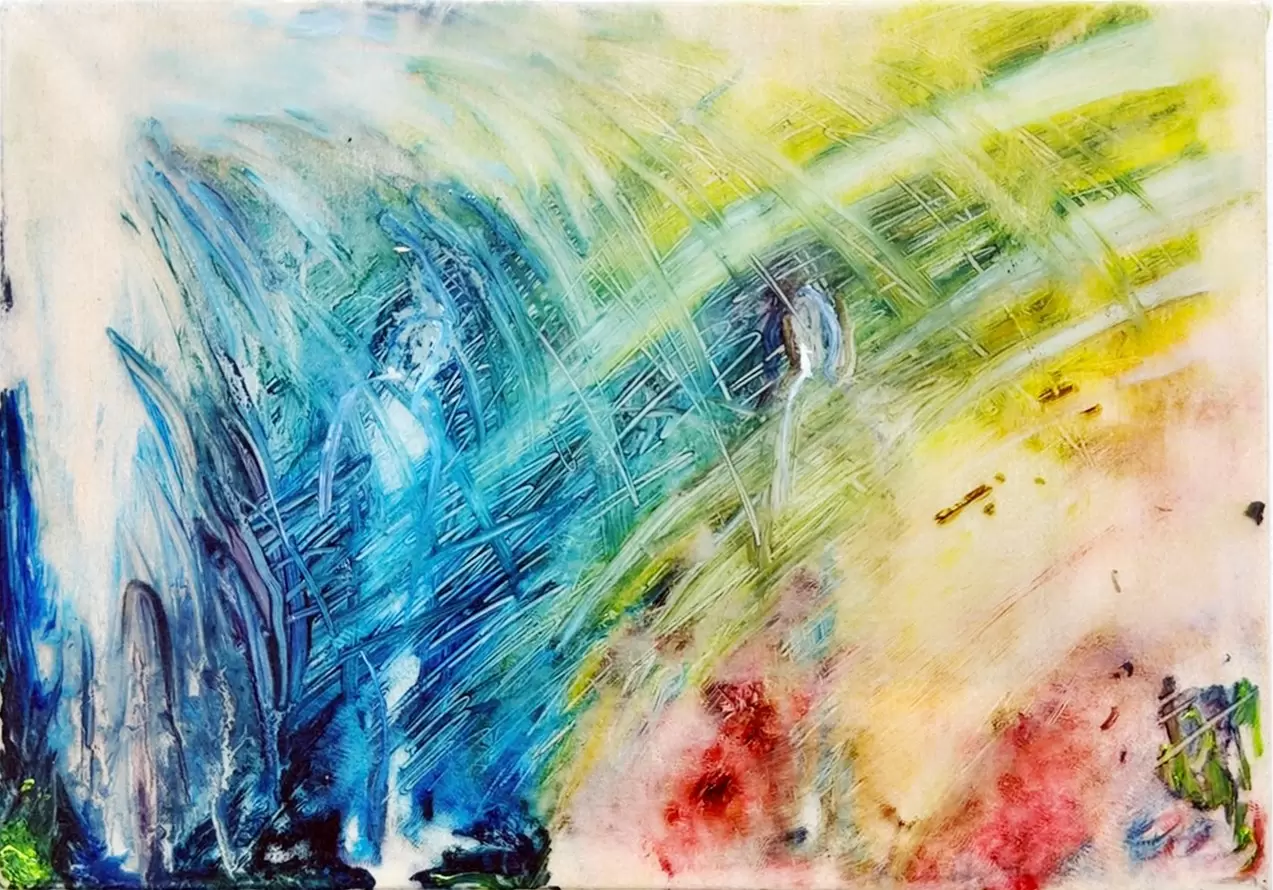
君のいる場所だけが温室であることを祈って
Year: 2025
Material/Technique: Oil
Size: 15.8 × 22.7 cm
Edition: Unique
Signed:Not Set

About the Work
- Year
- 2025
- Material/Technique
- Oil
- Size
- 15.8 × 22.7 cm
- Edition
- Unique
- Signed
- Not Set
- Frame
- Not Set
- Work Certificate
- Not Set
- Category
- Painting
- Style
- Half Abstraction
Work Details
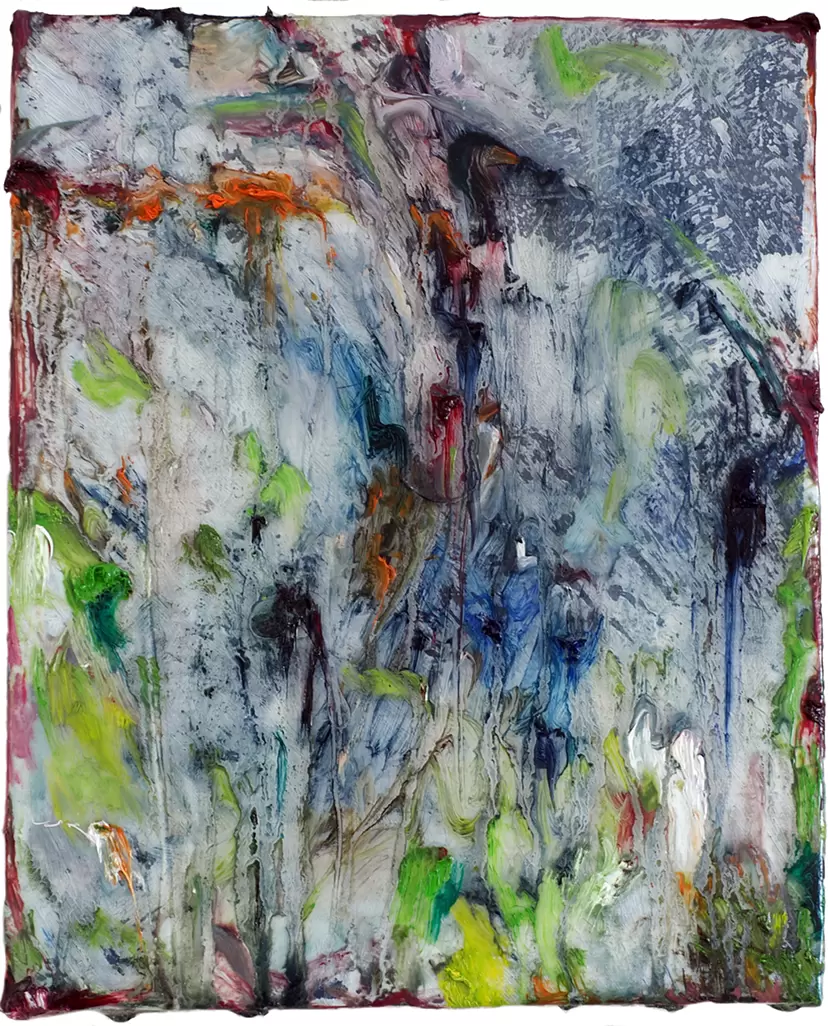
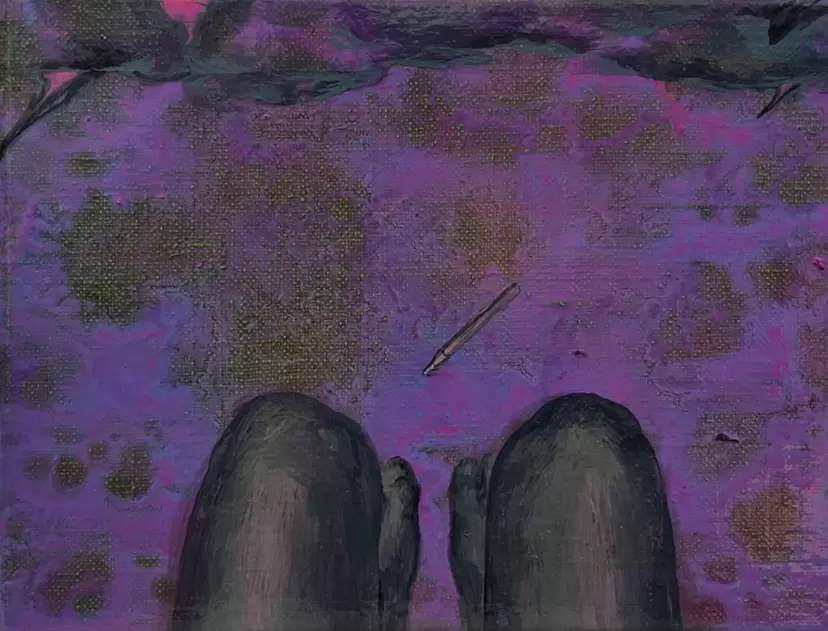
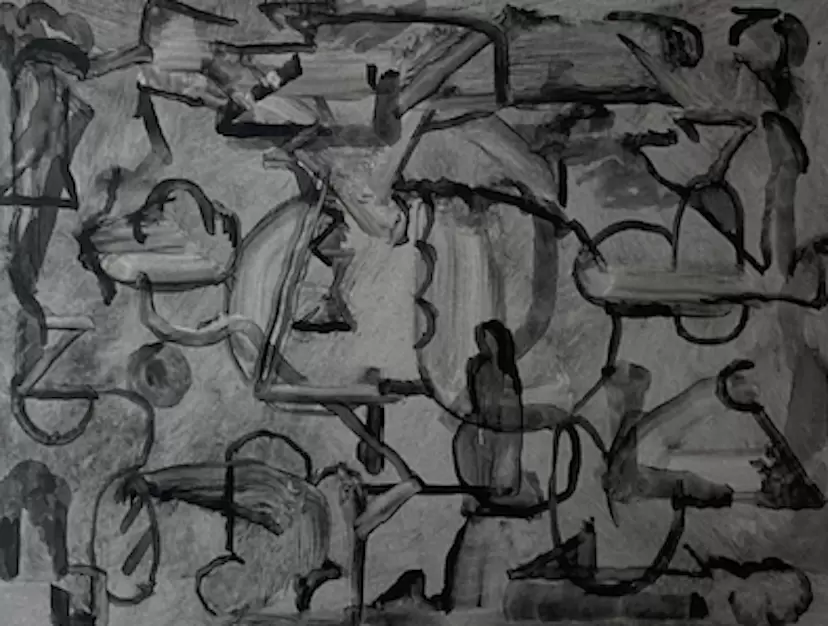
パネロン芯、防炎フィルムに油彩
How to Buy


Join the waiting list
Join the waiting list to be notified when artworks become available for purchase.
Start Chat
Our art concierge is here to help. Please feel free to chat with us about artwork recommendations or issues with purchasing.
Artist
Artist
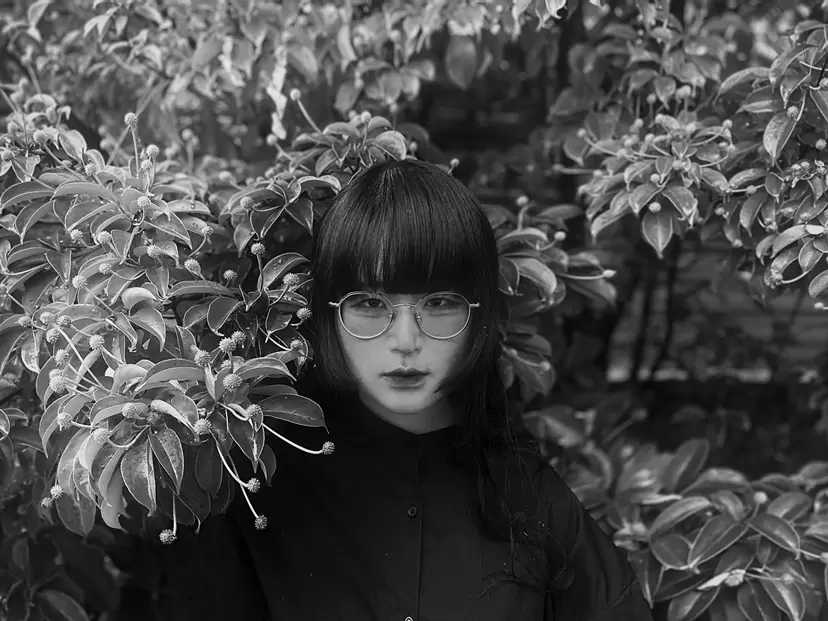
Momoka Kawashima’s practice begins with the question: “Is it possible to continue loving another who no longer has a physical presence, even after a loss has occurred?”In her work, the figure referred to as “you” initially emerges as a name for a particular individual whom she is unlikely ever to meet again, but gradually comes to embody the totality of those who have been lost. How does their absence remain within us, and how does it continue to transform? Through painting, installation, poetry, and text, Kawashima attempts to give form to the transformation of memory as an indeterminate entity.In Archive Fever, Jacques Derrida points to the paradox that “memory loses its essence in the process of preservation.” This structure is deeply connected to Kawashima’s practice. The act of attempting to remember or record “you” simultaneously contains the possibility of transforming, or even losing, that very essence. Yet she regards the act of continuing to confront this contradiction itself as one form of loving.Her textual practice is likewise grounded in the finite nature of dialogue and repetition between “you” and “I.” By translating her own words into paintings and installations, she considers the impossibility of fully crossing between language and the nonverbal as a “slippage in translation.” By repeatedly moving back and forth between language and the nonverbal, this slippage may at times be filled in, and at other times expand. She continues this process until the shifting nature of the translation itself becomes a representation of the absence of “you.”In recent years, Kawashima has increasingly chosen semi-transparent to transparent materials, such as fire-resistant and security films, as supports for her paintings, in order to trace the contours of others held within memory. These materials are associated with survival and protection—materials placed in the hands of those who choose to survive. The appearance of her works changes according to the position of the light source, and no work ever retains exactly the same appearance. Such changes evoke a way of being that continues to transform for as long as one continues to choose survival. At the same time, the technical contradiction of layering oil paint, a combustible material, onto a fire-resistant support reflects the contradiction inherent in the very act of continuing to depict “you.”Despite carrying this paradox, Kawashima continues to give form to the absence of “you.” The more she attempts to preserve “you” as something tangible, the more the work ceases to be “you” itself. And yet, by continuing to name it “you” within her work, she wishes to continue believing in “you” as an irreplaceable presence.
See artist information