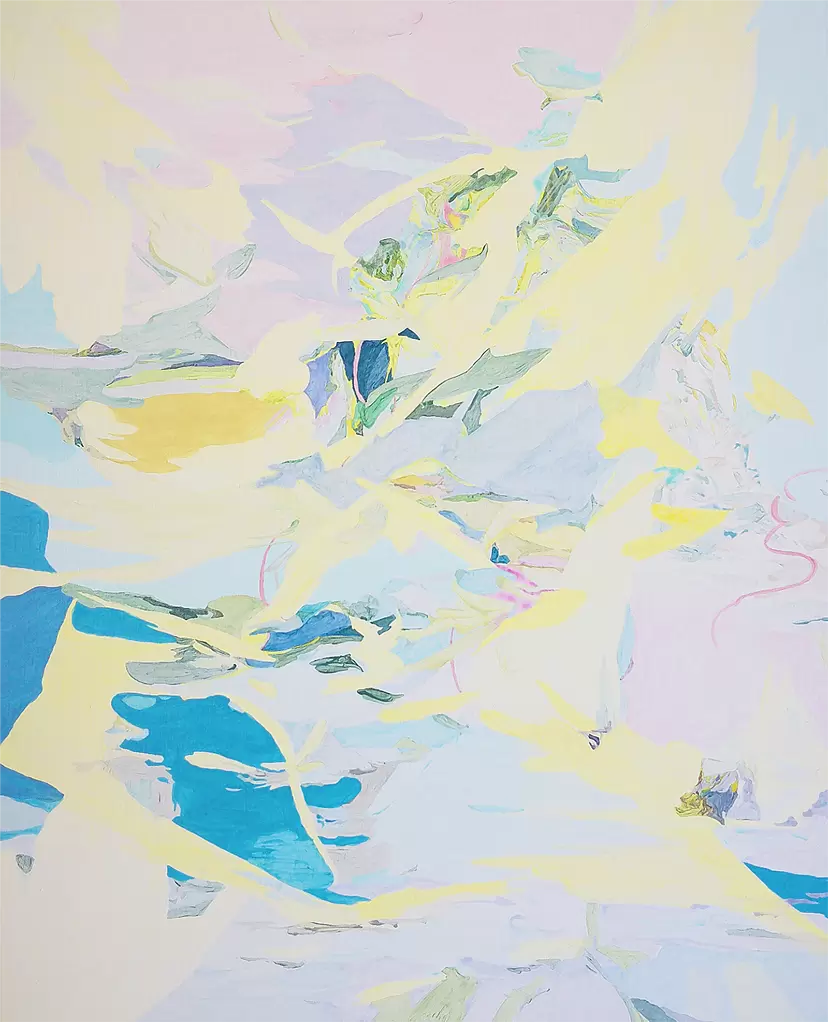
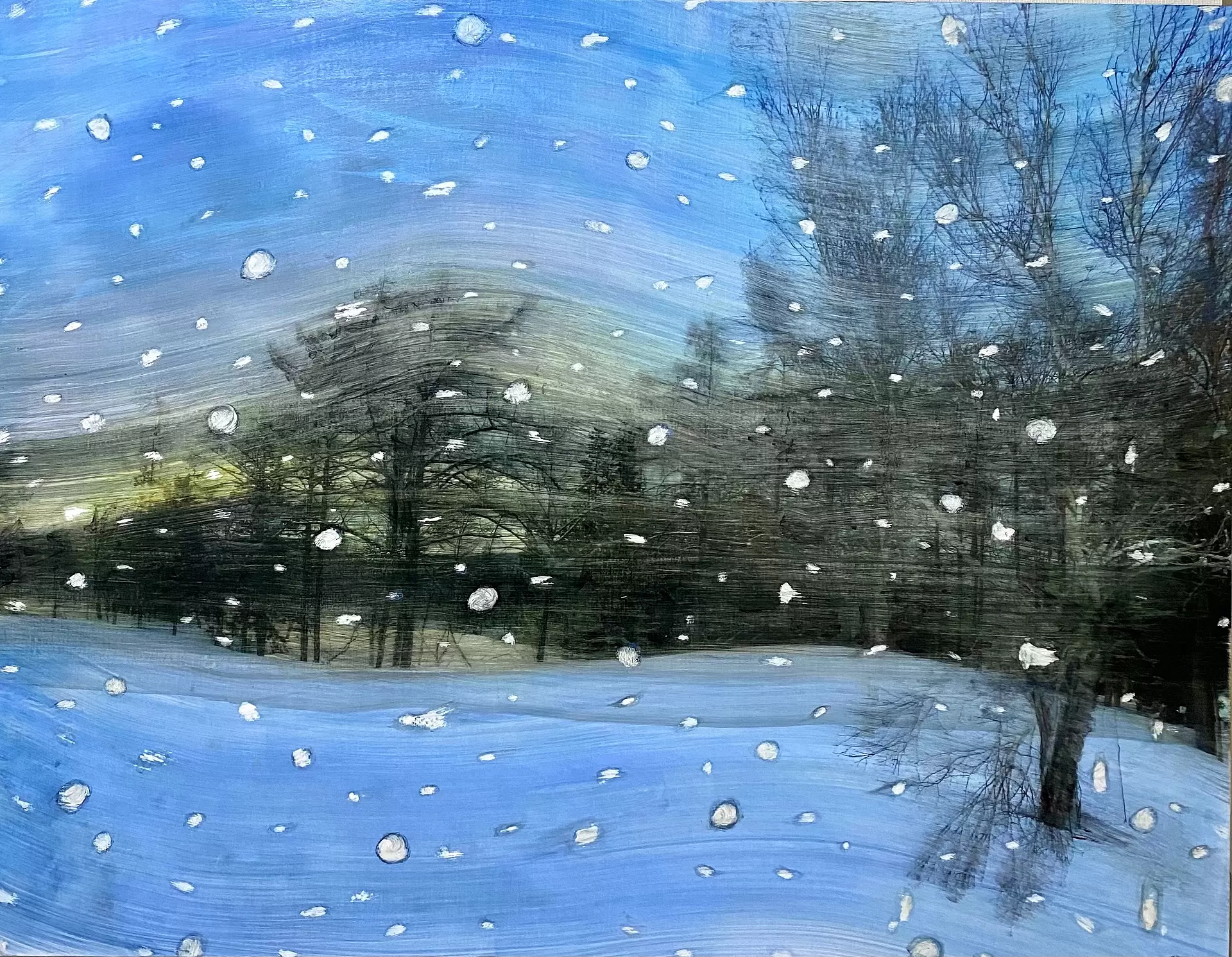
Silent Wind

Year: 2023
Material/Technique: Mixed Media
Size: 77 × 100 × 3 cm
Edition: Unique
Signed:Included
This artwork is available for purchase.
ASK
Note: Prices are displayed as reference prices converted at the exchange rate. Payments are made in Japanese yen.

About the Work
- Year
- 2023
- Material/Technique
- Mixed Media
- Size
- 77 × 100 × 3 cm
- Edition
- Unique
- Signed
- Included
- Frame
- Not Included
- Work Certificate
- Included
- Distributor of artworks
- Takano Yuji
- Ship-from Area
- Not Set
- Days Until Dispatch
- Not Set
- Category
- Painting
- Style
- Abstract
Work Details
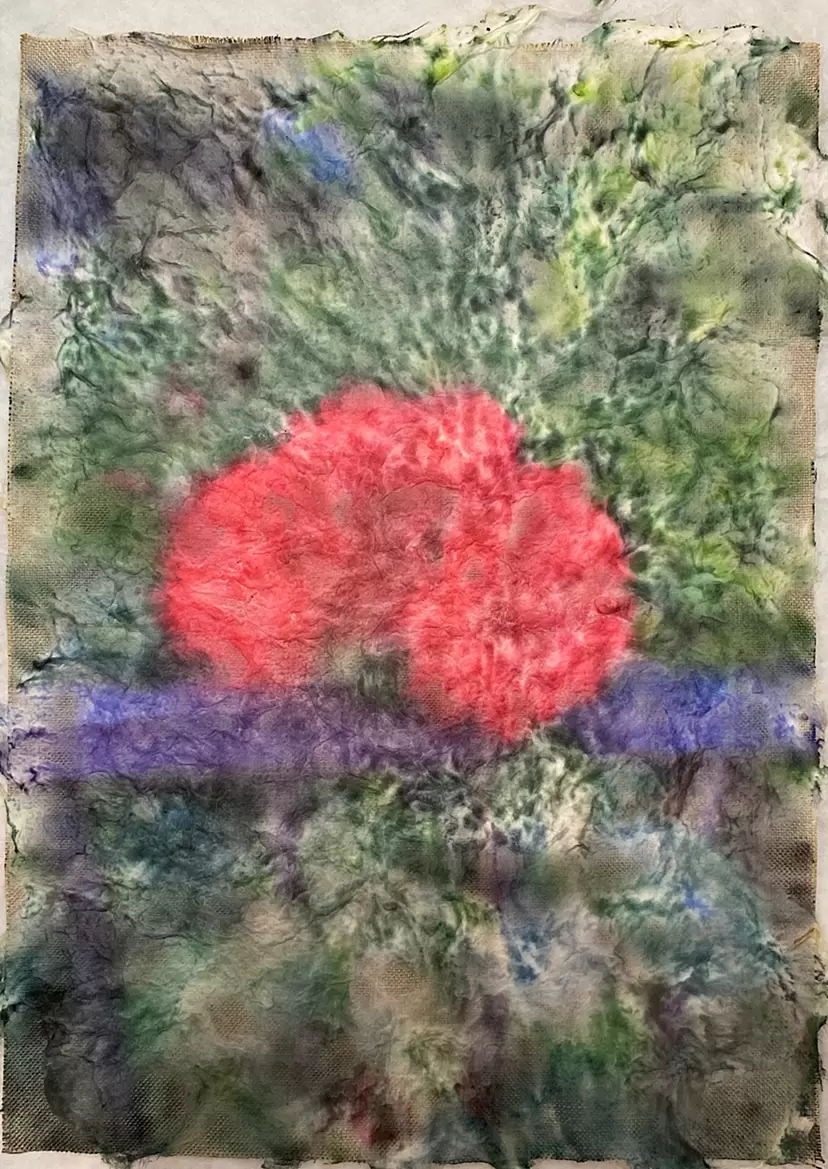
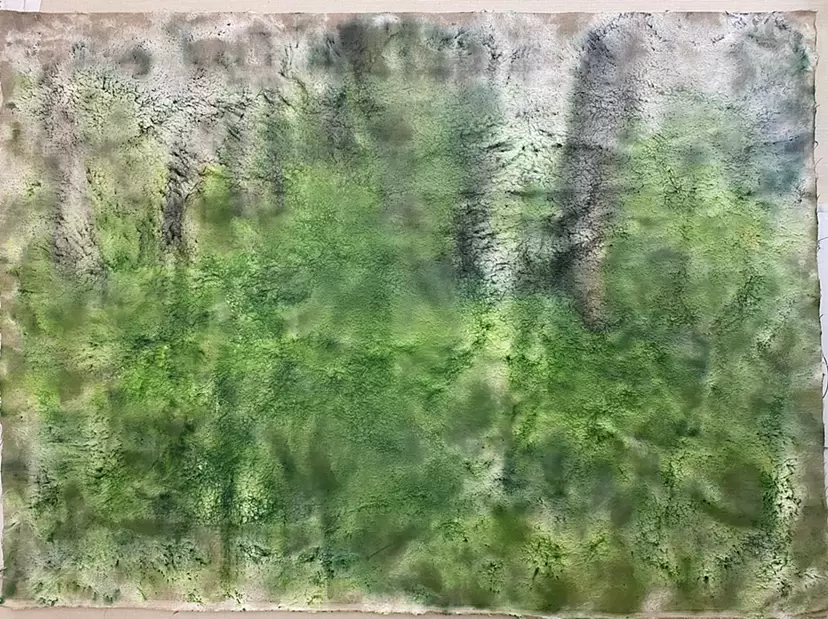
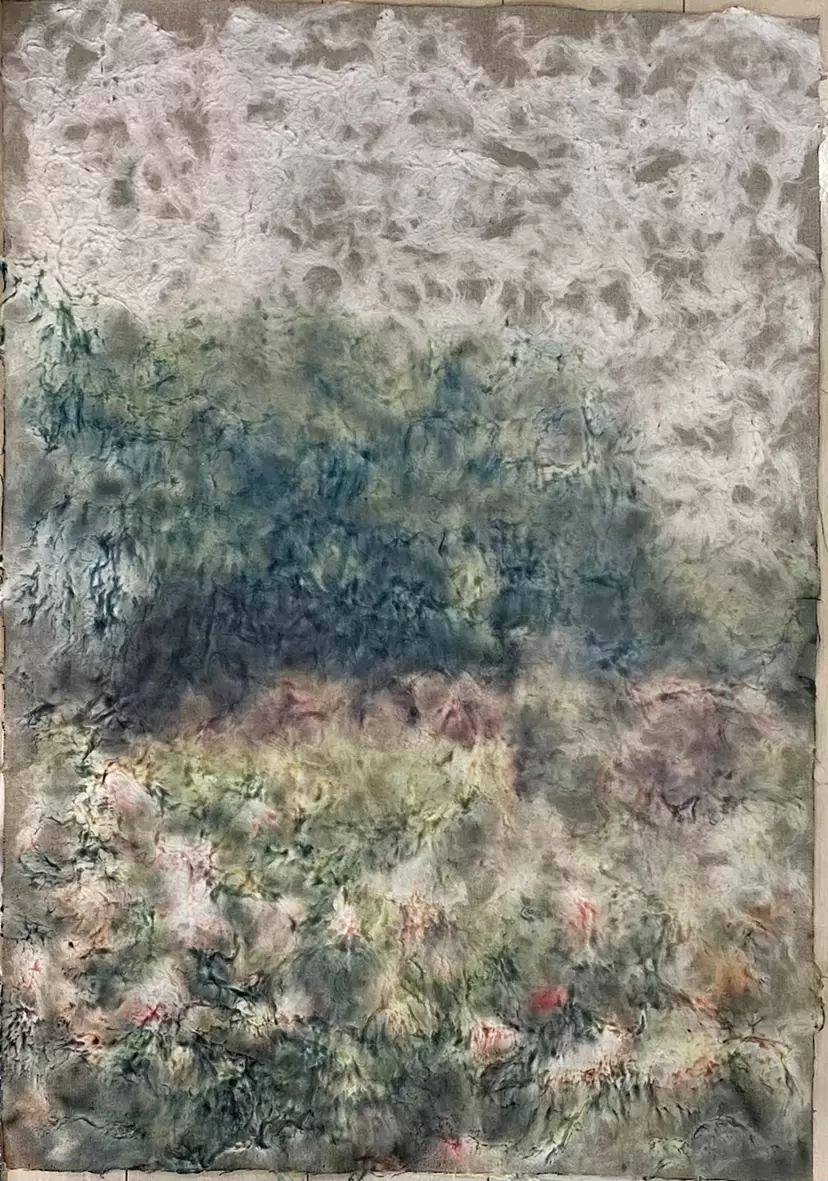
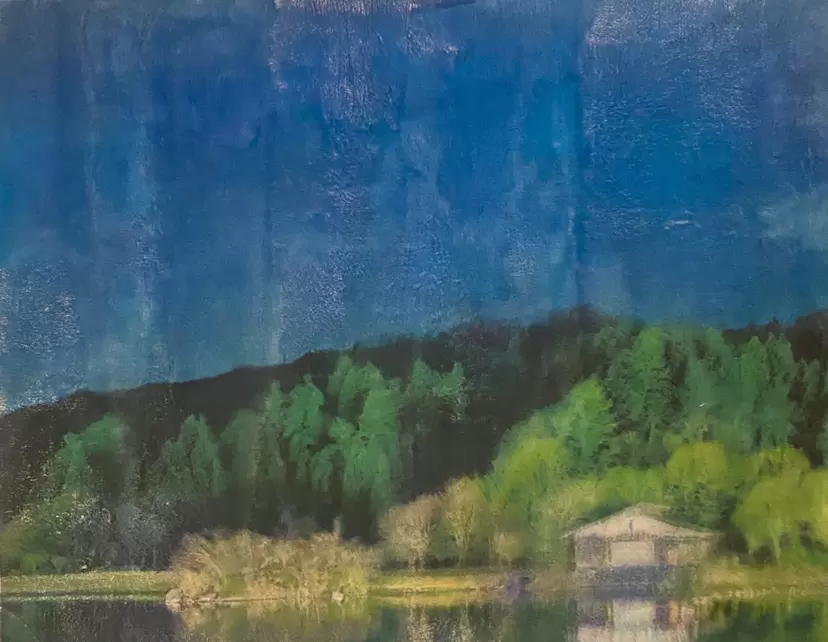
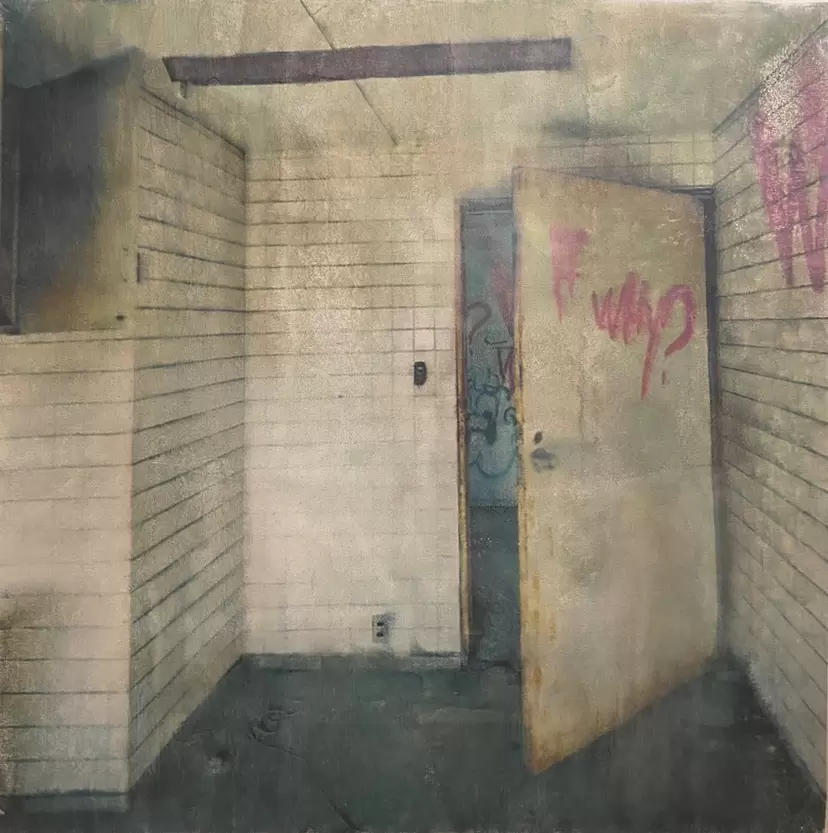
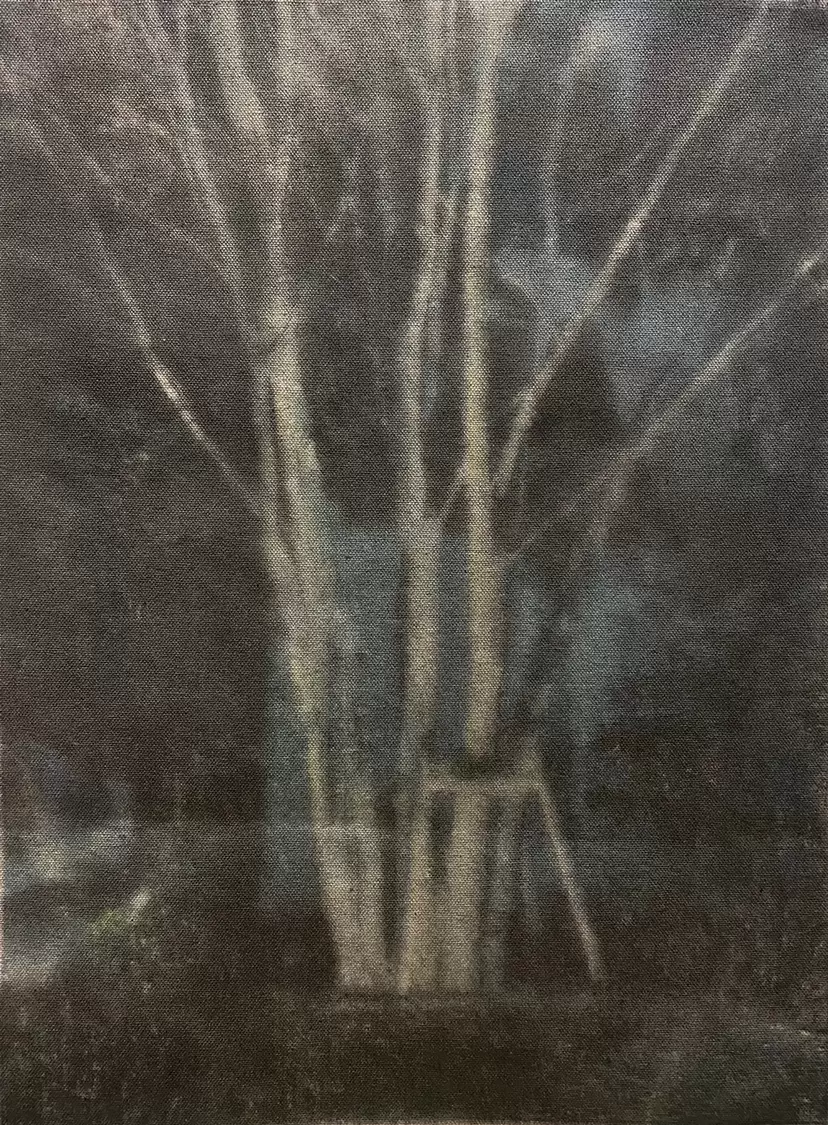
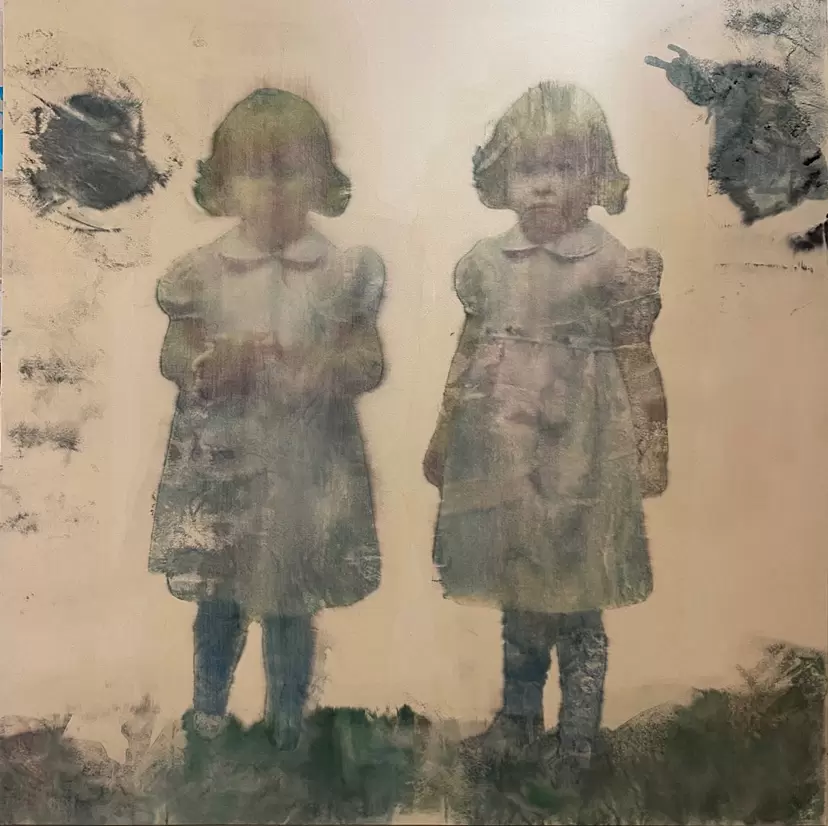
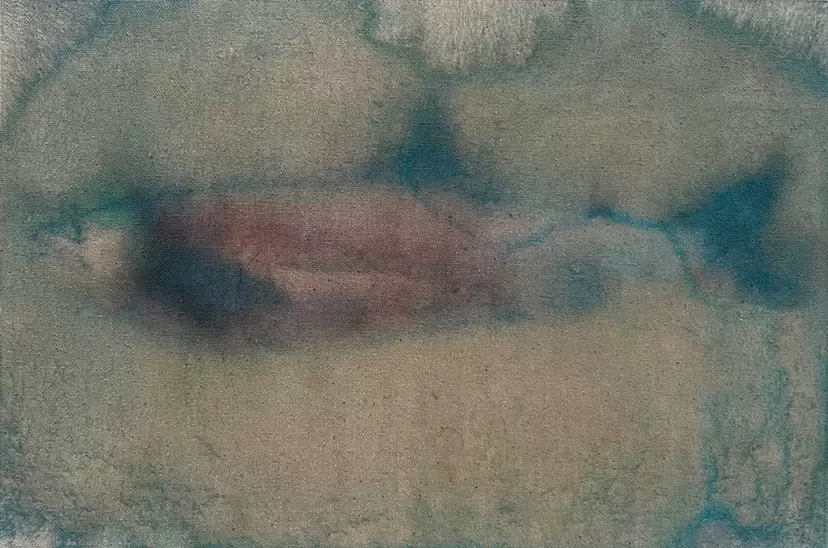
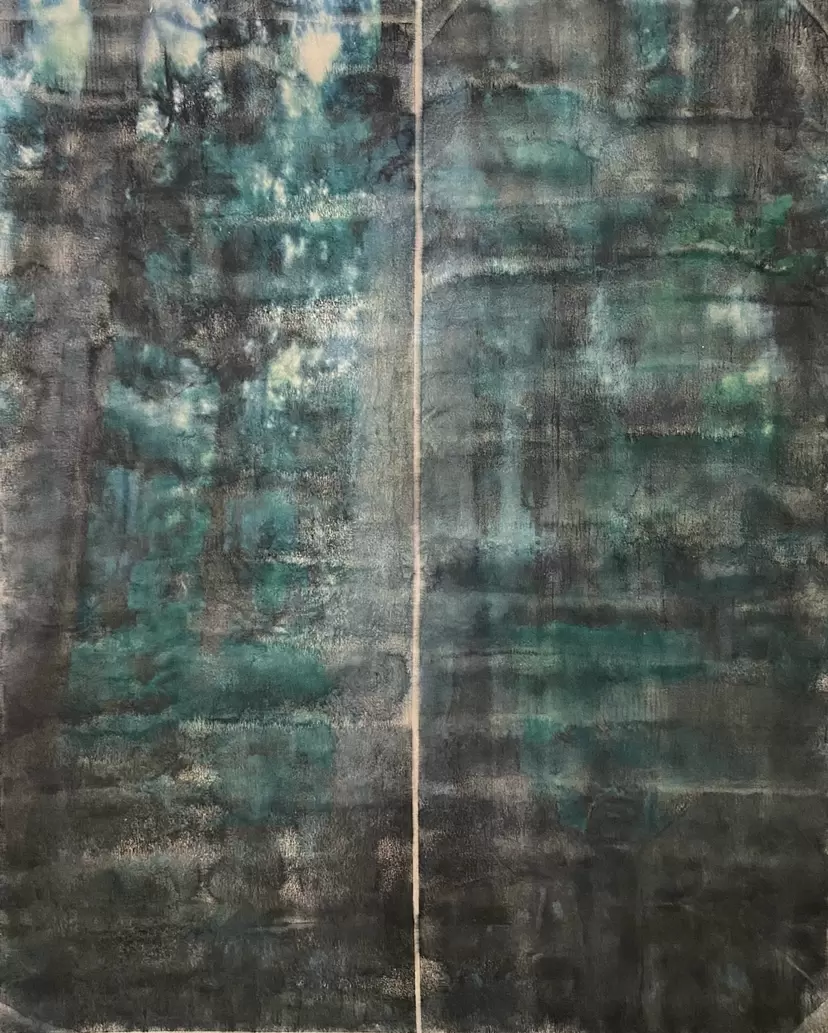
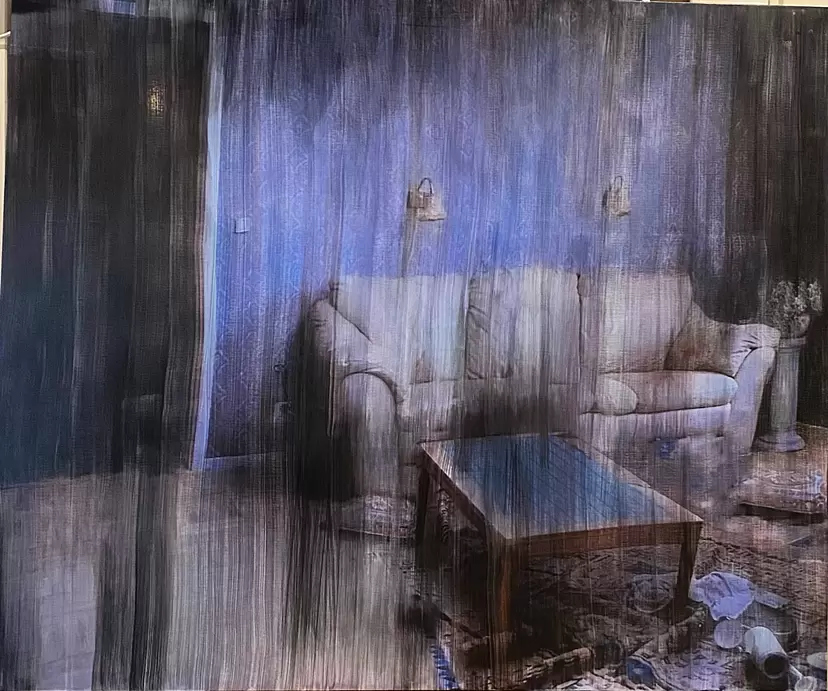
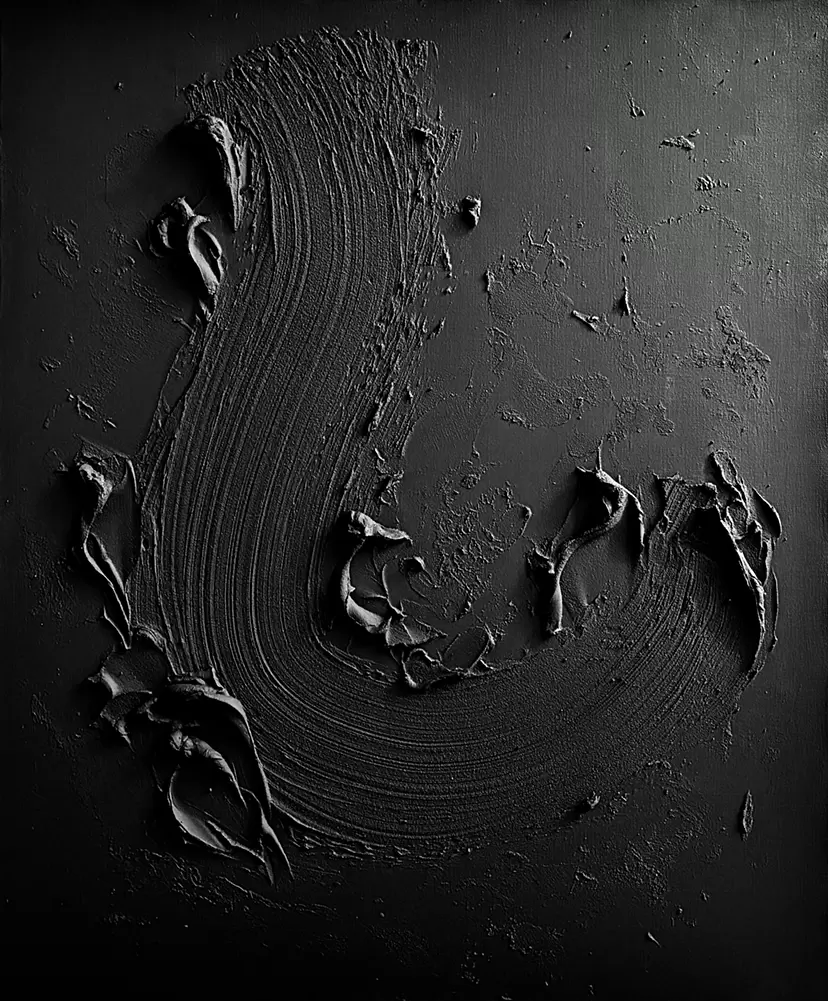
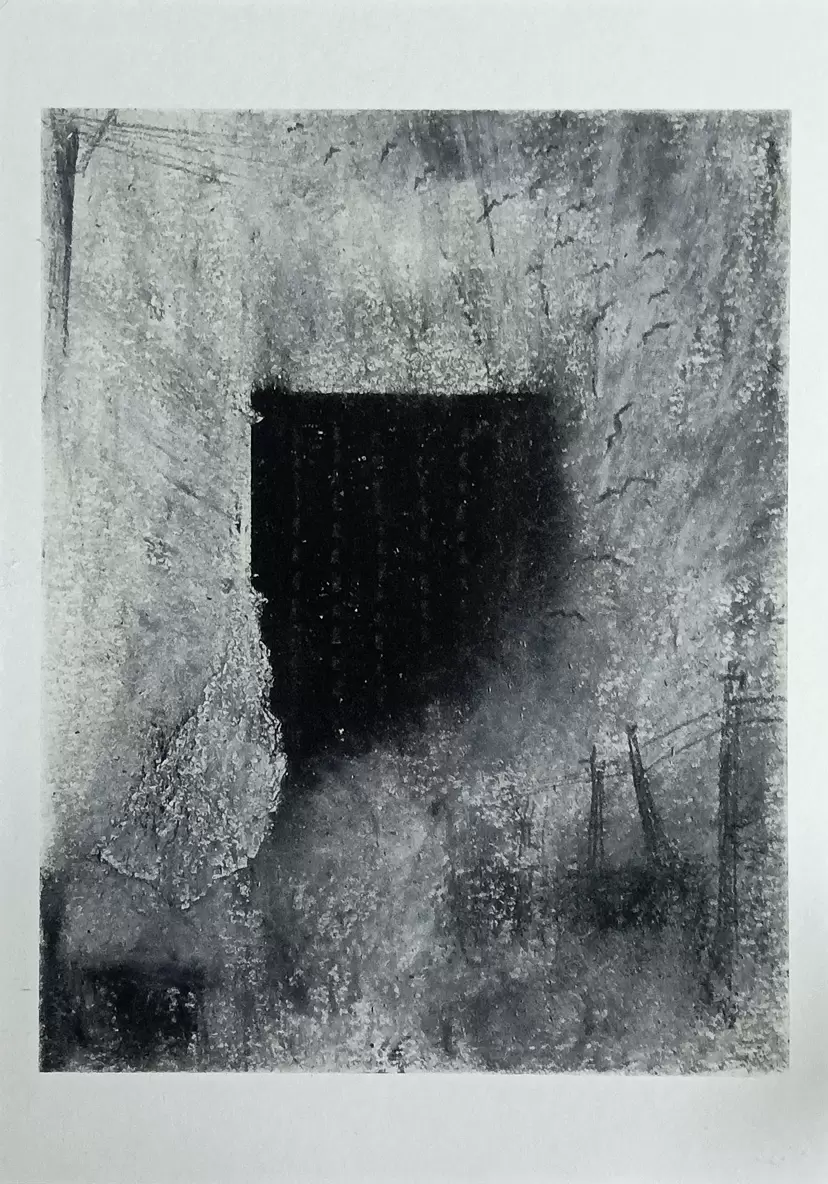
Silent Wind
2023
Production method
InkJetprint, Acryl on canvas
The concept of the work
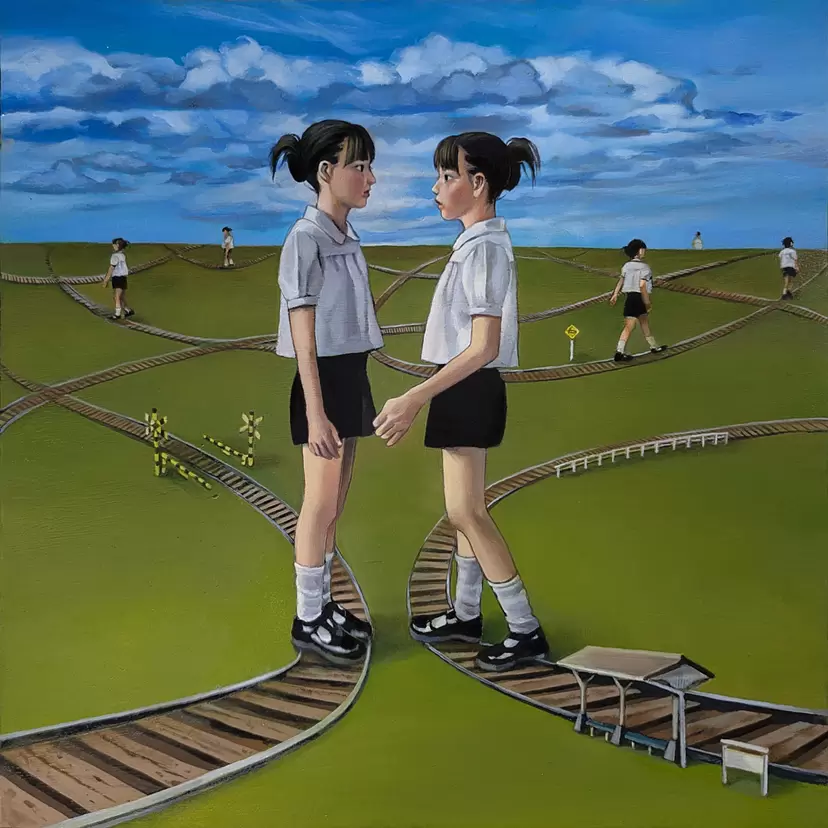
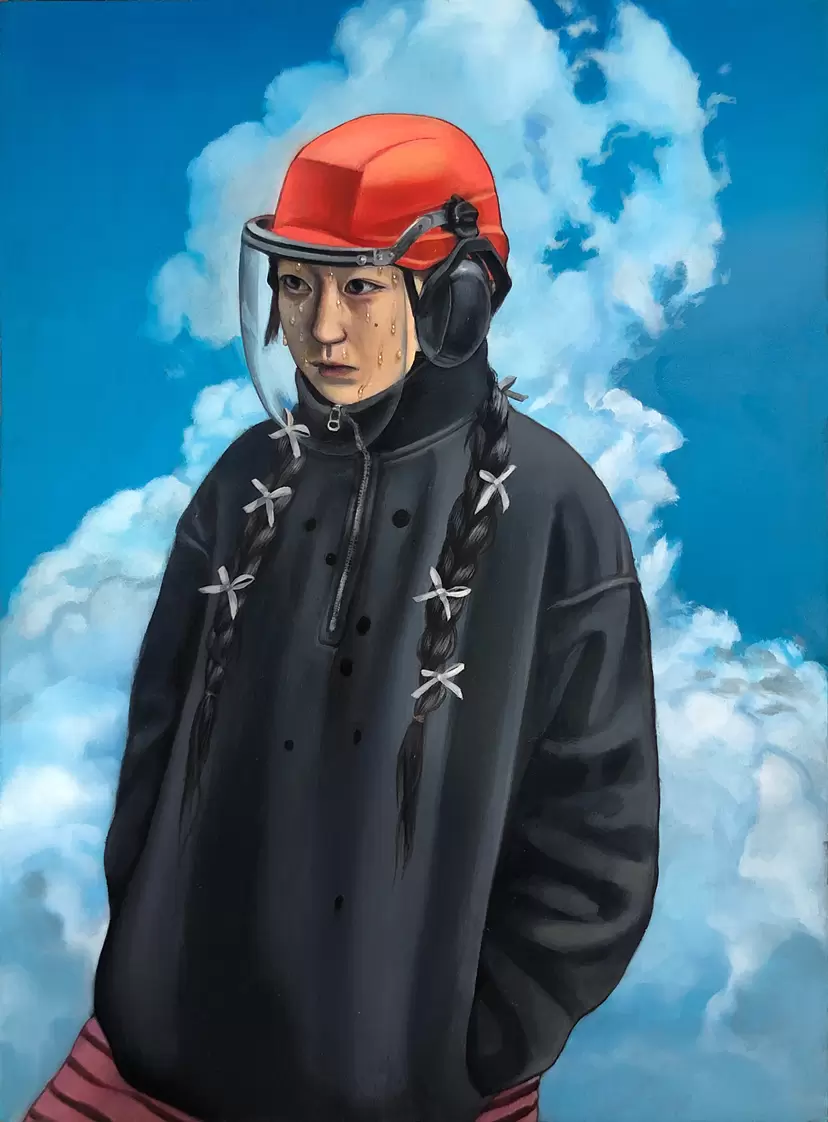
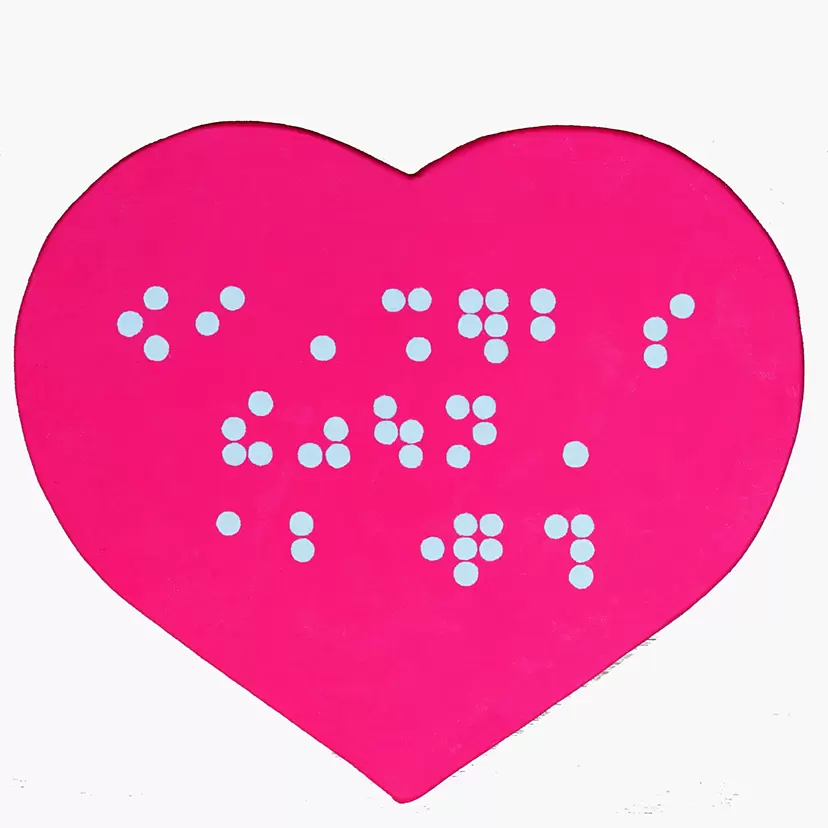
As mobile phones have changed to smartphones and SNS has become popular, photography has changed its shape and is creating another world.
I thought I'd respond to images cut out of such a fictional world with a noise called an error.
Human error indicates that unintended consequences occur due to human actions, such as not doing or doing something that should not be done.
The reason for my work that defies printing technology and destroys what has been completed as an image is that I felt the beauty of autonomy and life in an irregular and unpolluted manner.
My work and individual memories are connected in terms of representation, and they project illusions.
How to Buy

This artwork is available for purchase.
ASK
Note: Prices are displayed as reference prices converted at the exchange rate. Payments are made in Japanese yen.
Need help with purchasing?Start Chat
Our art concierge is here to help. Please feel free to chat with us about artwork recommendations or issues with purchasing.
Artist
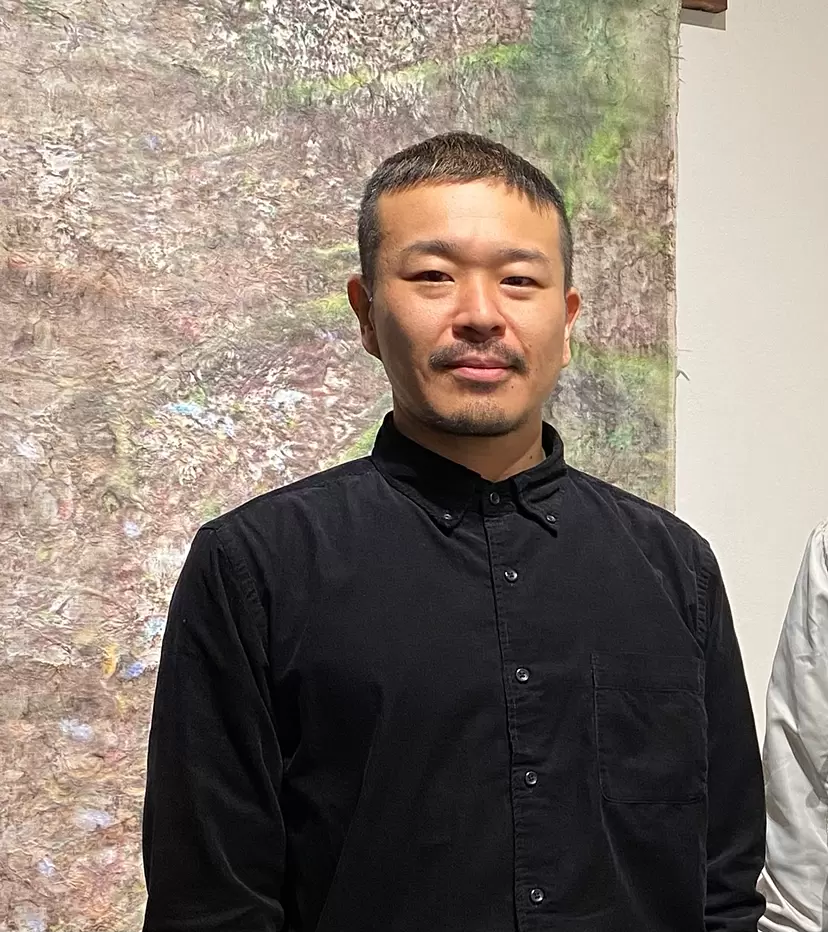

abstract painter
Born in Kanagawa. He spent his childhood in an environment surrounded by satoyama and rivers, and the origin of his work was “signs” that he felt in nature and could not be captured as meaning.After working for a design company, he developed unique expressions involving bleeding, omission, and coincidence while being involved in materials and printing technology at signboard construction sites.Using the sense of “transition” found in Japanese culture and language as a starting point, the way the visible world rises from countless fluctuations and accidents is examined from the concept of “dust.” Based on the “transition theory,” we are exploring not the object itself, but the structure in which the world is formed by relationships as “teniwa geometry.”Currently, using self-made Japanese paper, photographs, and images, I am developing production that transfers images fixed as meaning to relationships with matter, time, and chance. In the modern age where relationships between reality and representation are changing, we are exploring “signs” that cannot be captured by existing perceptions and the possibility of “new fictions” for humans to get involved with the world.
See artist information