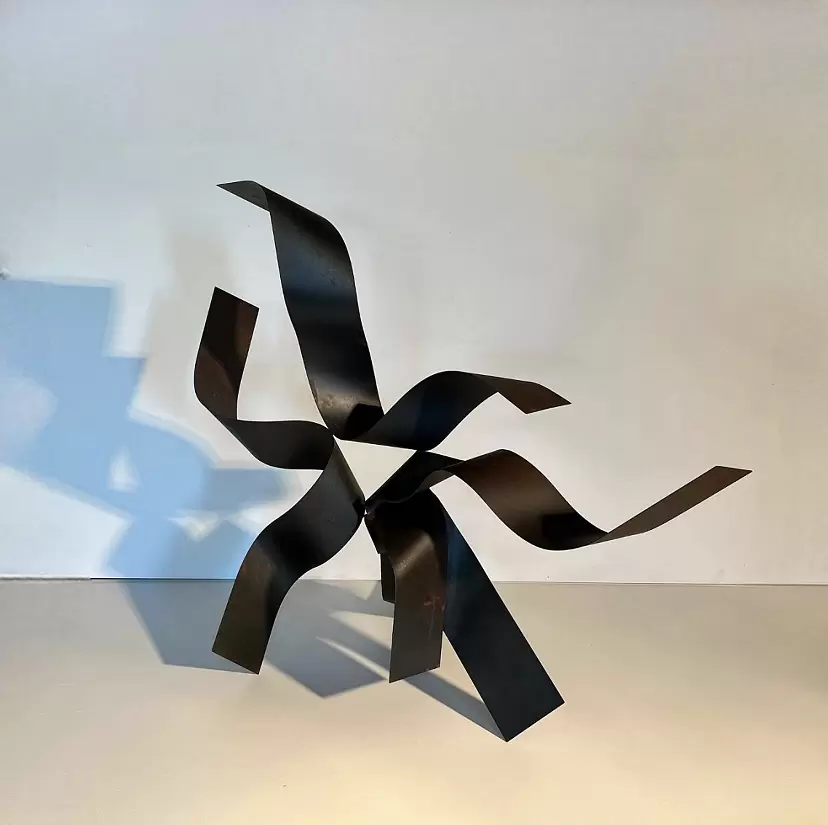
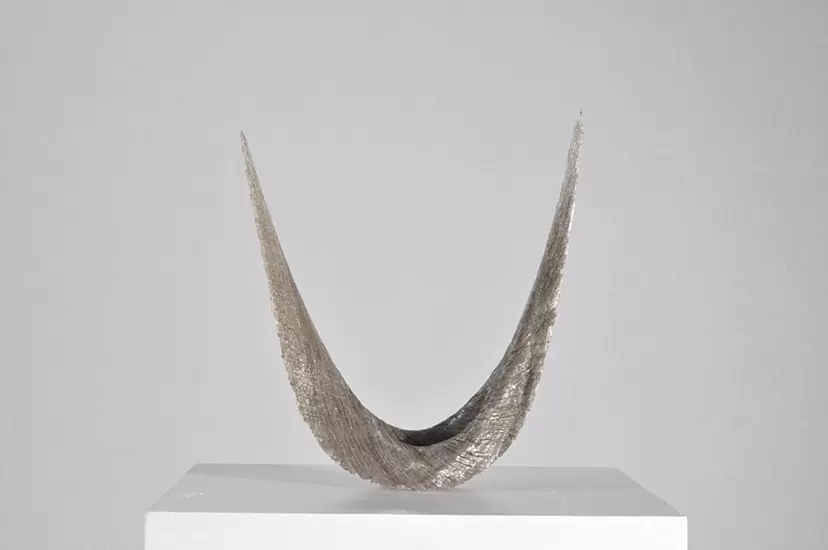
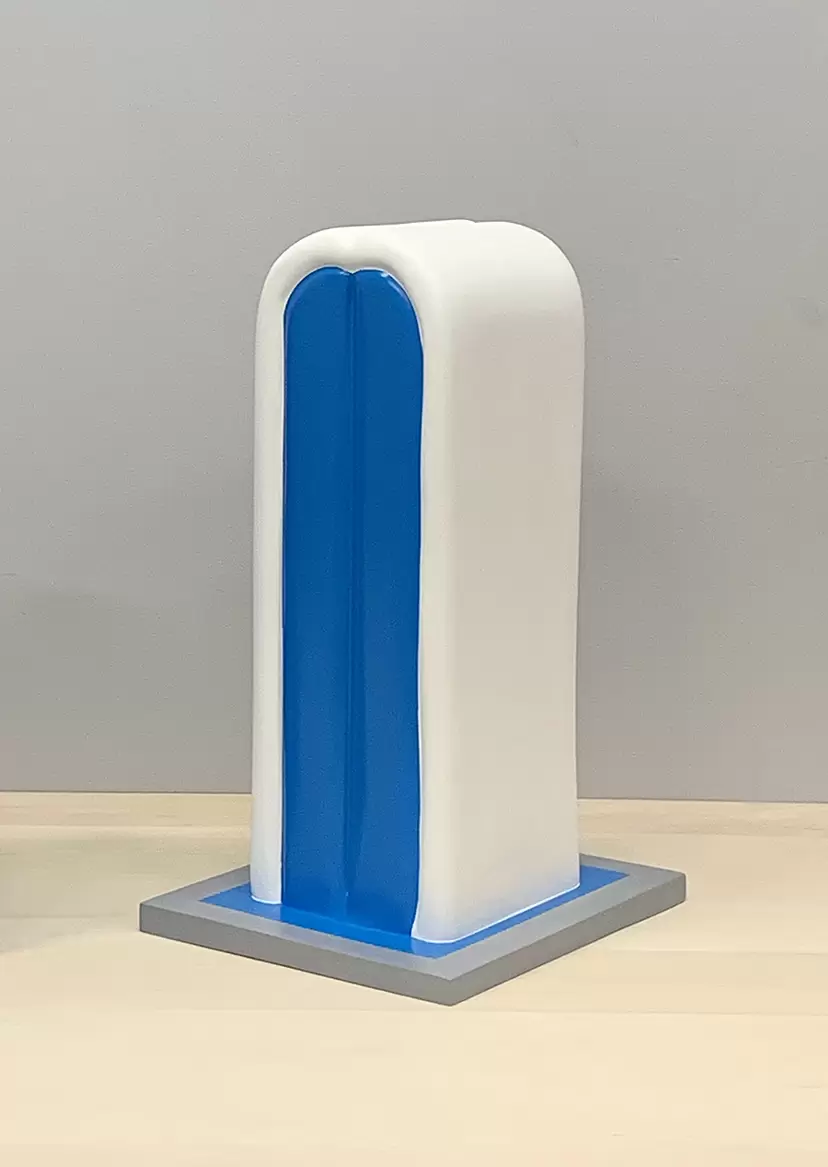
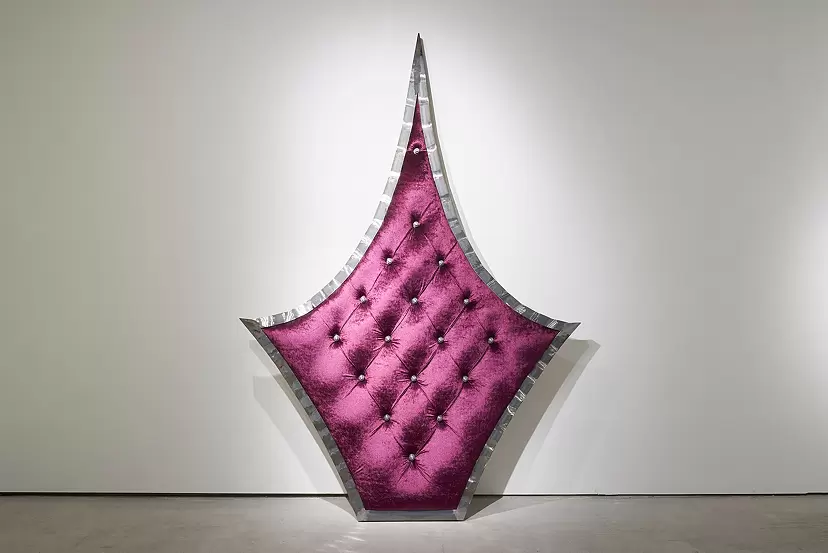
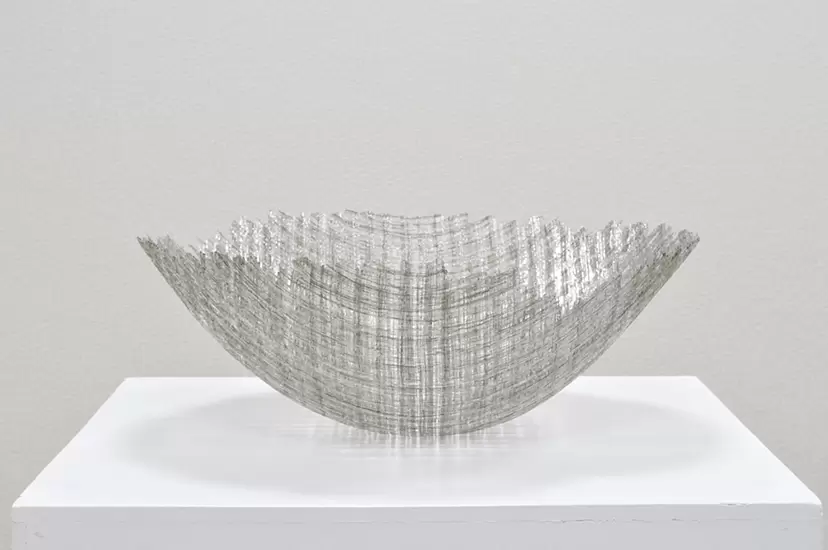
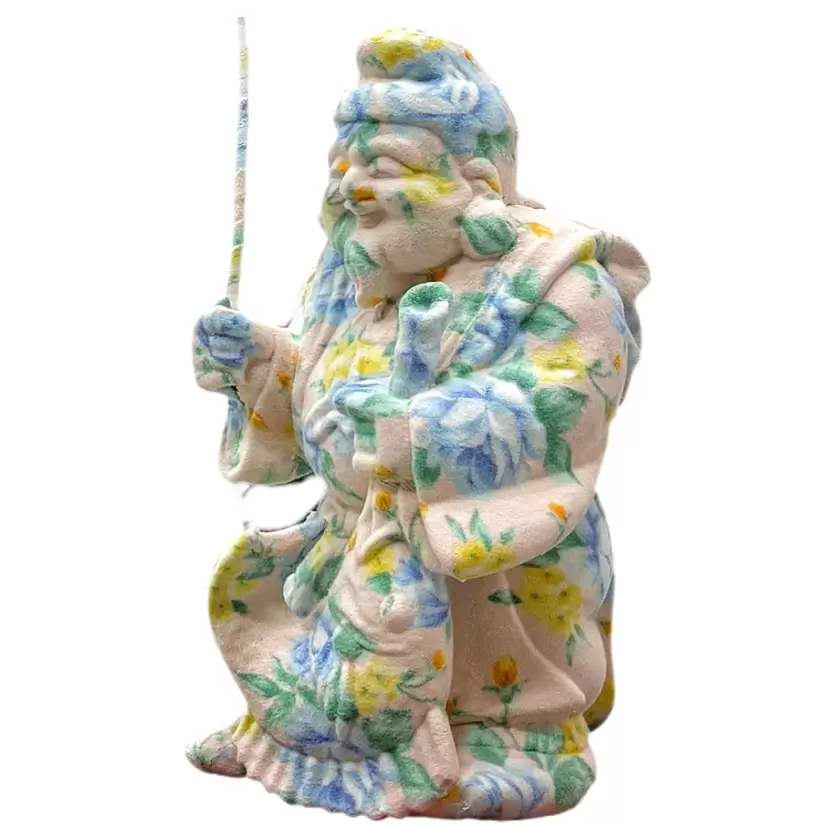
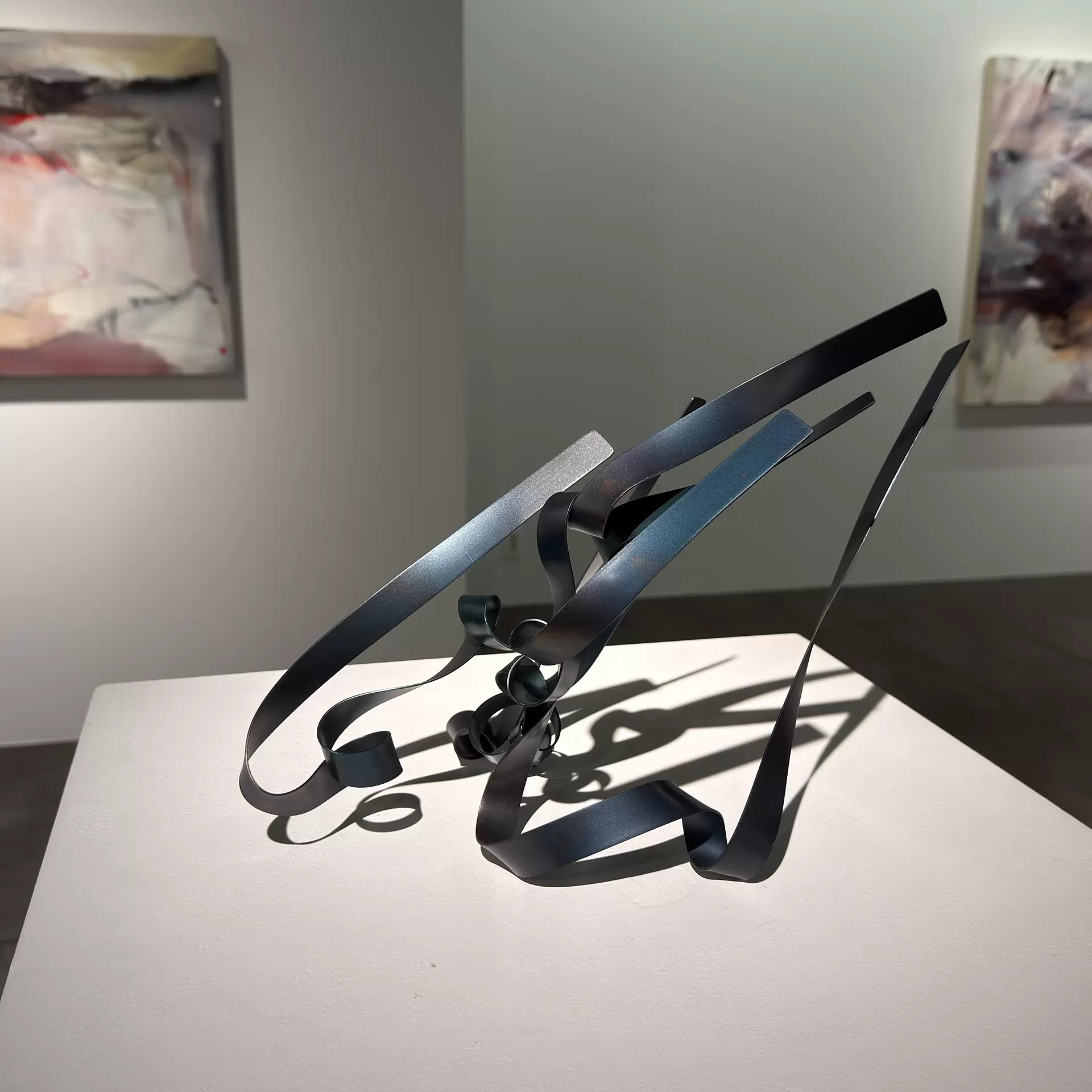
Reflect・Composition 16
Year: 2026
Material/Technique: Iron, Steel
Size: 26 × 40 × 18 cm
Edition: Unique
Signed:Not Set
This artwork is available for purchase.
USD 714
Note: Prices are displayed as reference prices converted at the exchange rate. Payments are made in Japanese yen.


About the Work
- Year
- 2026
- Material/Technique
- Iron, Steel
- Size
- 26 × 40 × 18 cm
- Edition
- Unique
- Signed
- Not Set
- Frame
- Not Included
- Work Certificate
- Included
- Distributor of artworks
- Takeshi Takamatsu
- Ship-from Area
- Not Set
- Days Until Dispatch
- Not Set
- Category
- Sculpture
- Style
- Abstract
Work Details
concepts
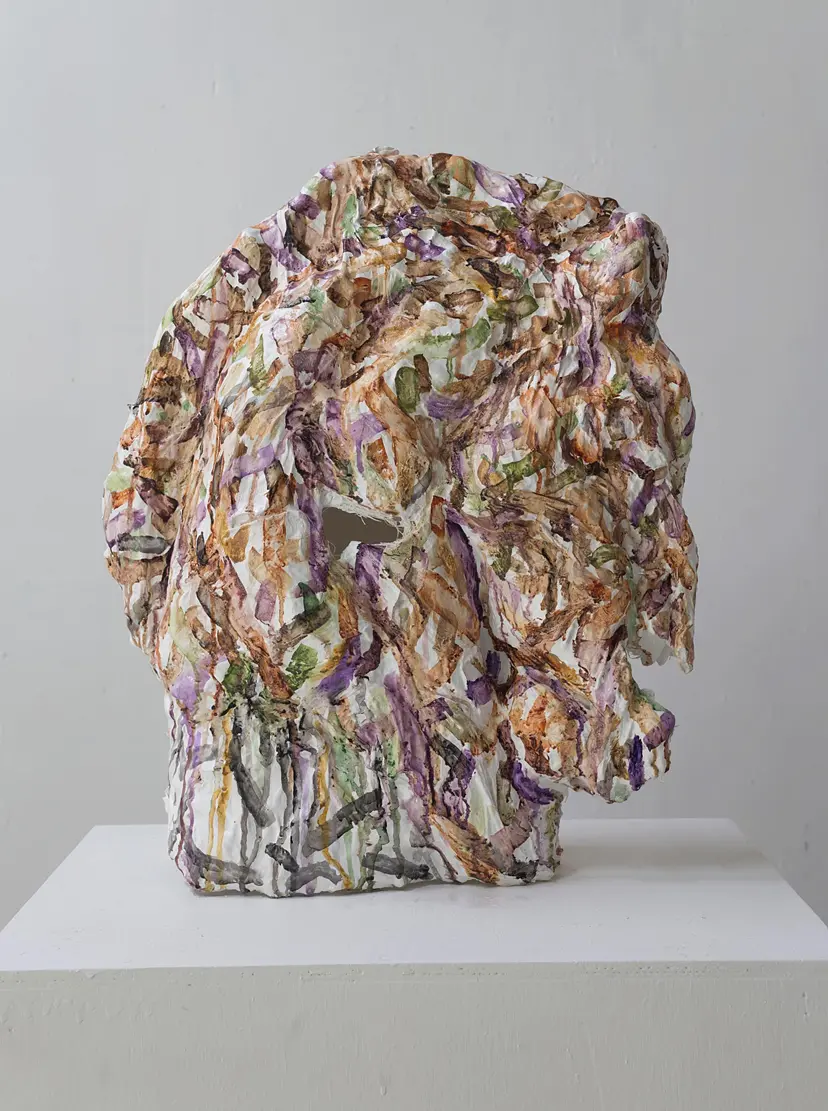
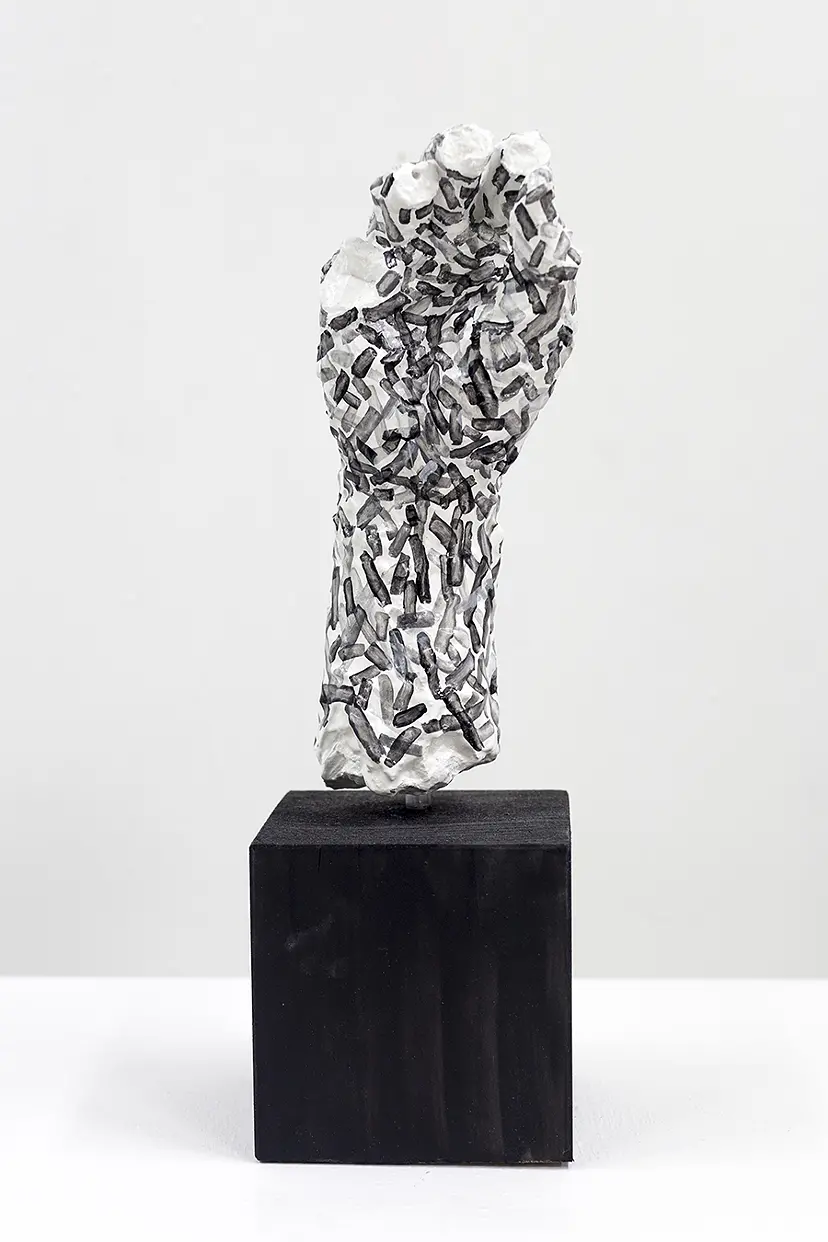
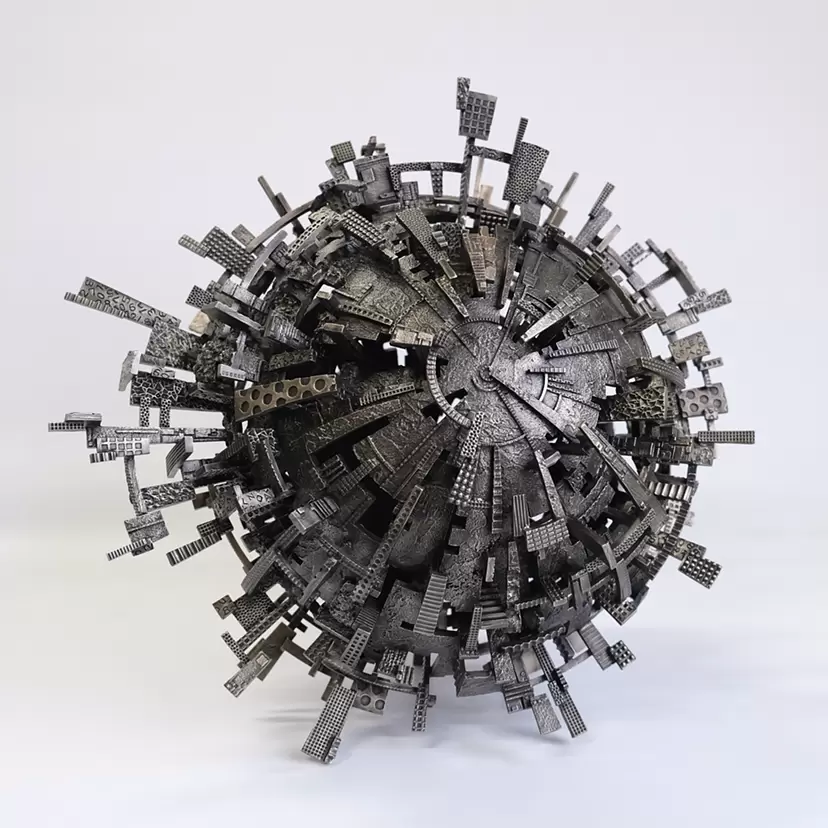
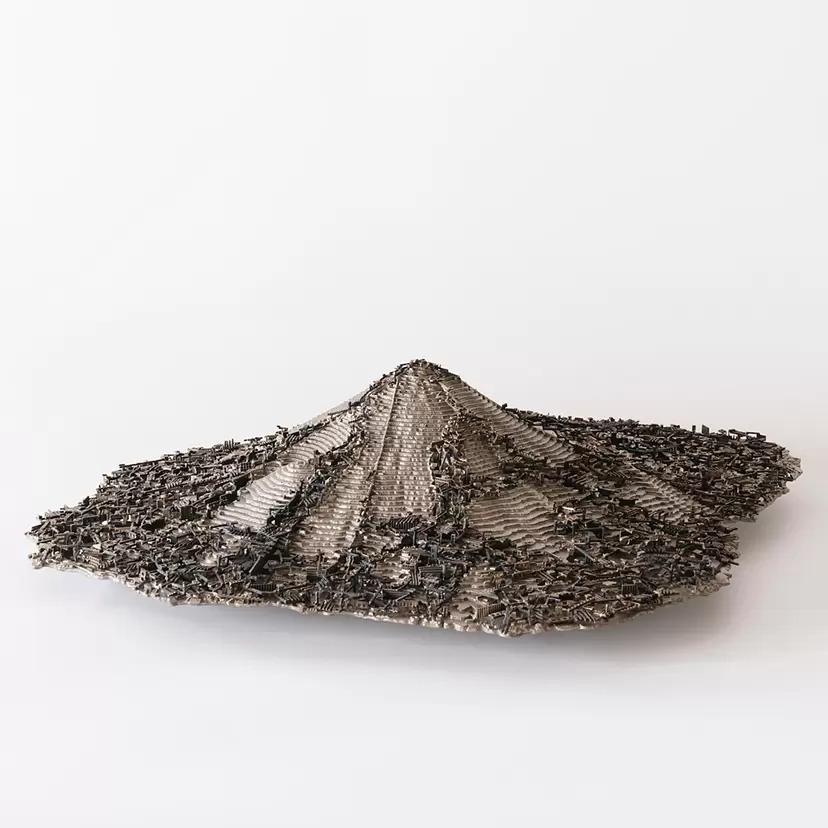
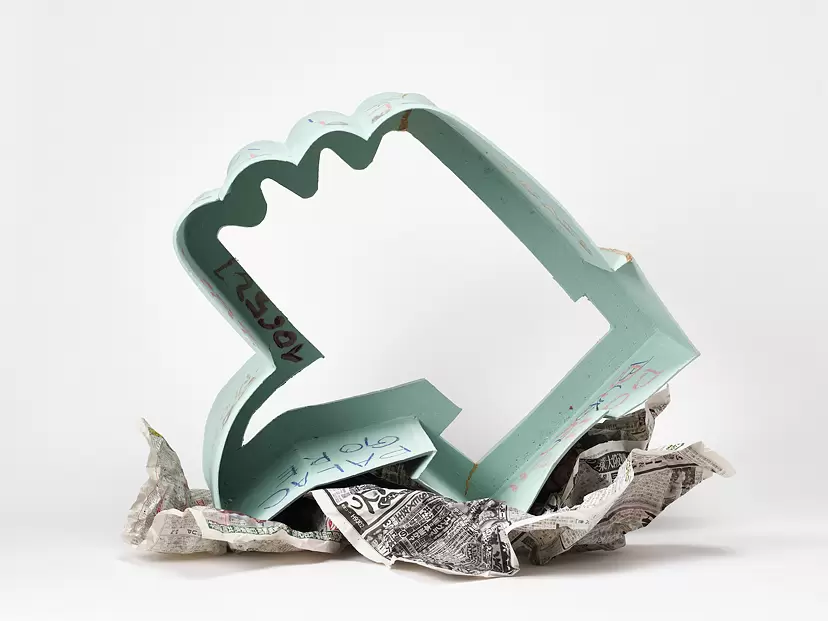
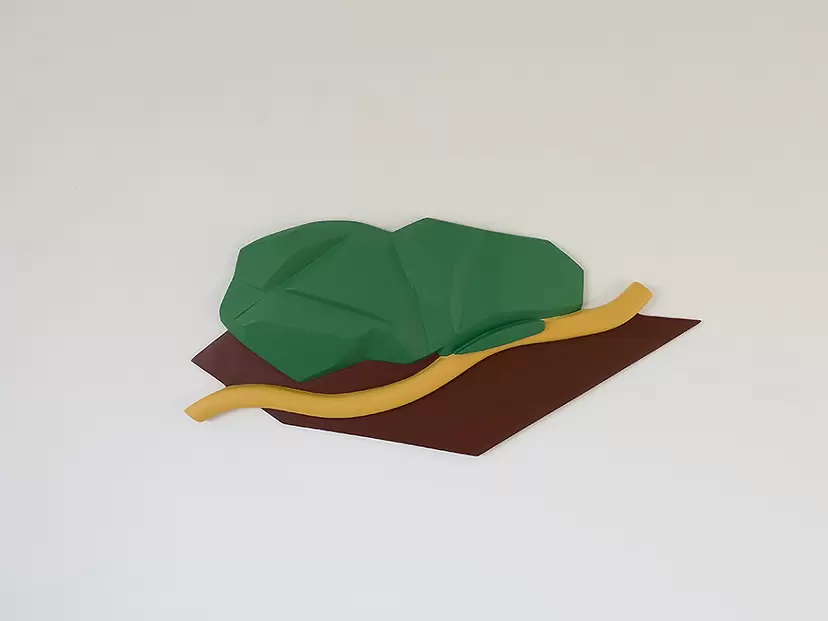
The back-and-forth trace of action being reflected by iron and bounces back is called a “reflection composition.” For production, iron is modeled using only hands and bodies without using fire, tools, or machines. I'm thinking about how to overcome the existing image of iron by making it by hand.
How to Buy

This artwork is available for purchase.
USD 714
Note: Prices are displayed as reference prices converted at the exchange rate. Payments are made in Japanese yen.
Need help with purchasing?

Join the waiting list
Join the waiting list to be notified when artworks become available for purchase.
Start Chat
Our art concierge is here to help. Please feel free to chat with us about artwork recommendations or issues with purchasing.
Artist
iron sculpture
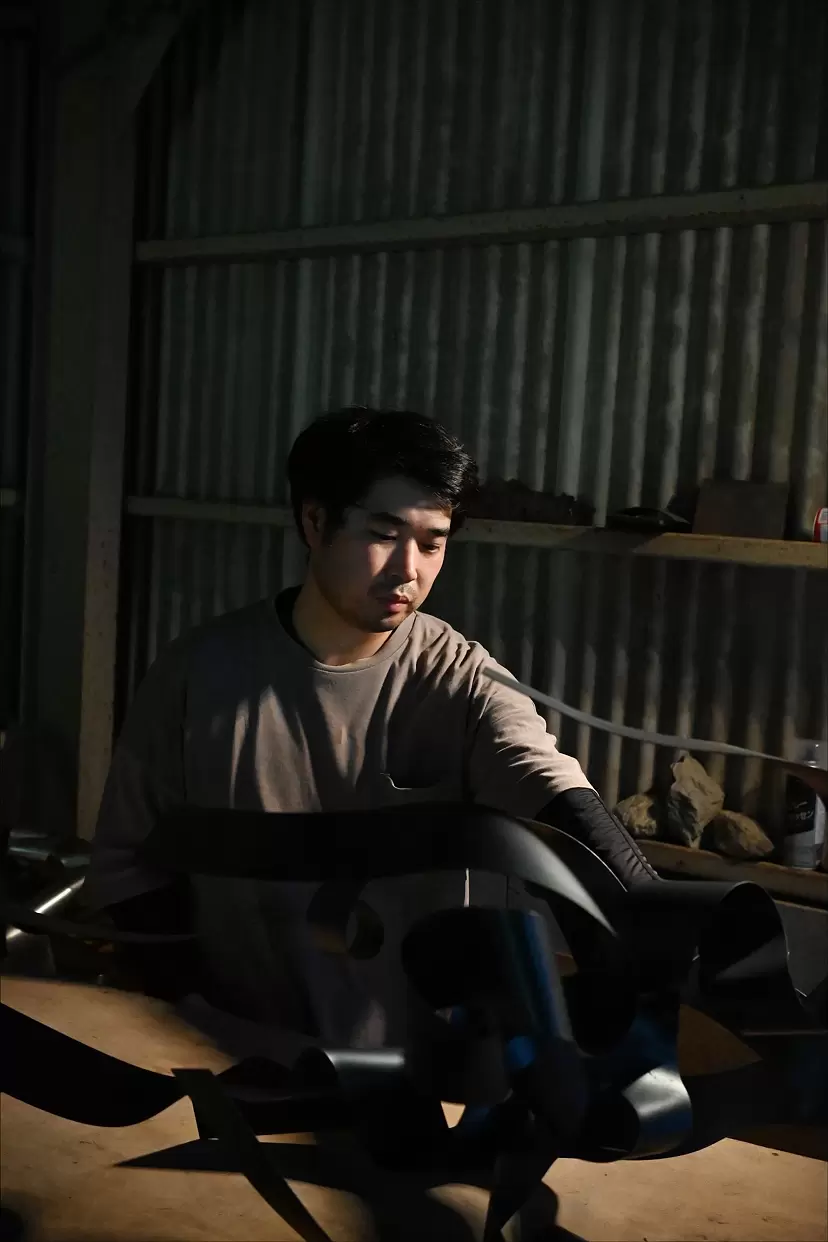
The material called iron has a history of being used as a structural material for weapons and buildings. Hard, heavy iron has been closely linked to the genealogy of human technology and violence. Above all, since modern steel is inexpensive and has structural strength, it is treated as a material optimized for capitalist production and supply systems. Specialized techniques and tools have been essential for this processing. I create works by bending this iron by hand. Keep a distance from tools and institutionalized technology, and throw on life-size effects. We are trying to elicit relationships with physicality that are different from what iron talks about. Technology cannot be completely separated from production. Technology inherently has the power to “bring things forward.” It is not a method that can be predicted for the right purpose, and it is linked to technology in a way that does not go the way one wants, including failures, accidents, and errors. Jacques Rancière's “emotional partage” re-questions the conditions of what can be visualized and who can be opened to it. During production, the hardness of steel, physical strength, and the modeling we are aiming for. When they are parted (splitted/shared), I feel like I can move away from the image that iron has.
See artist information