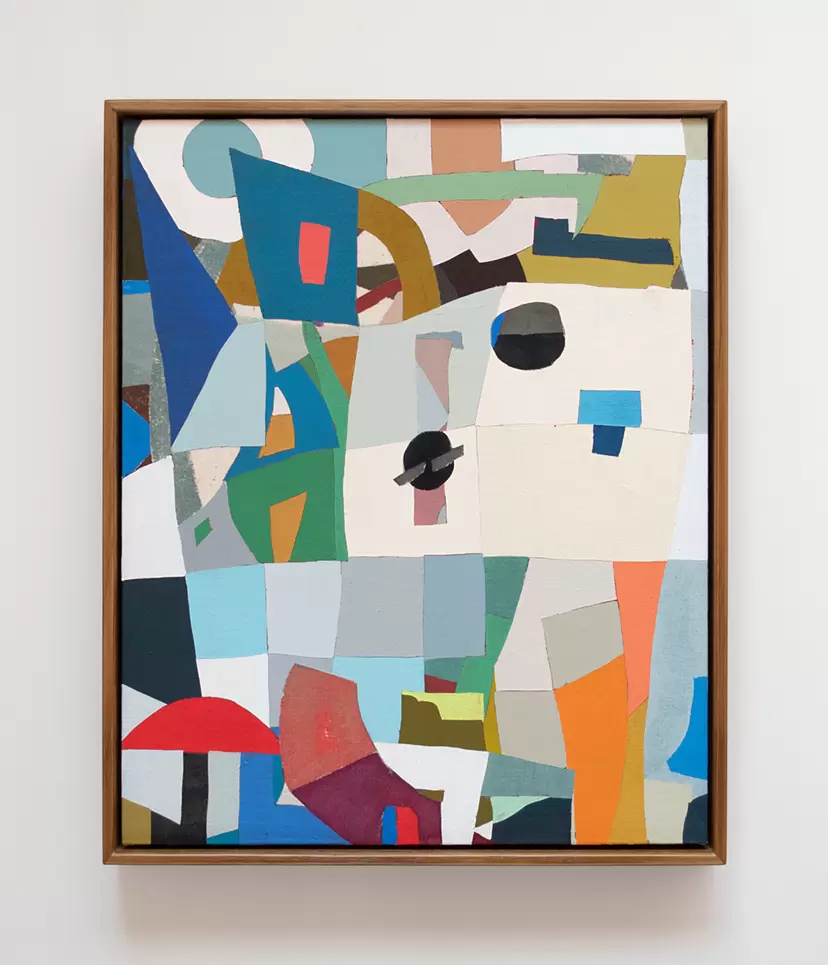
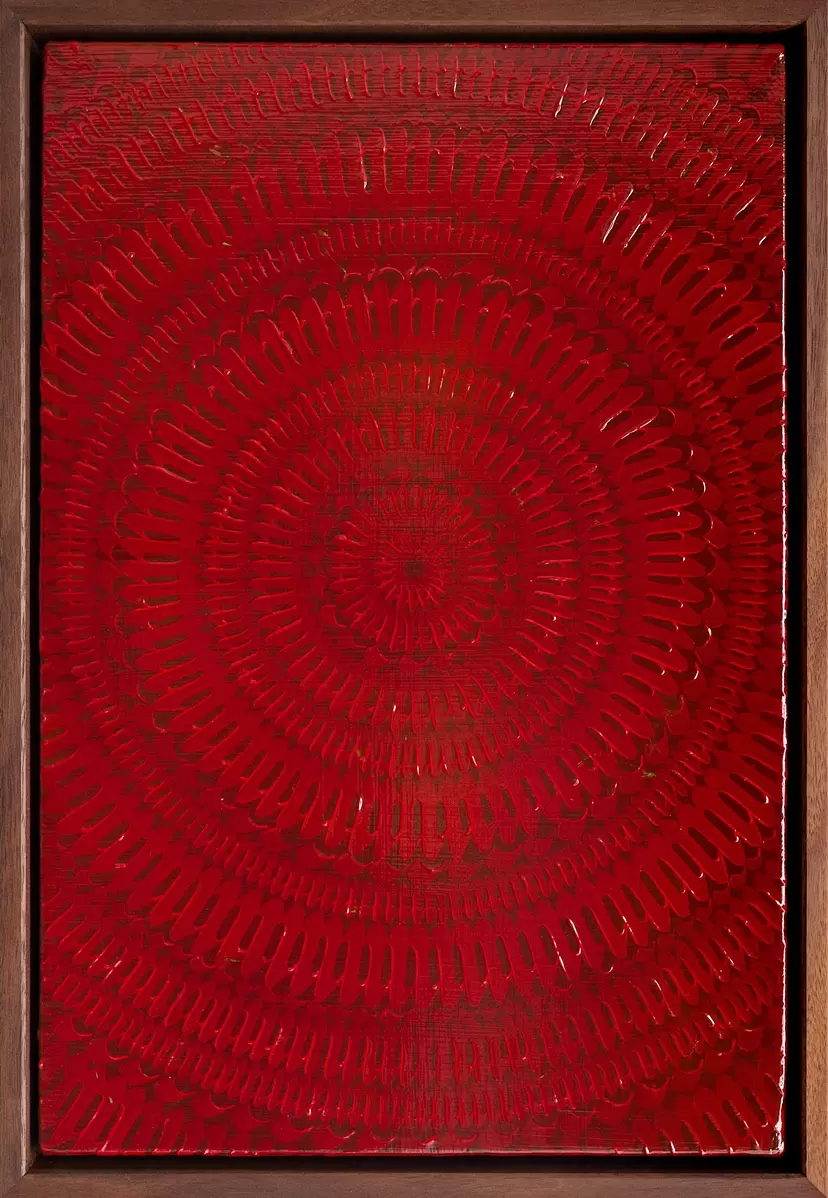
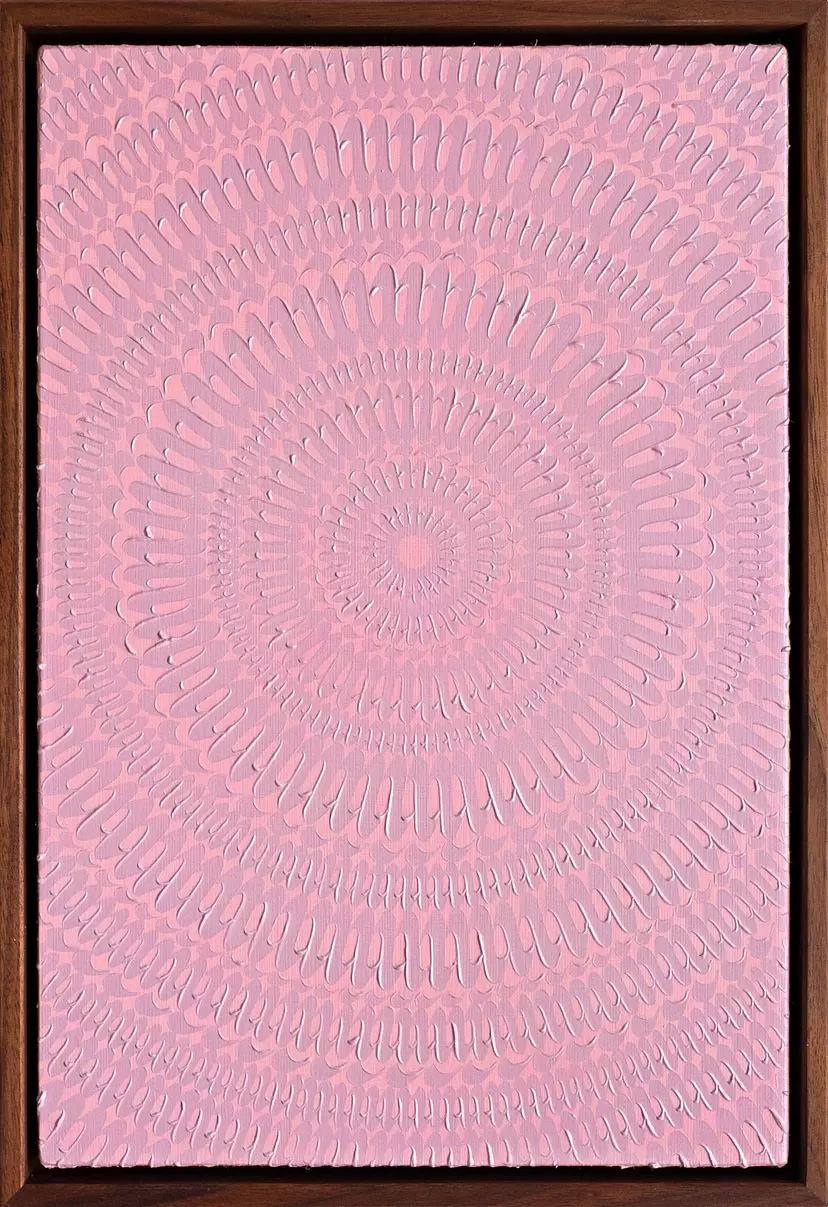
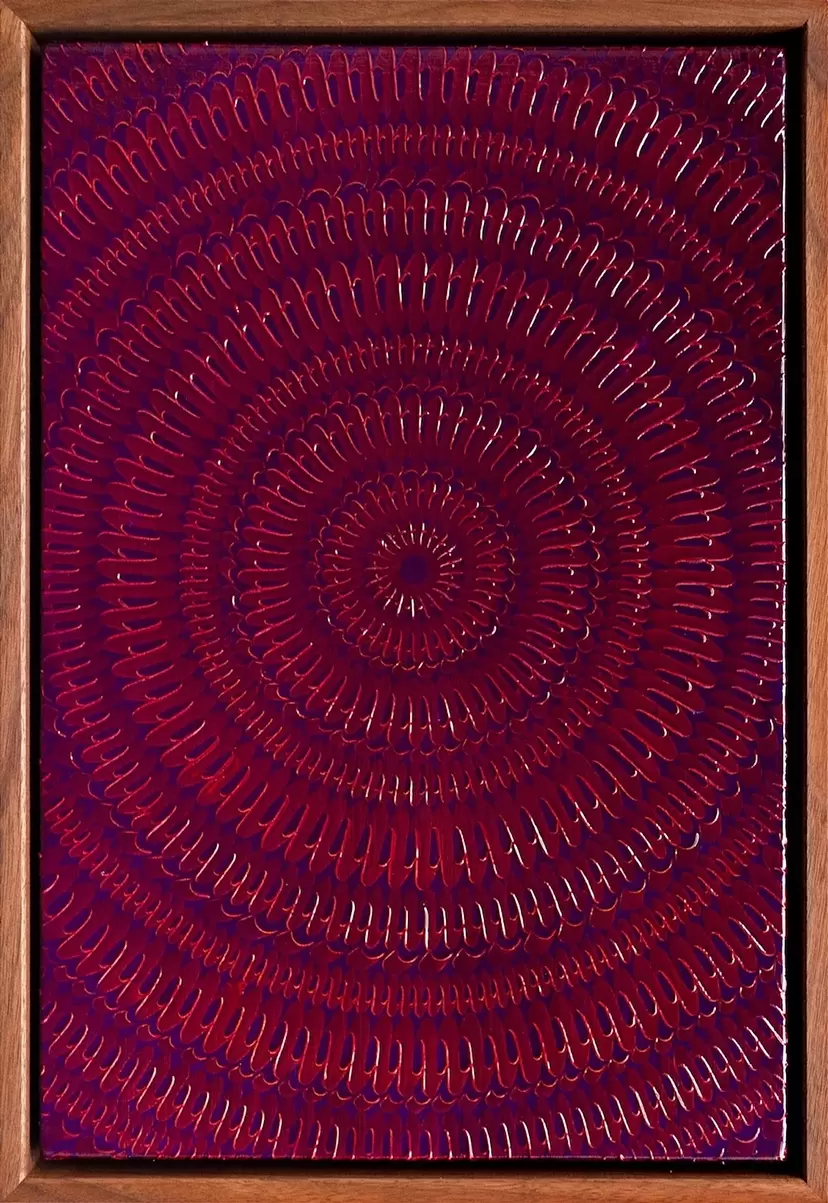
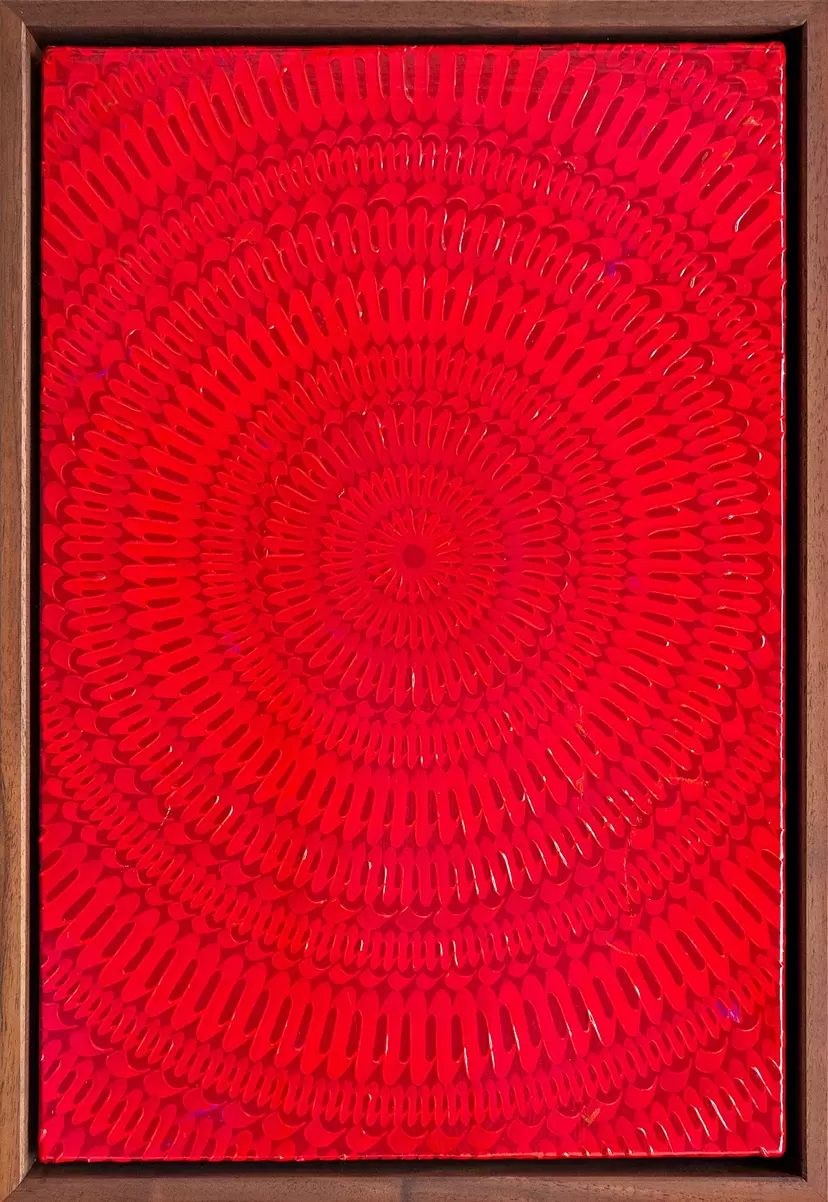
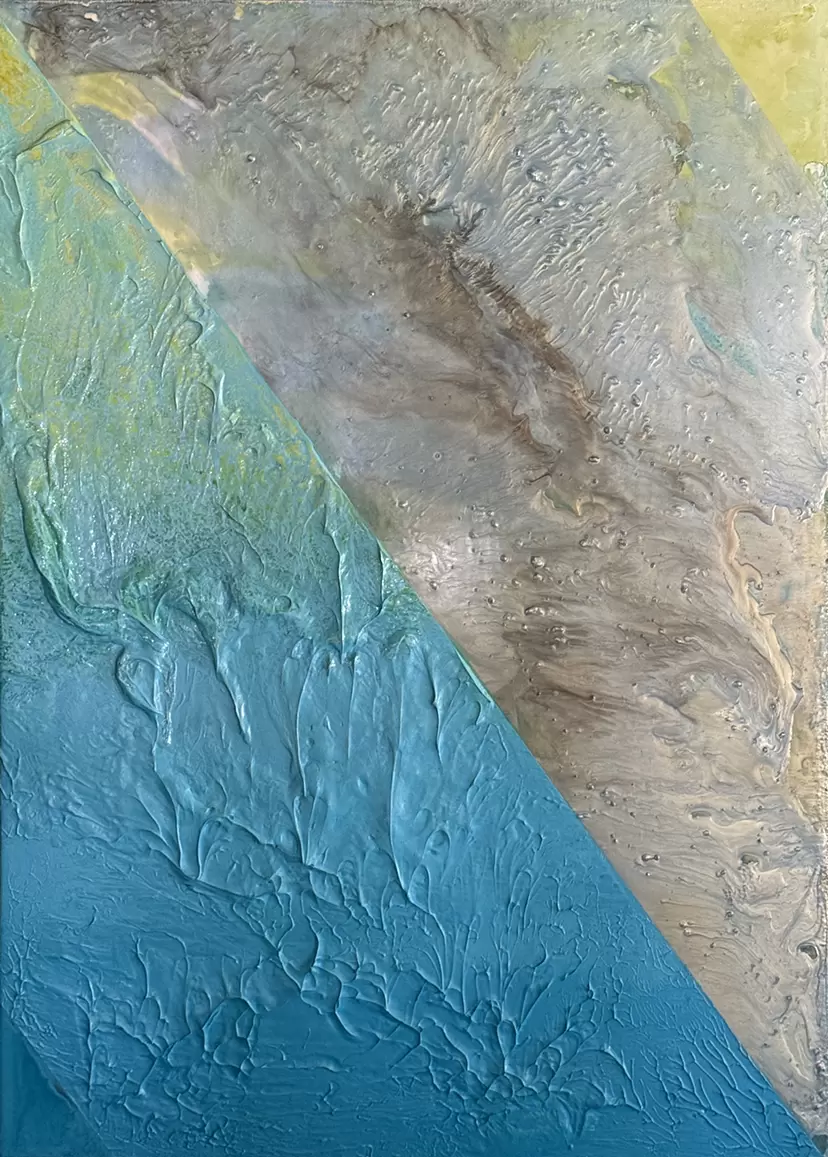
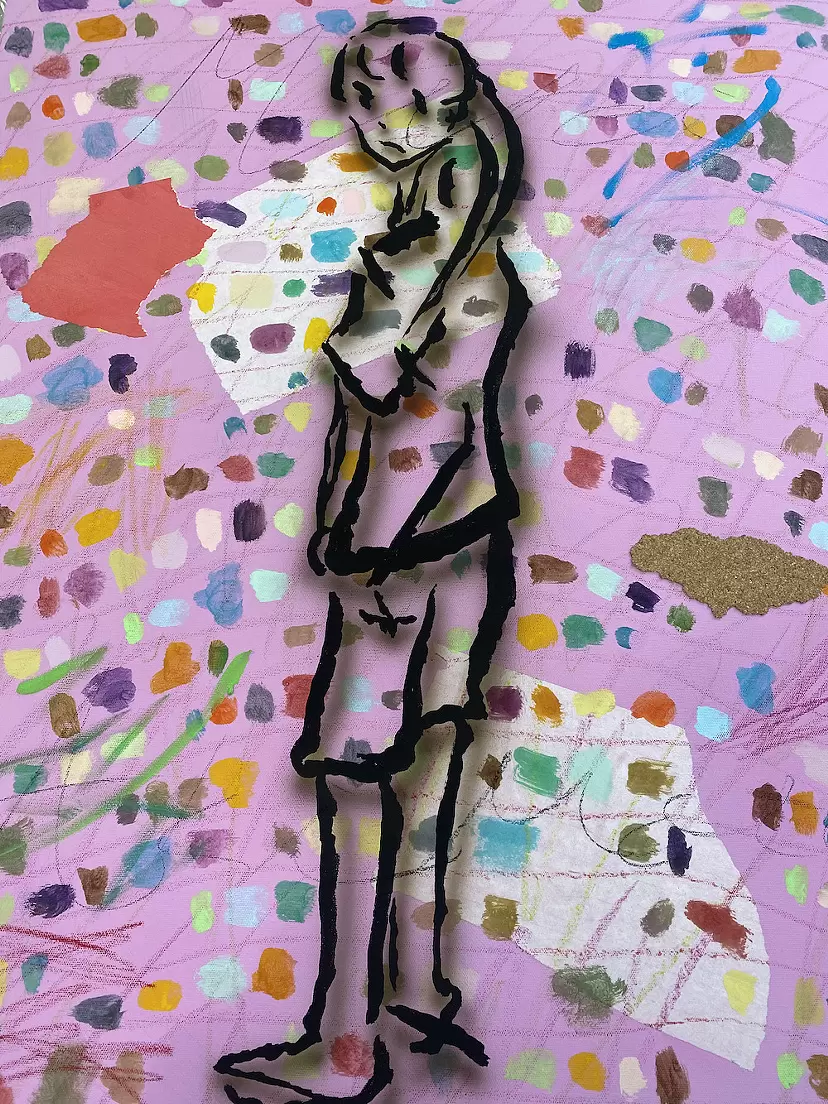
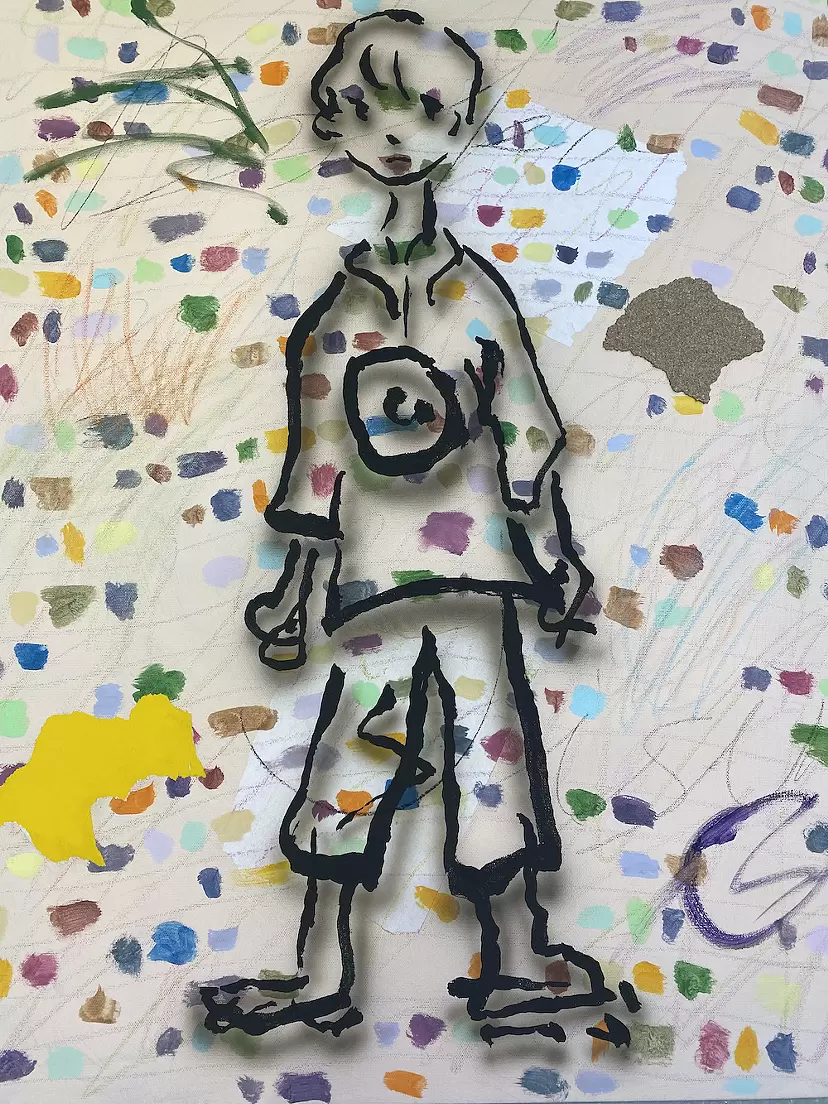
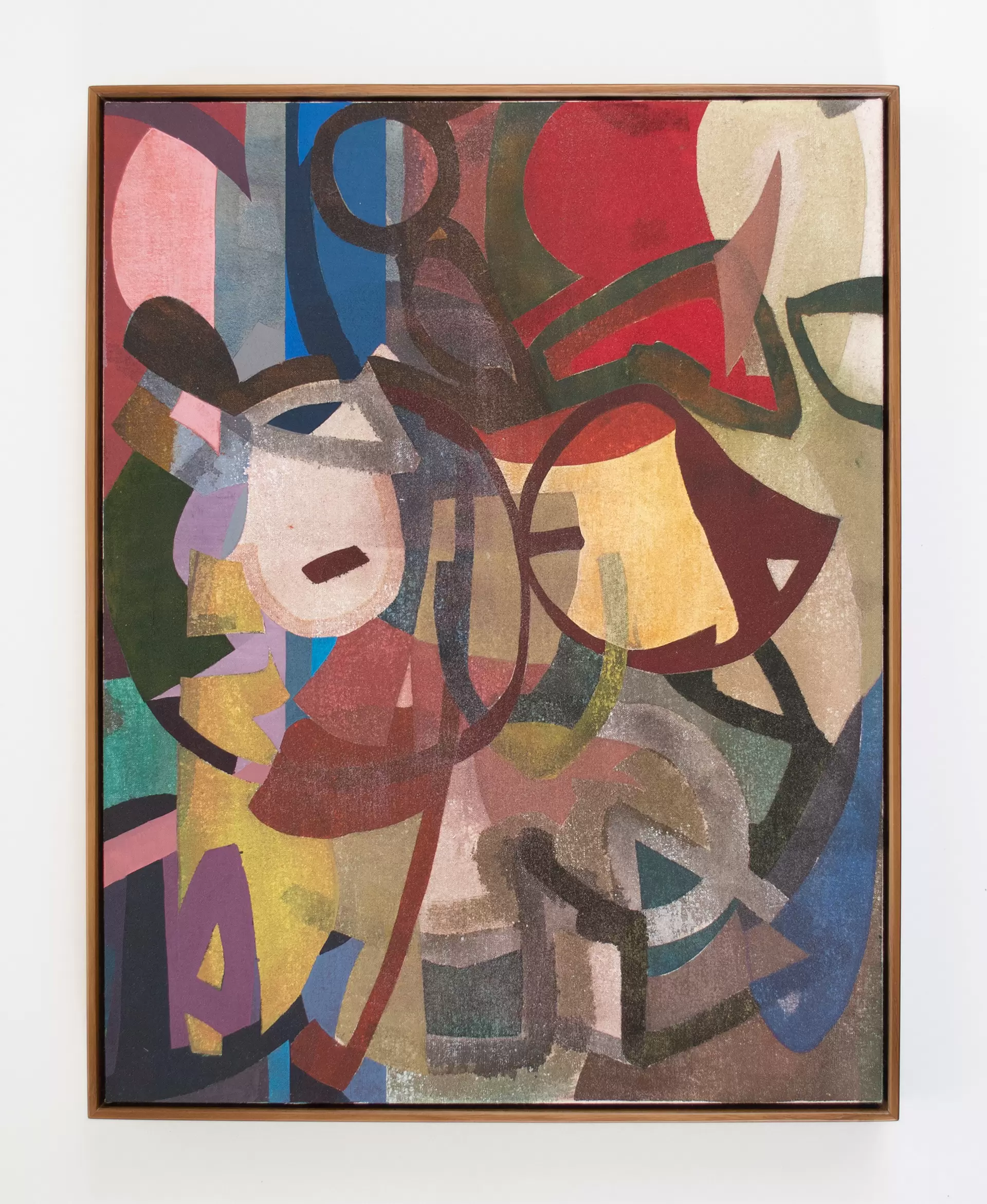
Polymerization #12
Year: 2025
Material/Technique: Acrylic, Cotton
Size: 41 × 31.8 × 1.5 cm
Edition: Unique
Signed:Included
This artwork is available for purchase.
USD 700
Note: Prices are displayed as reference prices converted at the exchange rate. Payments are made in Japanese yen.


About the Work
- Year
- 2025
- Material/Technique
- Acrylic, Cotton
- Size
- 41 × 31.8 × 1.5 cm
- Edition
- Unique
- Signed
- Included
- Frame
- Included
- Work Certificate
- Included
- Distributor of artworks
- HORIGUCHI Shingo
- Ship-from Area
- Tokyo
- Days Until Dispatch
- About 2 Weeks
- Category
- Painting
- Style
- Abstract, Conceptual, Japanese Painting / Japanese Style
Work Details
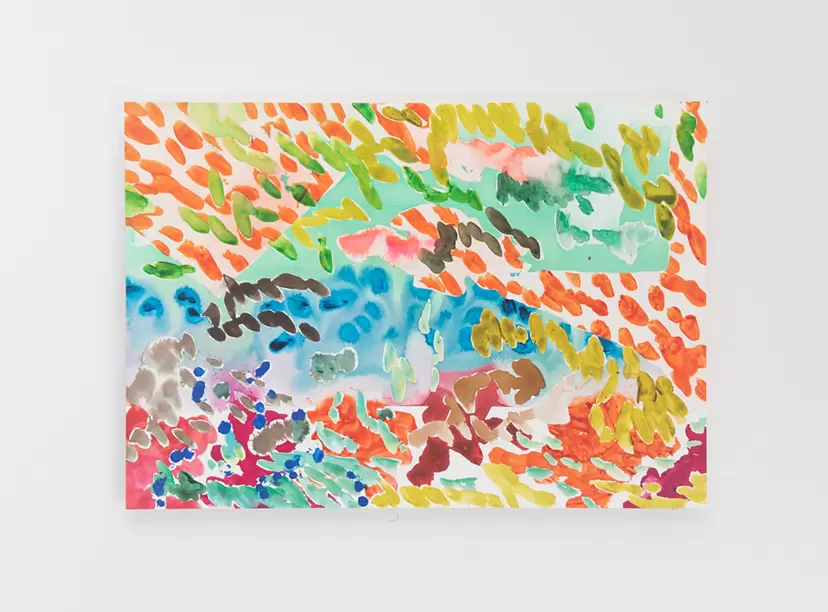
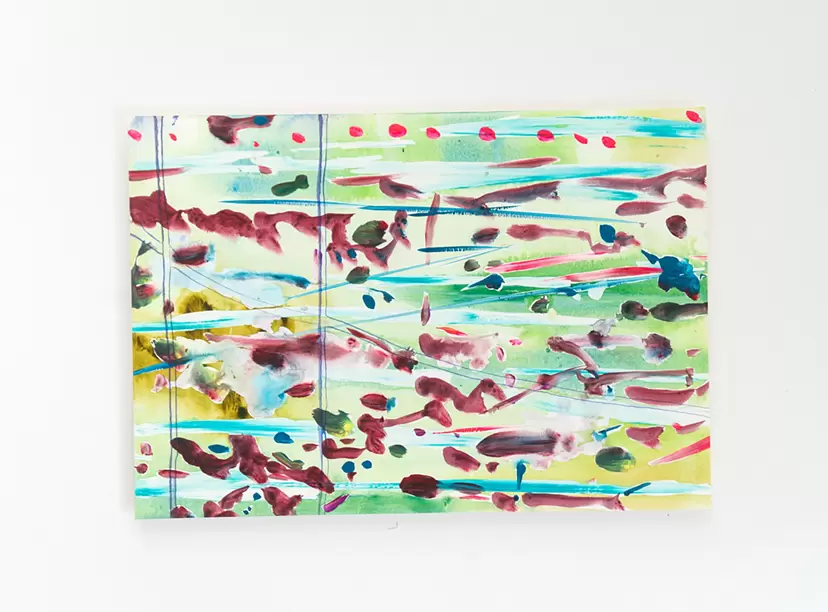
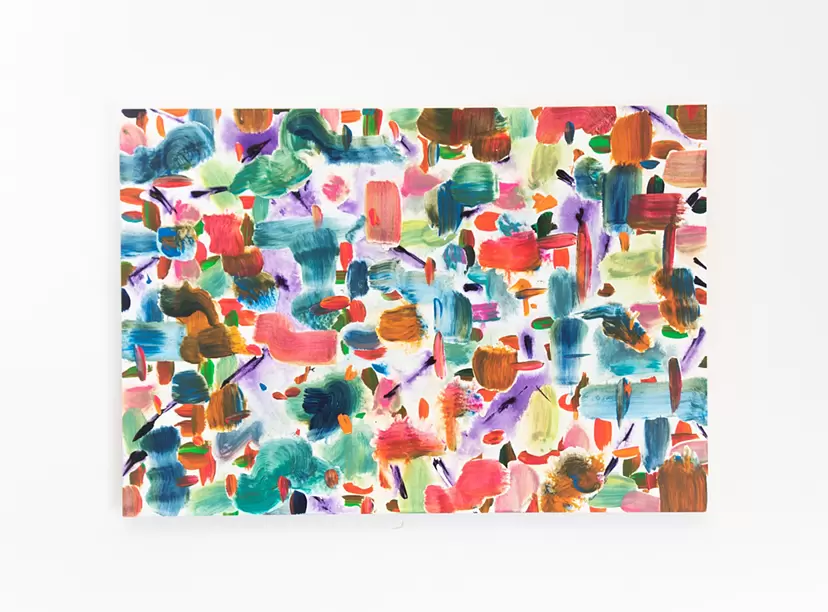
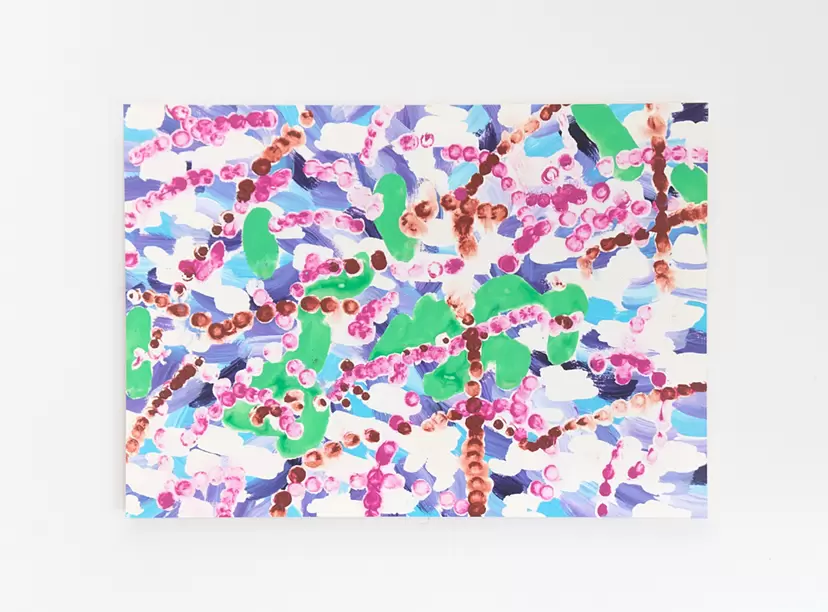
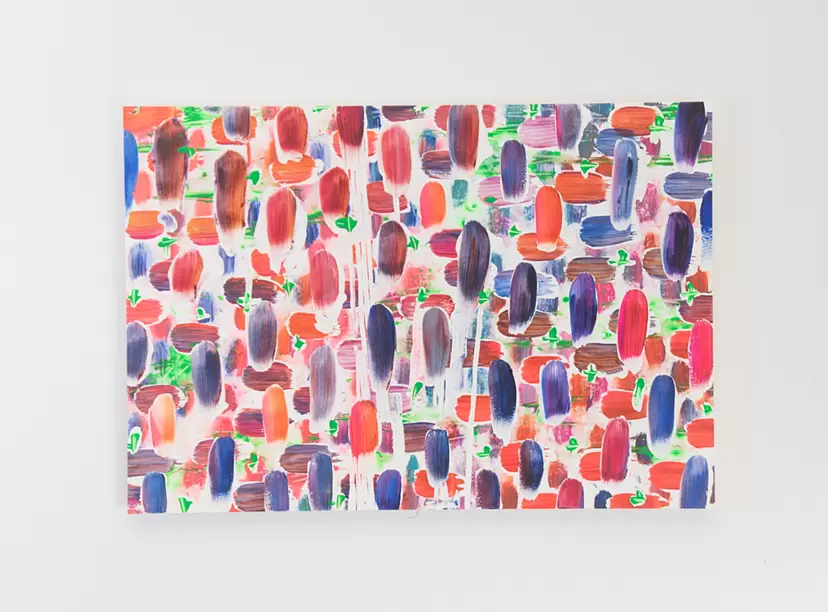
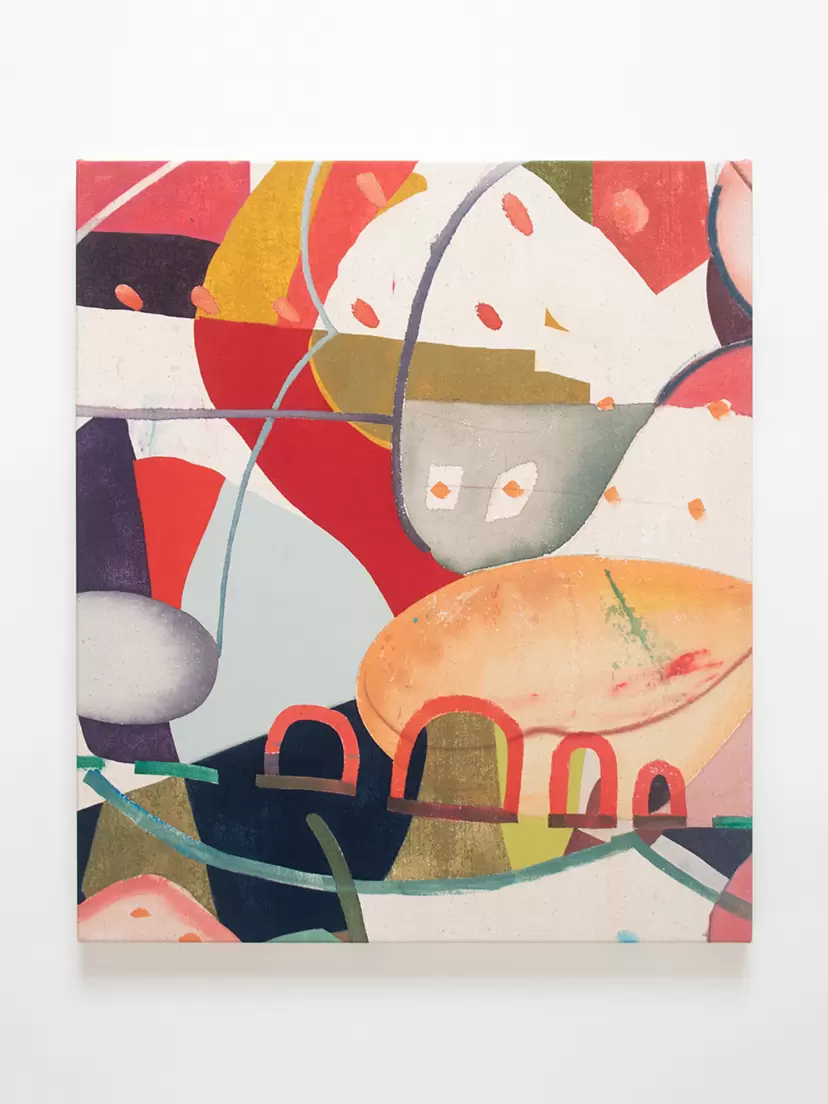
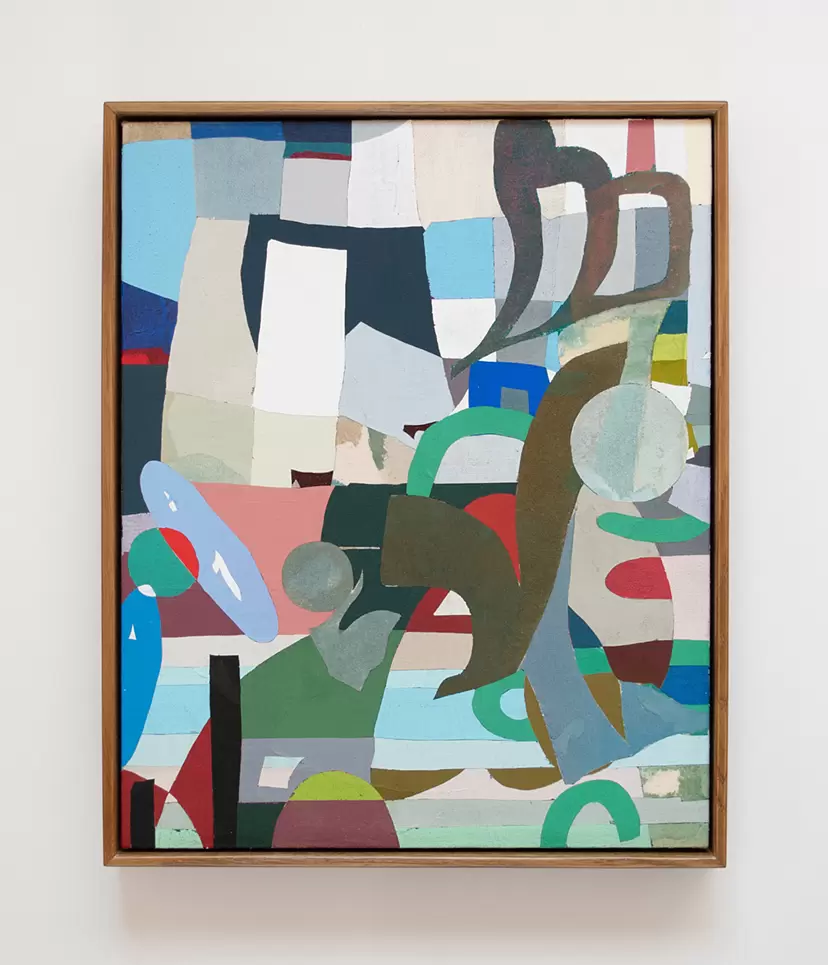
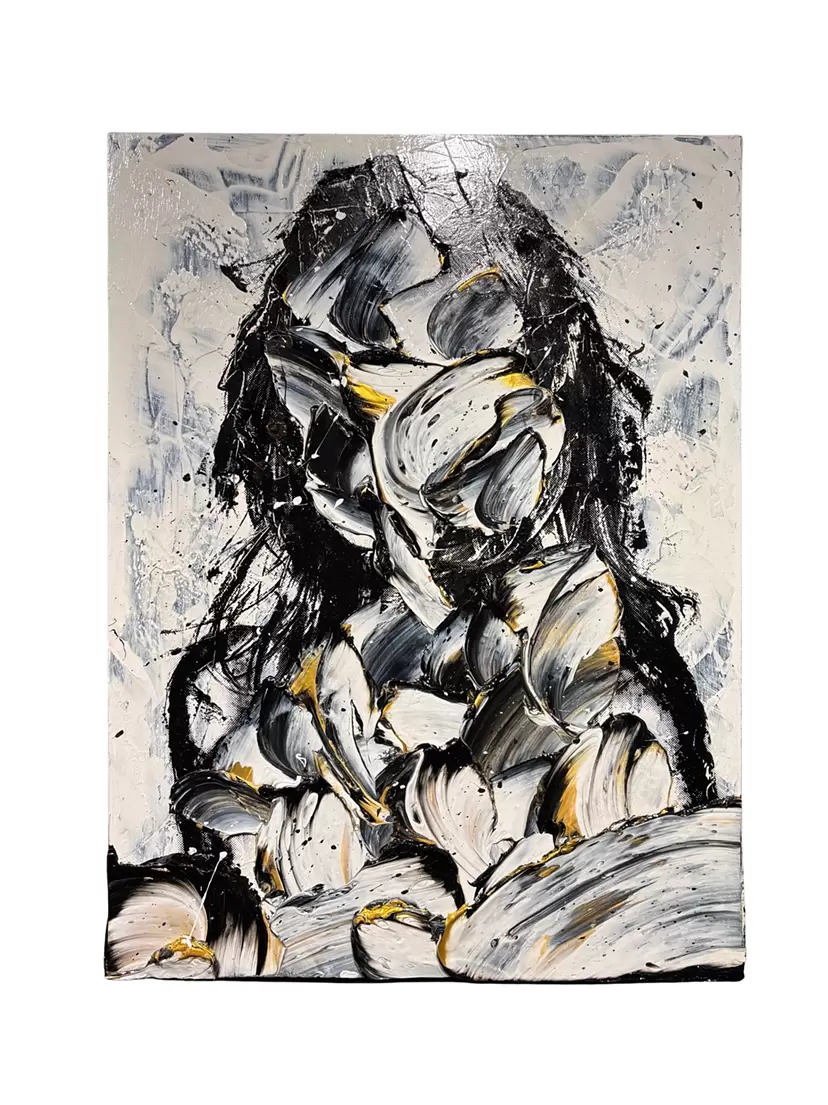
The structure I pursue in painting is one in which ground and figure interpenetrate within the pictorial field. No single part is fixed as the foremost plane; instead, multiple possibilities remain in a state of fluctuation as they settle into the image. This sense of instability resembles the way vision operates: when we look at something with the naked eye, our gaze shifts across the field, focus constantly adjusting, and the image in the brain is never fully stable.
I consider this interpenetration of ground and figure to be one of the most crucial elements of modern painting since Cézanne and Cubism. Yet in Japanese art (and art education), this element does not seem to have been fully assimilated. Tracing the work of preceding domestic artists, there appear to be surprisingly few cases in which this structure has been successfully internalized.
Since 2022, my work has focused on how to incorporate the instability of binocular vision into painting. In retrospect, this became an attempt to install the interpenetrating structure that emerged from Cézanne through early Cubism. I only realized this afterward.
Perhaps this was a reinvention of the wheel of modern painting. At the time, I did not think so. Precisely because of that, however, I may have developed a method of interpenetrating ground and figure that is subtly misaligned with those of modern painters working in real time.
Living in the present, I use computers to simulate the structure of an image repeatedly. In my process, I prepare multiple images—some drawn directly on the surface, others on separate supports—scan them, and composite them in Photoshop as if weaving them together. I then paint the resulting image, partially tracing the very process of its compositing. The method of combining these images differs greatly from work to work and is too complex to fully describe, but intuitively, it feels like a compression of forward-moving time and reversed time (control + Z), layered intricately and manifesting on the surface of the painting.
As I weave multiple images together, I do so by simultaneously breaking them apart. This gives me the sensation of producing something inherently unfinishable, a broken state that resists completion. So where does the work reach its finish? It is when the multiple source images achieve a state of maximum tension in which their possible coexistence on a single plane is most balanced. In other words, the state in which possibilities are still in flux approximates the unstable image perceived by the eye and mind that I initially sought.
This may seem like a digression, but have you seen the film TENET? It features an opposing force that moves backward through time, and agents who fight them along the forward flow of time. In the film, there is a concept called the “inverted bullet”: a projectile that already exists embedded in its target and returns to the gun when summoned. The film never explains when such a bullet first came to be there. While I do not fully understand the film myself, there is something in it that resonates with my recent work.
In the process of simulating and compositing images on a computer—manipulating both forward and reverse temporal directions—the resulting image begins to feel as though it was not entirely made by me. It is as if it were transmitted from another timeline, from a future version of myself. Like an inverted bullet that had always already been embedded in the wall. Where does this painting come from? Of course, I painted it. Yet the image I seek feels as though it has always existed, arriving from the future, where multiple temporal possibilities emerge and fluctuate. Still, unless I begin to paint, that future will not transmit the image to me. I must leap toward the timeline in which it exists.
Installation view of the solo exhibition “Polymerization” 2025, msb gallery
Framing Information
The listed price includes a temporary frame.
The price without a frame is JPY 99,000 (tax included).
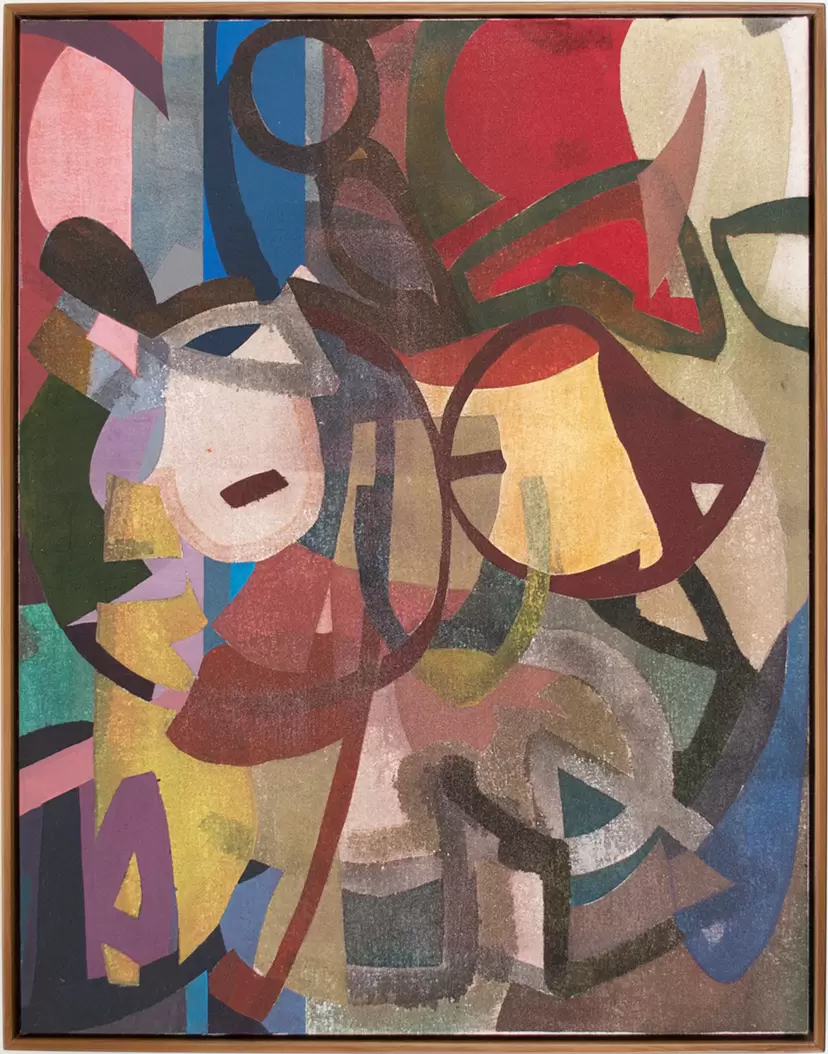
View in a Room
How to Buy

This artwork is available for purchase.
USD 700
Note: Prices are displayed as reference prices converted at the exchange rate. Payments are made in Japanese yen.
Need help with purchasing?

Join the waiting list
Join the waiting list to be notified when artworks become available for purchase.
Start Chat
Our art concierge is here to help. Please feel free to chat with us about artwork recommendations or issues with purchasing.
Artist
Painter
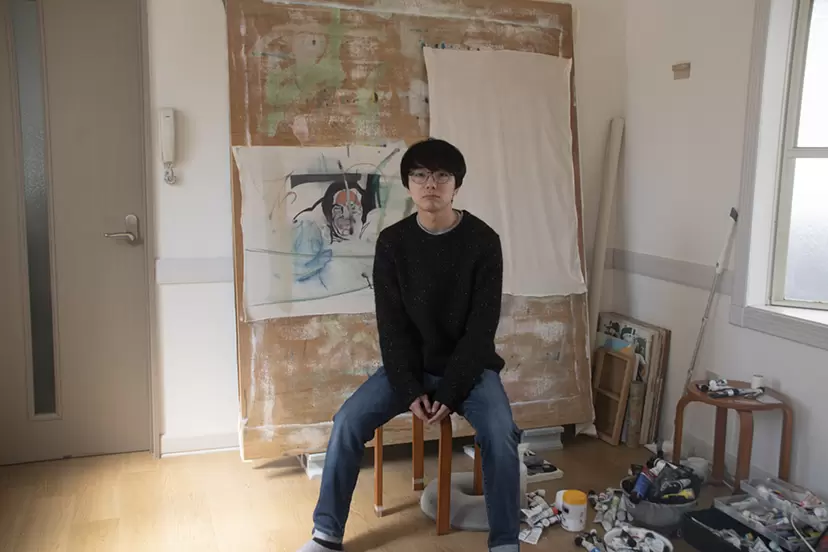
There is a slight discrepancy between what the right and left eyes perceive. People see the world by continuously synthesizing these two fields of vision in the mind. I attempt to reconstruct this perceptual instability through the structure of painting. To render a perception that is constantly in flux is to engage in creating something that cannot be fully completed from the outset. I call this attitude—both in making paintings and in understanding art as it has been practiced—“Binocularism,” and I identify myself with it. Born in 1993, Kyoto, Japan 2016 B.F.A., Department of Japanese Painting, Tama Art University 2018 M.F.A., Japanese Painting Course, Tama Art University Graduate School ~2022 Assistant, Japanese Painting Studio, Tama Art University Solo Exhibitions 2026 “Reconfigured Westerlies” LOKO GALLERY/Daikanyama 2025 “POLY -transparency” msb gallery/Nihonbashi 2025 “Polymerization” Kameido Art Center, Higashi-Ojima 2024 “POLY-viewpoints” obi gallery, Fujisawa 2023 “EYE-BALLS ADVENTURE part:2” Yanagisawa Gallery, Higashi-Urawa (organized by Gallery pepin) 2023 “EYE-BALLS ADVENTURE part:1” LOOP HOLE, Fuchu 2021 “The Field and Daylight 3.2” tagboat, Yurakucho 2021 “The Field and Daylight 3.0” Sukiyuwa, Nishi-Ogikubo 2020 “FUZZY CRAWL” Art Space Rashinban, Kyobashi 2019 “BEAST / HUMAN / MACHINE” Kameido Art Center, Higashi-Ojima 2019 “Vapor under the city” Sukiyuwa, Nishi-Ogikubo 2018 “Drone’s eye (half a person)” tagboat, Ningyocho 2018 “The Field and Daylight 2.0” Art Space Rashinban, Kyobashi 2017 “The Field and Daylight” montanO-librO, Nishifunabashi 2017 “The Field and Daylight” Galleria Aoneko, Nishi-Ogikubo Group exhibitions 2026 “Homage to Ei-Q 2026「A Changing World and the Creation of New Values — Rethinking the Visible」Vol.1” STAND COFFEE KOTOKOTO gallery-B, Saitama 2025 “「as if」 – 12 artists express music” Sukiyuwa, Nishi-Ogikubo 2025 “Joint Exhibition of the Painting Department (Japanese Painting / Oil Painting / Printmaking), Tama Art University「Tamabi Beyond, at the 90th Anniversary」” Tama Art University, Hachioji 2025 “UNLABELED” Art Liberation Zone, Ningyocho 2025 “ The 20th Anniversary ‘LOOP HOLE Expo. 2025’ / LOOP HOLE Pavilion” Fuchu Art Museum, Fuchu 2023 “Sourai” Sukiyuwa, Nishi-Ogikubo Residence 2022 Minato Media Museum 2022 Award 2024 Selected, Idemitsu Art Award 2024 2024 Wakato Onishi Award, KAMIYAMA ART Quadriennale 2024 Chairman’s Award, 59th Kanagawa Art Exhibition (Painting & Sculpture Division) 2018 Sukiw a Prize, Gallery e Ikō 2018 2018 TAGBOAT Award, Independent Tokyo 2018 2018 Selected, 13th Daikokuya Contemporary Art Open Call Exhibition 2017 Selected, Kanaya Art Museum Competition 2017 2014 Encouragement Prize, Yume-bi Biennale Selected Works Exhibition
See artist information