


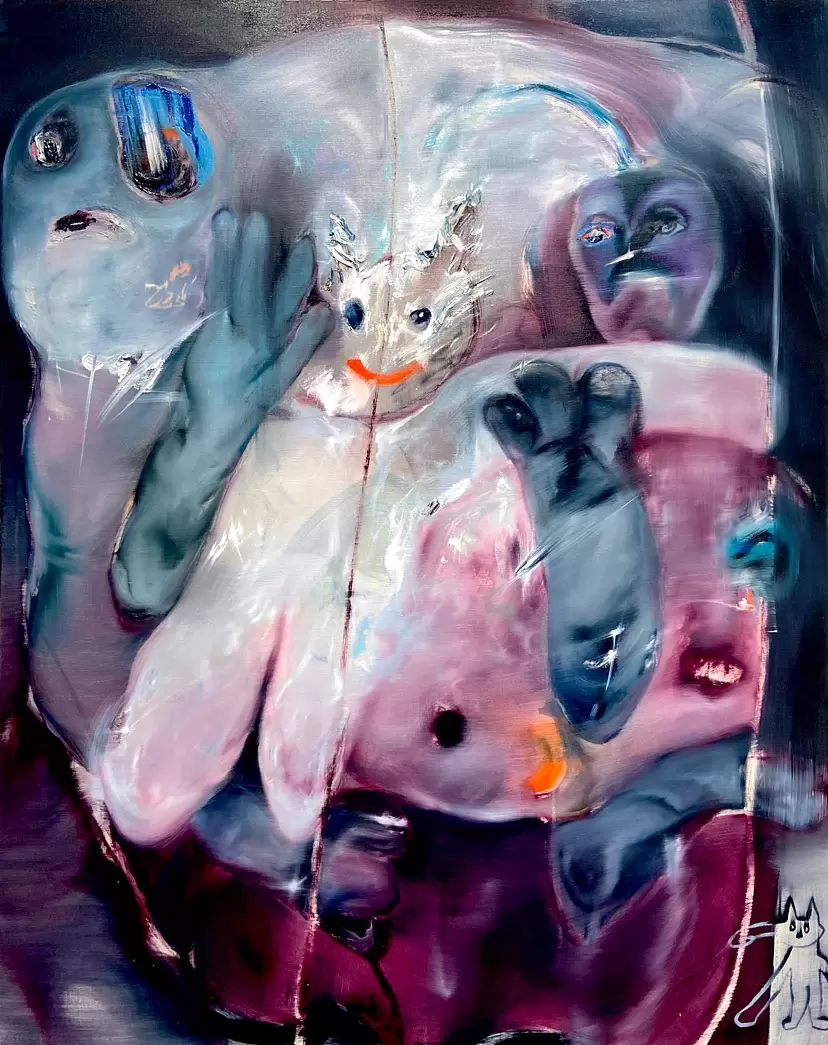
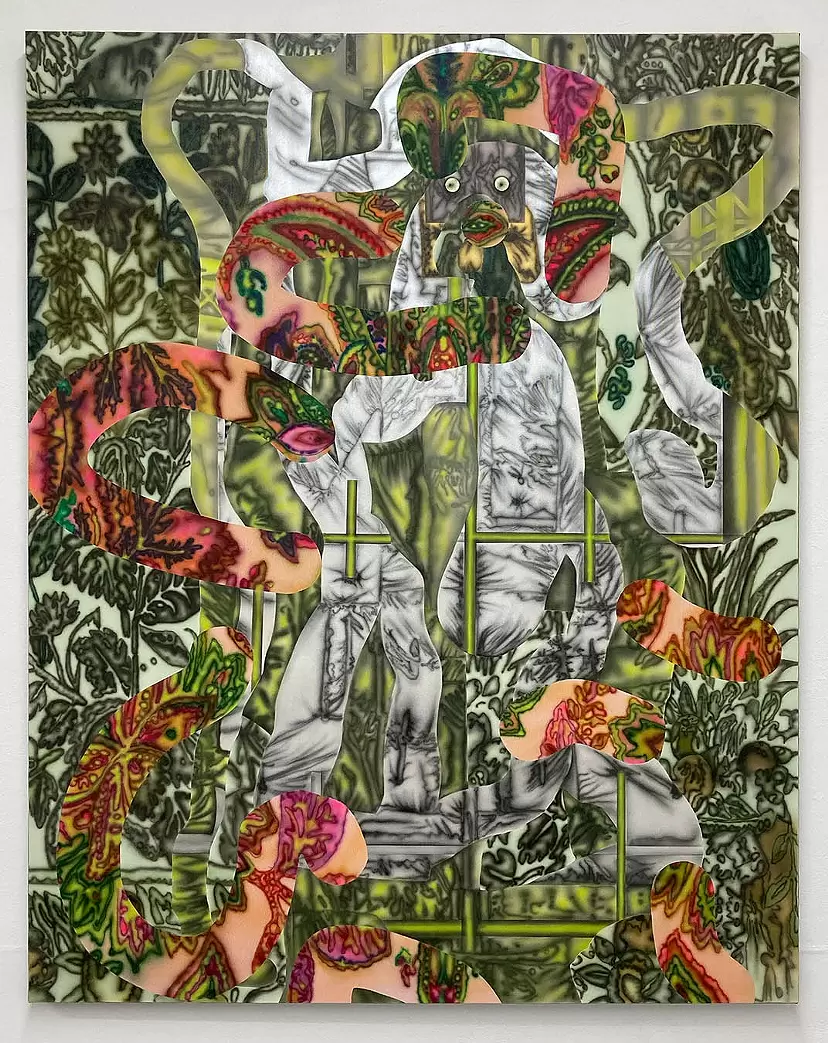
Crack

Year: 2025
Material/Technique: Oil, Canvas
Size: 194 × 162 × 63 cm
Edition: Unique
Signed:Included




About the Work
- Year
- 2025
- Material/Technique
- Oil, Canvas
- Size
- 194 × 162 × 63 cm
- Edition
- Unique
- Signed
- Included
- Frame
- Not Included
- Work Certificate
- Included
- Category
- Painting
Work Details
Size: H1,940 x W1,620 mm
Medium: oil on canvas
Year: 2025
Edition: unique
Certificate: ︎ ⚪ ︎
Signed: ︎ ⚪ ︎
■Details of the work
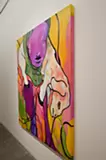
There is a signature and production year written on the back of the work
■Explanation of the work
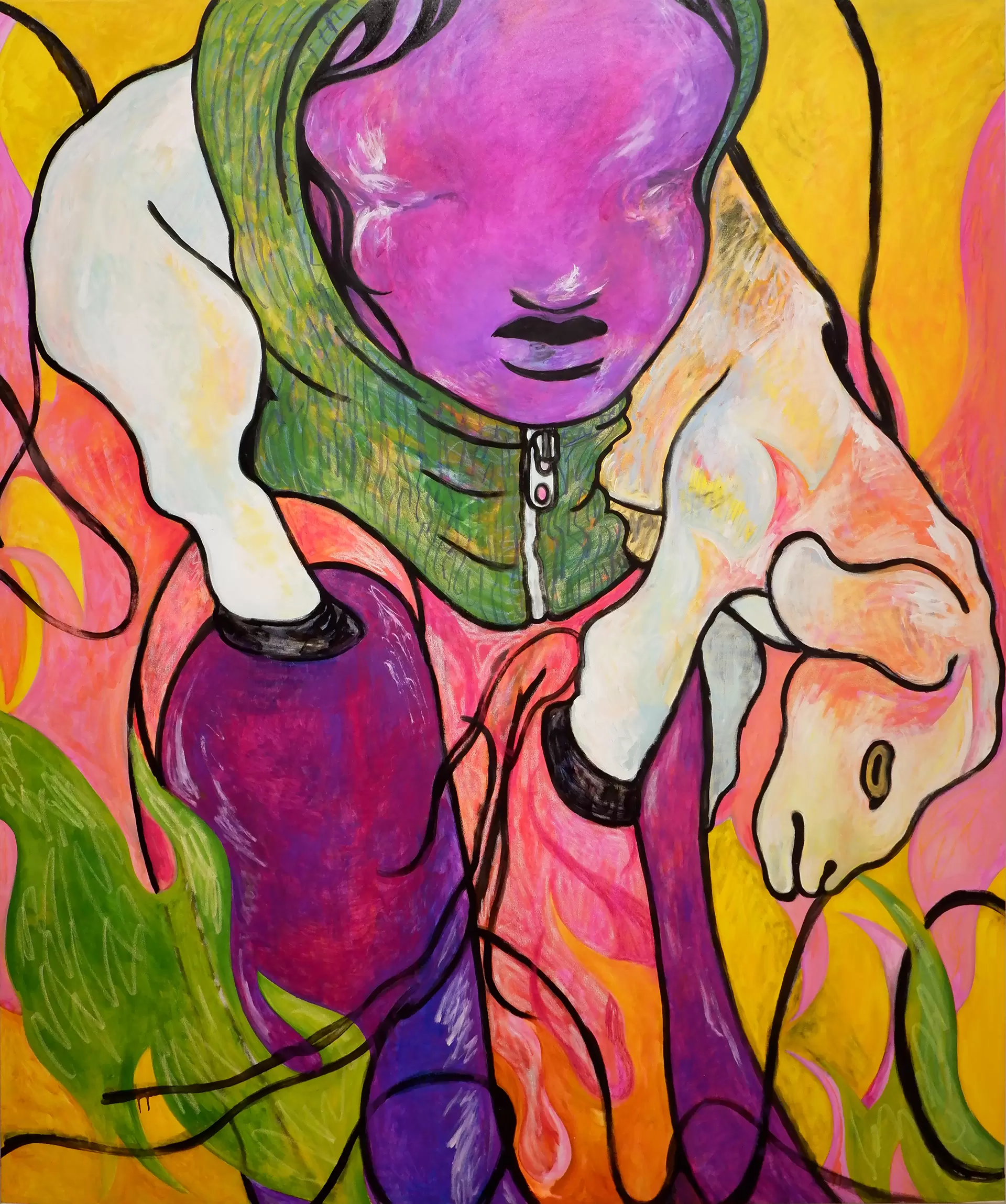
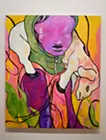
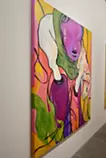
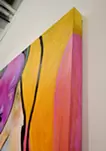
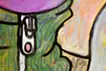
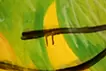
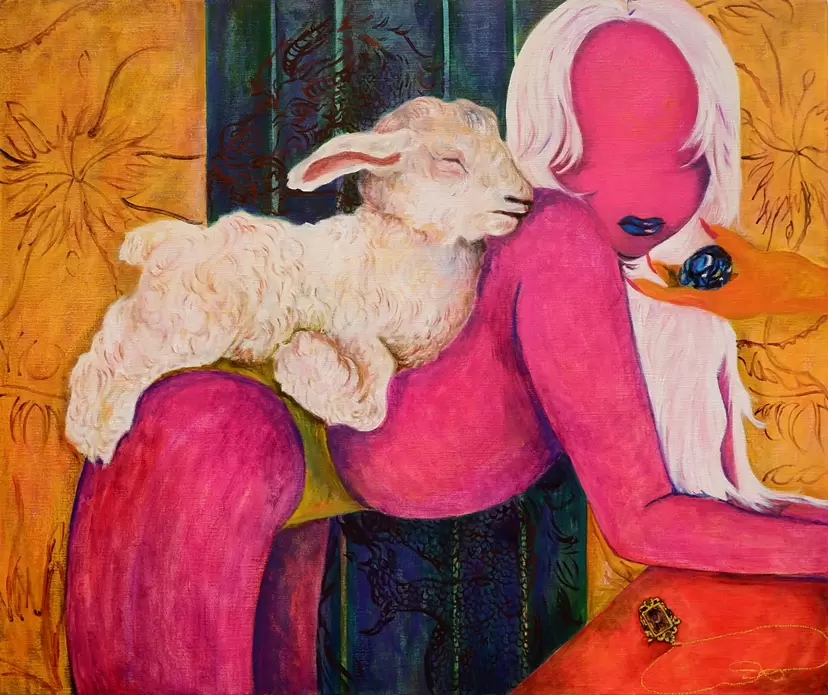
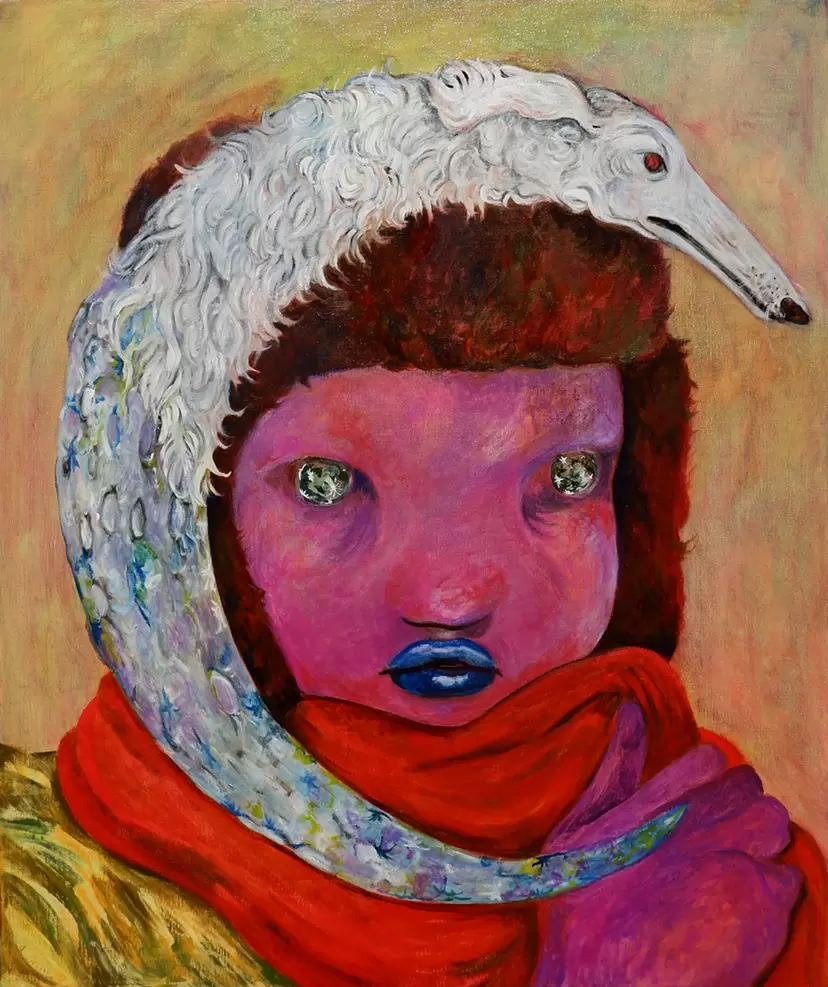
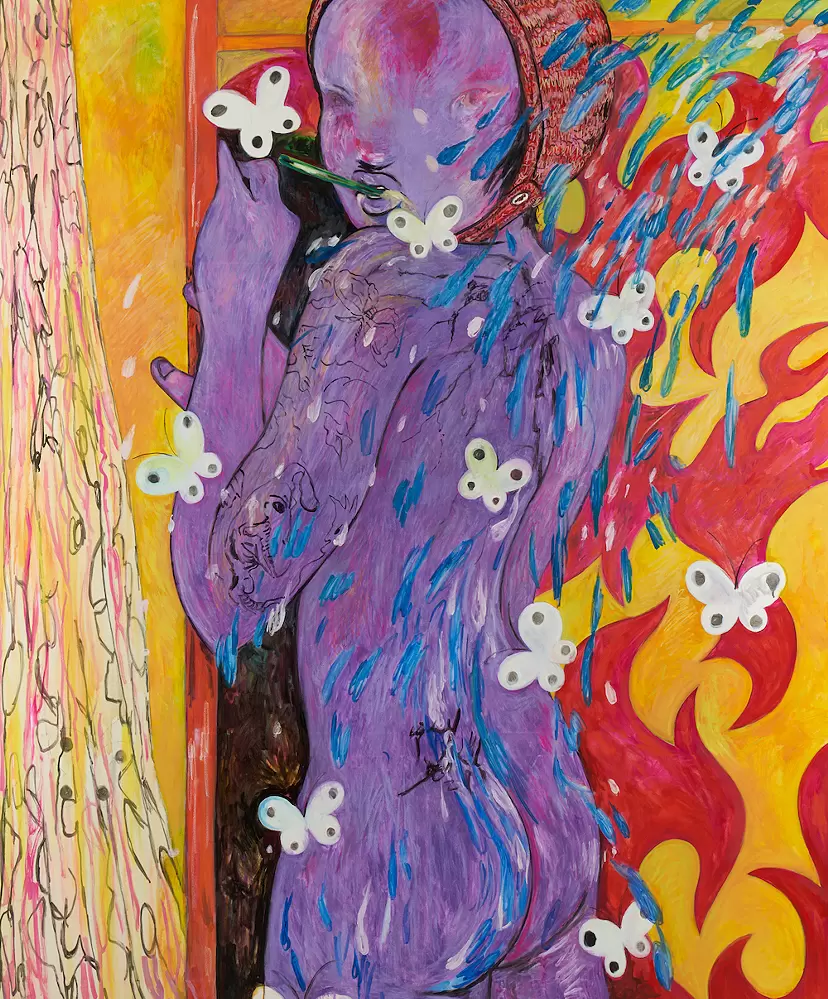
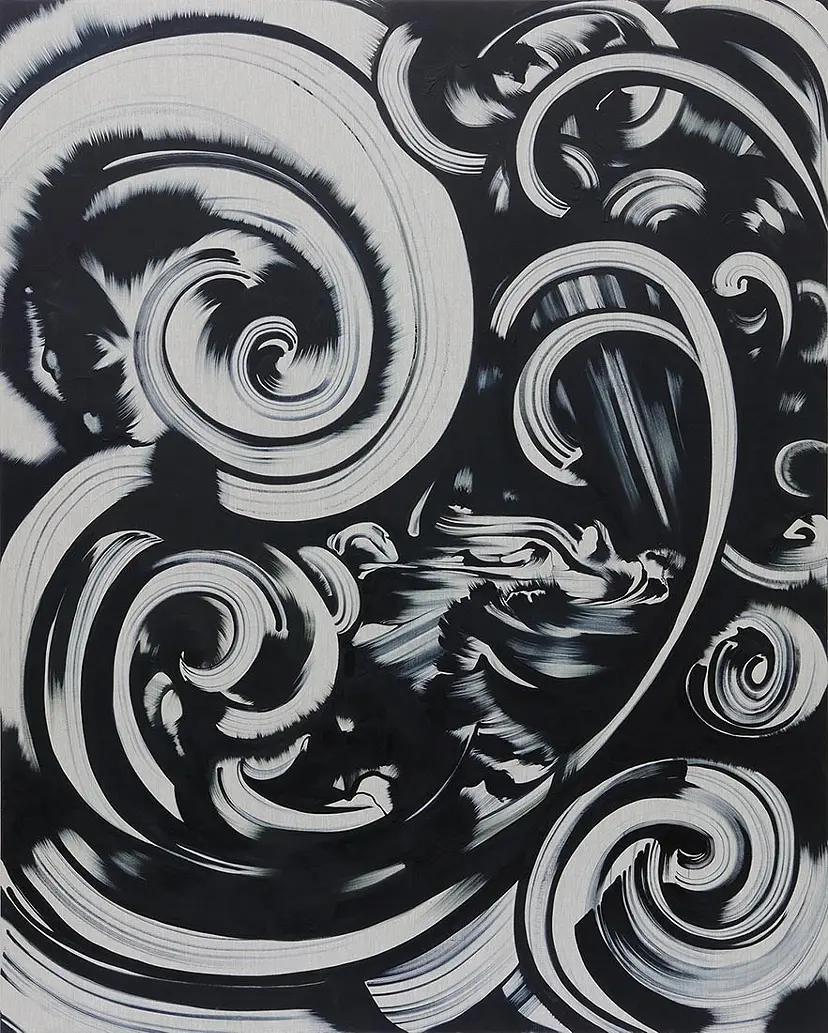
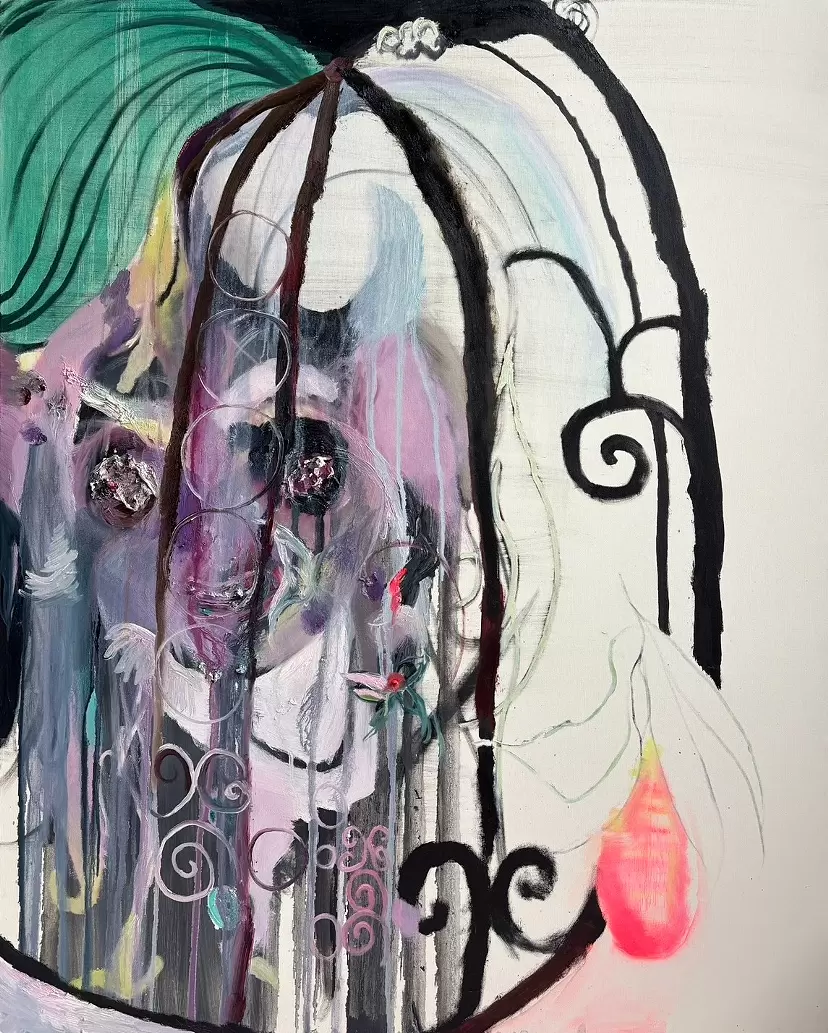
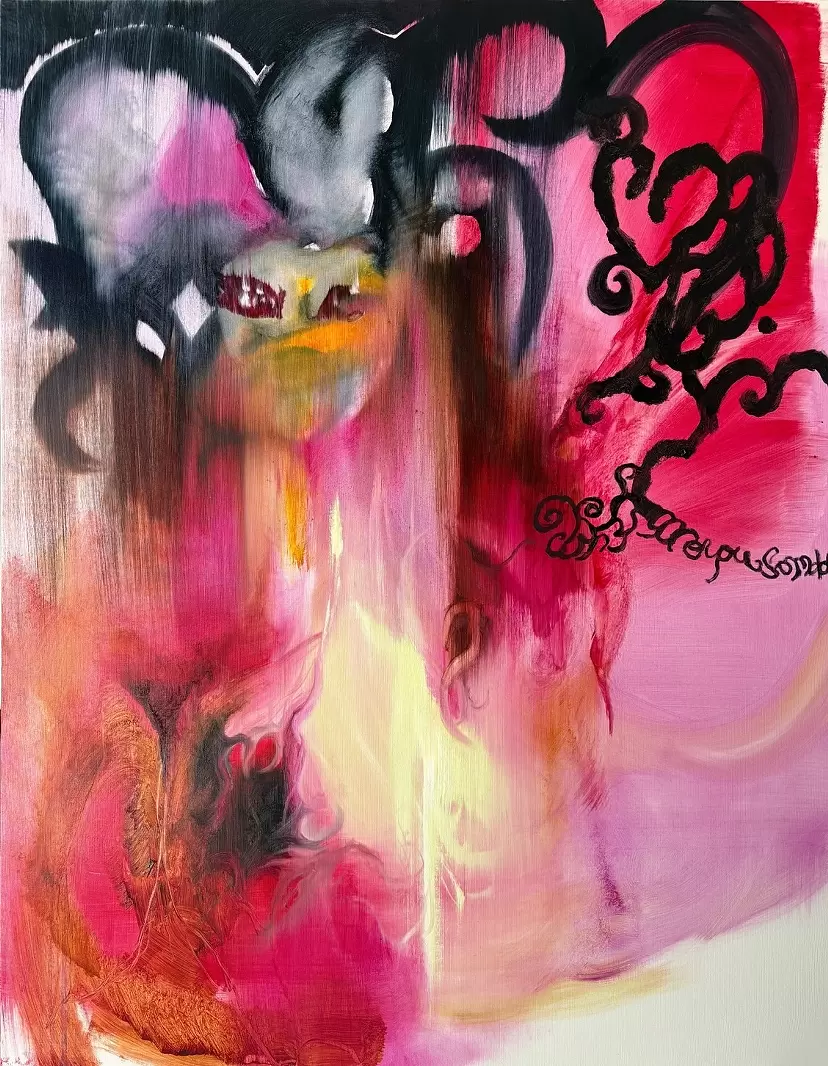
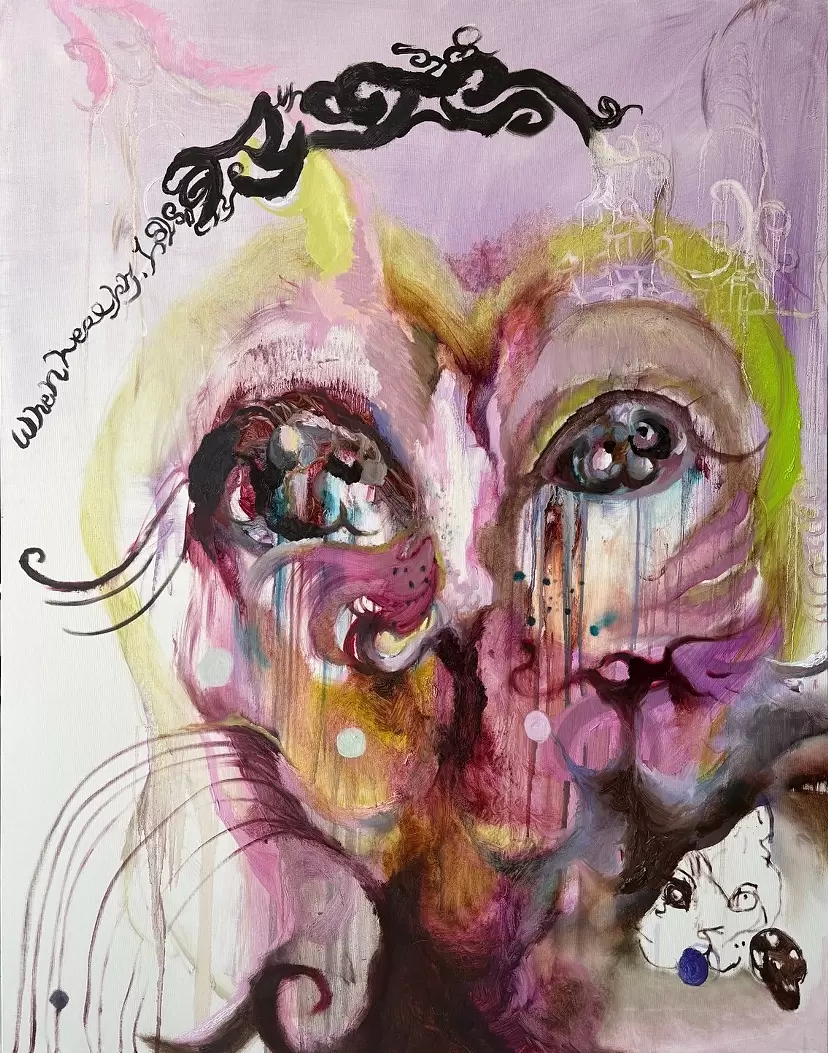
In the center of the screen, a person with purple skin with his body turned towards us and closed his mouth is depicted. The green hat, which completely covers up to the neck, also seems to symbolize the stubbornness of this person's heart. A lamb is straddling this person's shoulder in a drooling manner. Lambs have a bluish white coat, but their neck reflects the color of the background and is dyed red, and their empty gaze is uneasy. The background is mixed with green and yellow, which evokes nature, and warm pink, and the black outline extending from the lamb's body is superimposed so that it moves around the screen. In Western paintings, sheep symbolize God's sacrifice.
*The “sheep” and “goat” that appear in Otomoai's oil paintings are depicted not simply as animals, but as symbols rooted in culture and religion. In Western painting, sheep have been regarded as symbols of purity and sanctity as ceremonial offerings and sacred beings. On the other hand, goats are often depicted as symbols of Satan, or the devil, and since they were like earth gods, especially in indigenous beliefs, they are treated as “pagan = evil things” within the Christian framework. However, in Japan, such a religious background has not taken root as a general feeling, so there is not much awareness of the symbolic differences between sheep and goats. The distinction between these two animals is vague for Japanese people, and it is based on historical circumstances. For example, although sheep were introduced to Japan from China in the Edo period, they were not sufficiently rooted in the culture of that time, and therefore, there are examples in old paintings and antiques relating to the Chinese zodiac “sheep” that are thought to have been drawn with reference to goats without knowing the appearance of sheep. Based on this cultural background, Auto Moai uses sheep and goat motifs to express “the ambiguity of the symbol.” The meaning of these animals, which have been clearly defined in the West, also becomes unclear when viewed through the eyes of Japanese people, and changes to ambiguous beings. Auto Moai is paying attention to that ambiguity. Sheep and goats are symbolically incorporated into the work from the viewpoint that sacred things do not exist objectively, but are established only within people's common understanding.
■Exhibition information
Auto Moai's new solo exhibition “Private Ritual”
Dates
April 26 (Sat) - May 27 (Tue), 2025
※Reception will be held on April 25(Fri) from 19:30 to 21:00
Venue
Gallery & Bakery Tokyo 8 min
Address
104-0031 TODA BUILDING 1F, 1-7-1 Kyobashi, Chuo-ku, Tokyo
Hours
08:00-19:00
Closed
Open every day during the exhibition
Admission
Free
Access
3 minute walk from exit 6 of Kyobashi Station on the Tokyo Metro Ginza Line
5 minute walk from exit B1 of Nihonbashi Station on the Tokyo Metro Ginza Line
8 minutes on foot from the Yaesu Central Exit of Tokyo Station on all JR lines
Exhibition Information
- Past Exhibitions
- AUTOMOAI's new solo exhibition “Private Ritual”04.26.2025 - 05.27
View in a Room
Artist


アーティスト
2015年からモノクロでの作品の制作を開始、2018年からはカラーも多用し、匿名性の高い“存在”が画面に佇んでいるような 作風で知られる。極めて客観的でもありながら、とてもパーソナルな情景にも見えてくるその作風は、人間同士の関係性や、作品と鑑賞者の関係性など、必要な情報が削ぎ落とされているからこそ見えてくる景色と情景を提示。 2024 “Soul as a butterfly, or the soul of a butterfly” (SORTone Fukuoka、福岡) 2024 Solo Exhibition (OVERGROUND、福岡) 2023 "ボリビアから来たトルコの石" "Turquoise from Bolivia" (PARCO MUSEUM TOKYO、東京) 2022“I wanna meet once again if like that dream”(SAI、東京) 2022 “名前を忘れることで距離をとっていた” (TAV GALLERY、東京) 2022"澱を泳ぐ"(デカメロン、東京) 2021 “Three Different Minds” 3 person exhibition with Nick Atkins, Aki Yamamoto and AUTO MOAI.(MUCCIACCIA GALLERY、London) 2021 "dog,ghost" two-person exhibition with Nick Atkins and AUTO MOAI.(CALM & PUNK GALLEY、東京) 2021 "6 Paintings From 6 Artists"(Parcel、東京) 2021 "Big Ass Beyond Mountains"(Gallery Ascend、香港) 2021 "あやまった世界で愛を語るには"(イセタン・ザ・スペース、東京) 2020 "Buoy" (CALM & PUNK GALLEY、東京) 2019 "ANGEL"(GALLERY X BY PARCO、東京) 2019 "Anonymous"(藤井大丸、京都) 2019 "Permanent Boredom"(TAV GALLERY、東京) 2018 "Endless Beginning"(OVER THE BORDER、東京)
See artist informationSend a Sticker
Support Request Message
Send a Sticker to this artwork and support the artist.(¥160〜)
What is Sticker?![[AUTOMOAI x Tokyo 8 min] T-shirt M size (Women) by オートモアイ](https://api.artsticker.app/images/work/116357_17453050353218_l.webp?15882f5431e0915b)

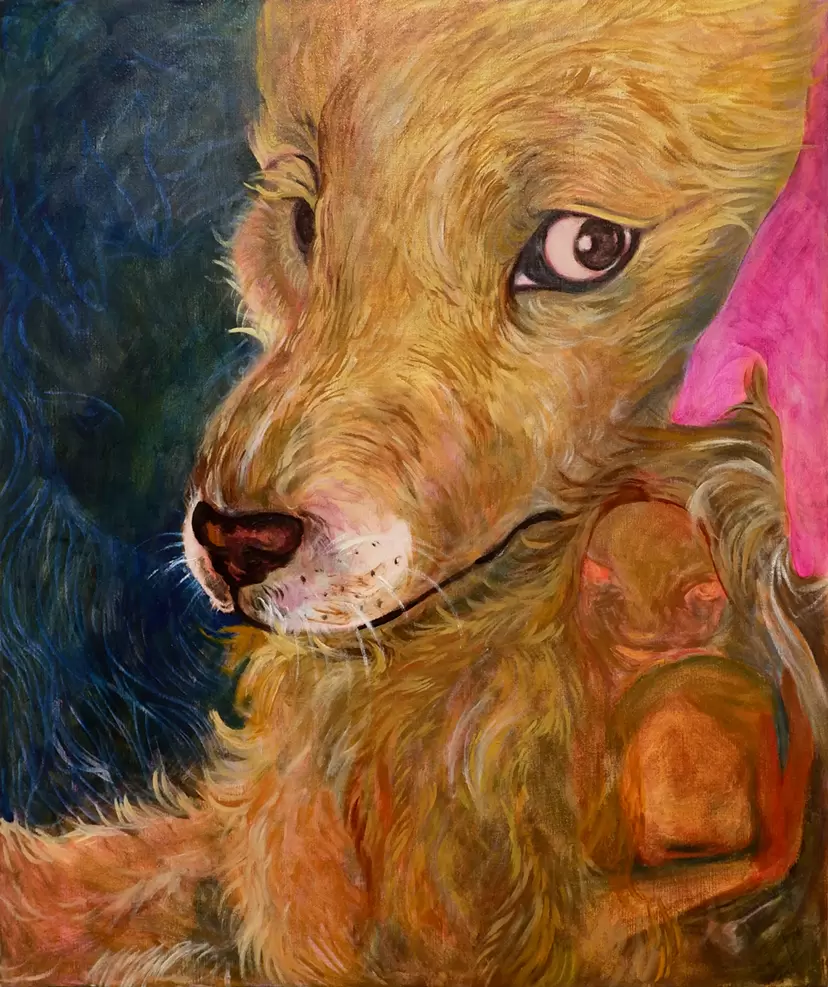
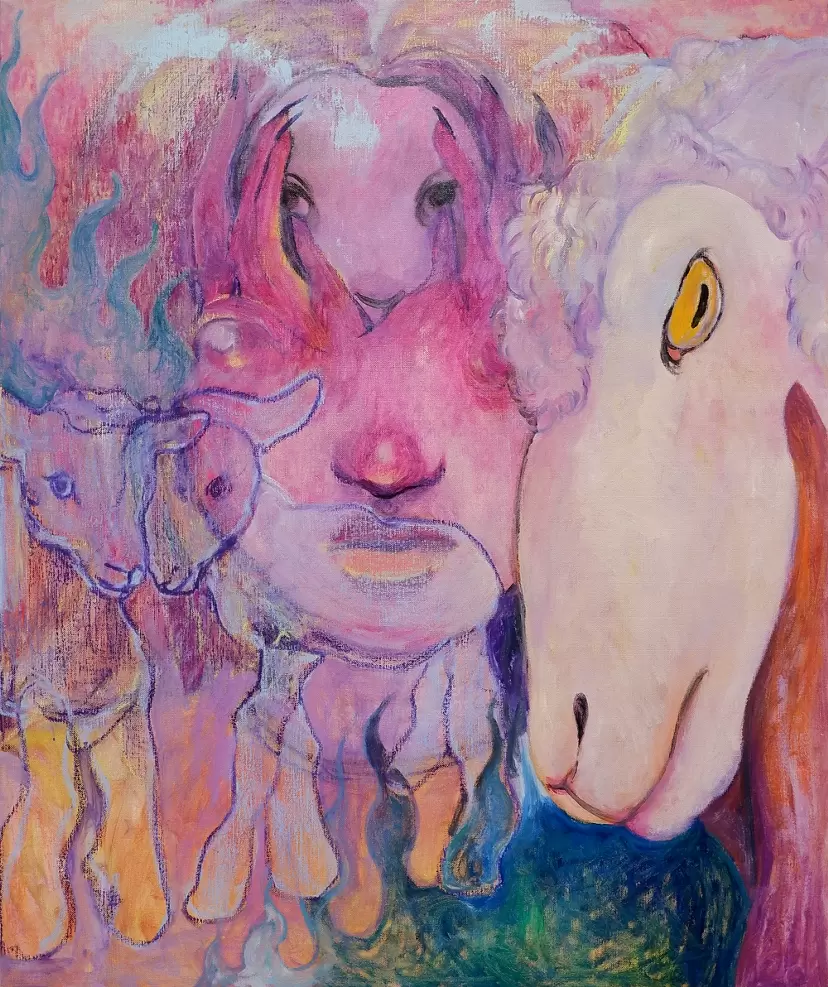
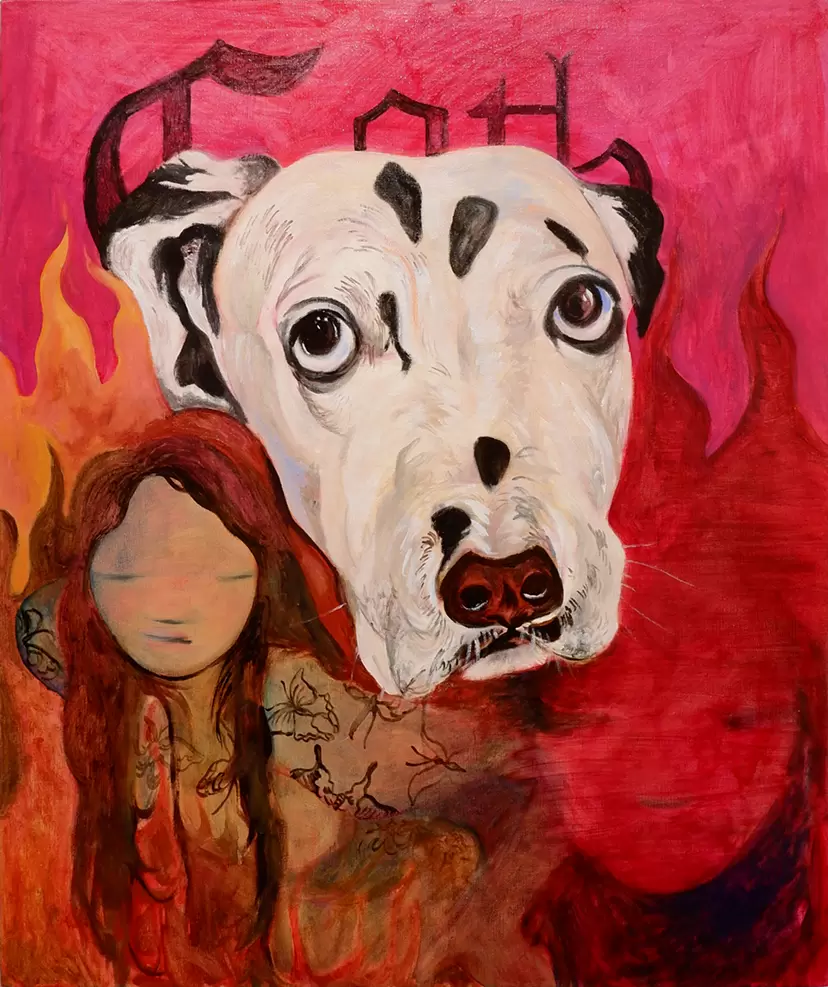
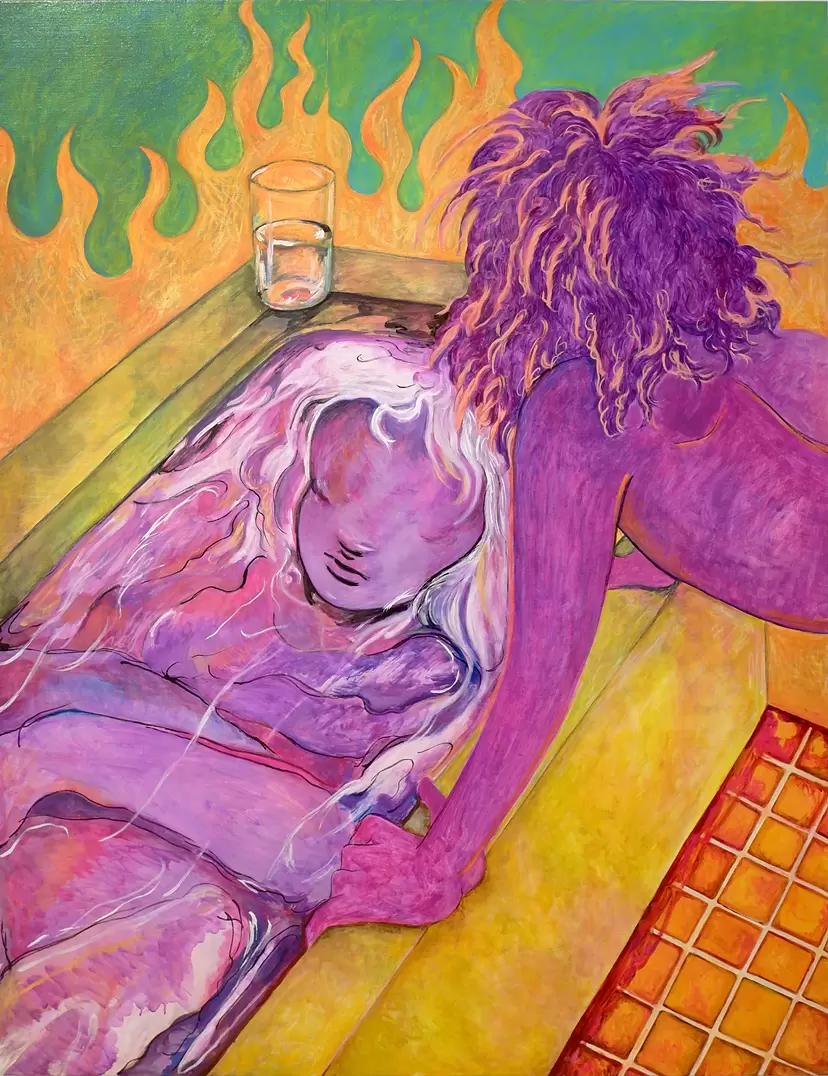
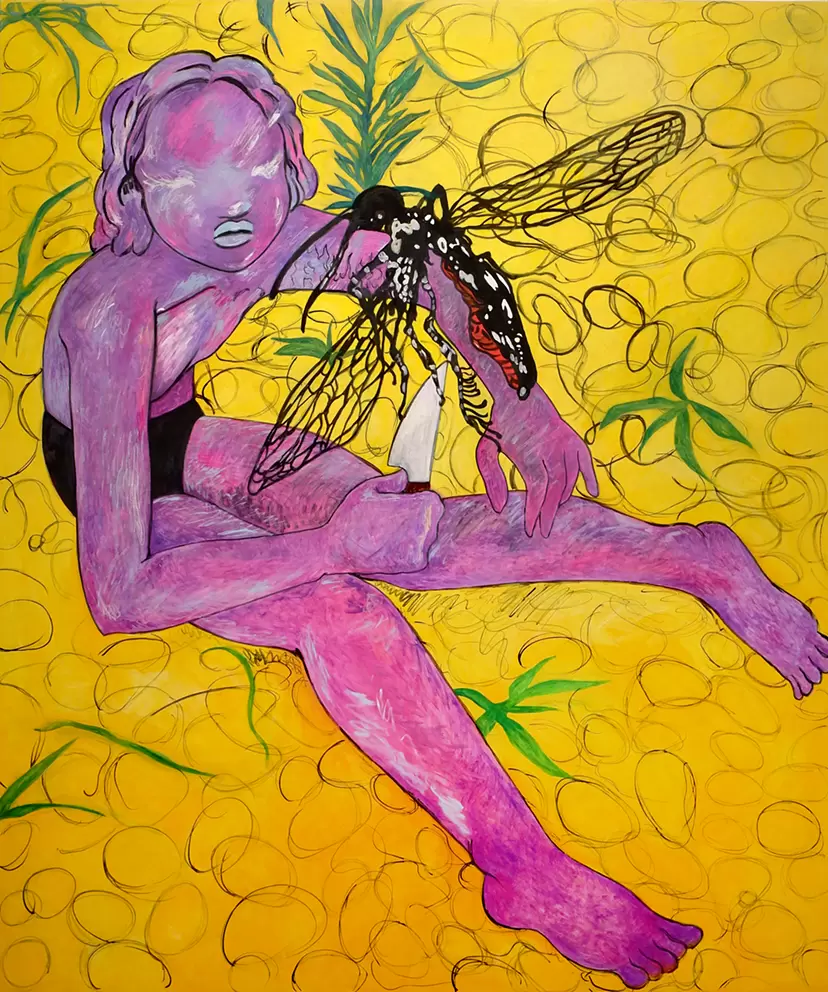
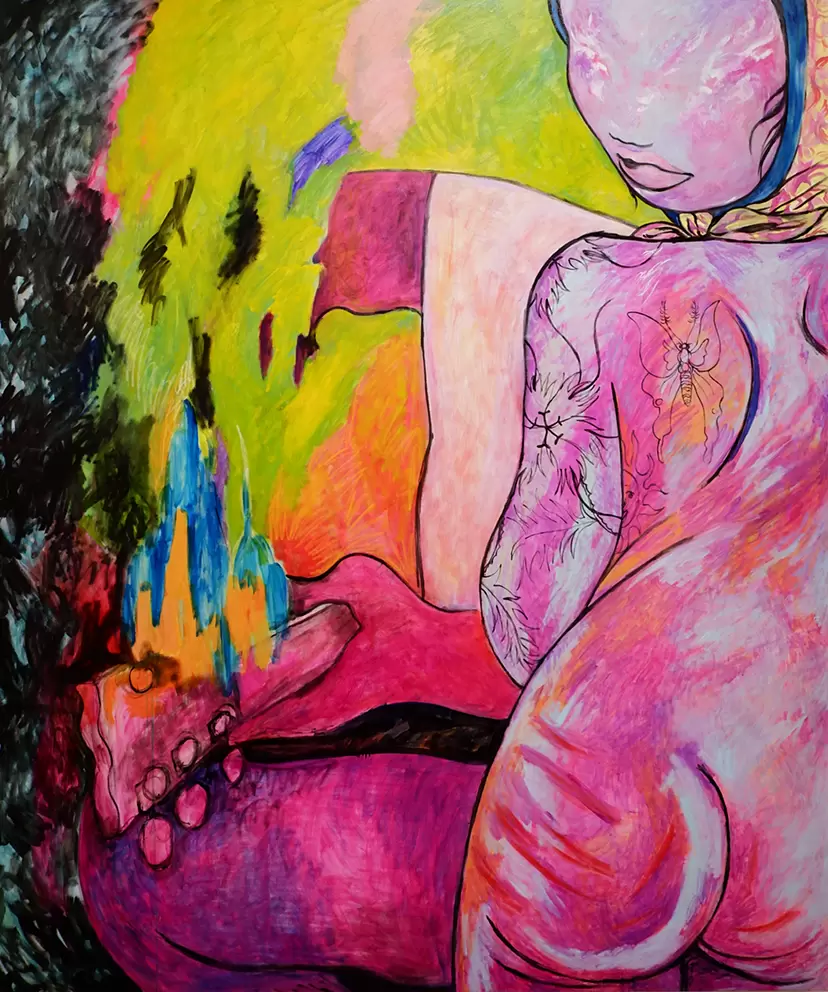



2025年4月26日(土)~5月27日(火)までGallery & Bakery Tokyo 8分で開催するオートモアイ新作個展「Private Ritual」出展作品です。