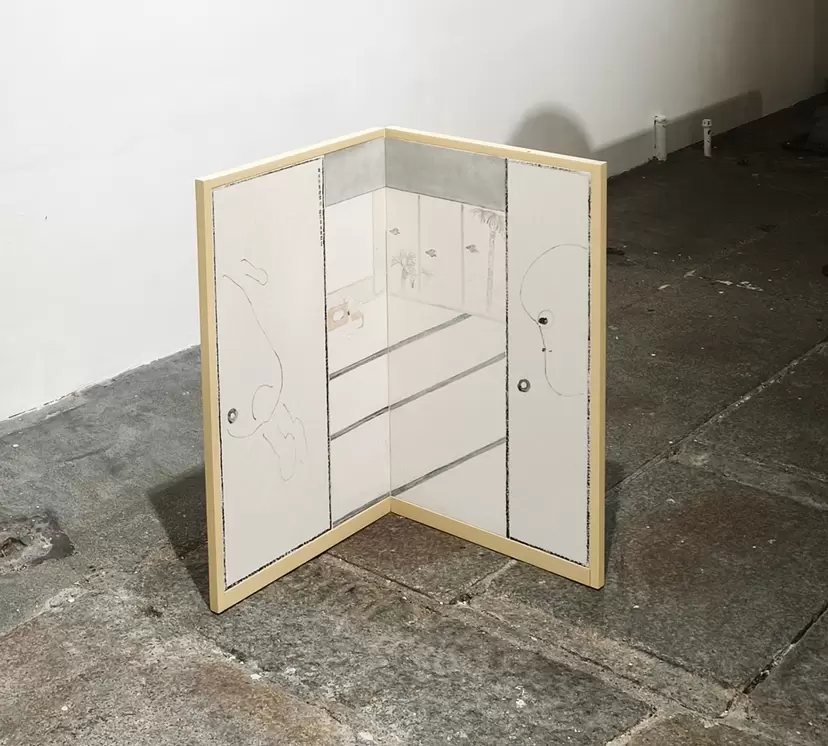
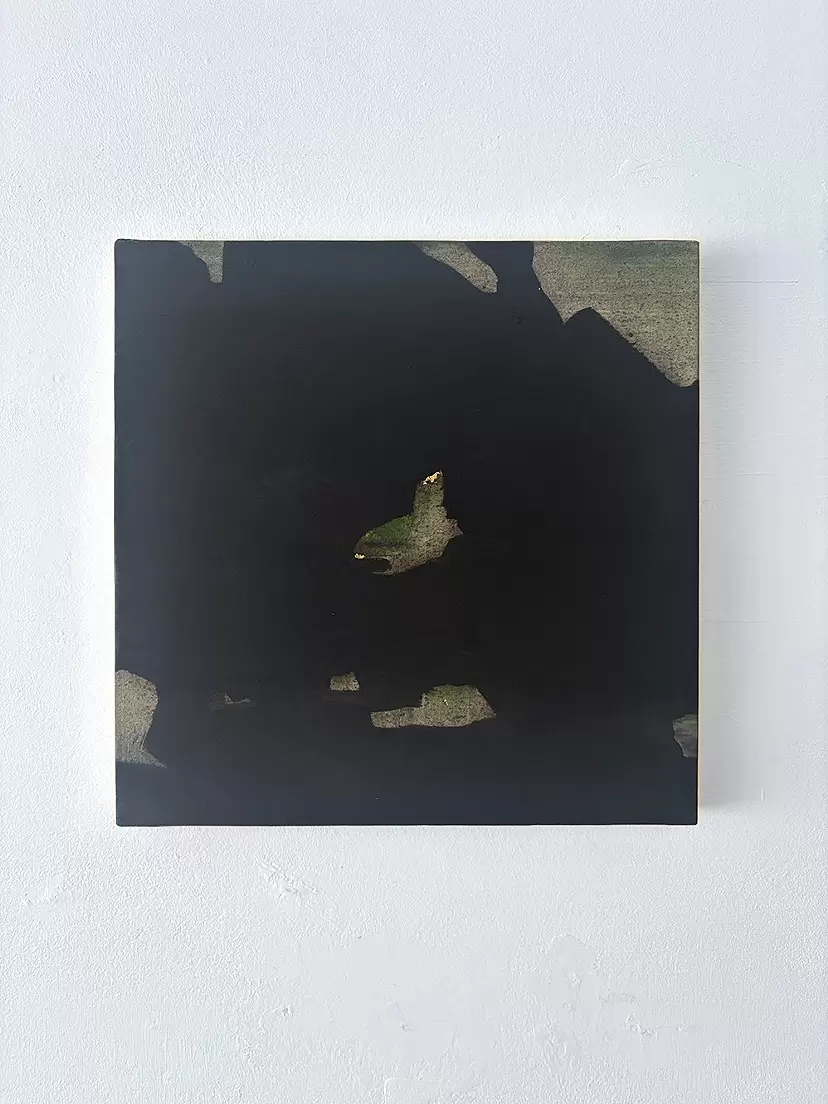
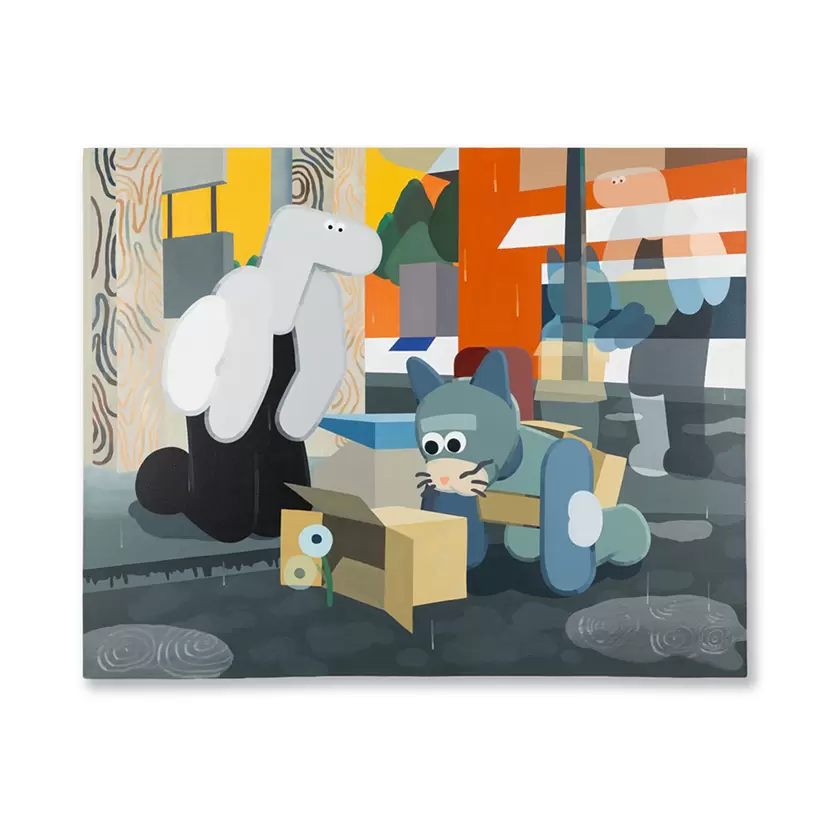
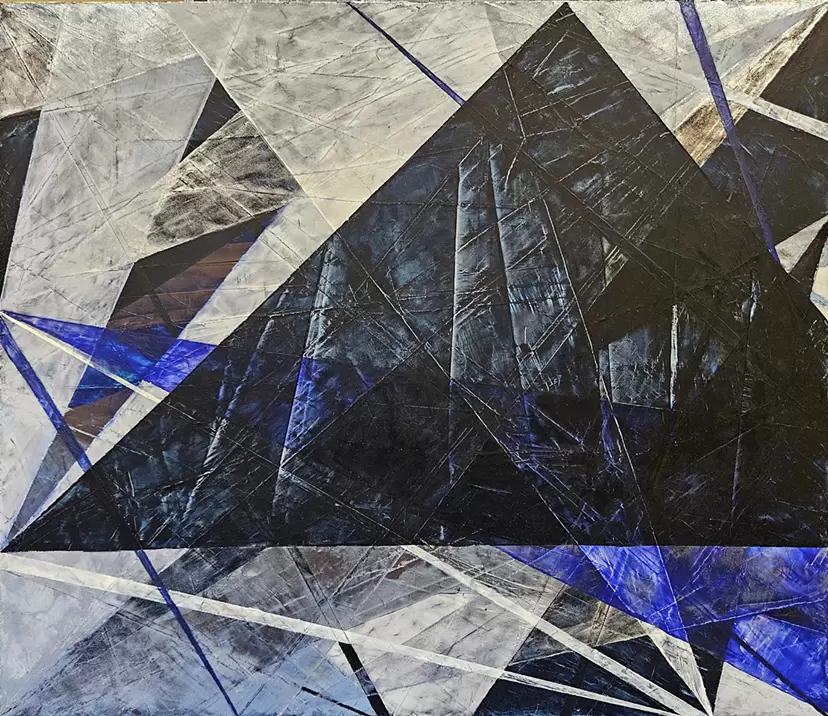
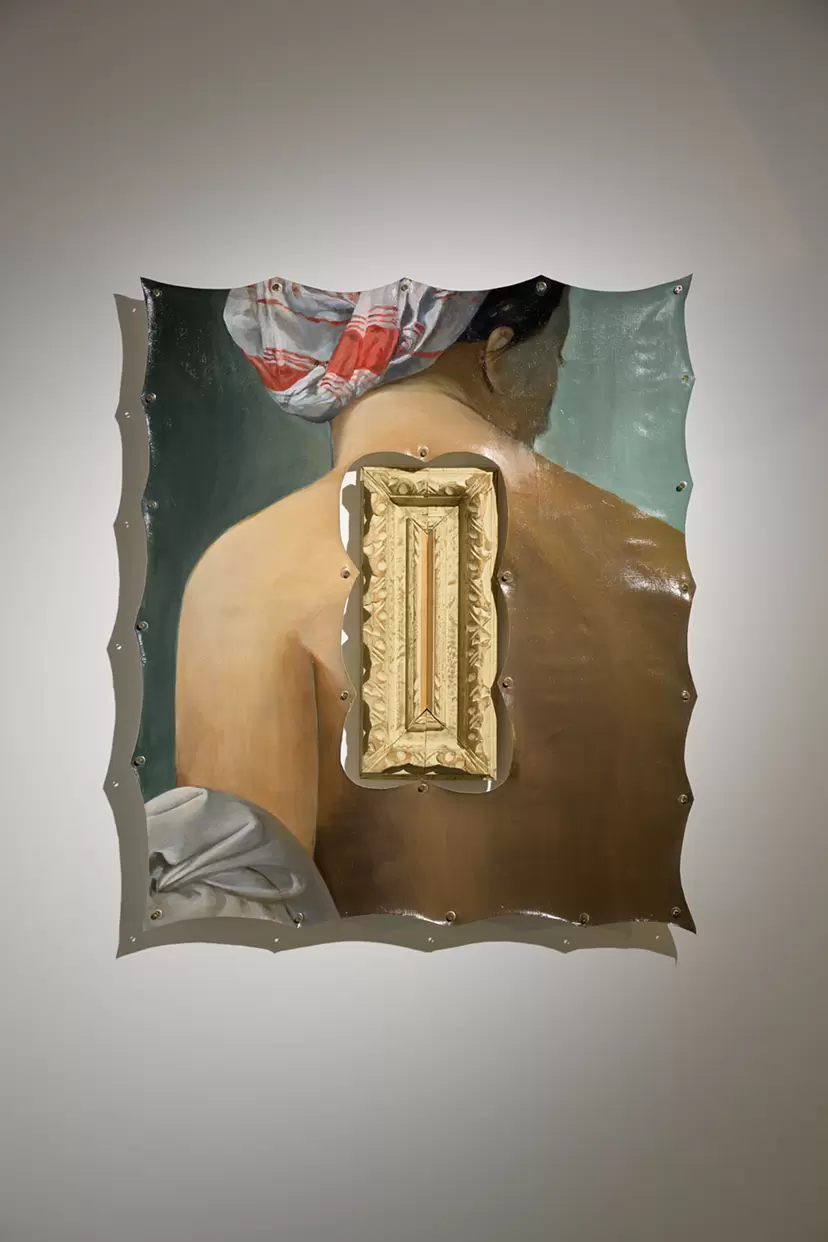
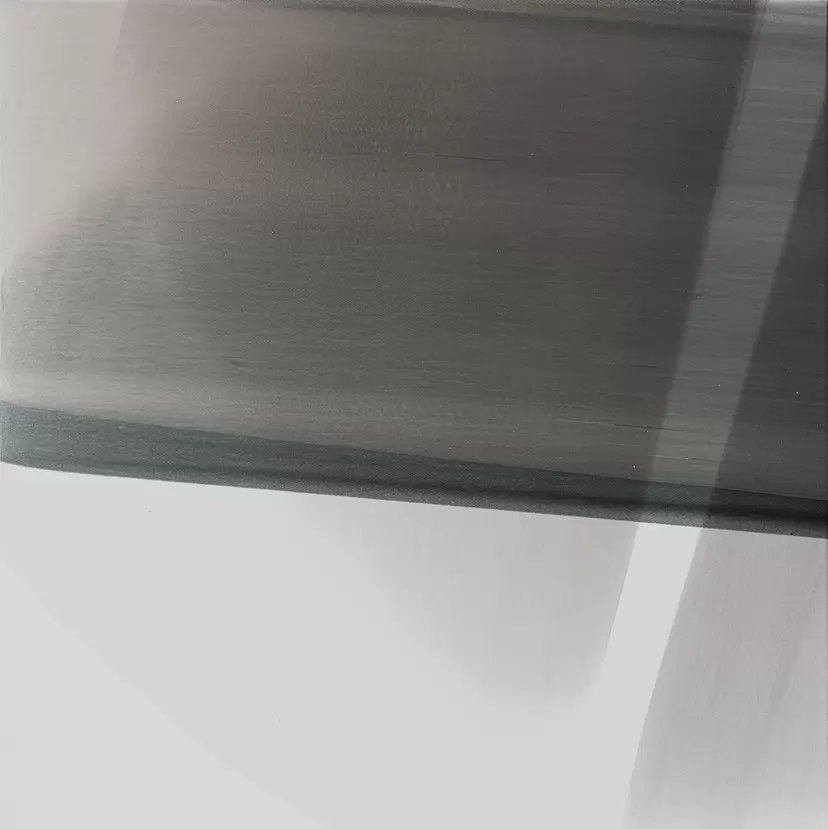
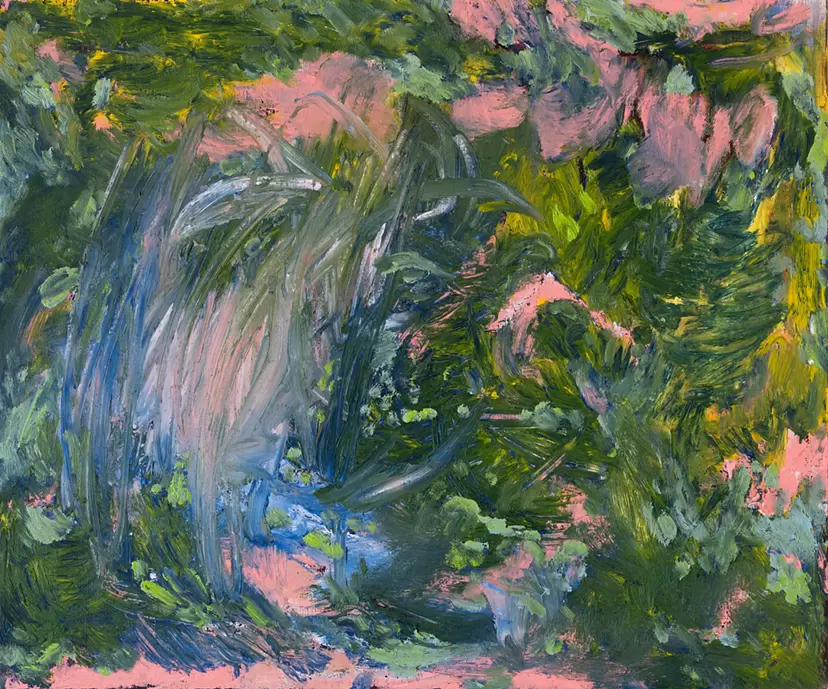
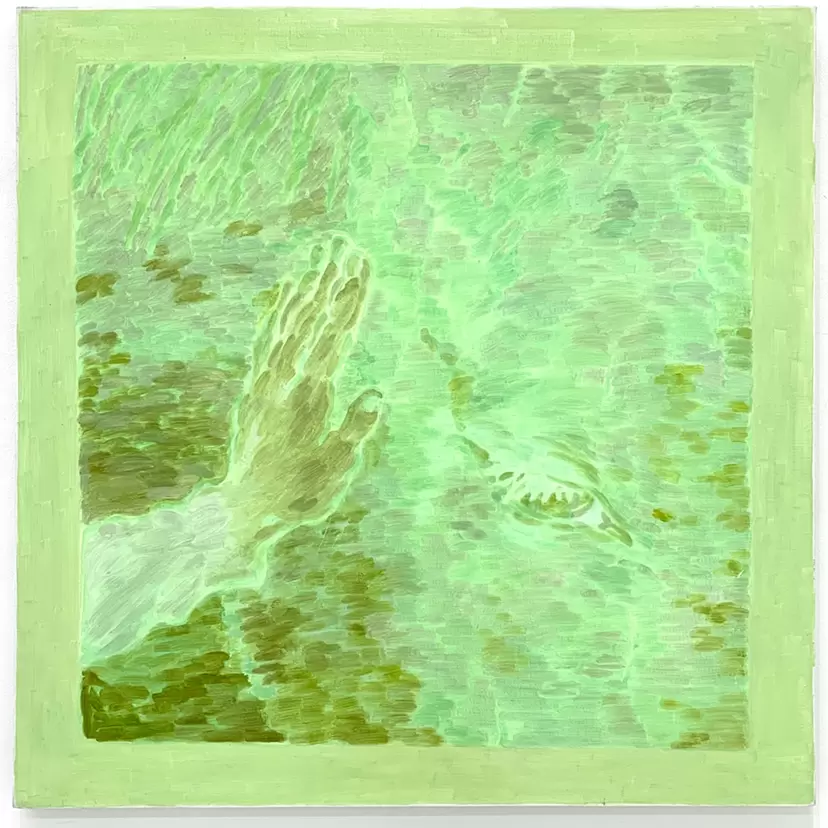
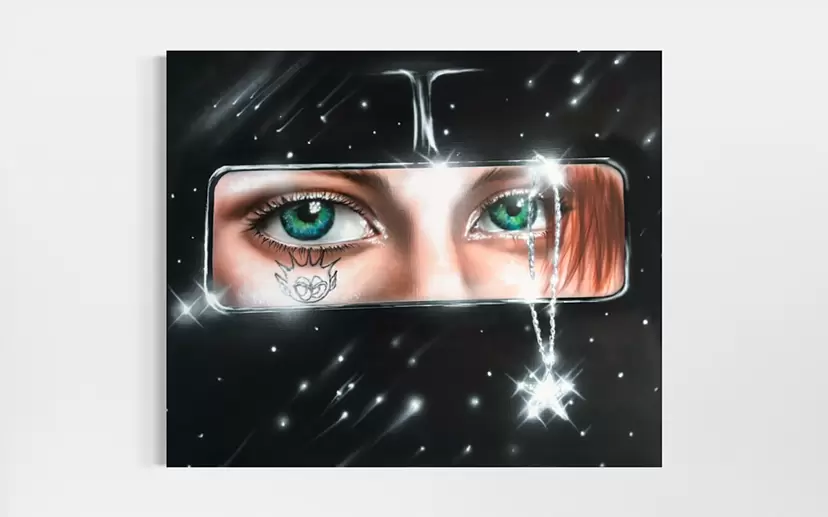
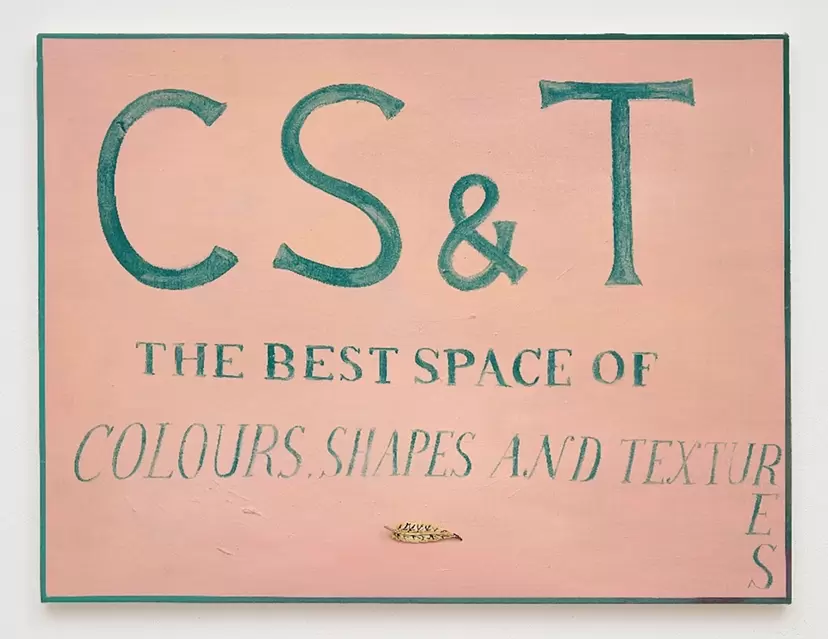
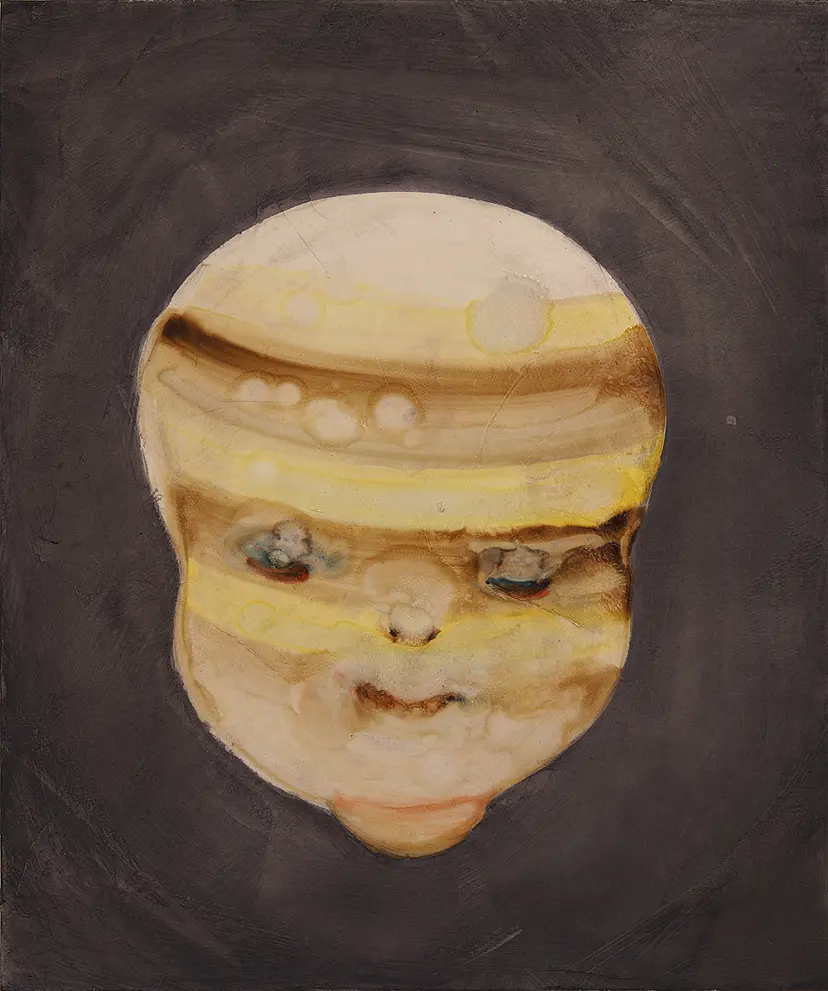
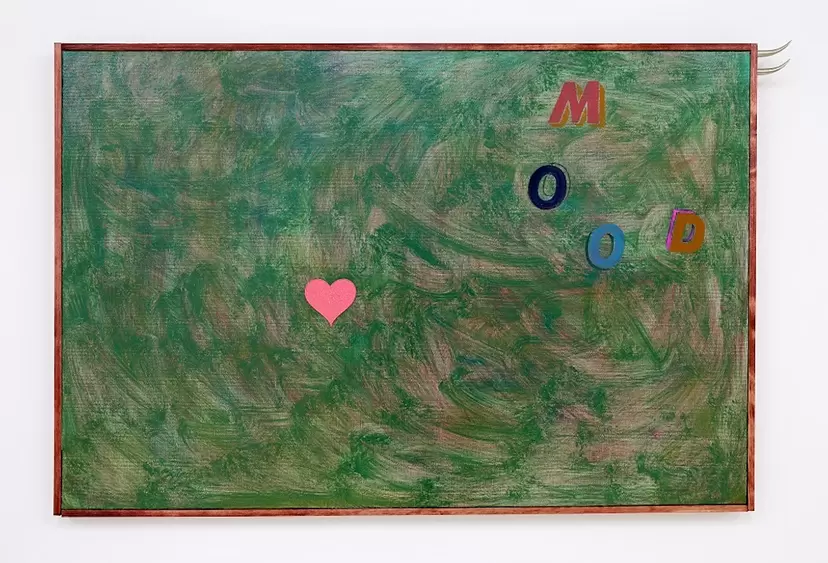
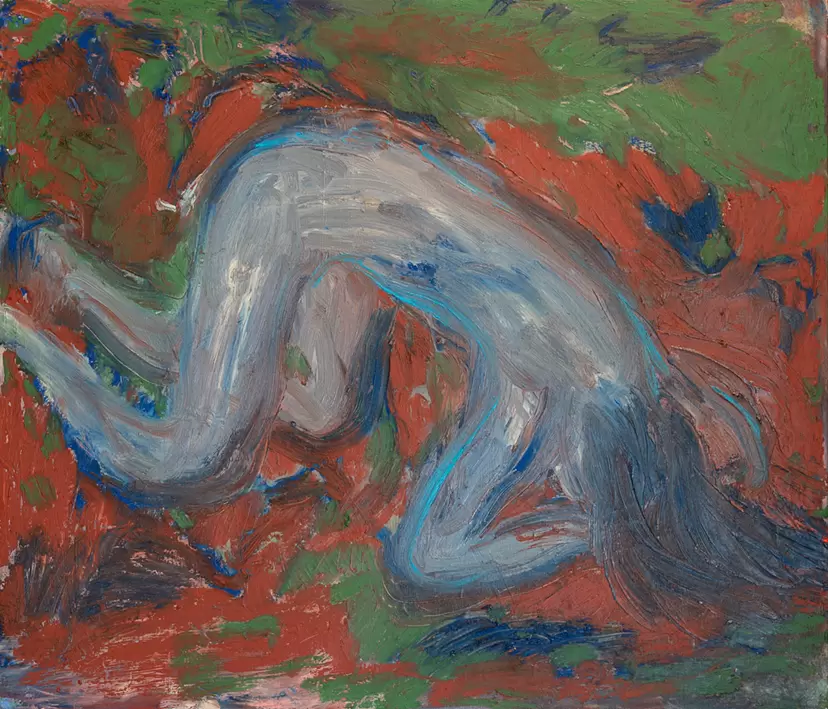
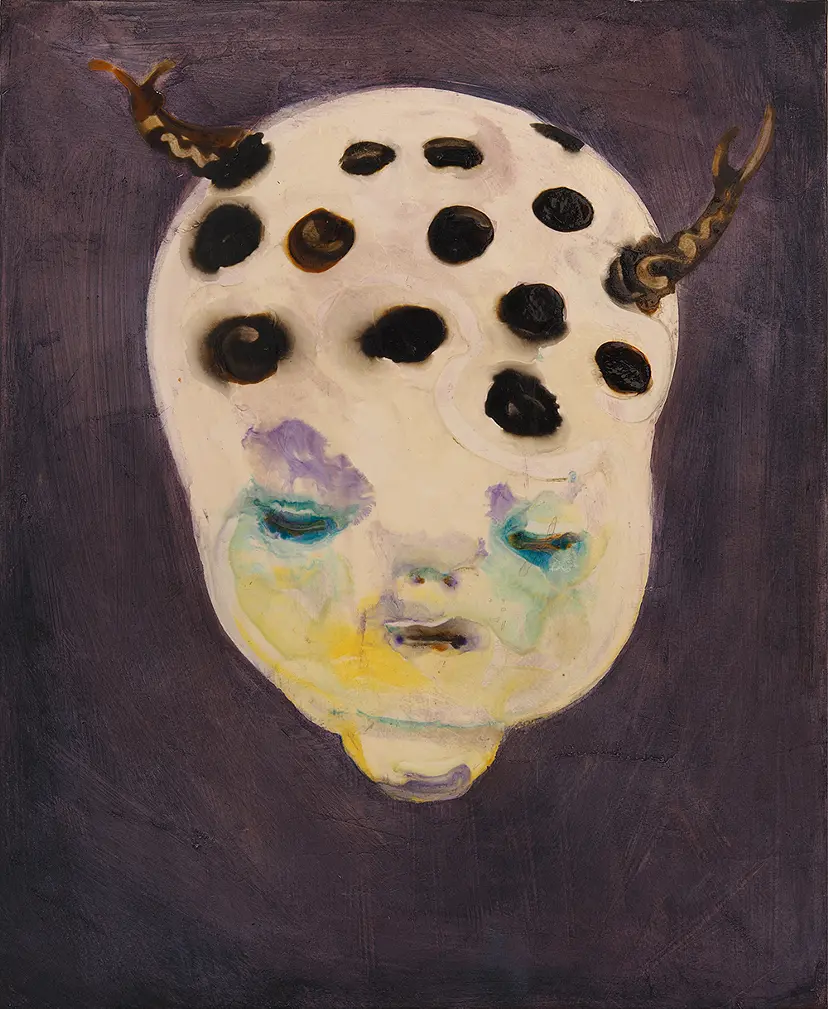
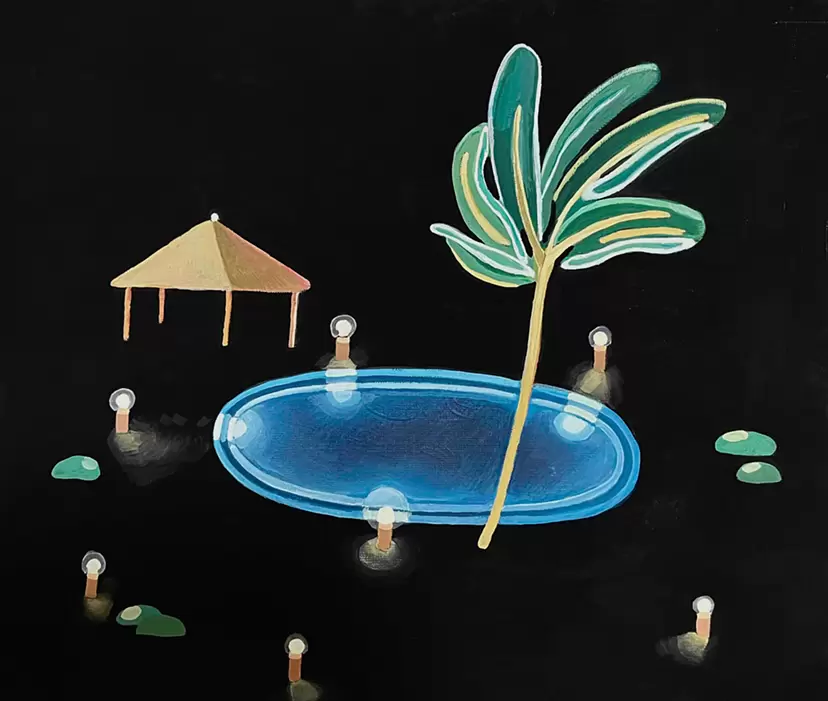
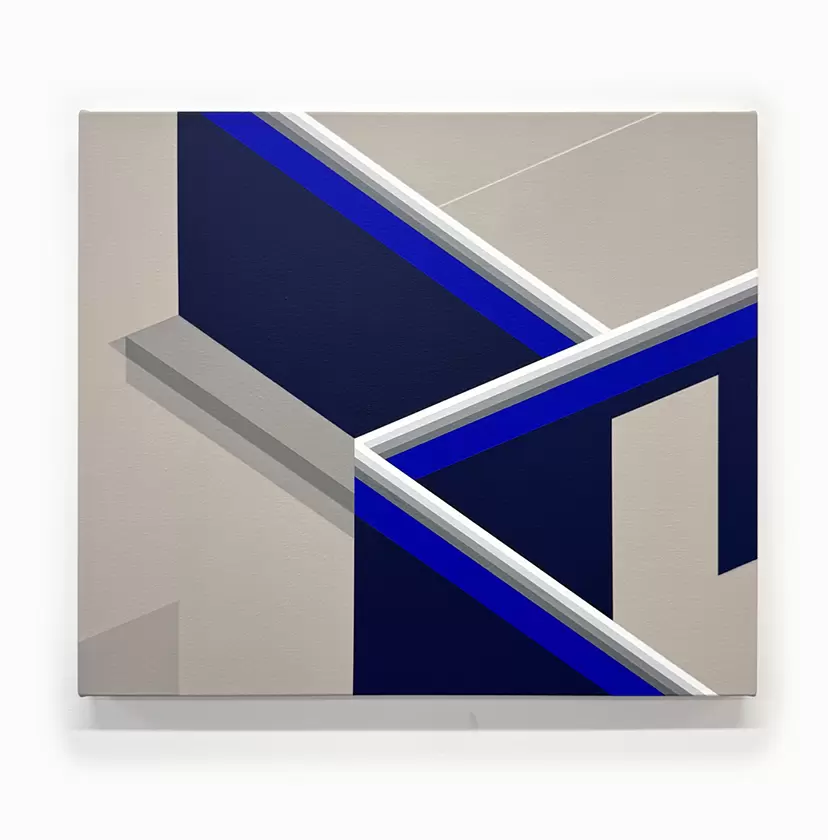
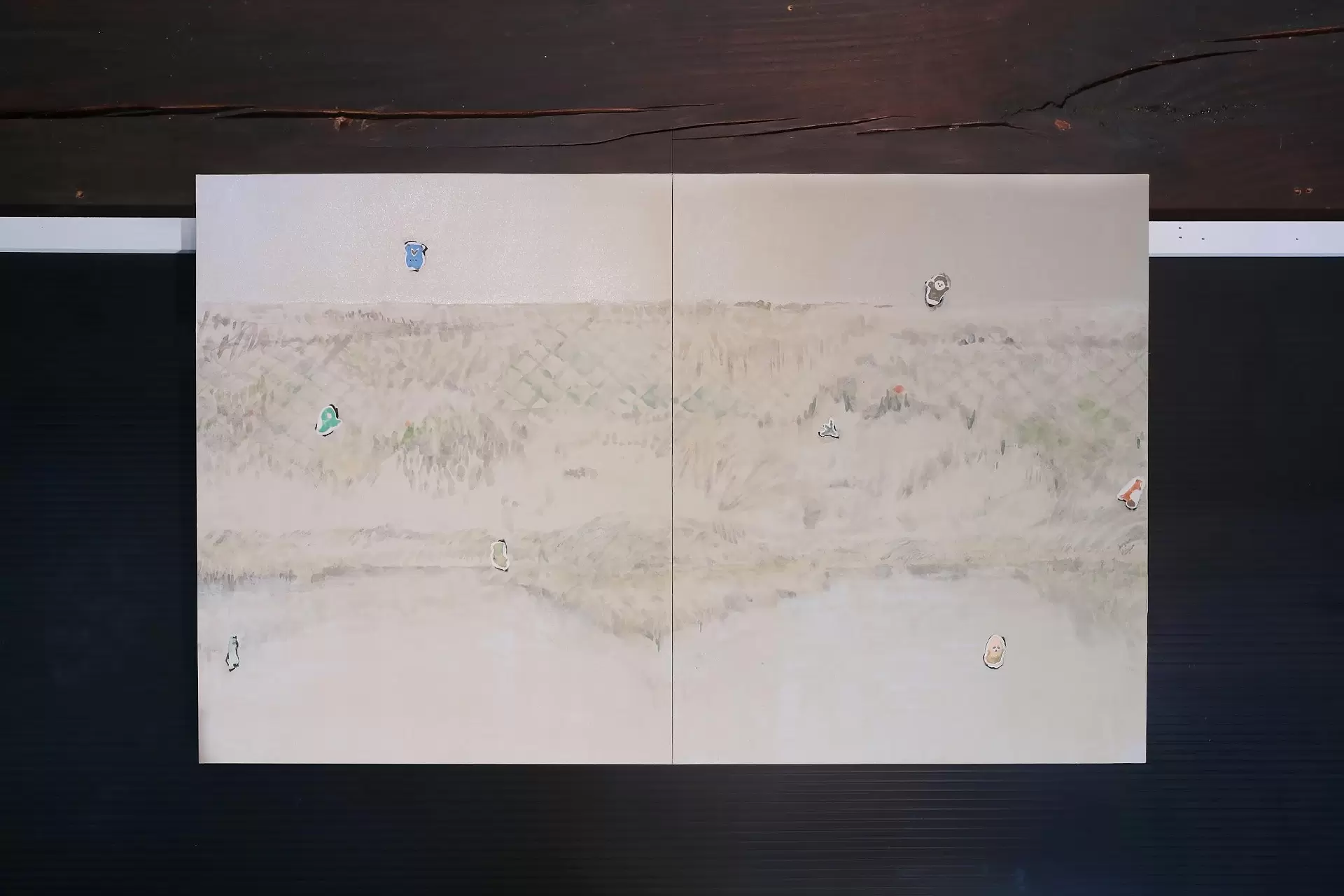
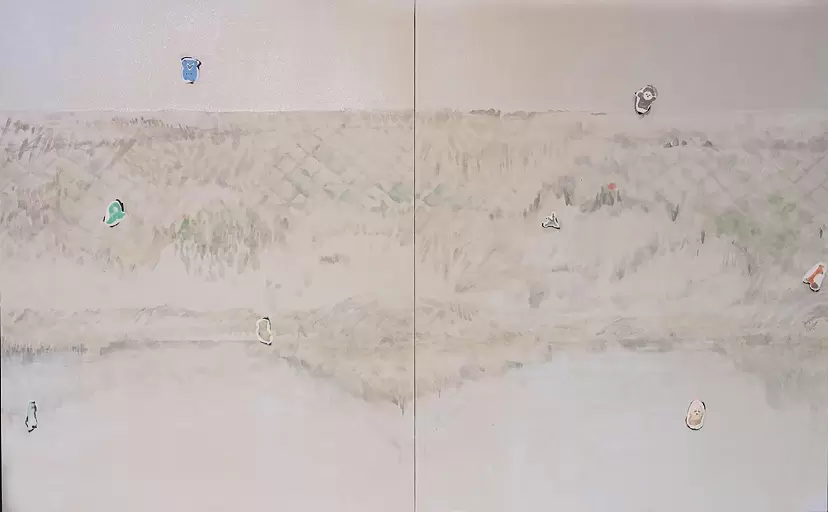
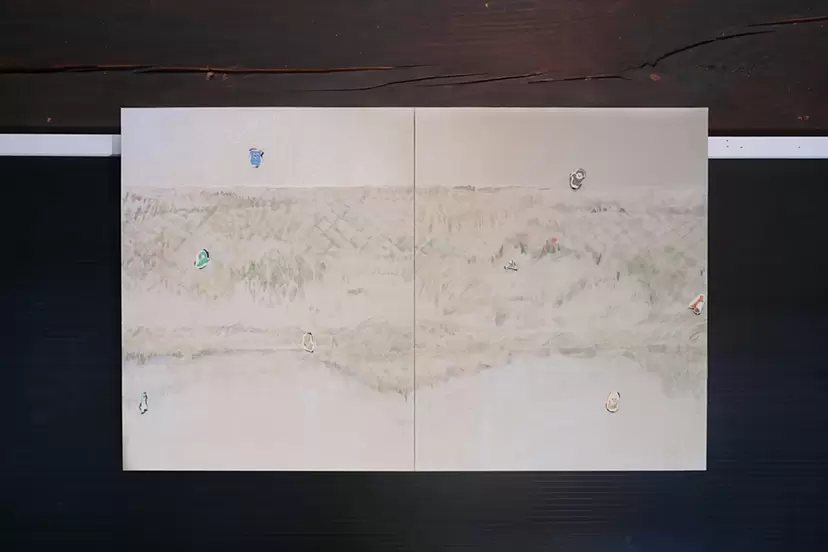
It must be my mirage.

製作年份: 2026
材料或技法: 礦物顏料, 墨水, 紙, 其他的
尺寸: 27.5 × 44 cm
版本: 獨特
簽名:沒有設定

關於作品
- 製作年份
- 2026
- 材料或技法
- 礦物顏料, 墨水, 紙, 其他的
- 尺寸
- 27.5 × 44 cm
- 版本
- 獨特
- 簽名
- 沒有設定
- 畫框
- 不包含
- 作品證書
- 包括
- 藝術品經銷商
- gallery Unfold
- 發貨區域
- 京都
- 發送前的天數
- 展覧会終了後、1週間程度
- 類別
- 繪畫
作品詳情
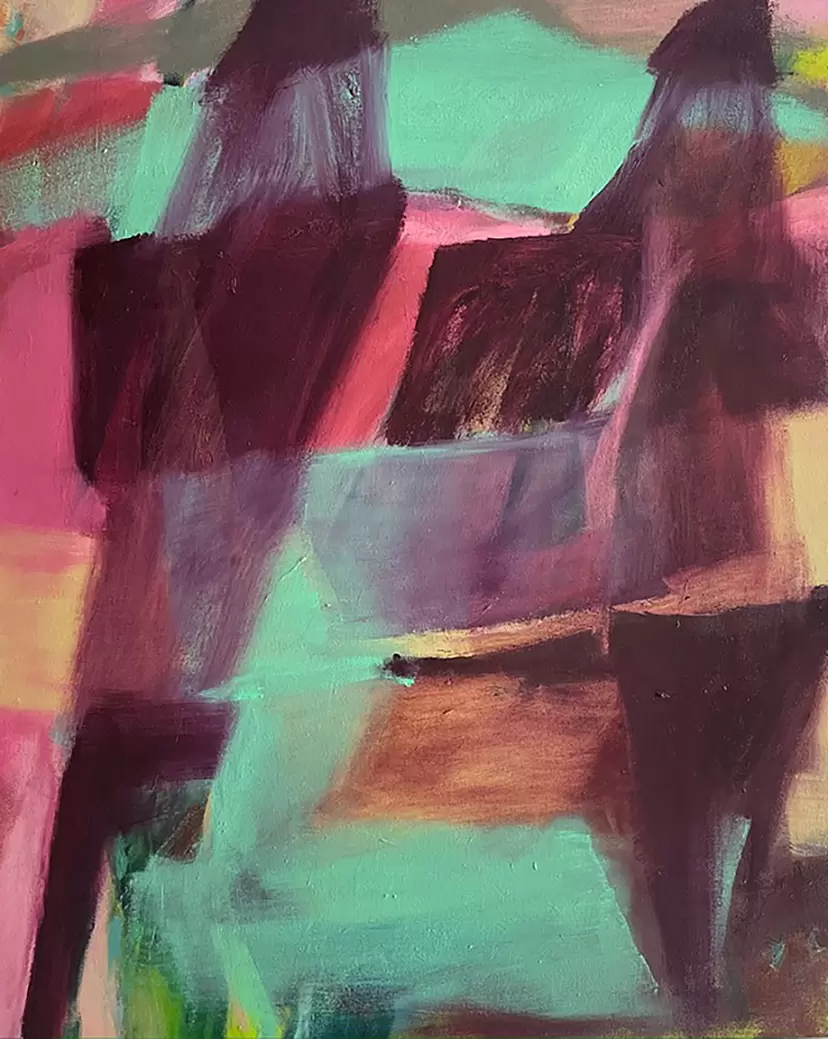
Material: mineral pigments, Sumi ink, glue, Najio thin paper
Artist Statement
Wei-Ni Lu/Shu Okamoto “Low-Polygon Utopia”
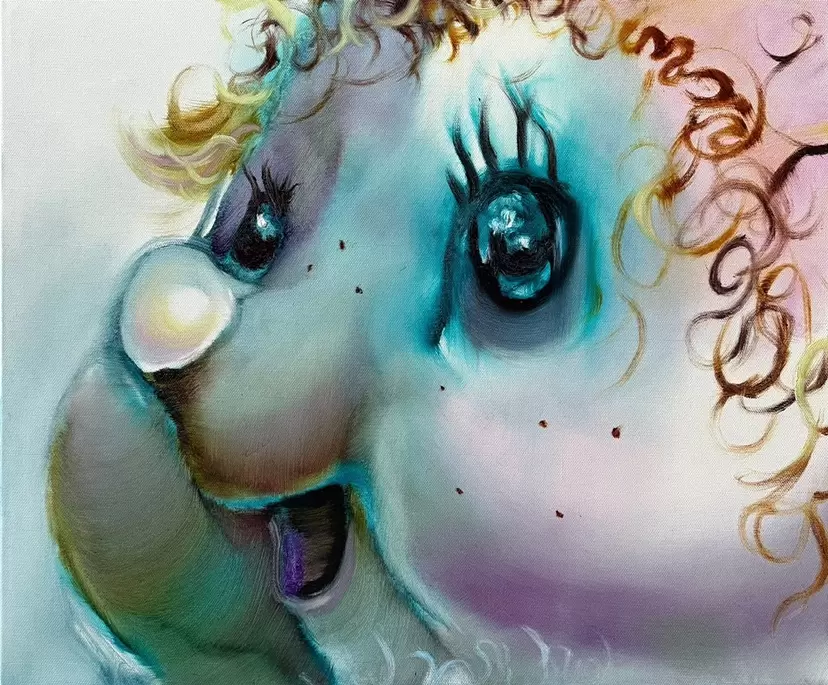
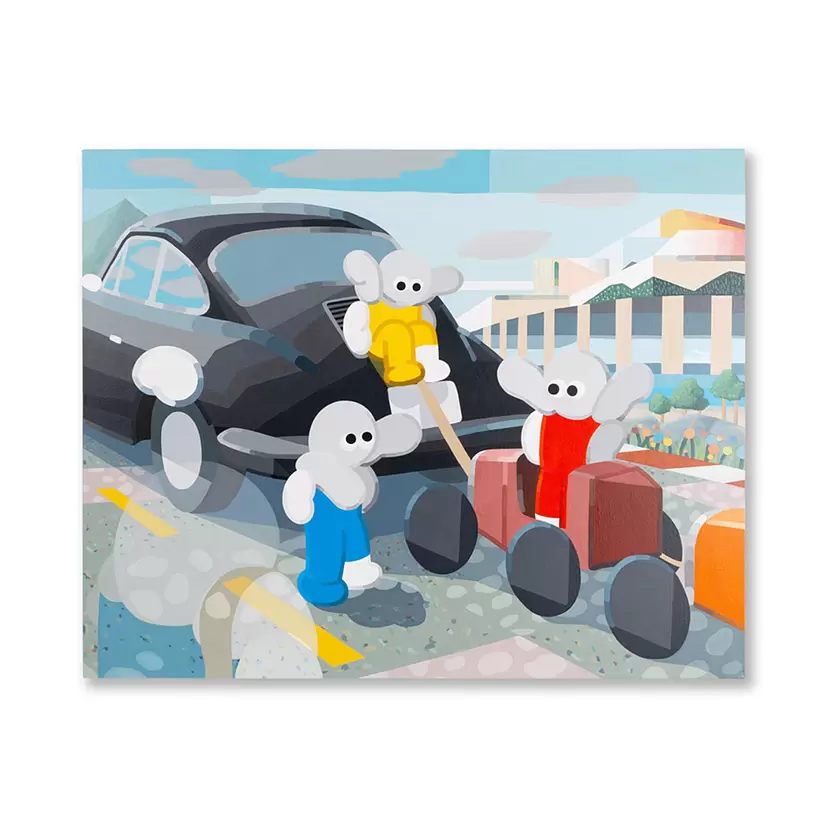
This exhibition explores the phenomenon in which the artificiality of a fake object—its very quality of being recognizably fake—imbues an image with a unique appeal distinct from that of the real thing, using the phrase “low-polygon utopia”as a point of departure.
“Low-polygon” refers to 3D computer graphics models that represent objects with a limited number of polygons (surfaces). Originally developed and widely used due to the limitations of early computer processing power, low-polygon models are now appreciated as an aesthetic in their own right for their simplified and geometric forms. (Hereafter referred to as “low-poly.”)
Although “low-poly” is generally a term used in relation to digital data, real-world objects such as artificial plants, wallpapers and display platforms made by combining pixelated print sheets, as well as inexpensive toys, plush figures, and everyday items with a certain low-quality finish, may also be considered “low-poly” in a broader sense.
Through their artificial appearance, these objects evoke a new kind of attraction distinct from that of the originals. They can also trigger a nostalgic sensation, creating a feeling akin to a distant illusion or a mirage.
This exhibition explores the peculiar emotions and the visual and conceptual appeal evoked by such “low-poly” qualities through the works of two artists.
Text|Shu Okamoto
English Editing|Mu-Wei Huang
展覽資訊
- 過去的展覽
- Wei-Ni Lu/Shu Okamoto "Low Polygon Utopia"2026.07.18 - 08.02
觀賞擺飾在房間裡的樣子

購買方式

這件作品可供購買。
USD 909
*顯示的為匯率換算的參考價格。結算將以日元進行。
購買作品時是否有需要幫助?在線諮詢
專業藝術顧問在這裡協助您購買作品。如果您對推薦的作品有任何疑問,或者您在購買時遇到任何問題,歡迎使用在線諮詢。
藝術家

Artist
Born in Nara, Japan in 1995. Okamoto received an MFA in Japanese Painting from the Graduate School of Fine Arts at Kyoto City University of Arts in 2020. Grounded in the principles of observation and drawing cultivated through his training in Nihonga, he explores methods of translating secondary sources—such as digital images and existing visual materials—into painting. His practice focuses particularly on fusuma (sliding door paintings) and paintings-within-paintings (gachūga), examining the relationship between original and reproduced images. Selected exhibitions include HAPPY (with Shinya Higashi and Yuto Yonemura) at COHJU Contemporary Art, Kyoto (2024). He received the Grand Prize at the Vortic Art Prize at Untitled Art Miami Beach 2024, and was awarded the Honorable Mention Prize and the Ohara Museum of Art Prize at VOCA Exhibition 2021.
查看藝術家信息