


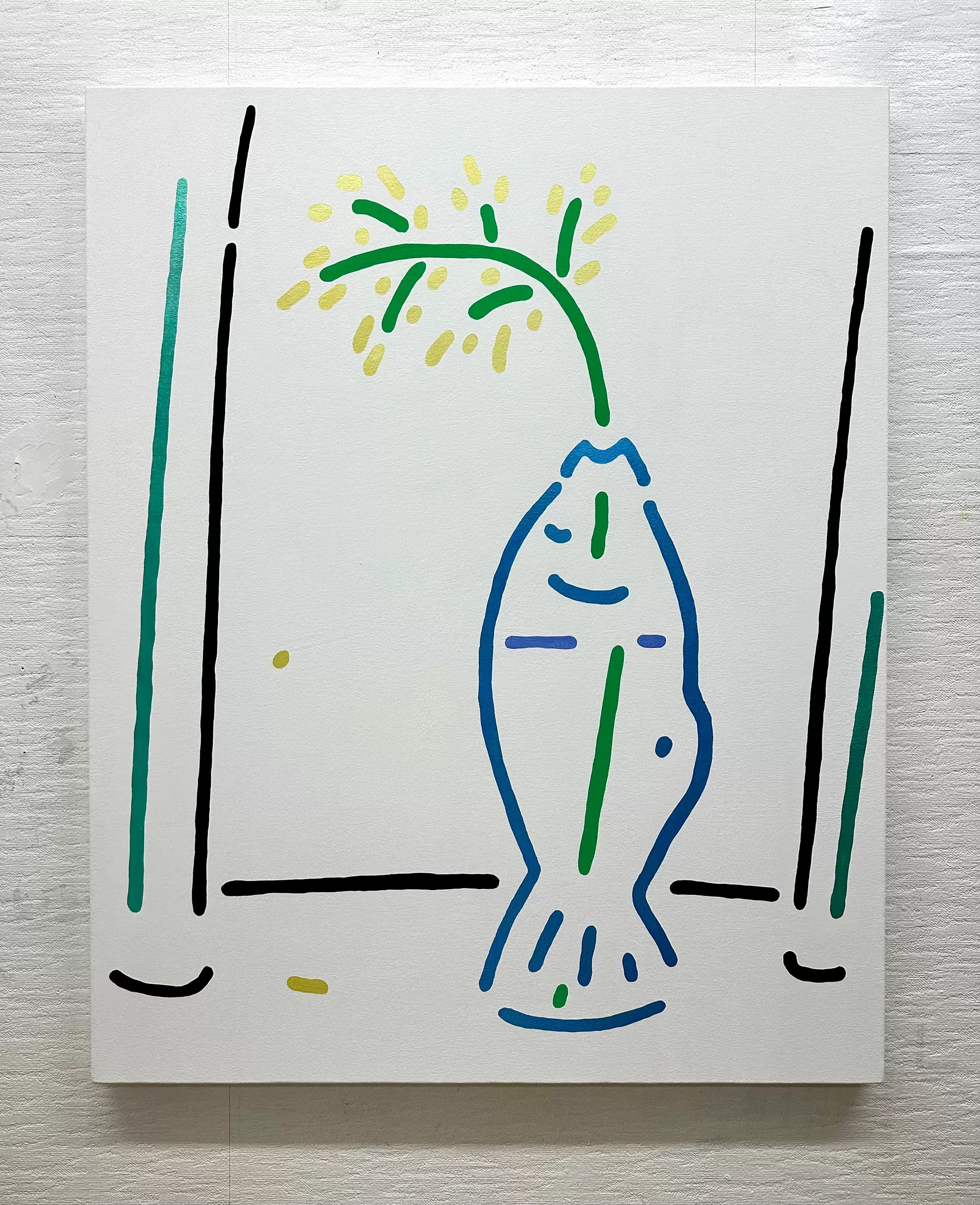
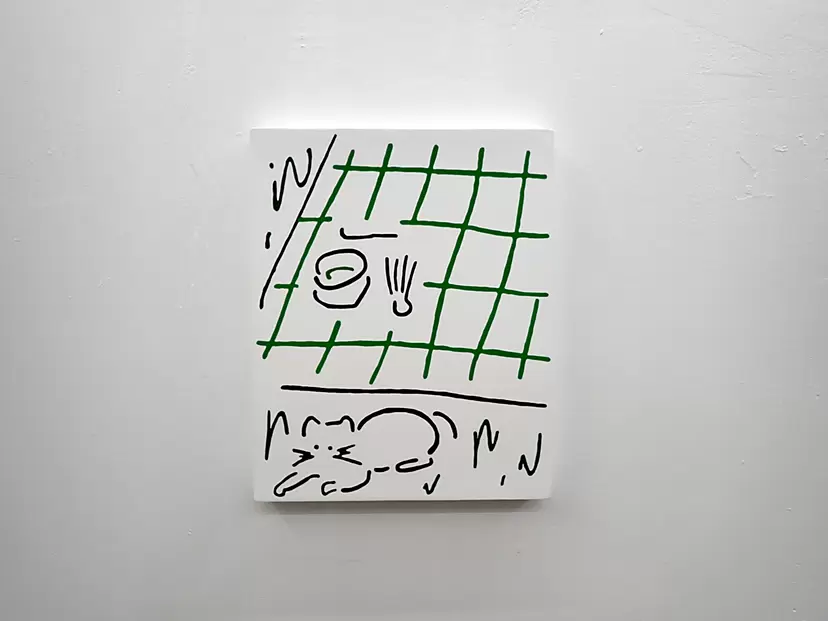
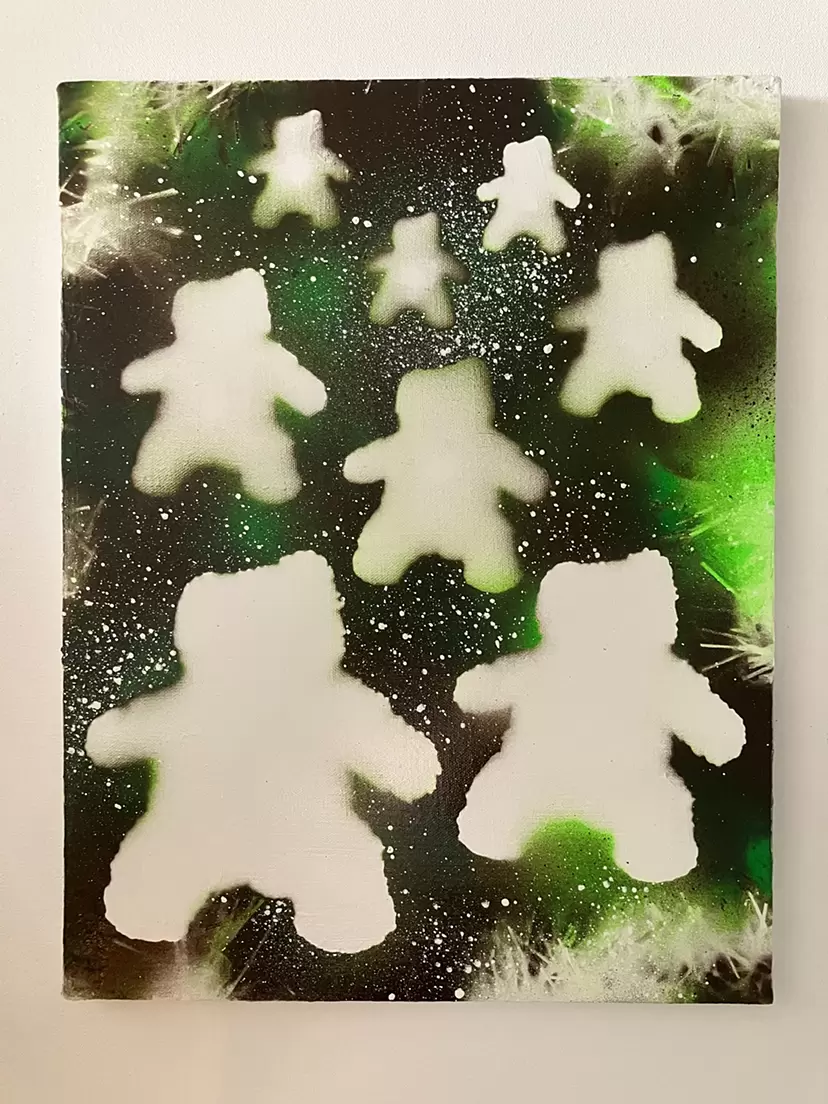
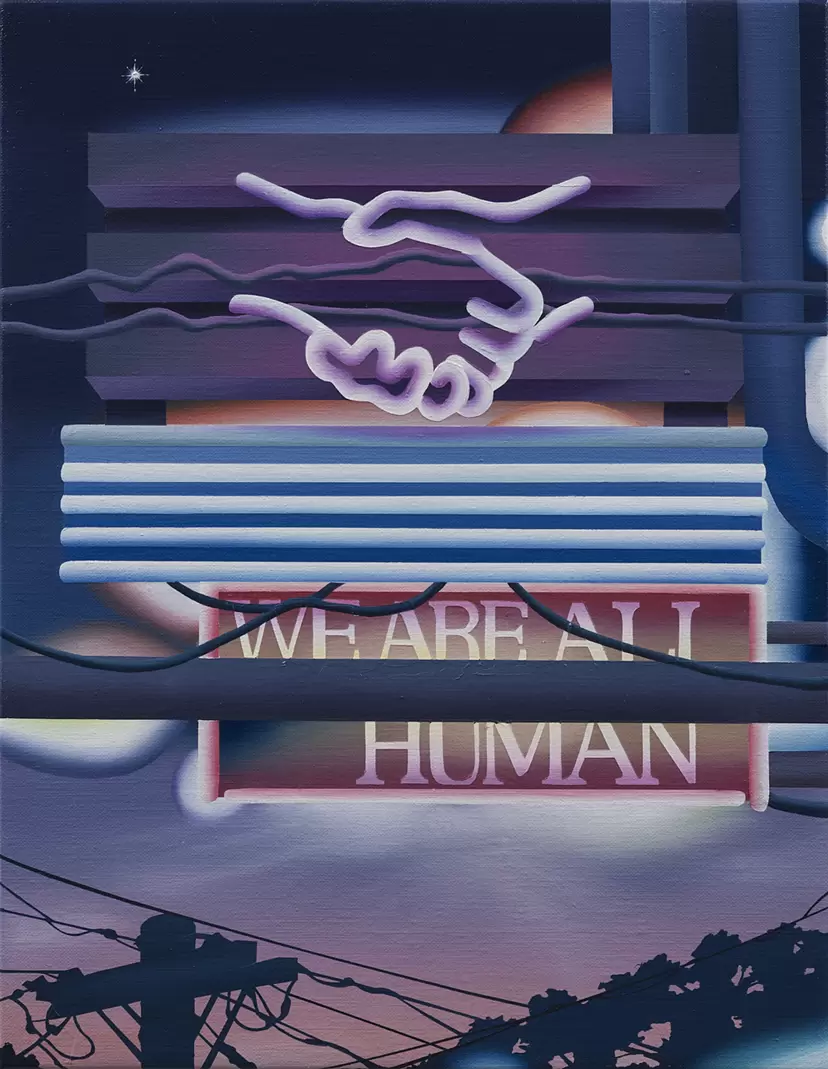
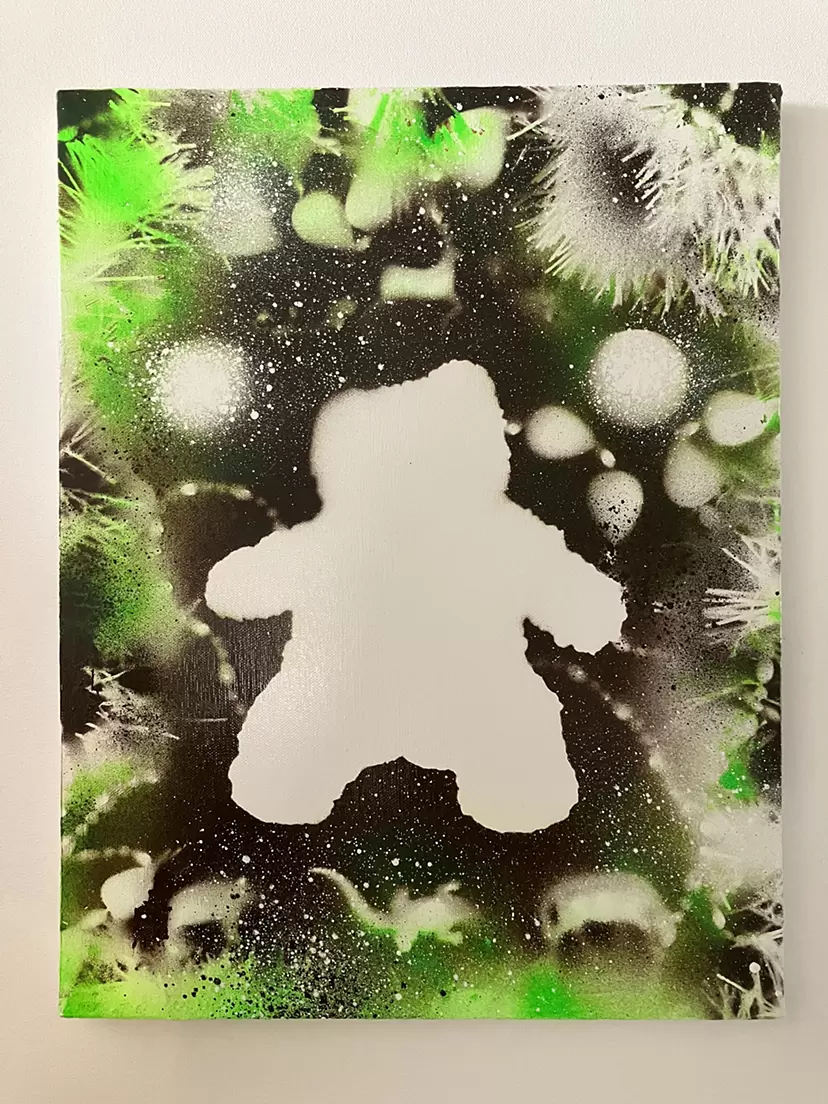
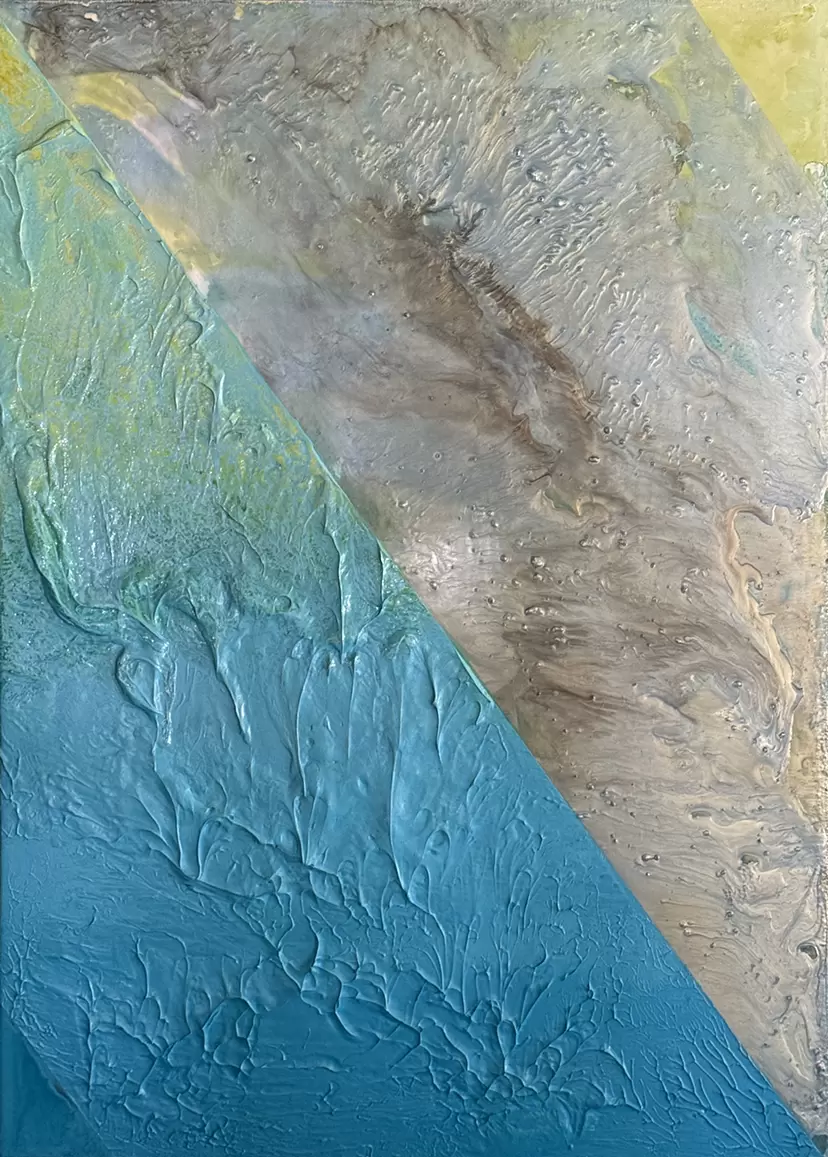
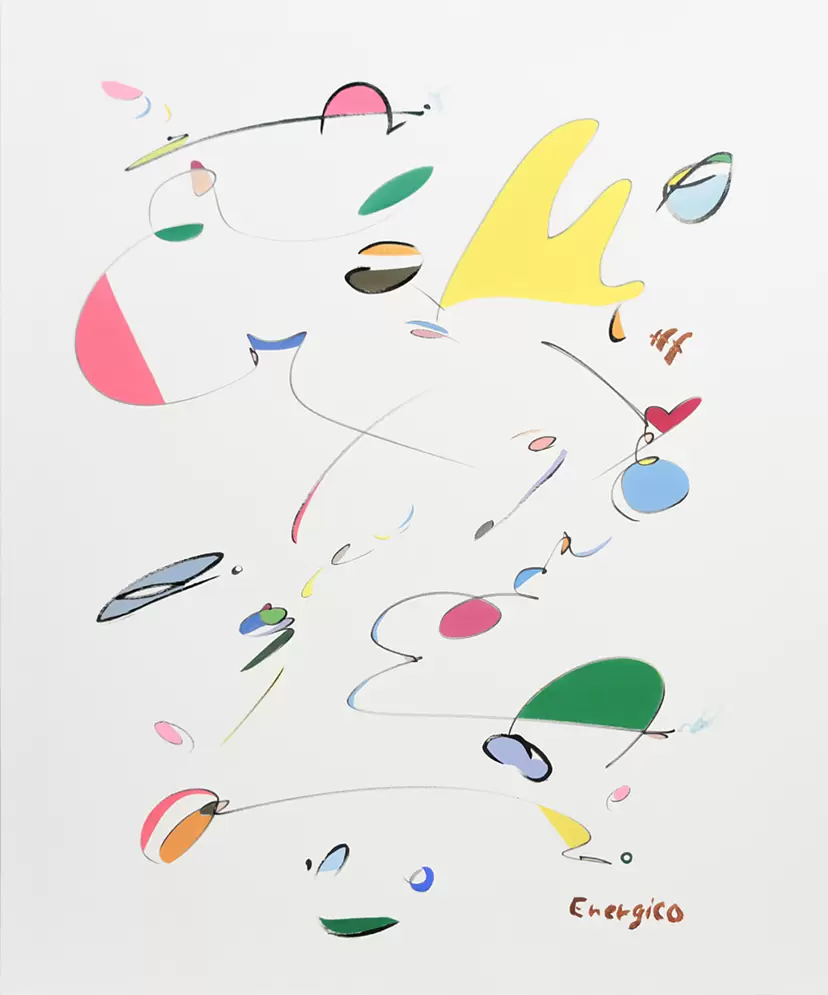
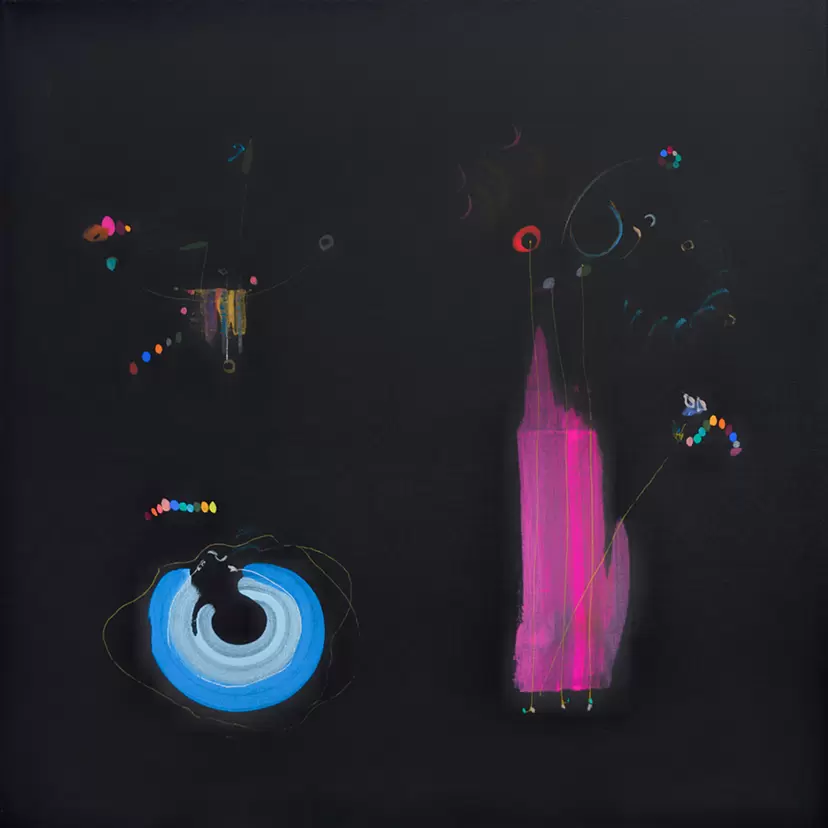
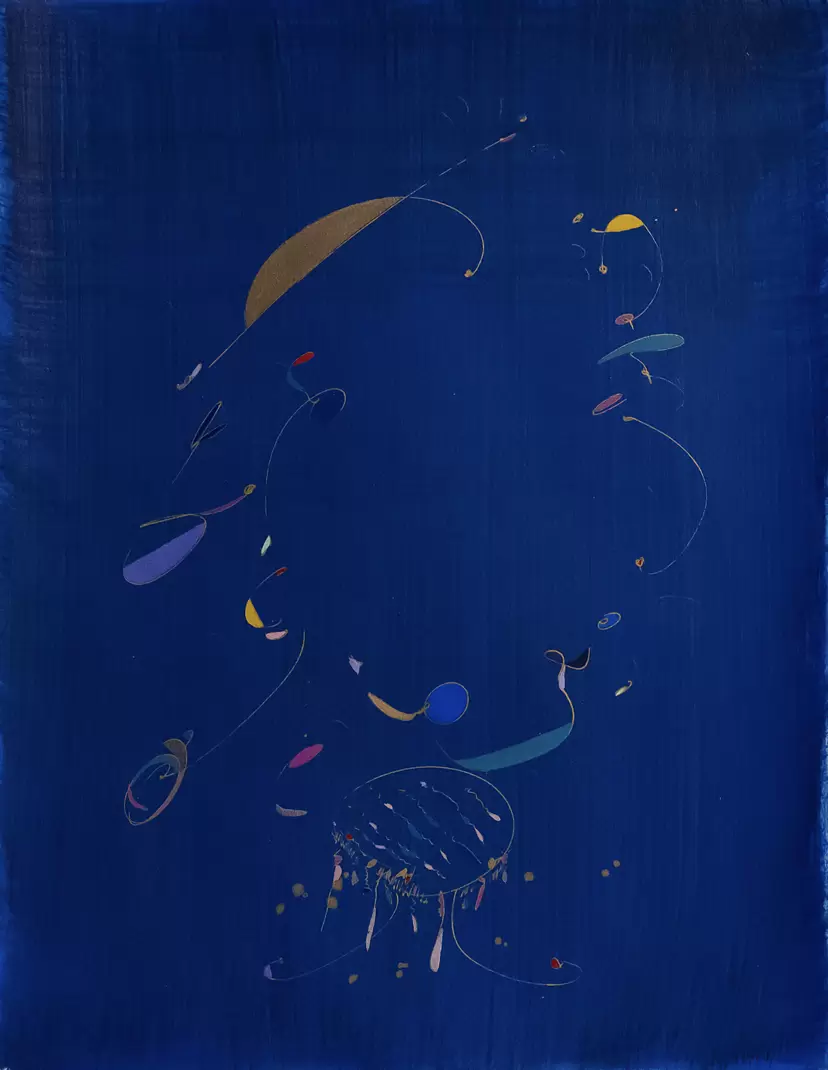
Mimosa (Fish Vase)
製作年份: 2023
材料或技法: 丙烯酸纖維
尺寸: 91 × 73 cm
版本: 獨特
簽名:包括


關於作品
- 製作年份
- 2023
- 材料或技法
- 丙烯酸纖維
- 尺寸
- 91 × 73 cm
- 版本
- 獨特
- 簽名
- 包括
- 畫框
- 不包含
- 作品證書
- 包括
- 藝術品經銷商
- Harada Keito
- 發貨區域
- 神奈川縣
- 發送前的天數
- 2-3天
- 類別
- 繪畫
- 風格
- 日常生活, 靜物, 流行藝術
作品詳情
購買方式

這件作品可供購買。

USD 708
*顯示的為匯率換算的參考價格。結算將以日元進行。
購買作品時是否有需要幫助?

加入等候名單
加入等待名單,以便在有作品可供購買時收到通知。
在線諮詢
專業藝術顧問在這裡協助您購買作品。如果您對推薦的作品有任何疑問,或者您在購買時遇到任何問題,歡迎使用在線諮詢。
藝術家

Painter
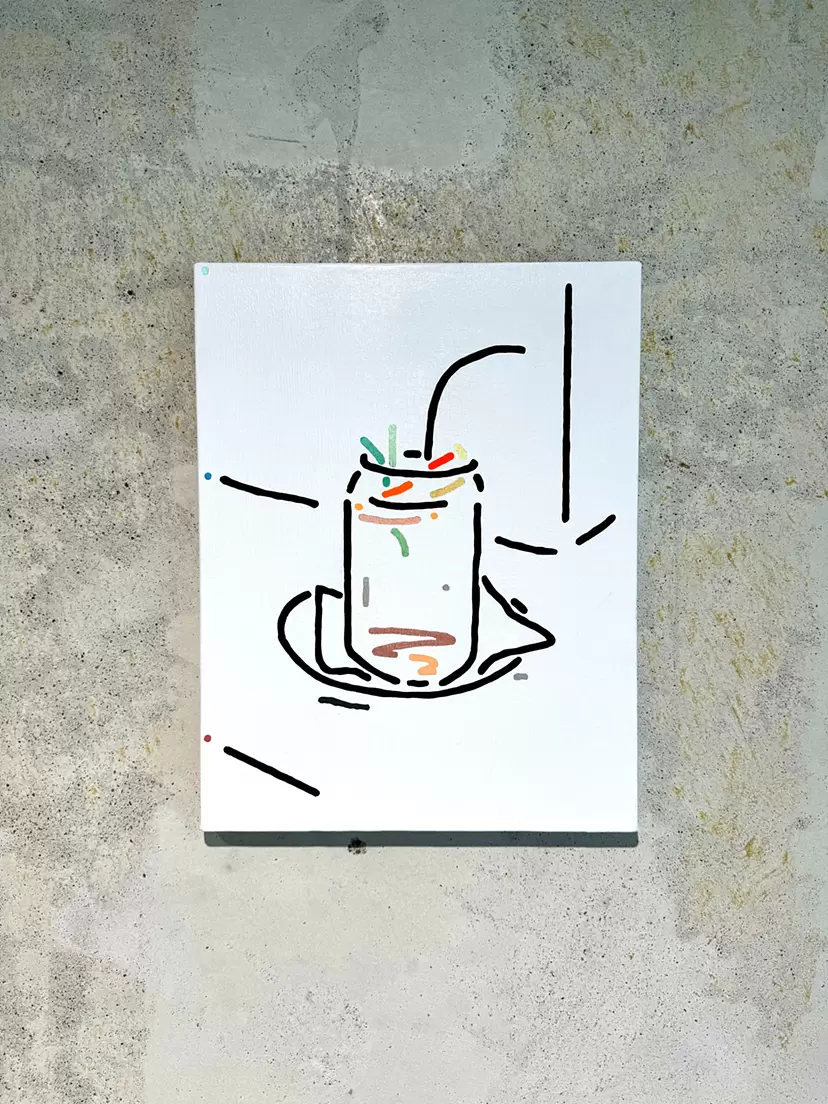
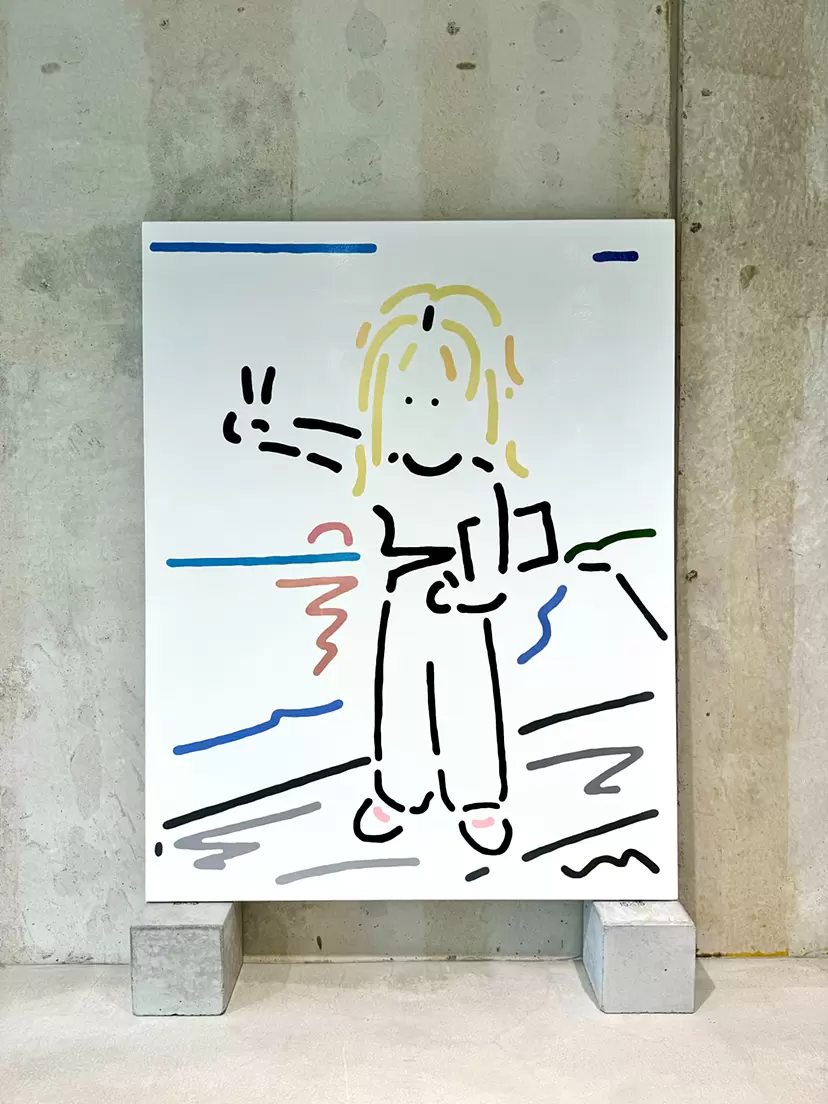
1995 Born in Kamakura, Kanagawa, Japan. Lives in Chigasaki City and continues to works in Kamakura City. I mainly paint contemporary art. I am fascinated by and often draw attention to blank spaces, and have created paintings that approach the space behind the painting or the space of the wooden frame. I paint the relationships between lines and colors, and the sense of distance between the concrete and the abstract, which are possible while leaving a large amount of blank space. The subjects I choose as motifs are those that interest me so much that I can replace everyday scenery with paintings, or those that I intuitively move my brush around. In "Rikyu Koji Densho," one of the four-volume set of "Sado Shiso Densho (The Four Tea Ceremony Patriarchs' Texts)" edited by Matsuyama Yonetaro and published in 1933, Sen no Rikyu explains suki as follows: "Suki is something that is done differently, but it is the essence of I (Sen no Rikyu)." In other words, suki is understood as "creating something different from others." It seems that even during the Azuchi-Momoyama and Edo periods, when Sen no Rikyu and Furuta Oribe lived, there was already a sense of modern artistic creativity. And the concept of wabi in the expression of the tea ceremony, which is the core of suki, is taste in simplicity. I believe that the roots of my expression and taste can be found there, and I would like to convey my own "present wabi." Keito Harada 2025/1/30
查看藝術家信息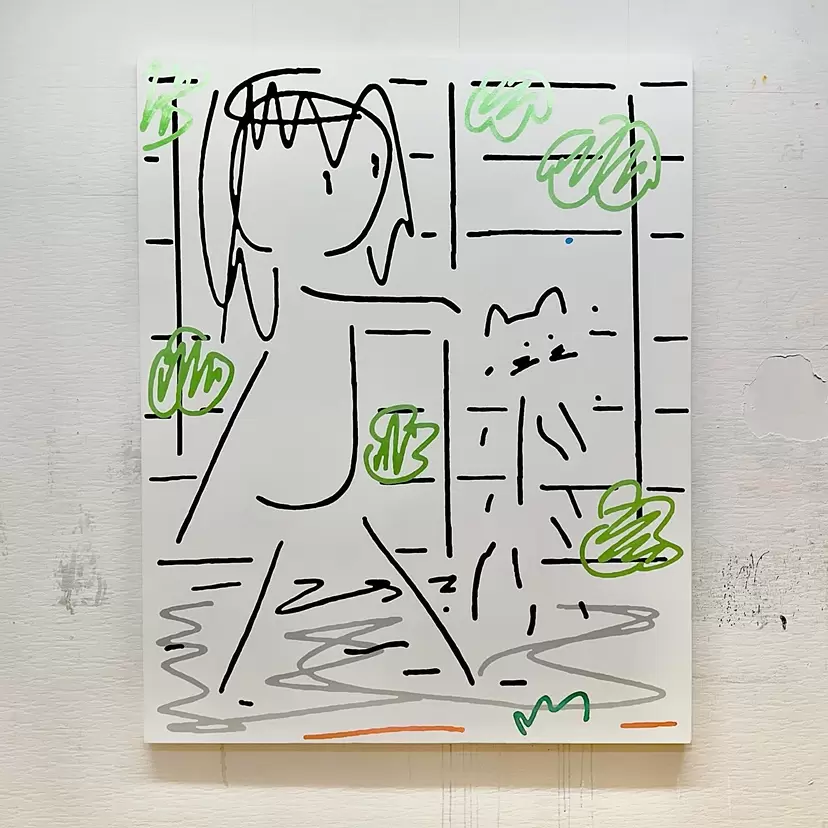
Sticker でご支援を頂いた際の主な使用用途は上から優先度順に下記のとおりです。
・制作材料費、機材費
・コンペティション応募費および配送料
・生活費
以上になります。
何卒ご支援のほど、よろしくお願いいたします。