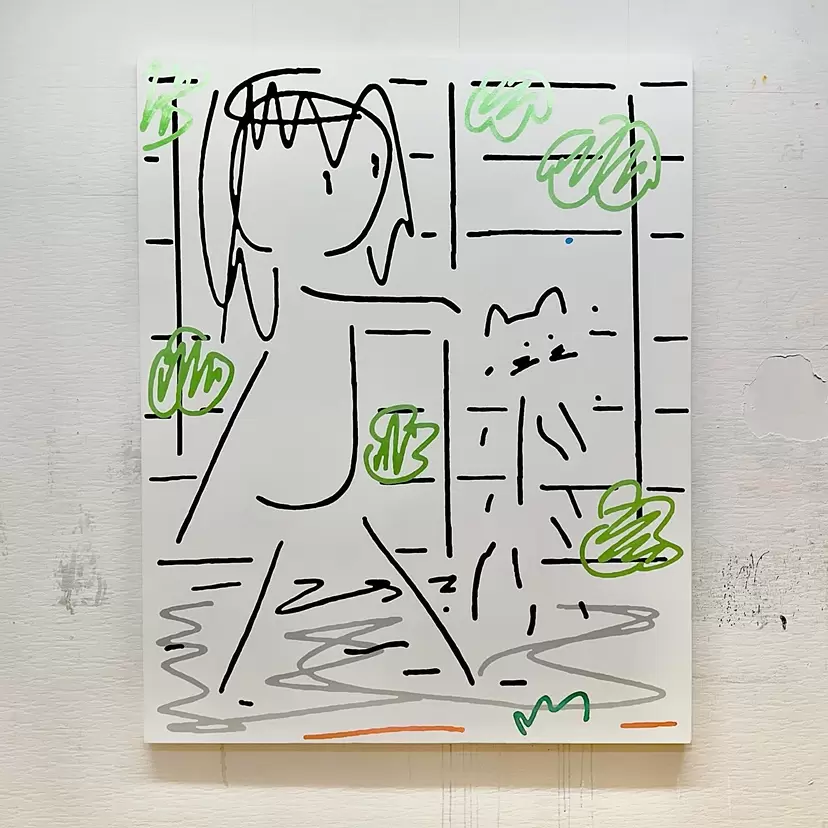
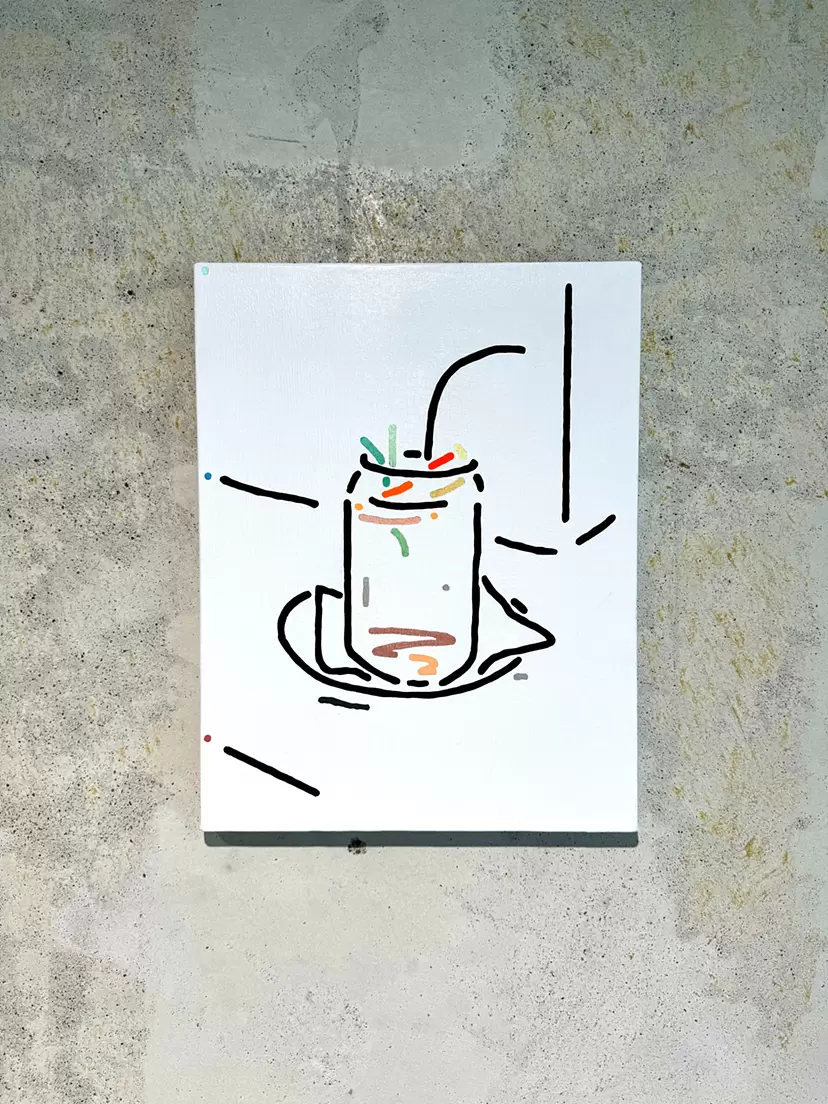
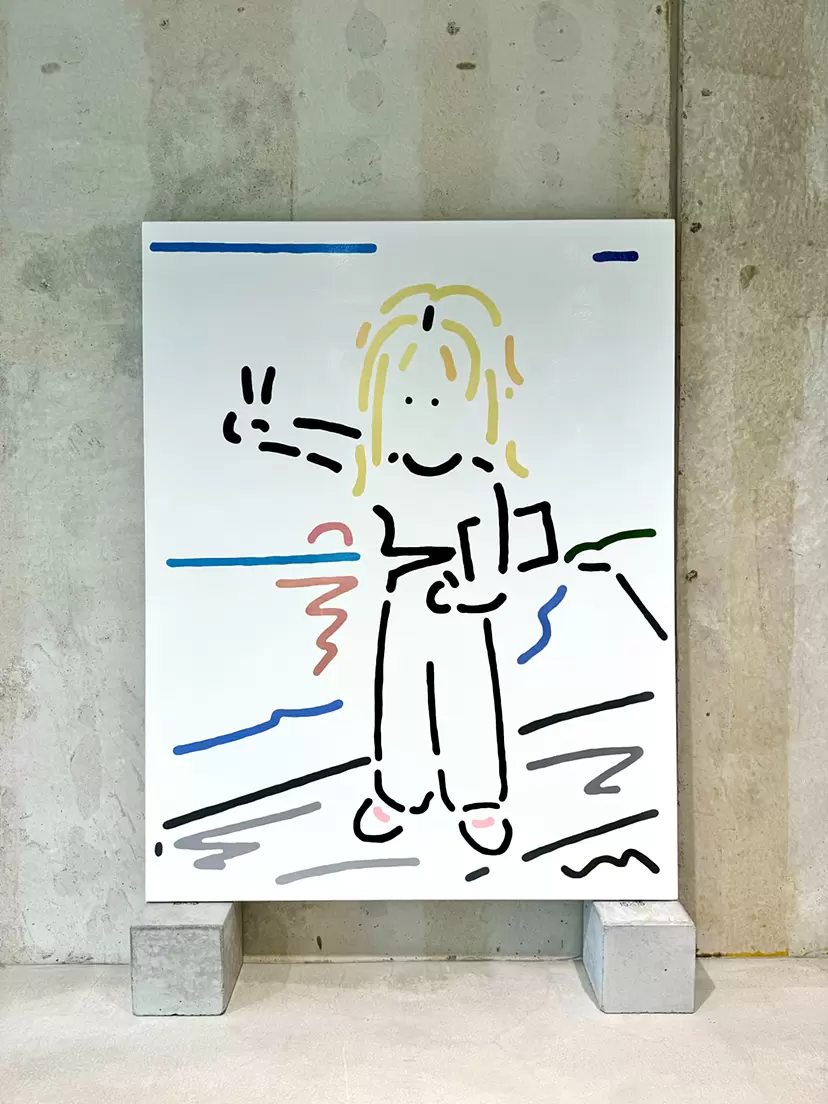
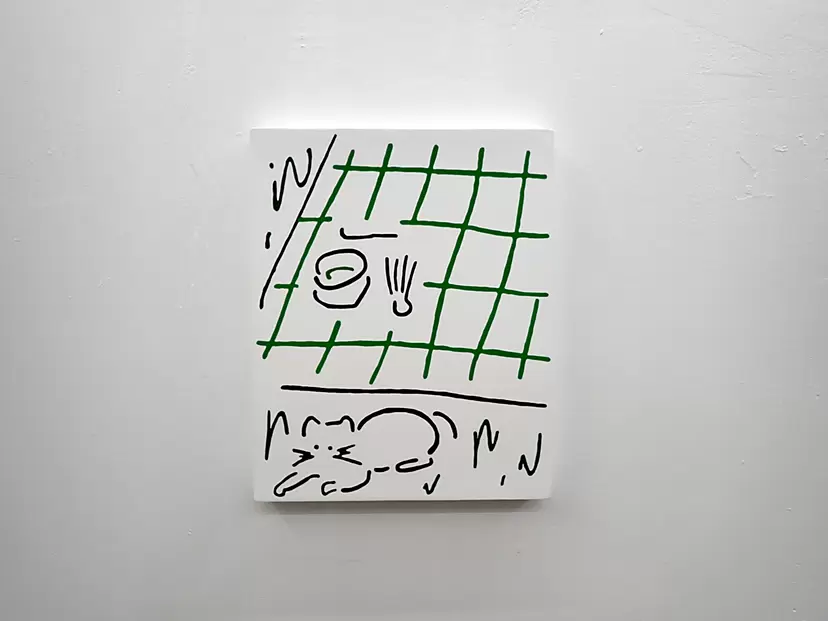
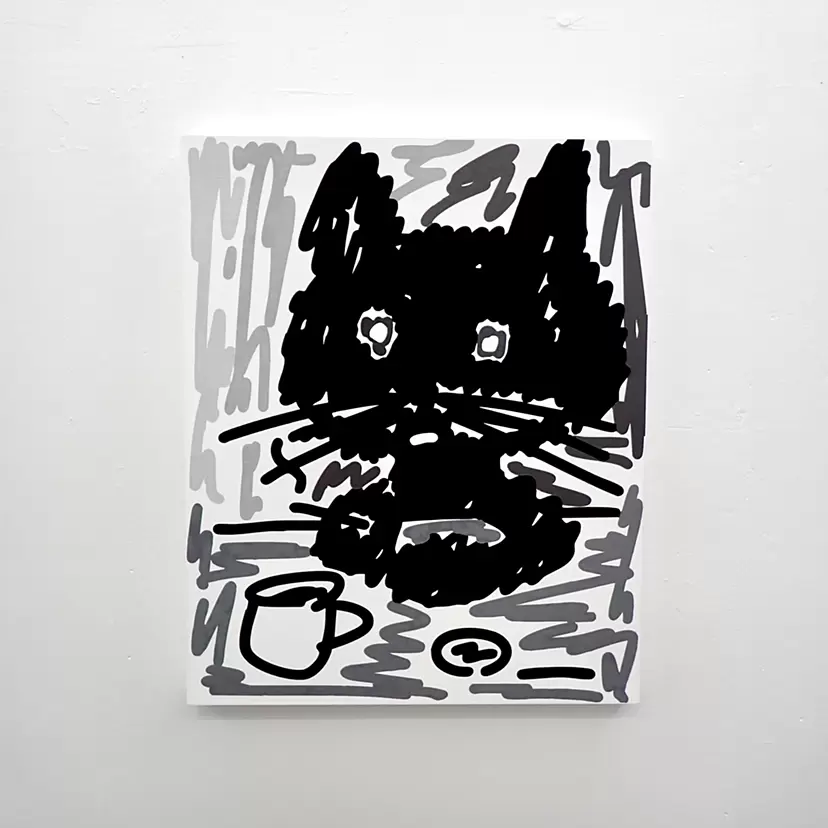



1件作品的販售開始了


over 1 year ago
Painter
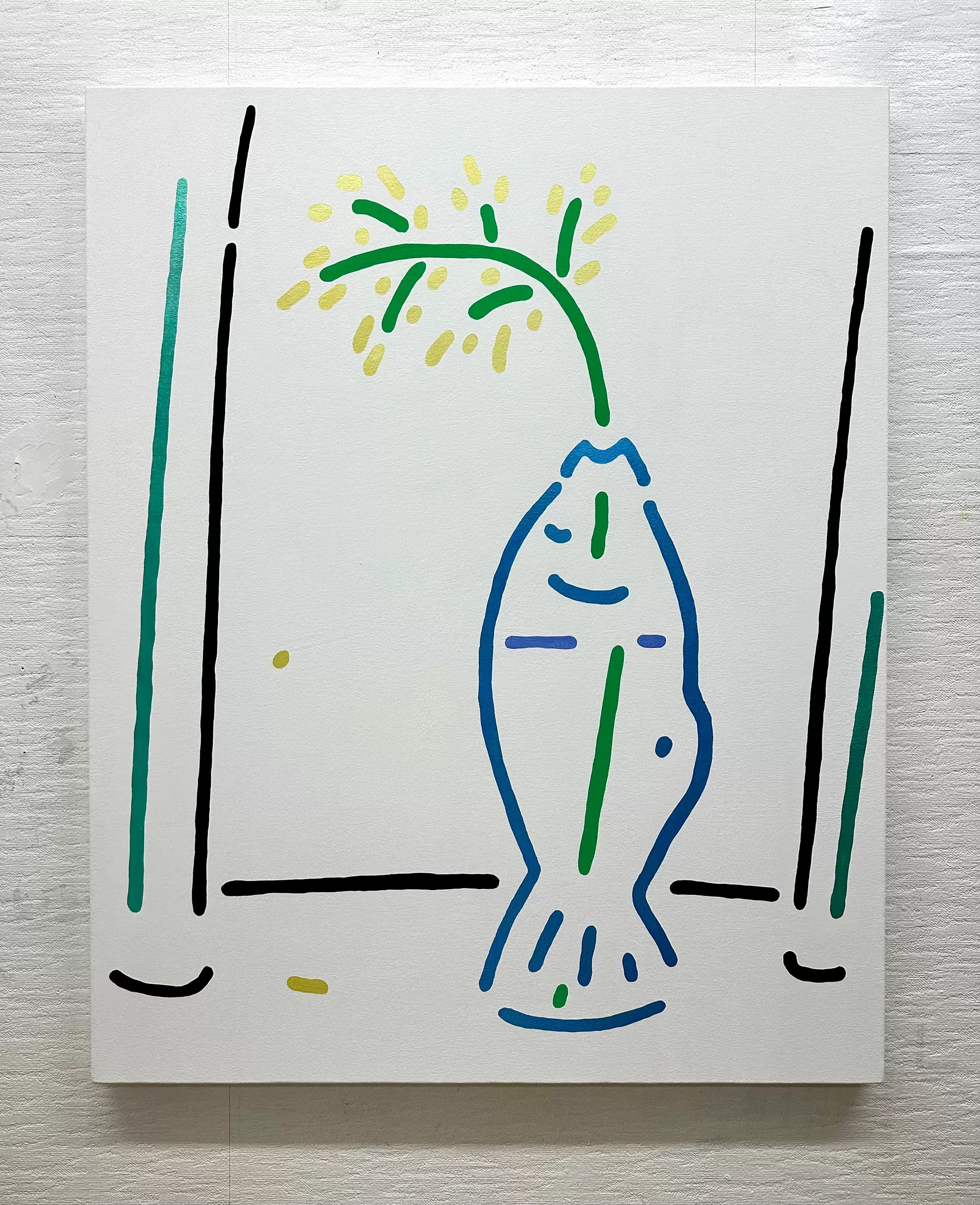
こちらの作品はキラキラと光を反射するパールカラーの絵の具を使用していて、朝日や夕日に照らされた時の表情が美しい作品です。
どんな空間とも喧嘩せず調和できる絵でもあると思います。
実際に見るのと画面越しでは見え方が異なりますので、展示がある機会には是非実際にご高覧頂けれると嬉しいです。感想も募集しています。
よろしくお願いいたします。
Harada Keito
Painter
Painter
1995 Born in Kamakura, Kanagawa, Japan.
Lives in Chigasaki City and continues to works in Kamakura City.
I mainly paint contemporary art.
I am fascinated by and often draw attention to blank spaces, and have created paintings that approach the space behind the painting or the space of the wooden frame.
I paint the relationships between lines and colors, and the sense of distance between the concrete and the abstract, which are possible while leaving a large amount of blank space. The subjects I choose as motifs are those that interest me so much that I can replace everyday scenery with paintings, or those that I intuitively move my brush around.
In "Rikyu Koji Densho," one of the four-volume set of "Sado Shiso Densho (The Four Tea Ceremony Patriarchs' Texts)" edited by Matsuyama Yonetaro and published in 1933, Sen no Rikyu explains suki as follows: "Suki is something that is done differently, but it is the essence of I (Sen no Rikyu)." In other words, suki is understood as "creating something different from others."
It seems that even during the Azuchi-Momoyama and Edo periods, when Sen no Rikyu and Furuta Oribe lived, there was already a sense of modern artistic creativity.
And the concept of wabi in the expression of the tea ceremony, which is the core of suki, is taste in simplicity.
I believe that the roots of my expression and taste can be found there, and I would like to convey my own "present wabi."
Keito Harada 2025/1/30
1件作品的販售開始了
over 1 year ago
Painter
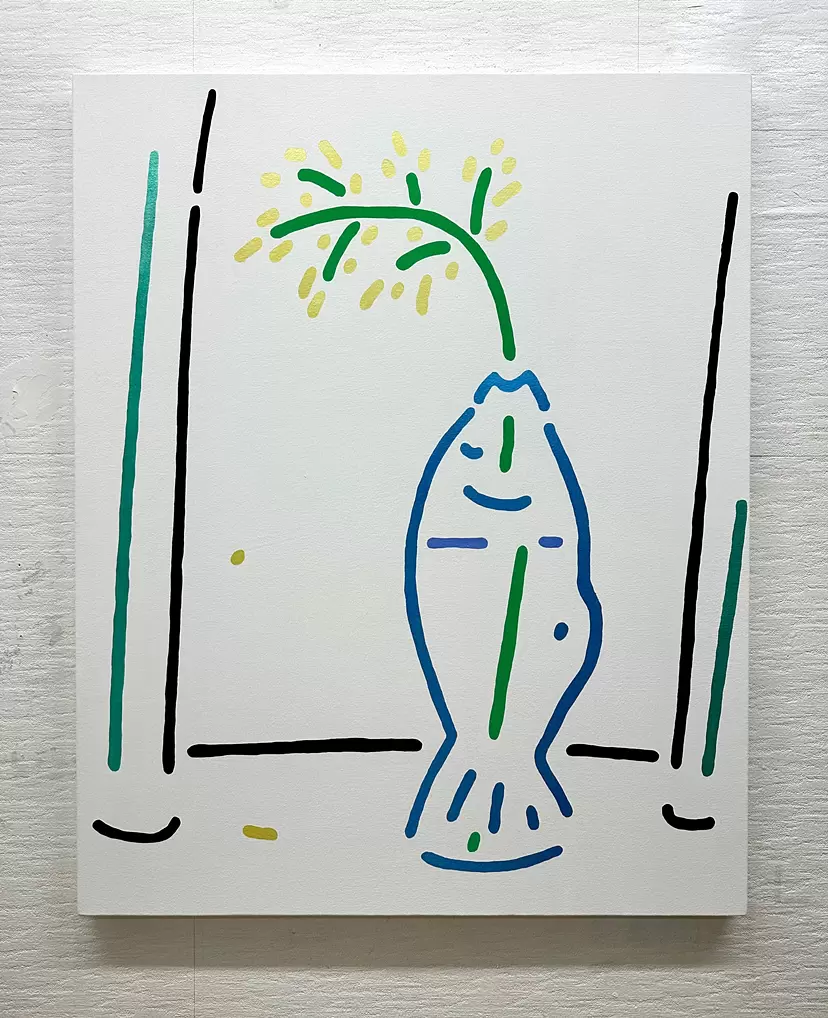
こちらの作品はキラキラと光を反射するパールカラーの絵の具を使用していて、朝日や夕日に照らされた時の表情が美しい作品です。
どんな空間とも喧嘩せず調和できる絵でもあると思います。
実際に見るのと画面越しでは見え方が異なりますので、展示がある機会には是非実際にご高覧頂けれると嬉しいです。感想も募集しています。
よろしくお願いいたします。
1件作品的販售開始了
over 1 year ago
Painter
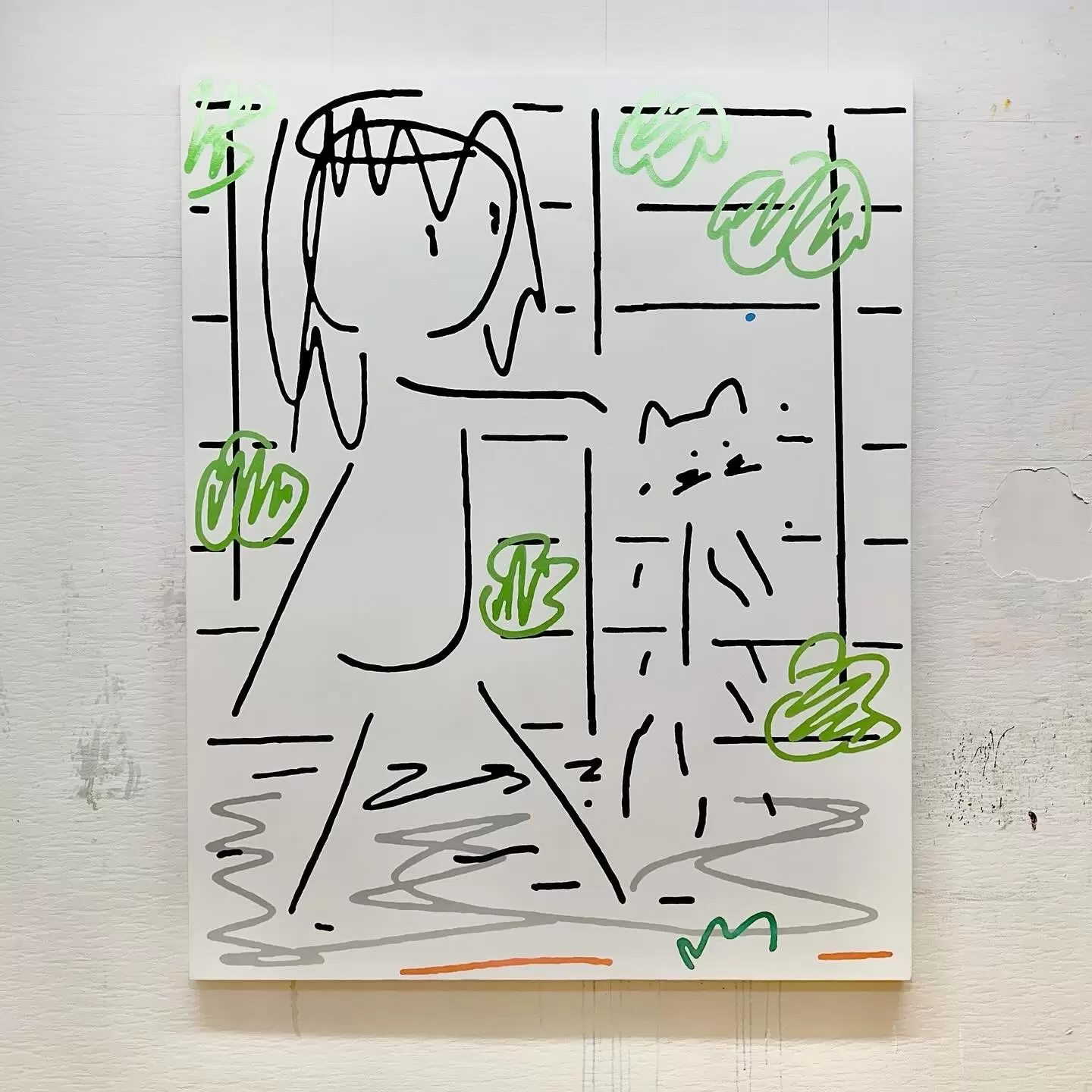
新作を公開しました。実際に見るのと画面越しでは見え方が異なりますので、展示がある機会には是非実際にご高覧頂けれると嬉しいです。感想も募集しています。よろしくお願いいたします。
1件作品的販售開始了
over 1 year ago
Painter
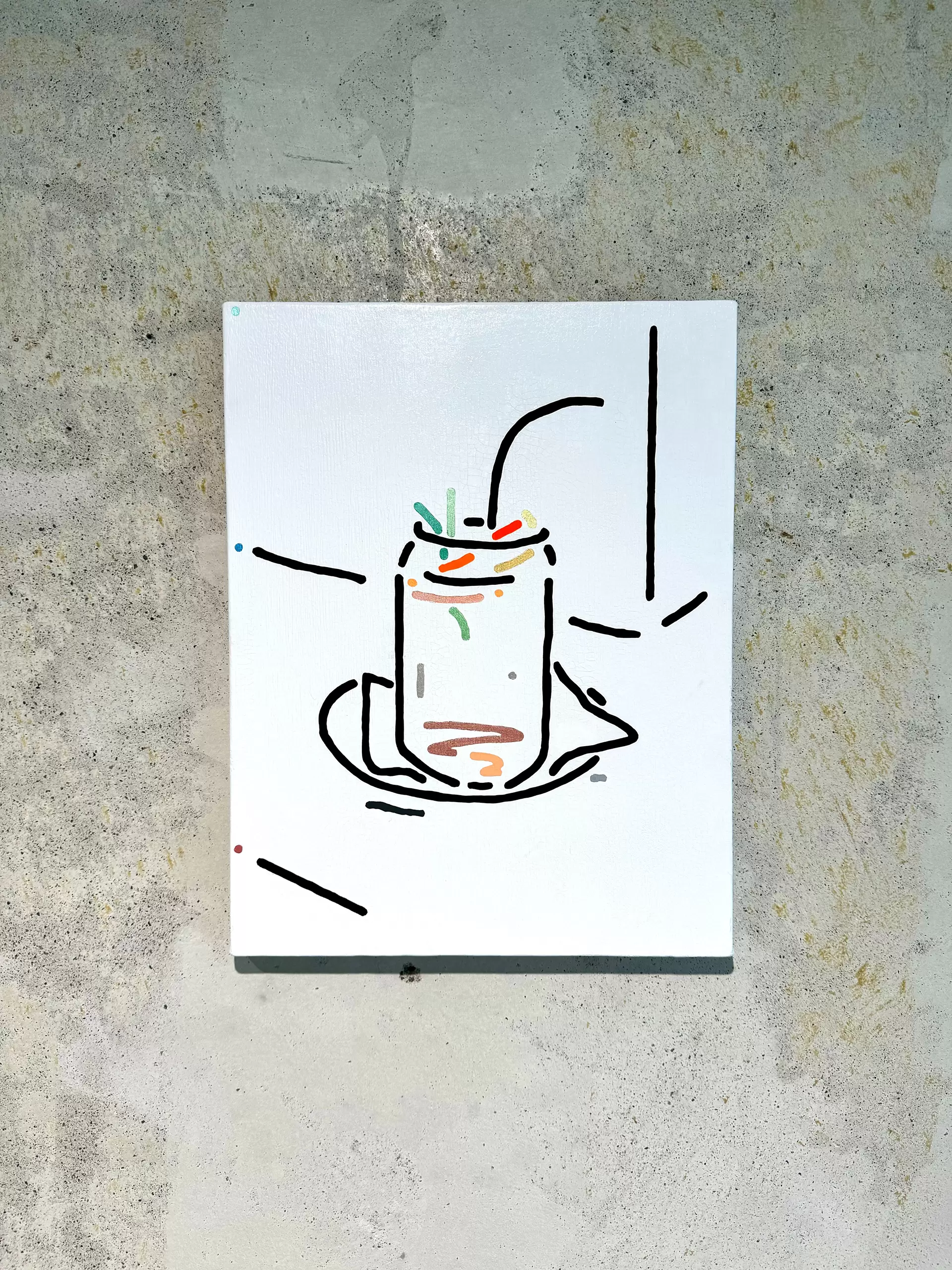
新作を公開しました。実際に見るのと画面越しでは見え方が異なりますので、展示がある機会には是非実際にご高覧頂けれると嬉しいです。感想も募集しています。よろしくお願いいたします。