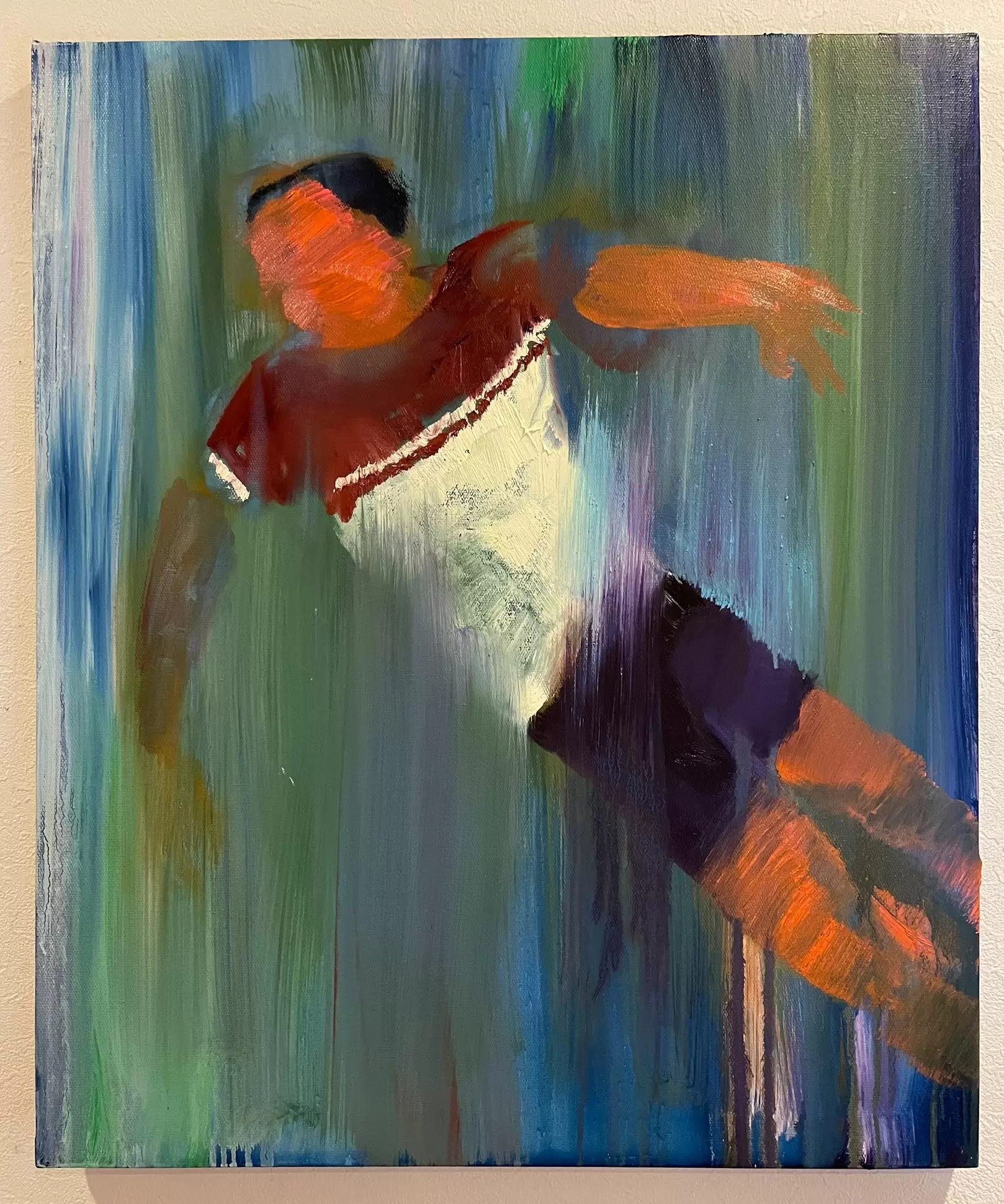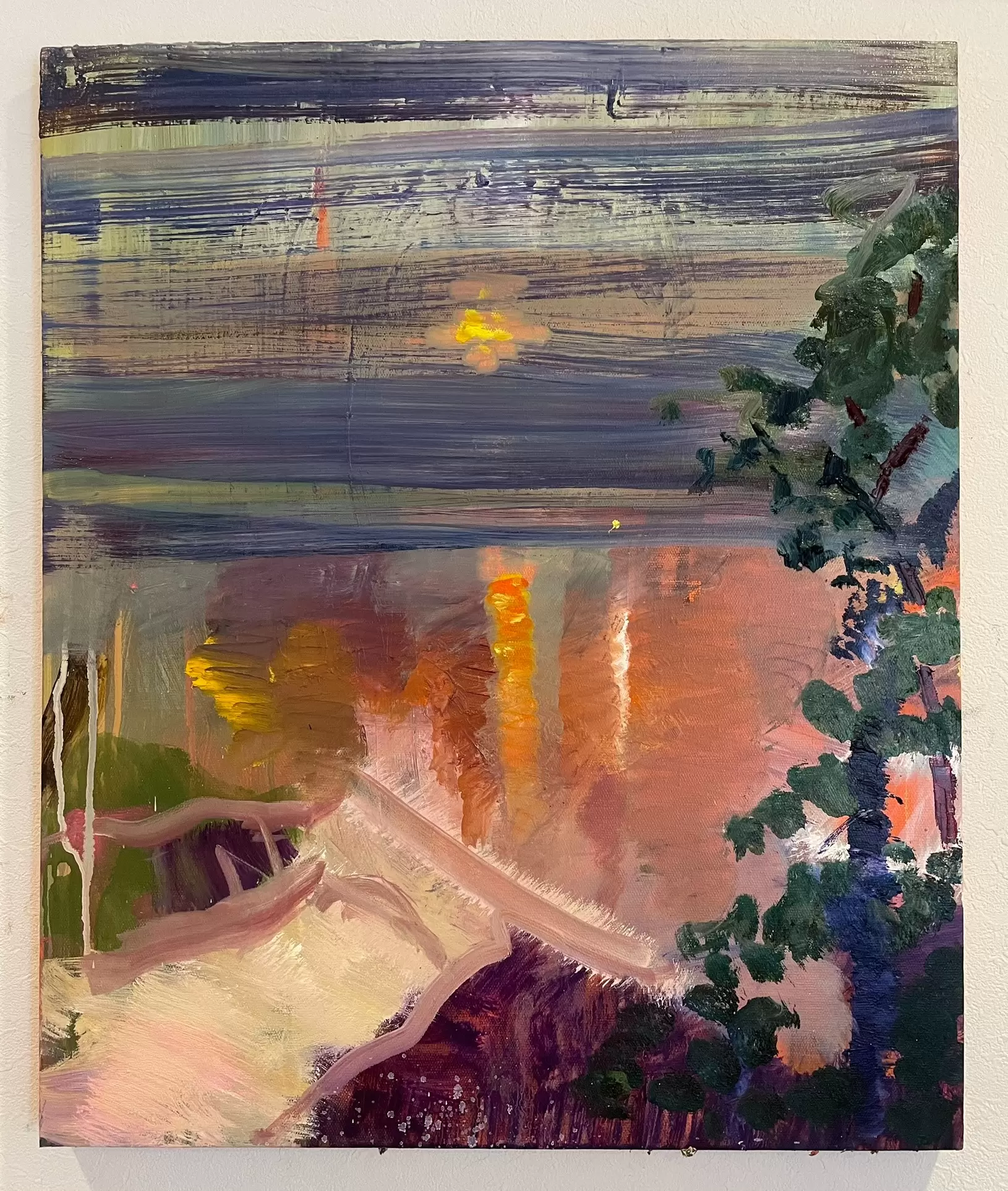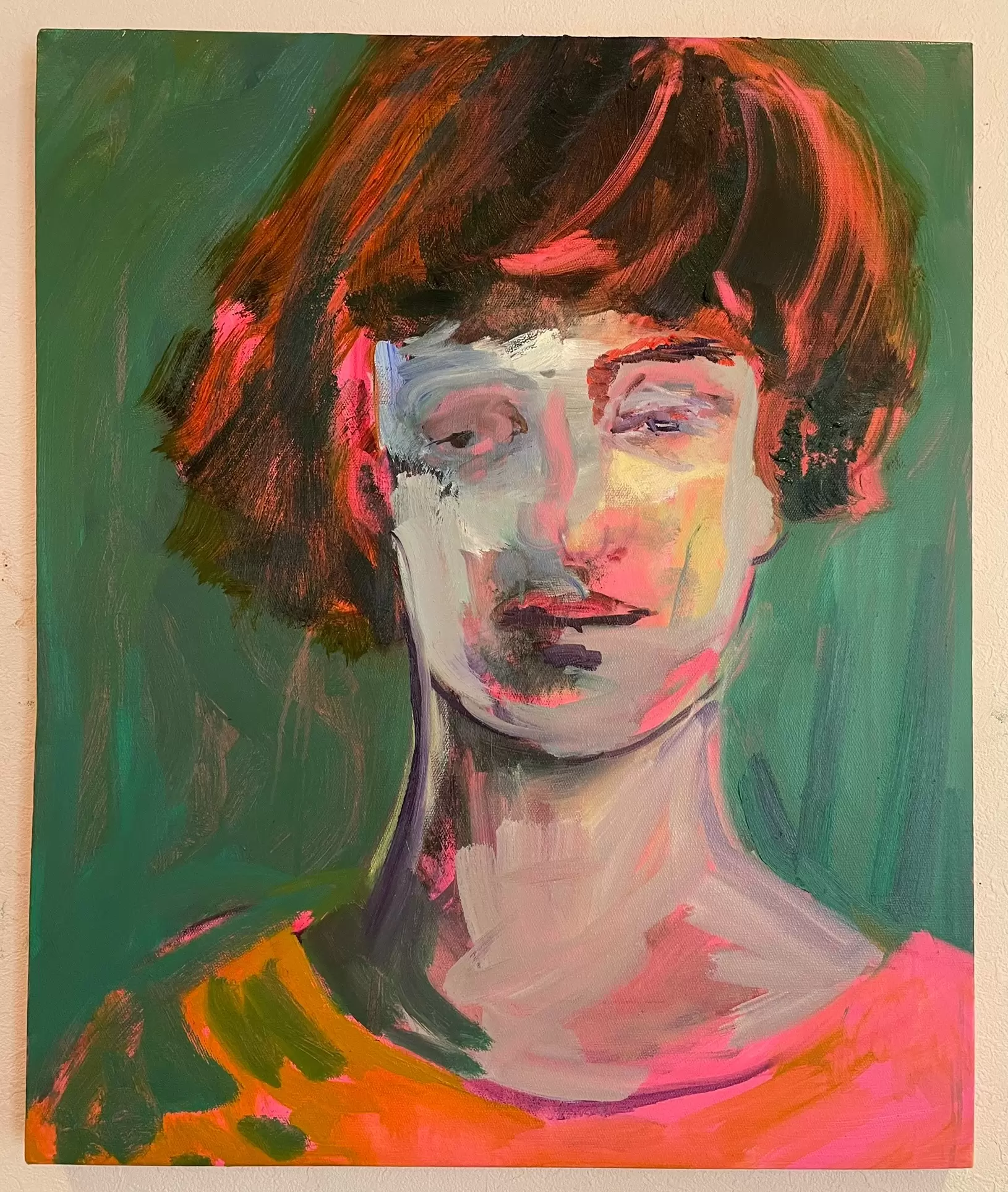

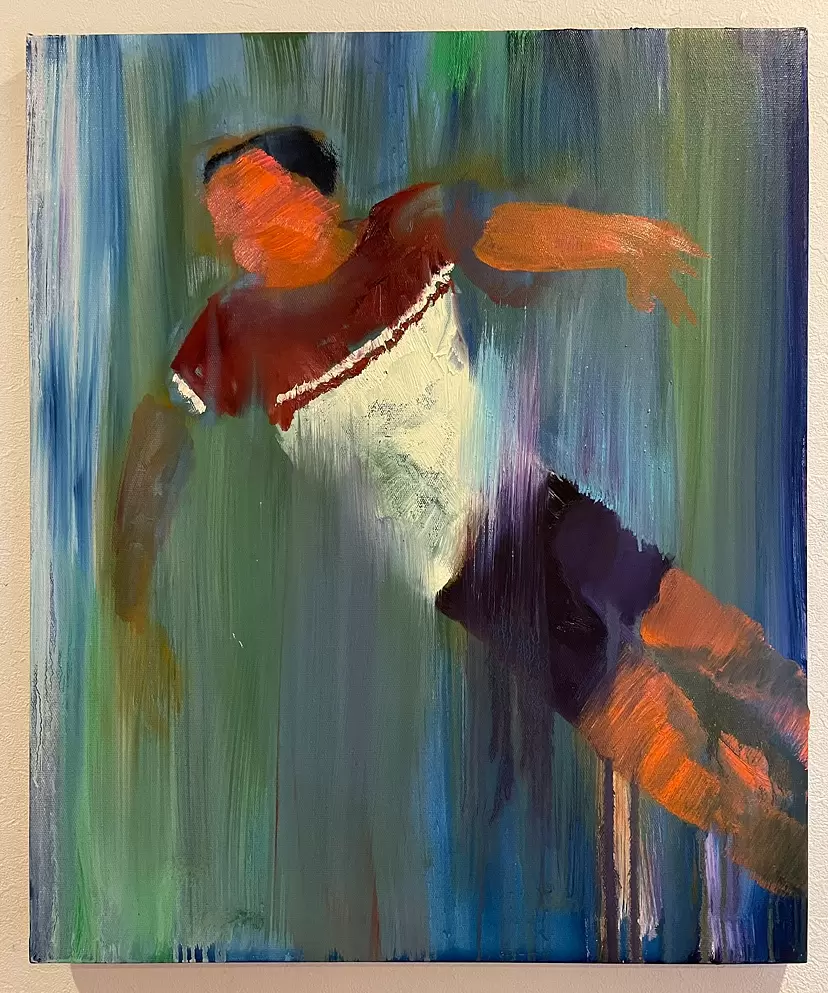
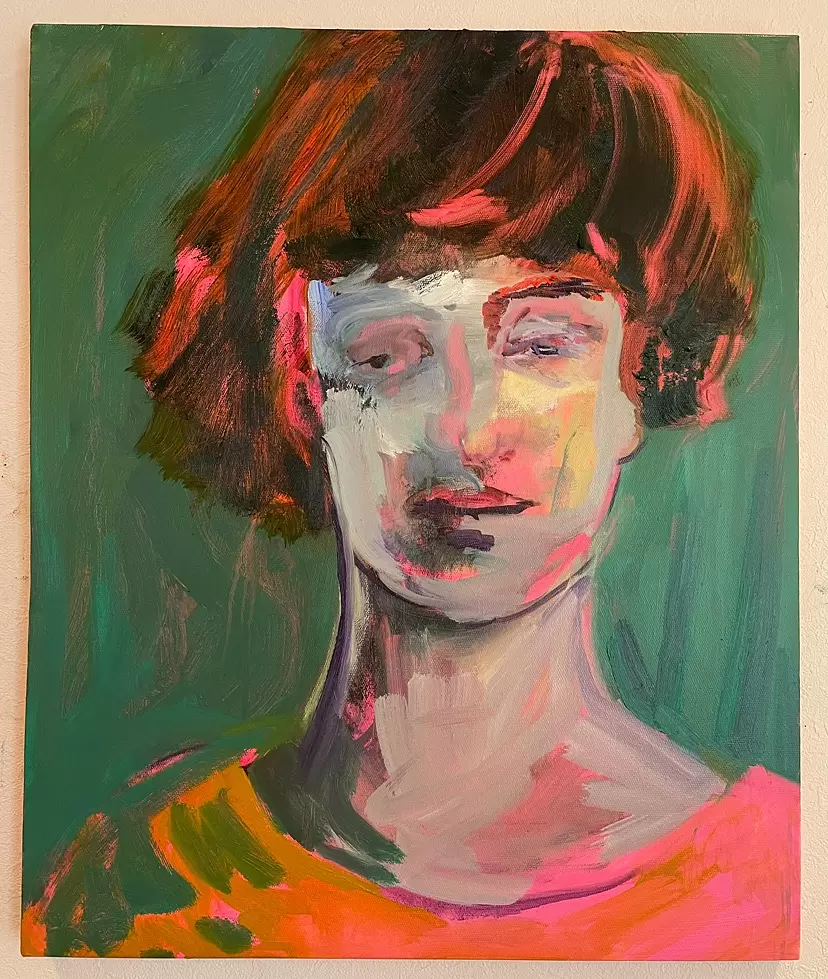

1 artwork is now for sale


over 1 year ago
painters
昨年の夏に制作した作品です。Arttickerのみでの公開となります。



painters
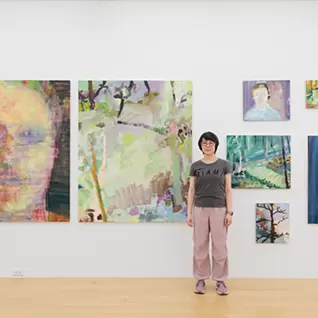
Born in 1977 in Tokyo.
Graduated from Tama Art University in 2001, majoring in oil painting
My mother, who was in business with her father who was an architect, experienced frequent moving since childhood as a hobby. Since I was in elementary school, I couldn't get used to my surroundings, so I started learning painting due to my father's influence. Since then, it has found its place in the picture. 2 After studying oil painting at Tama Art University, I got a job for financial reasons. After that, they lived unhappy days for about 20 years.
After graduating from oil painting by Tama Art in 2001, it was in 2022/9 that I felt that “the gears meshed” while continuing to face painting. Quickly paint fragments of the wind blowing through, time, and memories by putting them on paint.
The oil painting of 5 faces, which I drew after finding a way out in “quick drawing,” became an opportunity.
Artworks by Tochihara Hihina are for sale on ArtSticker. See the prices, sizes, materials, and concepts of the artworks by Tochihara Hihina, as well as artist information such as exhibition news and profile.
Join the waiting list to be notified when artworks become available for purchase.
Profile Hiina Tochihara (b.1977, Tokyo)
I have moved 21 times so far and five times before I graduated from primary school. As a shy person, both 'goodbyes' and 'encounters' were significant events that made me anxious and nervous. In the fifth grade, I attended a Western-style painting class where I learnt European impressionist-style painting and miniature sketching. From that time on, painting became my abode wherever I went.
Perhaps because I used Western-style painting as my model, I only recently became aware of the greatness of Japanese art, despite the fact that I am Japanese. In my first year of high school, I saw paintings in a museum for the first time. I remember it vividly since it was before the internet. Paintings by Klee, Van Gogh and Munch stimulated my sensitive mind.
At the time, I was a girl who listened to Paul Simon secretly instead of the Beatles. At a time when popluar Japanese stars like the Johnny’s, Southern All Stars, Yutaka Ozaki, and Spitz were renowned, I was a junior high and high school student who adored Paul Simon, Wataru Takada, Haruomi Hosono, and Happy End, as if I belonged to the wrong generation or two.
My father was an architect and used to take me to Kyoto when I was small. However, at that time, the shrines, temples, Buddhist statues, and paintings I saw were of the back seat. As a young child, I was thrilled by the scenery of Japanese gardens and the handicrafts sold at local souvenir shops. Until I was 12, I was only interested in pottery, glassware, and lacquerware. I was drawn to weathered objects and admired the aged artisans with their wrinkled hands and hard workers.
In my final year of junior high school, I decided to become a painter. I spent five years at a specialised preparatory school for art university, and after taking the admission exam twice, I enrolled in Tama Art University's oil painting department. The Japanese economy was at a turning point, with major financial institutions collapsing one after another, leading to a recession. My father's business was also in financial difficulties, and my younger brother had also entered art university, there seemed to be no other option for me after graduation but to seek employment.
With no choice in selecting my work, I joined a company San-X, famous for its characters representing Japanese pop culture. There, surrounded by numerous stuffed toys, I struggled every day with the concept of "Kawaii" (cuteness) - a healing and soothing aesthetic – with my dead face, feeling drained and emotionally distressed. Subsequently, my life remained unstable.I left the job and start working as a part-time worker. I got married and divorced. I witnessed the devastation of the Great East Japan Earthquake. I experienced bullying, gender discrimination, and social withdrawal. Wandered around Okinawa and Kyushu for several years. It took a while for me to settle down and resume painting. There were various events, such as moving, my parents' divorce and reconciliation, and the reconstruction of my life surrounding those events, which consumed a vast amount of time and energy. However, I never lost the feeling that "painting is essential to me."
In Asia, a philosophy called Zen, generally revolves around the idea of "turning negatives into positives" in one's thinking.I spent my junior high and high school years at a Protestant girls' school, where I studied European Christian history and the Bible for six years. While I excelled in my studies of the Bible, the monotheistic ideology never became a way of life for me. Instead, I feel that the philosophy of Zen is deeply intertwined with my identity as a Japanese person.
They say we've entered the era of living for 100 years. If that's true, I've lived about half of my life. Life is filled with joys and sorrows. When I'm in pain, the beauty of nature and the changing seasons sustain me; when I'm happy, the connections with others bring me strength. When I think of hardship, images of landscapes with trees and flowers, and beams of light shining down from the sky, come to mind. Perhaps it's because I've lived my life in a way that allows these moments to resonate within me.