かつて死は救済ではなく、それは今もなお
製作年份: 2024
材料或技法: 帆布, 油畫, 木頭, 木炭, 柔和的
尺寸: 65.2 × 106 cm
版本: 獨特
簽名:包括


關於作品
- 製作年份
- 2024
- 材料或技法
- 帆布, 油畫, 木頭, 木炭, 柔和的
- 尺寸
- 65.2 × 106 cm
- 版本
- 獨特
- 簽名
- 包括
- 畫框
- 不包含
- 作品證書
- 包括
- 藝術品經銷商
- Momoka Kawashima
- 發貨區域
- 沒有設定
- 發送前的天數
- 沒有設定
- 類別
- 繪畫
作品詳情
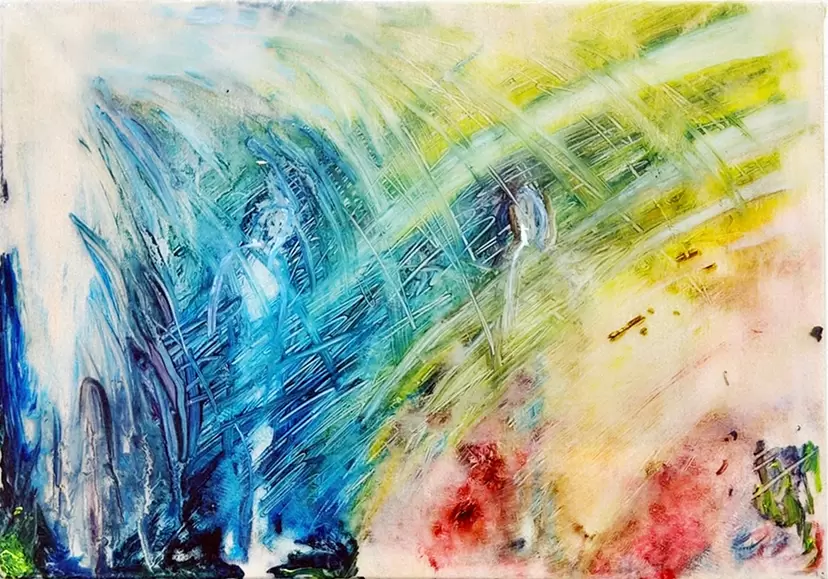
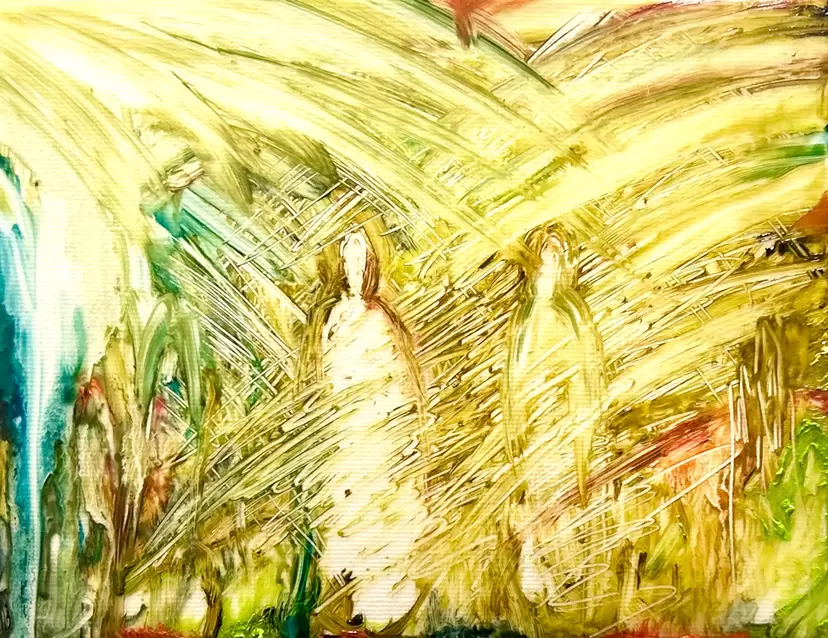
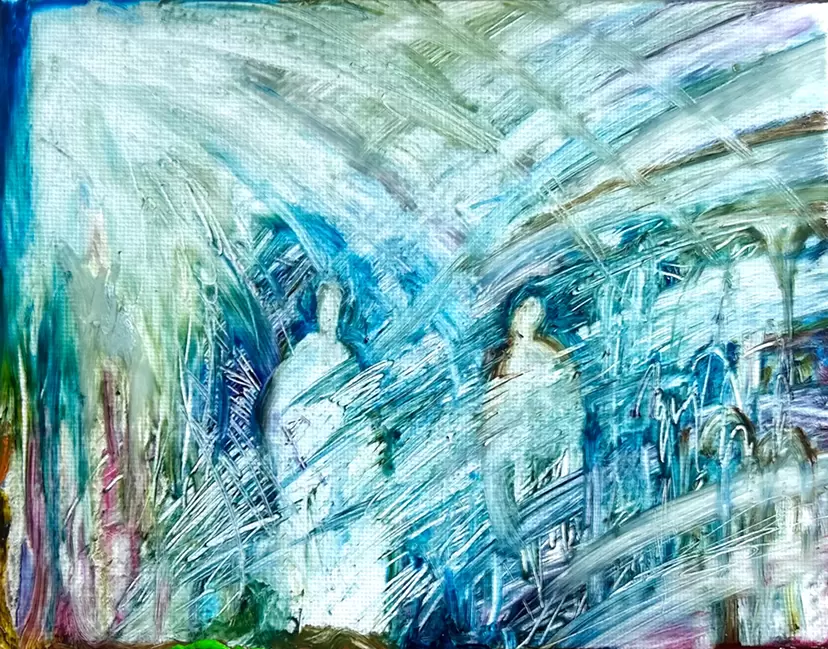
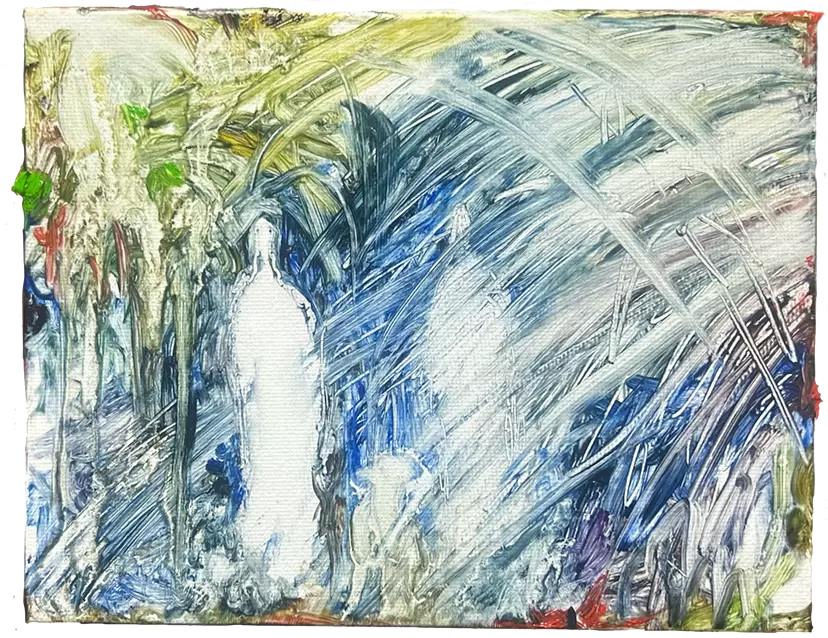
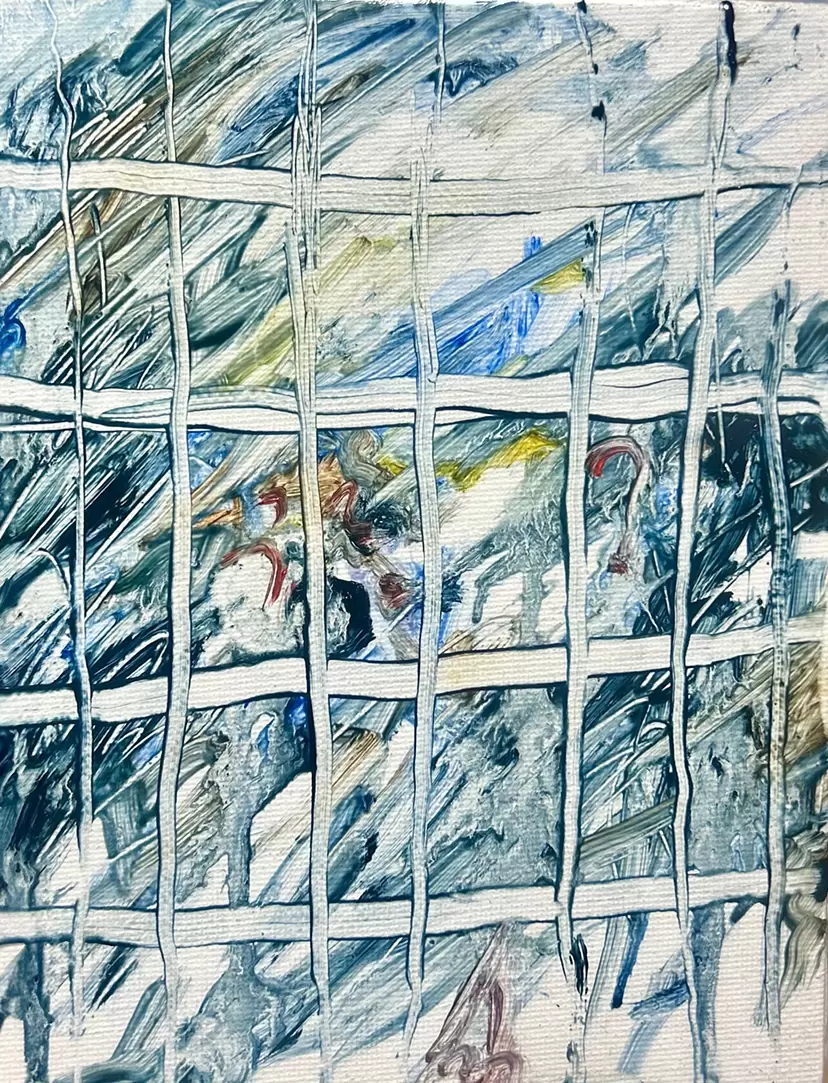
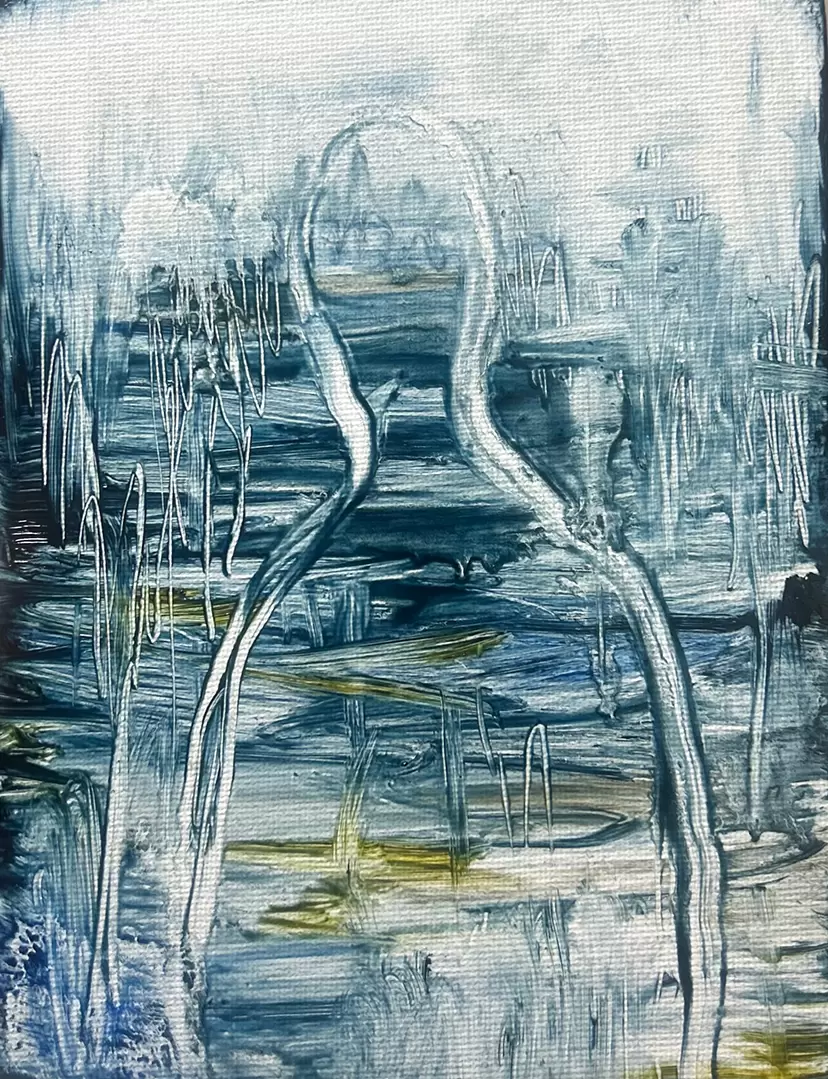
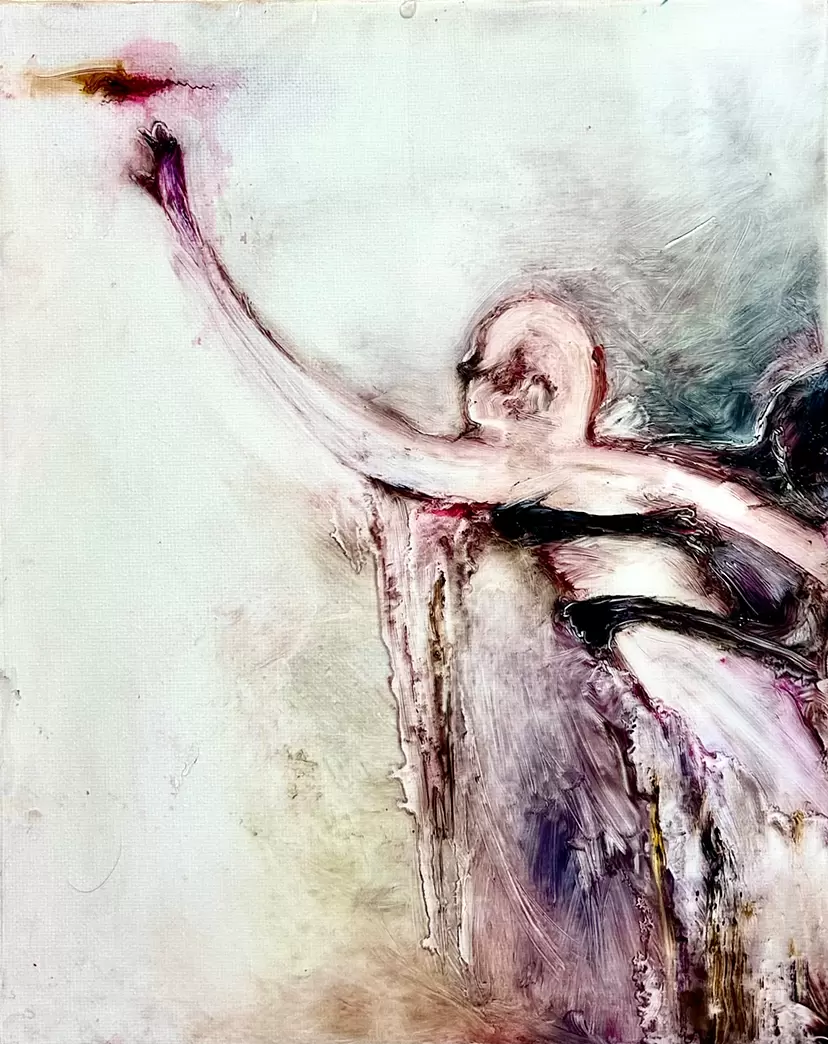
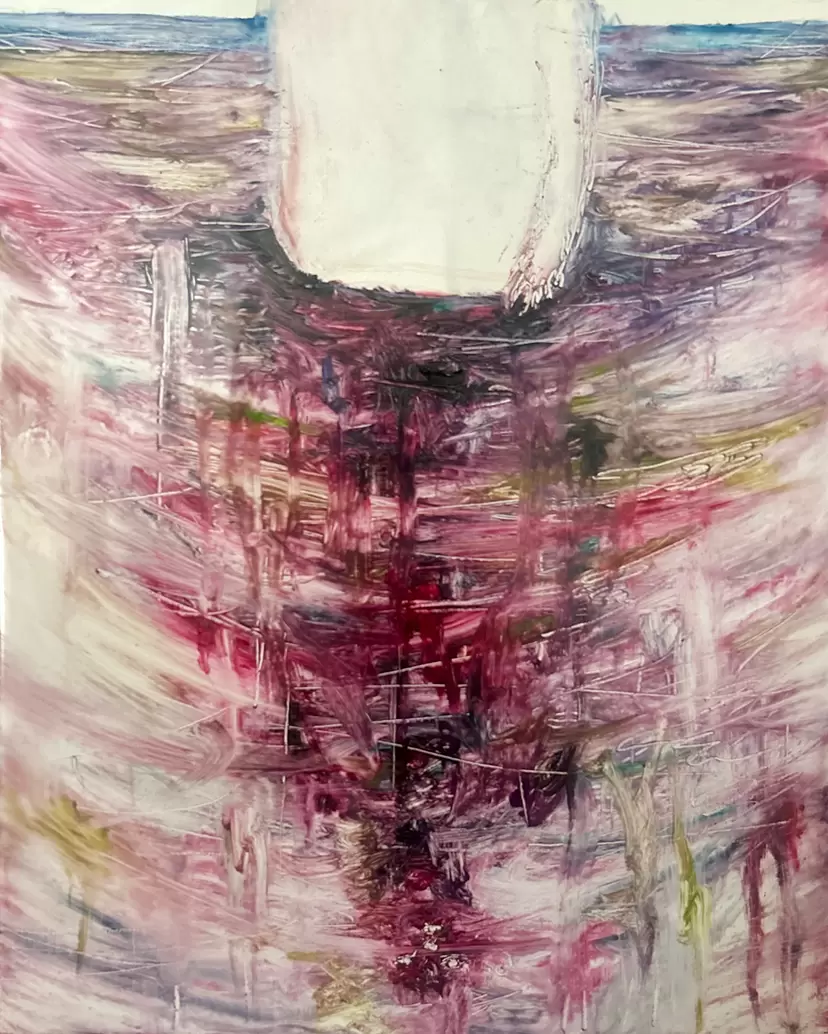
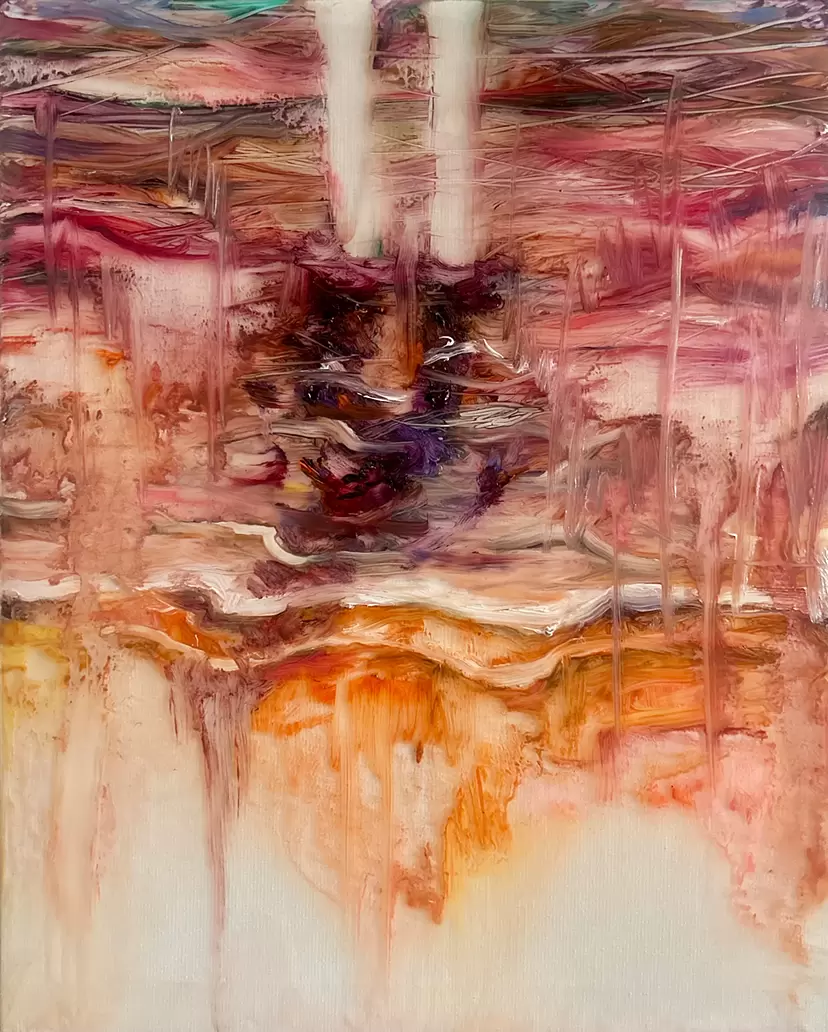
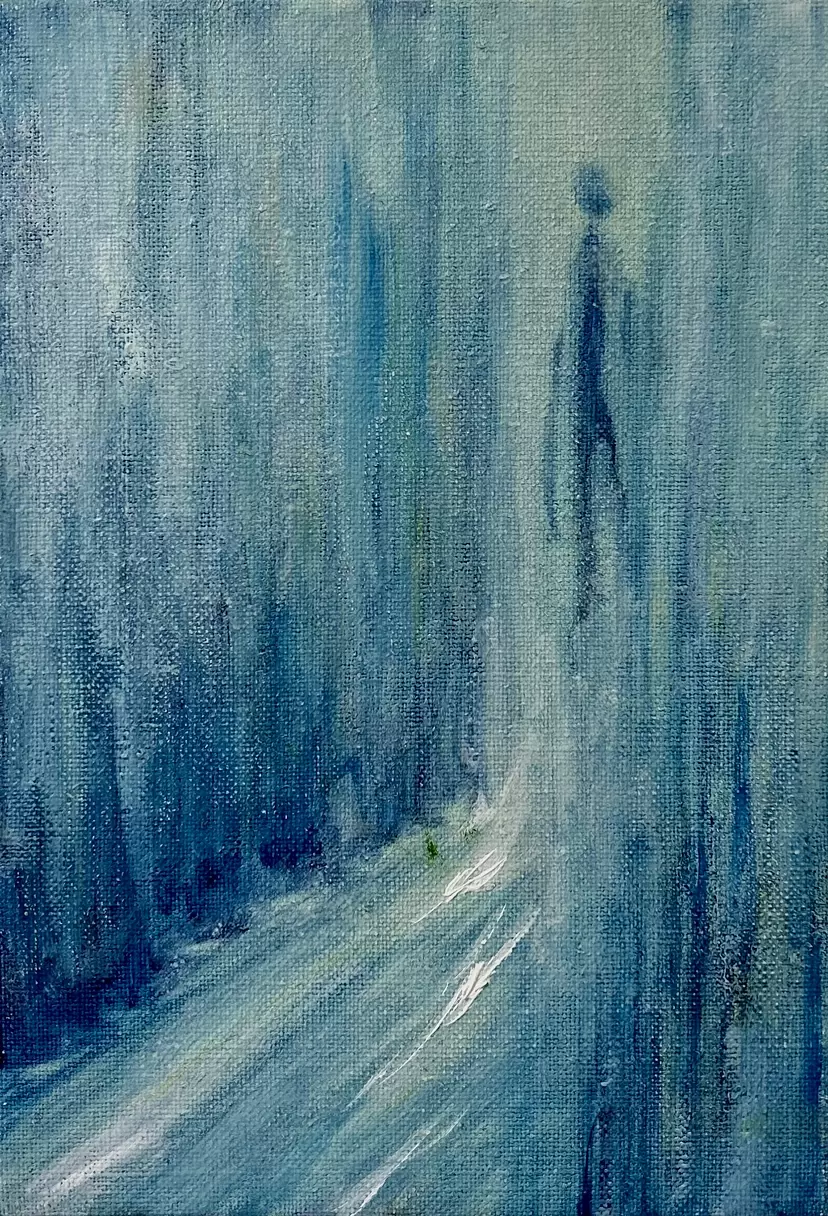
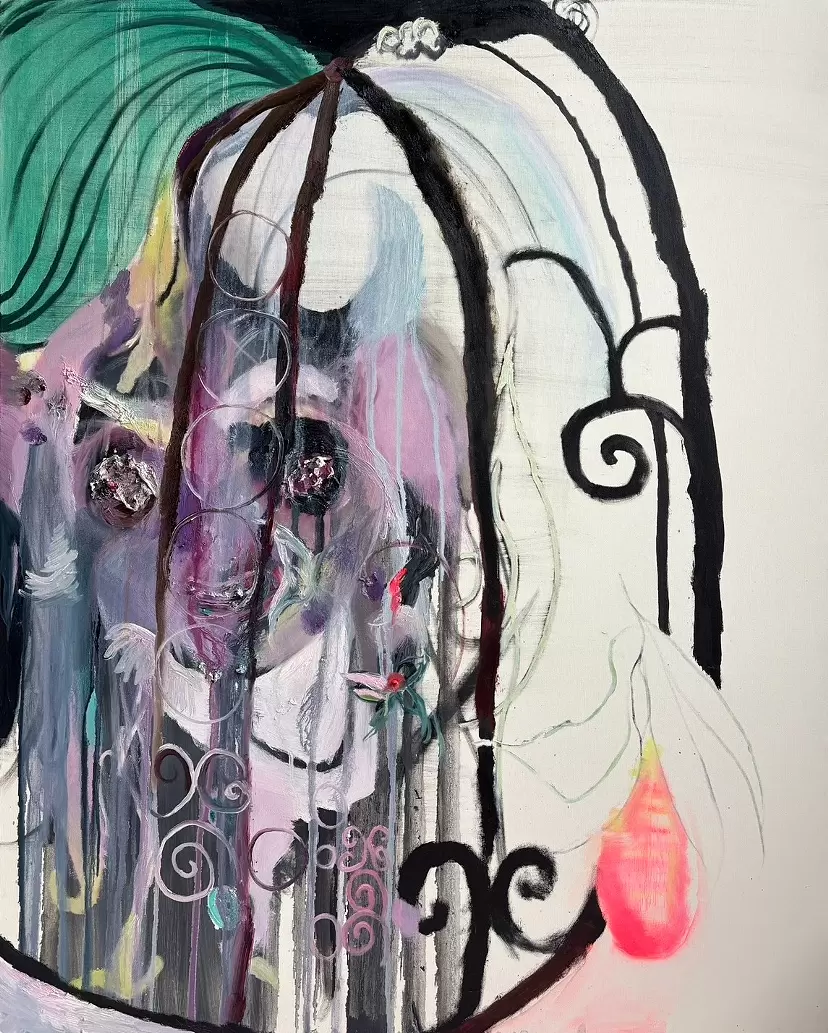
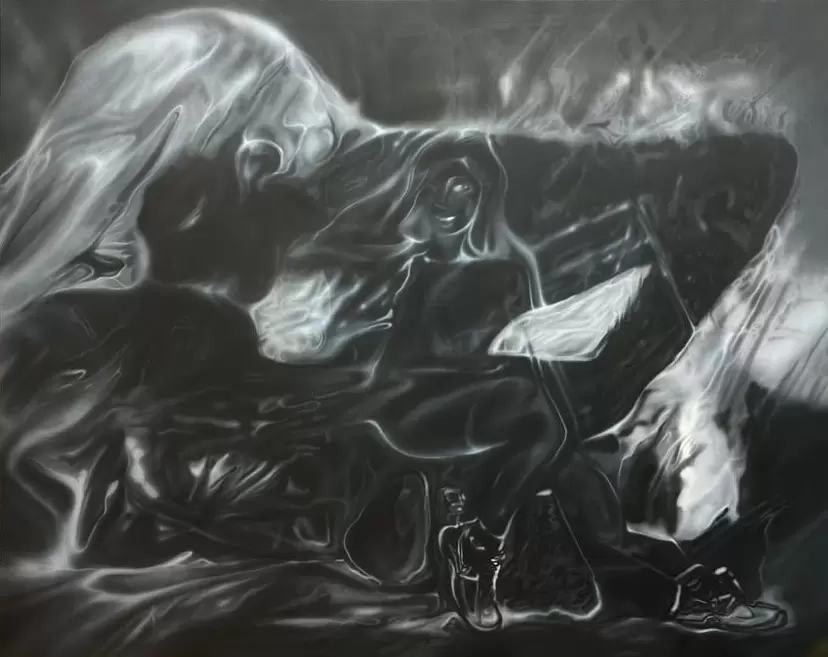
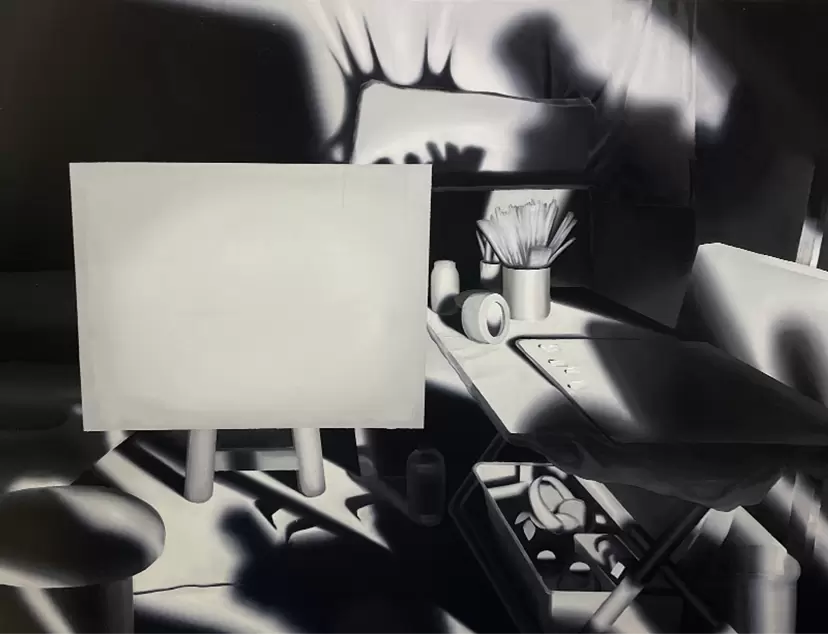
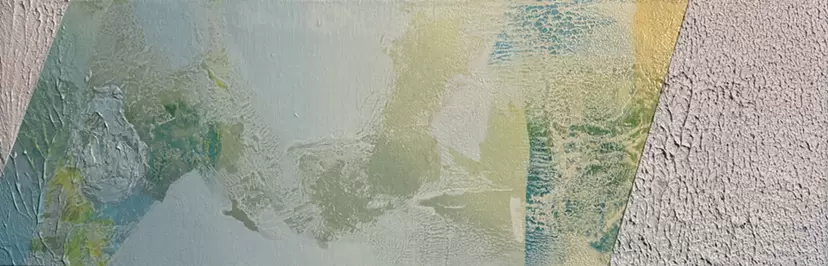
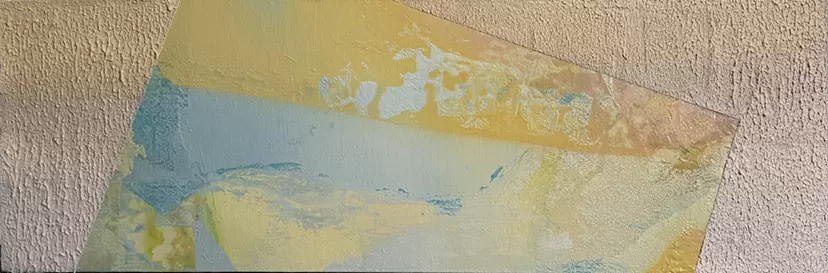
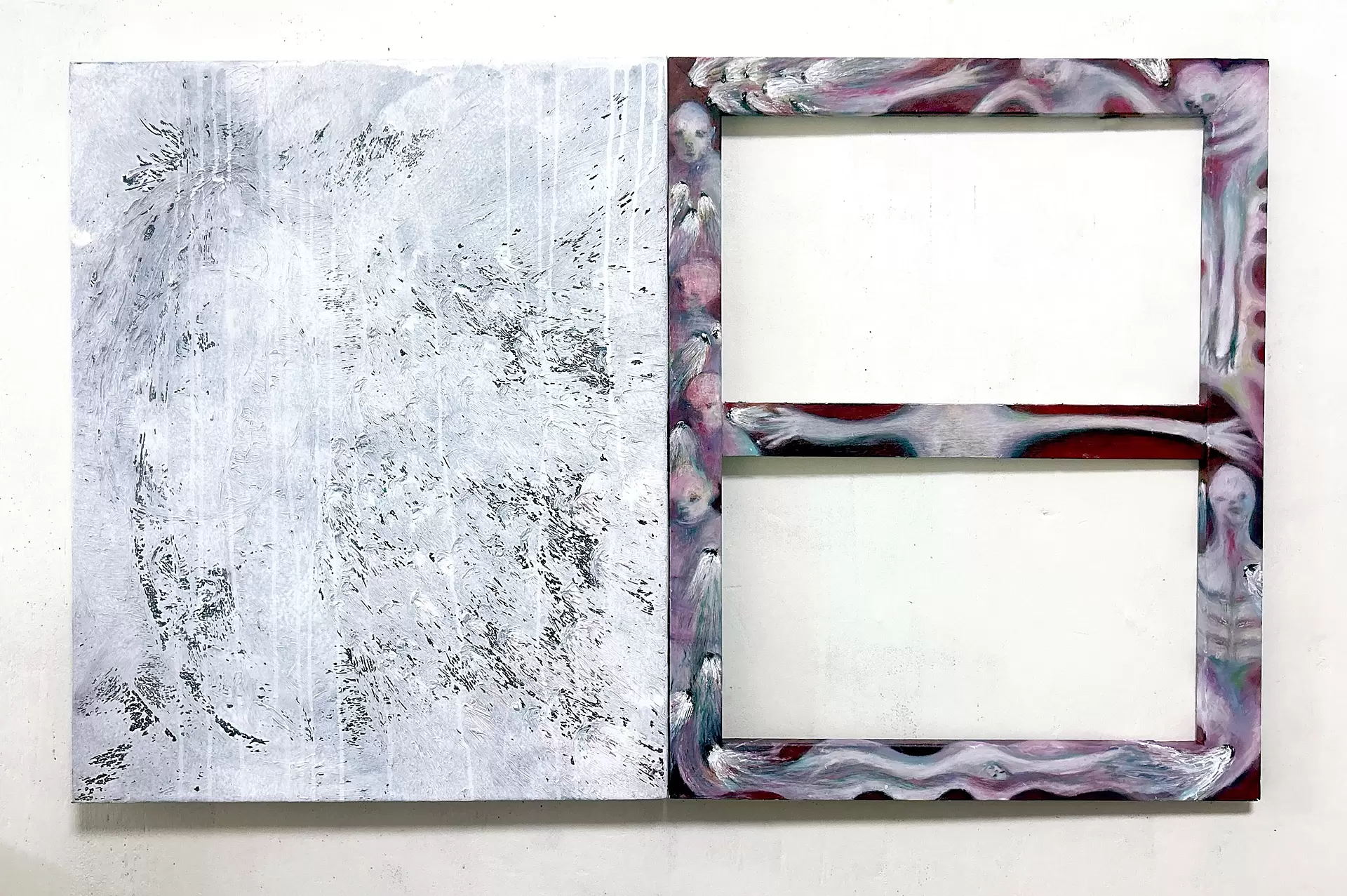
《かつて死は救済ではなく、それは今もなお》は、過去作である《死は救済じゃない》をペンキで塗り潰したキャンバスと、かつて描かれていた絵を再解釈しながら木枠へ描画した組作である。支持体に逆説的な役割を持たせながら、物質である絵画は表面を剥奪されたとしても死ぬことはない特性と、不変な死生観を重ねて表出化する試みである。
キャンバスの上からペンキを塗布することで、逆にマチエールは強調され、ペンキが弾いた部分からは色が垣間見えるため、完全なる死は遂行されることはなかった。
この作品は「一度存在したものは消え去らない」という思想を反映し、非可逆な時間の中で生き続けるものの不可避な痕跡を示唆する。
私たちは、すべての記憶を鮮明に留め続けることは不可能である。しかし、一度生まれたものが完全に失われることはないのだと、本作で示したい。そうして、流動的に失われていくことにおける不条理を、私たちは今、受け入れる覚悟を持たなくてはならない時なのだと思う。
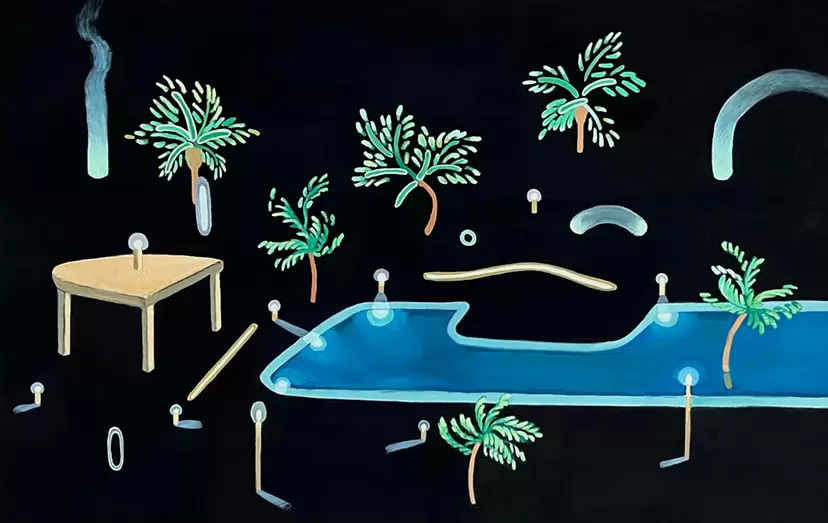
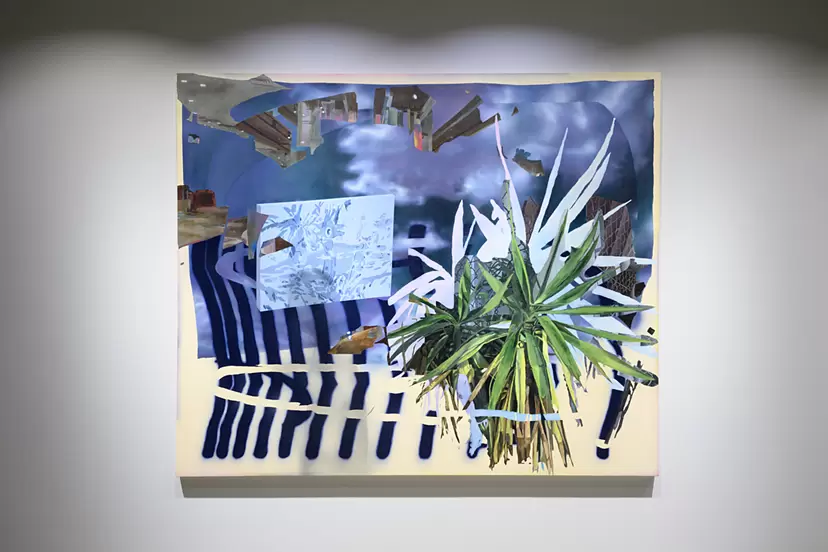
塗り潰される前の《死は救済じゃない》
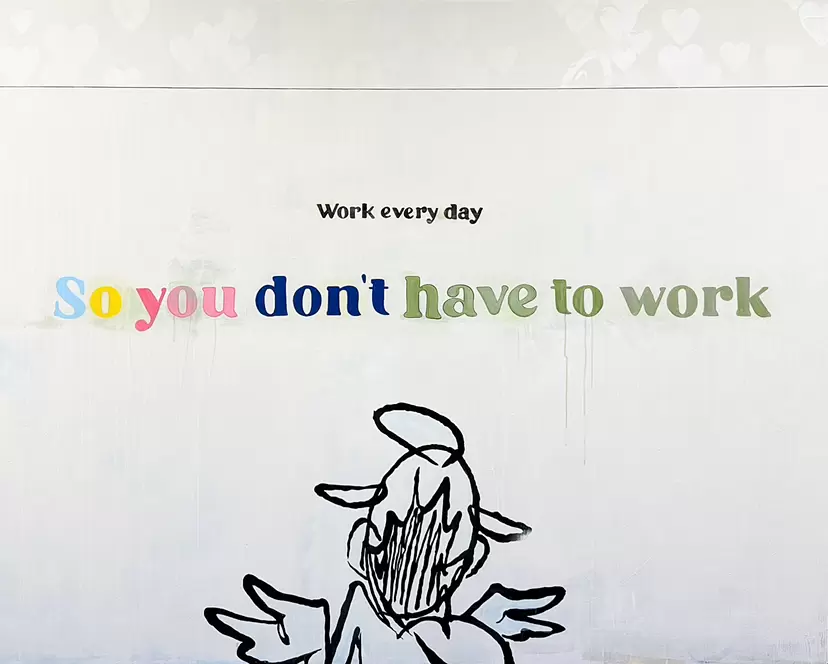
untitled(剥奪される救済)
ペンキで塗りつぶした《死は救済じゃない》は、《untitled(剥奪される救済)》として、個展「じゃあ、いくか?/ああ、行こう。/ふたりは動かない。沈黙。」にて展示しました。
購買方式

這件作品可供購買。
USD 859
*顯示的為匯率換算的參考價格。結算將以日元進行。
購買作品時是否有需要幫助?

加入等候名單
加入等待名單,以便在有作品可供購買時收到通知。
在線諮詢
專業藝術顧問在這裡協助您購買作品。如果您對推薦的作品有任何疑問,或者您在購買時遇到任何問題,歡迎使用在線諮詢。
藝術家
Artist
Momoka Kawashima’s practice begins with the question: “Is it possible to continue loving another who no longer has a physical presence, even after a loss has occurred?”In her work, the figure referred to as “you” initially emerges as a name for a particular individual whom she is unlikely ever to meet again, but gradually comes to embody the totality of those who have been lost. How does their absence remain within us, and how does it continue to transform? Through painting, installation, poetry, and text, Kawashima attempts to give form to the transformation of memory as an indeterminate entity.In Archive Fever, Jacques Derrida points to the paradox that “memory loses its essence in the process of preservation.” This structure is deeply connected to Kawashima’s practice. The act of attempting to remember or record “you” simultaneously contains the possibility of transforming, or even losing, that very essence. Yet she regards the act of continuing to confront this contradiction itself as one form of loving.Her textual practice is likewise grounded in the finite nature of dialogue and repetition between “you” and “I.” By translating her own words into paintings and installations, she considers the impossibility of fully crossing between language and the nonverbal as a “slippage in translation.” By repeatedly moving back and forth between language and the nonverbal, this slippage may at times be filled in, and at other times expand. She continues this process until the shifting nature of the translation itself becomes a representation of the absence of “you.”In recent years, Kawashima has increasingly chosen semi-transparent to transparent materials, such as fire-resistant and security films, as supports for her paintings, in order to trace the contours of others held within memory. These materials are associated with survival and protection—materials placed in the hands of those who choose to survive. The appearance of her works changes according to the position of the light source, and no work ever retains exactly the same appearance. Such changes evoke a way of being that continues to transform for as long as one continues to choose survival. At the same time, the technical contradiction of layering oil paint, a combustible material, onto a fire-resistant support reflects the contradiction inherent in the very act of continuing to depict “you.”Despite carrying this paradox, Kawashima continues to give form to the absence of “you.” The more she attempts to preserve “you” as something tangible, the more the work ceases to be “you” itself. And yet, by continuing to name it “you” within her work, she wishes to continue believing in “you” as an irreplaceable presence.
查看藝術家信息