

1件作品的販售開始了


over 1 year ago
artists, painters, contemporary artists,
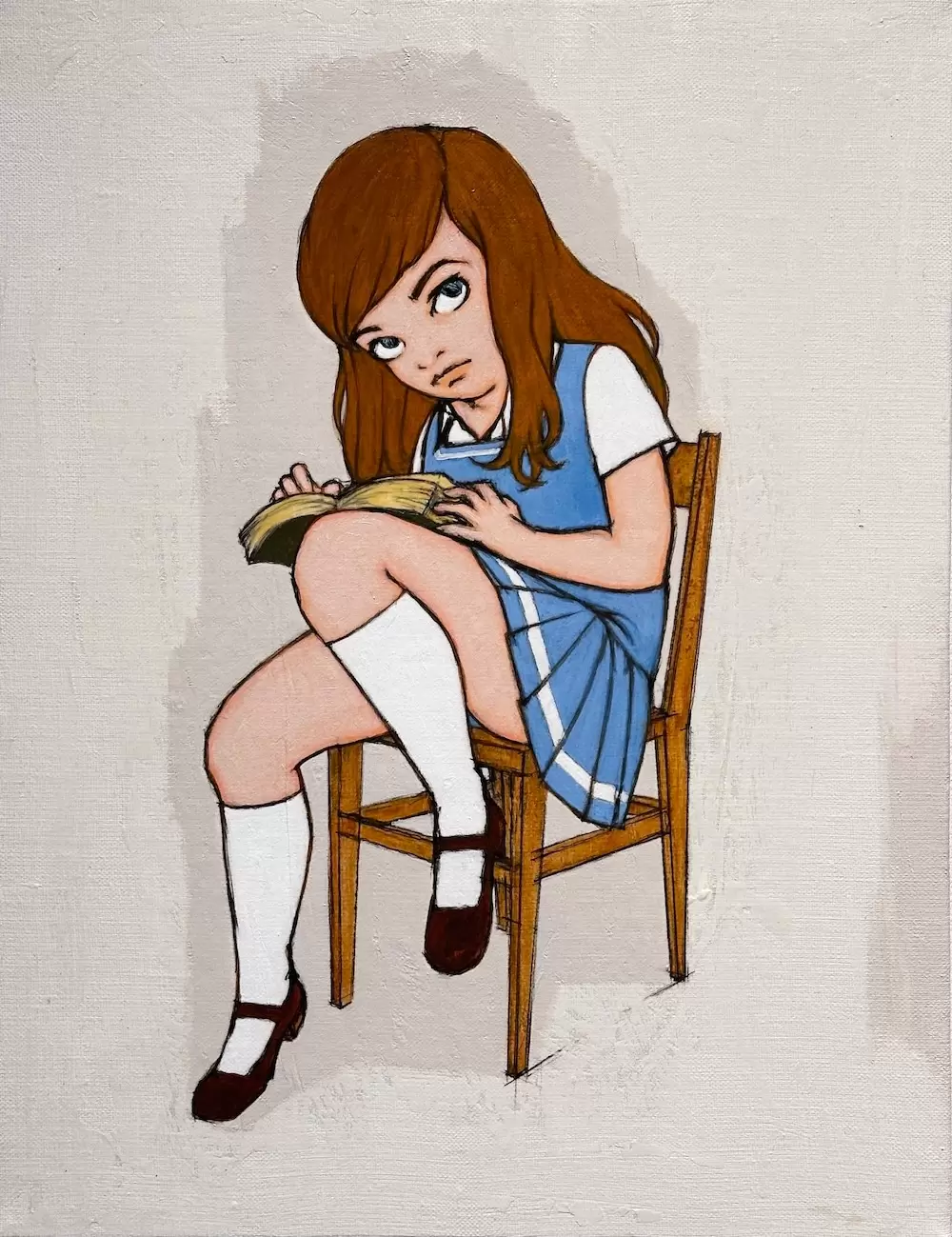
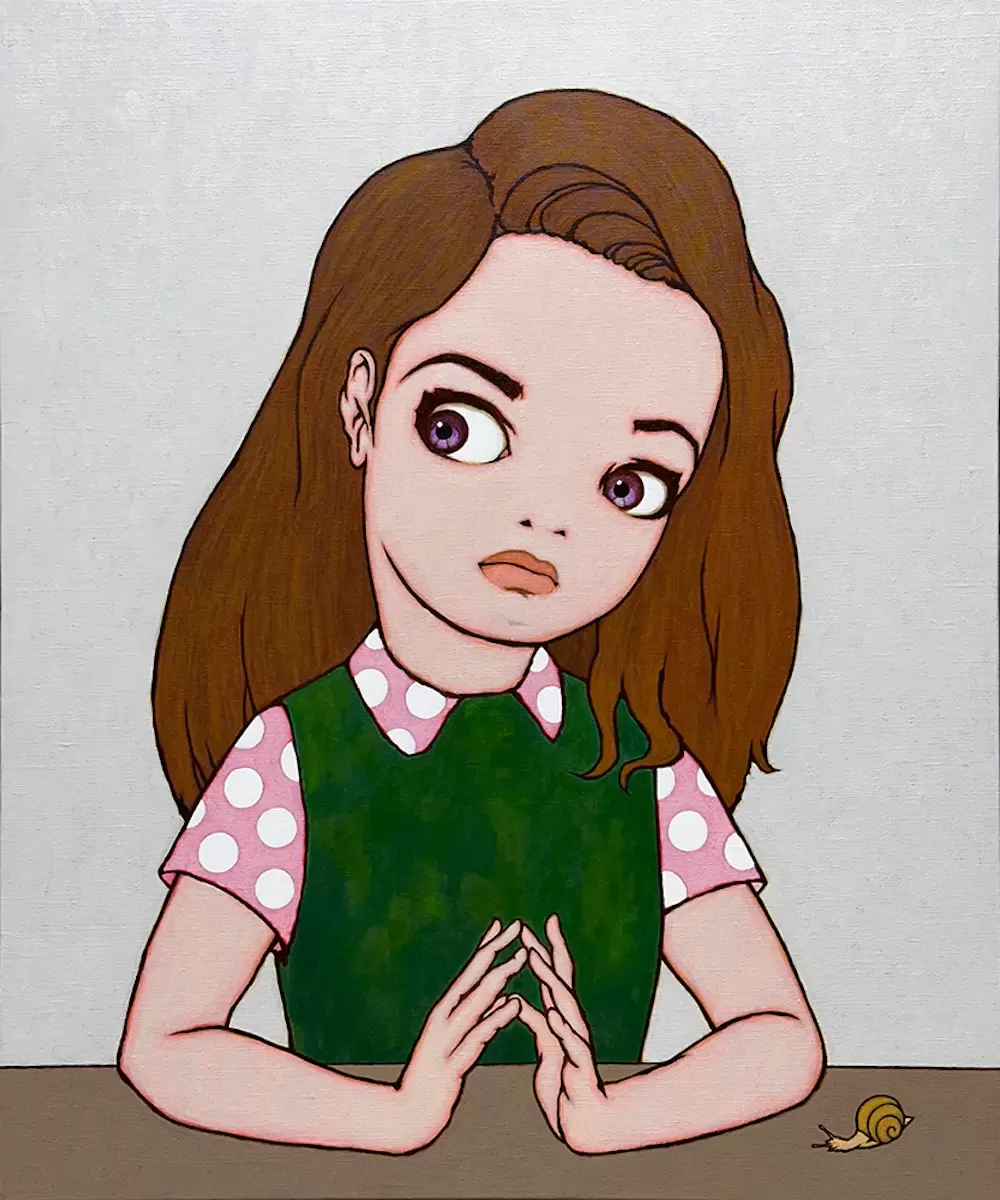
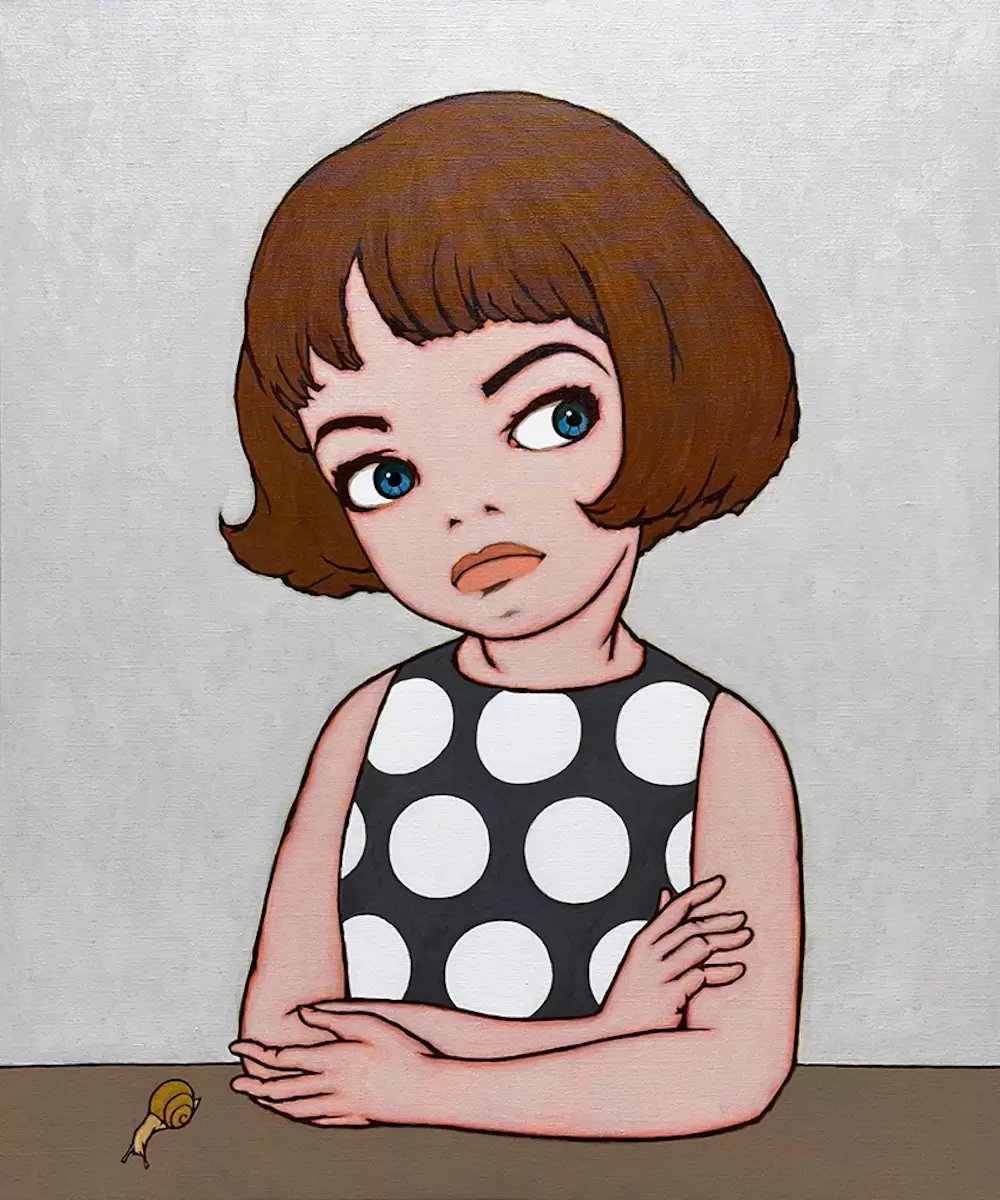
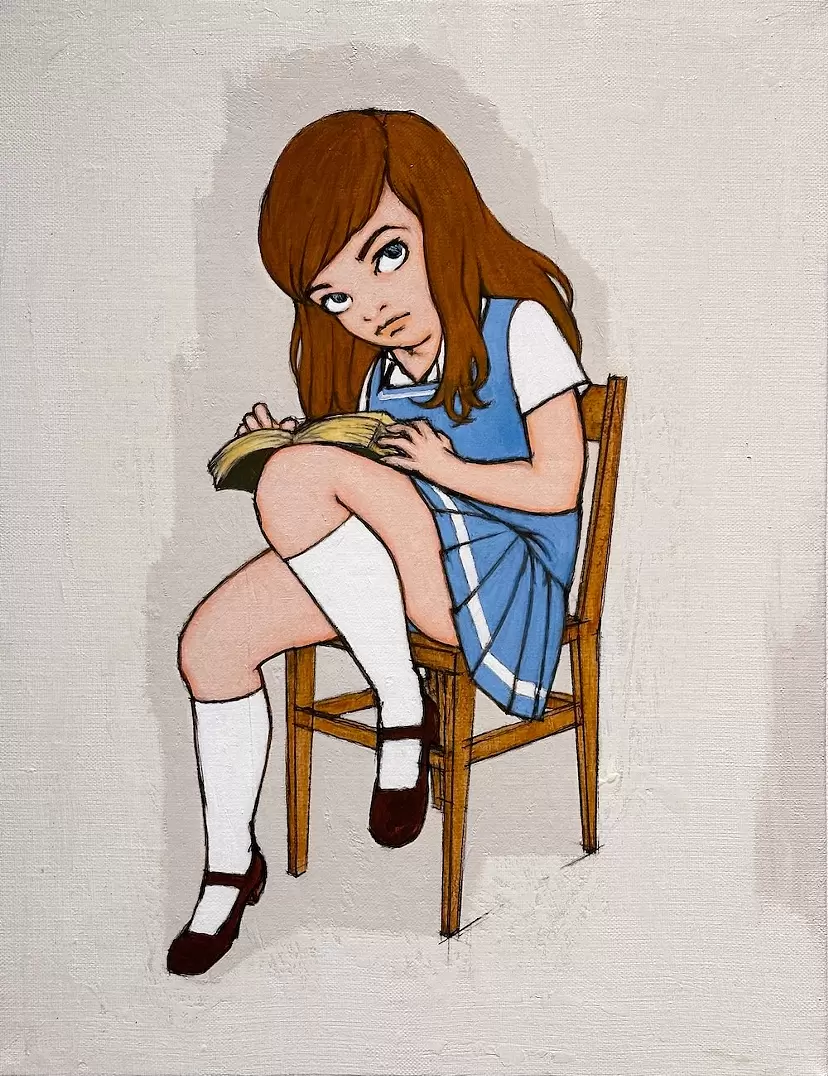
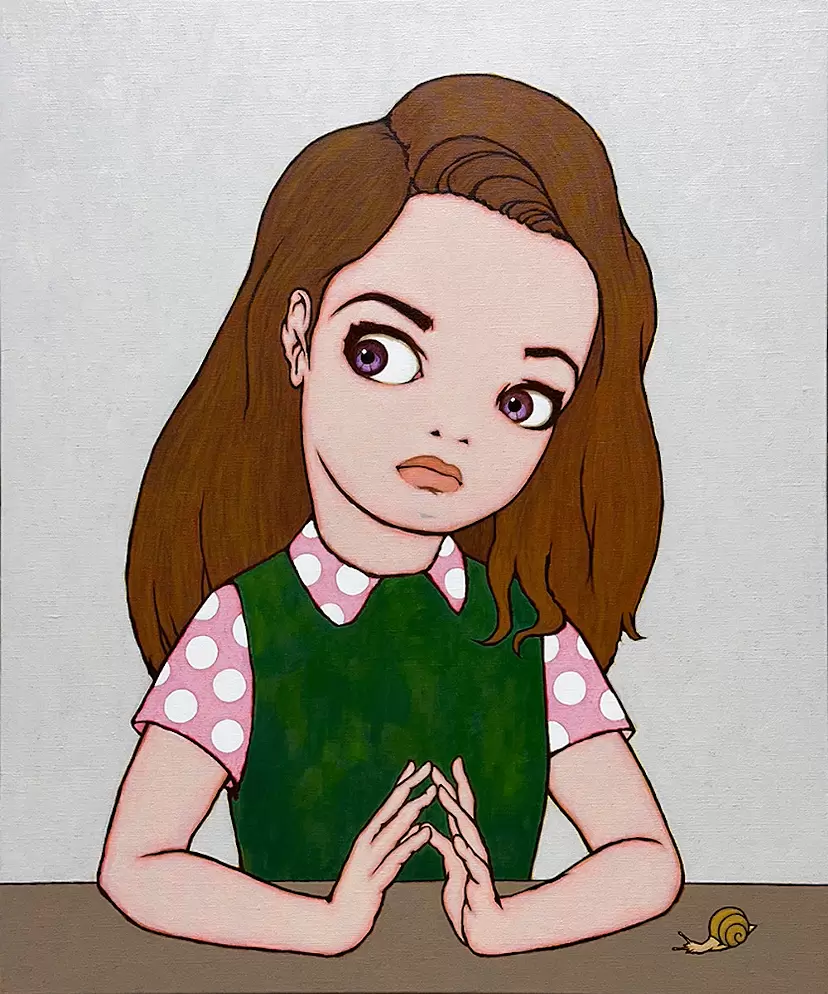
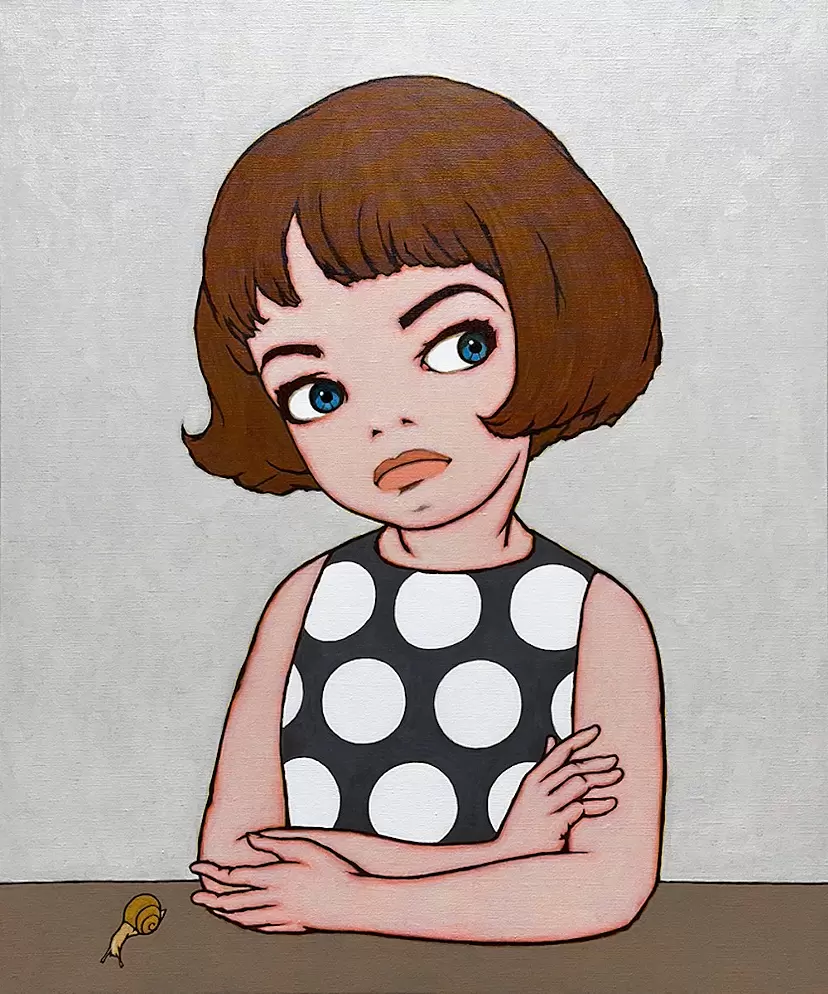
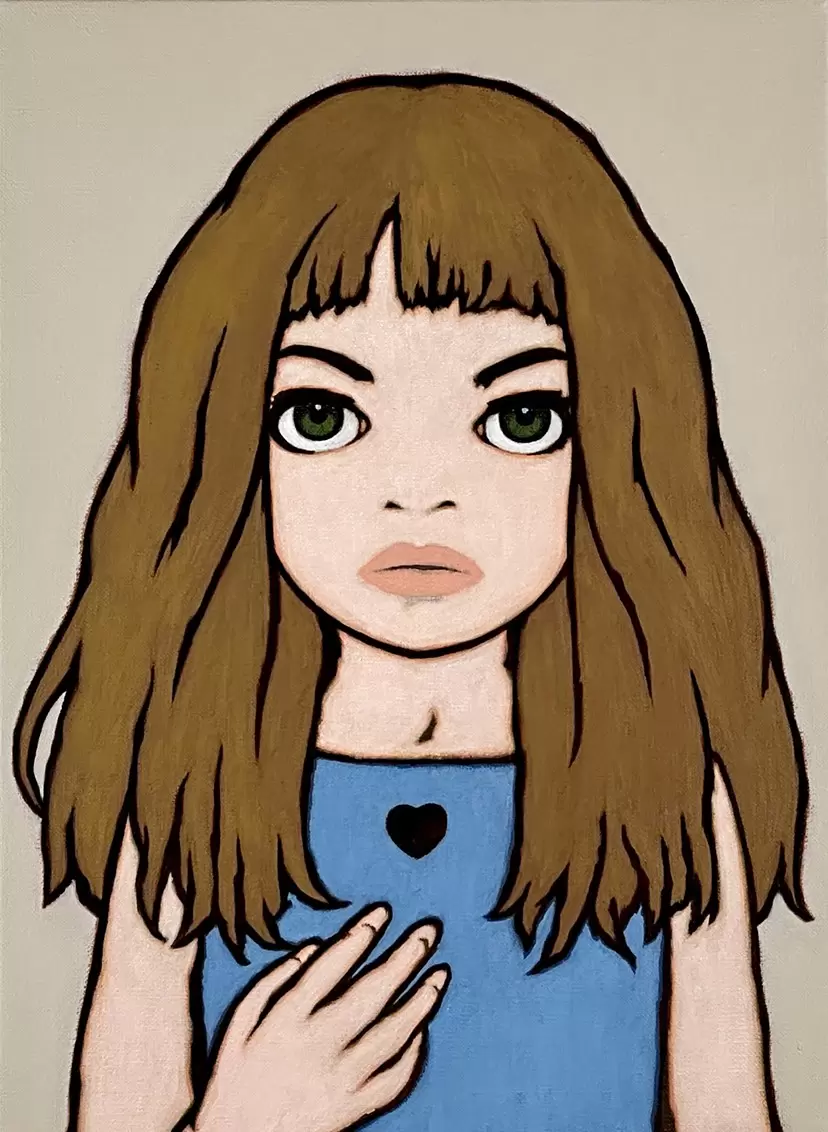
Gallery Dalstonにて、「Faceー表情から読み解くー」を2025年5月6日(火)から6月1日(日)まで開催中です。
ArtStickerでも販売しておりますので、ぜひご高覧ください。
antakanta
artists, painters, contemporary artists,
artists, painters, contemporary artists,
Antakanta is a work based on the themes of “freedom and loneliness,” “life and death,” and “time and space,” and “one scene from a story that cannot be verbalized.” Paintings depicting boys and girls with abstract shapes as motifs evoke a strange, adorable, and worldview. I'm trying to redefine “line,” which is a primitive element of art, as a genealogy of painting history and redefining it as “neo-croismatism.” A challenge that transcends the boundaries between Western painting, Japanese painting, and contemporary graphics. I am continuing to create art works that are not images on a digital device screen, but certainly “exist” there.
Born in Tokyo
Hongo High School Design Department
Tamagawa University Faculty of Letters Department of Art
Antakanta is a work based on the themes of “freedom and loneliness,” “life and death,” and “time and space,” and “one scene from a story that cannot be verbalized.” Paintings depicting boys and girls with abstract shapes as motifs evoke a strange, adorable, and worldview. In 2015, an oil paint set given to me by my daughters drastically changed the fate of Antakanta, who had once moved away from art. While the same generation around them is protecting them, they immerse themselves in production so as to embody the phrase “no matter what age you are, if you have passion, you can challenge the world.” Since then, in just 10 years, it has achieved remarkable breakthroughs both domestically and internationally, such as winning the Minister of Education, Culture, Sports, Science and Technology's award at a domestic public competition exhibition and exhibiting in New York. In the modern age where there is a sense of blockage, his way of life strongly pushes the backs of his generation and gives them courage. Once upon a time in Shibuya in the 1980s, there is a one-of-a-kind expression that can only be released by adults who have realistically experienced the enthusiasm for pop art and new painting.
What he explores in expression is “line,” which is the most primitive element of art. “Cloisonism” is an expressive technique for breaking away from realistic illusions, presented by Bernard and Gauguin in the latter half of the 19th century. Antakanta is reinterpreting this “superiority of lines” as a genealogy of painting history from ancient cave paintings to ukiyo-e, modern comics, and street art to generative AI, and is trying to redefine it as a modern expression system** “neo-croism"**. It is a challenge that crosses the boundaries between Western painting, Japanese painting, and contemporary graphics.
By daring to use the classical Western technique of oil paint on canvas, we are trying to “recapture the materialism” of paintings consumed as “visual information (images)” on digital device screens.
1件作品的販售開始了
over 1 year ago
artists, painters, contemporary artists,
Gallery Dalstonにて、「Faceー表情から読み解くー」を2025年5月6日(火)から6月1日(日)まで開催中です。
ArtStickerでも販売しておりますので、ぜひご高覧ください。
1件作品的販售開始了
over 1 year ago
artists, painters, contemporary artists,
Gallery Dalstonにて、「Faceー表情から読み解くー」を2025年5月6日(火)から6月1日(日)まで開催中です。
ArtStickerでも販売しておりますので、ぜひご高覧ください。
1件作品的販售開始了
over 1 year ago
artists, painters, contemporary artists,
Gallery Dalstonにて、「Faceー表情から読み解くー」を2025年5月6日(火)から6月1日(日)まで開催中です。
ArtStickerでも販売しておりますので、ぜひご高覧ください。