


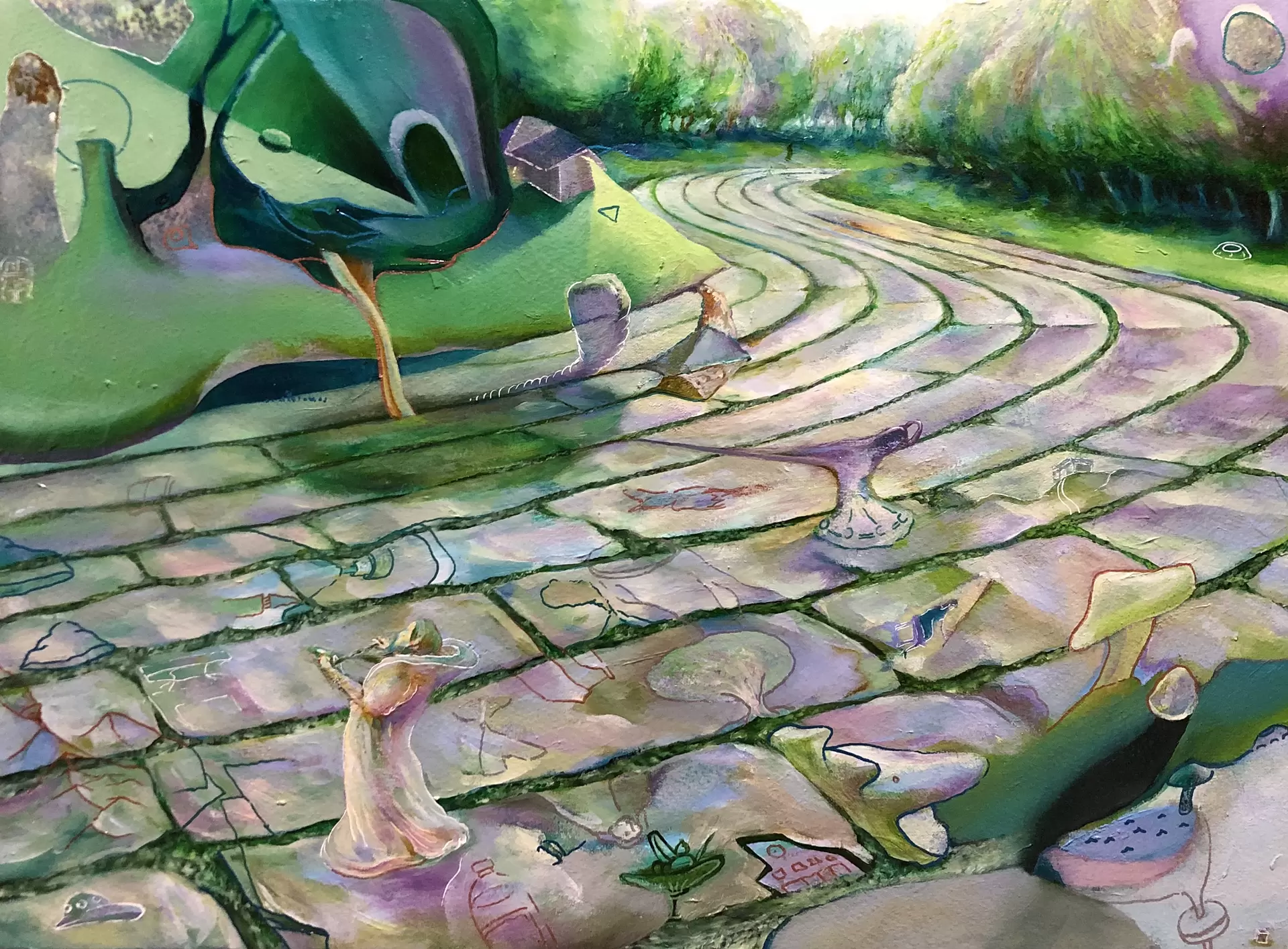
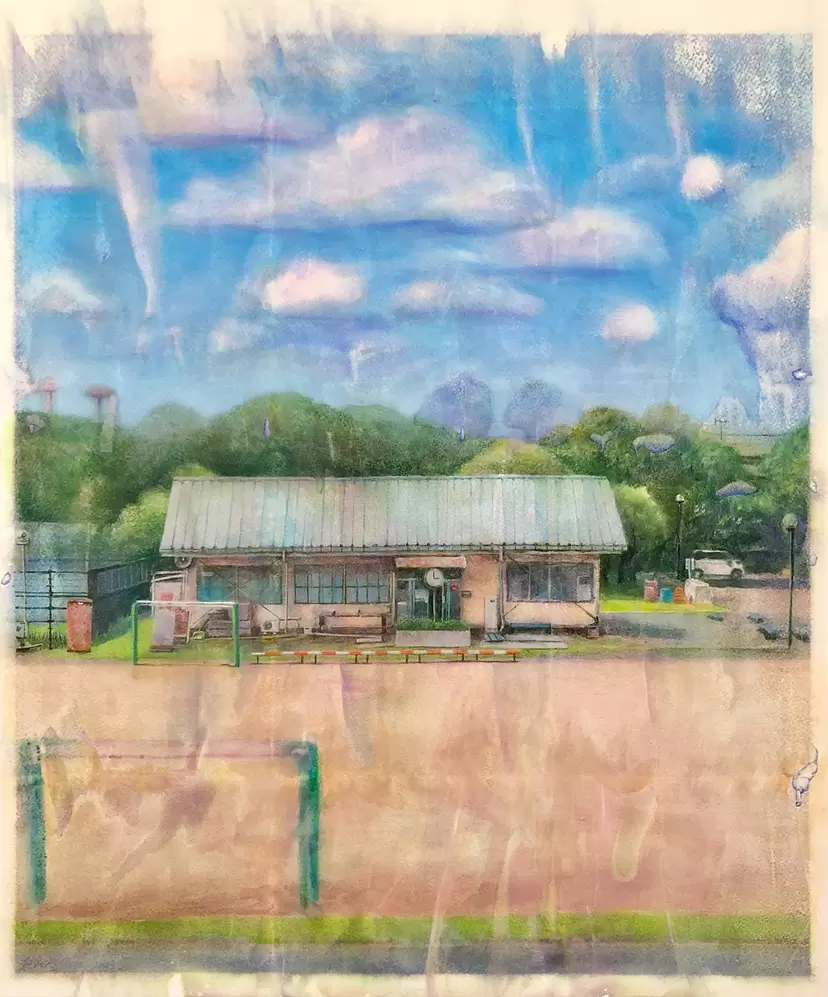
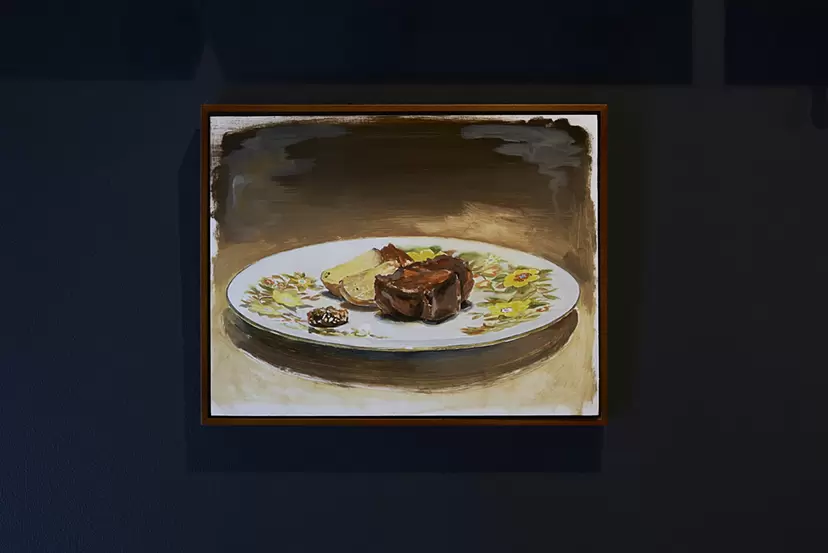
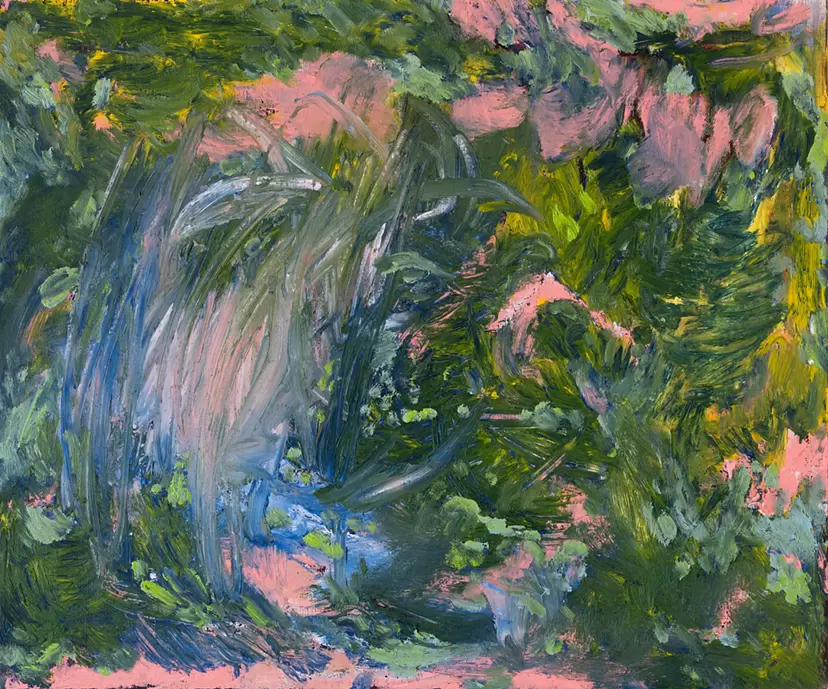
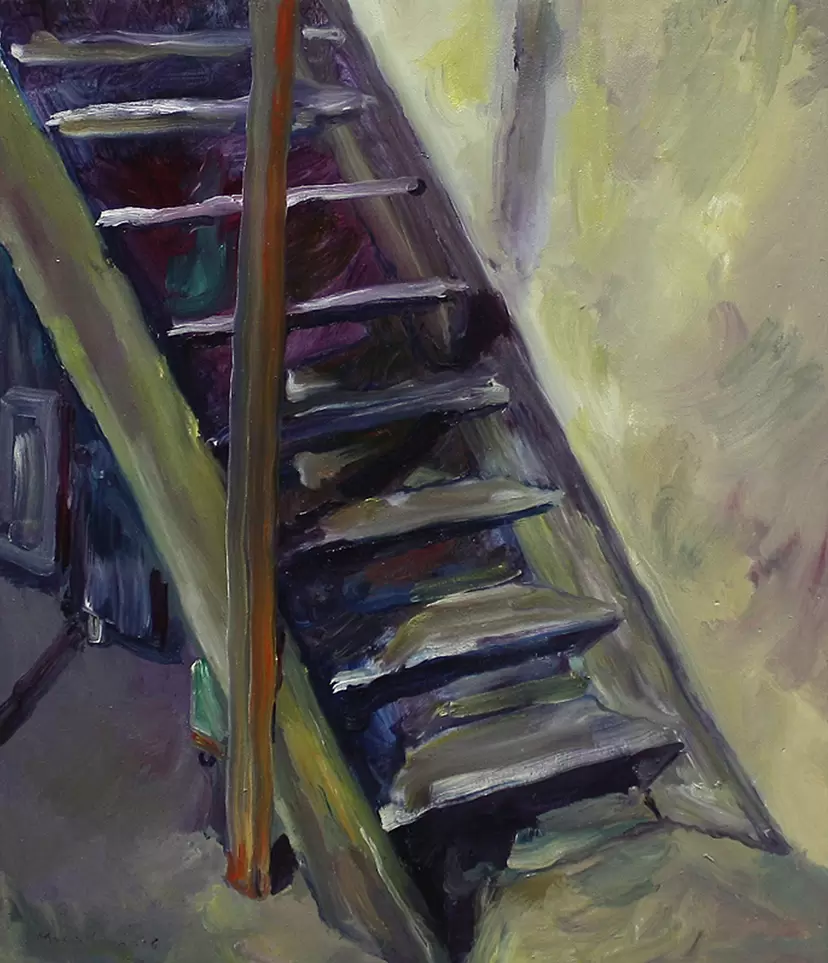
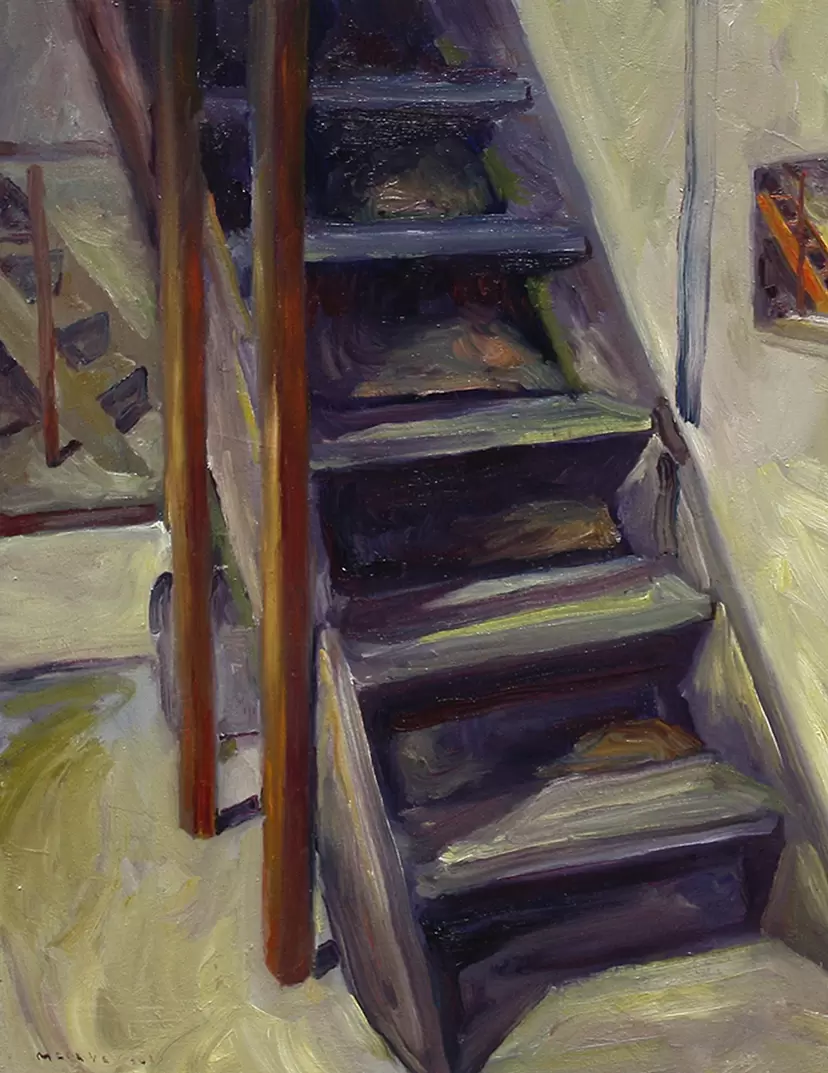
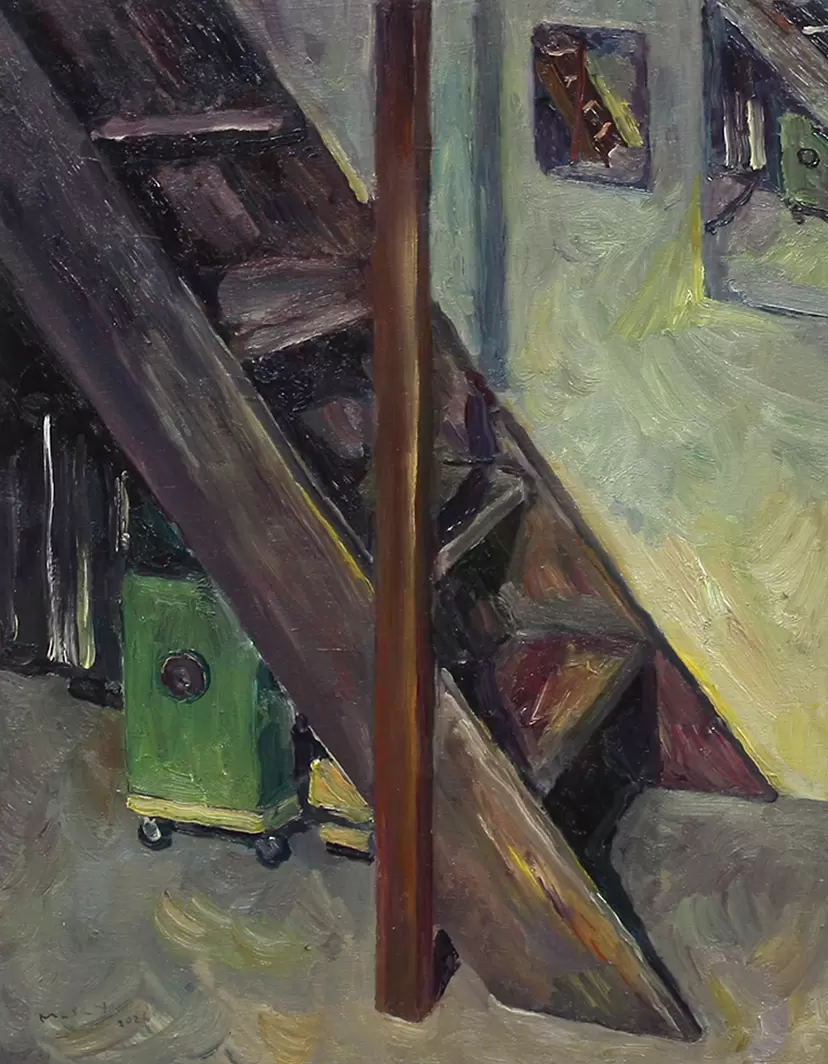
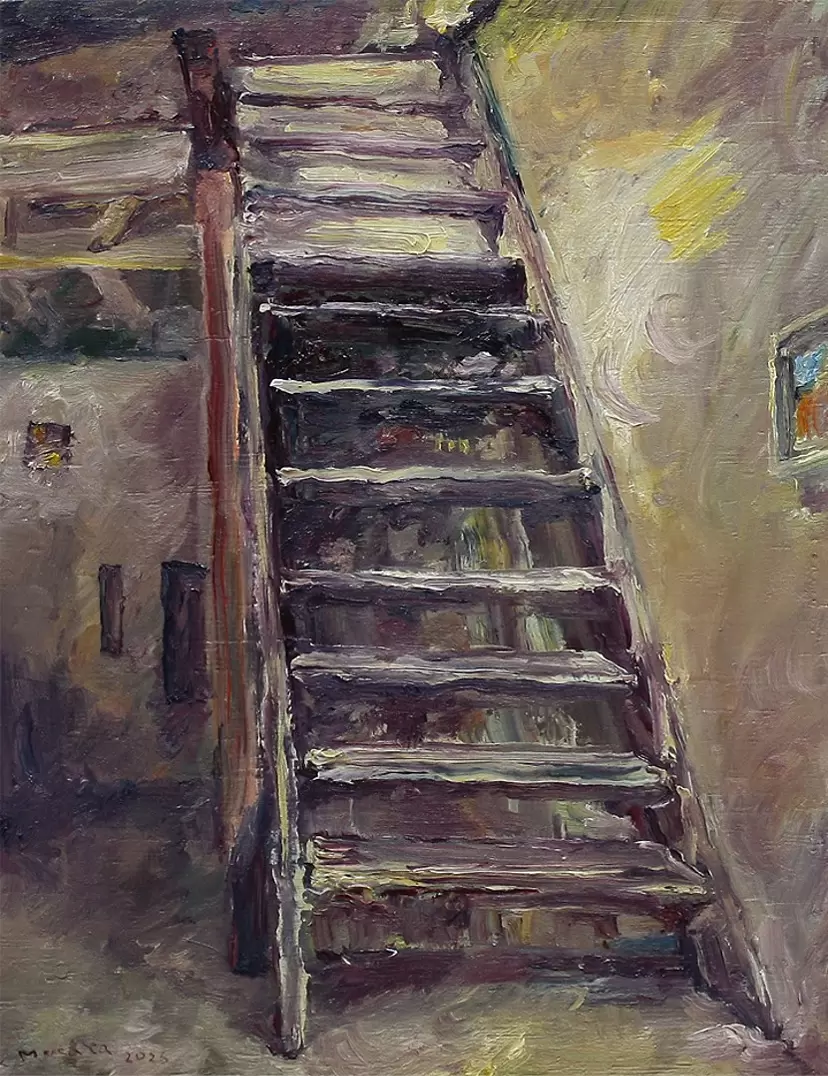
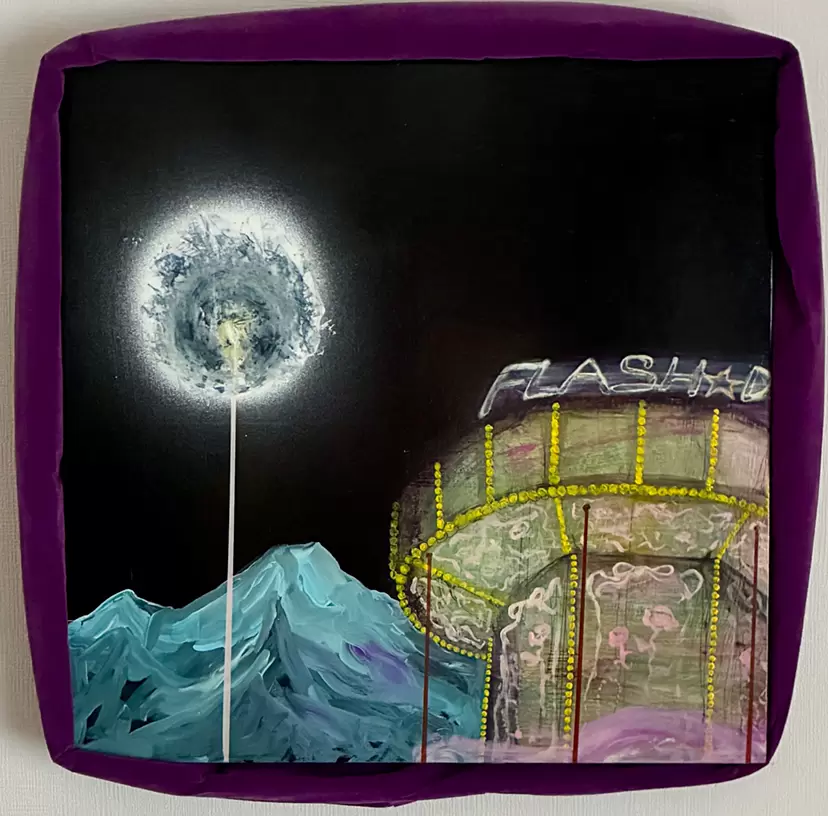
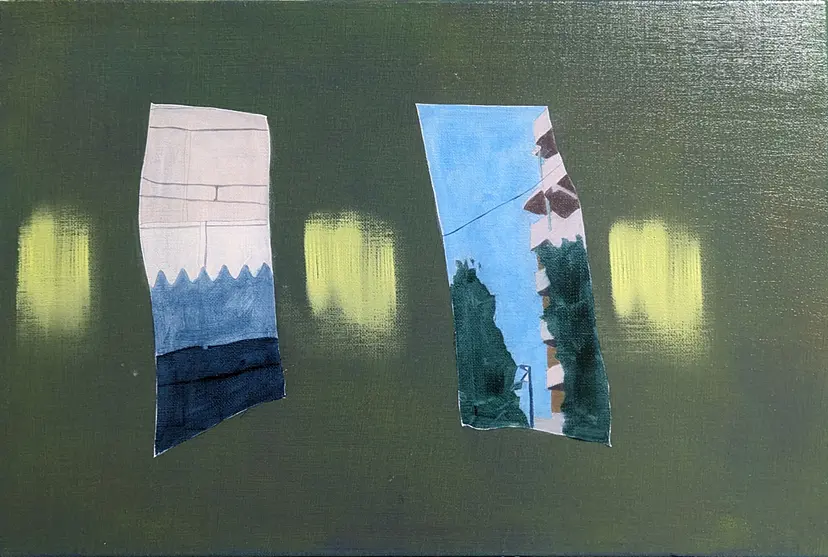
わさび農園
制作年份: 2023
材料或技法: 控制板, 油画, 其他的
尺寸: 33.3 × 45.5 cm
版本: 独特
签名:包括

关于作品
- 制作年份
- 2023
- 材料或技法
- 控制板, 油画, 其他的
- 尺寸
- 33.3 × 45.5 cm
- 版本
- 独特
- 签名
- 包括
- 画框
- 可协商的
- 作品证书
- 没有设置
- 艺术品分销商
- Masayuki Kawabata
- 发货区域
- 东京
- 发送前的天数
- 约3周
- 类别
- 绘画
作品详情
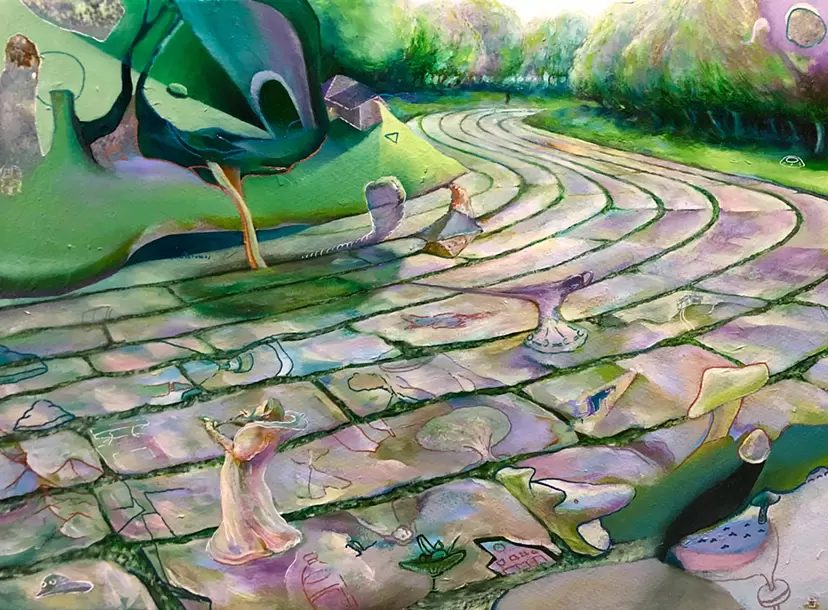
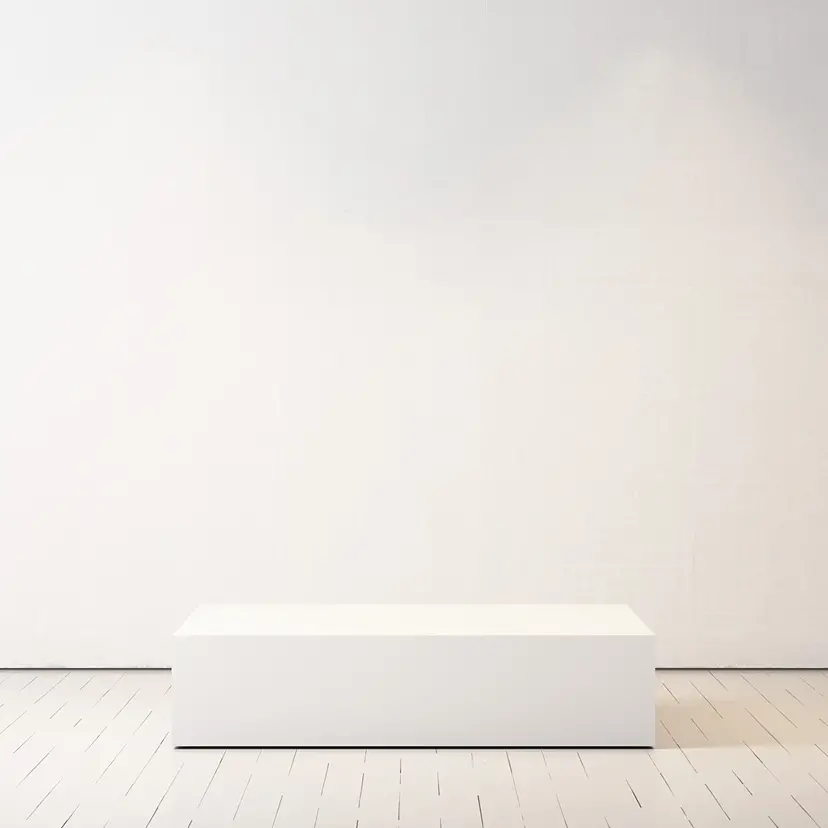
观赏摆饰在房间里的样子

购买方式

这件作品可供购买。
请询问
*显示的为汇率换算的参考价格。结算将以日元进行。
购买作品时是否有需要帮助?

加入等候名单
加入等待名单,以便在有作品可供购买时收到通知。
在线咨询
专业艺术顾问在这里协助您购买作品。 如果您对推荐的作品有任何疑问,或者您在购买时遇到任何问题,欢迎使用在线咨询。
艺术家
oilpainter/artist
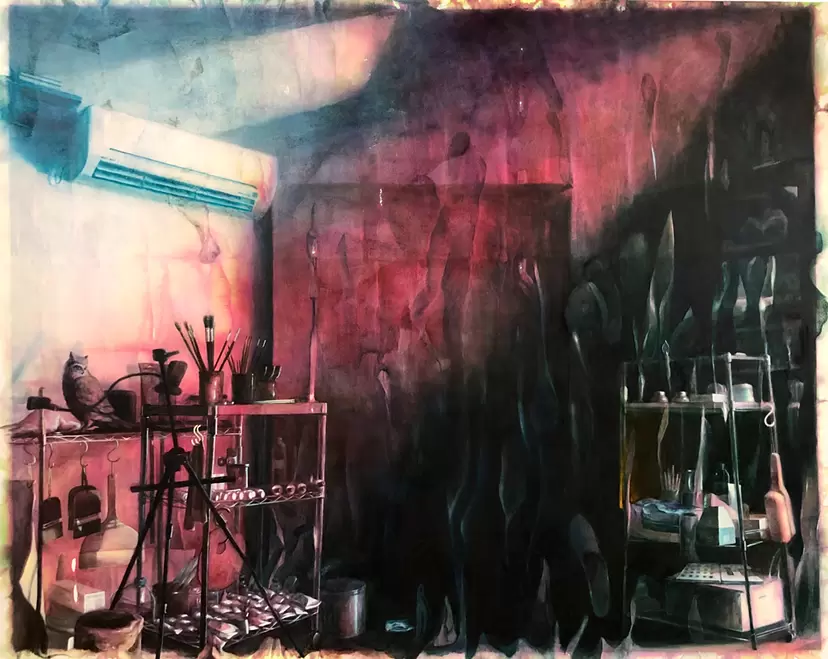
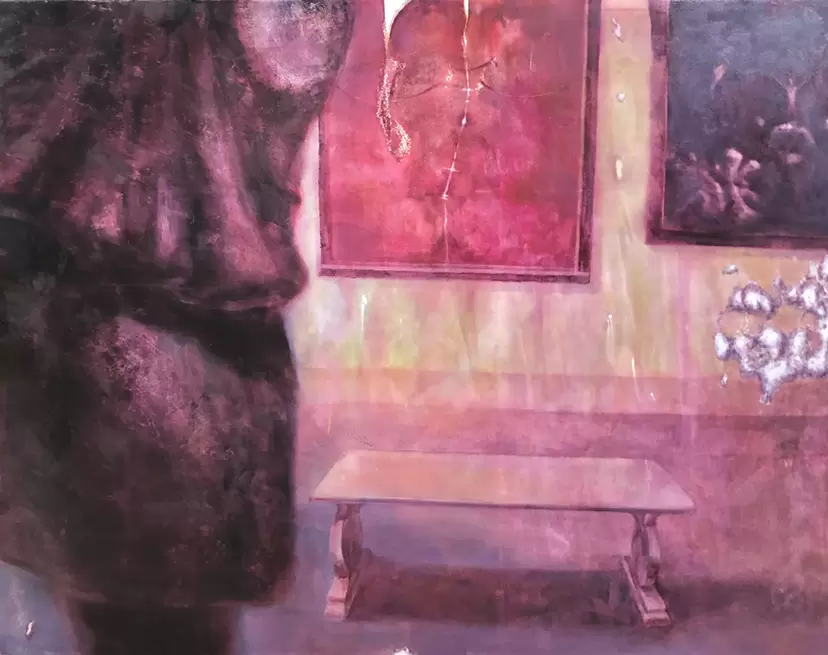
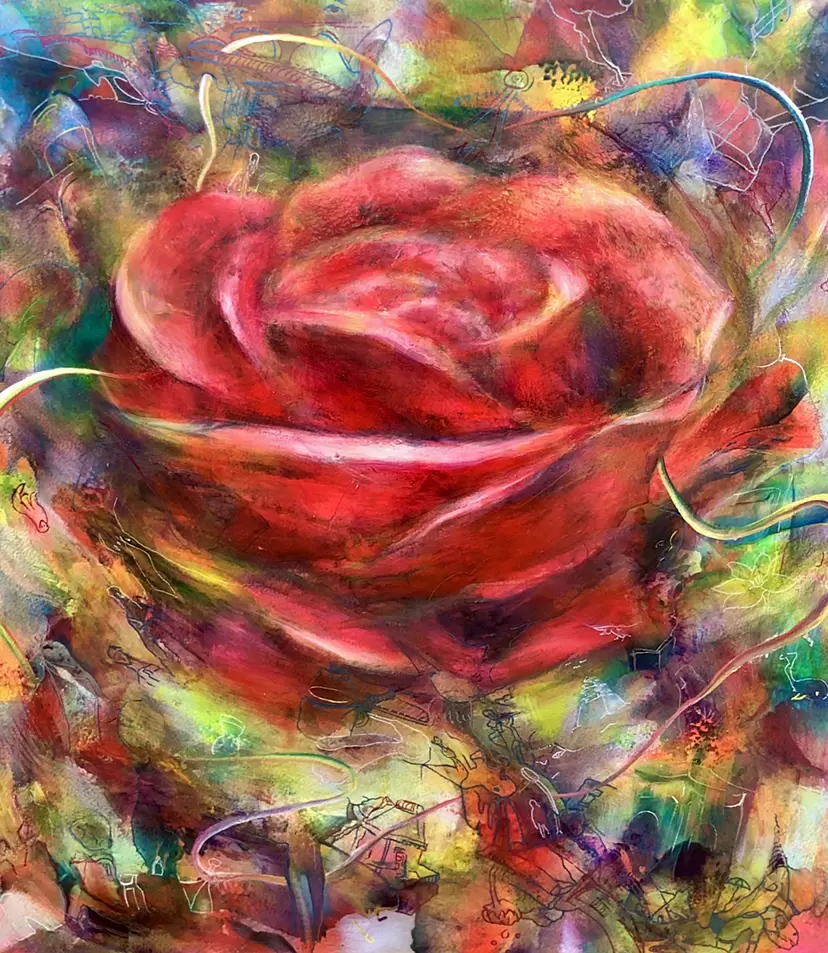
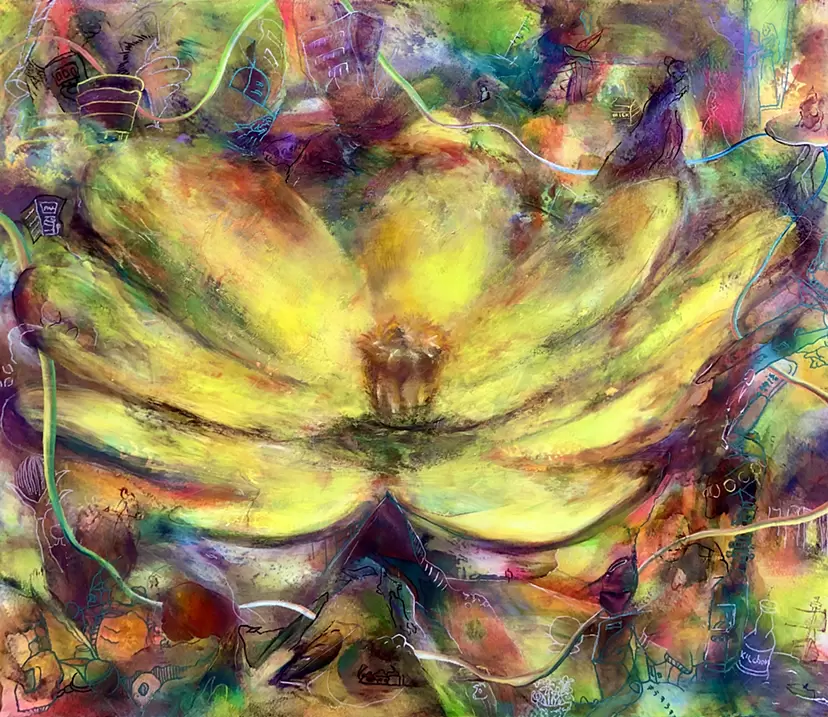
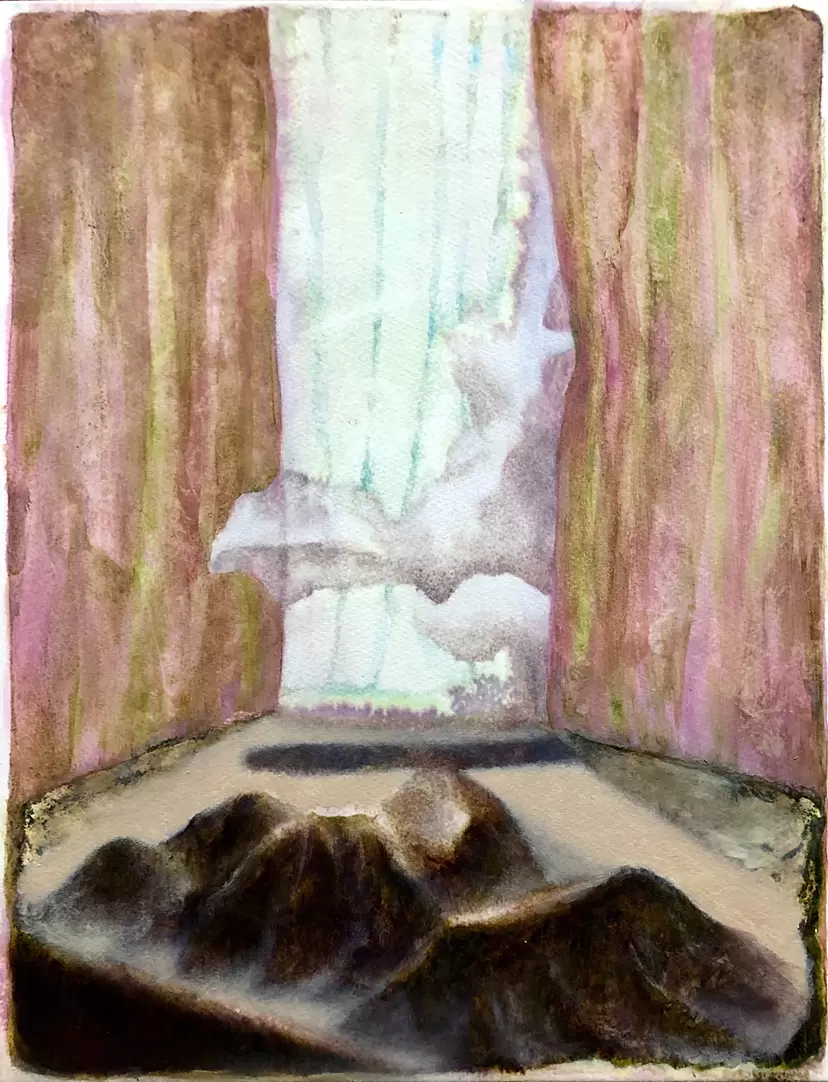
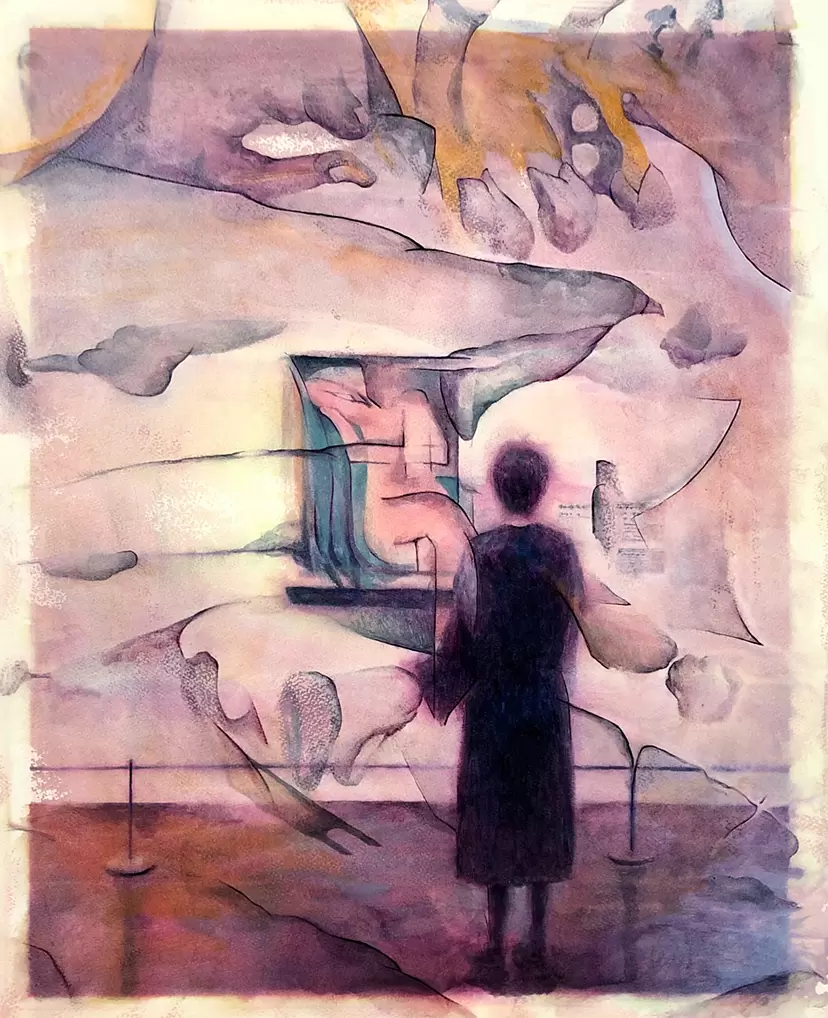
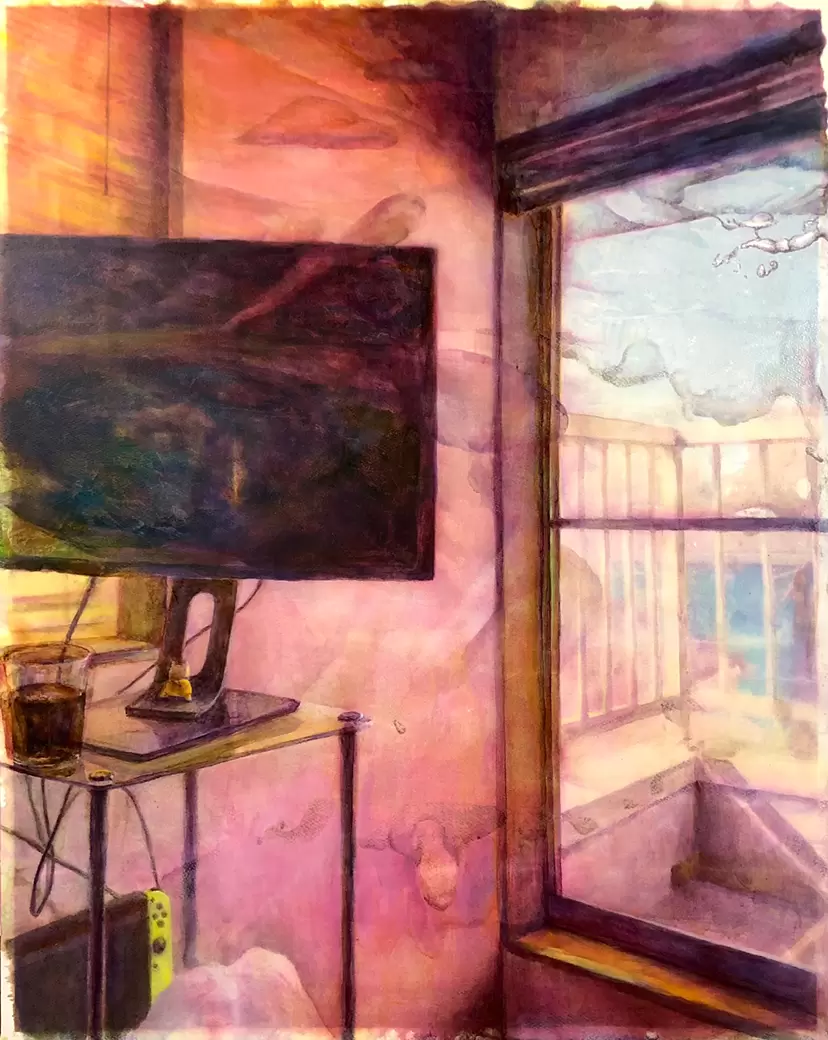
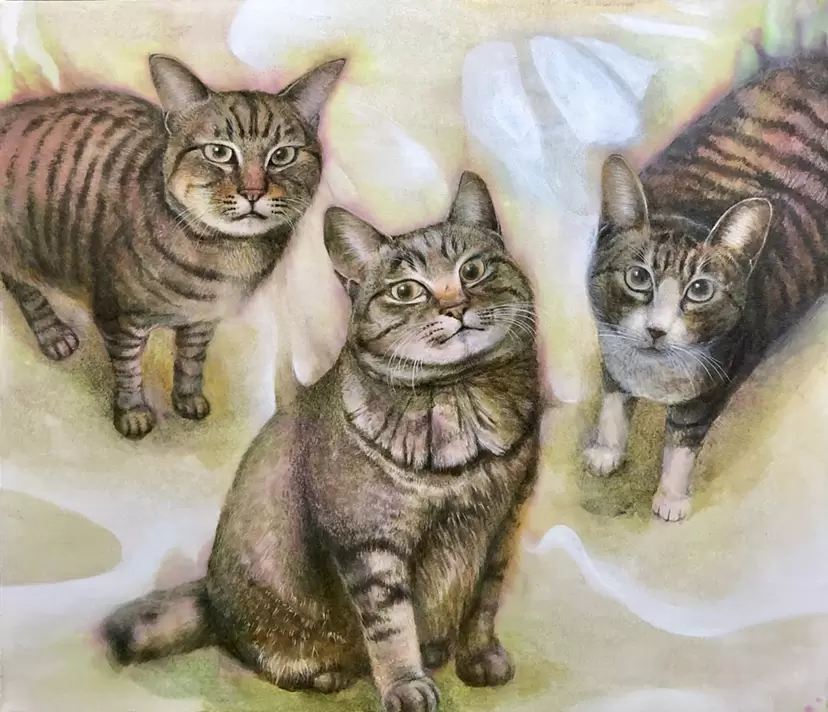
I'm from Okayama Prefecture, Japan. Graduated from Tokyo Zokei University in 2009. After graduation ,I learned art from Kenjiro Okazaki at Yotsuya Art Studium. About the connection between reality and memory The surface of my paintings looks like oil or watercolor. This is because they use a special technique. Paper → photo transfer (water) → painting with oil. Why do we transcribe? This is to “create traces of blemishes and wrinkles” created by chance by transfer. I draw what I associate with those blemishes and wrinkles. For example, torsos, cat hands, hats, etc... At the same time, I usually draw what I see in my photos. In other words, what is actually shown and what can be seen in imagination are mixed in the picture. On the other hand, associating something from traces of blemishes or wrinkles is called the “pareidolia psychological phenomenon.” Actually, this is a psychological phenomenon that can happen to anyone. For example, after watching a horror movie, sometimes when you look at a wall, you can see people's faces. The psychological state where you can see things that aren't supposed to be there is truly a Pareidolia psychological phenomenon. I'm wondering if this psychological phenomenon can be used for pictorial expression. In other words, what is shown in the photograph = what is actually there, and what can be seen from blemishes and wrinkles = some kind of memory burned into my mind, and I am doing pictorial expressions that connect what I have now with my past memories.
查看艺术家信息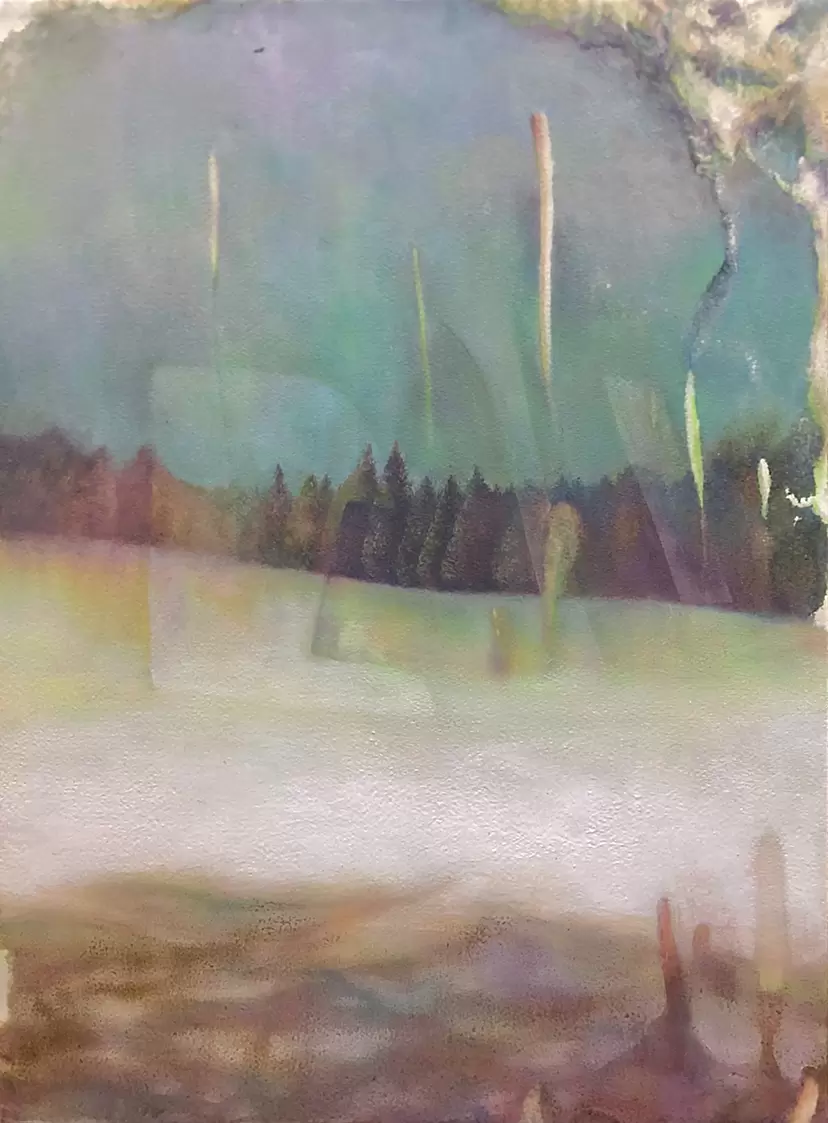

ご支援は今後の制作活動に大切に使わせていただきます。