Utsushikami

制作年份: 2023
材料或技法: 混合媒体
尺寸: 150 × 120 × 3 cm
版本: 独特
签名:包括

关于作品
- 制作年份
- 2023
- 材料或技法
- 混合媒体
- 尺寸
- 150 × 120 × 3 cm
- 版本
- 独特
- 签名
- 包括
- 画框
- 不包含
- 作品证书
- 包括
- 艺术品分销商
- Takano Yuji
- 发货区域
- 没有设置
- 发送前的天数
- 没有设置
- 类别
- 绘画
- 风格
- 抽象的
作品详情
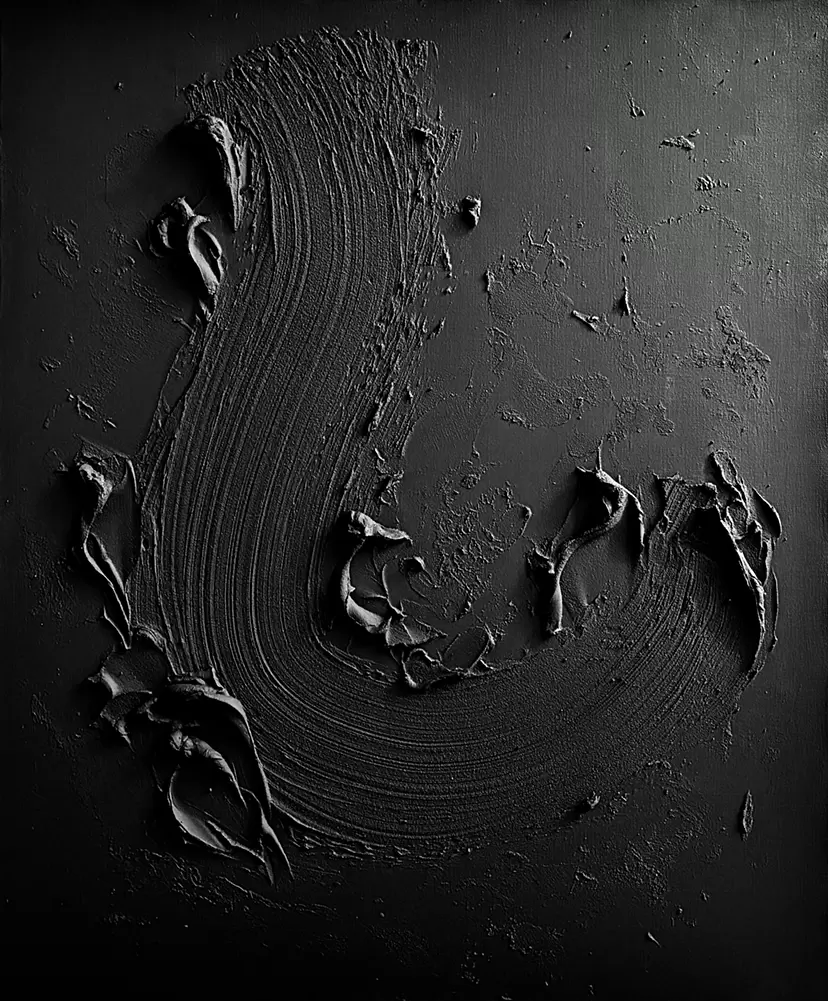
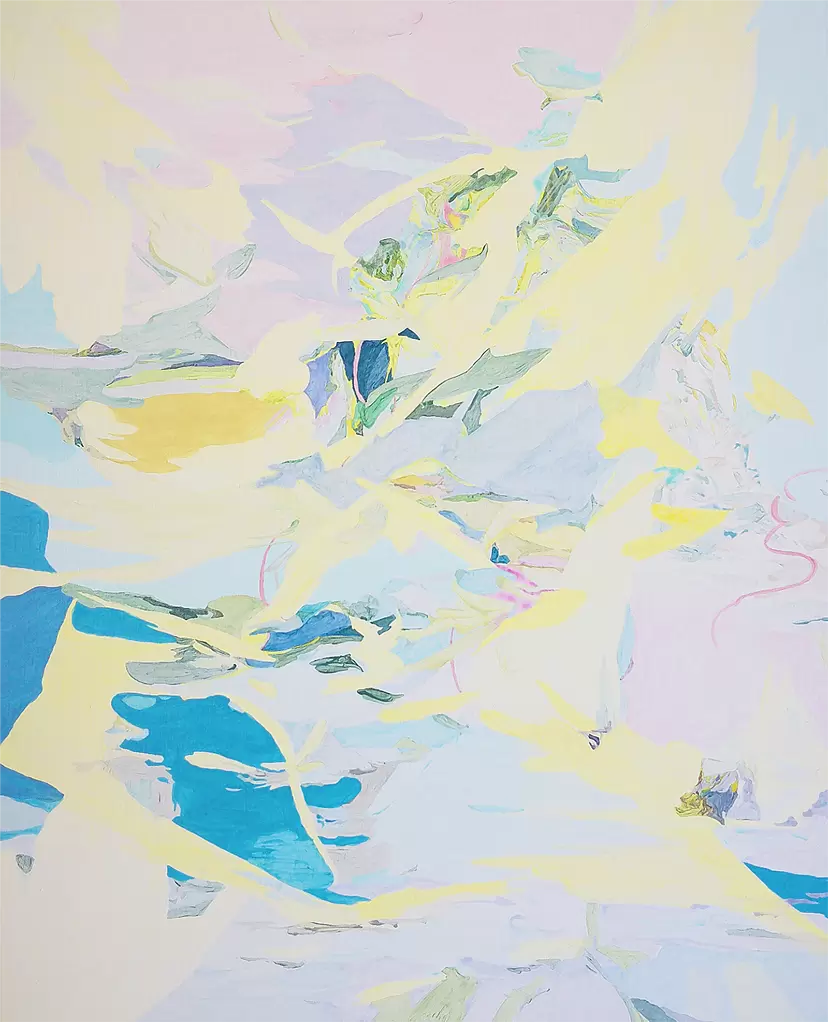
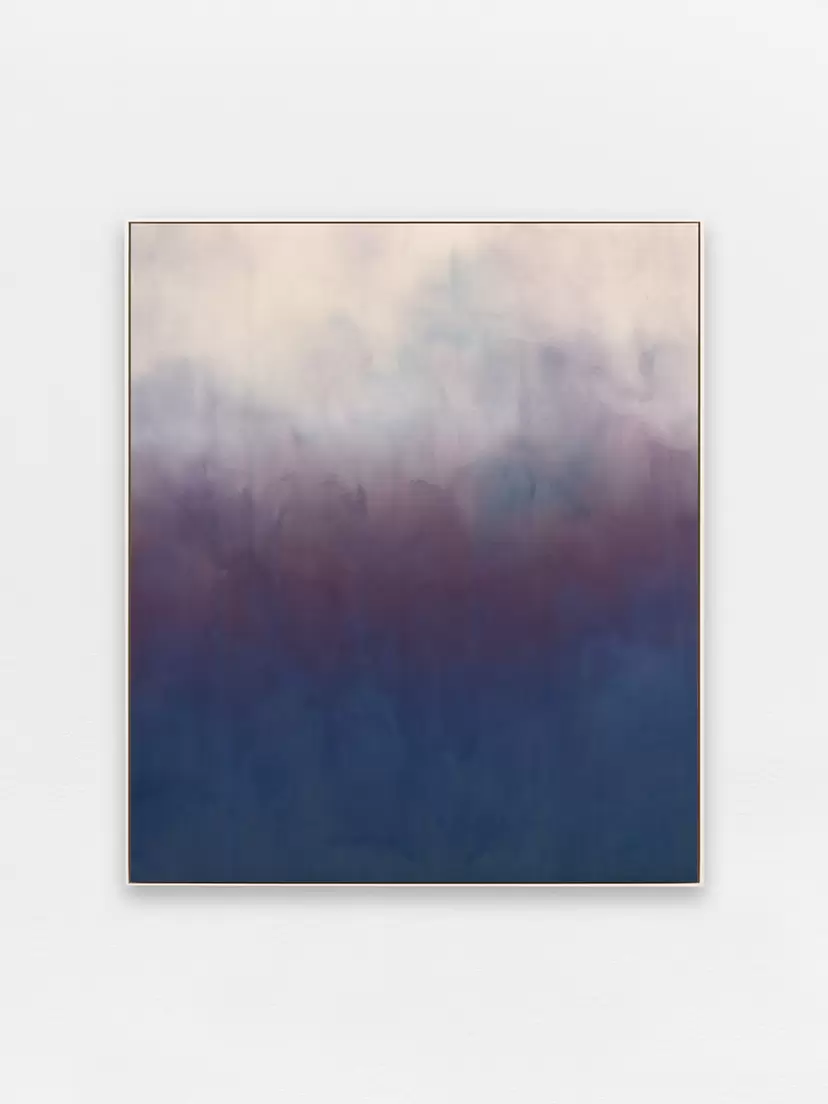
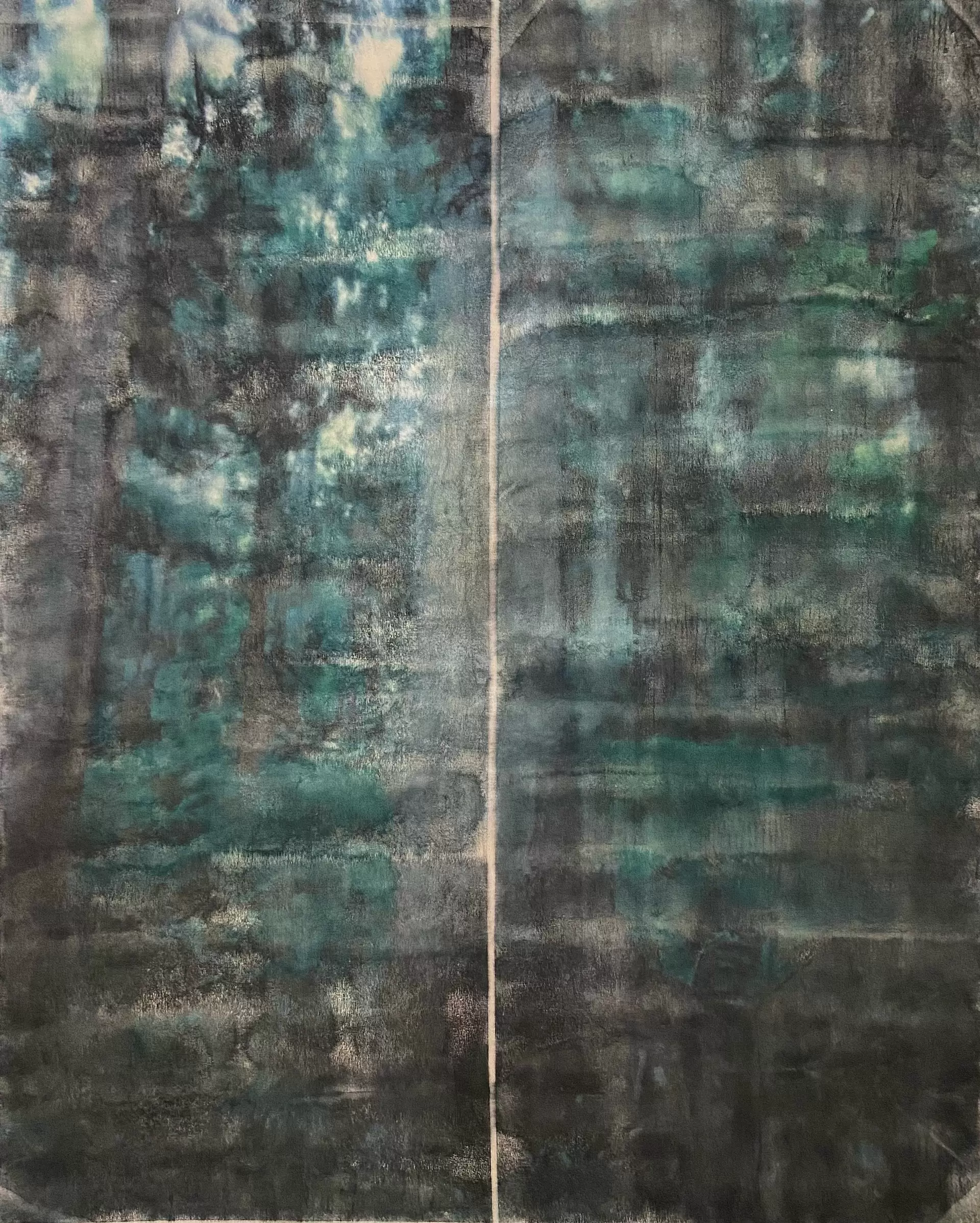
Utsushikami
2023
Production method
Ink on canvas
The concept of the work
Since the birth of photography, painting has traced the genealogy of abstract painting, which is freed from the transfer of actual light and reduced to the essence, and the transfer of light has become the fate of photography and is still dependent on it.
In the metaverse, the realistic world is expressed through deep learning, and it is becoming possible to express the creation of light itself rather than the transfer of light as images.
As civilization evolved, various phenomena became apparent, and there were few things that could not be explained.
When the creation of the universe is scientifically elucidated and the creation of light can recreate the world we know, we will be made to think about what reality is and what truth is.
Now, when I look at photos that exist infinitely on SNS, I feel like there is a phase world out there that looks just like reality.
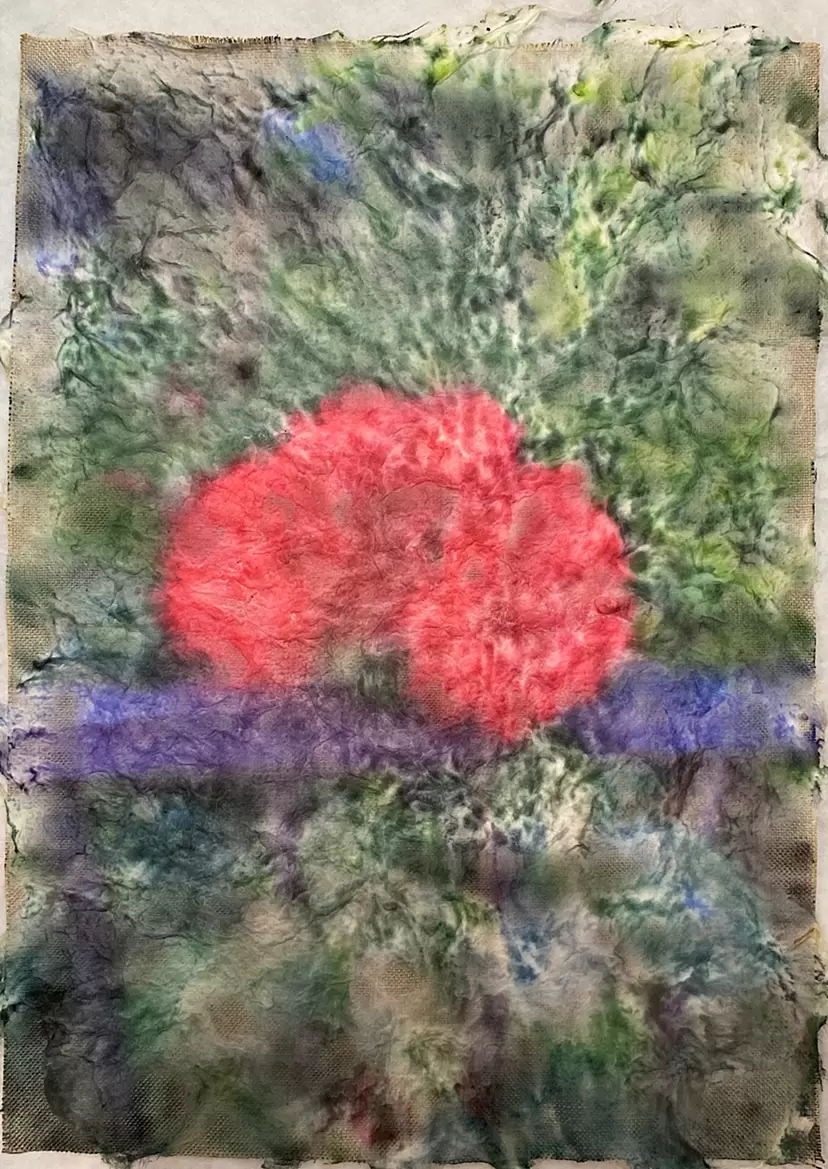
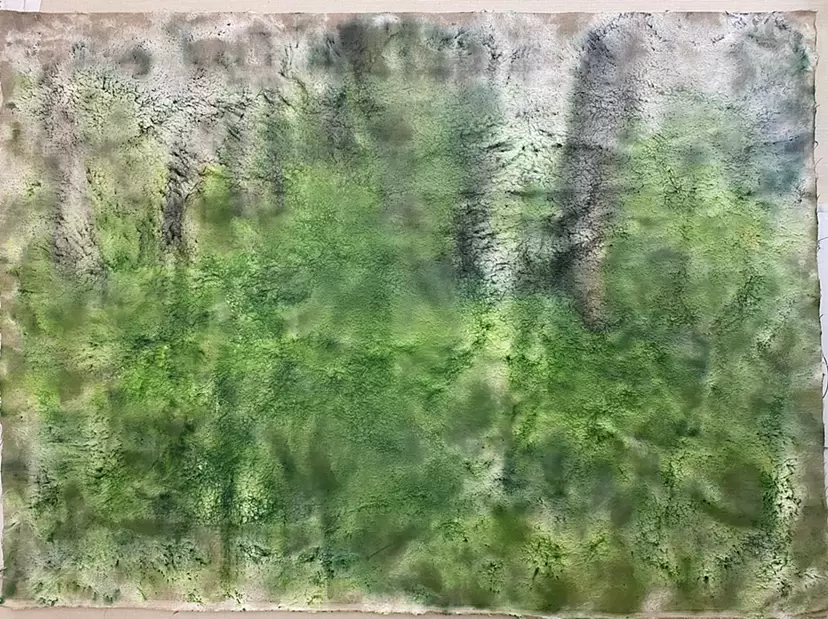
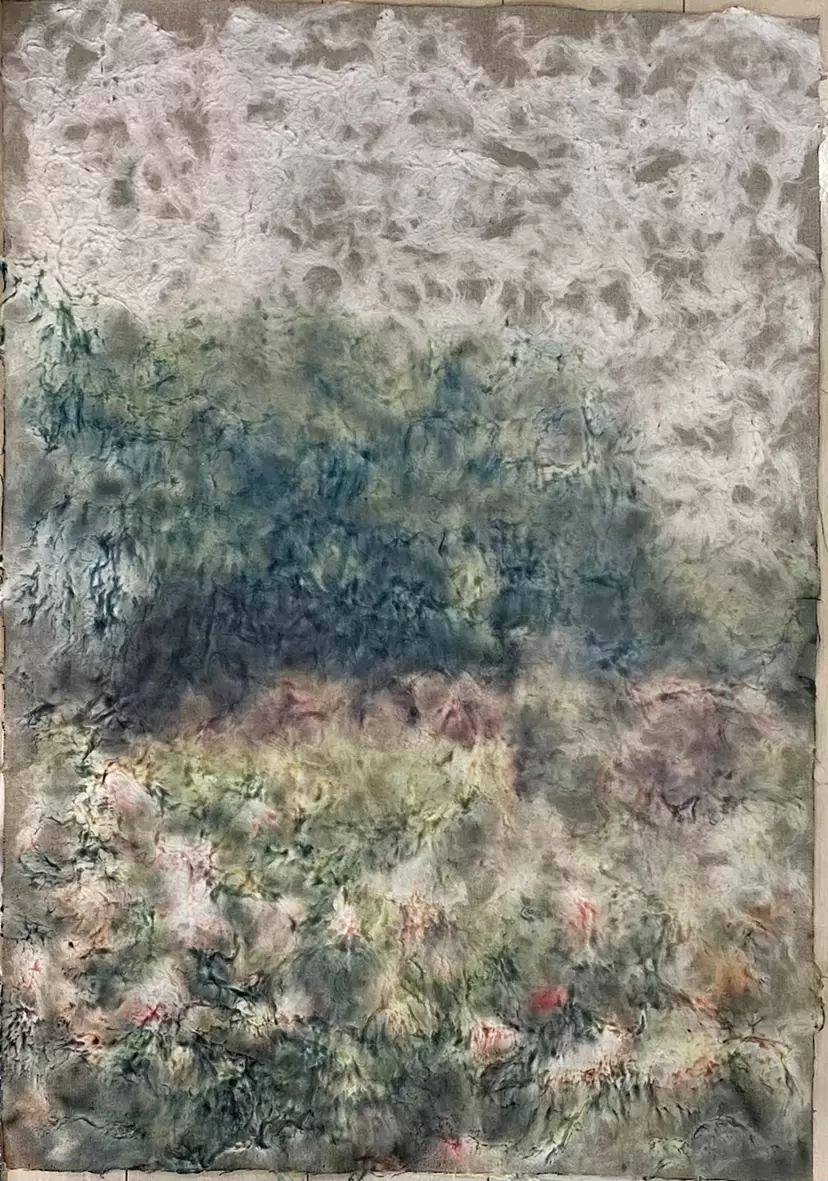
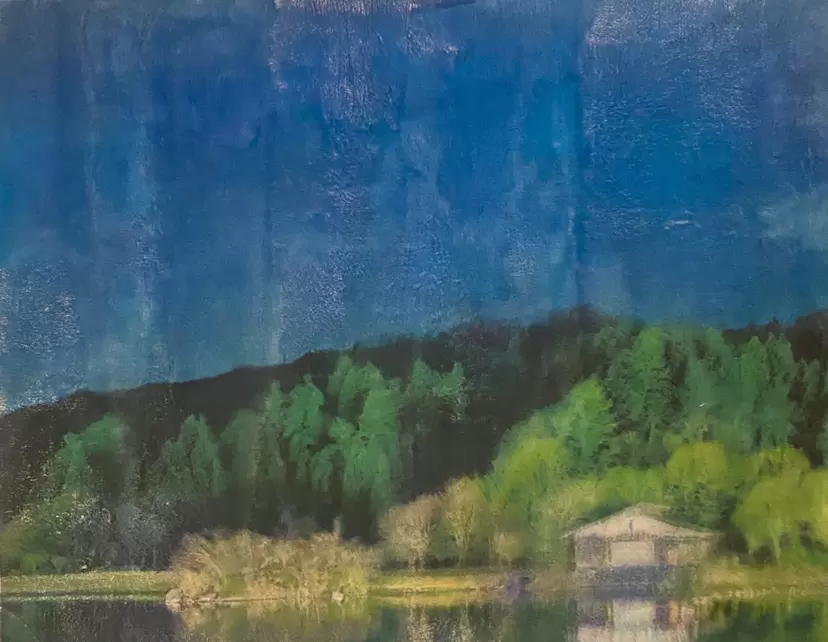
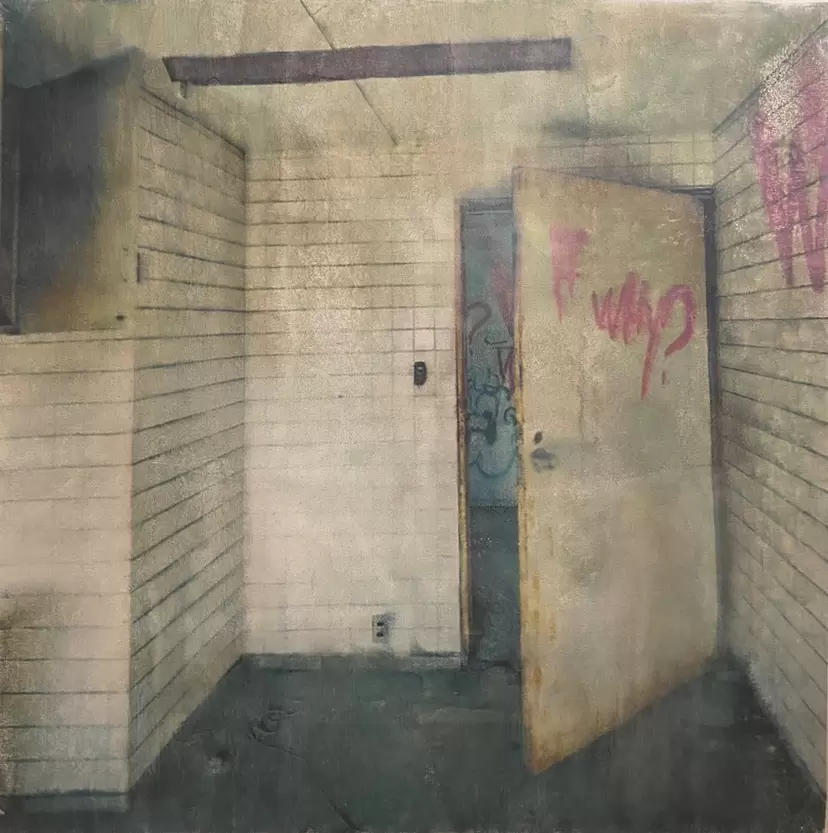
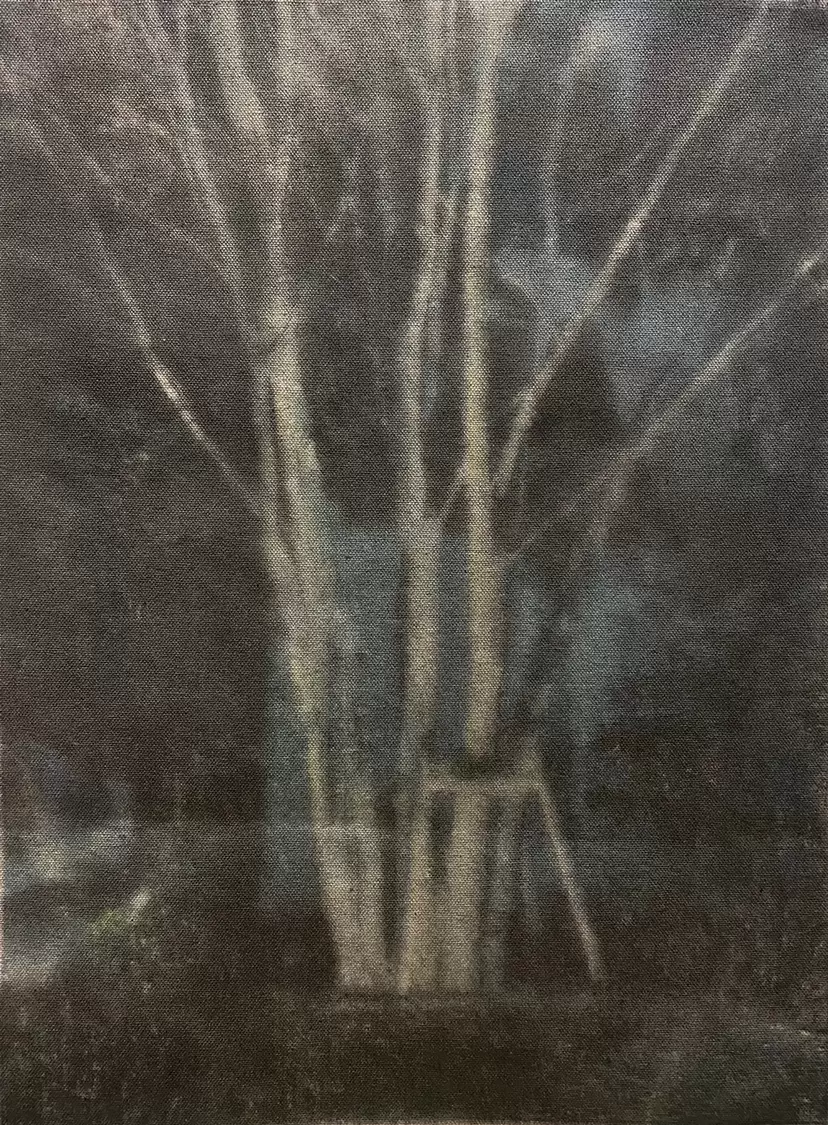
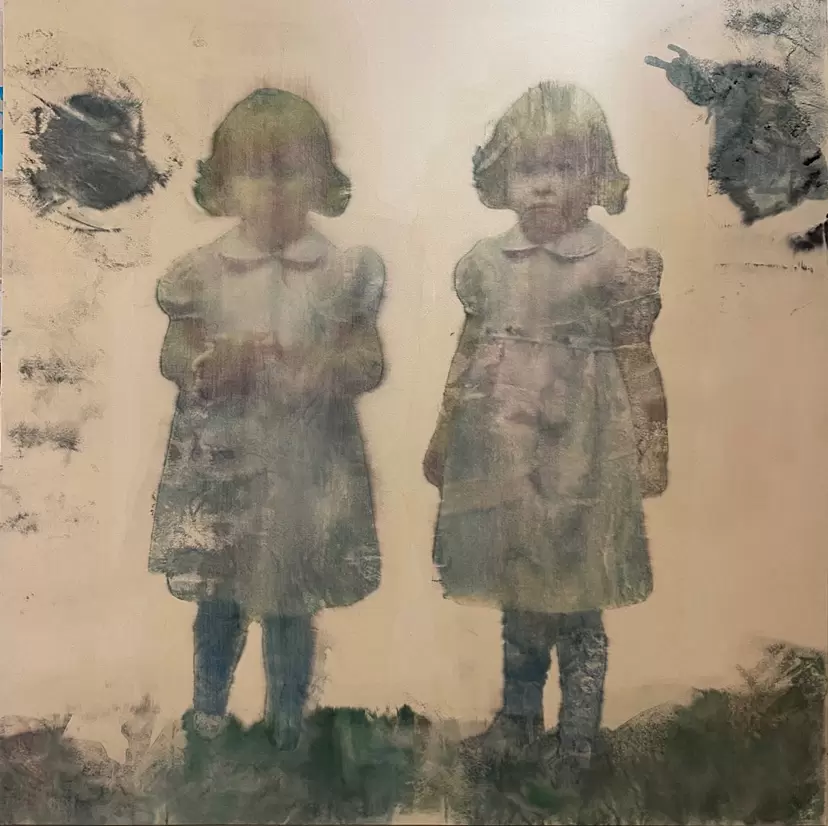
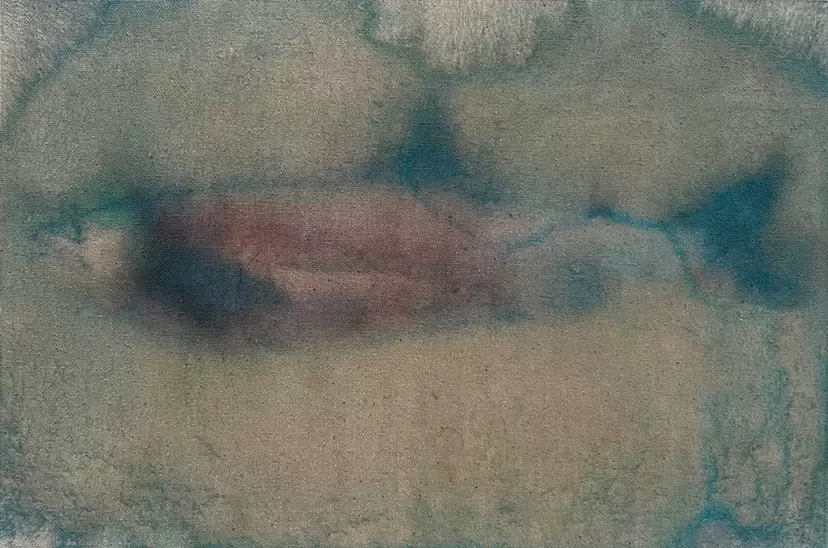
In my work, photographs that have been enlarged and printed to the size of the canvas are projected onto the canvas using the “Gyotaku” technique, and the center of Western perspective that existed at the time of photography is lost due to the bleeding and “unevenness” that occurs at that time, and it changes to Oriental flatness.
As a result of this process, a new reality that is neither a photograph nor a painting appears.
Gyotaku, which was independently invented in Japan in 1839, when photography was invented, and works that use that primitive technique to summon the world of photography onto a canvas are primitive creations of light.
购买方式

这件作品可供购买。
请询问
*显示的为汇率换算的参考价格。结算将以日元进行。
购买作品时是否有需要帮助?在线咨询
专业艺术顾问在这里协助您购买作品。 如果您对推荐的作品有任何疑问,或者您在购买时遇到任何问题,欢迎使用在线咨询。
艺术家

abstract painter
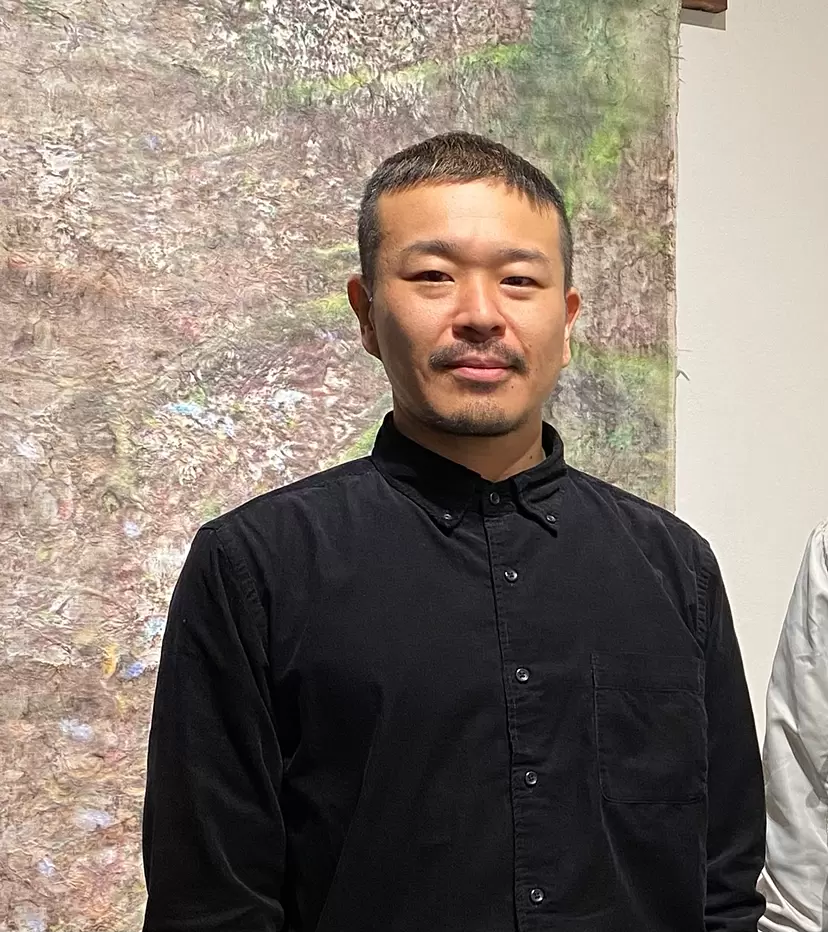
Born in Kanagawa. He spent his childhood in an environment surrounded by satoyama and rivers, and the origin of his work was “signs” that he felt in nature and could not be captured as meaning.After working for a design company, he developed unique expressions involving bleeding, omission, and coincidence while being involved in materials and printing technology at signboard construction sites.Using the sense of “transition” found in Japanese culture and language as a starting point, the way the visible world rises from countless fluctuations and accidents is examined from the concept of “dust.” Based on the “transition theory,” we are exploring not the object itself, but the structure in which the world is formed by relationships as “teniwa geometry.”Currently, using self-made Japanese paper, photographs, and images, I am developing production that transfers images fixed as meaning to relationships with matter, time, and chance. In the modern age where relationships between reality and representation are changing, we are exploring “signs” that cannot be captured by existing perceptions and the possibility of “new fictions” for humans to get involved with the world.
查看艺术家信息