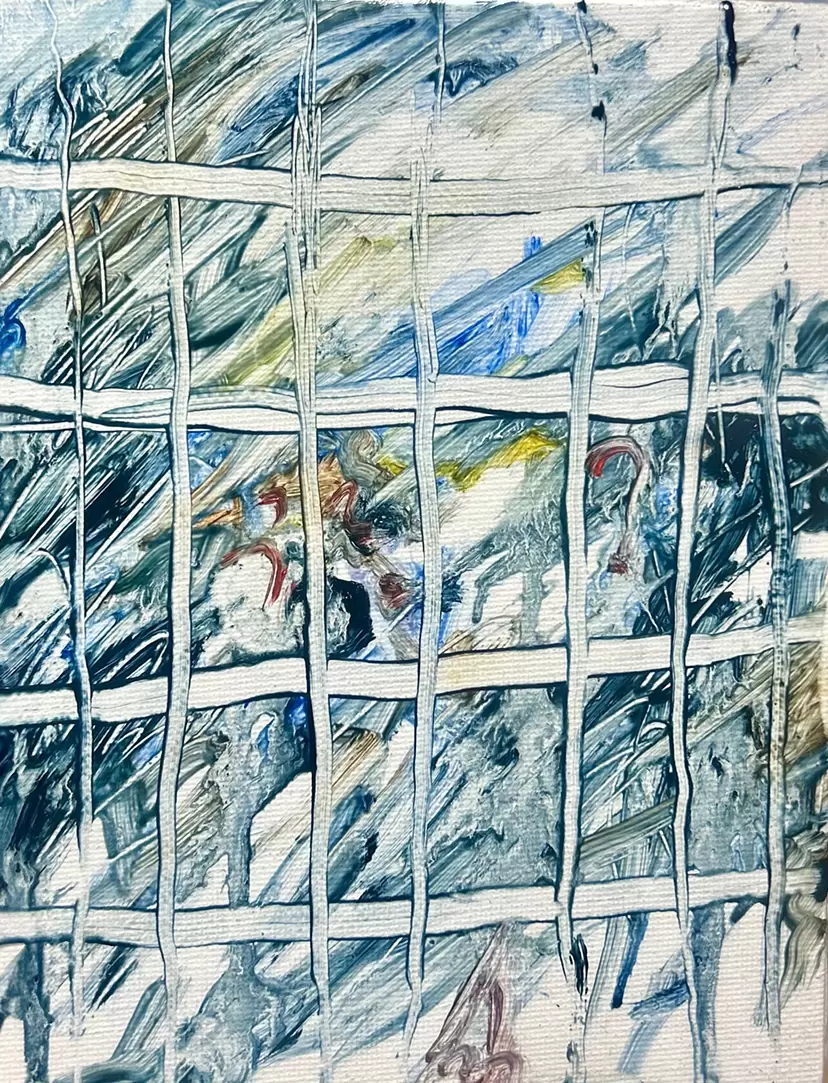
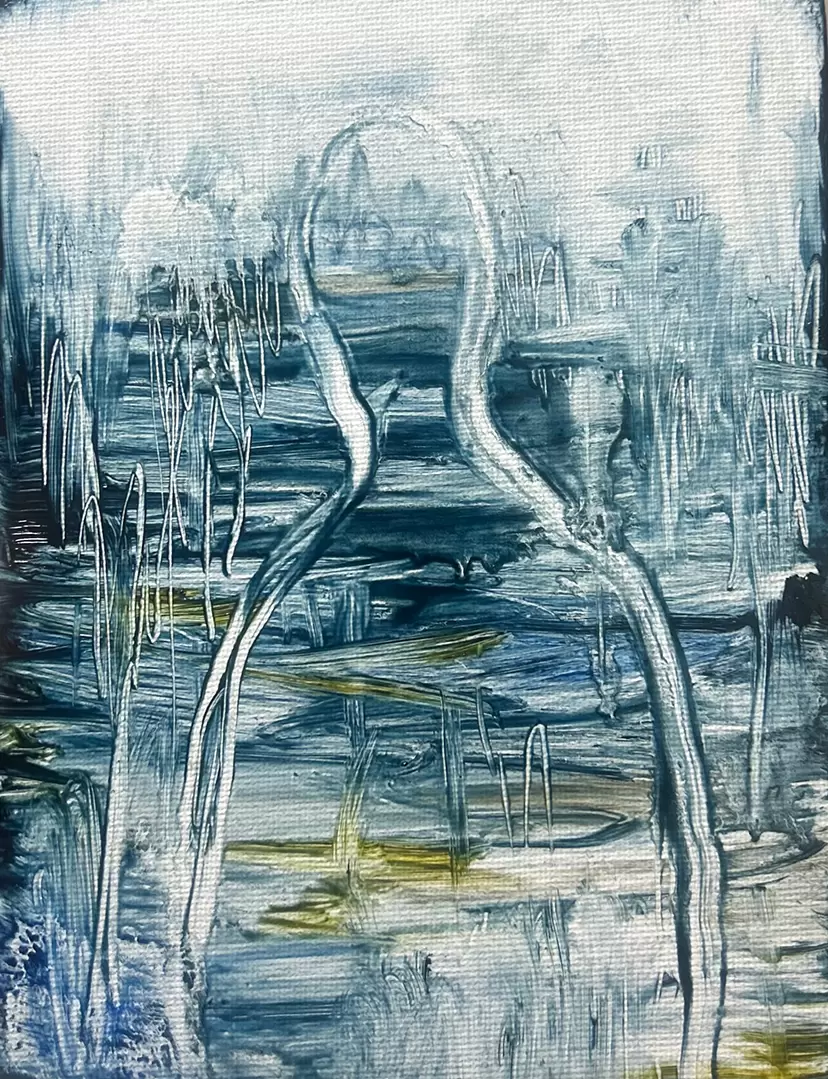
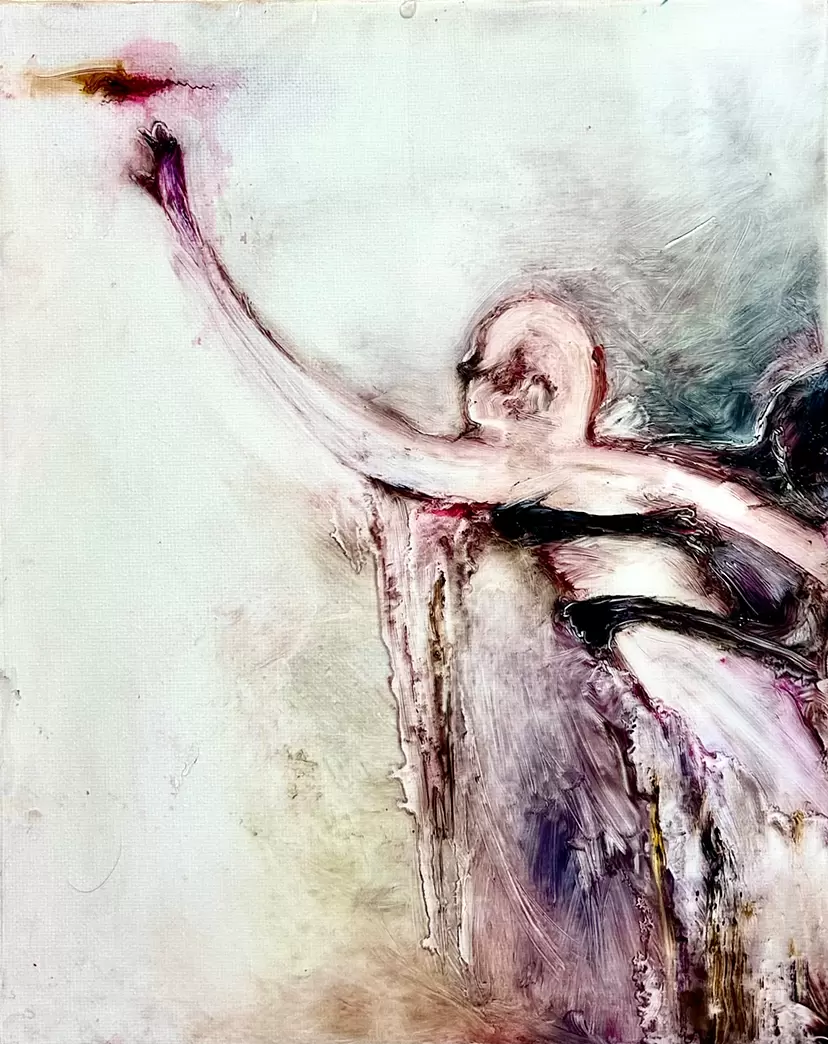
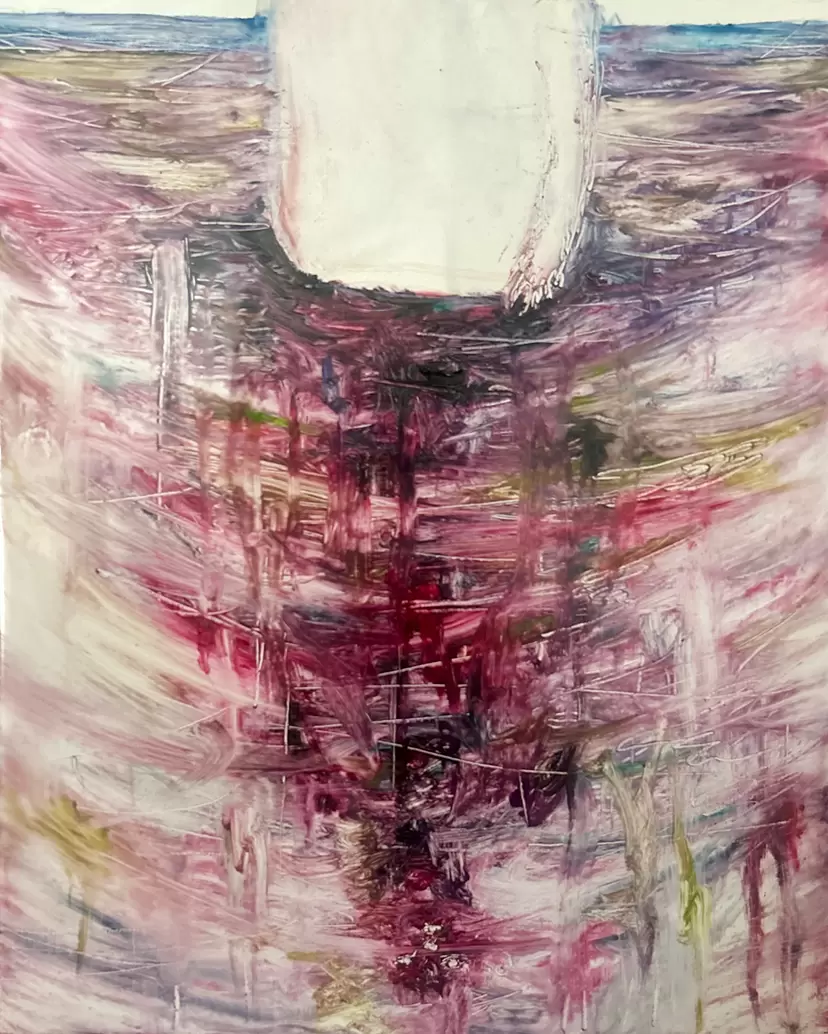
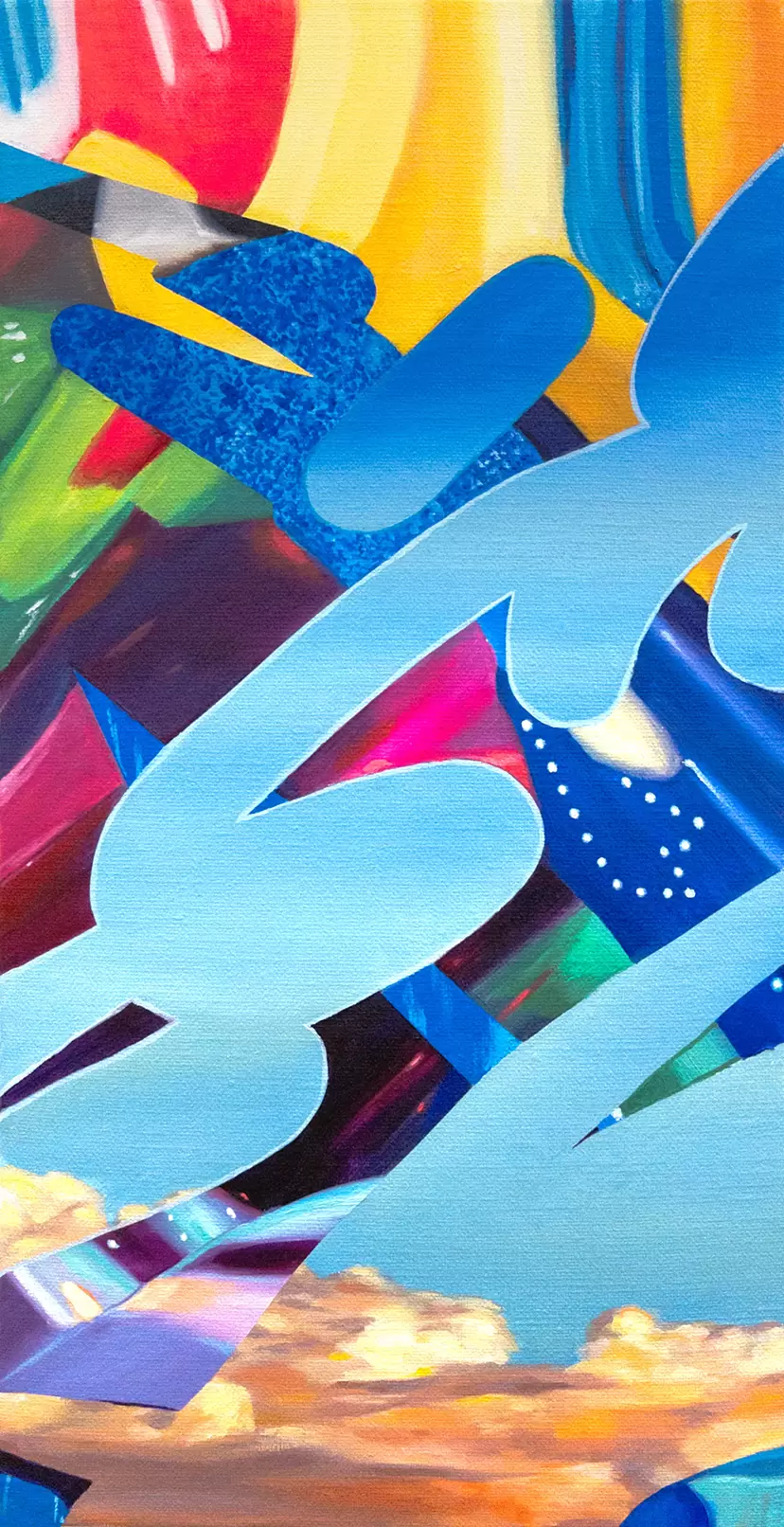
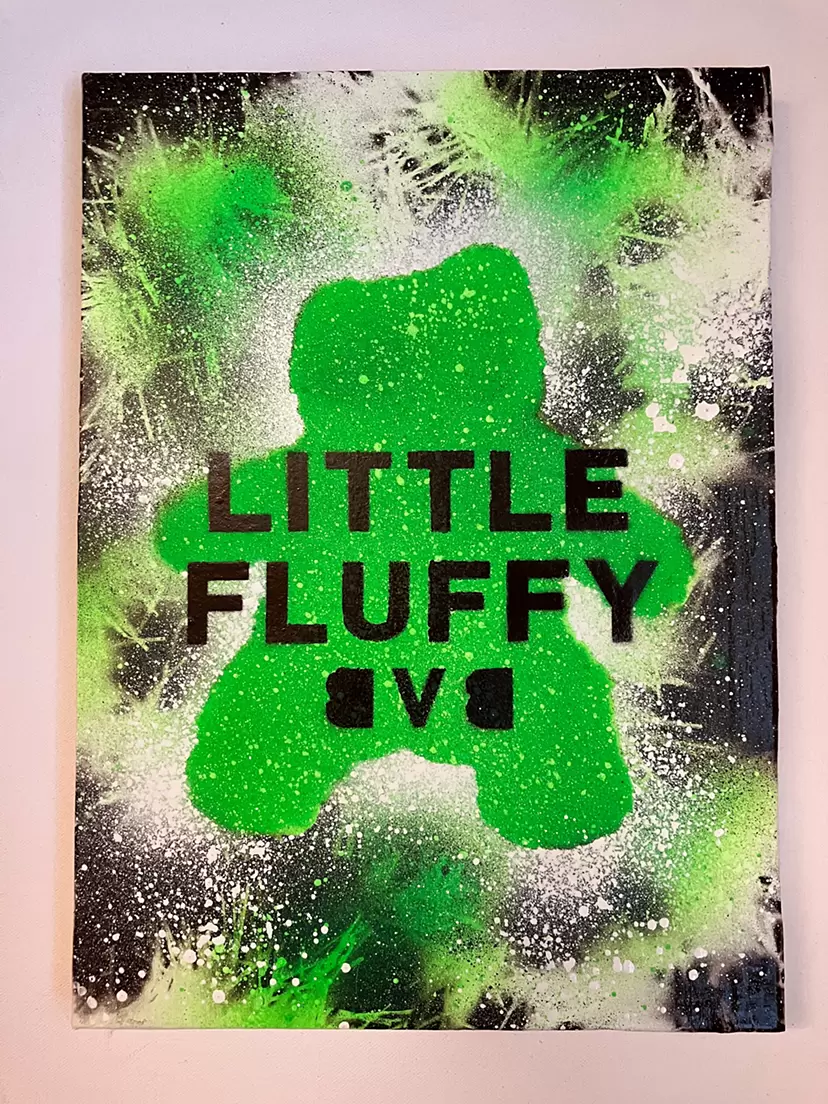
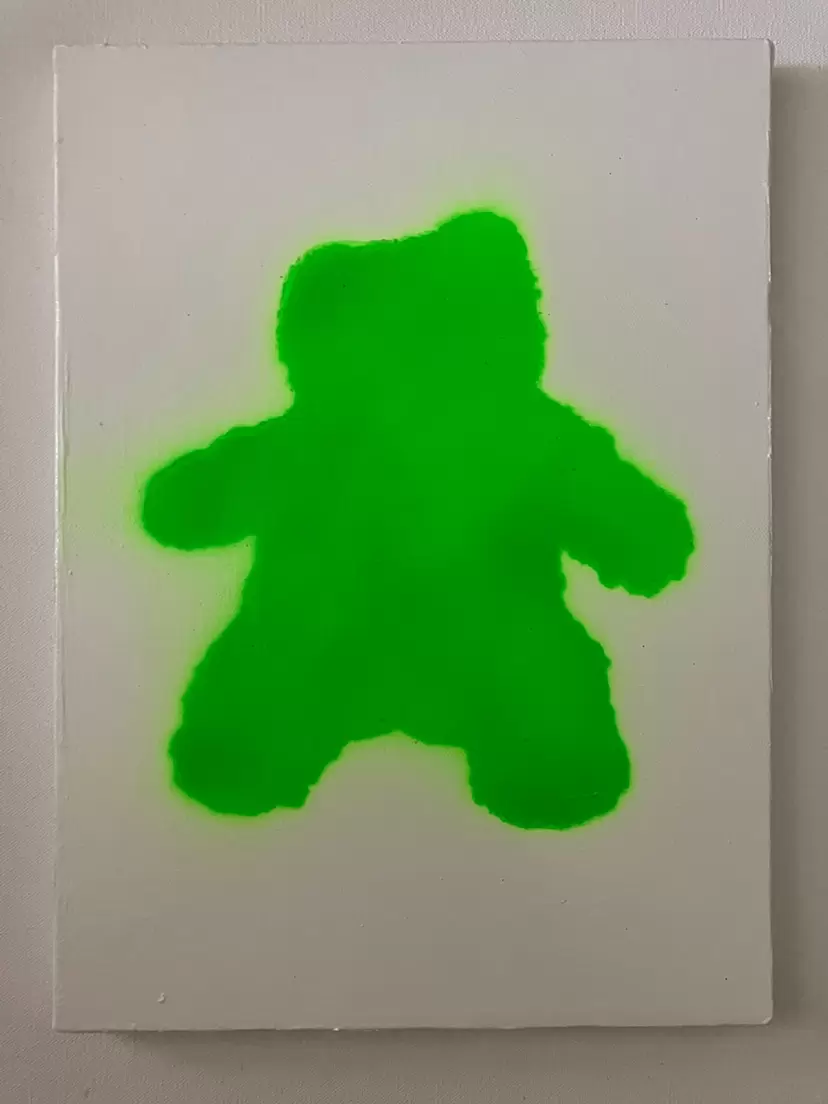
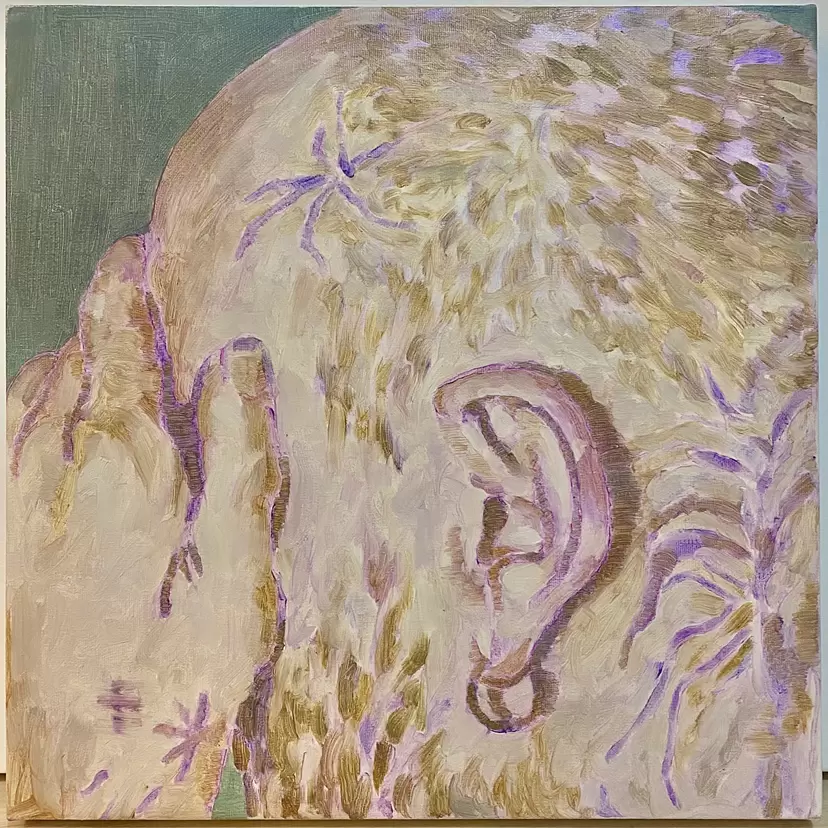
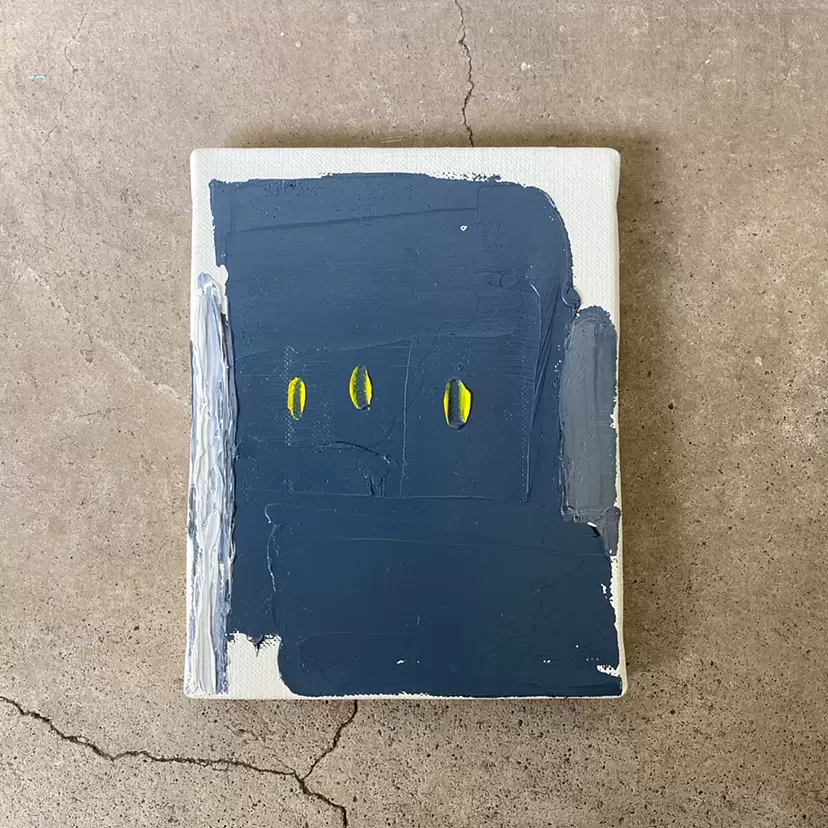
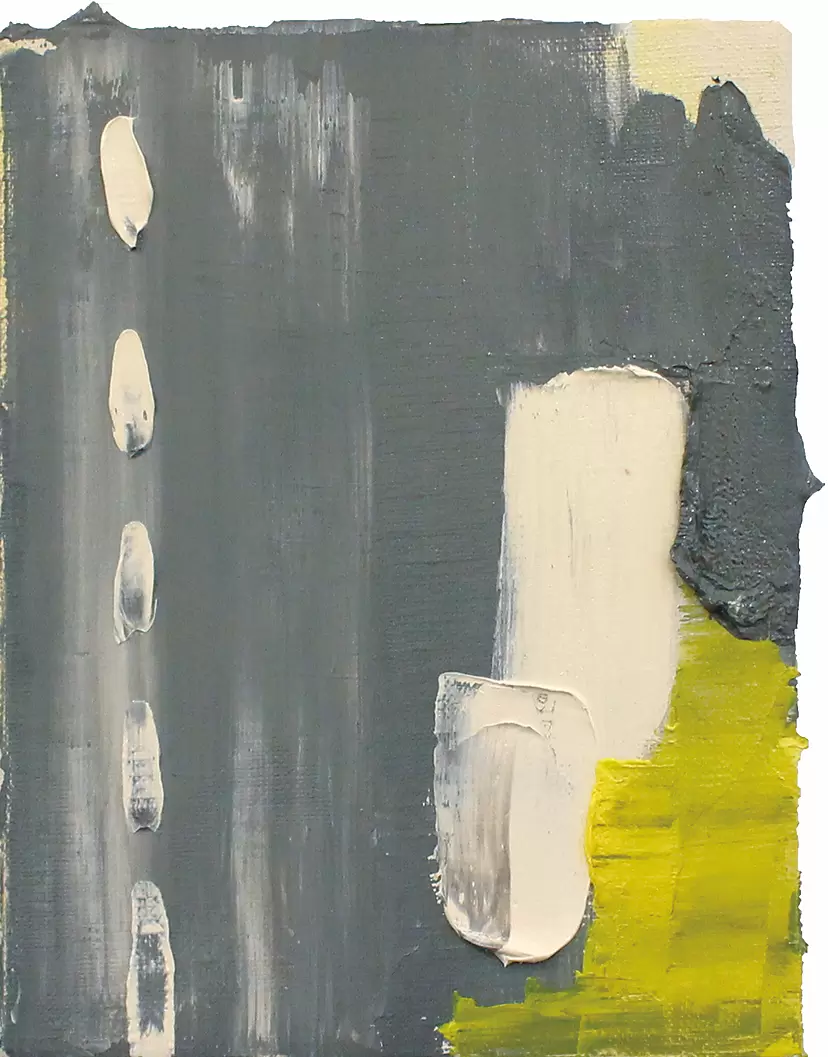
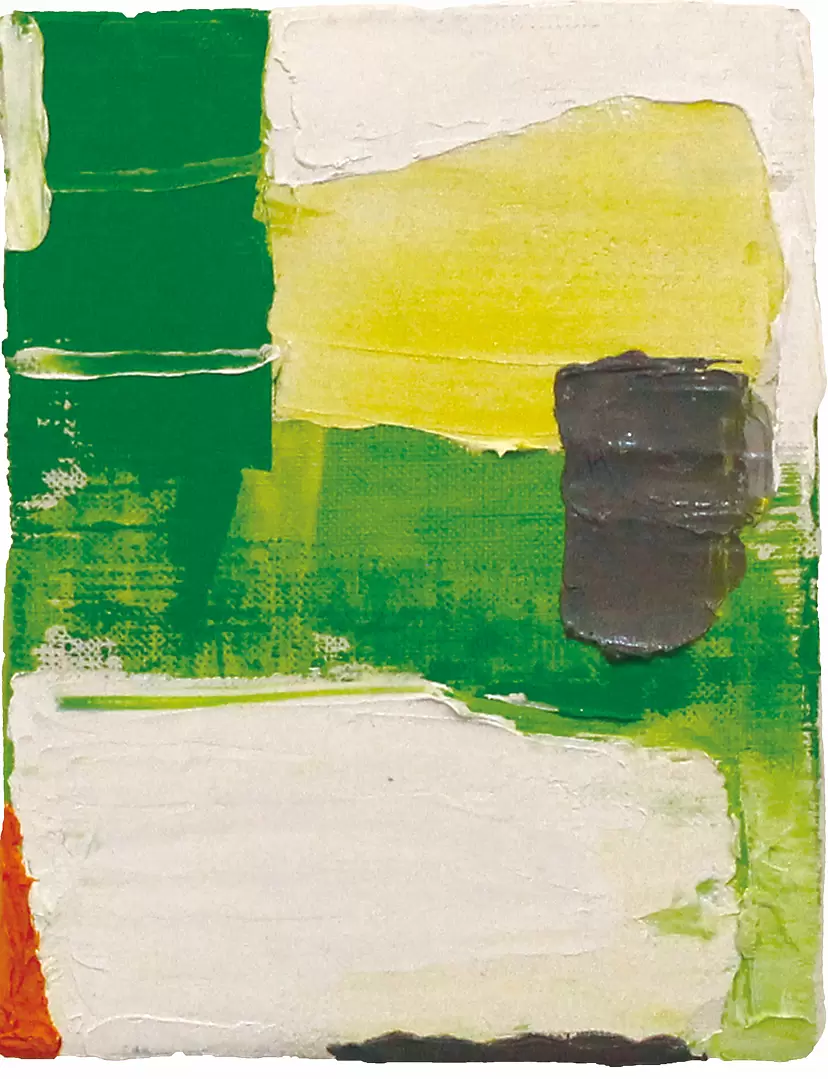
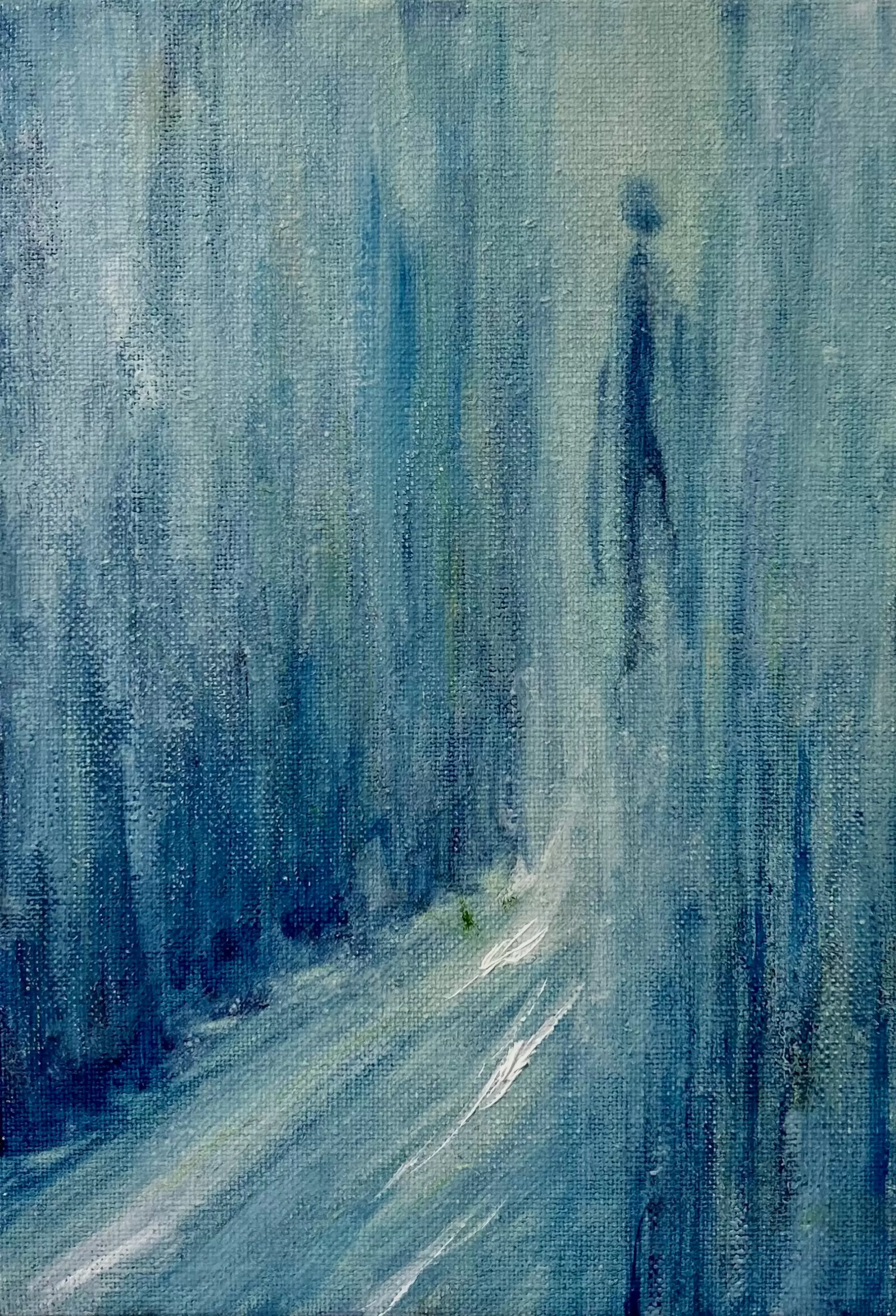
下手袖
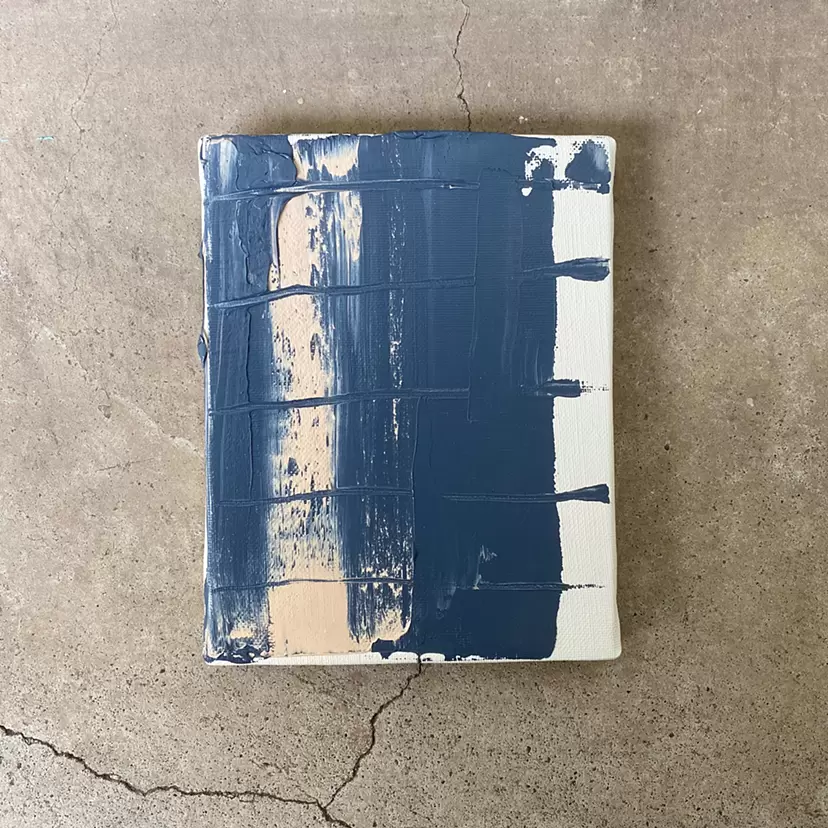
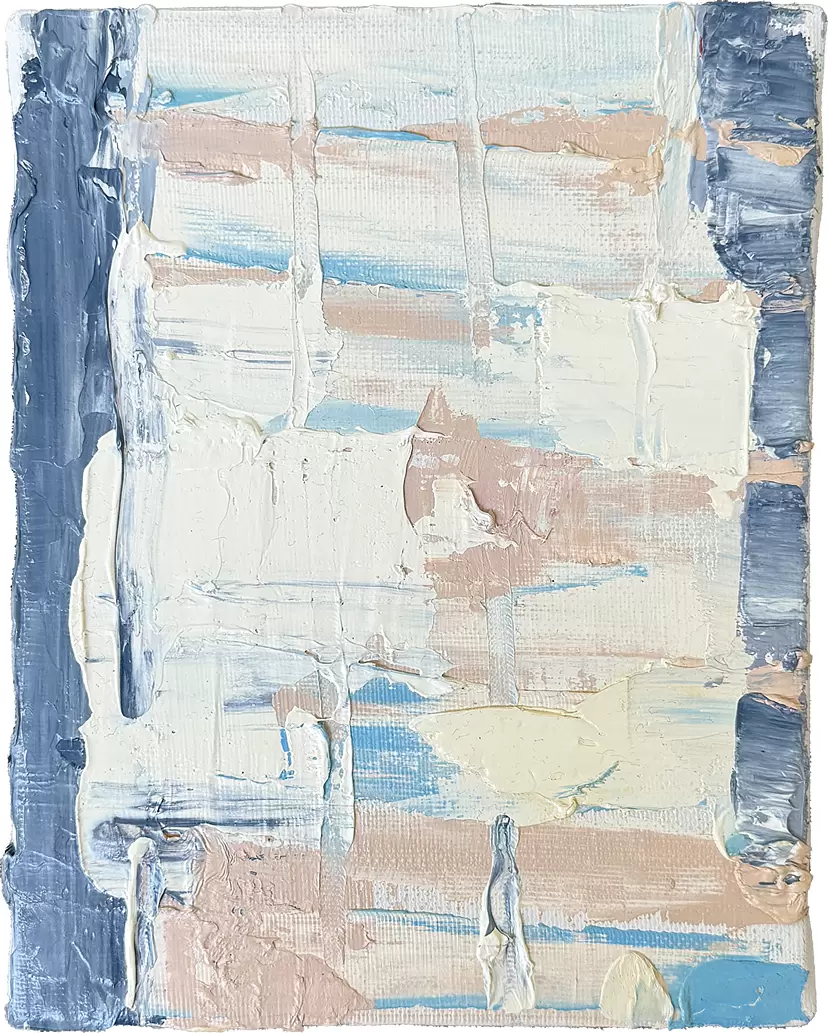
制作年份: 2023
材料或技法: 帆布, 油画
尺寸: 22.7 × 15.8 cm
版本: 独特
签名:包括


关于作品
- 制作年份
- 2023
- 材料或技法
- 帆布, 油画
- 尺寸
- 22.7 × 15.8 cm
- 版本
- 独特
- 签名
- 包括
- 画框
- 不包含
- 作品证书
- 包括
- 艺术品分销商
- Momoka Kawashima
- 发货区域
- 没有设置
- 发送前的天数
- 没有设置
- 类别
- 绘画
作品详情
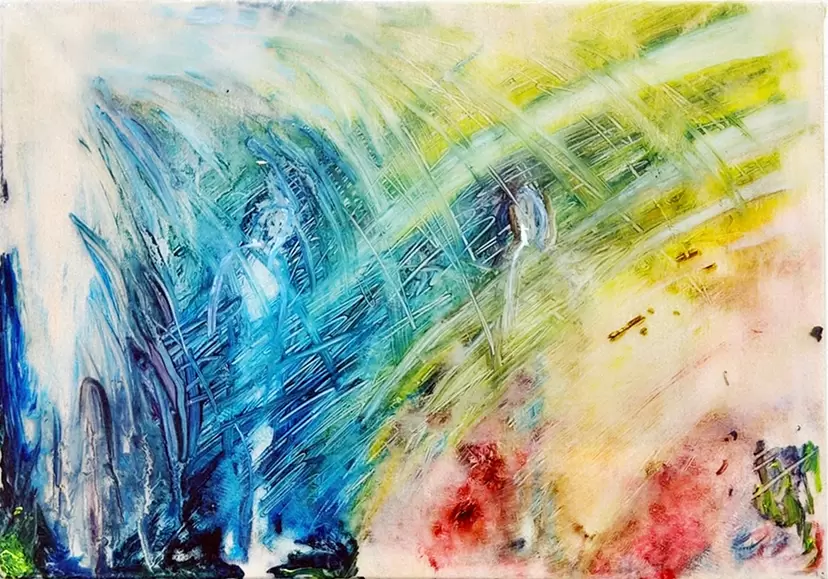
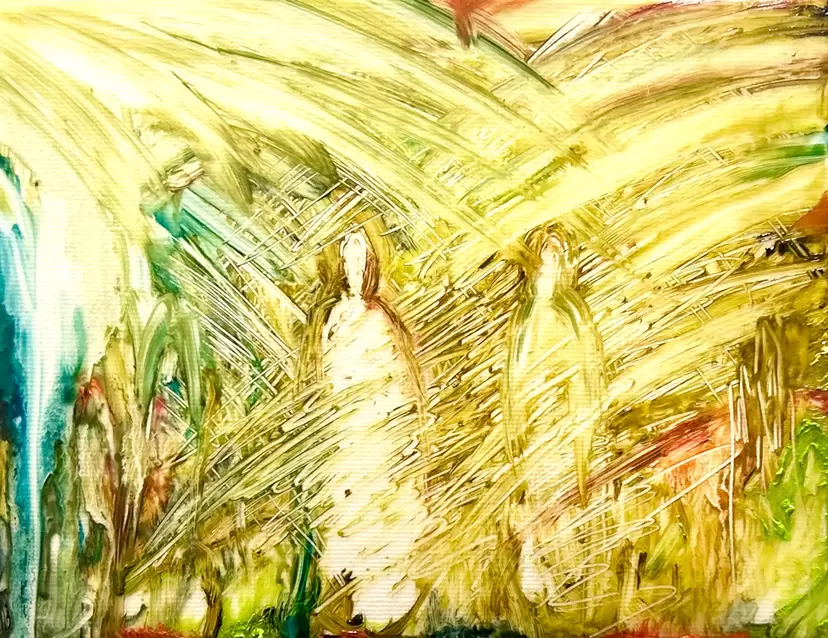
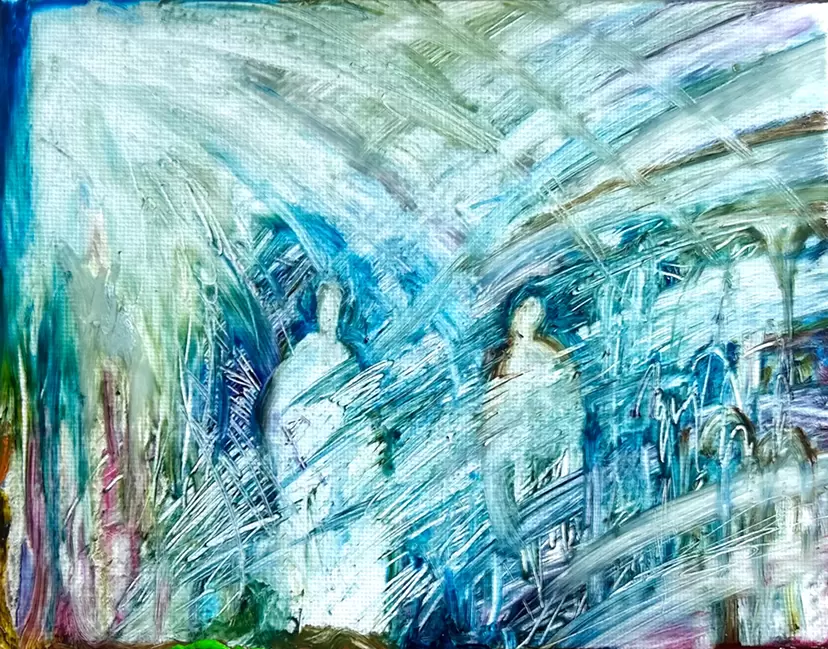
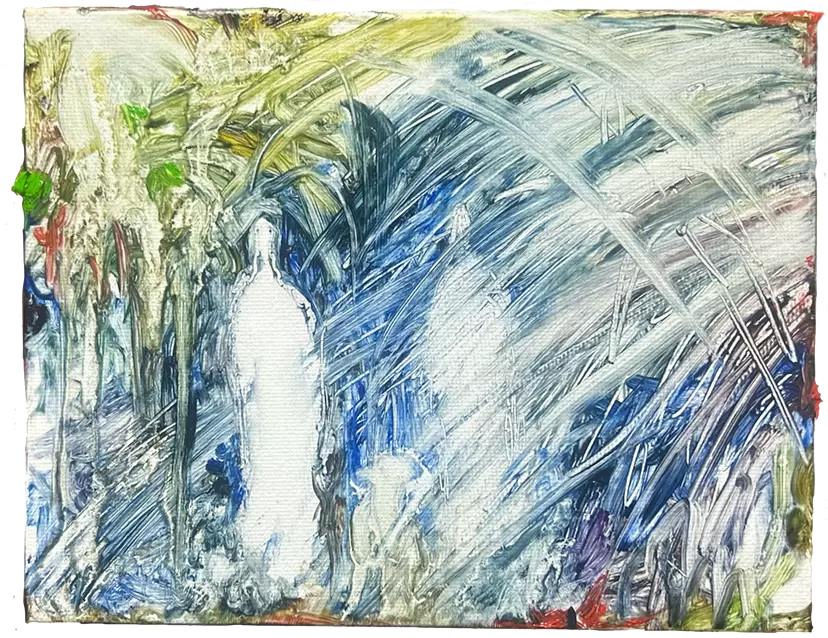
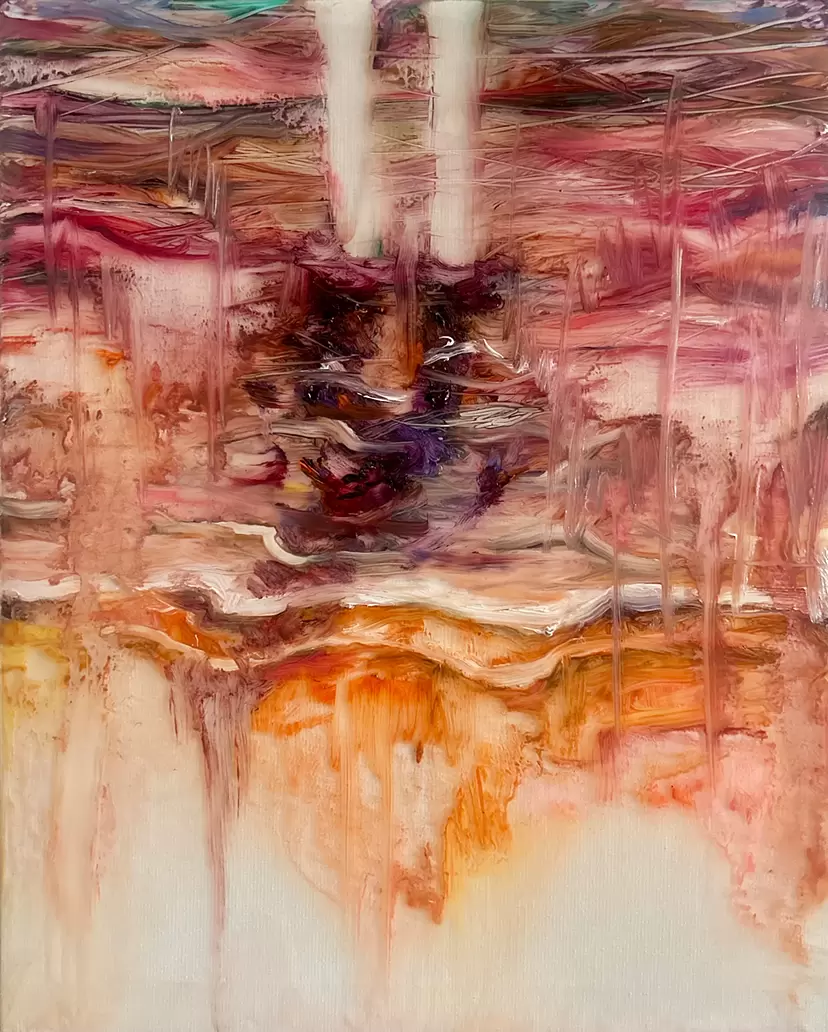
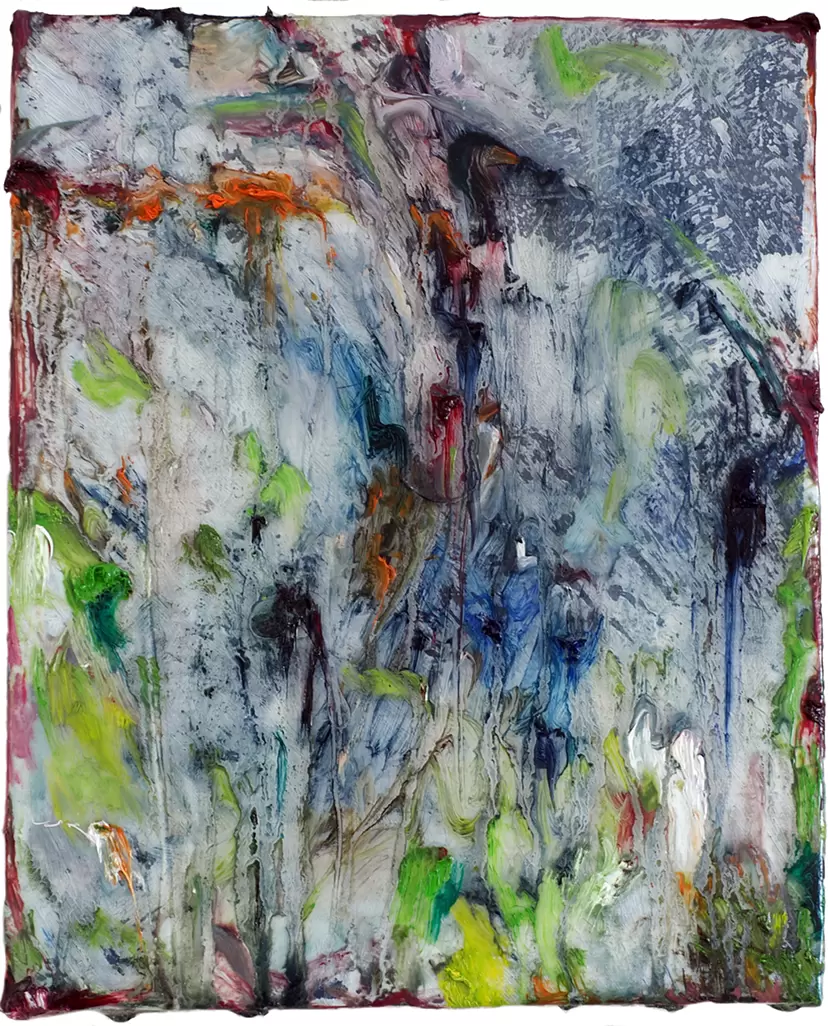
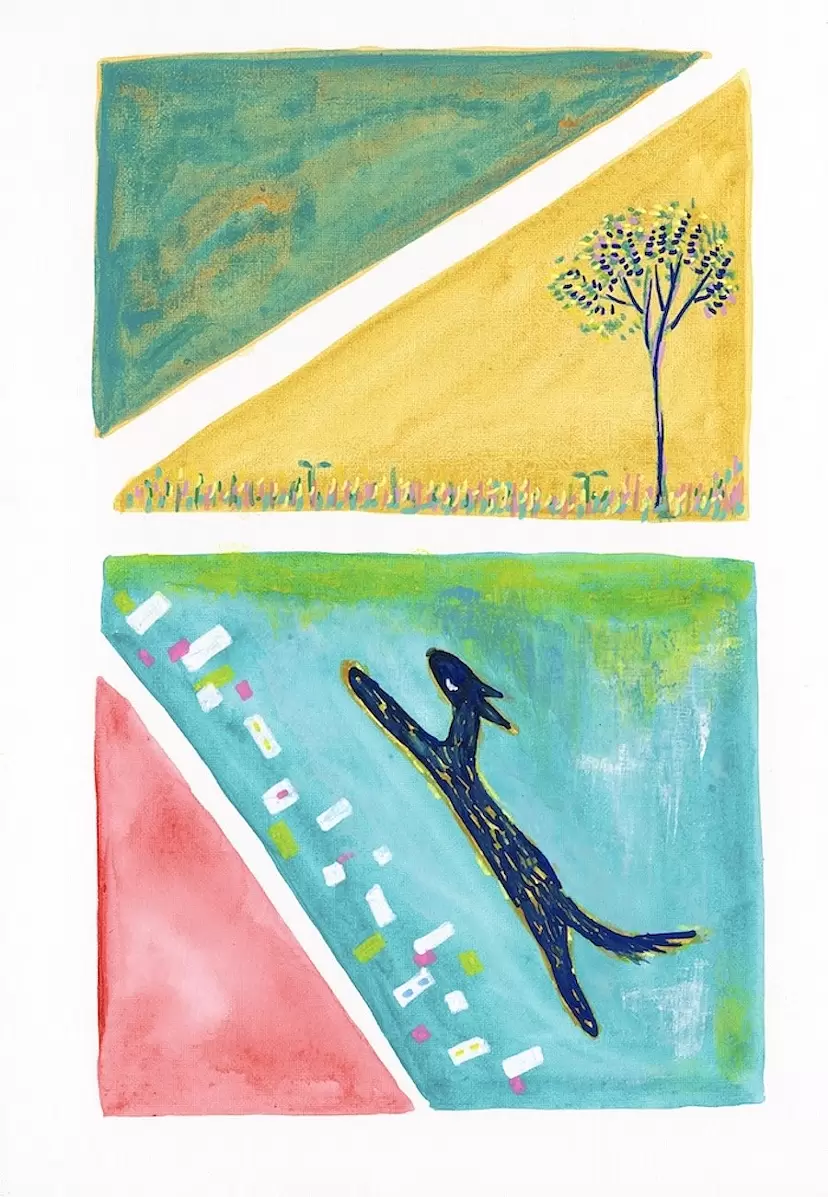
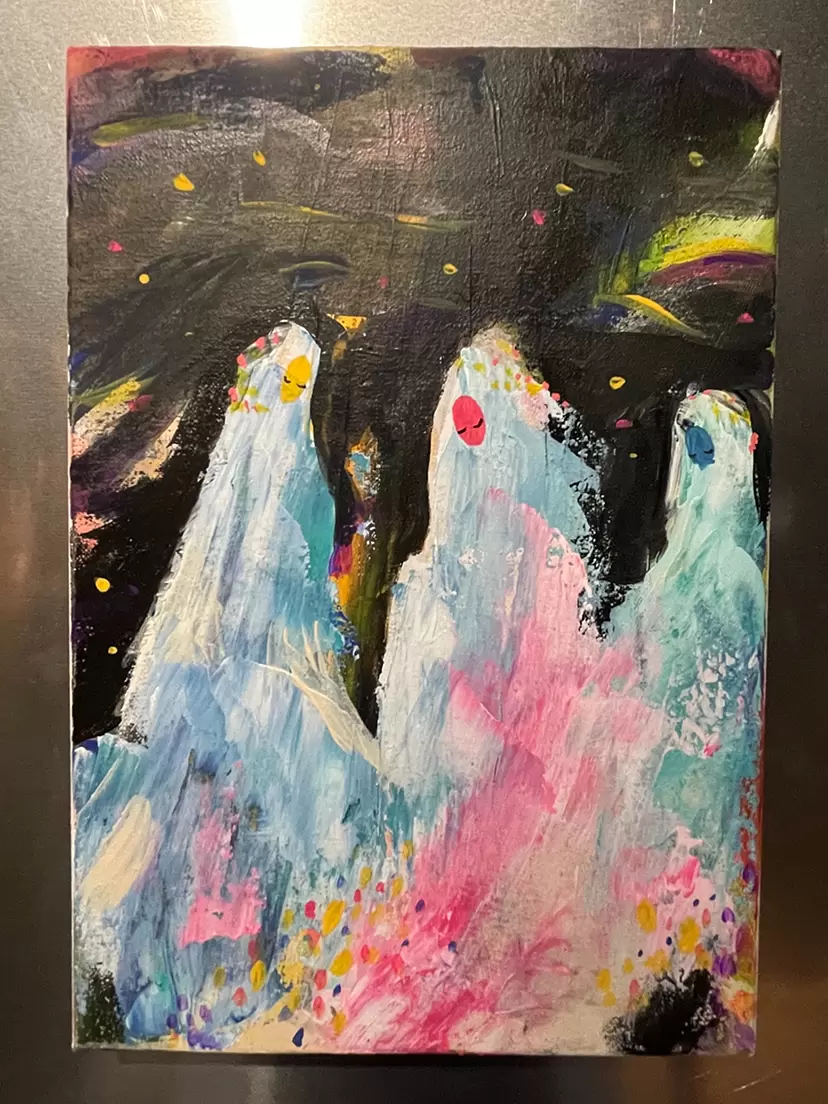
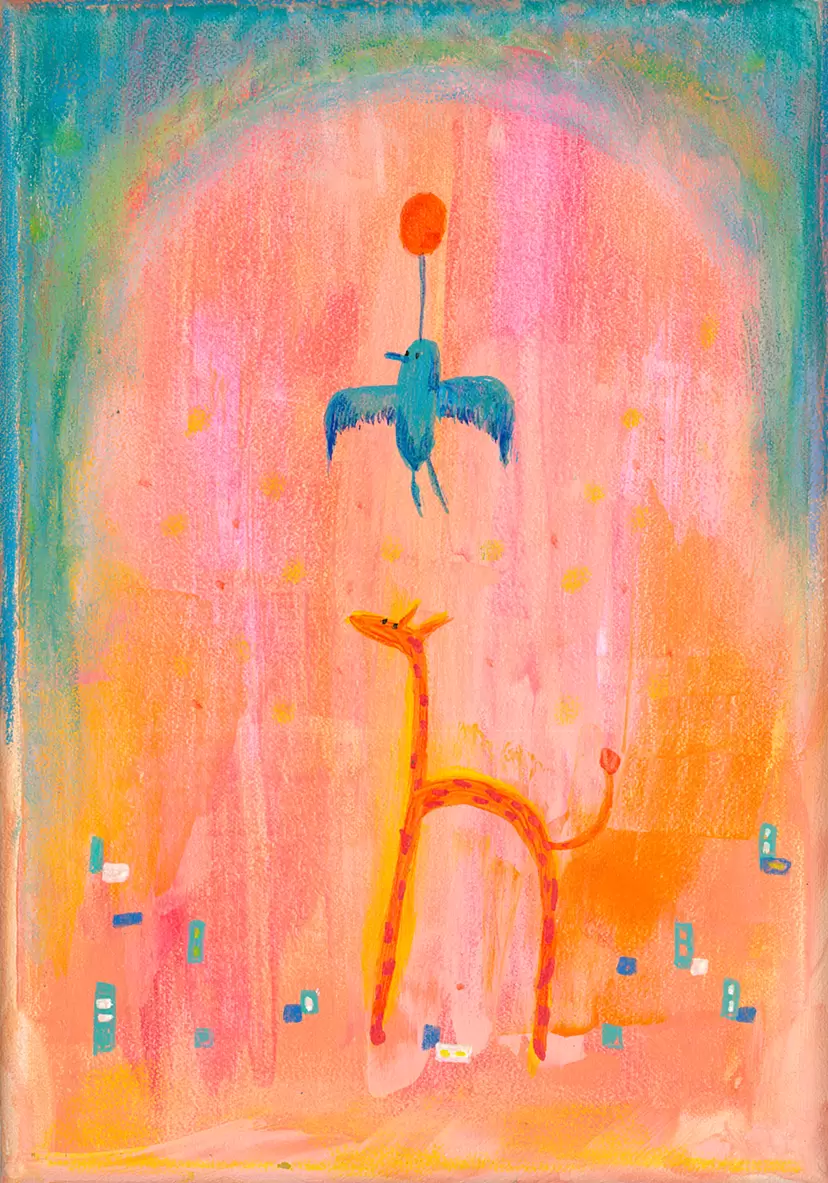
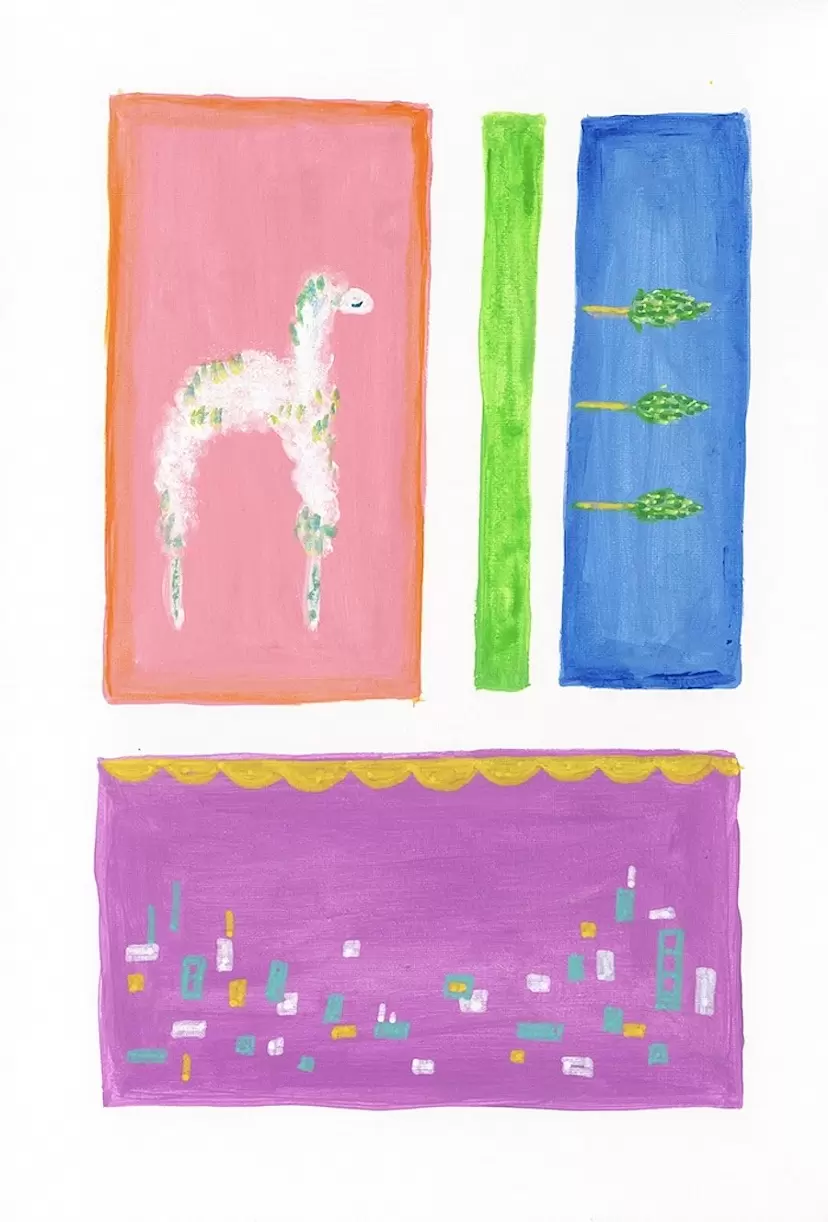
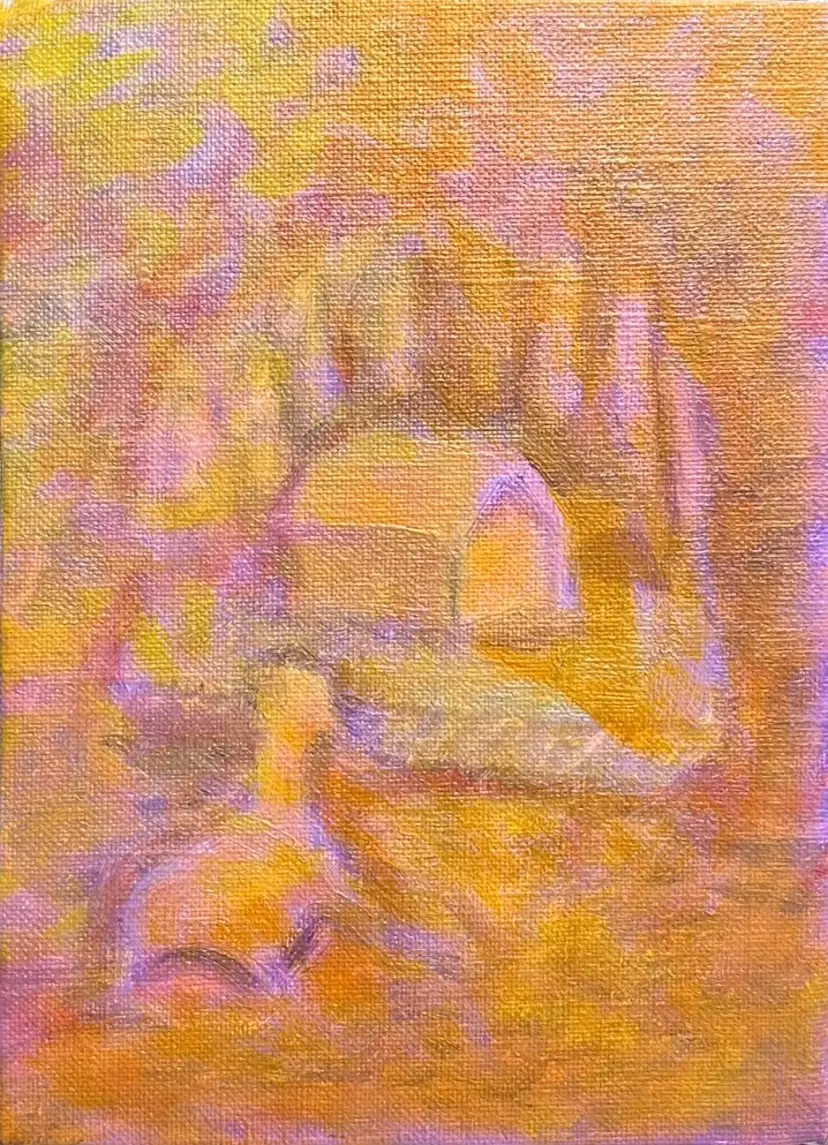
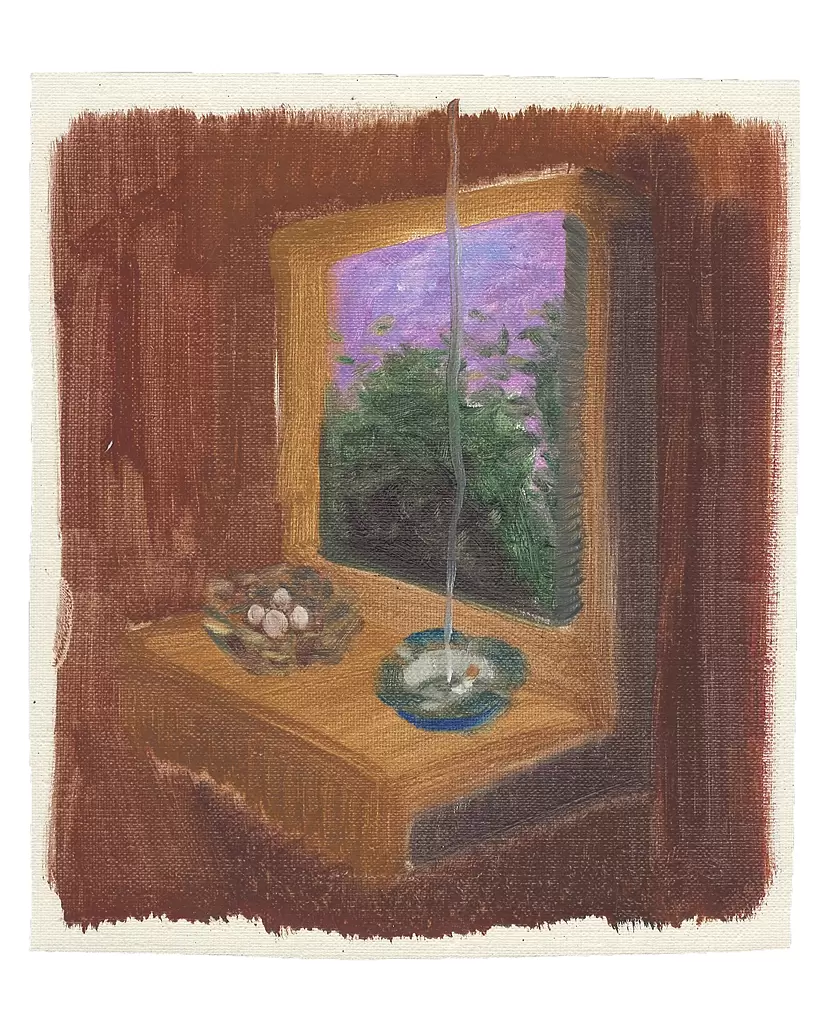
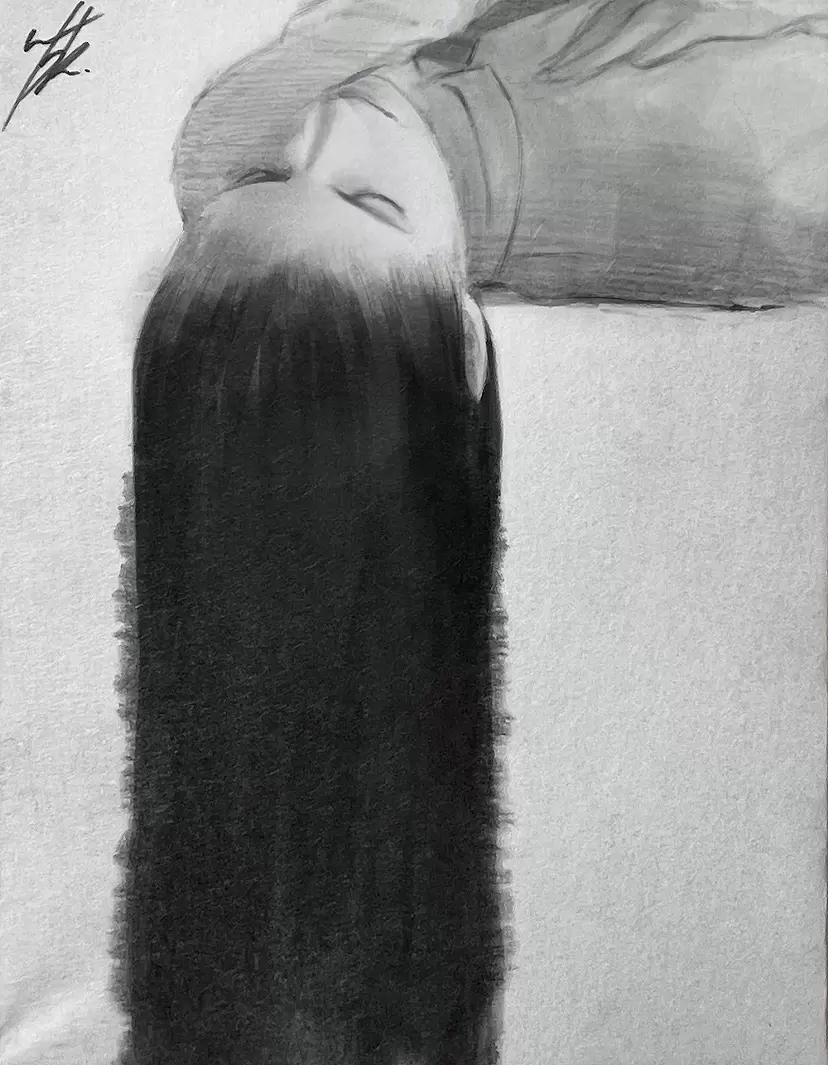
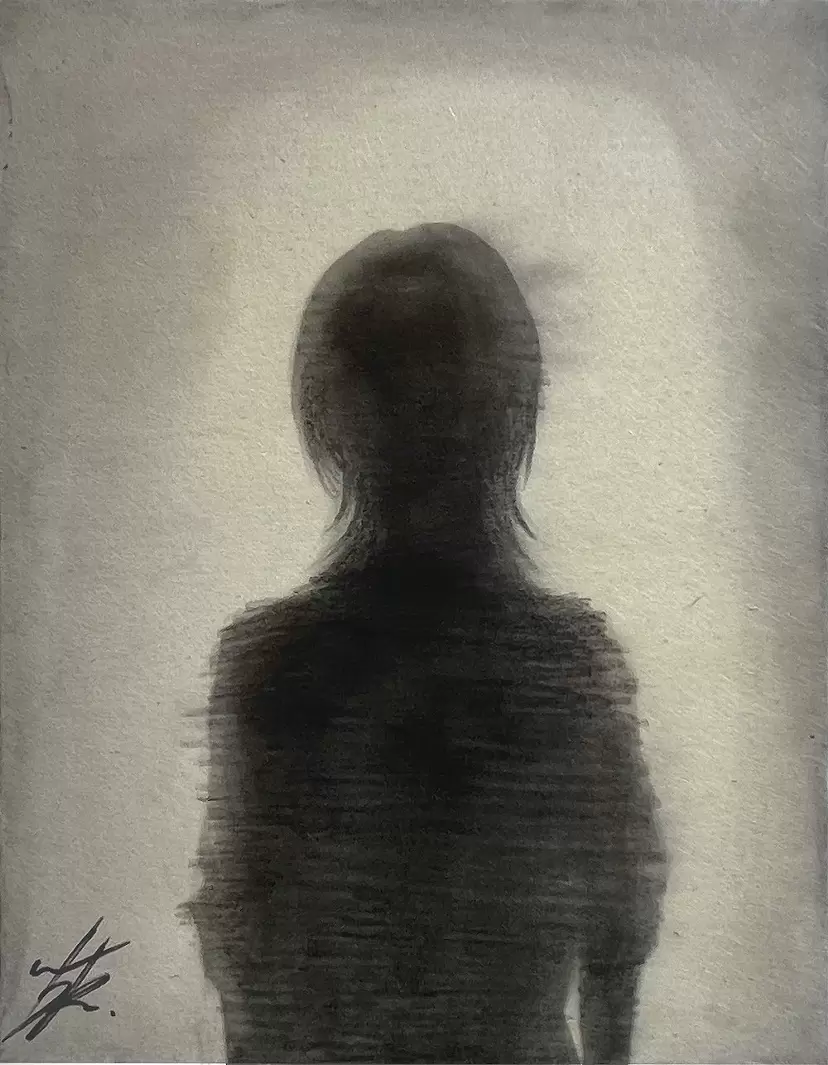
私は学生時代から合わせると、10年間演劇に携わってきた。その大半は役者ではなく、演出や舞台監督のような裏方であった。
演劇において私が1番好きな瞬間は、下手側の袖から役者が1番最初のセリフを発話する瞬間を見ることだった。緊張の面持ちで袖に待機していた役者が、一歩板の上に踏み出したのならば、すぐさまその「役」としての生涯を始める顔つきとなる。そこから台詞を発話するまでは、「役」と芝居をしている当人とのせめぎ合いが続く。稽古から本番まで見守ってきた彼、彼女らのその一瞬の葛藤と、「役」をまっとうする覚悟を決めた瞬間の最初の台詞の発話を、私は堪らなく尊いと思うのだ。
购买方式

此作品已售完。
已售完
*显示的为汇率换算的参考价格。结算将以日元进行。
购买作品时是否有需要帮助?

加入等候名单
加入等待名单,以便在有作品可供购买时收到通知。
在线咨询
专业艺术顾问在这里协助您购买作品。 如果您对推荐的作品有任何疑问,或者您在购买时遇到任何问题,欢迎使用在线咨询。
艺术家
Artist
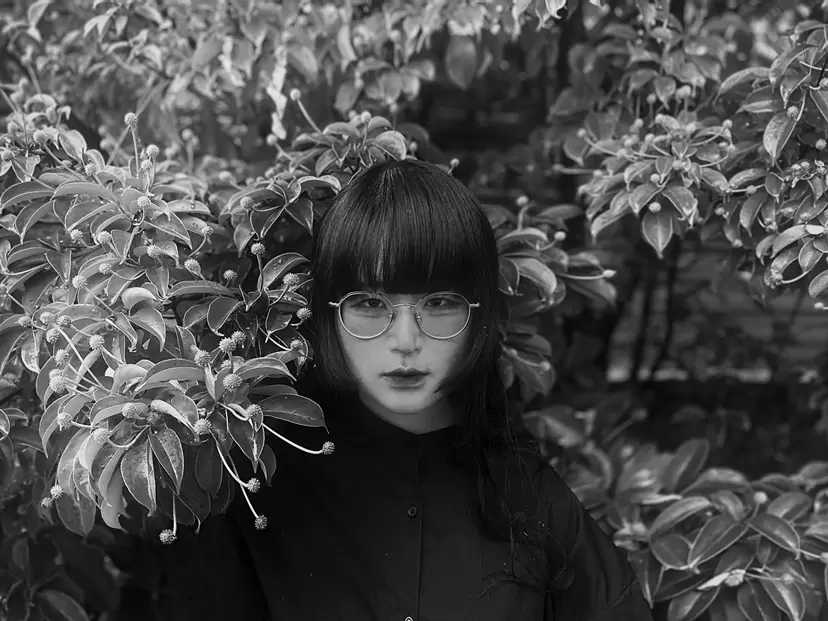
Momoka Kawashima’s practice begins with the question: “Is it possible to continue loving another who no longer has a physical presence, even after a loss has occurred?”In her work, the figure referred to as “you” initially emerges as a name for a particular individual whom she is unlikely ever to meet again, but gradually comes to embody the totality of those who have been lost. How does their absence remain within us, and how does it continue to transform? Through painting, installation, poetry, and text, Kawashima attempts to give form to the transformation of memory as an indeterminate entity.In Archive Fever, Jacques Derrida points to the paradox that “memory loses its essence in the process of preservation.” This structure is deeply connected to Kawashima’s practice. The act of attempting to remember or record “you” simultaneously contains the possibility of transforming, or even losing, that very essence. Yet she regards the act of continuing to confront this contradiction itself as one form of loving.Her textual practice is likewise grounded in the finite nature of dialogue and repetition between “you” and “I.” By translating her own words into paintings and installations, she considers the impossibility of fully crossing between language and the nonverbal as a “slippage in translation.” By repeatedly moving back and forth between language and the nonverbal, this slippage may at times be filled in, and at other times expand. She continues this process until the shifting nature of the translation itself becomes a representation of the absence of “you.”In recent years, Kawashima has increasingly chosen semi-transparent to transparent materials, such as fire-resistant and security films, as supports for her paintings, in order to trace the contours of others held within memory. These materials are associated with survival and protection—materials placed in the hands of those who choose to survive. The appearance of her works changes according to the position of the light source, and no work ever retains exactly the same appearance. Such changes evoke a way of being that continues to transform for as long as one continues to choose survival. At the same time, the technical contradiction of layering oil paint, a combustible material, onto a fire-resistant support reflects the contradiction inherent in the very act of continuing to depict “you.”Despite carrying this paradox, Kawashima continues to give form to the absence of “you.” The more she attempts to preserve “you” as something tangible, the more the work ceases to be “you” itself. And yet, by continuing to name it “you” within her work, she wishes to continue believing in “you” as an irreplaceable presence.
查看艺术家信息