




作品被购买了


3 months ago
Artist
Yuka Numata
Artist
Artist
Born in 1992 in Chiba, Japan, Yuka Numata studied at the Academy of Fine Arts Vienna from 2019 to 2020 and received her MFA from Tokyo University of the Arts in 2022.
In recent years, she has exhibited at institutions and events including Chiba Prefectural Museum of Art, the Setouchi Triennale, and Art Tower Mito, as well as at museums, galleries, and art fairs in Japan and internationally, including Berlin and Dubai.
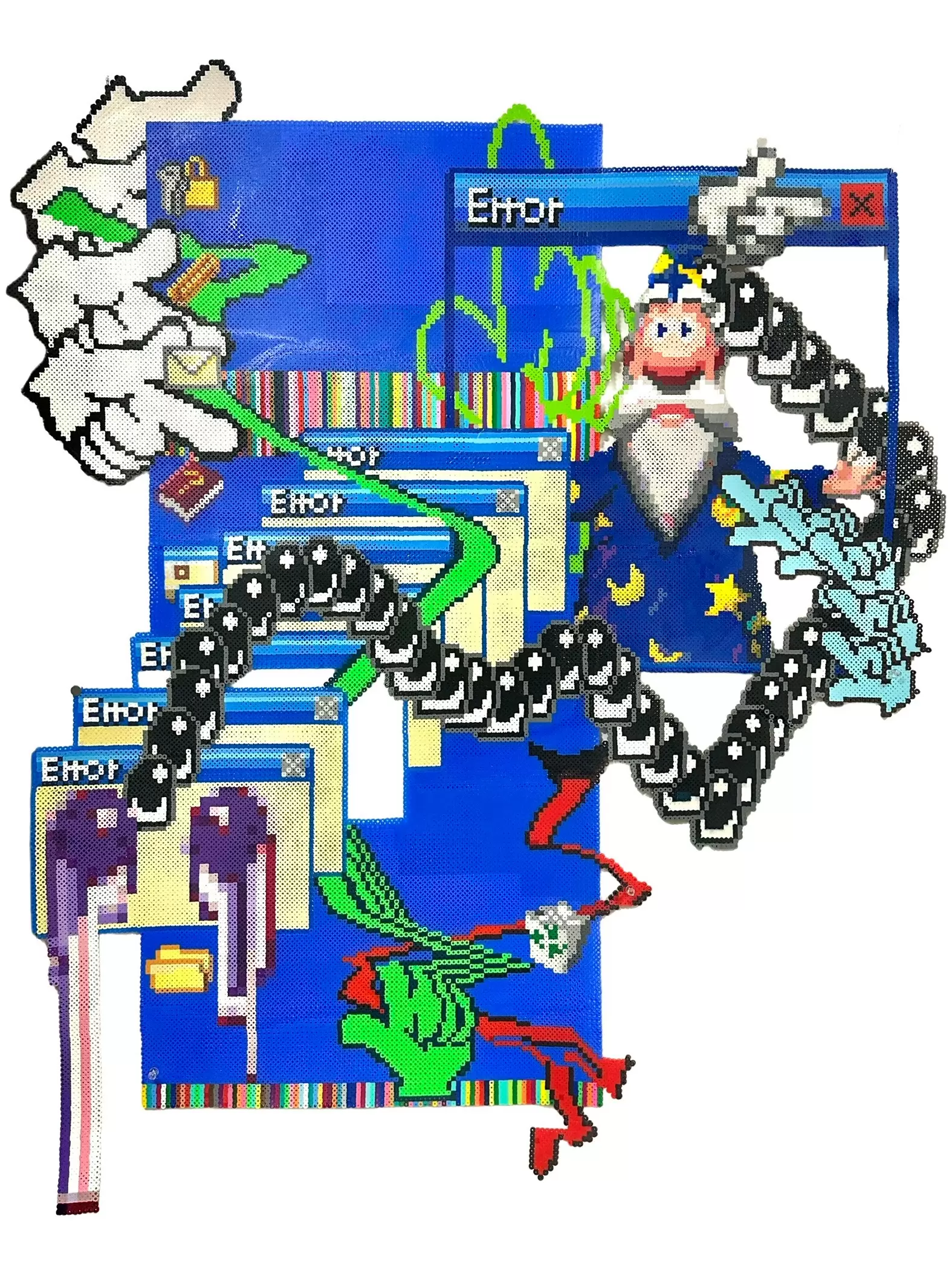
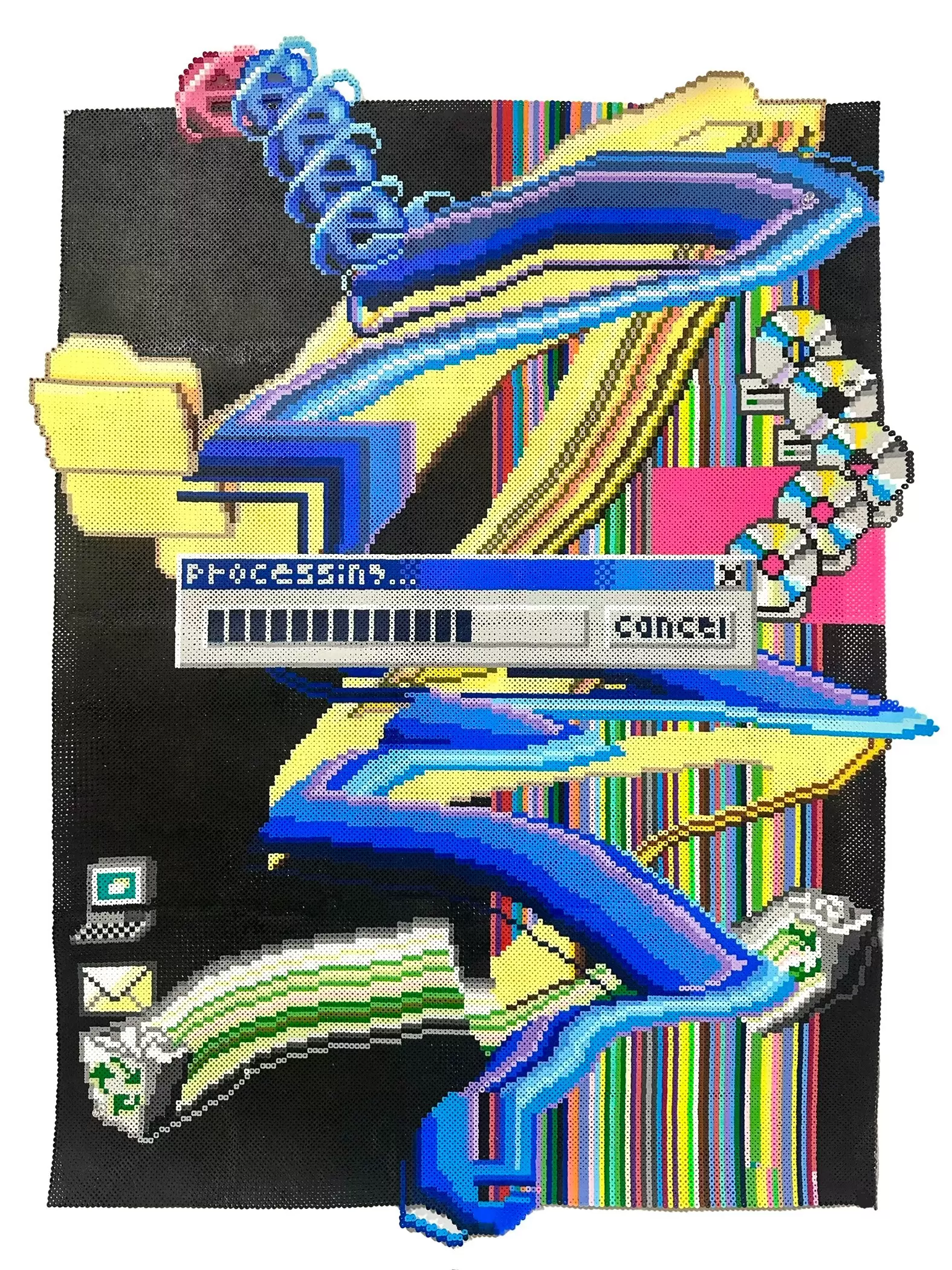
As a member of the digital-native generation that grew up alongside the widespread adoption of the internet, Numata explores the dissonance that emerges between digital and analog experiences. Through the use of visual elements such as glitches and bugs, she creates works that examine the shifting relationship between reality, perception, and contemporary culture.
Yuka Numata (b. 1992) is a Japanese contemporary artist whose practice explores the transition from analog to digital culture and the ways contemporary experiences are recorded, perceived, and remembered.
Born into the emergence of the digital-native generation, Numata grew up witnessing a period of rapid technological transformation, when everyday life shifted from physical media and direct experiences to screen-based communication and digital archives. Her work reflects on this cultural transition, examining how images, memories, and information are continuously reconstructed through evolving technologies.
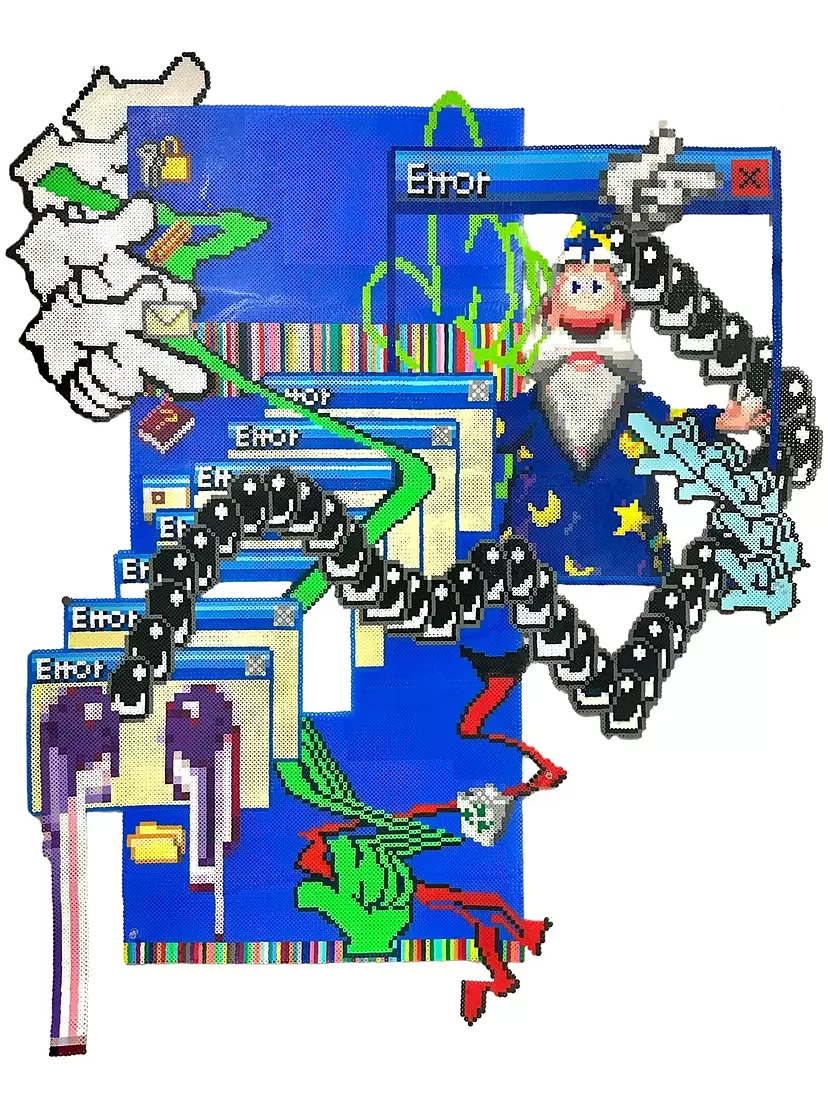
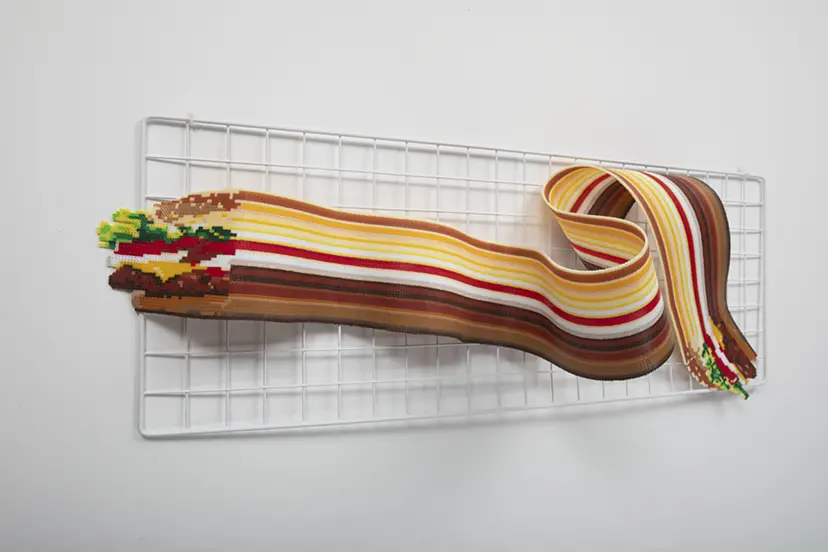
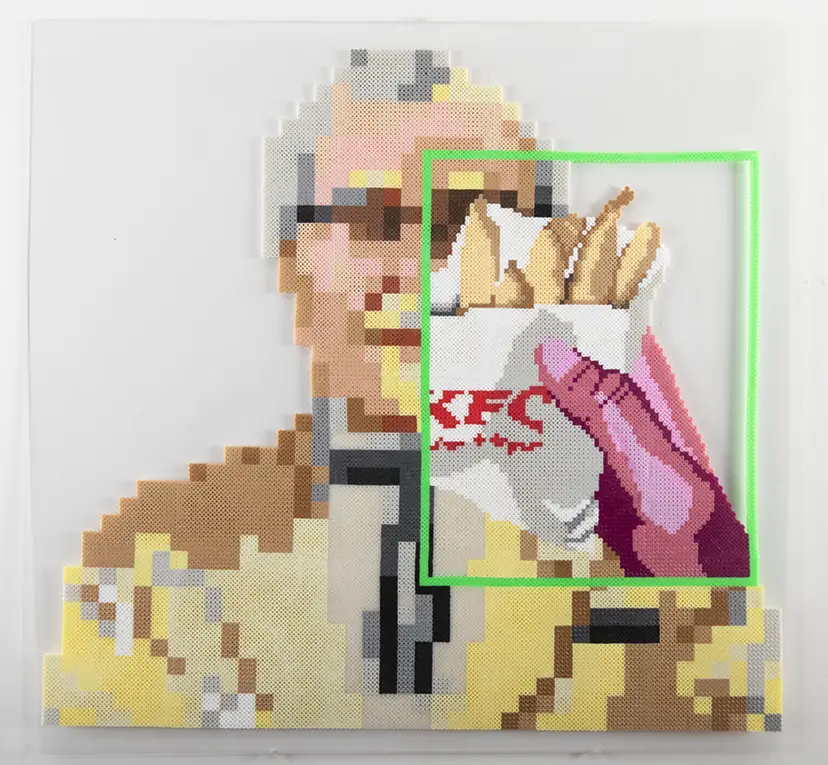
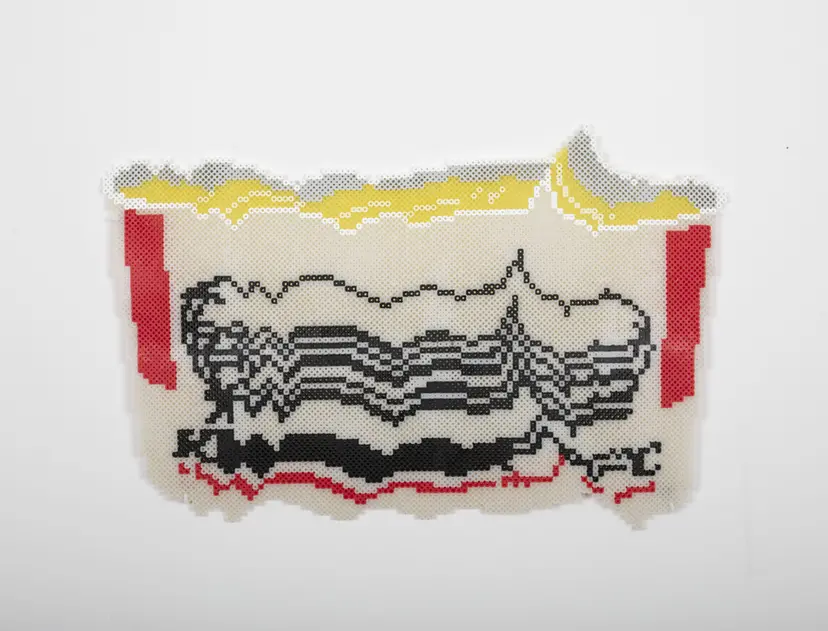
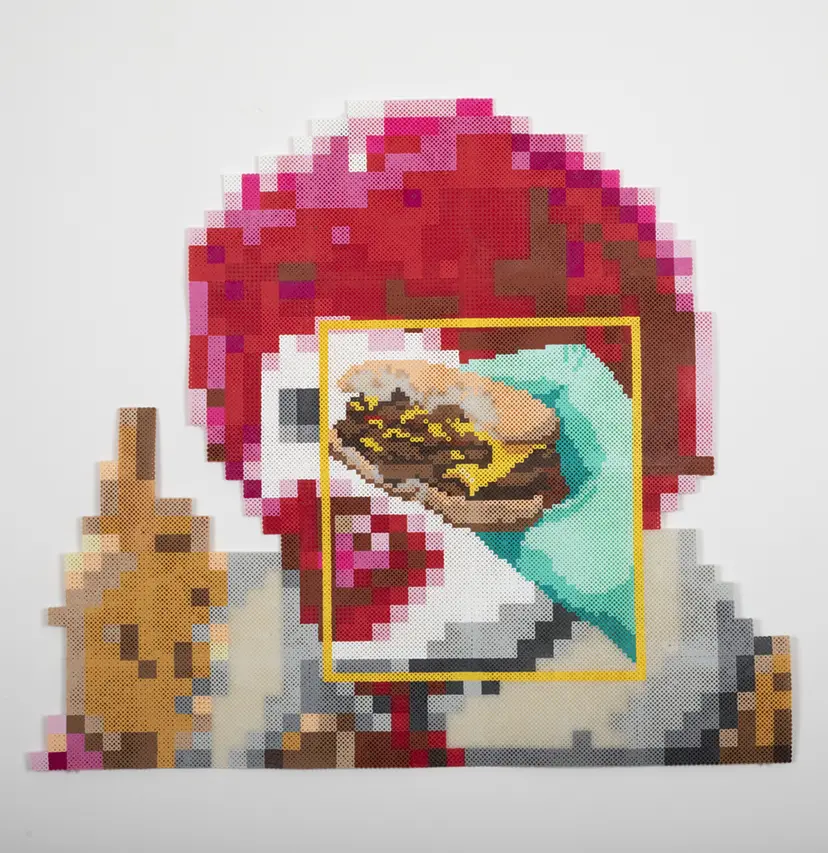
Working primarily with plastic beads, she creates pixel-based works that exist between painting and sculpture. Through a meticulous and labor-intensive process, she translates digital visual language into physical objects, transforming familiar motifs, logos, personal memories, and fragments of daily life into tangible archives. Glitches, distortions, and misalignments frequently appear in her work, disrupting recognizable imagery and revealing the instability of meaning within contemporary image culture.
By materializing digital aesthetics through handmade processes, Numata's practice highlights the tension between virtual experiences and physical reality, while questioning how a generation shaped by technological change understands and preserves its own time.
1件作品的贩售开始了
3 months ago
Artist
2026年7月3日(金) - 8月30日(日)までスターバックス カフェ&アートギャラリー 谷中御殿坂で開催する、グループ展「ArtSticker SELECTION at スターバックス カフェ&アートギャラリー 谷中御殿坂」の出展作品です。
1件作品的贩售开始了
3 months ago
Artist
2026年7月3日(金) - 8月30日(日)までスターバックス カフェ&アートギャラリー 谷中御殿坂で開催する、グループ展「ArtSticker SELECTION at スターバックス カフェ&アートギャラリー 谷中御殿坂」の出展作品です。