


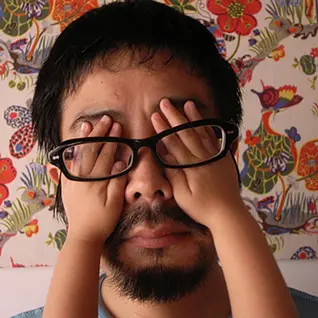

Tsuyoshi Ozawa
Artist
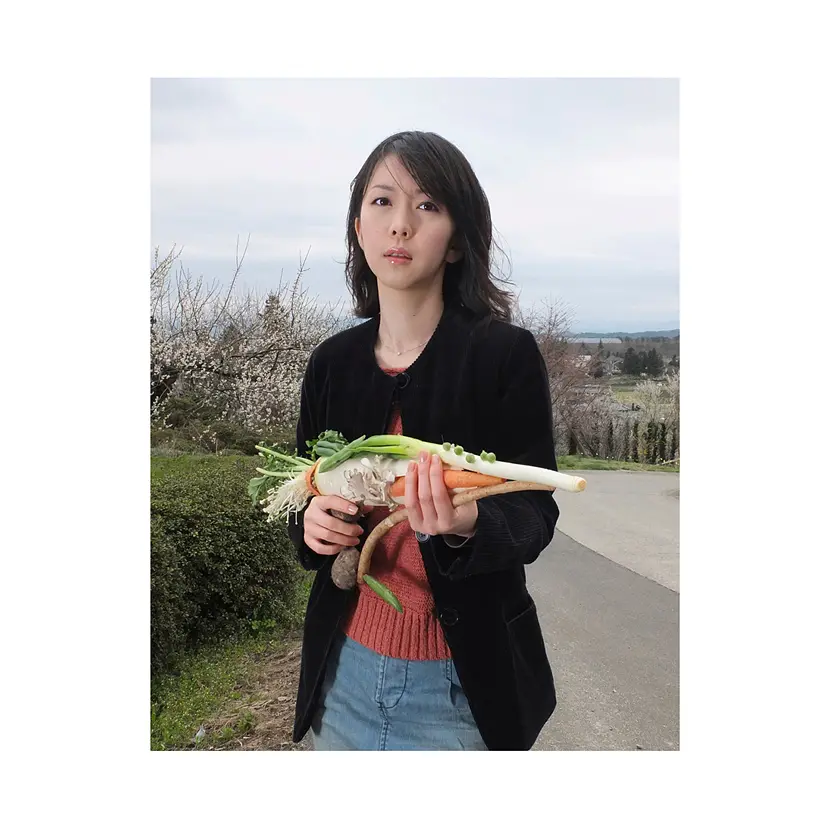
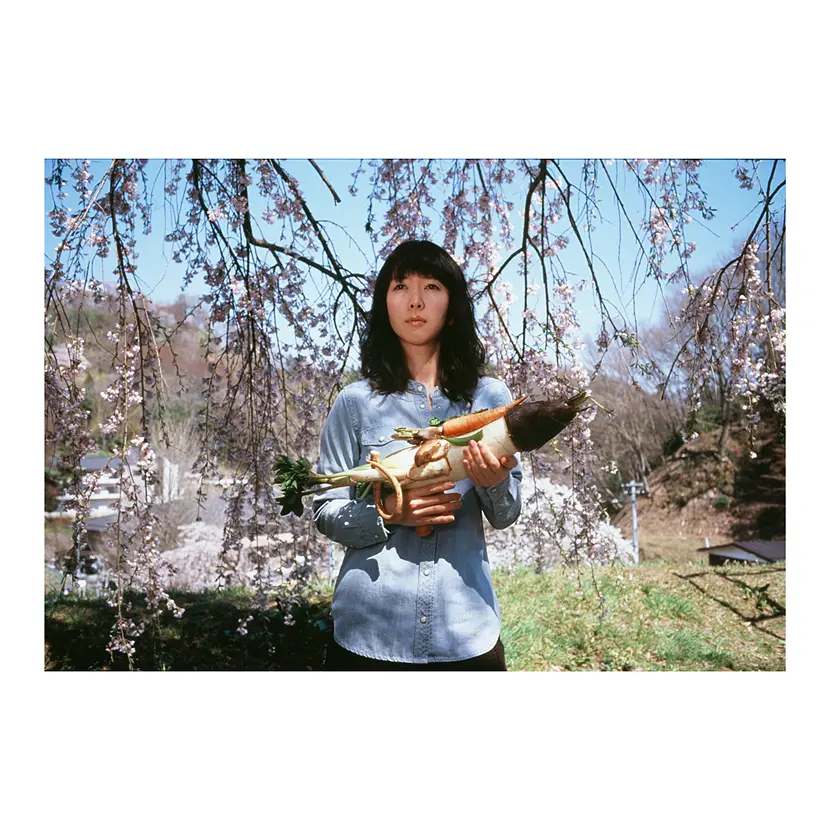
Born in Tokyo in 1965. Earned master’s degree from the Department of Fine Arts of the Graduate School of Tokyo National University of Fine Arts and Music (majoring in mural painting) in 1991. Ozawa’s notable works include: his “Jizoing” series, in which he photographs statues of homemade Jizo statues situated in different environments; his Nasubi Gallery series of portable micro-galleries made from milk boxes; his “Museum of Soy Sauce Art,” in which he reproduces historical Japanese art masterpieces using soy sauce; and his “Vegetable Weapon” series of photographic portraits of young women holding “weapons” made of vegetables.
作品
在ArtSticker上展示Tsuyoshi Ozawa 的作品。提供Tsuyoshi Ozawa的作品的尺寸、材料、概念以及艺术家信息包括个展和简历。
简历
简介
Selected major solo exhibitions include: “Answer with Yes and No!” at the Mori Art Museum (Tokyo, 2004), “The Invisible Runner Strides On” at the Hiroshima City Museum of Contemporary Art (Hiroshima, 2009), “Tsuyoshi Ozawa : Everyone likes someone, as you like someone” at the Fukushima Prefectural Museum of Art and the Toyota Municipal Museum of Art (Fukushima, Aichi, 2012), “Tsuyoshi Ozawa Imperfection: Parallel Art History” at the Chiba City Museum of Art (Chiba, 2018).” The Seven Wonders Of Sanuki “The Kagawa Museum (Kagawa, 2025). Selected major group exhibitions include: “Saitama Triennale: Envisioning the Future!” (Saitama 2016) and “Yokohama Triennale : Island, Consetellations & Galapagos“ (Kanagawa, 2017), “13th Berlin Biennale for Contemporary Art” (Berlin, 2025), “Prism of the Real: Making Art in Japan 1989-2010” (Tokyo, 2025), and the recently partially modified “Slug Buddha 88” is on permanent display in the Valley Gallery, which opened at Benesse Art Site Naoshima in March 2022.
Ozawa’s artistic collaboration “The Xijing Men”, explores themes related to breaking communication barriers, with Chinese artist Chen Shaoxiong and Korean artist Gimhongsok, “Xijing Is Not Xijing, Therefore Xijing Is Xijing.” at 21st Century Museum of Contemporary Art, Kanazawa. (2016), “Art and China after 1989: Theater of the World” at Solomon R. Guggenheim Museum and Guggenheim Museum Bilbao (New York, Bilbao 2018).
