

1件の作品の販売を開始しました


9 months ago
Artist
Zimbiri
Artist
Artist
Zimbiri (b. 1991) was born in Thimphu, the capital of Bhutan, and graduated from Wheaton College, Massachusetts, with a double major in Economics and Art. She is recognized as the first Bhutanese woman artist to hold a solo exhibition in Bhutan.
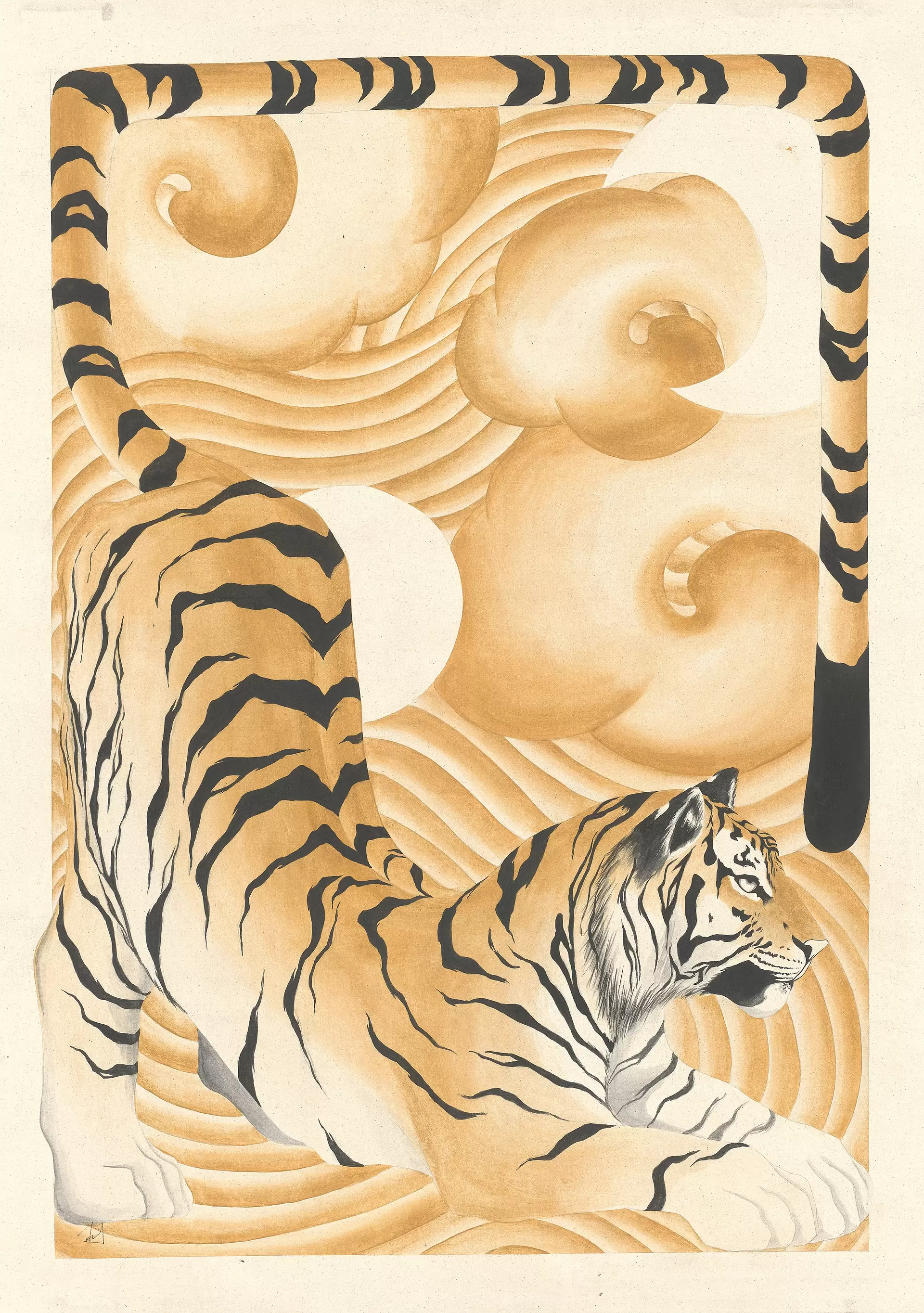
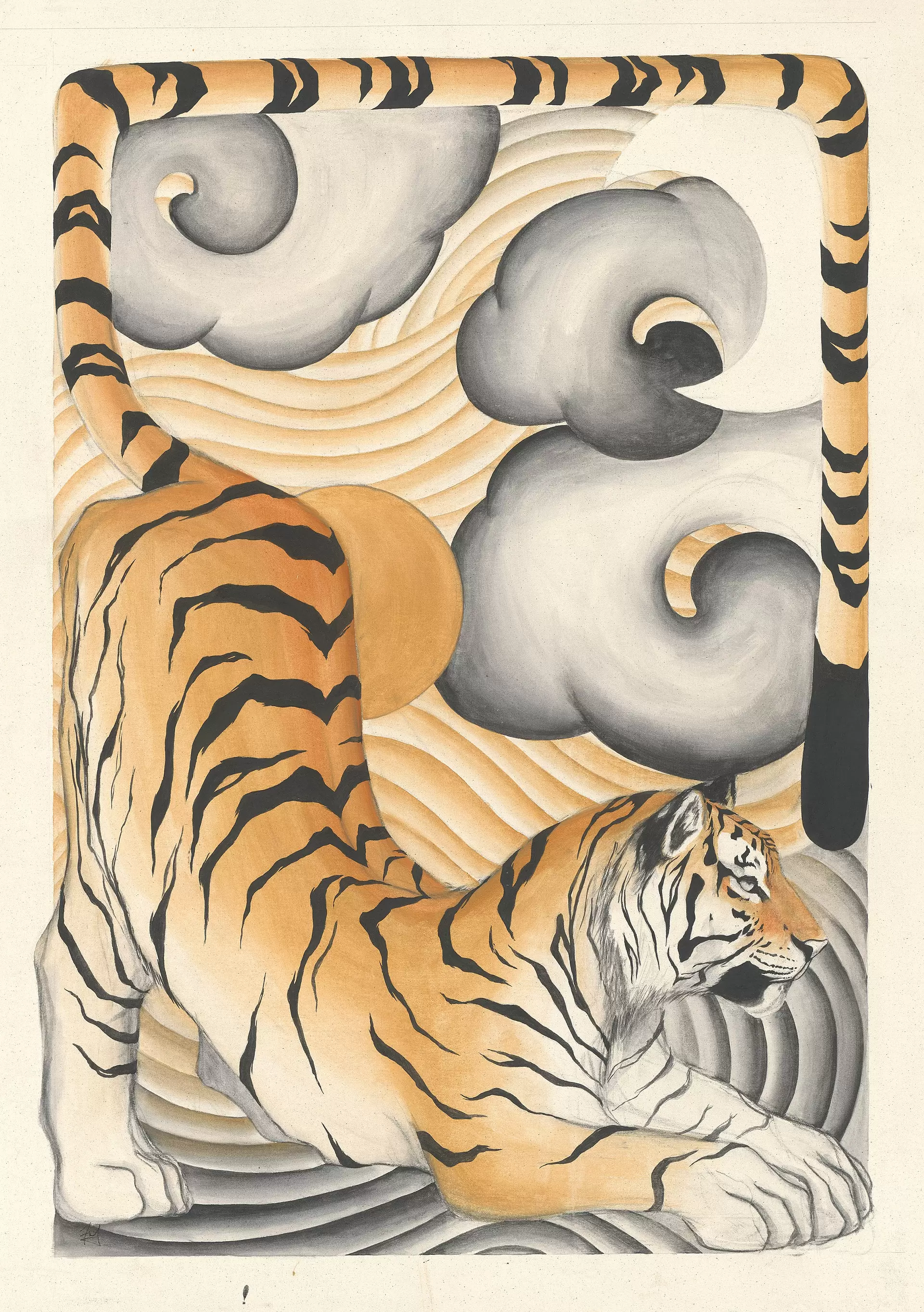
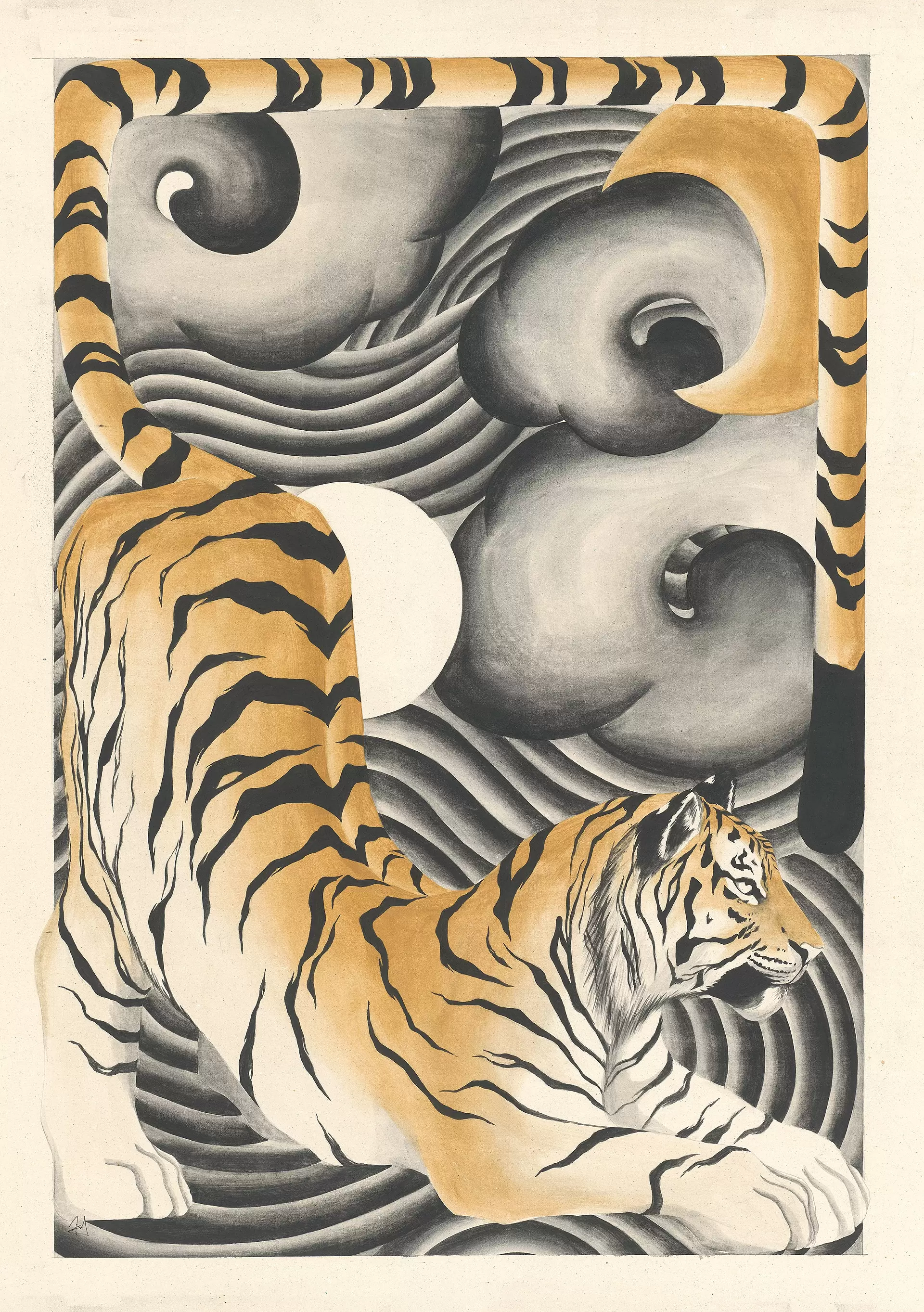
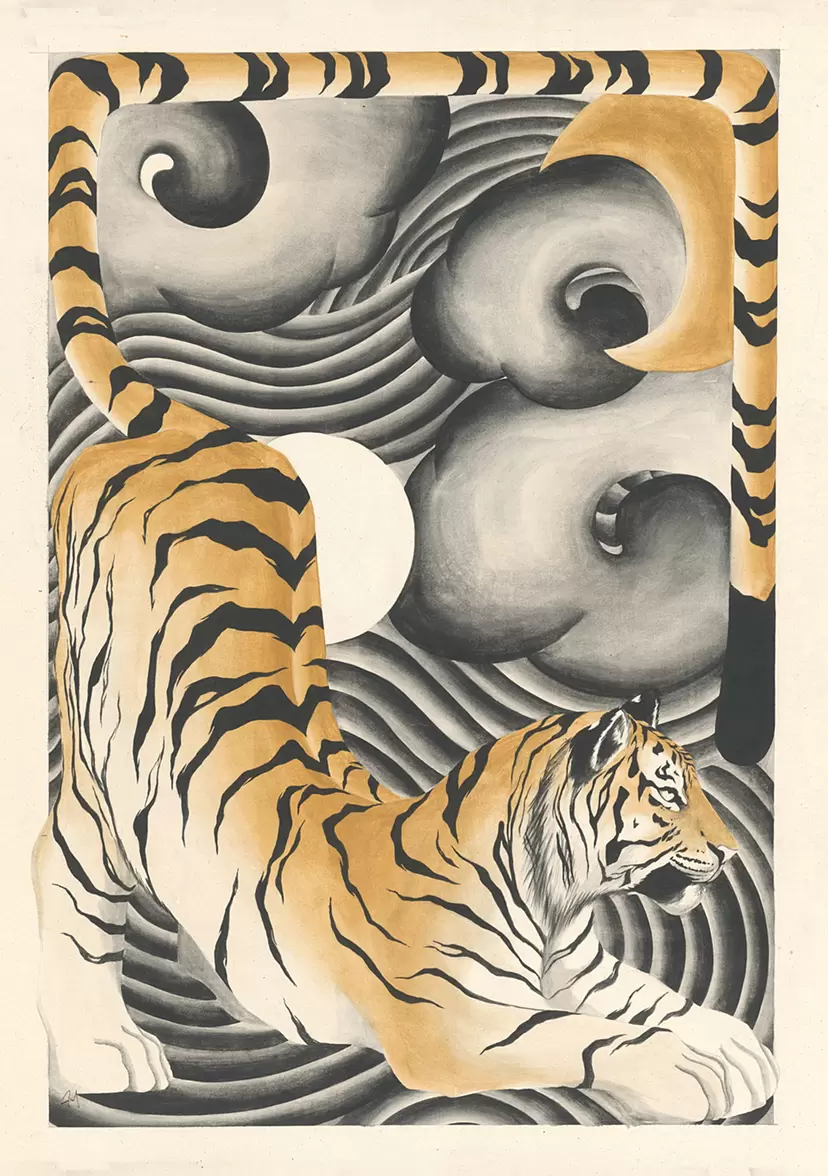
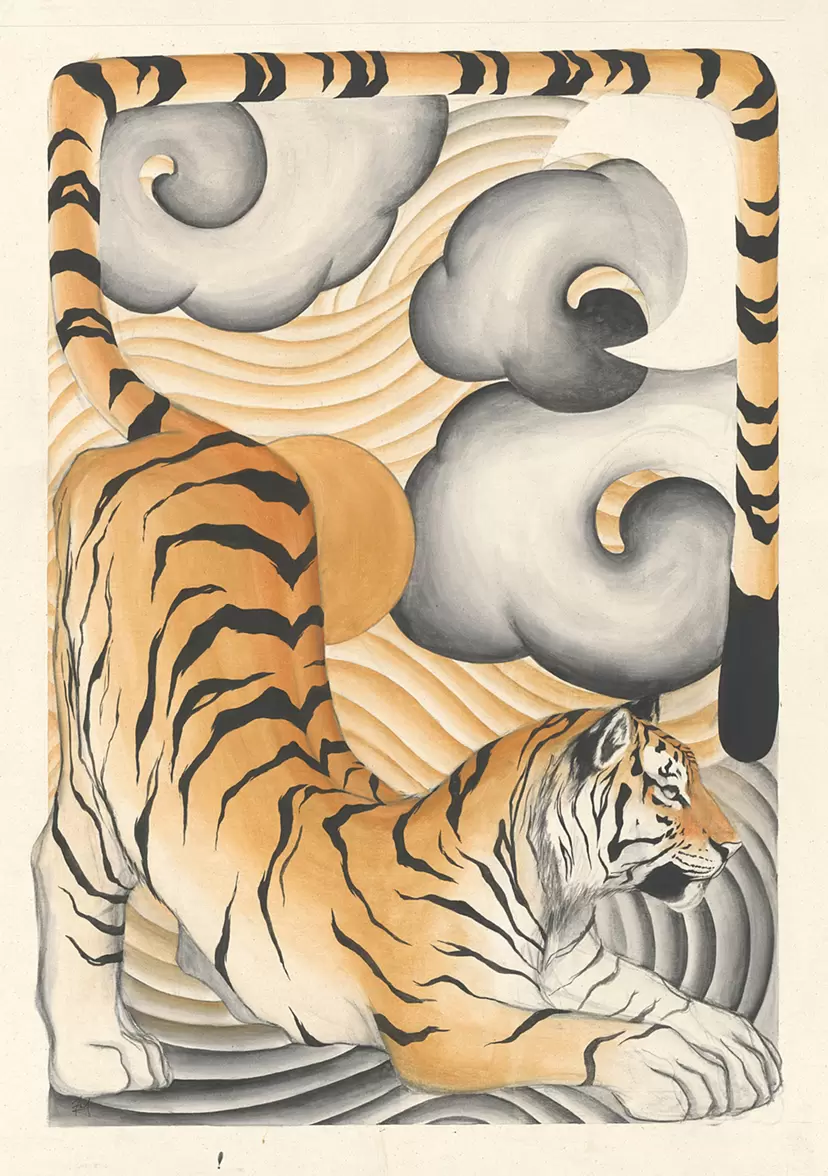
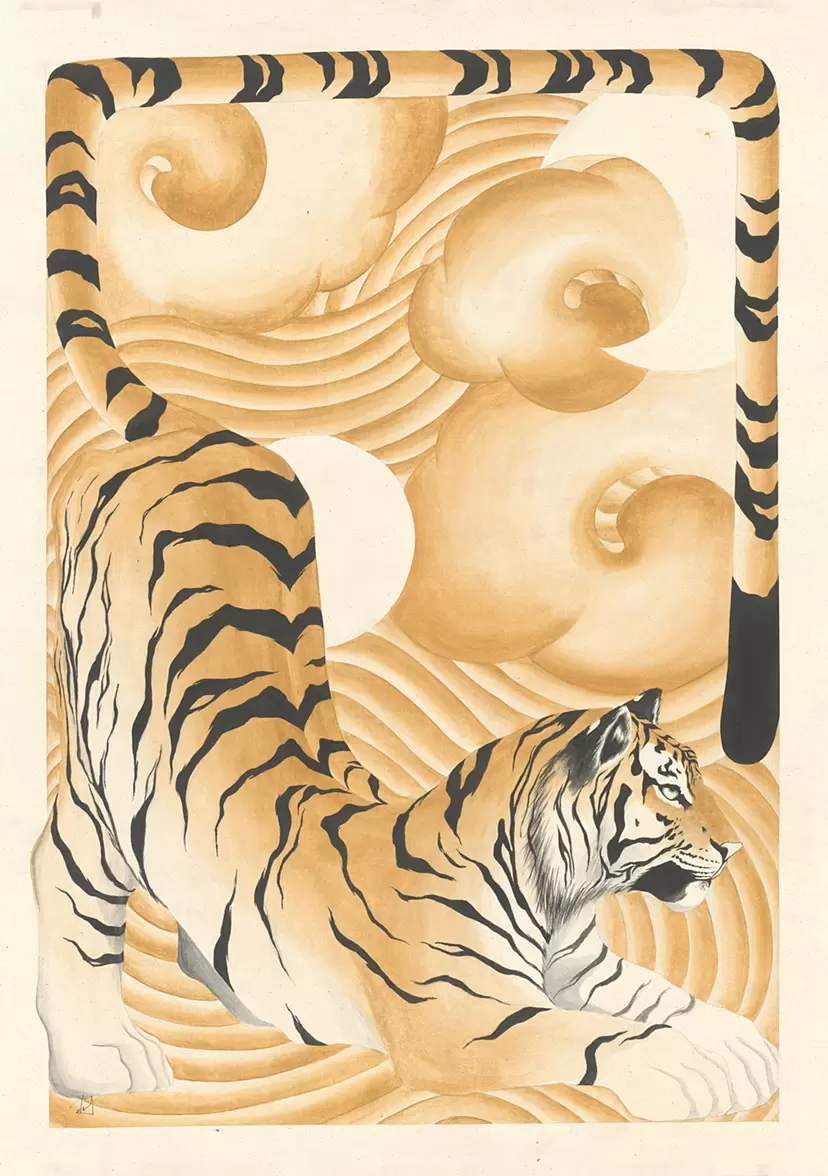
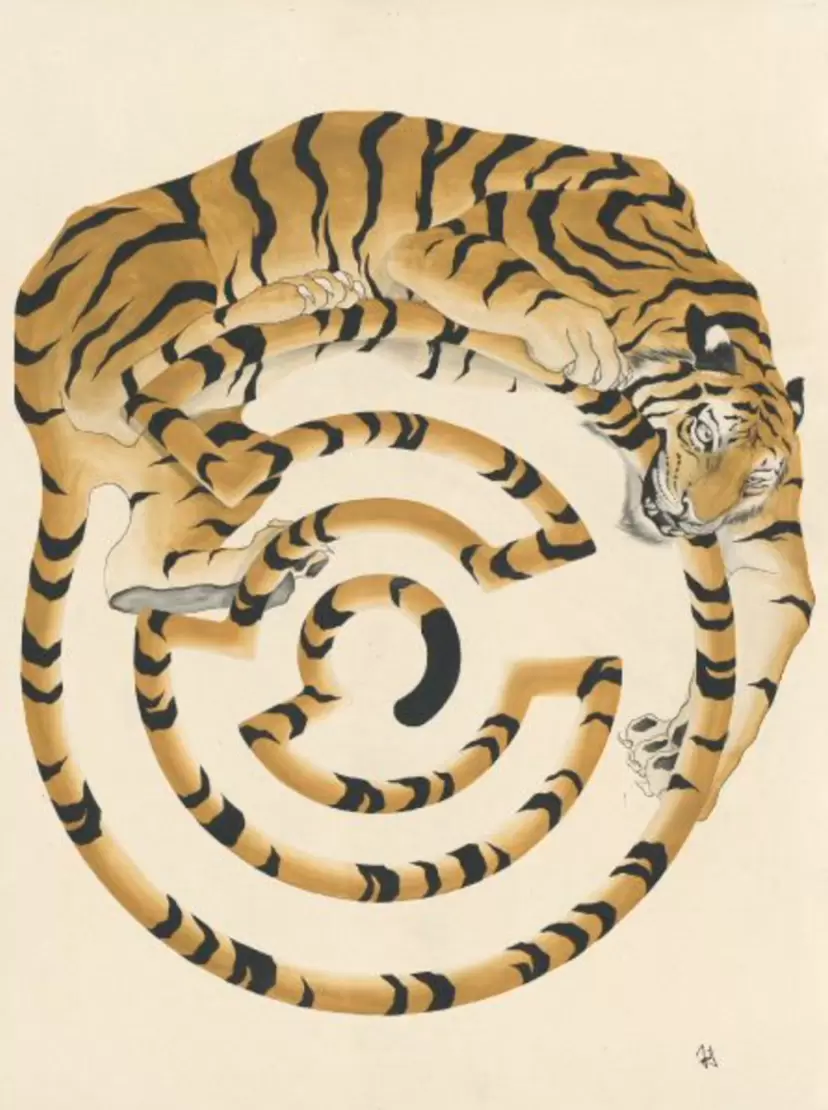
Deeply rooted in Bhutanese culture, her artistic practice primarily employs Saa-tshen (mineral pigments) and Rhay-shing (handmade canvas) — traditional Bhutanese materials derived from the earth and mineral pigments used on the exterior walls of Bhutanese architecture. These pigments, known for their stability, can endure the effects of light and heat. Zimbiri recreates the consistency of natural mineral hues on canvas, a process that demands extensive experimentation and mastery to achieve effective use in her works.
By insisting on using locally sourced Bhutanese materials, Zimbiri imbues her works with a tangible authenticity while connecting her artistic philosophy to the history and cultural heritage of Bhutan. Each of her creations stands as both a testament to and a tribute to tradition.
Zimbiri’s extensive international exhibition experience has played a pivotal role in introducing Bhutanese contemporary art to the global stage. Her exhibitions serve as a dialogue — her art reveals Bhutan to the world, engaging diverse audiences and inviting deeper understanding of its rich and colorful culture. In 2018, she was named one of VOGUE India’s “Top Young Artists Under 40 to Watch.” Her works have been presented at the India Art Fair (2017), Art Basel Hong Kong (2018), Delhi Contemporary Art Week (2019), and Art Taipei (2022). In 2020, she represented Bhutan at Asia Art Week in London under the thematic exhibition India and Bhutan.
The recurring motif of the tiger in Zimbiri’s work carries deeply personal meaning. During her upbringing, values such as selflessness, humility, compassion, and kindness were emphasized. As an adult, however, she came to recognize the importance of confidence, independence, and self-love — qualities embodied through her process of painting tigers. For Zimbiri, the tiger symbolizes self-love and reminds her that loving oneself is not the same as selfishness. In Bhutanese culture, the tiger is a symbol of strength and dignity — a mentor figure urging contemplation as well as action, self-respect, and courage. It has become her artistic language for storytelling, questioning, and expressing ideas. Through this imagery, Zimbiri explores the complexities of human experience and the workings of the inner self.
Zimbiri’s art reveals the essence of Bhutanese culture to the world, uniting traditional craftsmanship with contemporary sensibilities. Her practice highlights both Bhutan’s cultural evolution and the profound influence of her Western art education. Through her works, she demonstrates how traditional materials and motifs can be transformed into contemporary expressions, making her a key figure in the Himalayan contemporary art scene. Zimbiri’s art encourages viewers to engage in reflection and meditation — not merely to observe but to experience and internalize. Her works guide audiences through their own inner landscapes, mirroring Bhutan’s cultural emphasis on introspection and spiritual growth. Within this intersection of tradition and modernity, Zimbiri’s art discovers its own voice and meaning.
Her works are currently on view at the Tainan Art Museum, Building 2, in the exhibition Labyrinthus Universi: Himalayan Contemporary Art, where she continues to look back upon her cultural roots through a contemporary lens, forging new chapters for Bhutanese art between tradition and modernity.