Azabudai Hills #2
Year: 2024
Material/Technique: Others
Size: 30 × 40 × 10 cm
Edition: Unique
Signed:Not Included
This artwork can no longer be purchased.
SOLD OUT
Note: Prices are displayed as reference prices converted at the exchange rate. Payments are made in Japanese yen.


About the Work
- Year
- 2024
- Material/Technique
- Others
- Size
- 30 × 40 × 10 cm
- Edition
- Unique
- Signed
- Not Included
- Frame
- Not Included
- Work Certificate
- Included
- Distributor of artworks
- The Chain Museum
- Ship-from Area
- Tokyo
- Days Until Dispatch
- 展覧会終了後、約1ヶ月
- Category
- Installation
- Style
- Society / Politics / History
Work Details
Photo by Jun Yokoyama
Photo by Jun Yokoyama
■ Organizer's comments
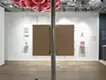
At "Gallery & Restaurant Butaiura," we are pleased to present a solo exhibition by Yuken Teruya, an artist from Okinawa currently based in Berlin.
What comes to mind when you think of Okinawa? Perhaps a tropical paradise with beautiful, endless seas? Laid-back residents who laugh off troubles with the phrase "Nankurunaisa"? Or maybe you think of the idol groups that were hugely popular in the 1990s? However, while Okinawa often carries such a bright, utopian public image, it is also the only place in Japan where ground battles occurred during World War II, and following the war, it remained under U.S. military control until 1972. Even today, approximately 70% of the total land area occupied by U.S. military bases in Japan is concentrated in Okinawa.
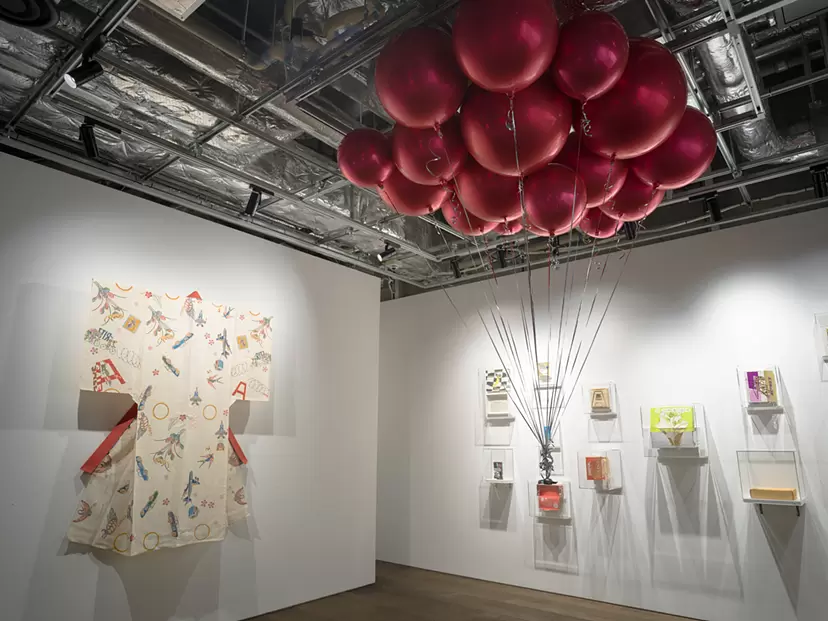
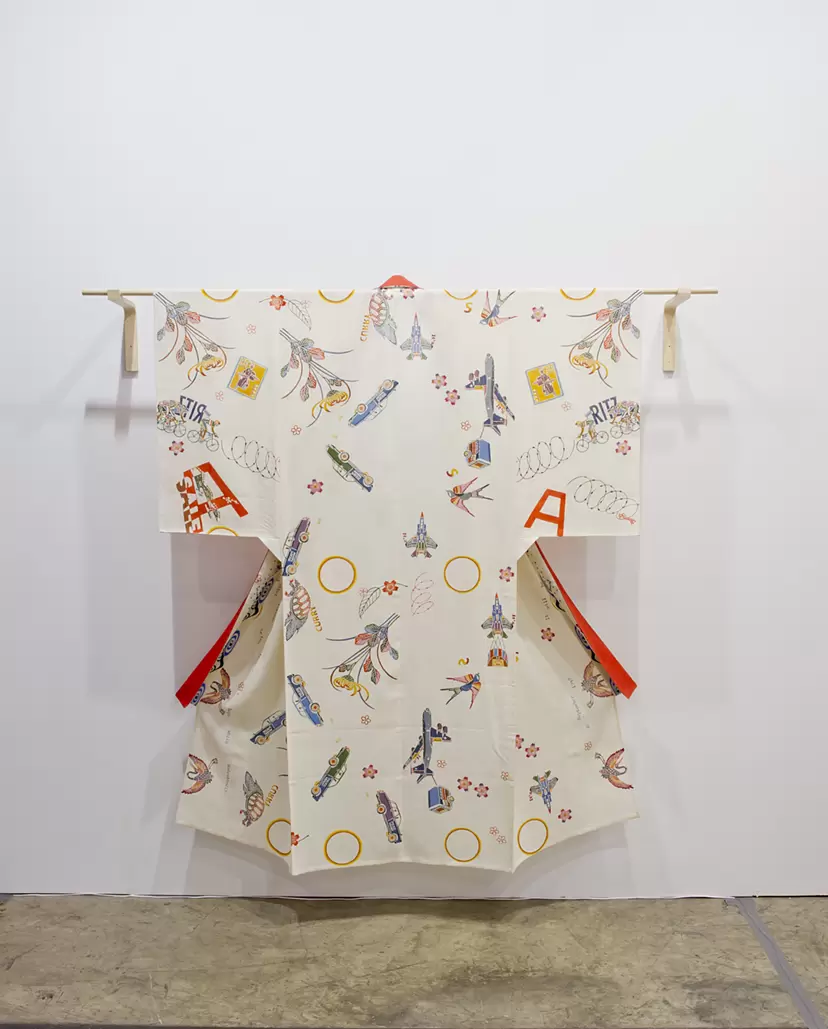
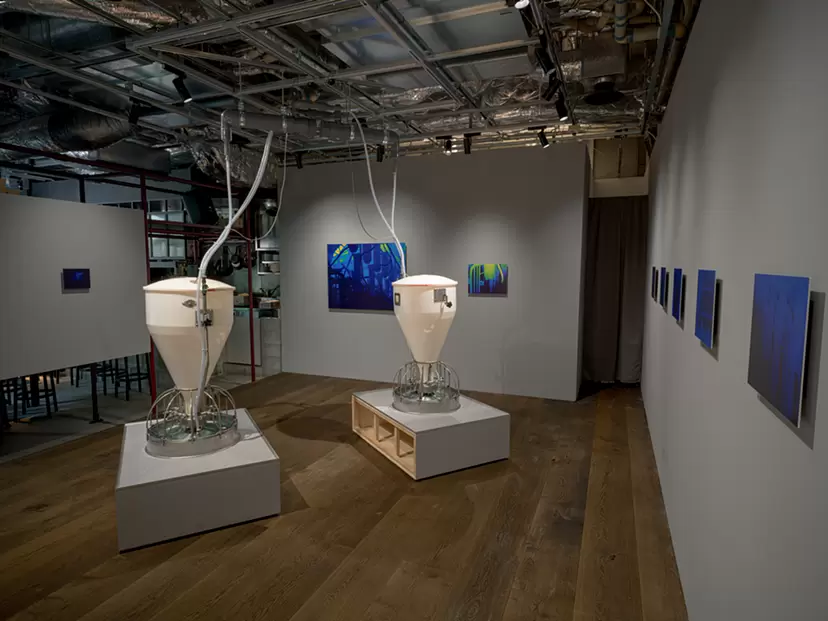
Yuken Teruya’s works use familiar materials and everyday concepts while addressing themes rooted in Okinawa’s history, the U.S. military presence, and the systems of power and control within society. At the heart of this exhibition are Aka no Tori, Kurenai no Sora (2010), a piece using Bingata, a traditional Okinawan dyeing technique, combined with imagery from everyday life in Okinawa, and new works from his Monopoly series, which uses the capitalist game as a motif for the negotiation and appropriation of land. Through this exhibition, Teruya brings to light the political conditions and critiques of consumerism that lie beneath the glamorous surface. His questions, posed through his works, inspire imagination to think about our collective future and provide insights into dialogue that transcends social divisions.
Photo by Jun Yokoyama
■ About Monopoly
The term “monopoly” is generally understood to mean “exclusive control.” The board game Monopoly, bearing this name, was created in early 20th-century America. Played on a board similar to Sugoroku or The Game of Life, it focuses on property acquisition and financial management. The goal for players is to purchase and develop properties and accumulate wealth through rent collected from other players. In Monopoly, transactions are conducted using tokens that resemble real currency. Although originating in the U.S., this game has expanded to include boards themed around cities like London and Tokyo, celebrating the unique appeal of various global locations.
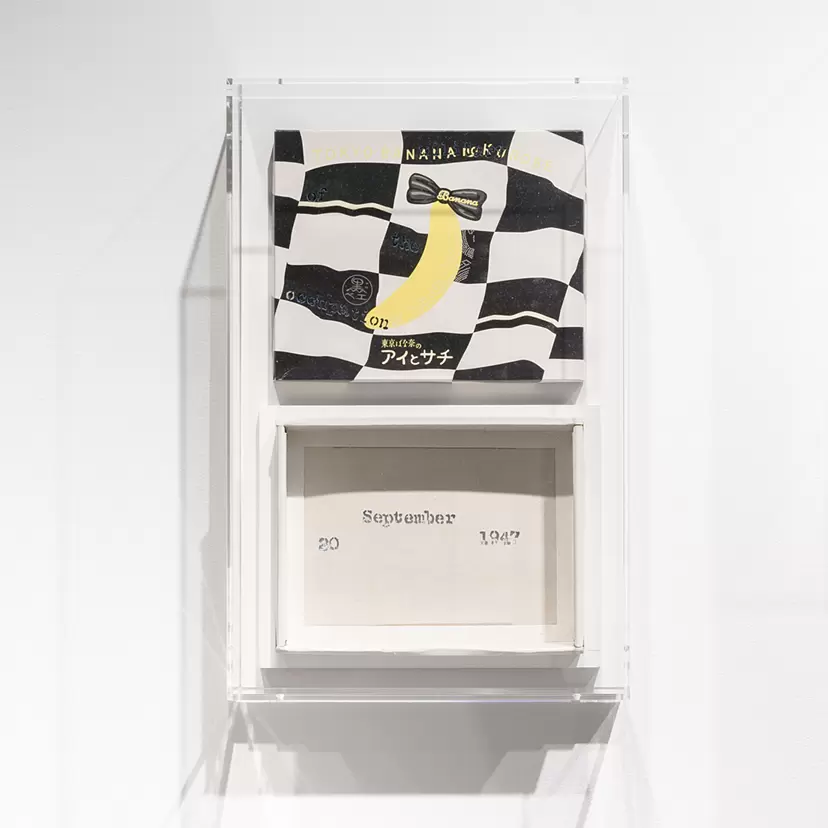
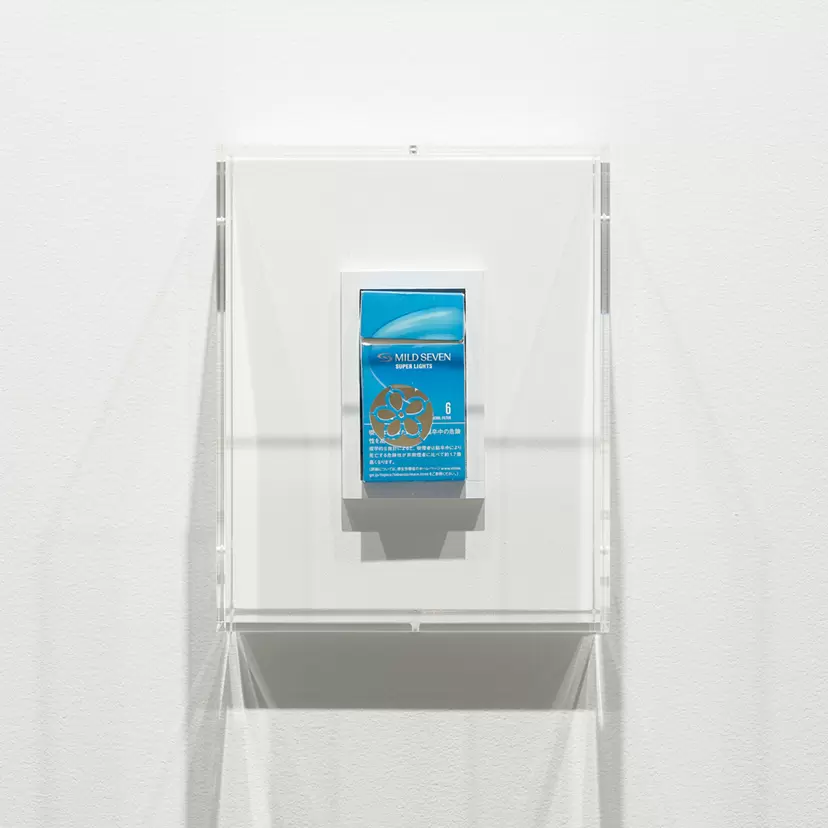
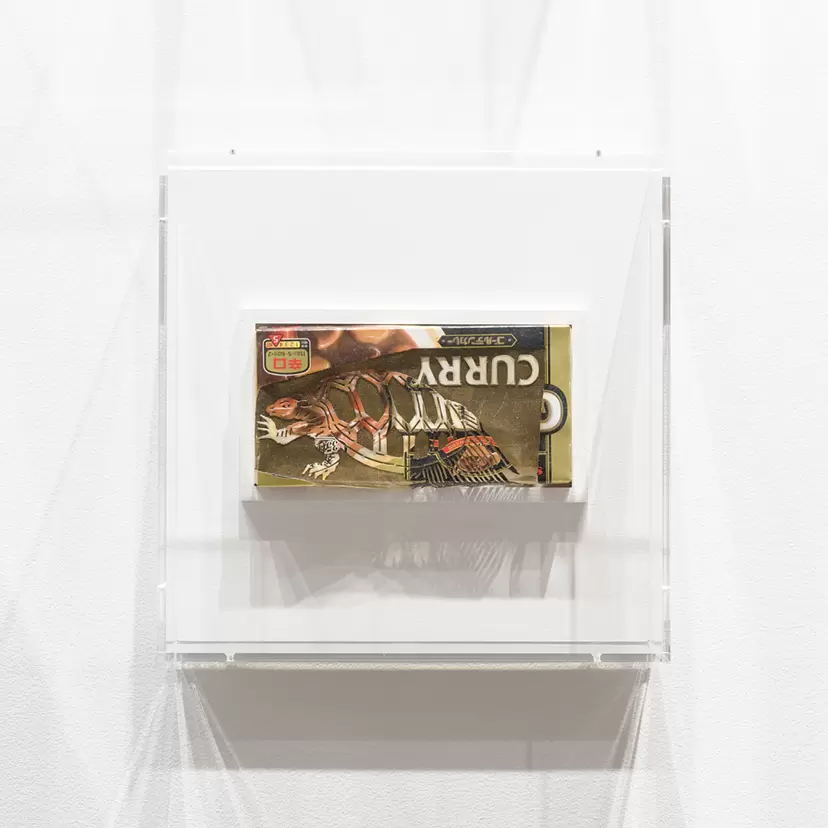
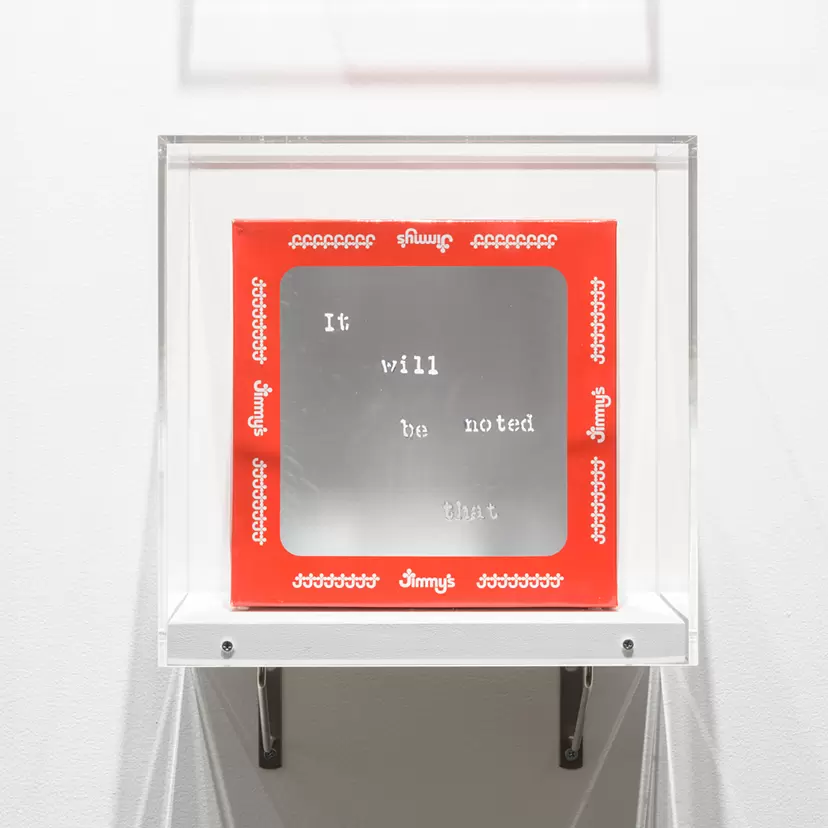
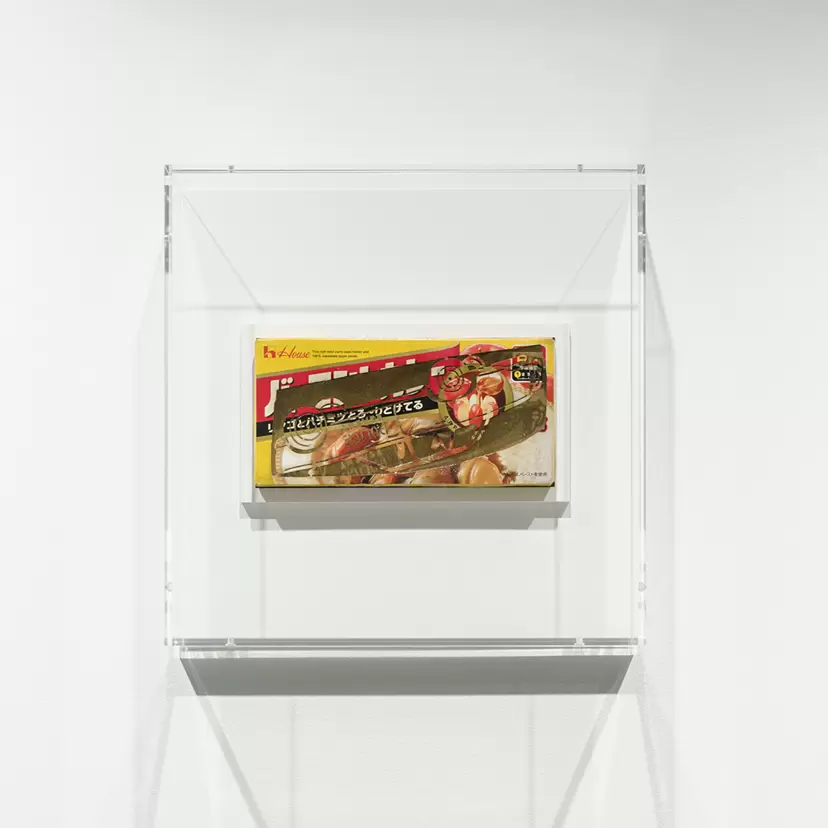
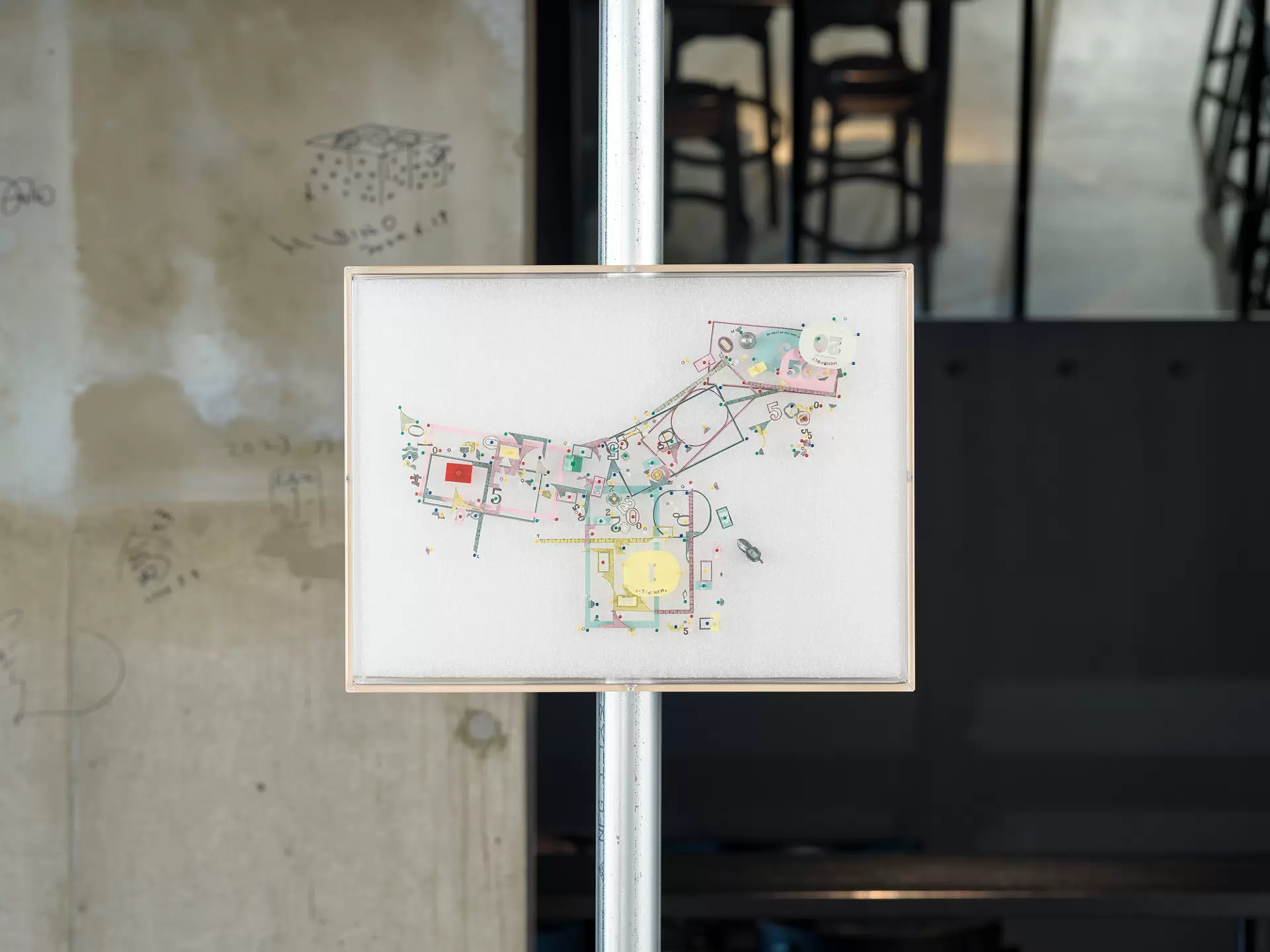
Teruya deconstructs Monopoly’s play money to recreate well-known structures such as churches and museums. In doing so, he transforms the play money from a symbol of monetary value into a symbol that measures religious, artistic, and historical significance. For example, Louvre (2022), displayed in this exhibition, reconstructs the Louvre Museum with play money, thereby exemplifying one of the central themes of this series. Through these play money symbols, Monopoly series visualises unmeasurable values that cannot be converted to mere currency. What play money attempts to measure are the exchange values and standards we unconsciously accept, or the invisible social values that shape our understanding.
Tokyo’s attraction lies not solely in the concepts of production and consumption that are readily monetisable. Visitors may be drawn to Tokyo’s symbolic power as an iconic place. Gallery & Restaurant Butaiura, located in Azabudai Hills — the heart of Tokyo — embodies the idea of a “city within a city.” This community, which reimagines daily life on a microcosmic scale, is sustained by the multitude of symbols felt by those who gather there, expanding from small, intimate meanings to infinite, broad-ranging ones. The symbolic use of play money in the Monopoly series invites us to rethink the diverse values and meanings embedded in a place like Azabudai Hills.
(Author: Yuken Teruya, Edited by Yuki Saiki)
■ Artwork information
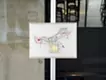
・Title: Azabudai Hills #2
・Production year: 2024
・Medium: Monopoly money, token, pin, foam, stencil on the back
・Signed on the Certificate of Authenticity
Exhibition Information
- Past Exhibitions
- Teruya Yuken solo exhibition “NEVER END”11.16.2024 - 01.19.2025
How to Buy

This artwork can no longer be purchased.
SOLD OUT
Note: Prices are displayed as reference prices converted at the exchange rate. Payments are made in Japanese yen.
Need help with purchasing?

Join the waiting list
Join the waiting list to be notified when artworks become available for purchase.
Start Chat
Our art concierge is here to help. Please feel free to chat with us about artwork recommendations or issues with purchasing.
Artist
Artists
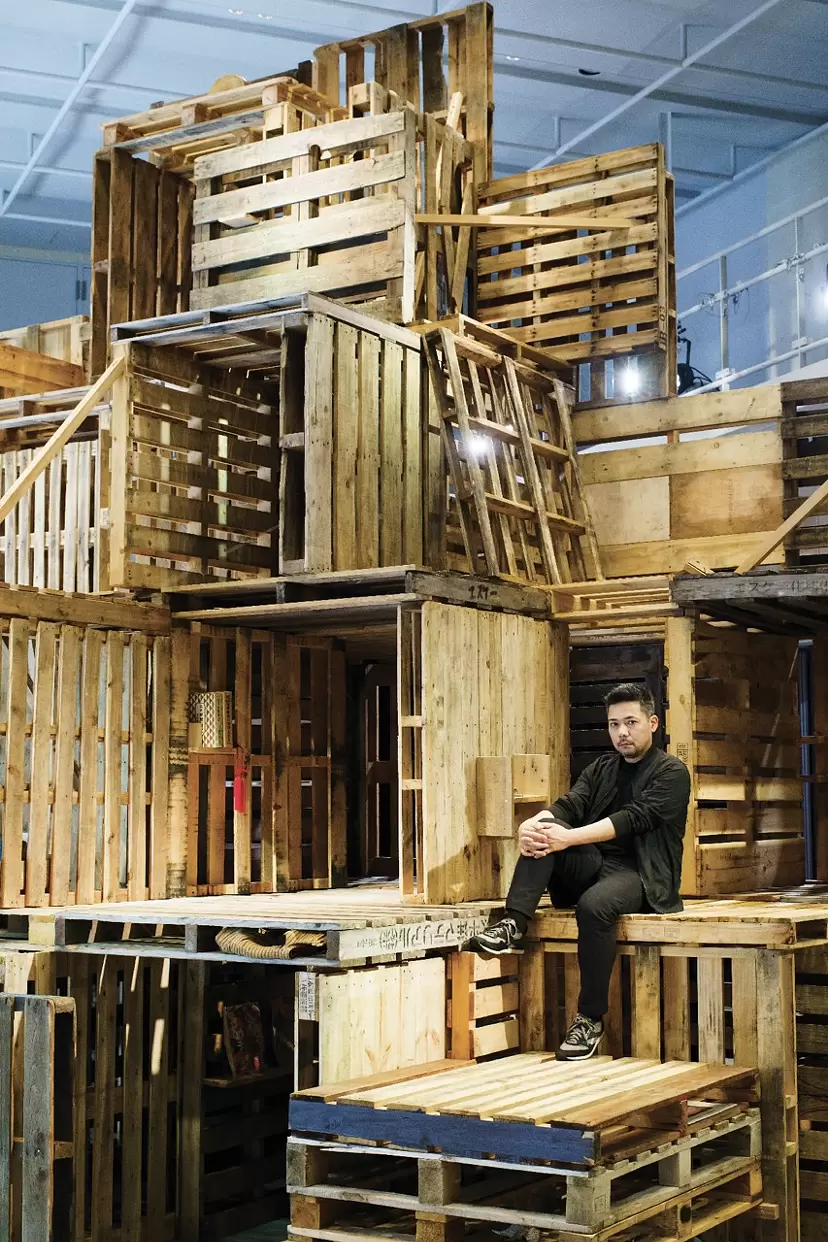
Graduated from Tama Art University, Faculty of Fine Arts, Department of Oil Painting in 1996 1999 Maryland Institute College of Art (USA) Post-Bachelor Program Completed 2001 School of Visual Arts MFA (USA) completed
See artist information