Stuck in Holland Tunne

Year: 2020
Material/Technique: Acrylic, Canvas
Size: 121.9 × 91.4 cm
Edition: Unique
Signed:Included


About the Work
- Year
- 2020
- Material/Technique
- Acrylic, Canvas
- Size
- 121.9 × 91.4 cm
- Edition
- Unique
- Signed
- Included
- Frame
- Not Included
- Work Certificate
- Included
- Distributor of artworks
- Upsilon Gallery
- Ship-from Area
- USA
- Days Until Dispatch
- Not Set
- Category
- Painting
Work Details
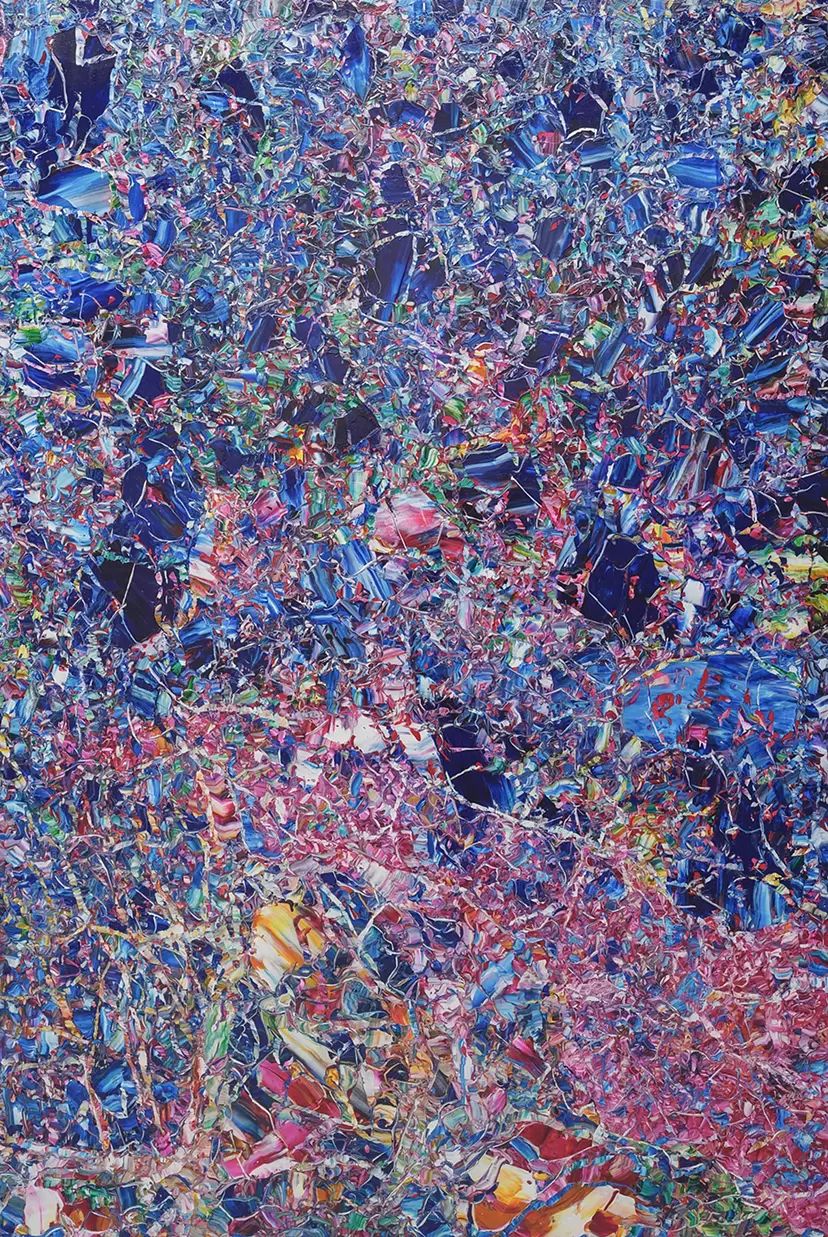
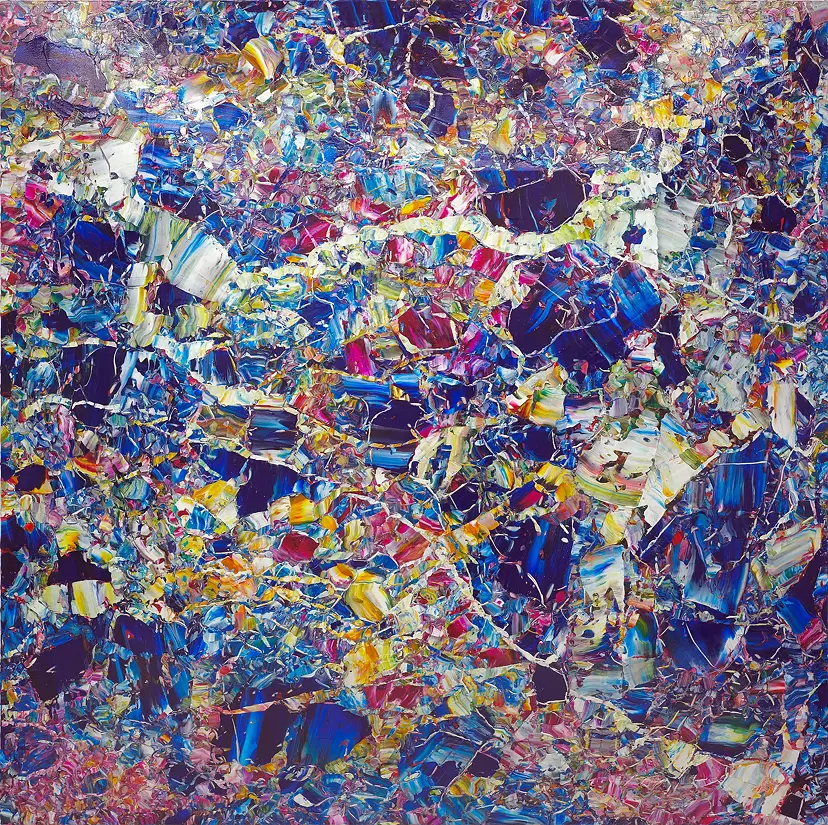
Ryoko Endo gestural abstract paintings are constructed with a controlled yet fluid mark-making, reminiscent of Japanese calligraphy. The artist layers exuberant marks, strokes, and dabs with a fluent touch. Endo’s paintings are built-up with opaque and translucent layers of acrylic paint; the varied thicknesses of brushstrokes and pigments create a striking dynamism. The artist’s lifelong study of chromatic relationships informs her bold approach to color and structure: her mentor Kaikuo Saito - a second-generation Abstract Expressionist, employed vibrant colors to create large, immersive canvases. Endo works at the juncture of meditative Sumi calligraphy and energetic Abstract Expressionism, producing saturated colorscapes that are both precise and expressive. Given the hybridity of the forms and traditions Endo channels, her work creates a visual experience that is simultaneously contemplative and charged, deliberate and spontaneous—loose in gesture yet anchored in formal discipline.
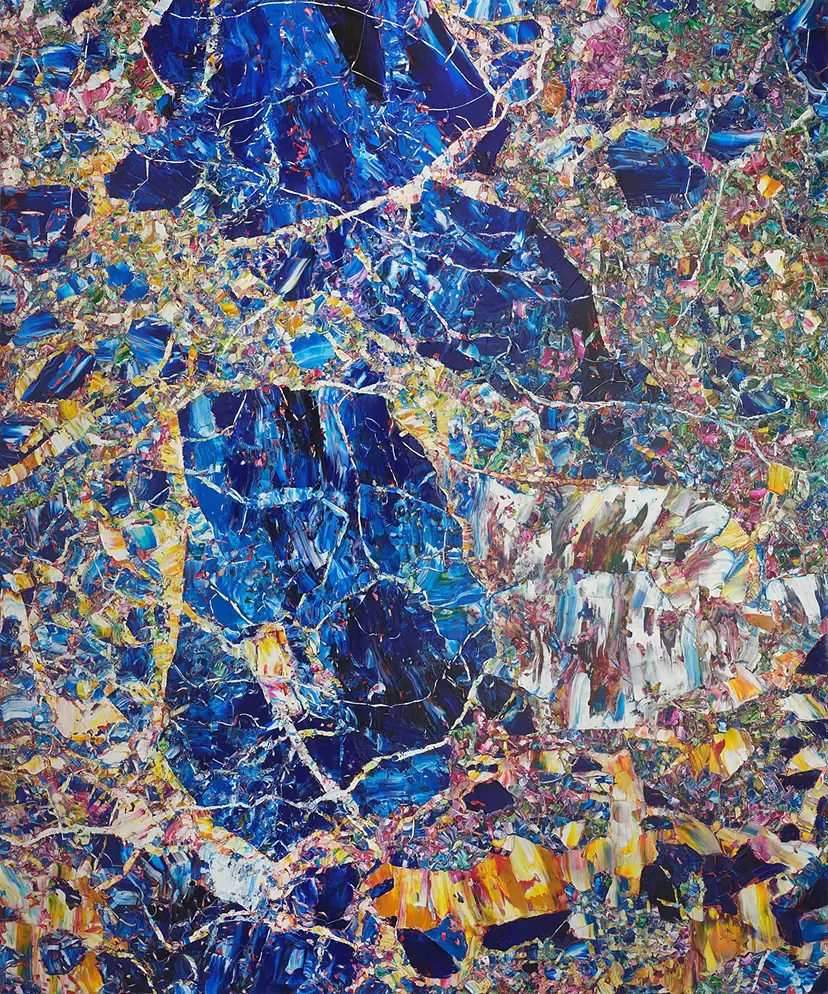
Concentrated zones of blue and streaks of bright pigment animate the canvas of Stuck in the Holland Tunnel. The bold, solid background contrasts with loose linework: neon green, black, and white ribbons slice through the monochromatic ground. Endo painted white clusters with a low concentration of paint, so that the viewer can see the ground coming through these bloomy stains. The play of opacity and thickness of paint application adds another dimension of dynamism to the energetic composition. The composition and title evoke the chaos and flux of metropolitan traffic.
Exhibition Information
- Past Exhibitions
- Tokyo Gendai09.11.2026 - 09.13
View in a Room

How to Buy

This artwork is available for purchase.
ASK
Start Chat
Our art concierge is here to help. Please feel free to chat with us about artwork recommendations or issues with purchasing.
Artist


Artist
Driven by a deep passion for the creative process, which is evident in her abstract paintings, Ryoko Endo (b. 1951)’s work reflects a lifelong exploration of color relationships and the dynamic energy conveyed through human gestures. For Endo, painting serves as a powerful method of communication, and her understanding of color relationships has been shaped and enriched by the guidance of Kiku Saito, a second-generation abstract expressionist. Ryoko Endo (b. 1951, Fukushima, Japan) is a Japanese-American abstract painter based in New York City since 1994. Her work is characterized by vibrant color fields, dynamic brushwork, and an interest in the expressive potential of acrylic paint. Born into a traditional family in Fukushima, Endo was encouraged by her mother to use her right hand instead of her dominant left, leading her to develop ambidextrous painting skills, a distinctive and defining feature of her practice. She began her artistic journey with traditional Sumi ink calligraphy, a discipline that inspired her meditative approach to brushwork. Sumi ink calligraphy is an art form rooted in precision and rhythm. This foundation evolved into a fluid and expressive style applied to acrylic painting. Upon relocating to New York City, Endo studied under Kikuo Saito, a second-generation Abstract Expressionist artist. Saito influenced Endo’s understanding of color dynamics and compositional structure. Endo's work embodies a synthesis of Eastern calligraphic traditions and Western abstract expressionism. Her art continues to explore the union between color and movement. Her compositions unfold as expansive and layered fields of color with gestural and emotional intensity. Given the hybridity of the forms and traditions she channels, the work creates a visual experience that is meditative and charged with expressive energy. Ryoko Endo began her artistic training in graphic design and typography at Musashino Art University before pursuing painting at the Art Students League in New York. Endo has been honored with scholarships from the Fantasy Fountain Fund and the Trudy and Henry Gillette Painting Scholarship, as well as a grant from Lloyd Sherwood. She is also a recipient of the Red and Blue Dot Awards from the Art Students League. Her artwork is part of the permanent collection at Mount Sinai Hospital, New York.
See artist information