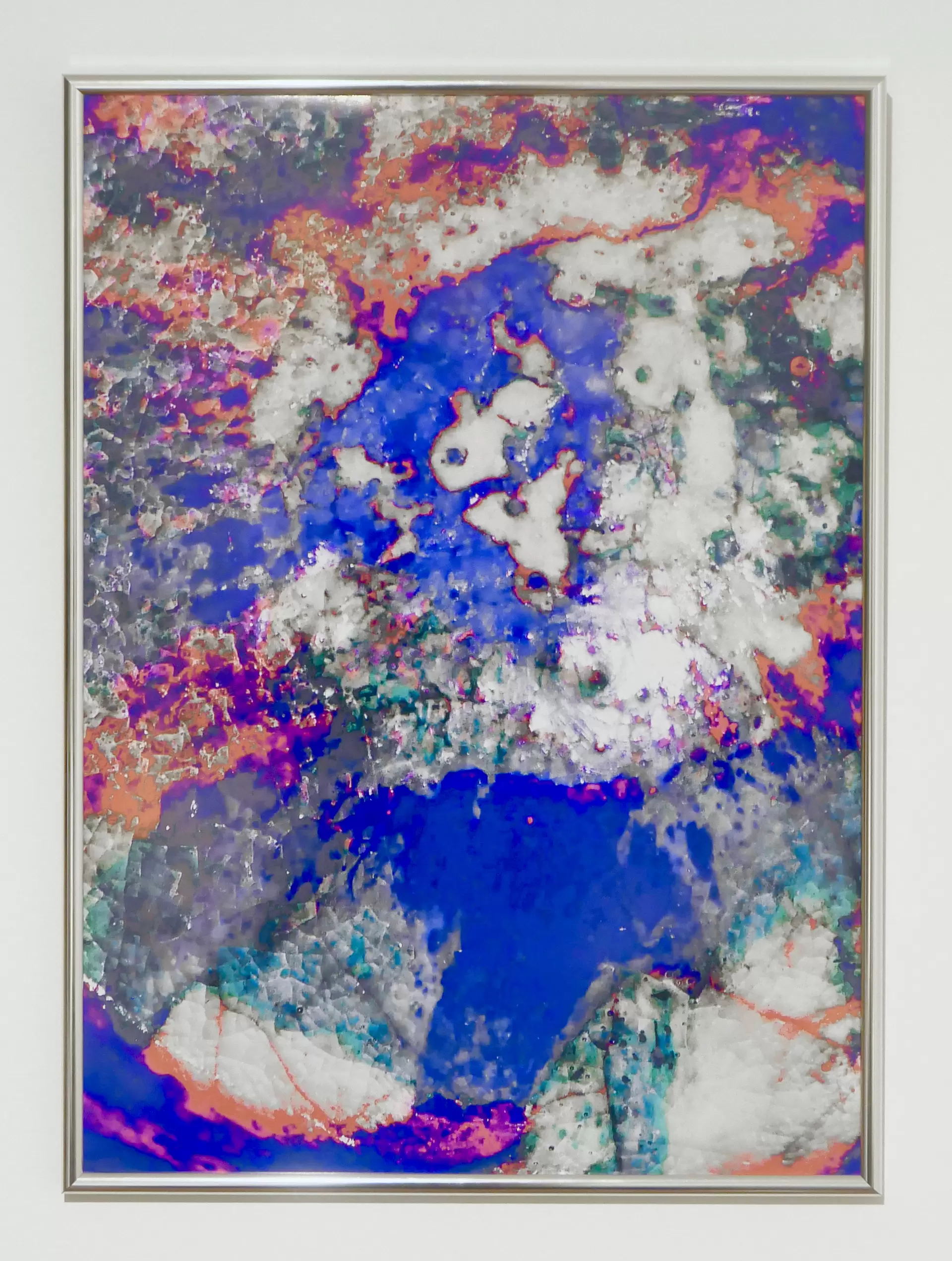
Translating the Accidental
Year: 2025
Material/Technique: Photograph, Digital Print, Glaze
Size: 72.8 × 51.5 cm
Edition: Open Edition
Signed:Included
This artwork is available for purchase.
ASK
Note: Prices are displayed as reference prices converted at the exchange rate. Payments are made in Japanese yen.

About the Work
- Year
- 2025
- Material/Technique
- Photograph, Digital Print, Glaze
- Size
- 72.8 × 51.5 cm
- Edition
- Open Edition
- Signed
- Included
- Frame
- Included
- Work Certificate
- Not Included
- Distributor of artworks
- Ryuko Yonemura
- Ship-from Area
- Not Set
- Days Until Dispatch
- Not Set
- Category
- Photograph
- Style
- Abstract, Conceptual, Minimalism
Work Details
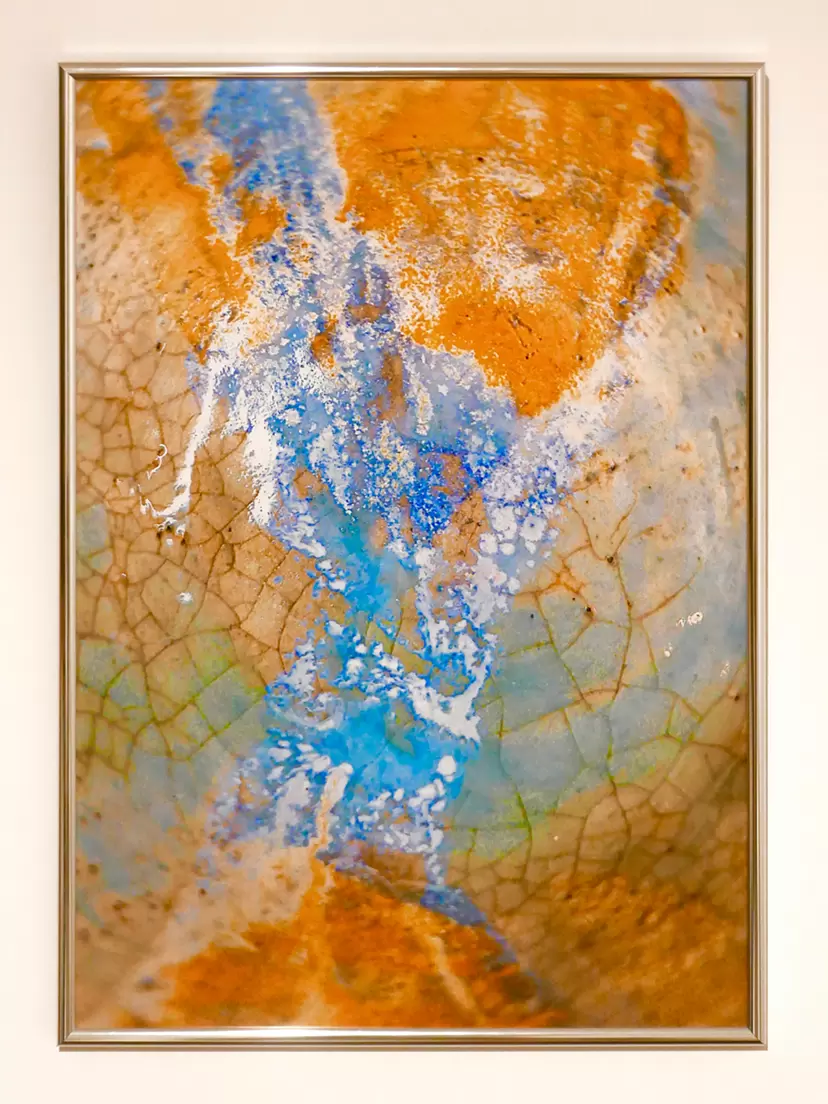
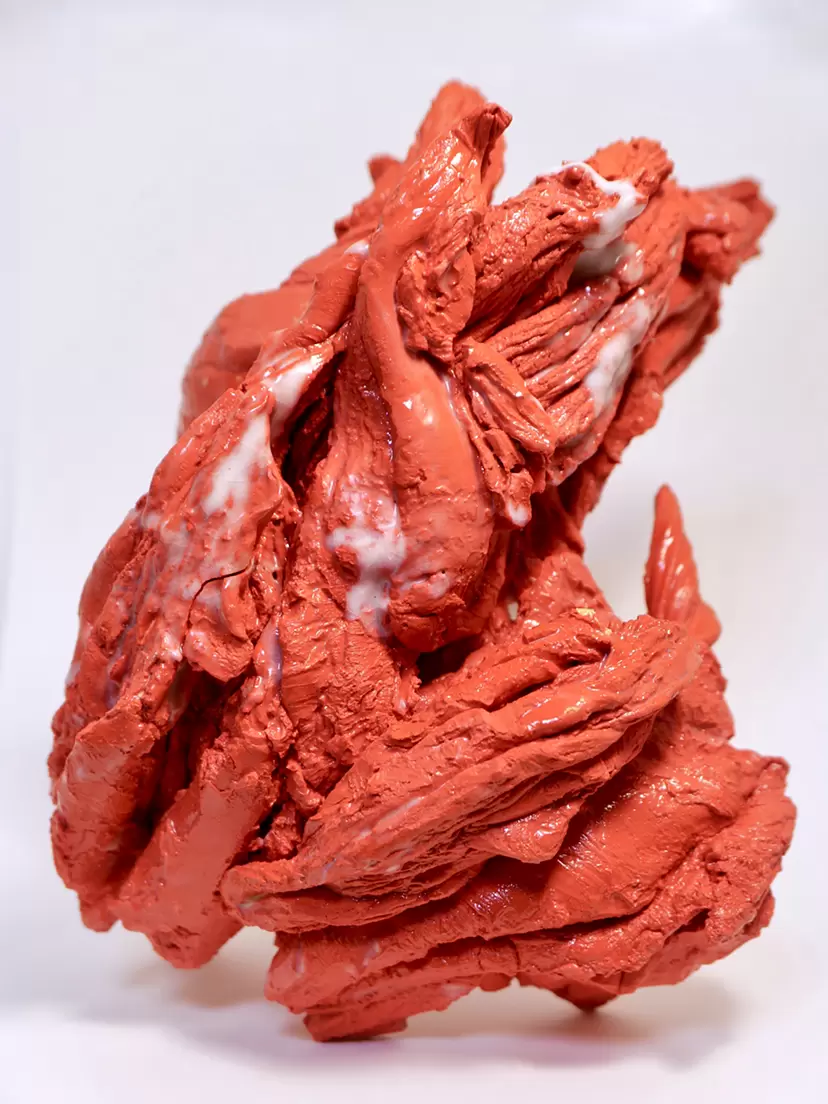
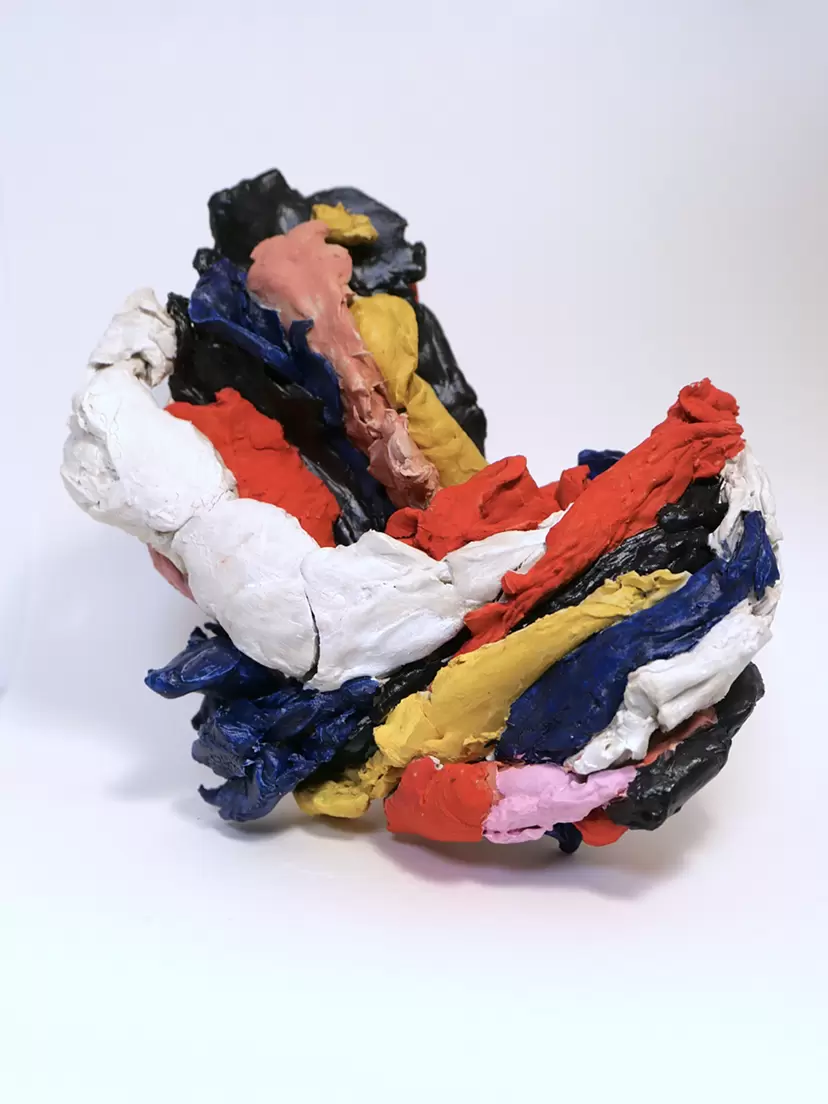
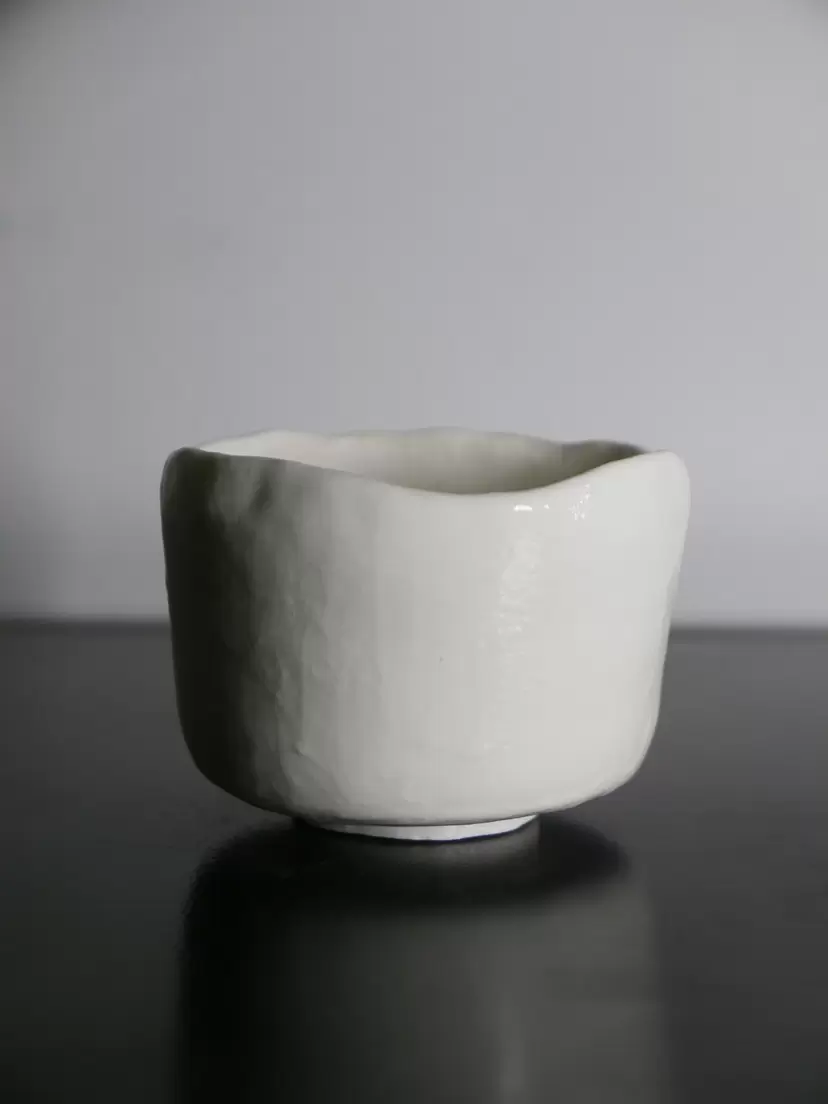
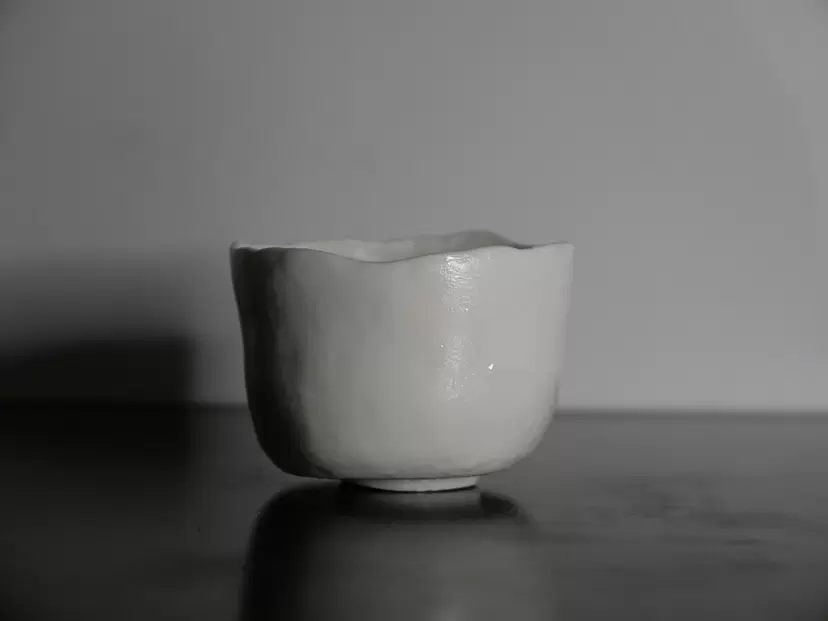
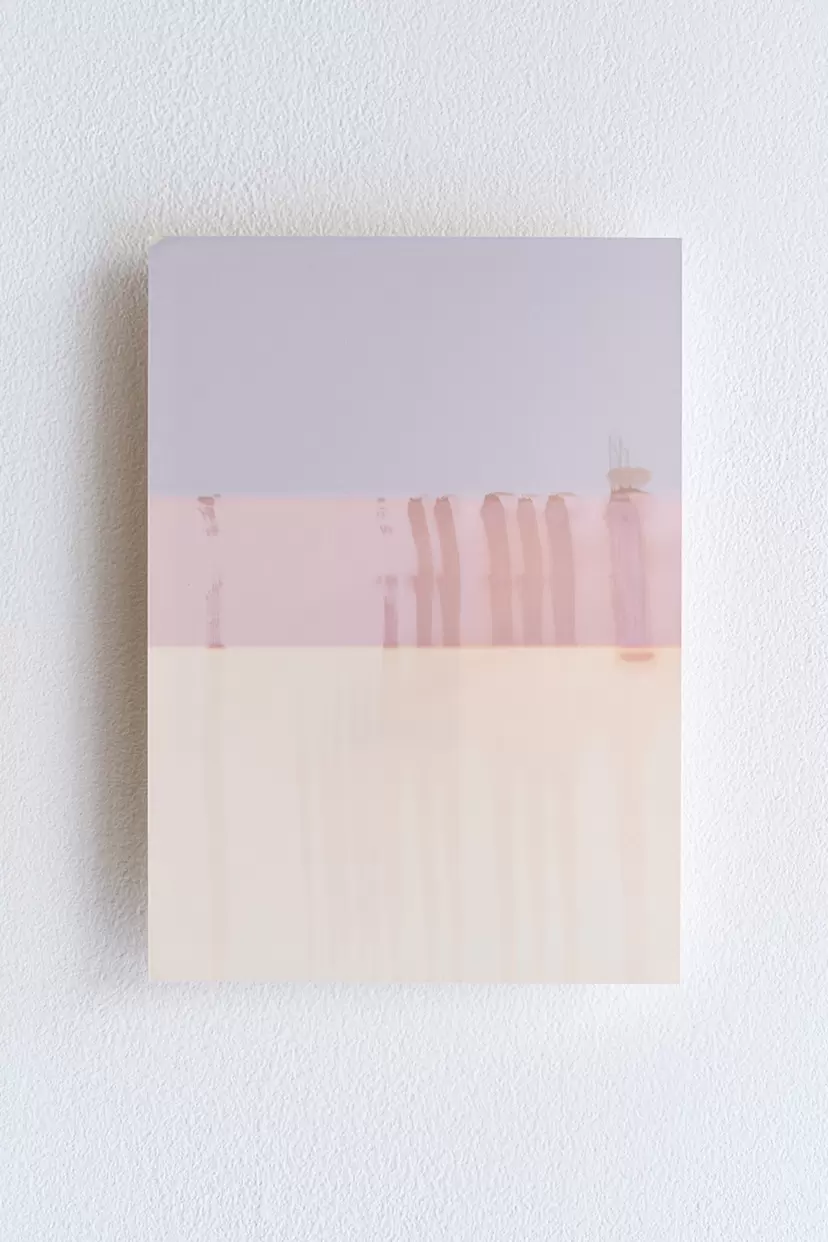
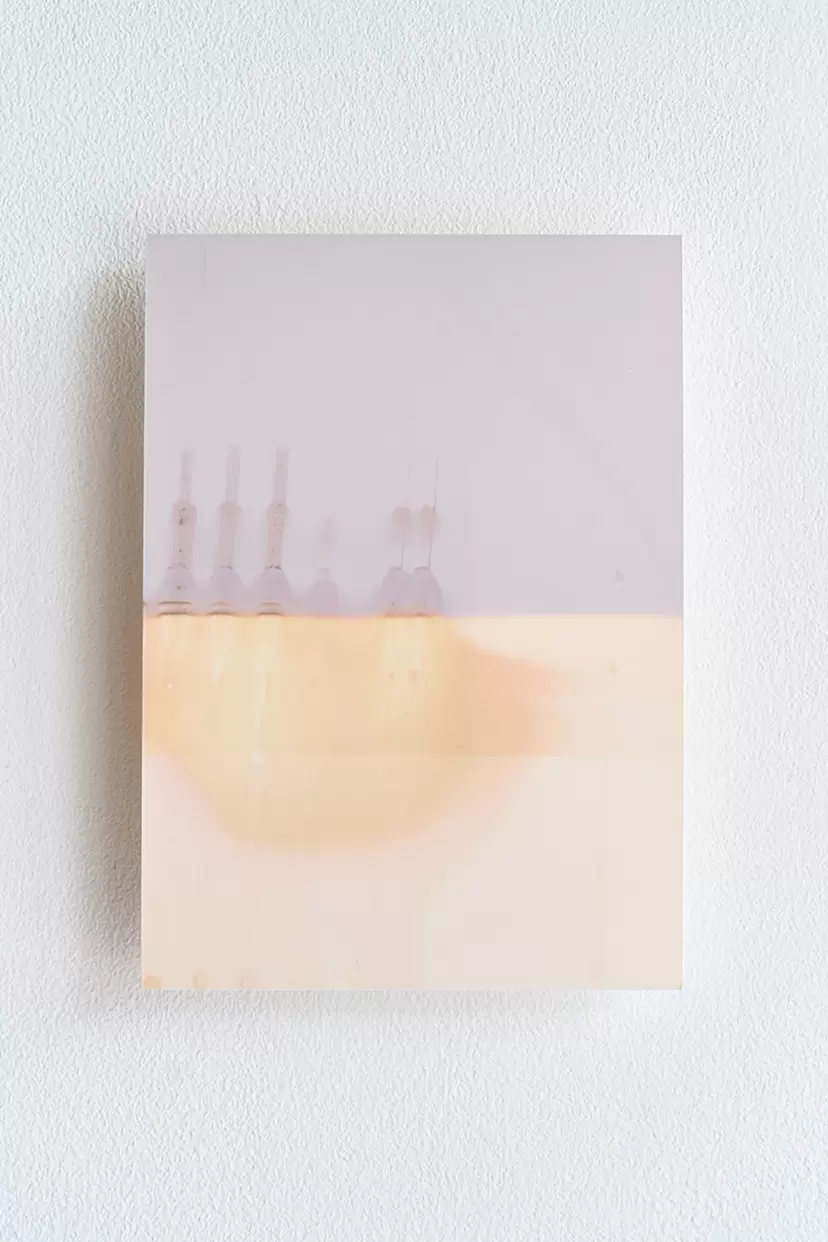
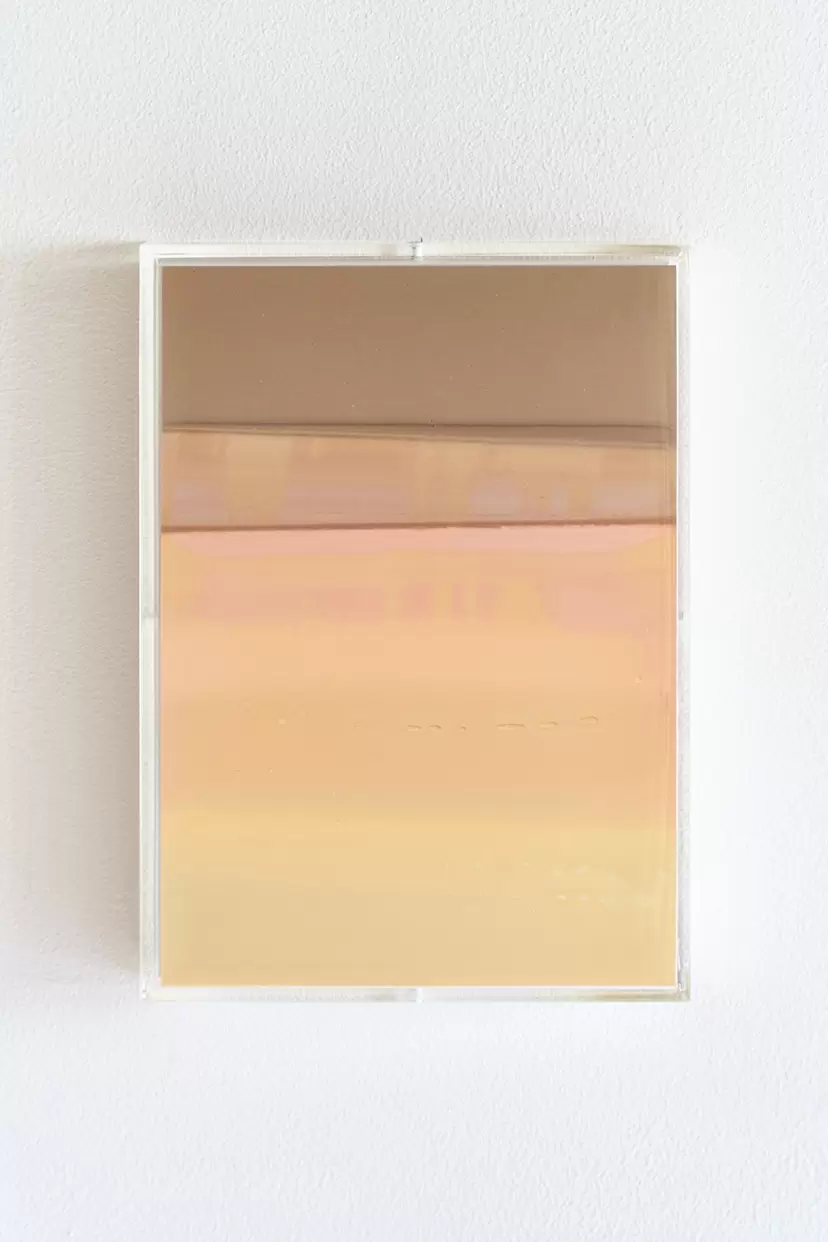
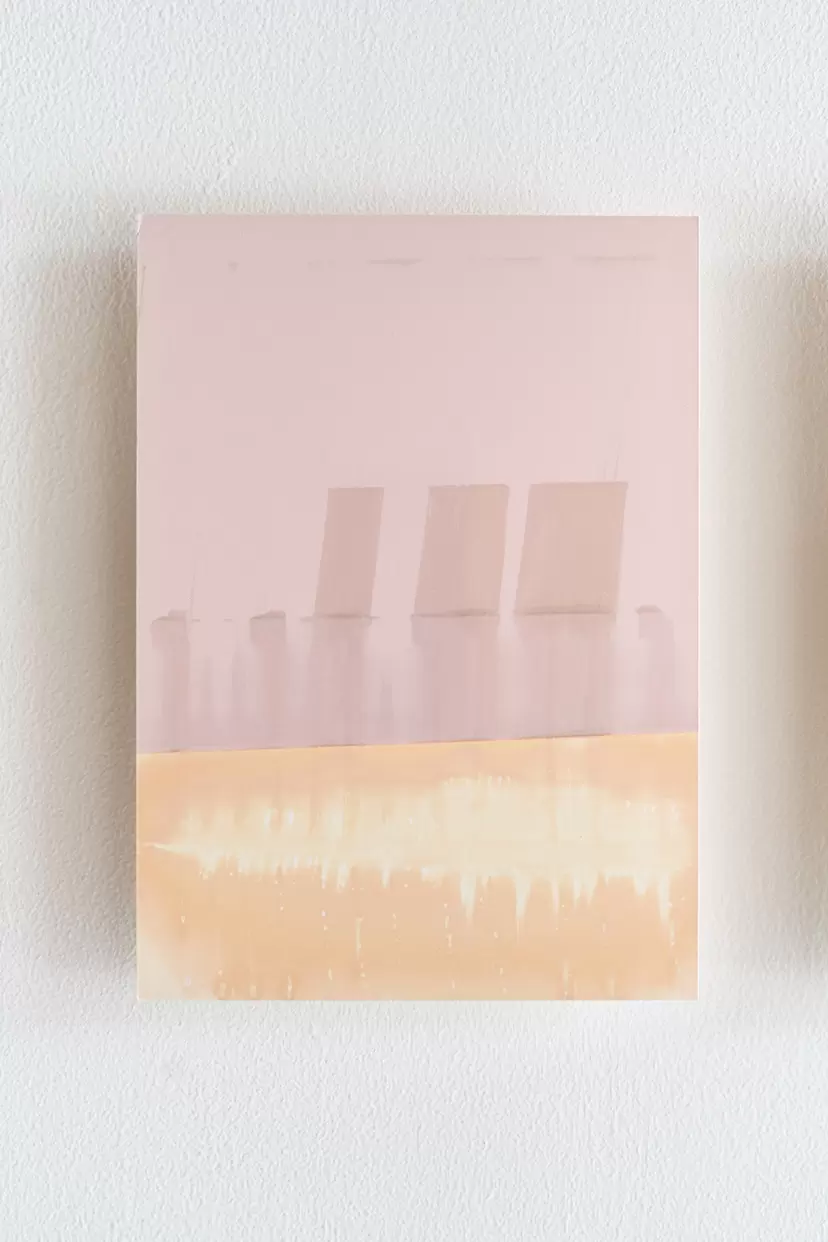
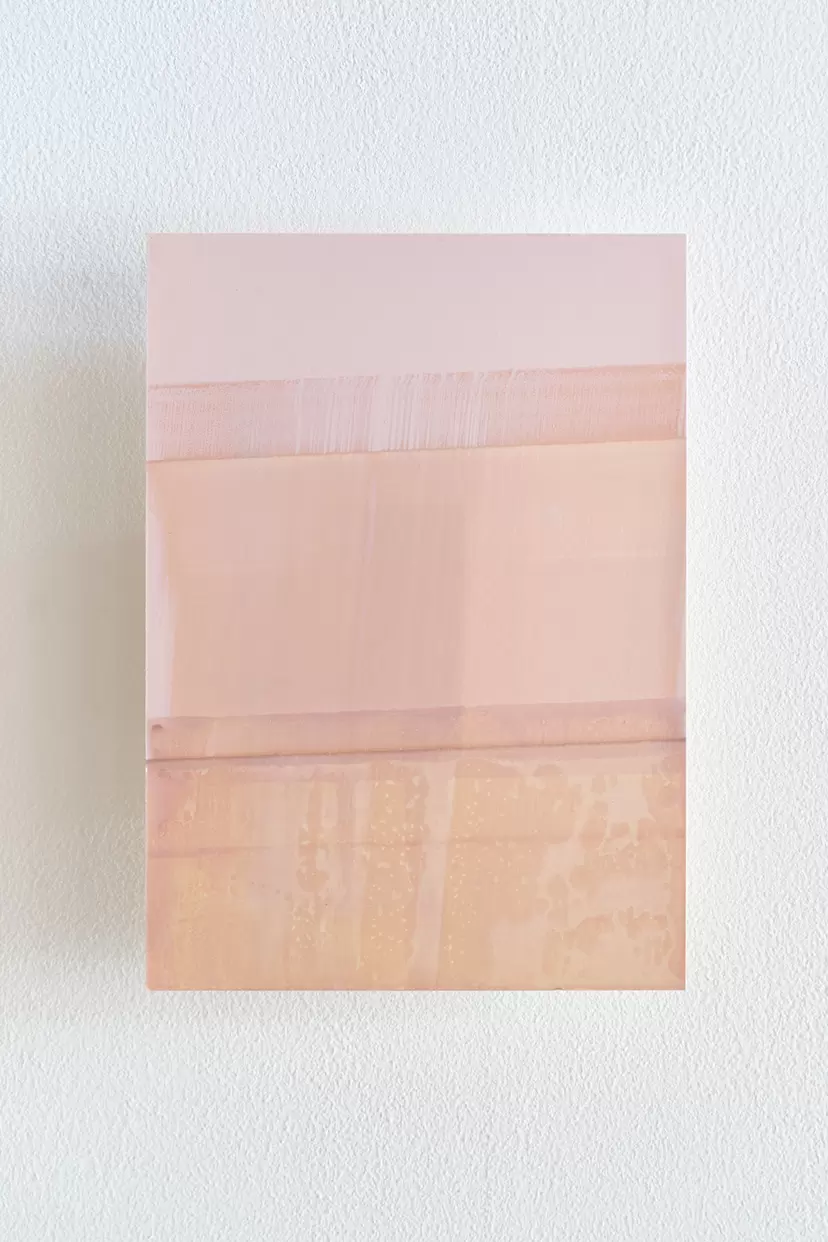
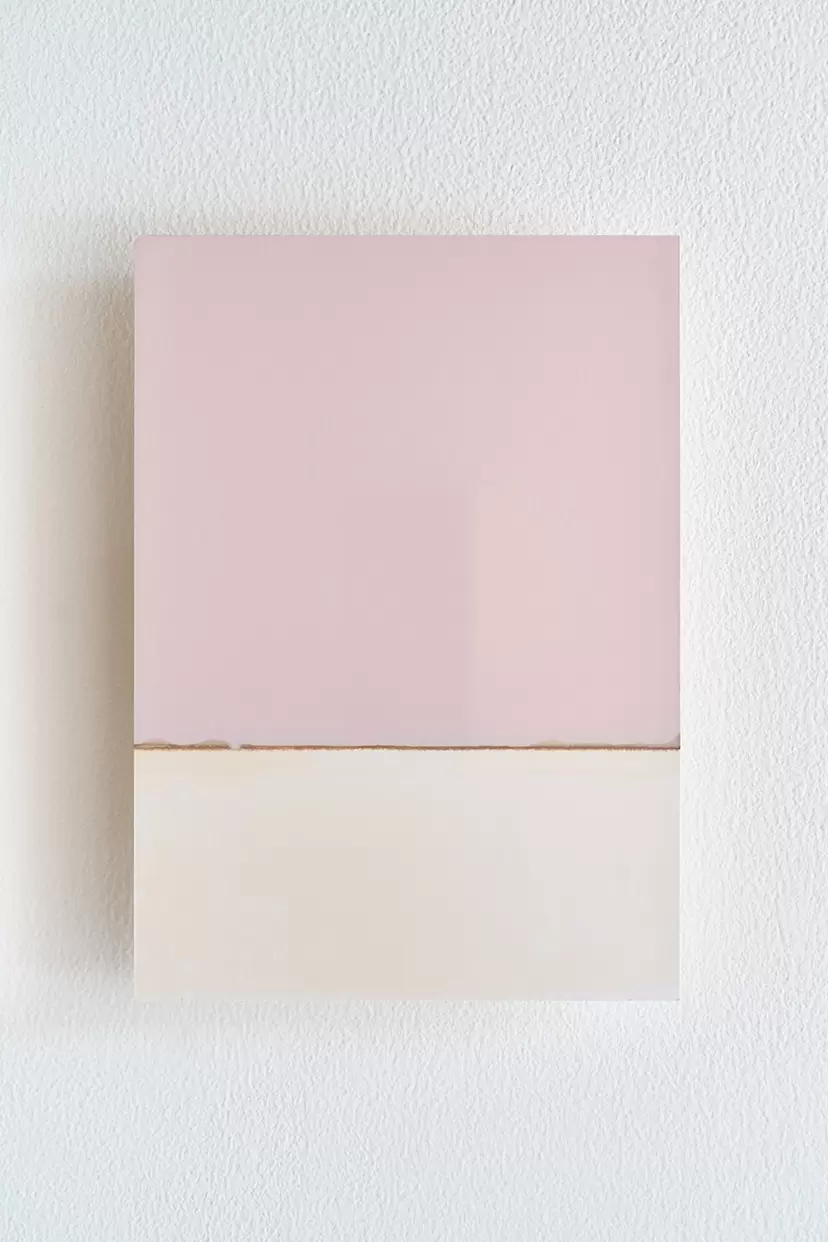
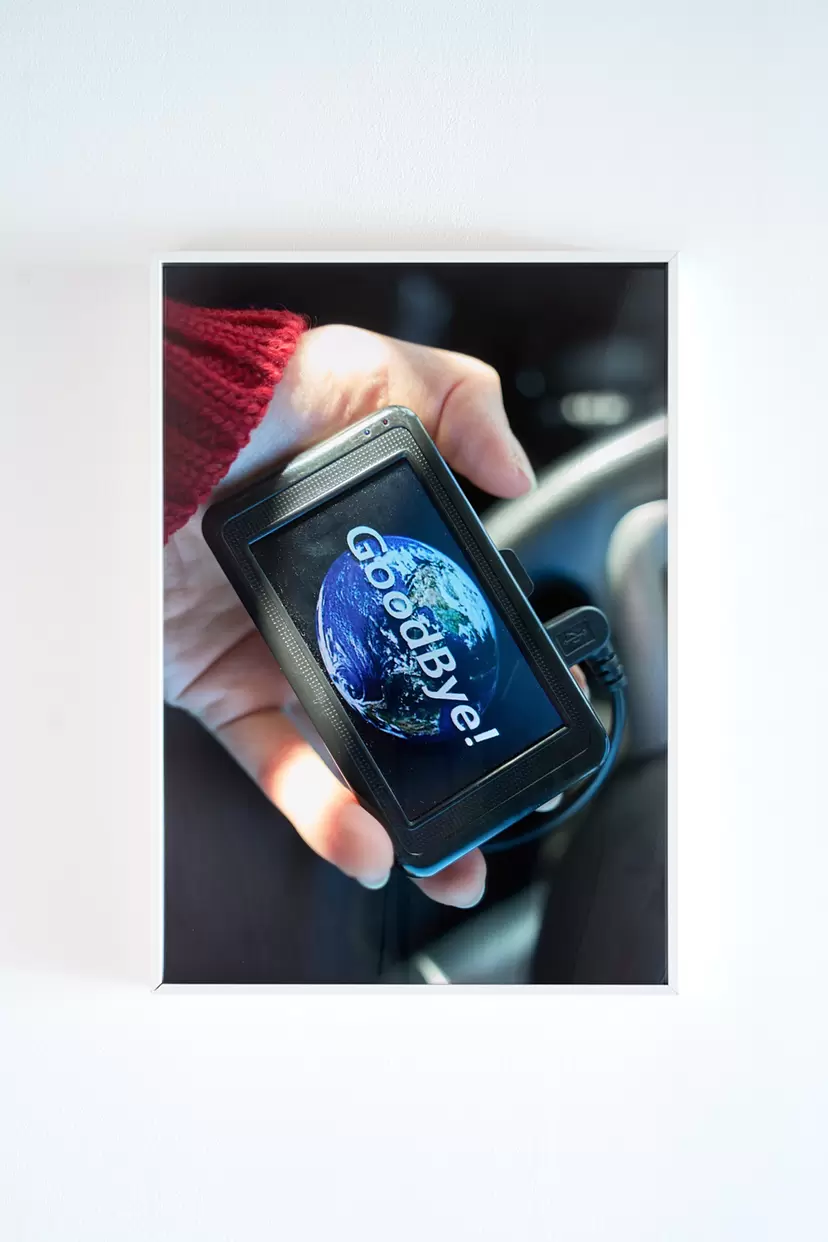
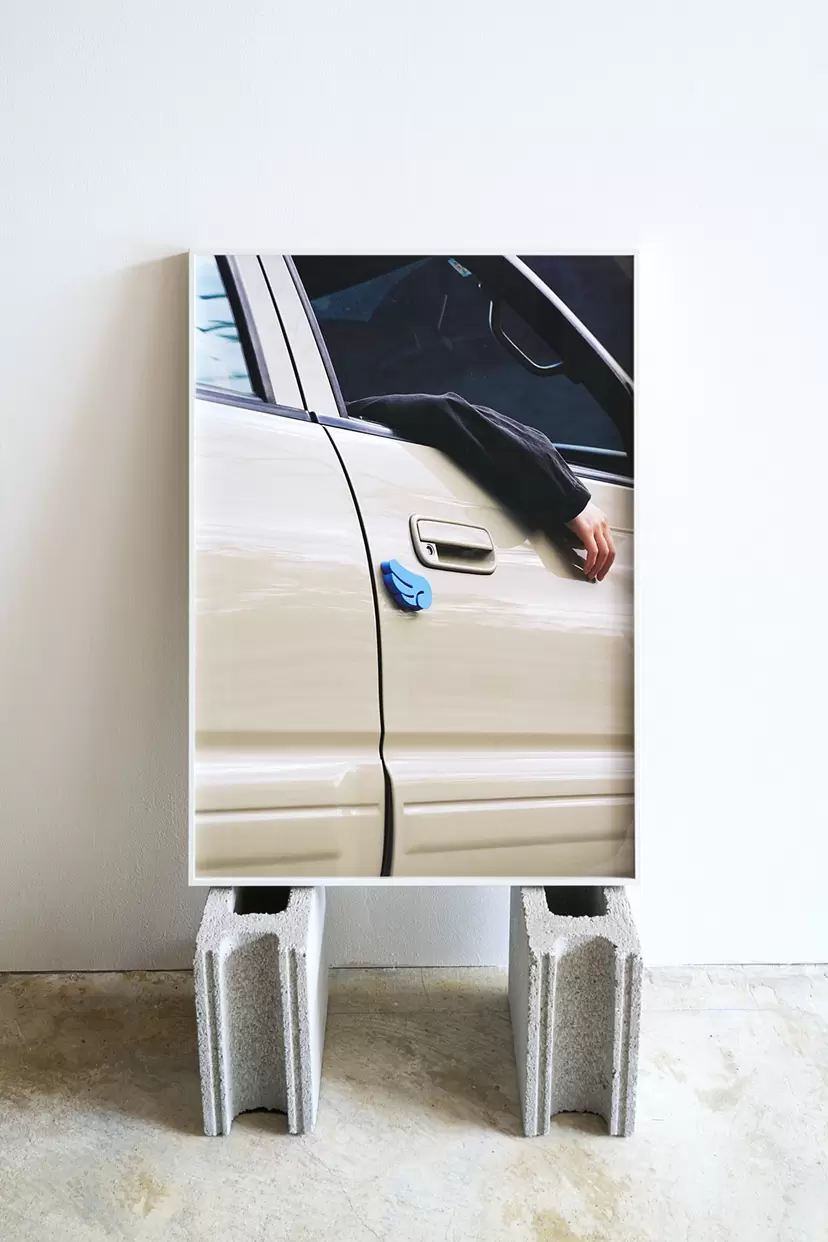
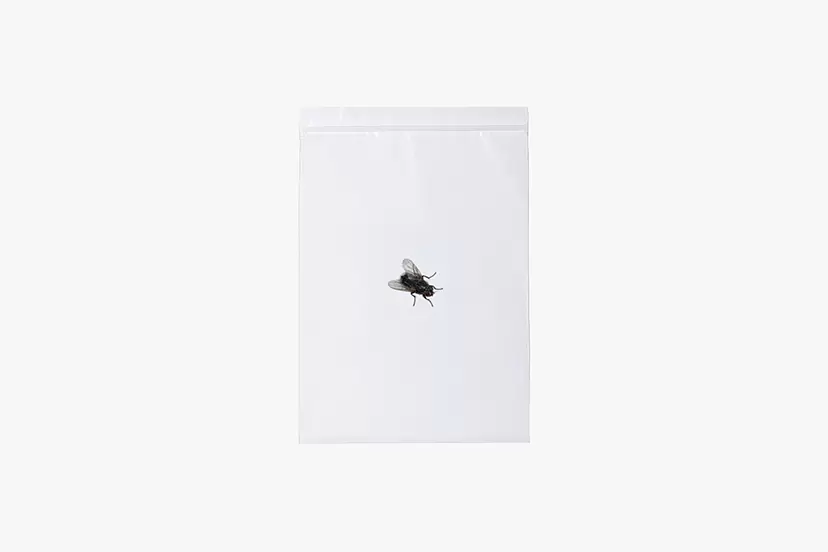
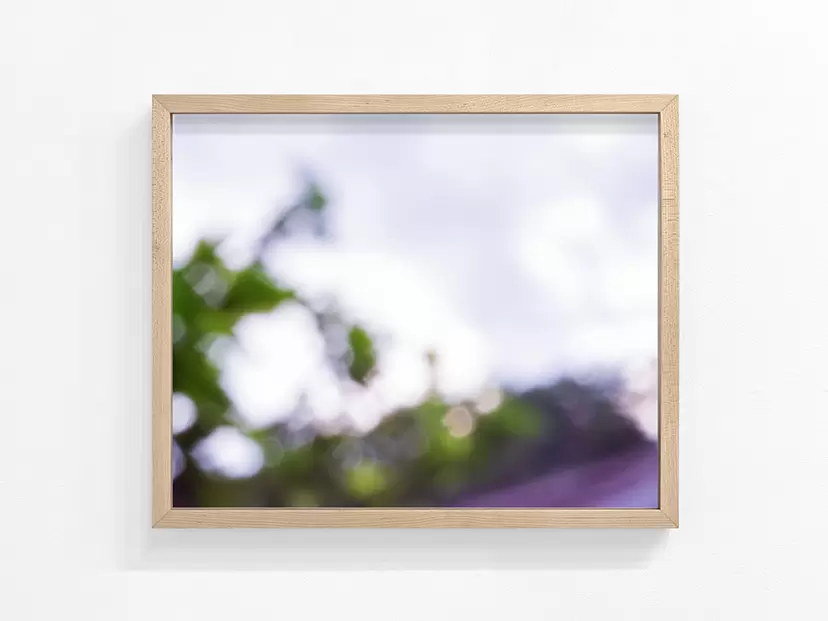
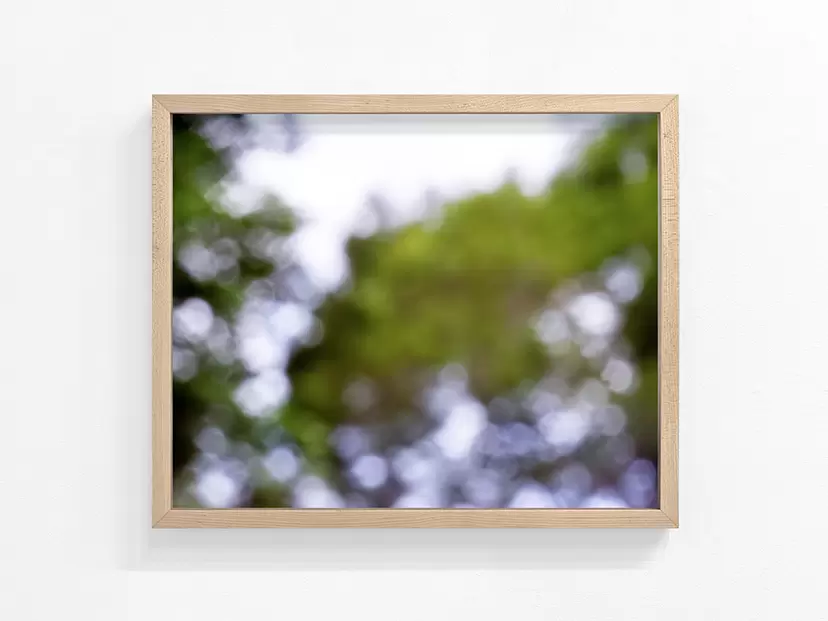
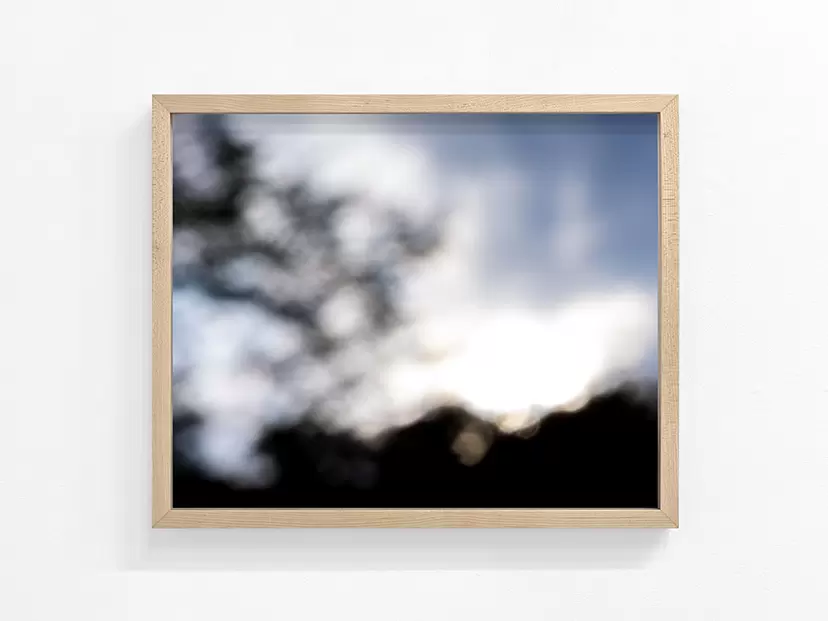
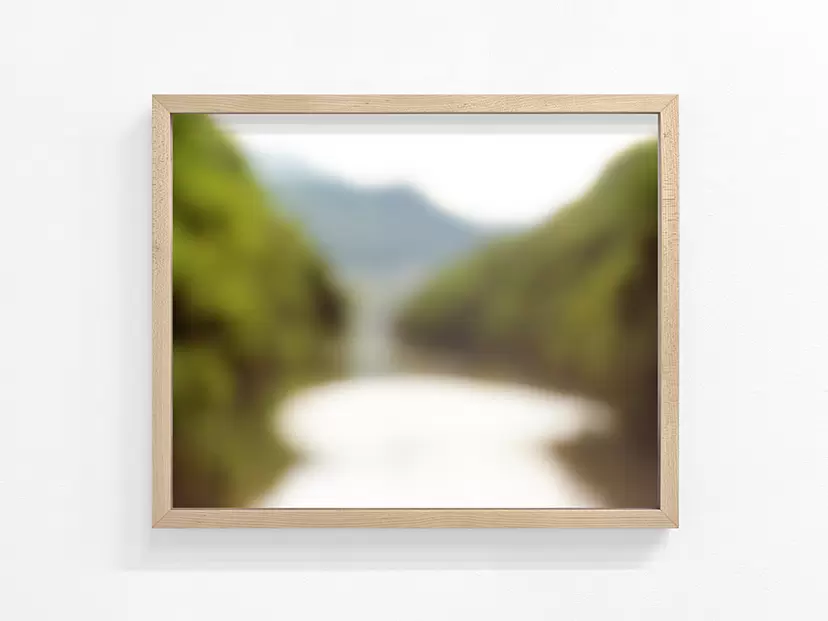
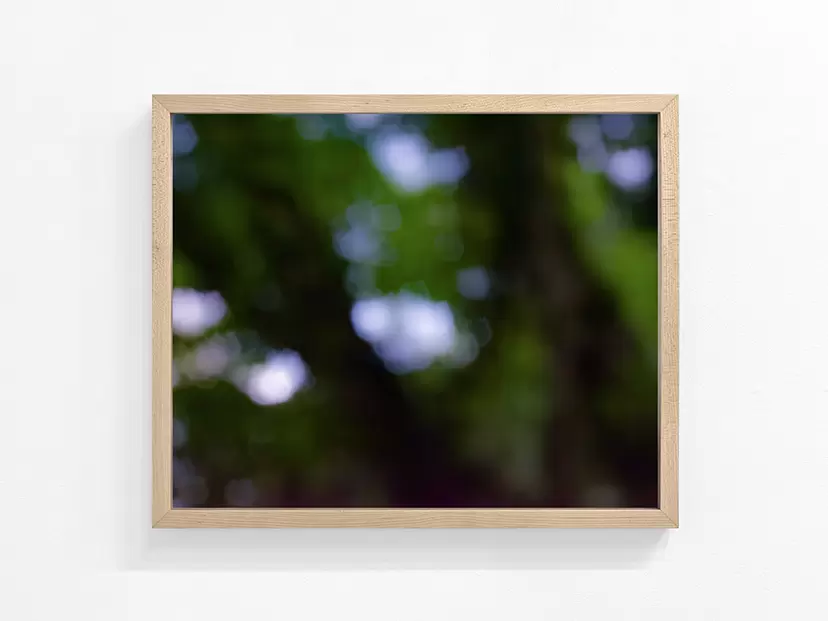
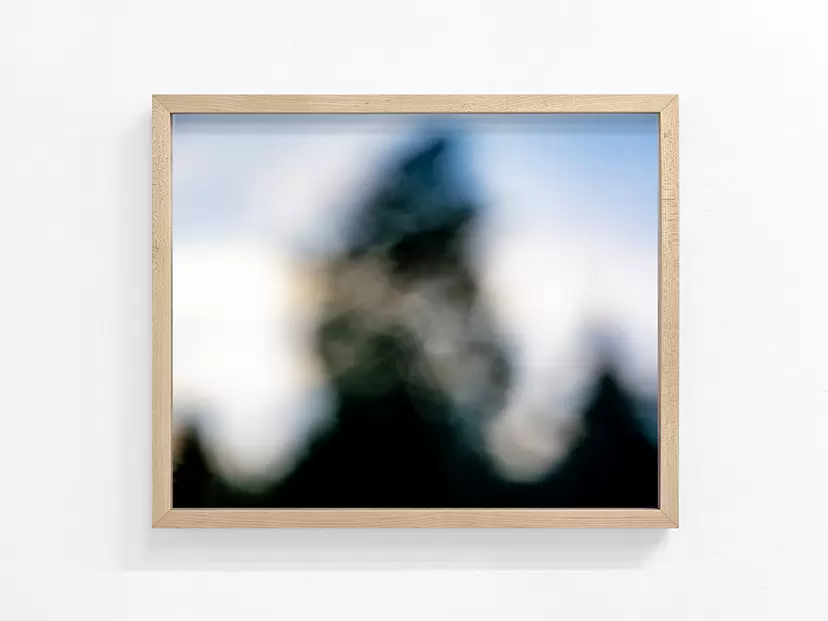
The accidental behavior of glaze due to the firing of teacups is translated as visual language.
By photographing the surface of pottery and digitally reconstructing its structure and color, three-dimensional materialism is transformed into flat information.
“Randomness” in ceramics and “action” in digital editing.
It is a two-dimensional work as a device that visualizes the boundary between matter and data by coexisting opposing processes on the same plane.
How to Buy

This artwork is available for purchase.
ASK
Note: Prices are displayed as reference prices converted at the exchange rate. Payments are made in Japanese yen.
Need help with purchasing?

Join the waiting list
Join the waiting list to be notified when artworks become available for purchase.
Start Chat
Our art concierge is here to help. Please feel free to chat with us about artwork recommendations or issues with purchasing.
Artist
ceramic artist / contemporary artist
Born in 2000 in Kyoto. Graduated from Tama Art University, Department of Crafts, Department of Ceramics. They are fascinated by the durability of pottery, starting with Jomon pottery, into a universal era, and they are developing an approach that redefines it as an “archive that records human history and culture.” Traditional aesthetic sensibility such as “likeness” rooted in Japanese pottery and “wabi-sabi” is interlaced with modern culture and sensitivities, and pottery with contemporaneity is re-presented as a modern archive. Born in 2000 in Kyoto. Graduated from Tama Art University, Department of Crafts, Department of Ceramics.
See artist information