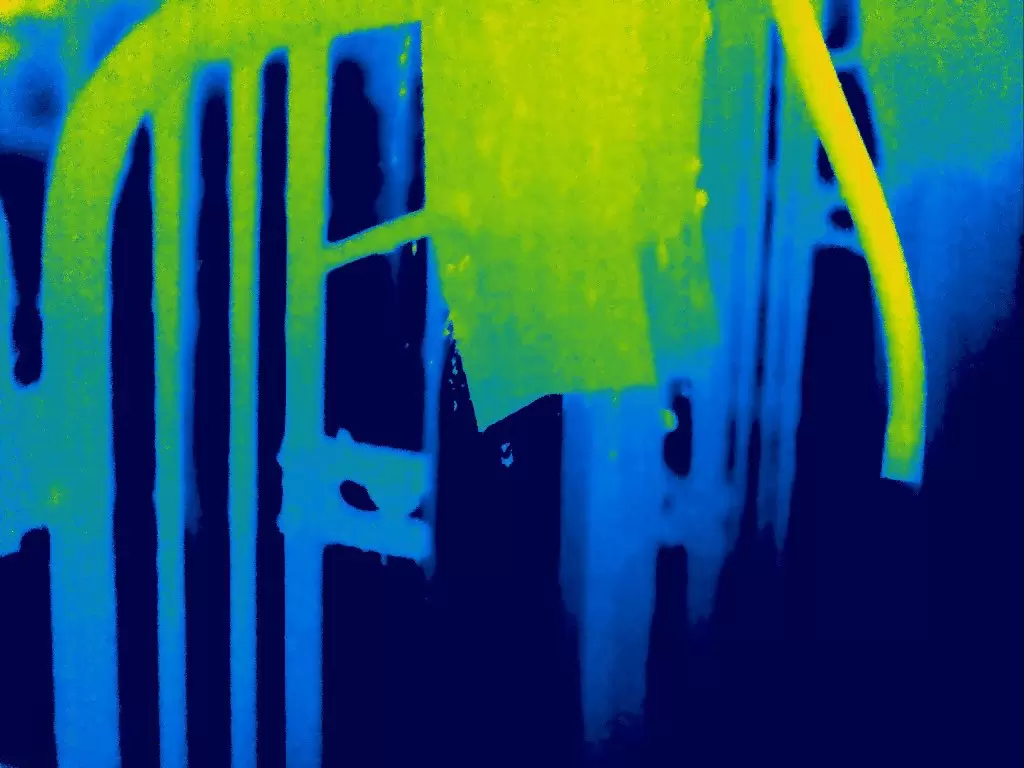
untitled #6

Year: 2025
Material/Technique: Inkjet Print
Size: 36.4 × 48.5 cm
Edition: Edition Available
Signed:Included

This artwork is available for purchase.
USD 1,109
Note: Prices are displayed as reference prices converted at the exchange rate. Payments are made in Japanese yen.



About the Work
- Year
- 2025
- Material/Technique
- Inkjet Print
- Size
- 36.4 × 48.5 cm
- Edition
- Edition Available
- Signed
- Included
- Frame
- Not Included
- Work Certificate
- Included
- Distributor of artworks
- The Chain Museum
- Ship-from Area
- Tokyo
- Days Until Dispatch
- 展覧会終了後、約1ヶ月
- Category
- Photograph
Work Details
■ Artwork information
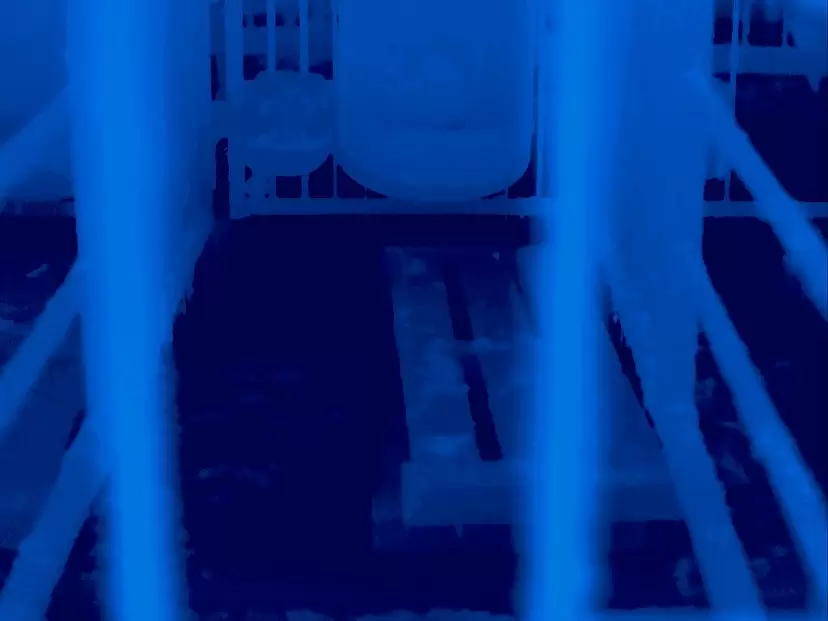
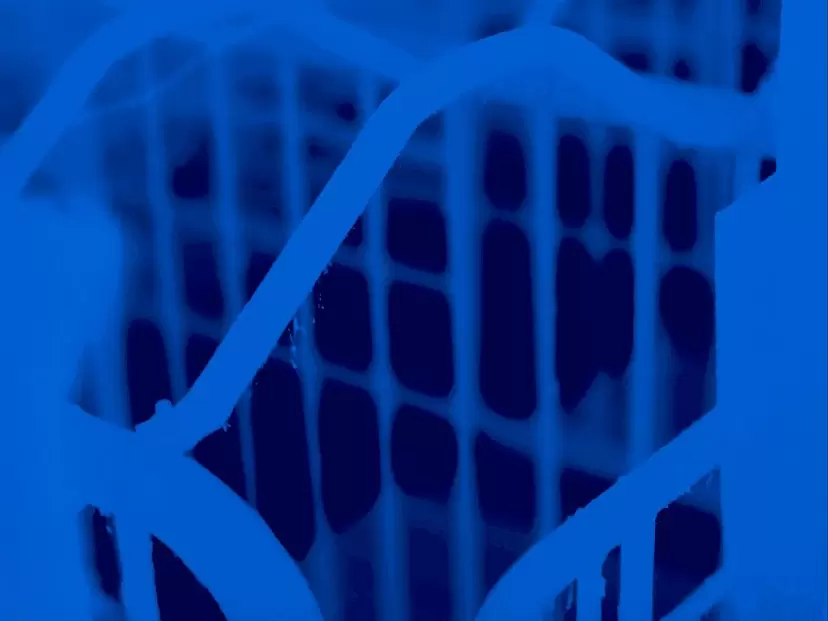
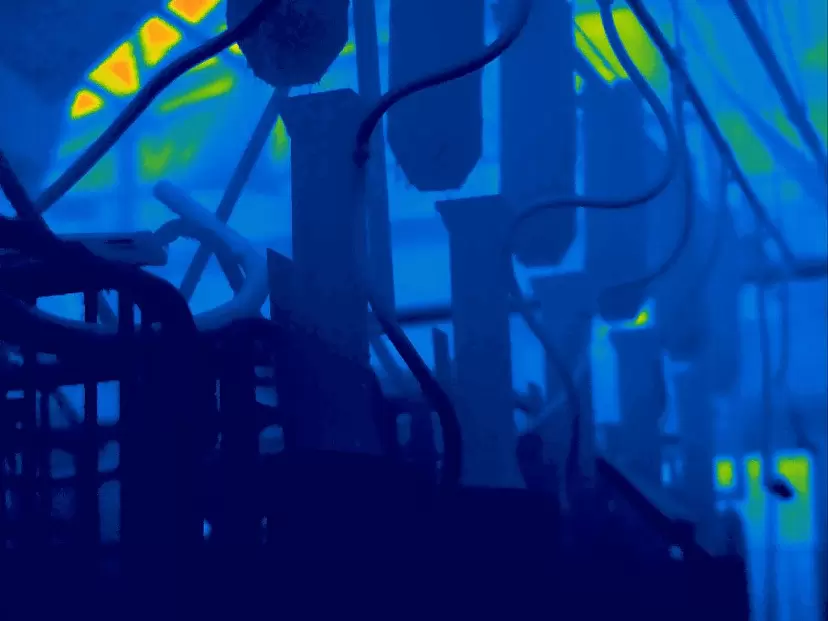
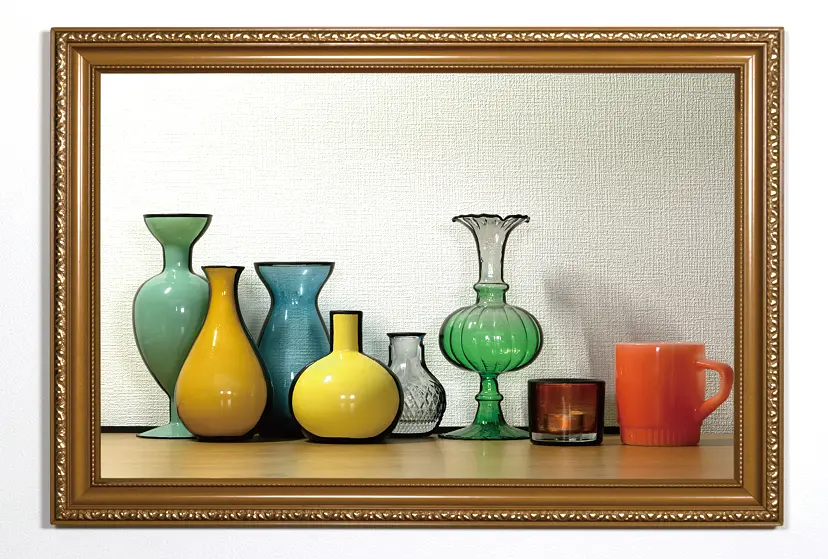
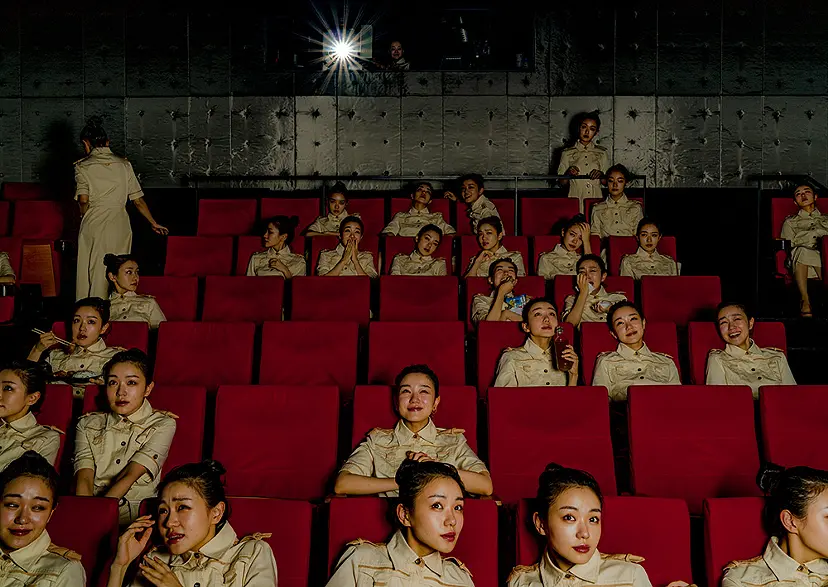
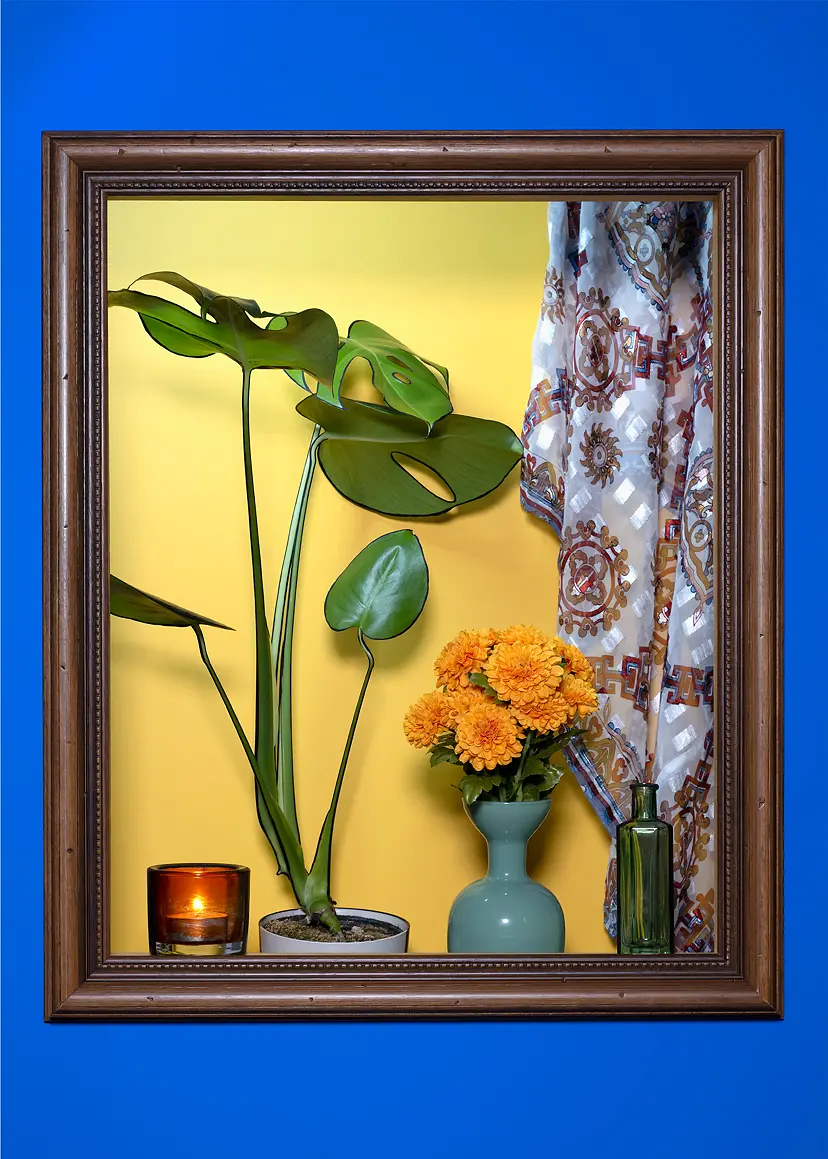
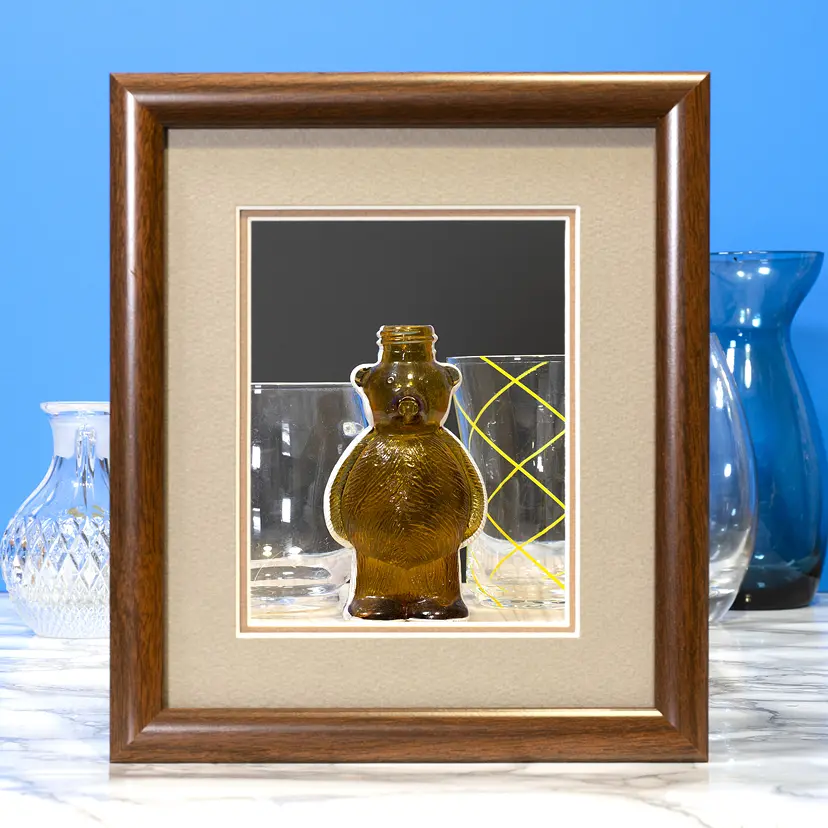
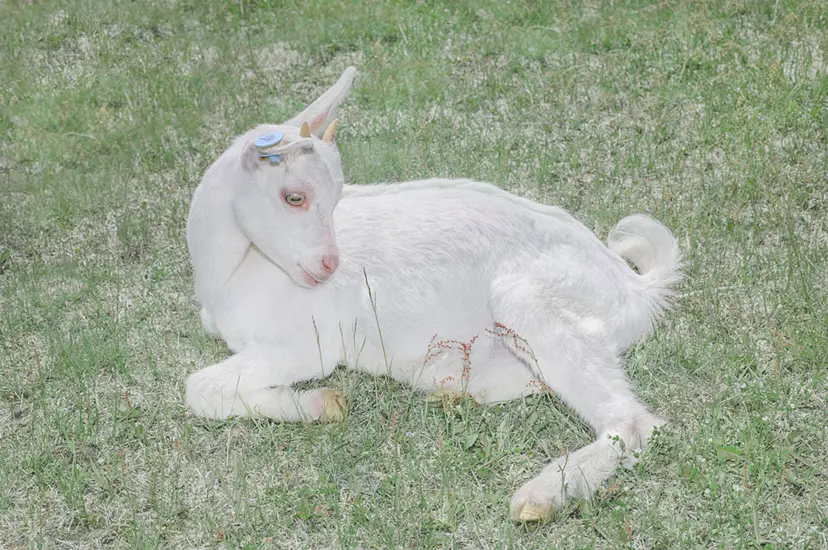
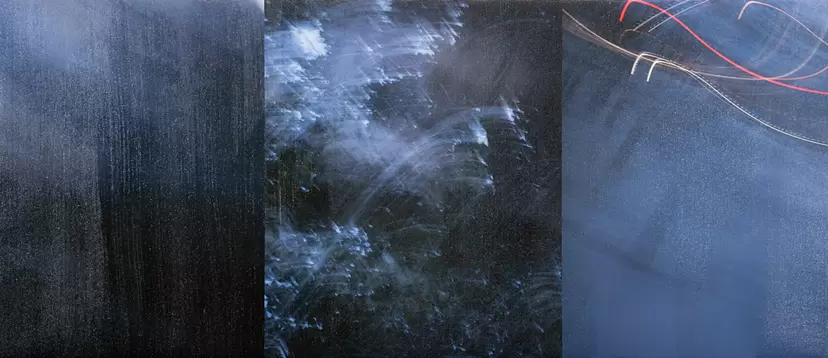
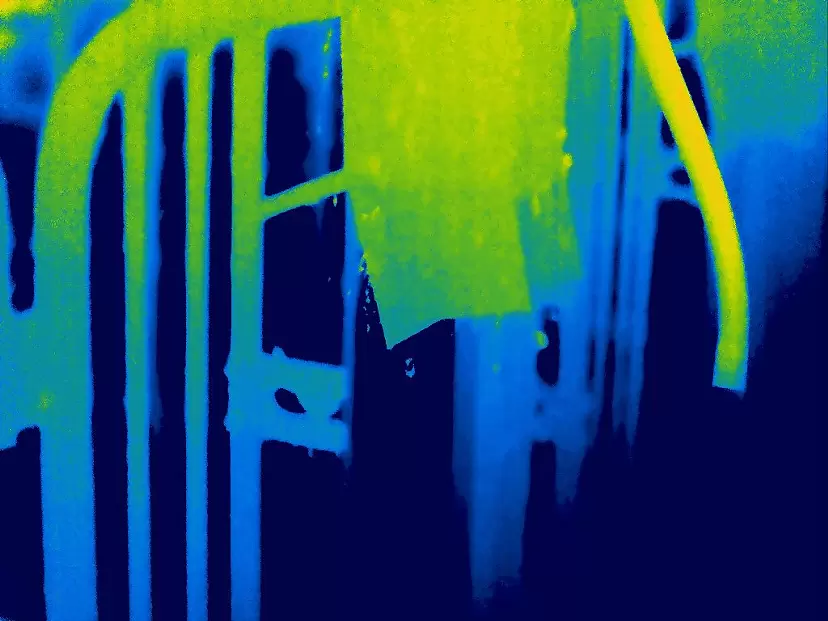
・Title: untitled #6
・Production year: 2025
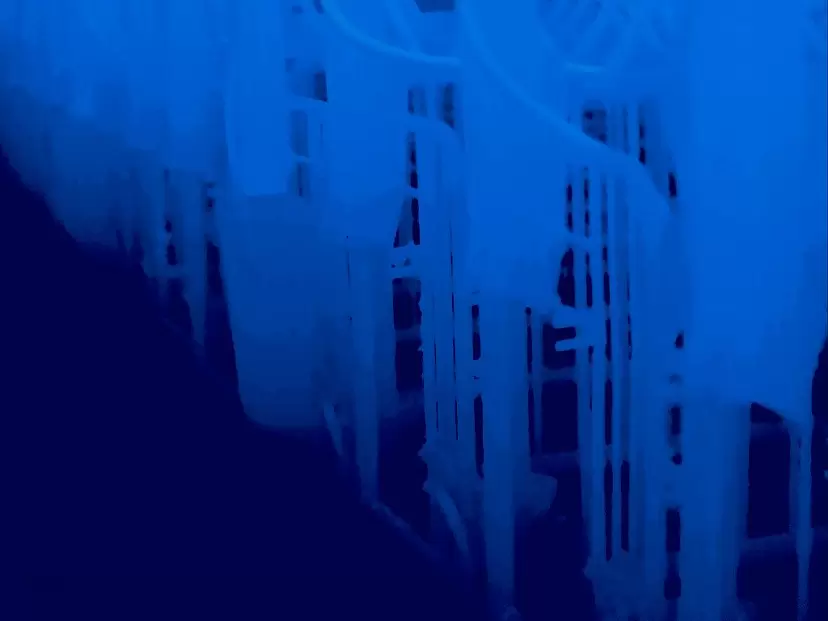
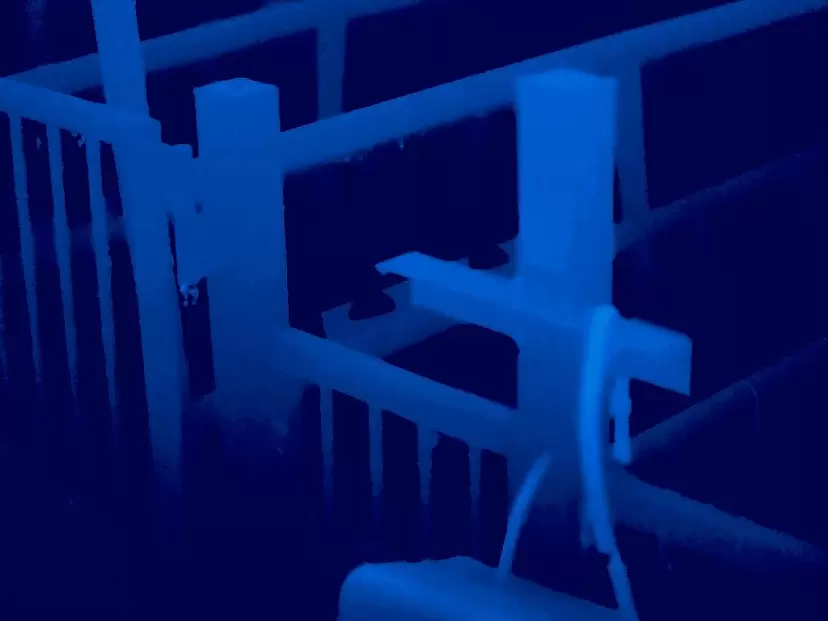
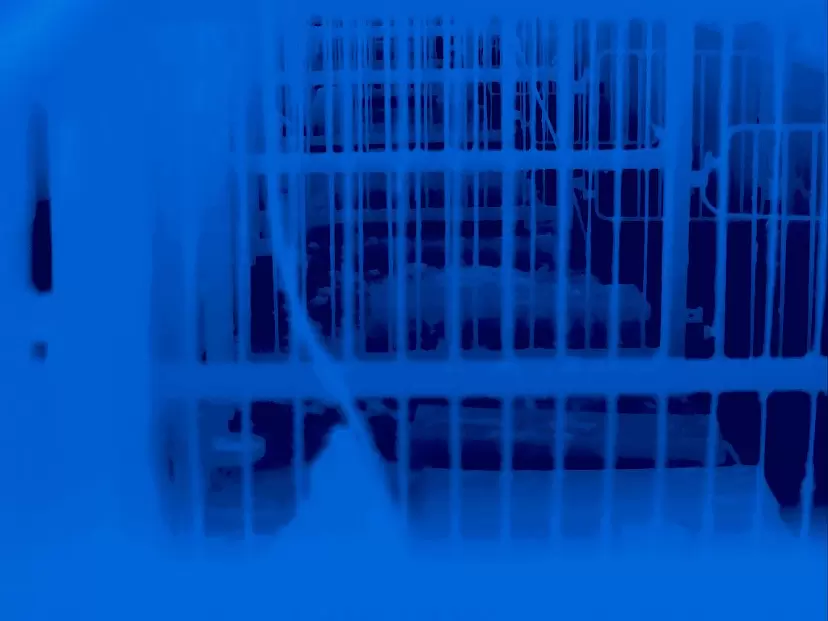
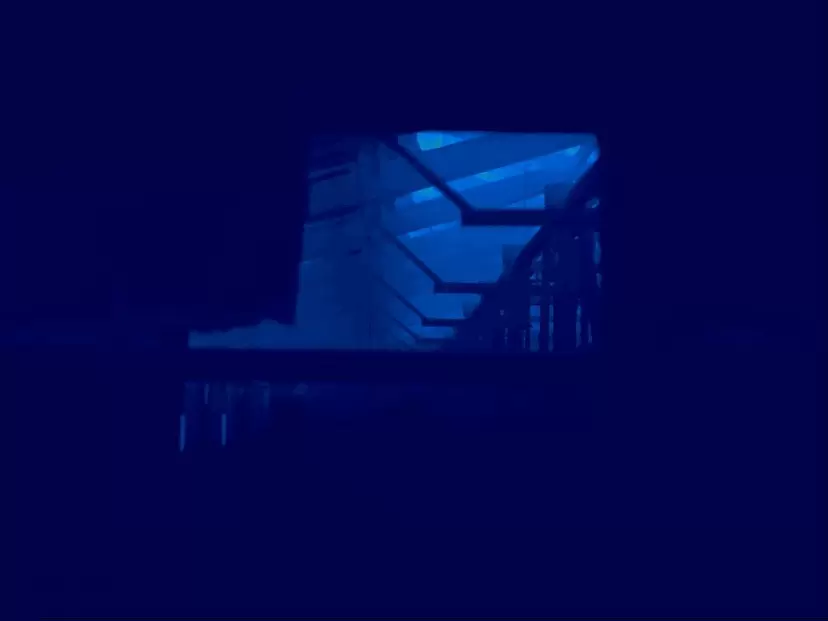
・Medium: Thermography, high resolution inkjet print mounted on aluminum board
・ED. 6 + AP. 2
・364mm×485mm
・Signed on the reverse side
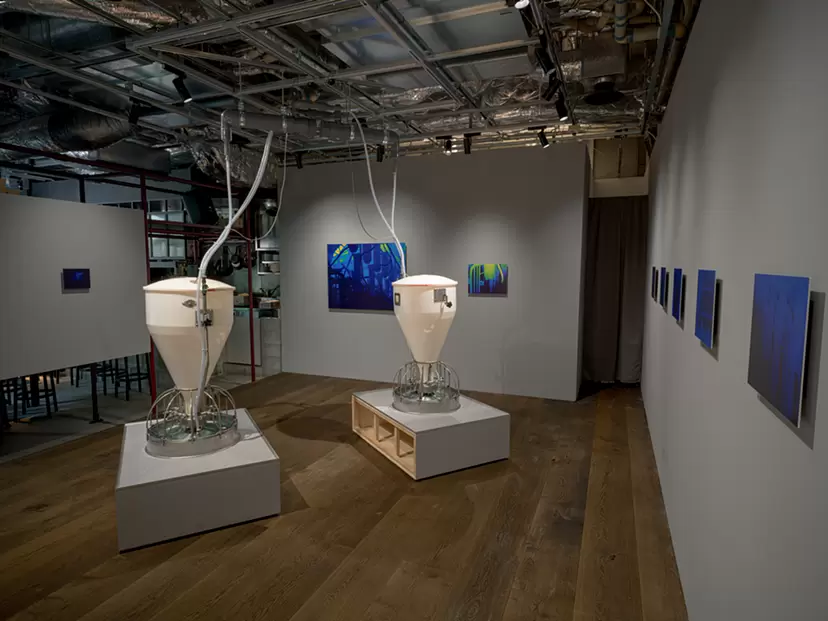
Exhibition View
■Artist comments
Livestock is a category of human. *
The farm Hopeful Pig began in the wake of the 2011 Great East Japan Earthquake. After the tsunami, five mother pigs were found alive, huddled together inside a collapsed feed silo. They had survived on the leftover feed inside, and their life continues to today.
On the farm stands a derelict livestock shed, long unused before Hopeful Pig arrived. This shed once housed pregnant and farrowing stalls — narrow metal pens where female pigs were kept for breeding, spending most of their lives in confinement. Hundreds, sometimes thousands, of identical cold steel stalls were arranged in rows, with just enough space between them for a single pig or person to pass. These structures were designed solely for the efficient management of animals by humans, without any regard for the pigs’ natural behaviour. Their design bears a haunting resemblance to factories, detention centres or prisons used to control and exploit certain categories of people deemed “animal-like” or sub-human.
While dismantling these inherited structures, Hopeful Pig continues to explore new ways of farming. In a time when primary industries are in decline, the farm repurposes the ruins of industrial agriculture to pursue animal welfare, weaving together the lives of endangered species and, in doing so, offers a vision of what lies ahead.
Nozomi Takahashi, the pig farmer behind the project, told us: "I want to create a place of animal welfare for human beings." As we look upon the animals, we begin to feel ourselves — our bodies and minds — unwinding, softened by their presence. We recognise ourselves in them: as animals, and through animals.
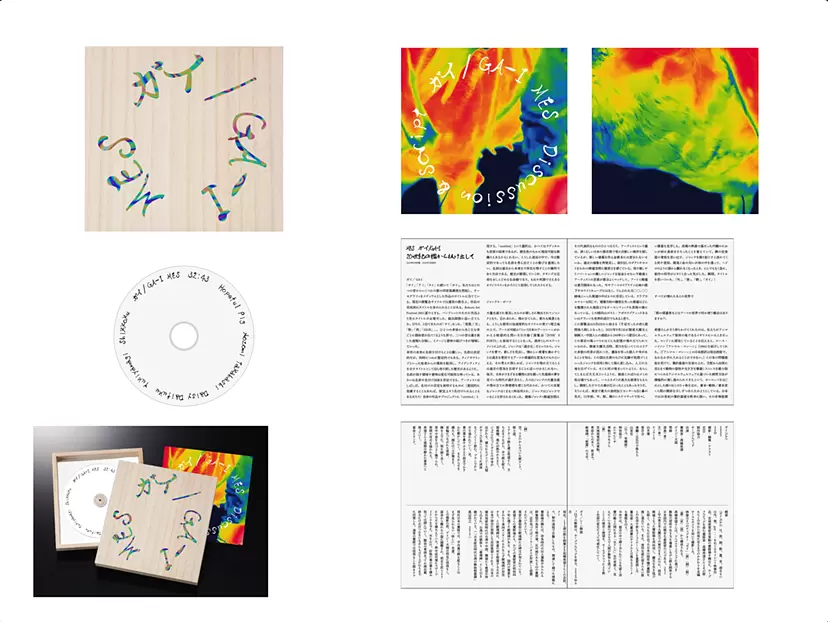
KA-I is an encounter with the many possible meanings contained in these phonemes: disentangle and pleasure (解/快), sea and ash (海/灰), care and keeping (介/飼)... A moment of convergence between tenderness(懐) and the unknown(X).
MES
* Azumi Kawahara. 2024. The Ideological History of SM: Dreams and Desires Regarding Domination and Violence in Post-War Japan. Seikyusha, p. 356.
Exhibition Information
- Past Exhibitions
- MES Solo Exhibition "KA-I"07.04.2025 - 07.27
View in a Room




How to Buy

This artwork is available for purchase.

USD 1,109
Note: Prices are displayed as reference prices converted at the exchange rate. Payments are made in Japanese yen.
Need help with purchasing?Start Chat
Our art concierge is here to help. Please feel free to chat with us about artwork recommendations or issues with purchasing.
Artist

artist duo
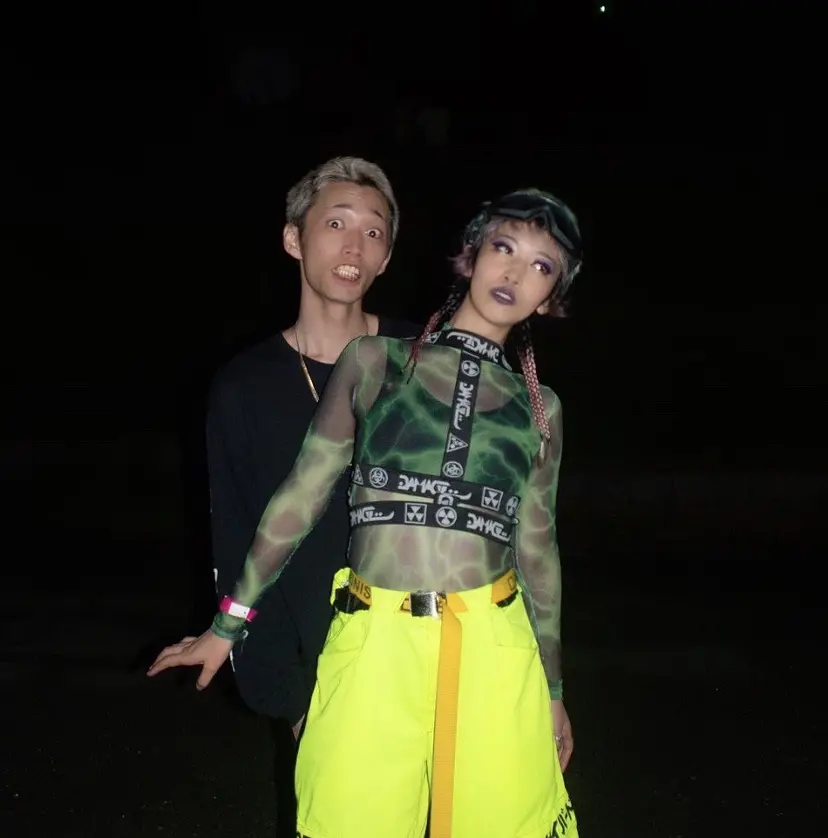
MES/メスは、KANAE(谷川果菜絵)とTAKERU(新井健)が2015年に結成した日本のアーティスト・デュオ。 東京芸大で活動を始め、国内外で展示やパフォーマンス、イベントを開催。レーザーを多用し、クラブカルチャーと現代美術の接触を試みる等、周縁から社会を観測する作品を展開。近年は、M ・ I 20周年公演「M ・ I 2020」、新大久保UGO「You(We) are Beautiful!」、ANB Tokyo「ENCOUNTERS」、「Dark Independants」への参加がある。 MES is a Japanese artist duo formed in 2015 by KANAE and TAKERU. They began their activities at Tokyo University of the Arts and have held exhibitions, performances, and events in Japan and abroad. They have developed works that observe society, making extensive use of LASER and trying to make contact between club culture and contemporary art. In 2020, they has participated in "M・I 2020", Shin-Okubo UGO "You(We) are Beautiful!", ANB Tokyo "ENCOUNTERS", and online exhibition "Dark Independants".
See artist information