

1 artwork is published


over 1 year ago
Artist, painter
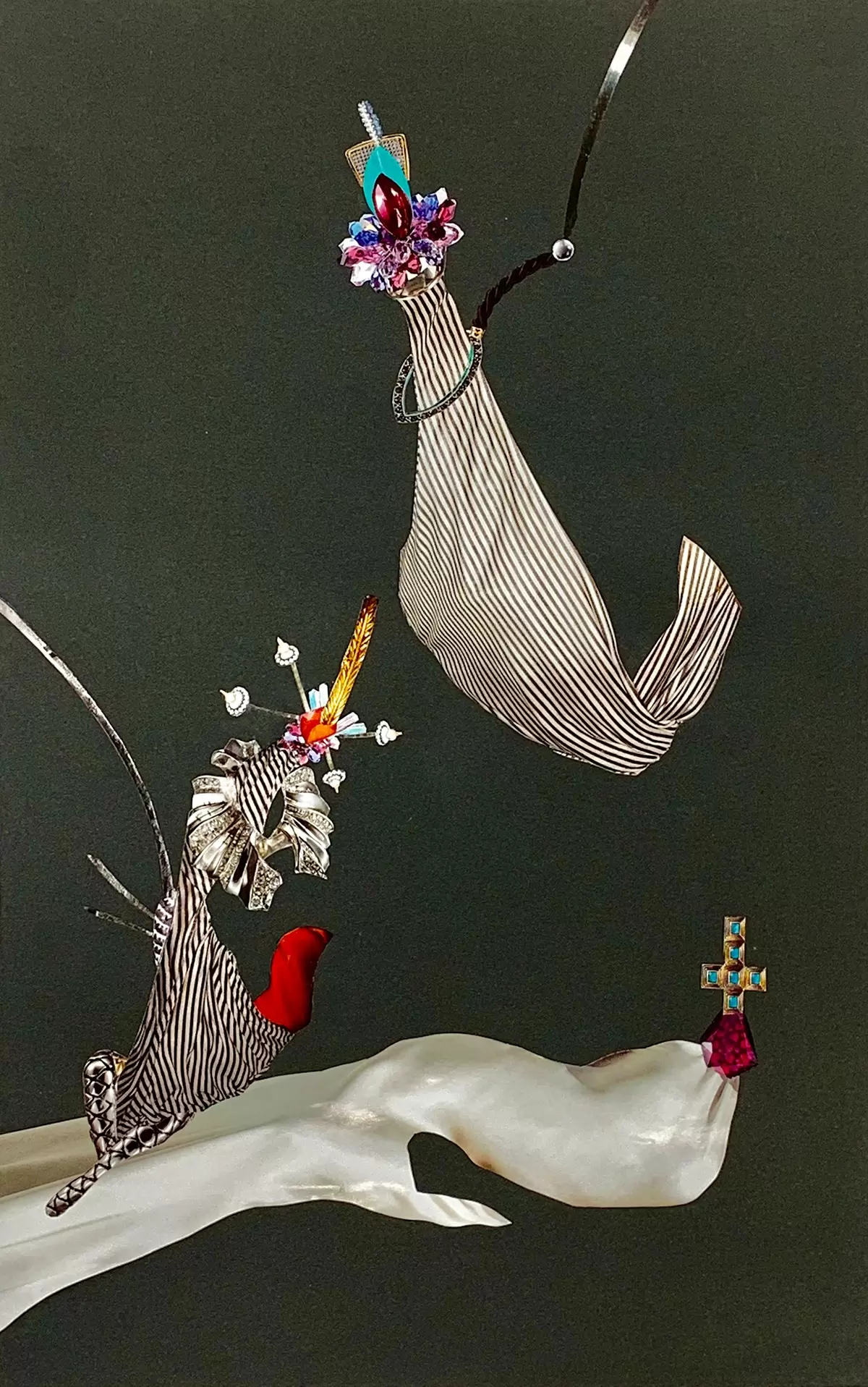
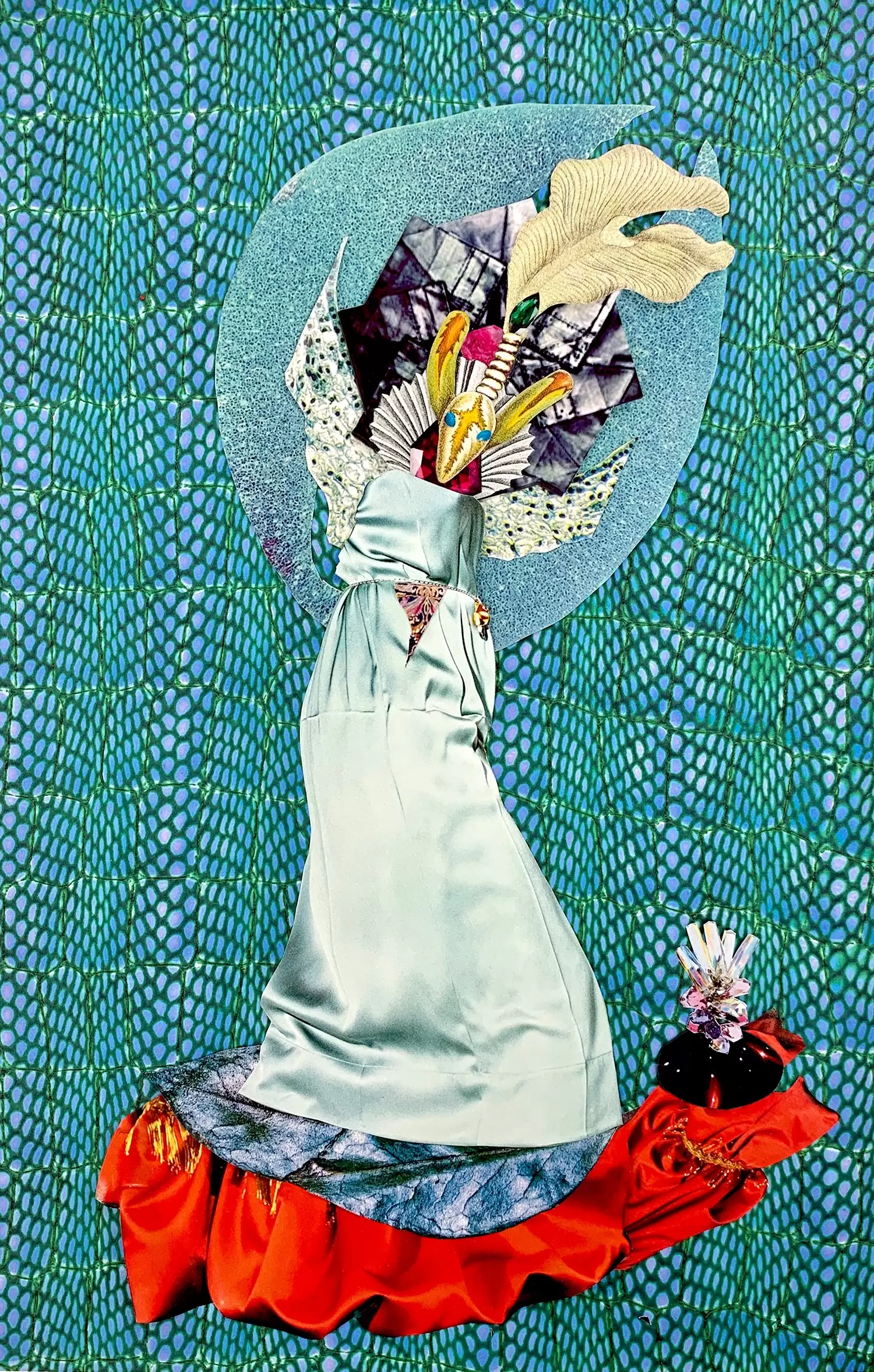
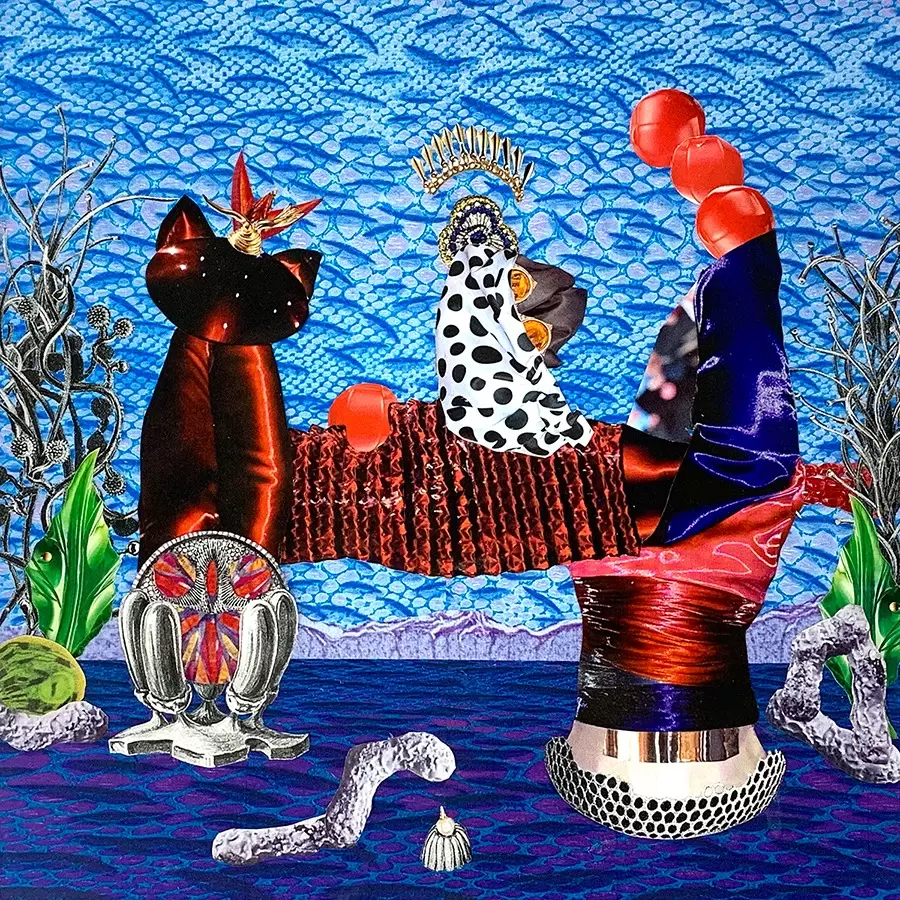
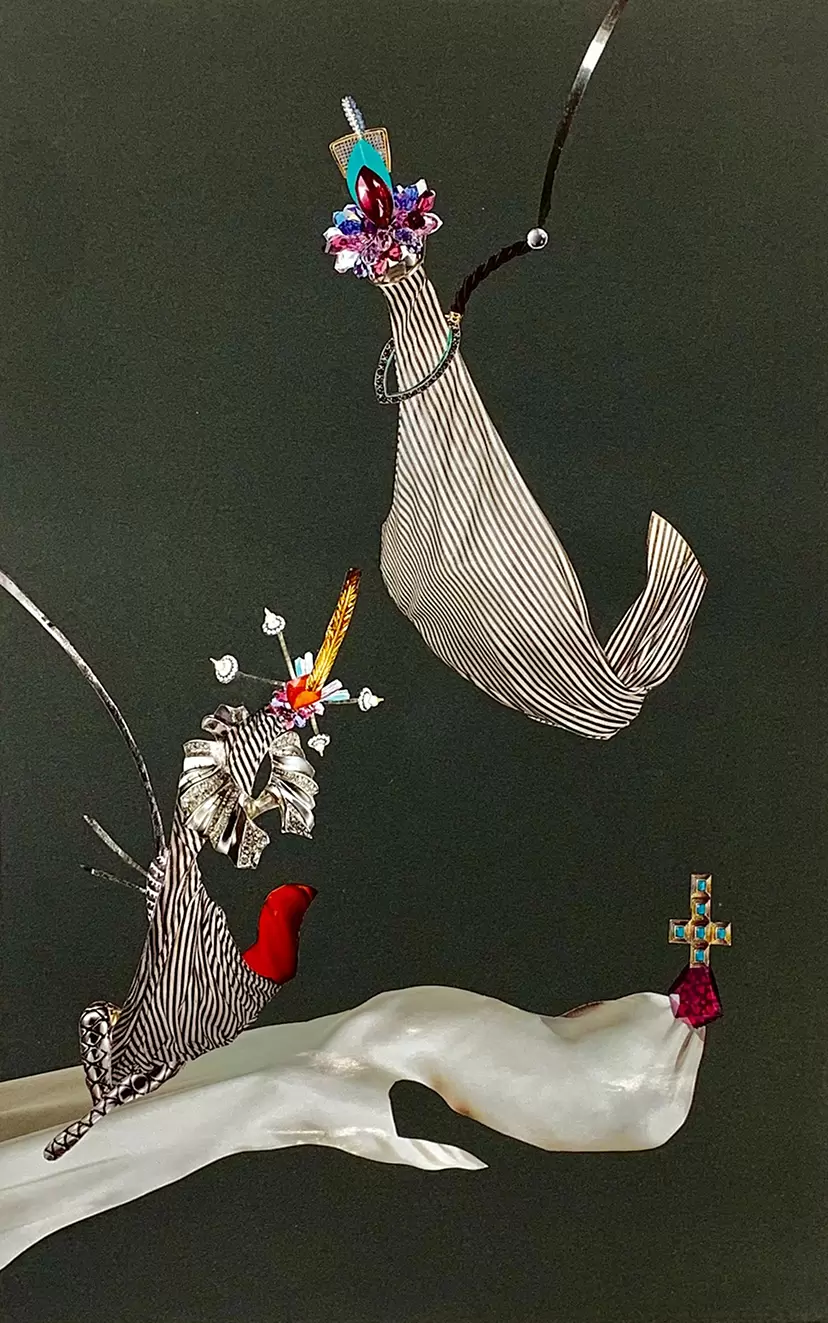
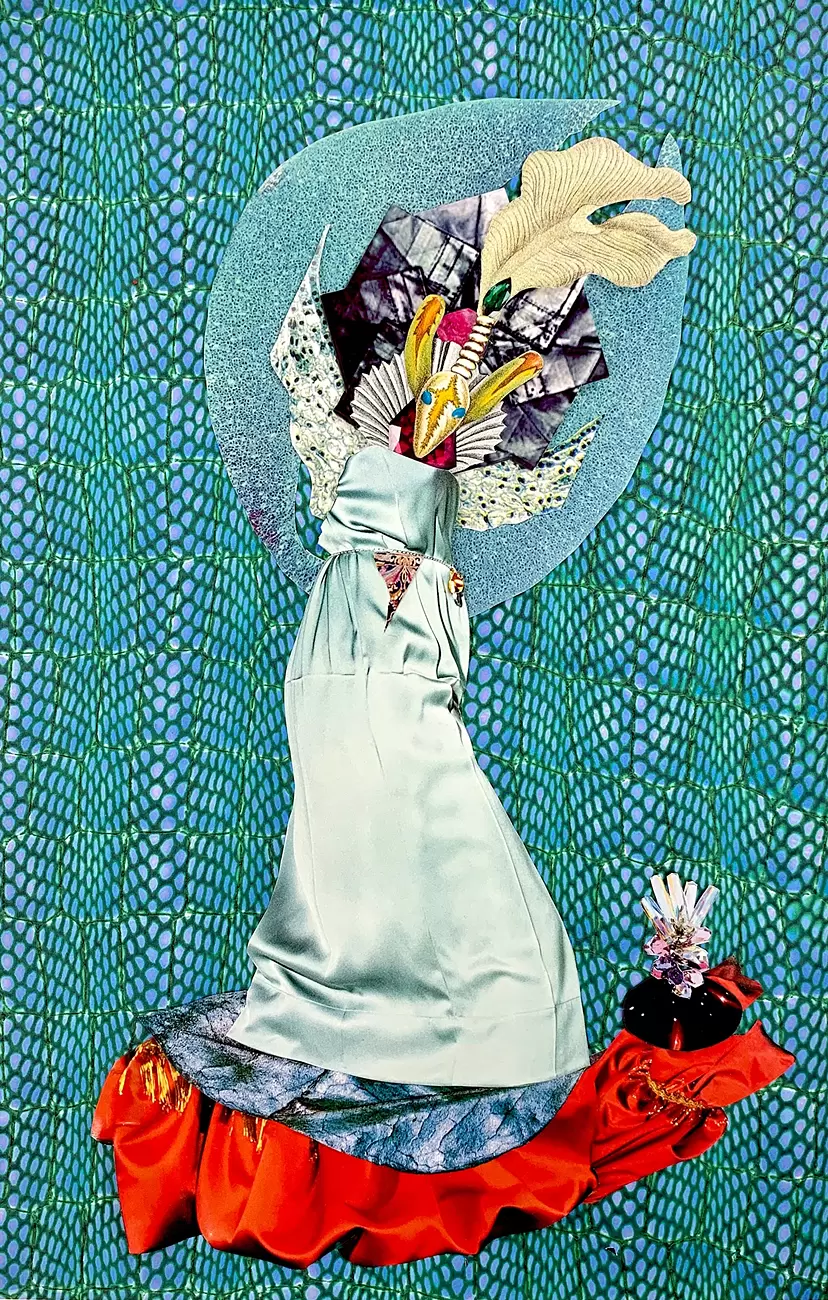
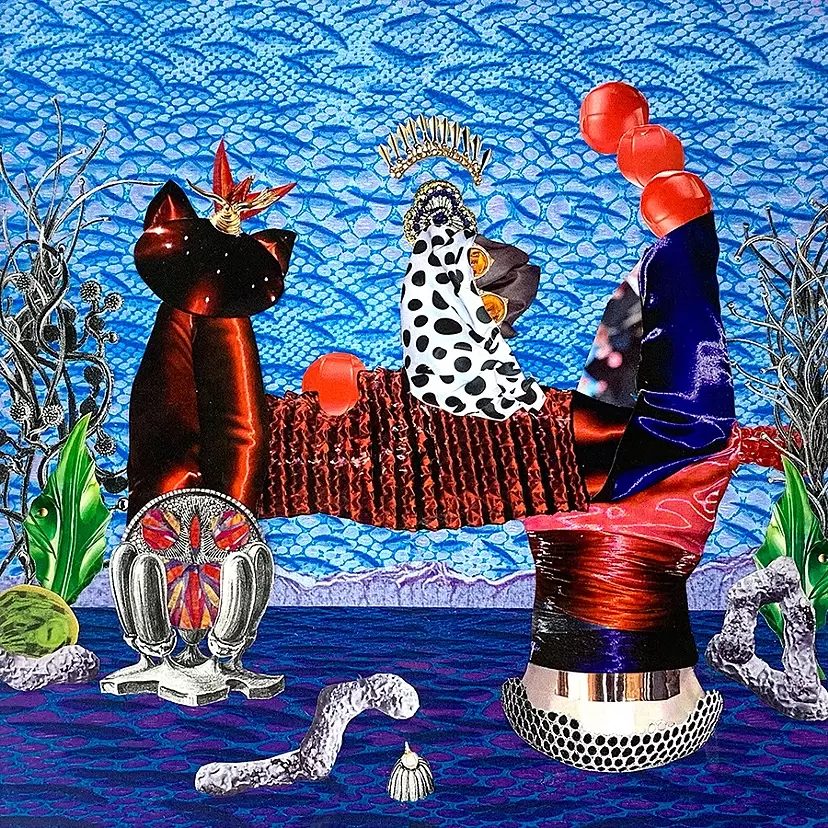
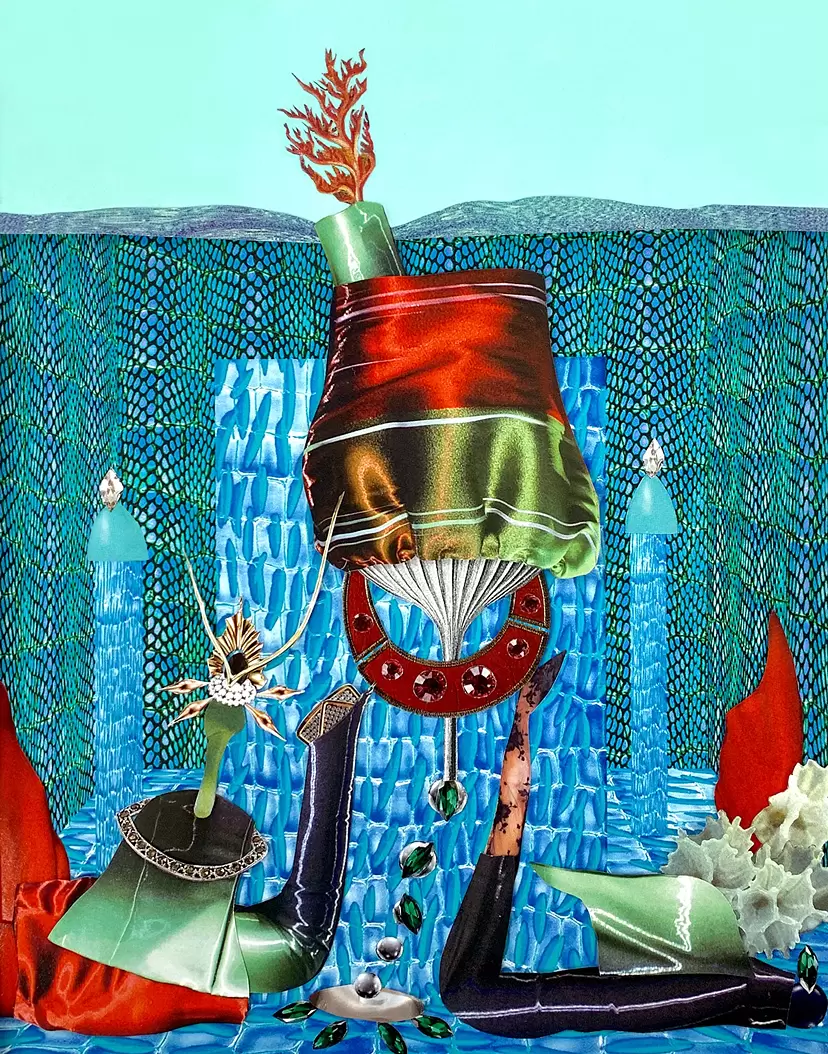
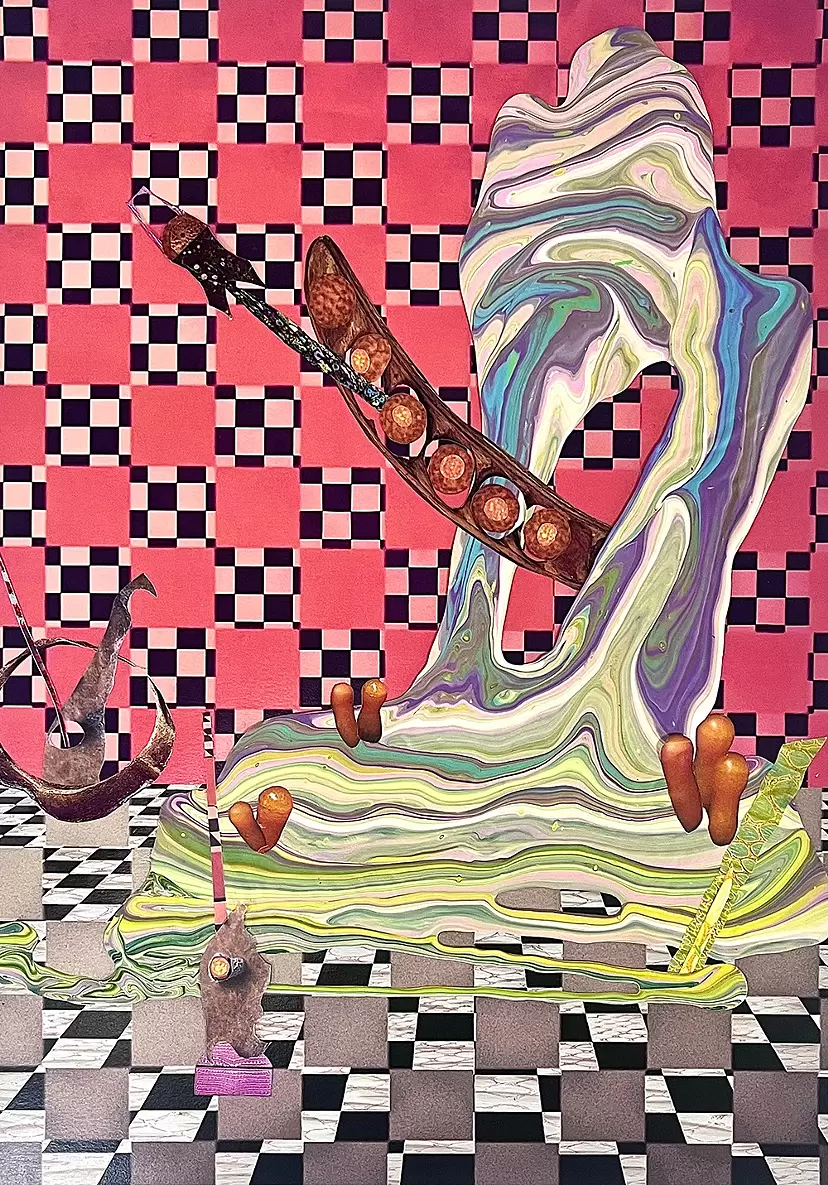
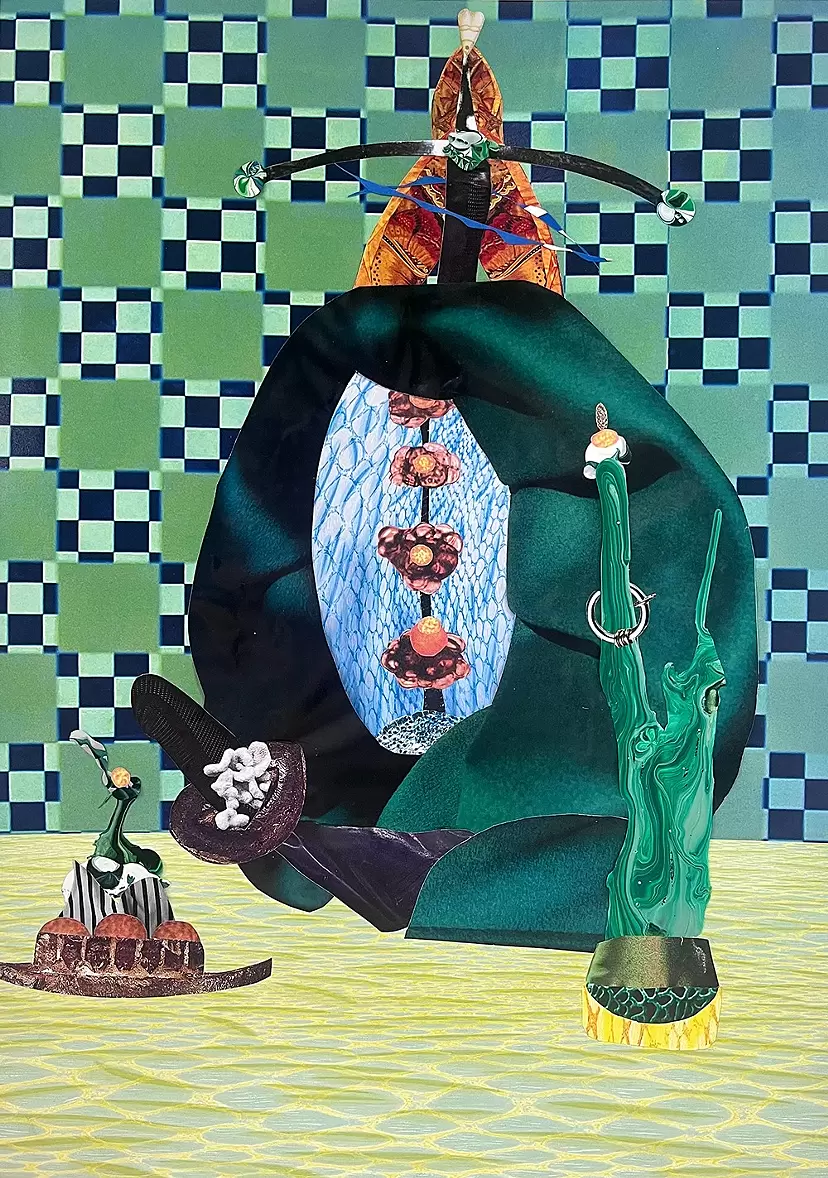
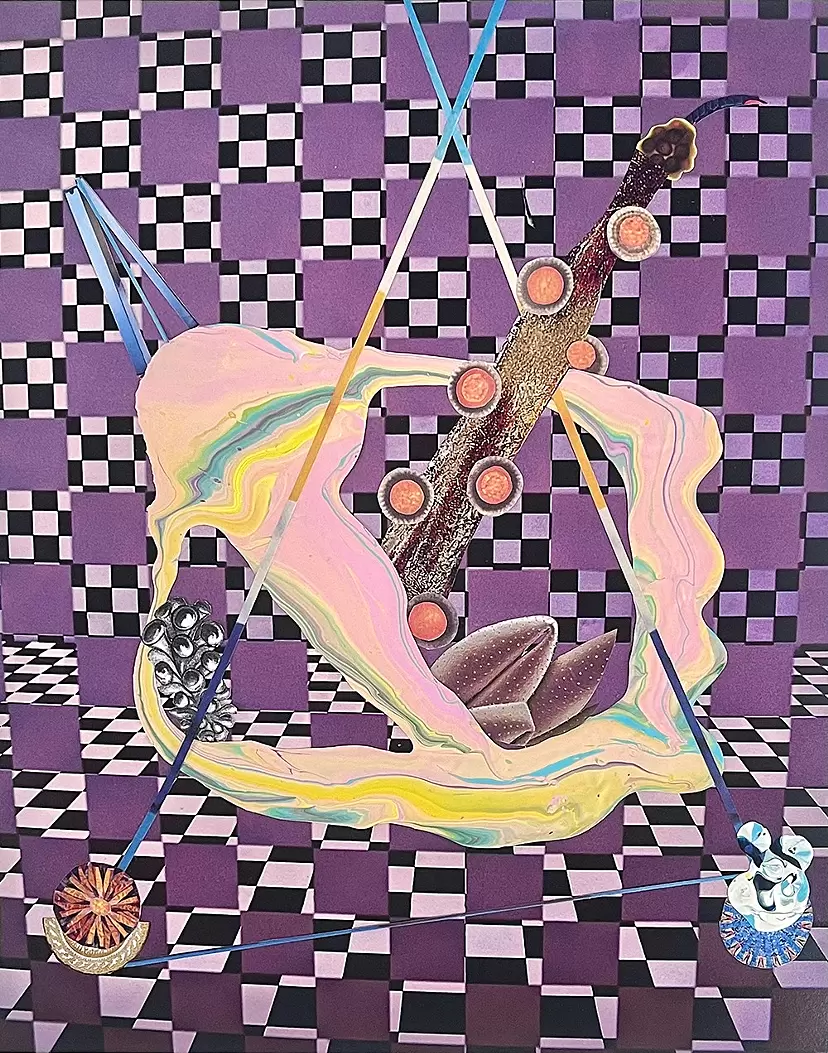
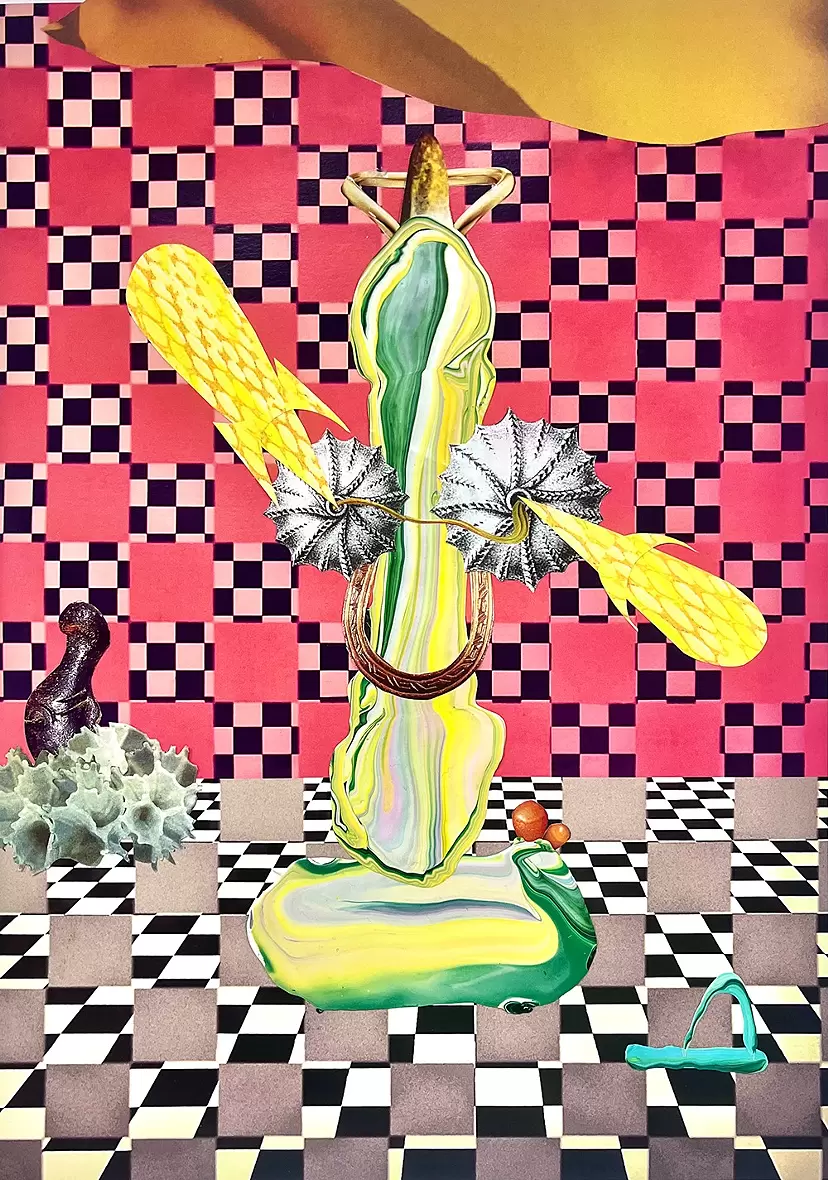
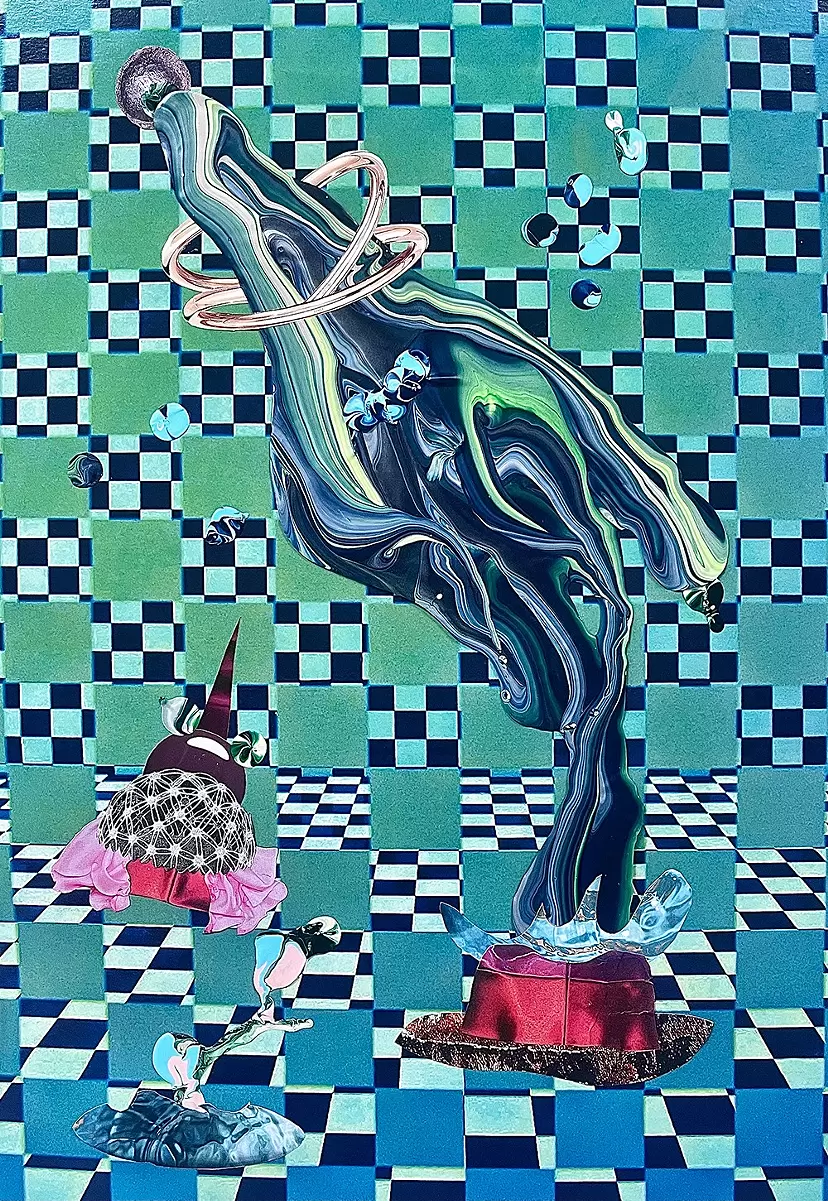
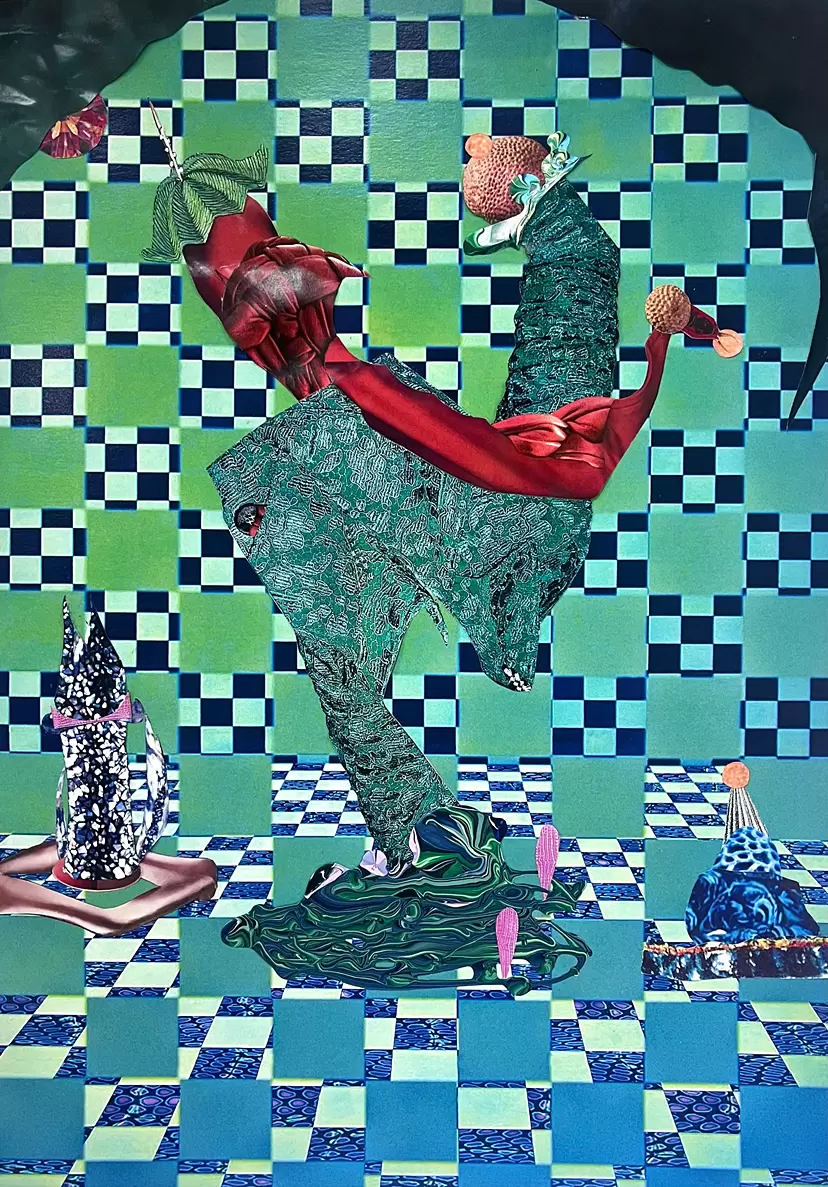
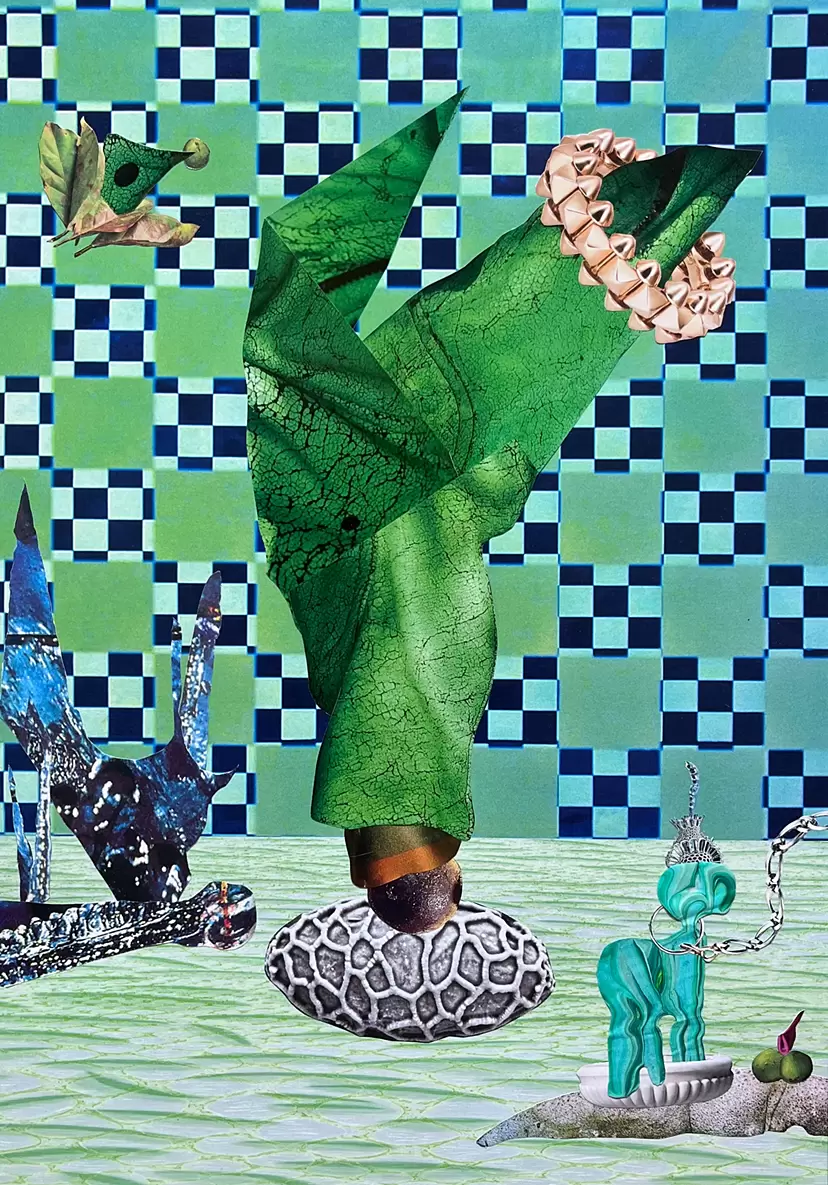
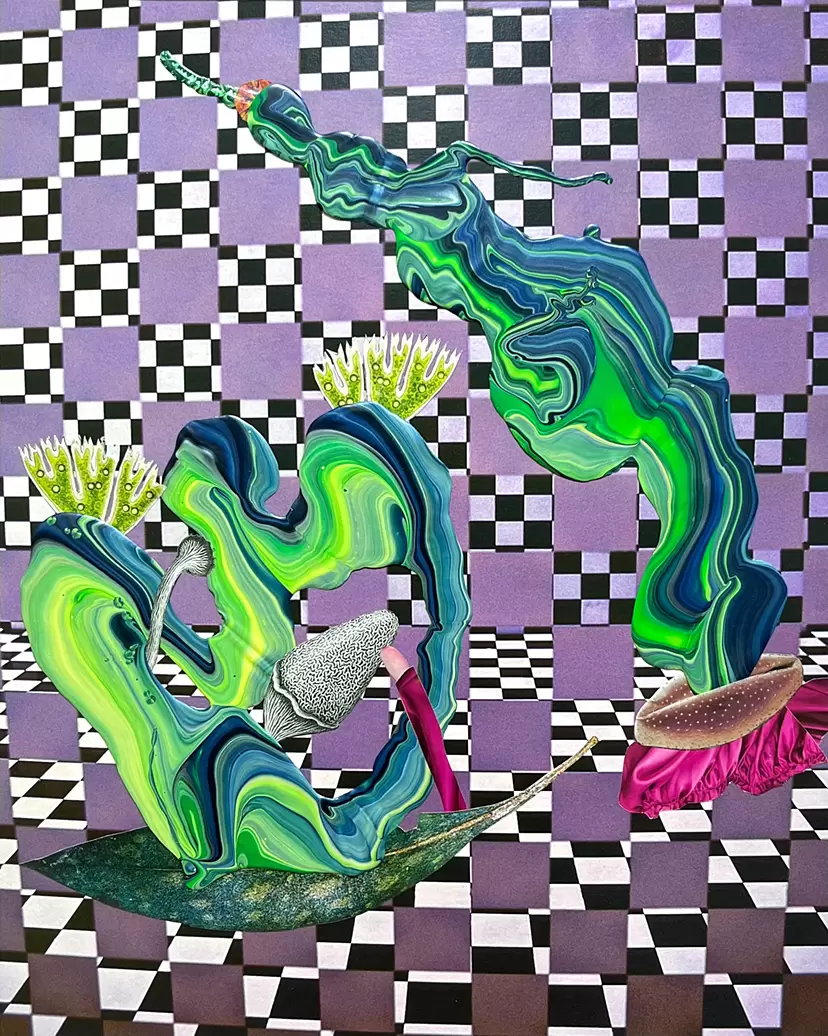
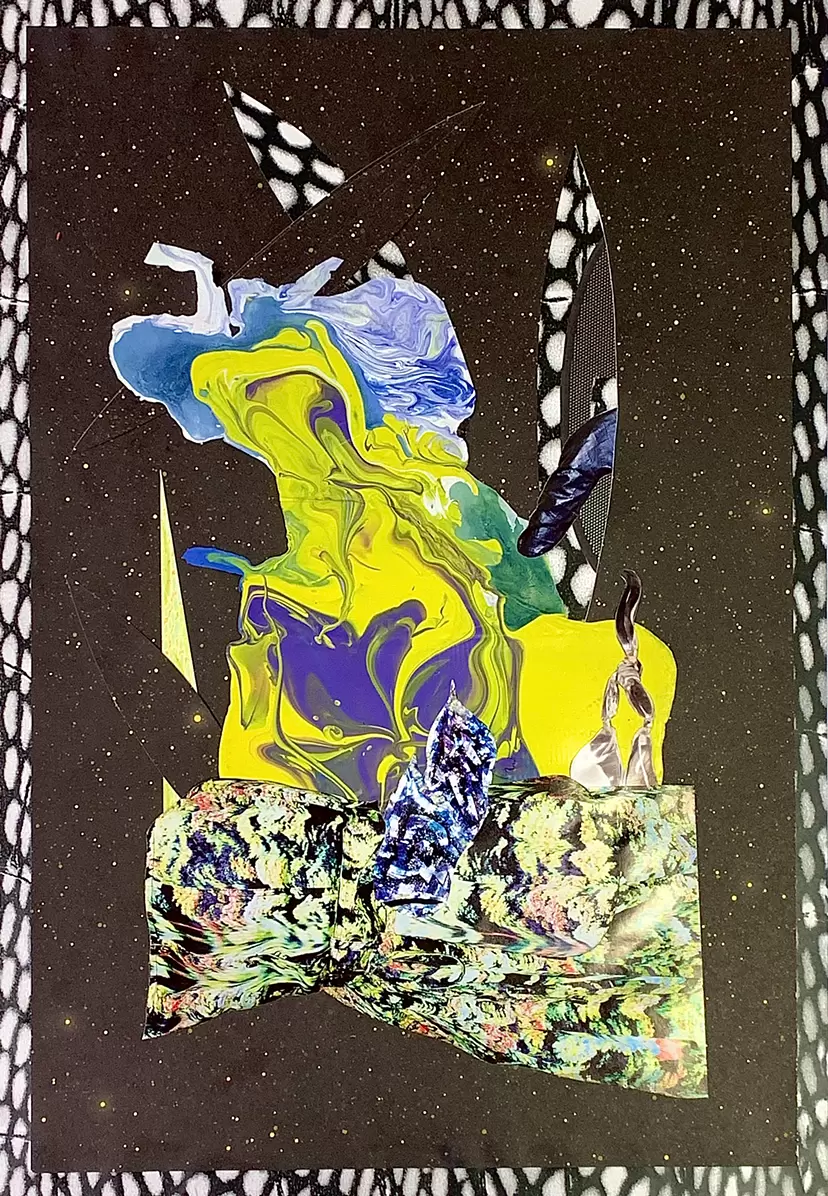
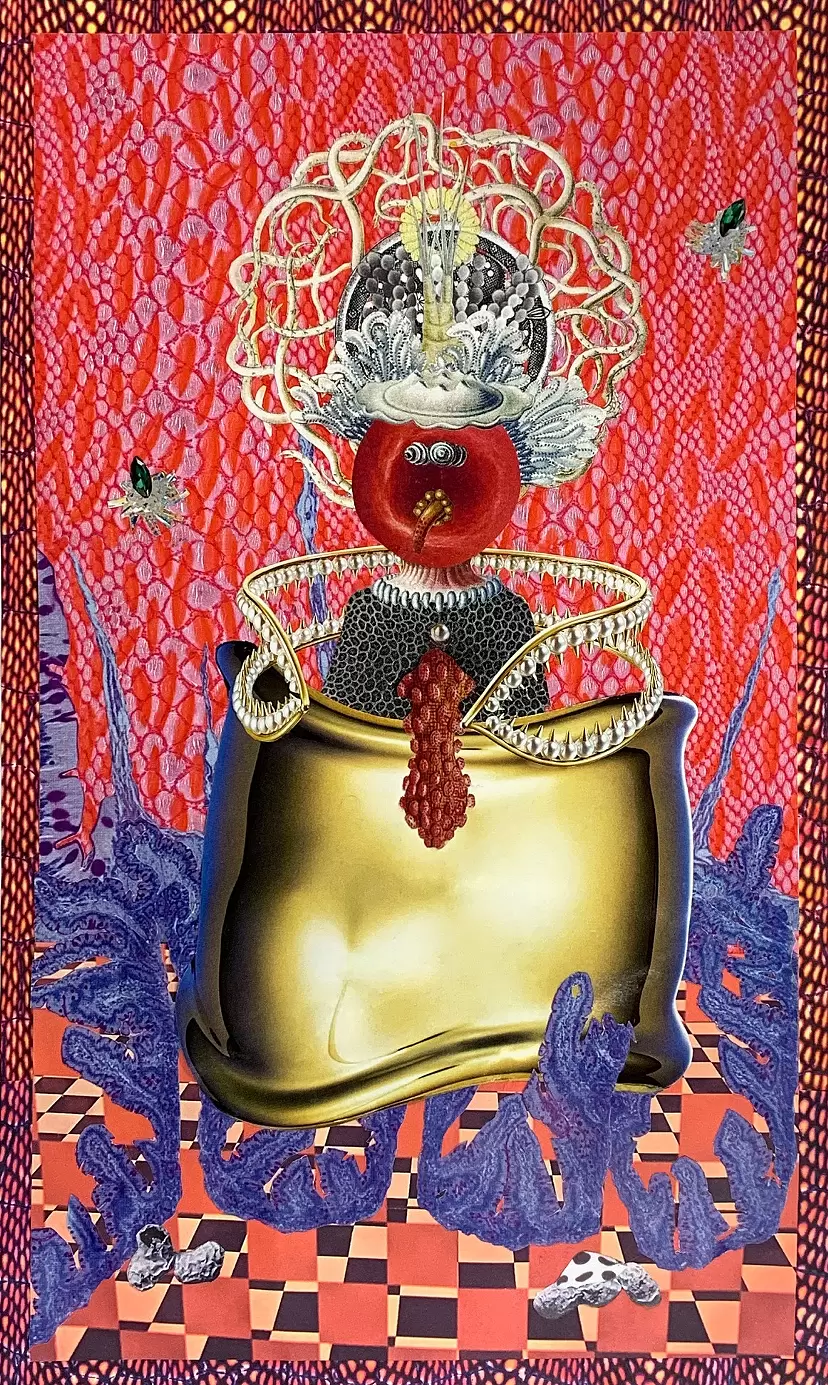
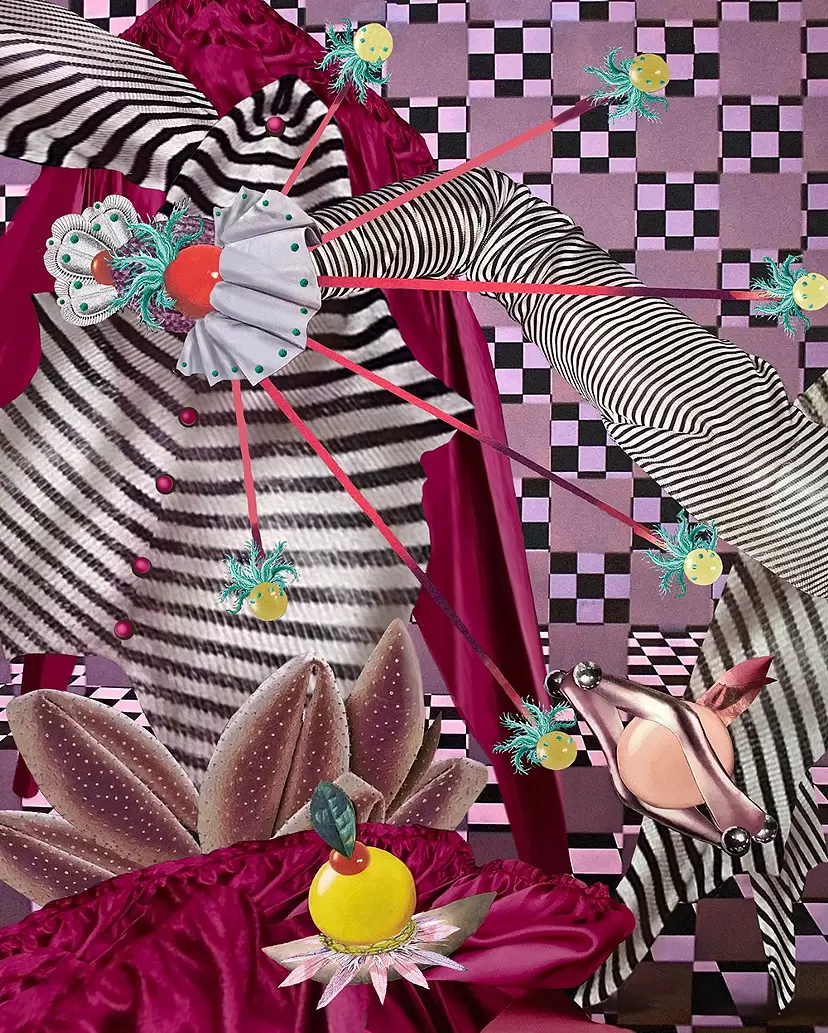
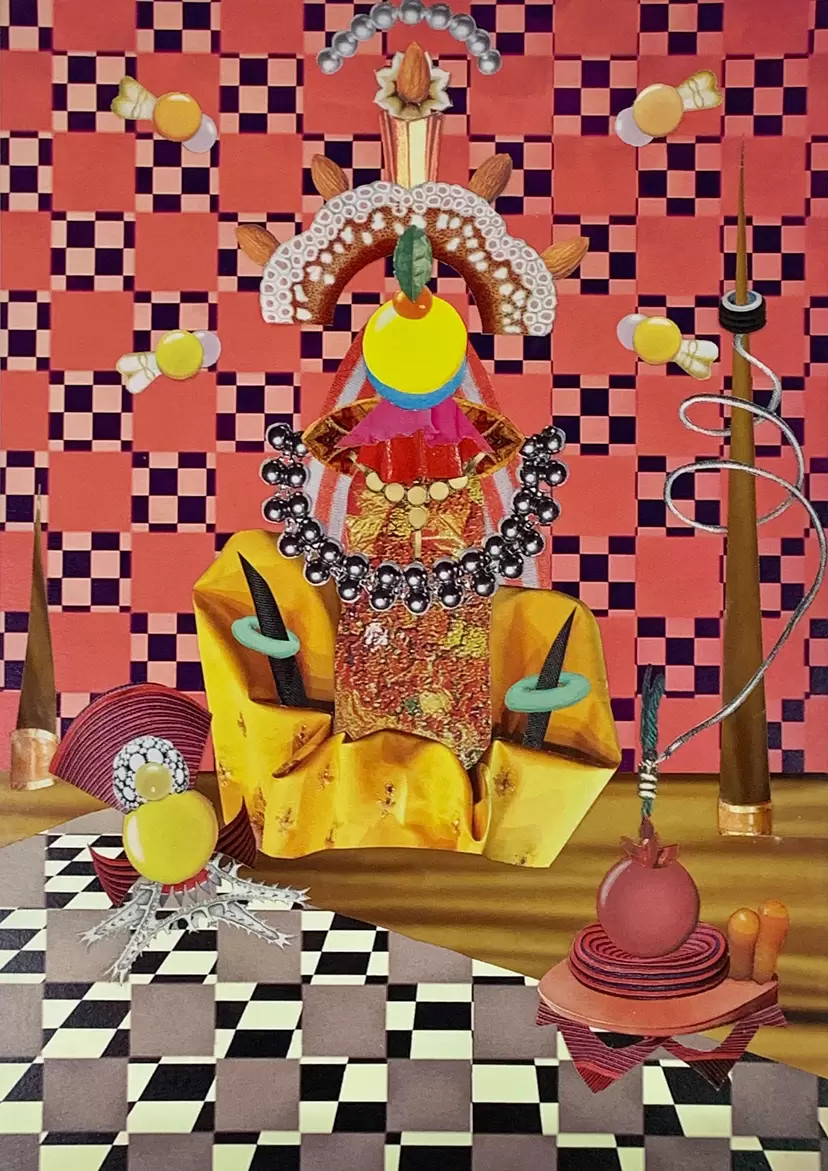
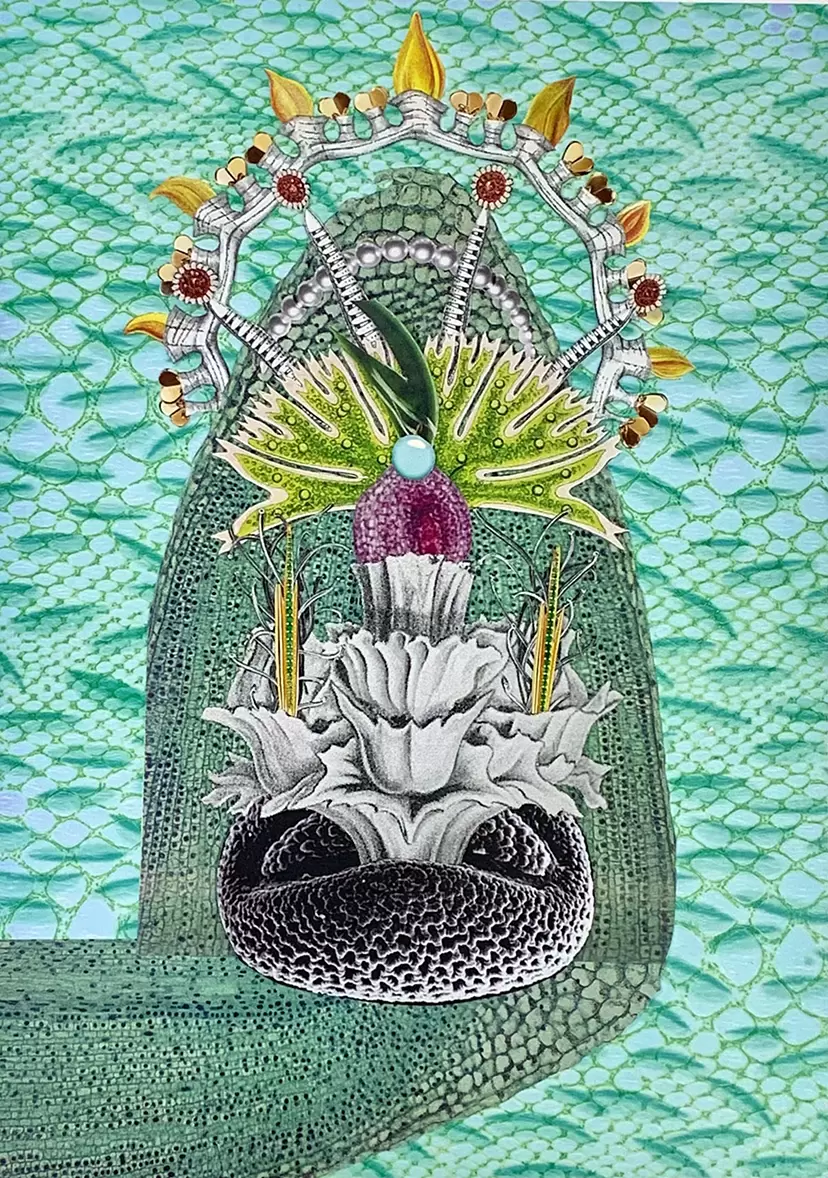
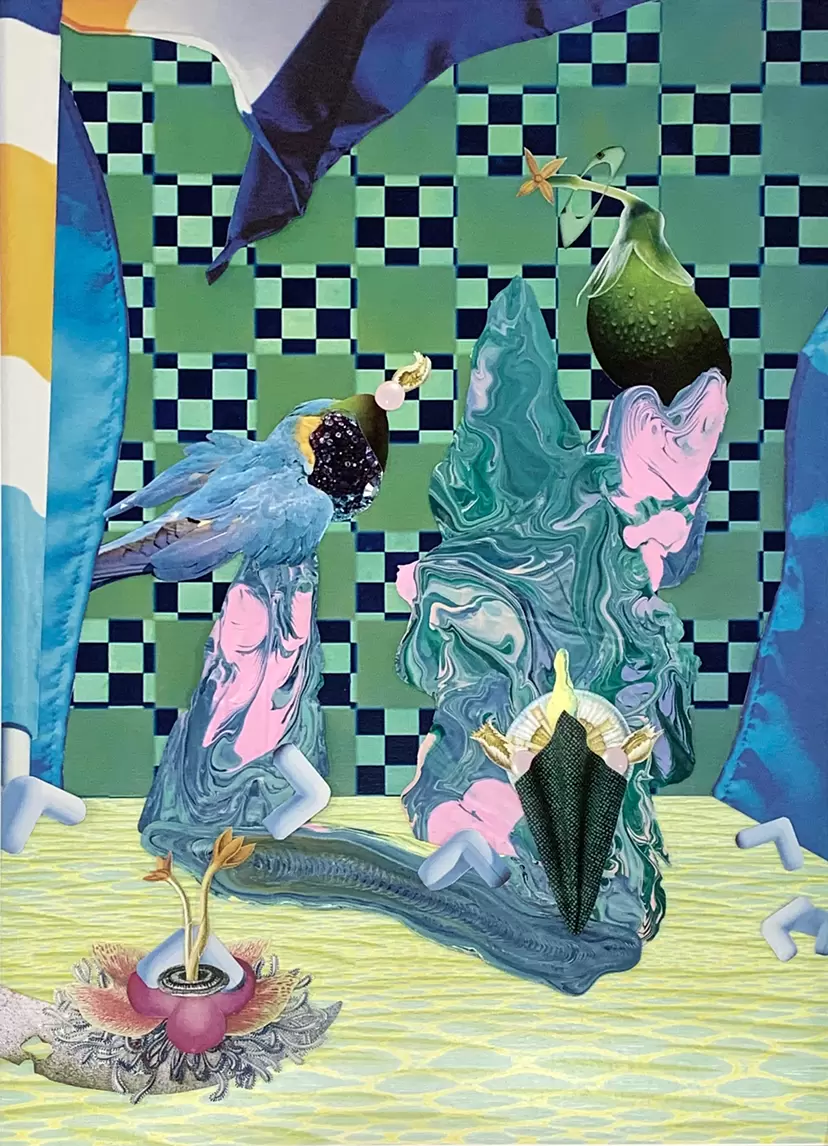
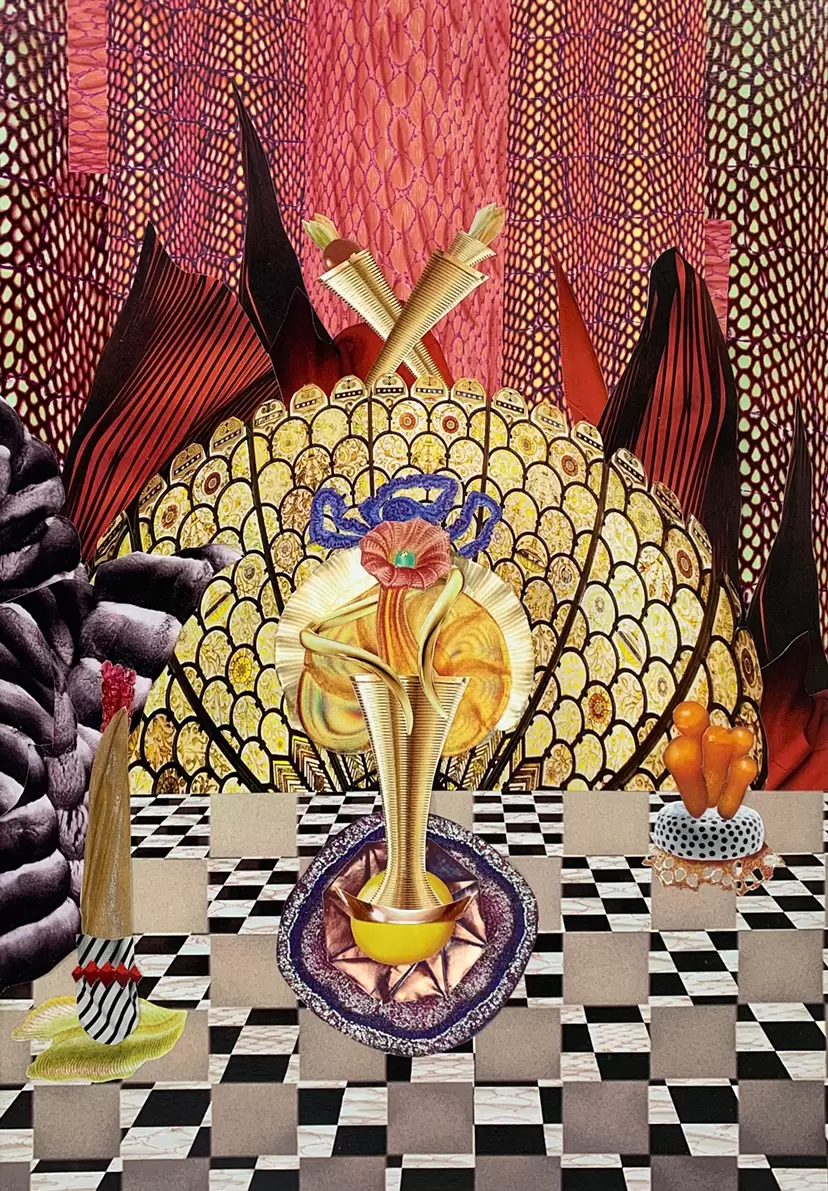
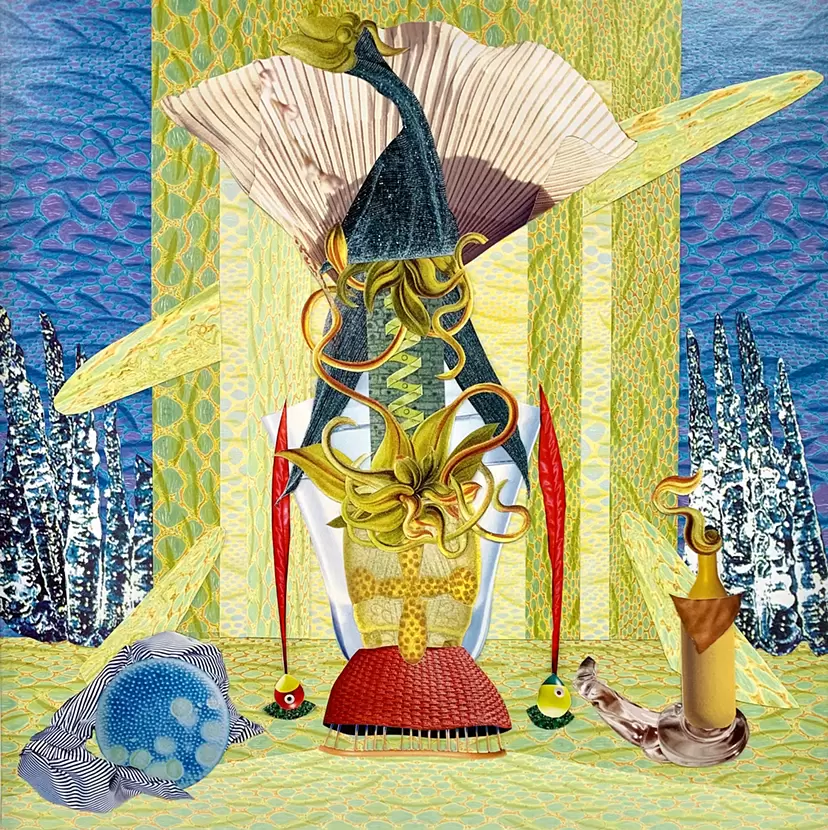
不安定なバランス、いびつなぎこちない状態でバランスを保つさまざまなオブジェたち。「不安定なバランスの状況と共存する=遊ぶ」ことは、悲惨な歴史をいくつも重ねてきた人間が、生き延びるために持ち合わせているイマジネーションの豊かさを表している。
Yuko Kokubun
Artist, painter
Artist, painter
Born in Chiba, lives and works in Tokyo.
Graduated from Tokyo University of the Arts, Faculty of Fine Arts, majoring in oil painting in 2008
Completed the master's program at Tokyo University of the Arts Graduate School of Fine Arts in 2010
Based on the concept of “Earth Theater,” he creates paintings by replacing concepts of society, life, time and space, and changes in the mind and body that occur within humans with theatrical interpretations.
They are trying to incorporate the element “space, color, and multicultural fusion” of performing arts, particularly contemporary circuses, into paintings using collage techniques as the axis.
He studies biology, anatomy, performing arts, and contemporary circus.
Based on the concept of an “Earth Theater,” Ikuko Kokubu creates paintings by replacing dramas that occur between humans and living organisms or within a single living thing itself with theatrical interpretations.
Our society, which is bound by the environment, culture, and customs we were born in, is likened to an existing pattern, and the flexibility that develops from there is a collage using images obtained from various motifs to express the instability of the balance between individual humans and society.
She focuses on collage-like presentation (meaningless/meaningless bonding) as an alternative to theatrical visual art. In the work, various shapes carved out for collages are arranged like objects in a space like a stage with a narrow depth. The act of chopping a completed shape into another shape is an autopsy for Kokubu. Removing meaning from parts, finding different possibilities for shapes and colors, and reuse/reconstructing them as part of the stylistic beauty that has been built in human cultural history, such as classical art, crafts, religious art, etc., is an act of re-imparting majesty to the form itself, which has been freed from meaning or function. This anatomical collage is an act of referring to a circus structure developed by combining various races and cultures in an endless manner to form a stage and affirming the presence of everyone present, and expresses a drama that combines circus-like play and life.
One characteristic of Kokubu's works is that patterns like stitches are used a lot. The pattern uses mass-produced processed leather, or animal skin, and agricultural nets over and over again.
There are two reasons for this.
First, our society, which is bound by the environment, culture, and customs we were born in, is likened to an existing pattern. We are forced to live bound by the environment, culture, and customs we were born in, quote the “visual texture” described by perceptual psychologist James Gibson about being forced to conform to other customs no matter where we go, and “this world continues to have a wide variety of “textures” (earth, water, trees, concrete, living things, etc.), and we are included in that continuous womb” in a situation where we are surrounded by patterns It is expressed in a visual manner that is easy to understand.
Second, the skin pattern of a living thing is processed and repeatedly used as a copy, and the process of moving away even though it is similar from the prototype is compared to the evolution of living organisms or life transmission.
Even in an environment where there is a high risk of losing life, Kokubu says that the way we live our lives, maintaining balance of mind through play and surviving, is a “circus-like life.”
The human desire to control nature and life will continue to advance along with the development of science and technology.
However, while humans are surrounded by this pattern of customs, I think they are always continuing to play games without seeking meaning, as a way of devising their own ease of living.
We are weaving a pattern called custom by balancing it as if playing with people who happened to be in this era, this community, and this place, and getting through this moment.
1 artwork is published
over 1 year ago
Artist, painter
不安定なバランス、いびつなぎこちない状態でバランスを保つさまざまなオブジェたち。「不安定なバランスの状況と共存する=遊ぶ」ことは、悲惨な歴史をいくつも重ねてきた人間が、生き延びるために持ち合わせているイマジネーションの豊かさを表している。
1 artwork is published
over 1 year ago
Artist, painter
不安定なバランス、いびつなぎこちない状態でバランスを保つさまざまなオブジェたち。「不安定なバランスの状況と共存する=遊ぶ」ことは、悲惨な歴史をいくつも重ねてきた人間が、生き延びるために持ち合わせているイマジネーションの豊かさを表している。
1 artwork is published
over 1 year ago
Artist, painter
不安定なバランス、いびつなぎこちない状態でバランスを保つさまざまなオブジェたち。「不安定なバランスの状況と共存する=遊ぶ」ことは、悲惨な歴史をいくつも重ねてきた人間が、生き延びるために持ち合わせているイマジネーションの豊かさを表している。