


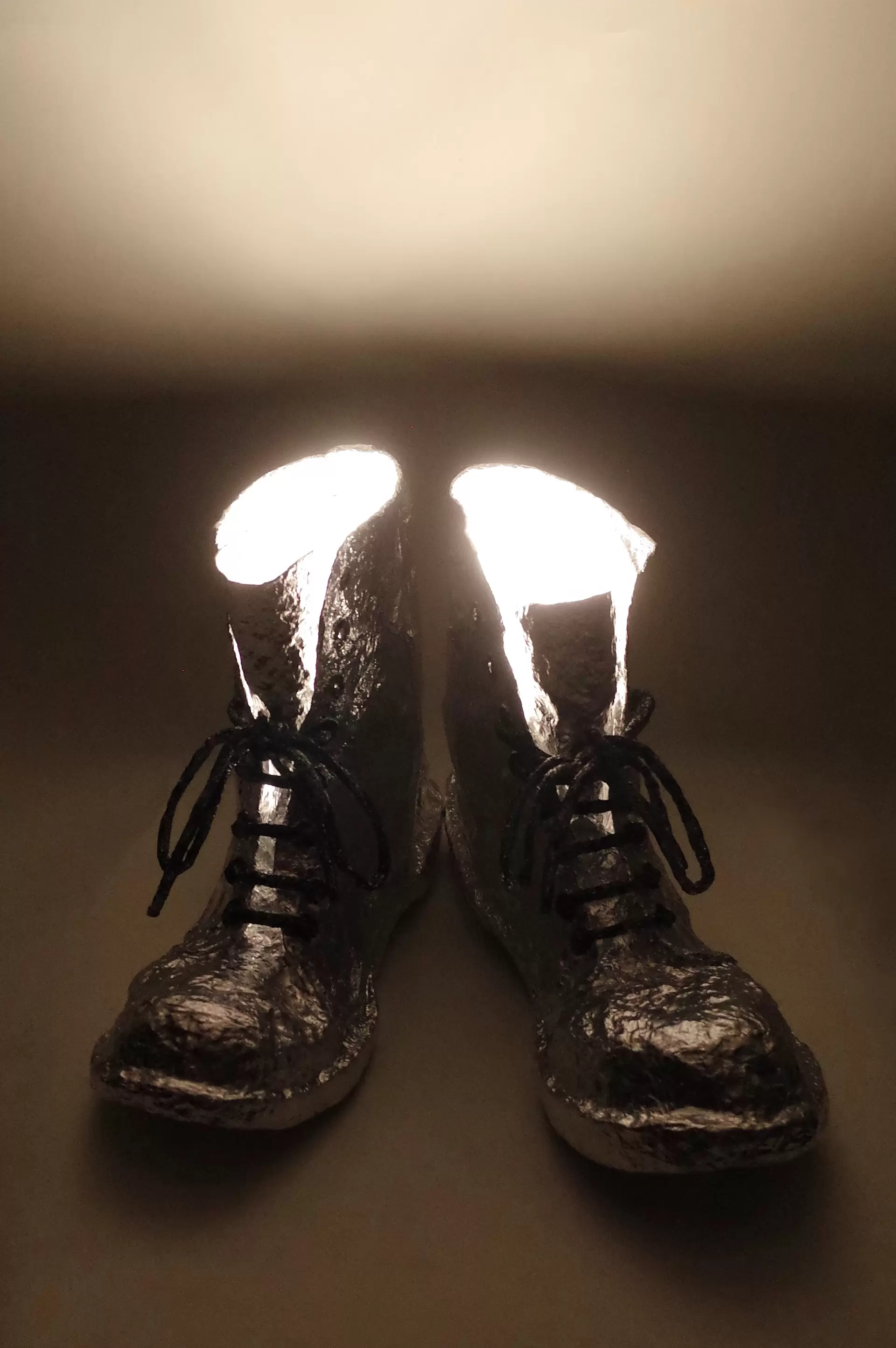
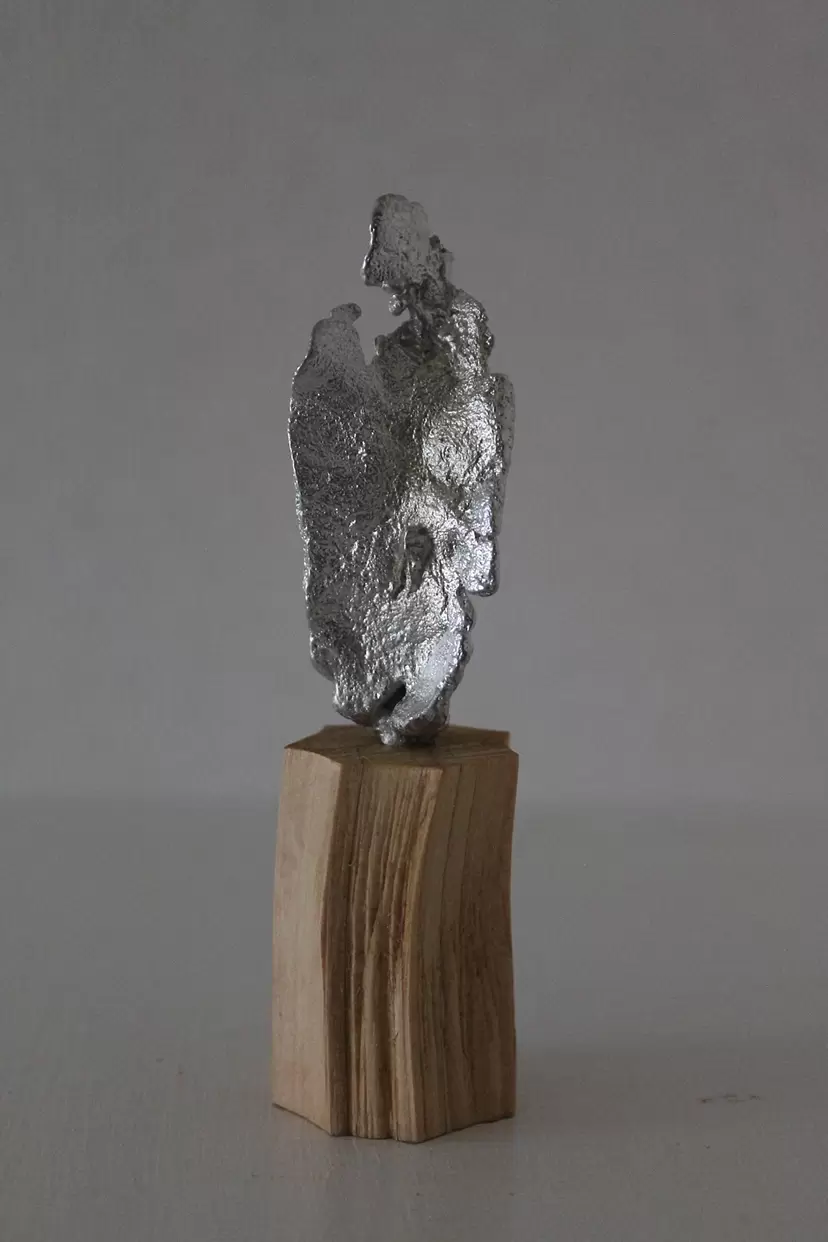
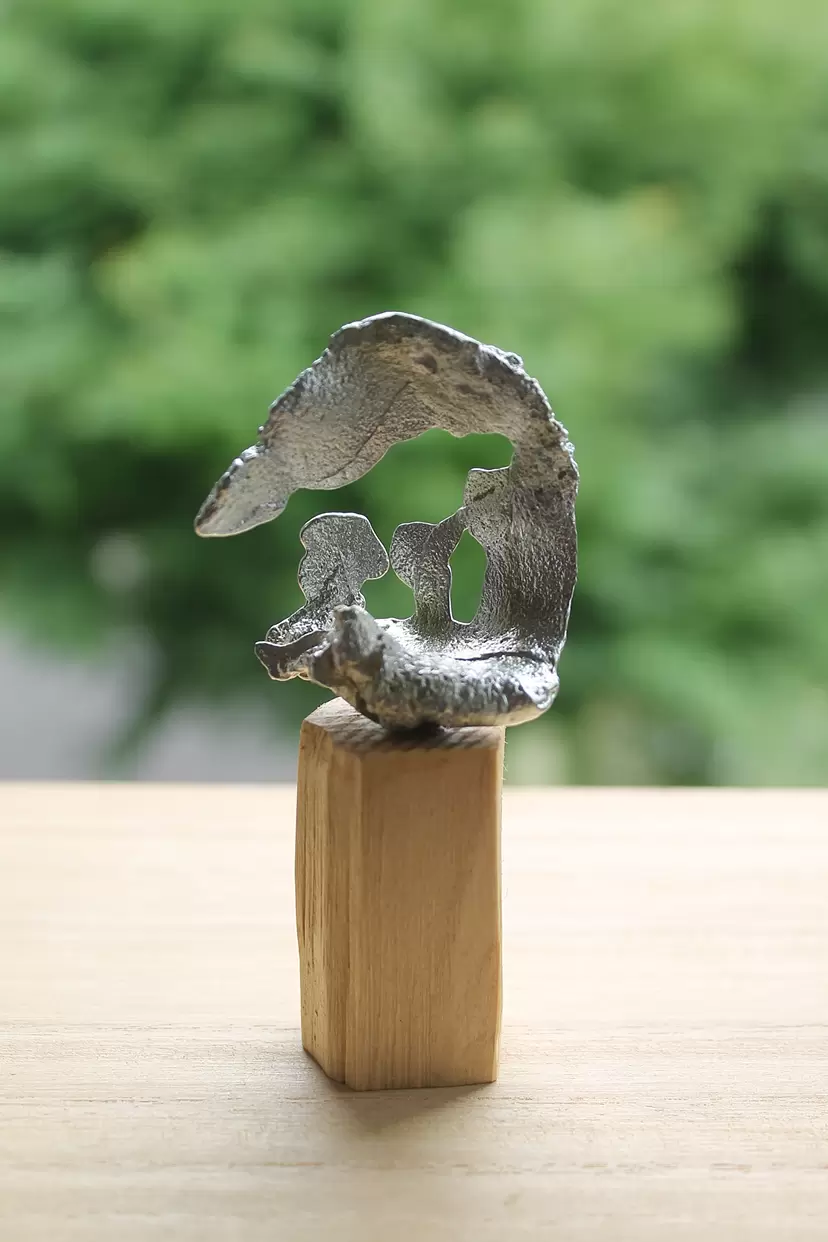
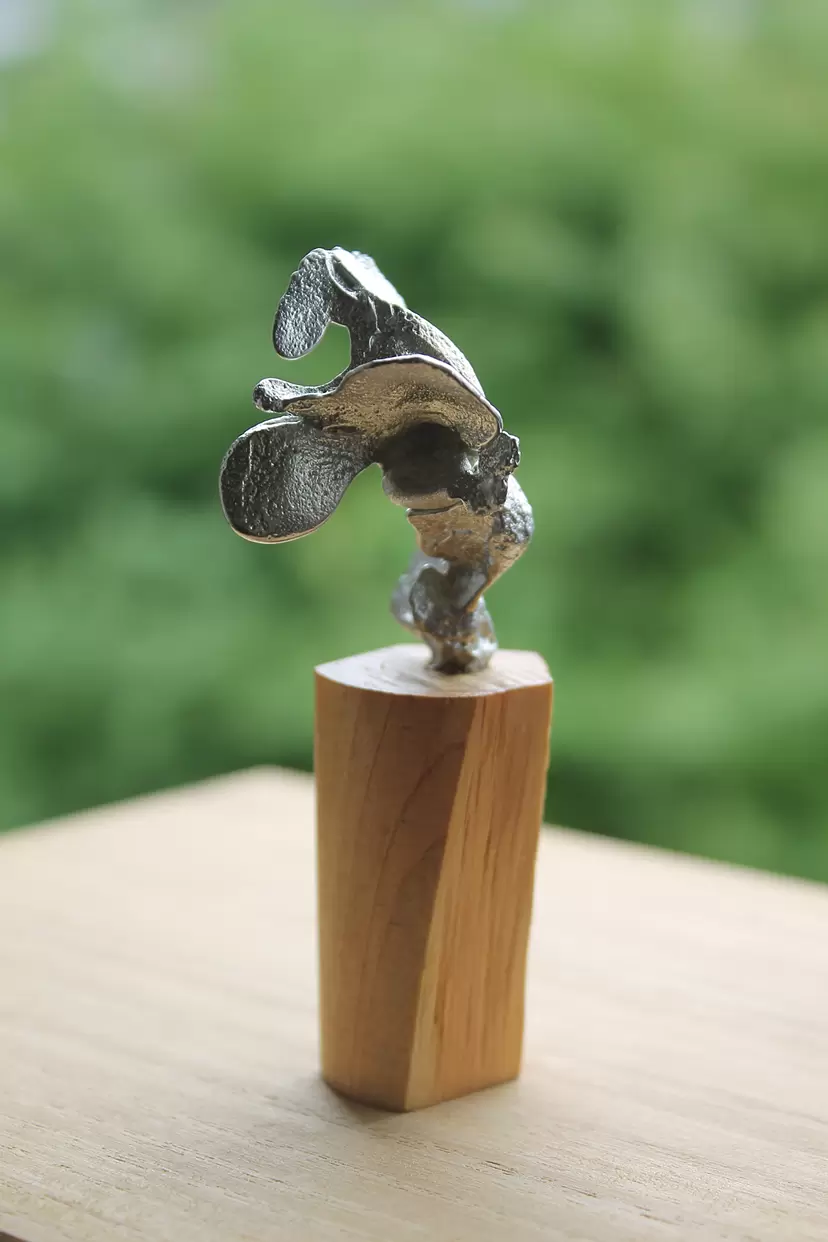
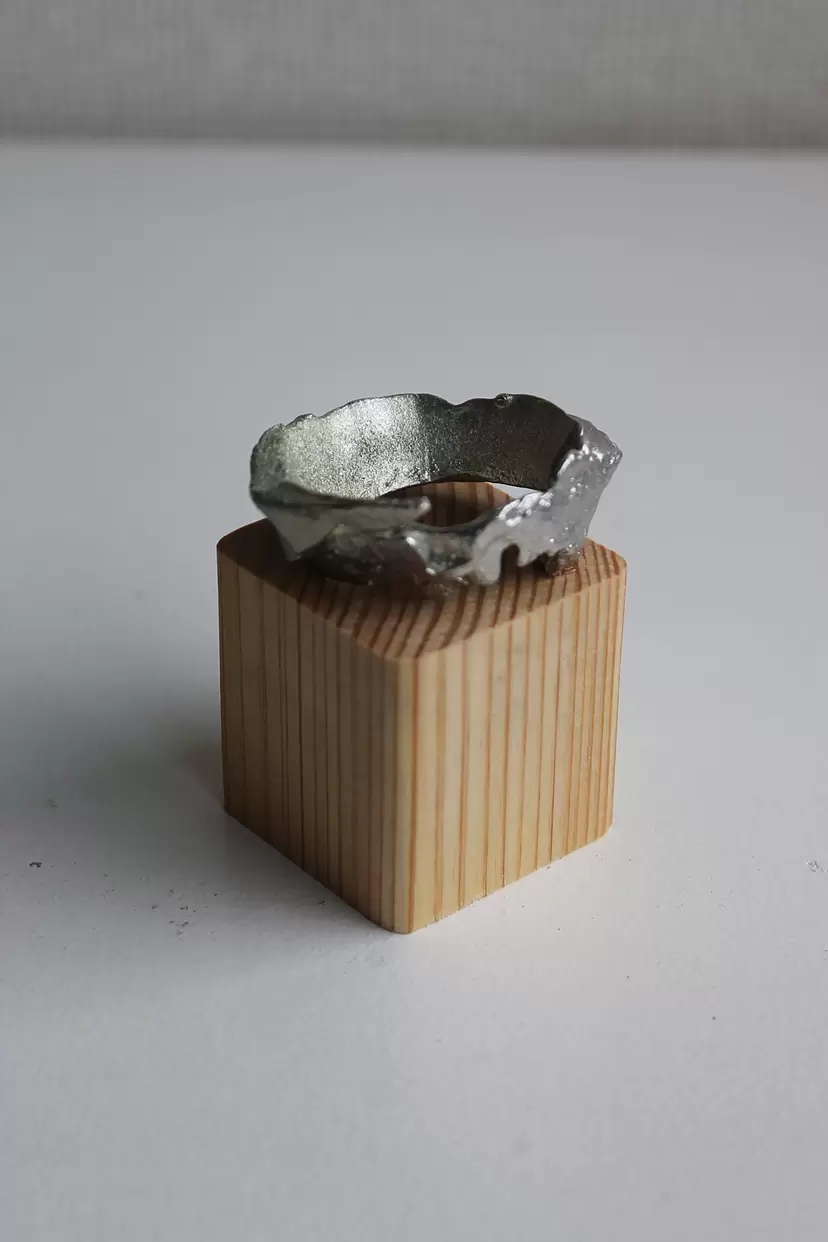
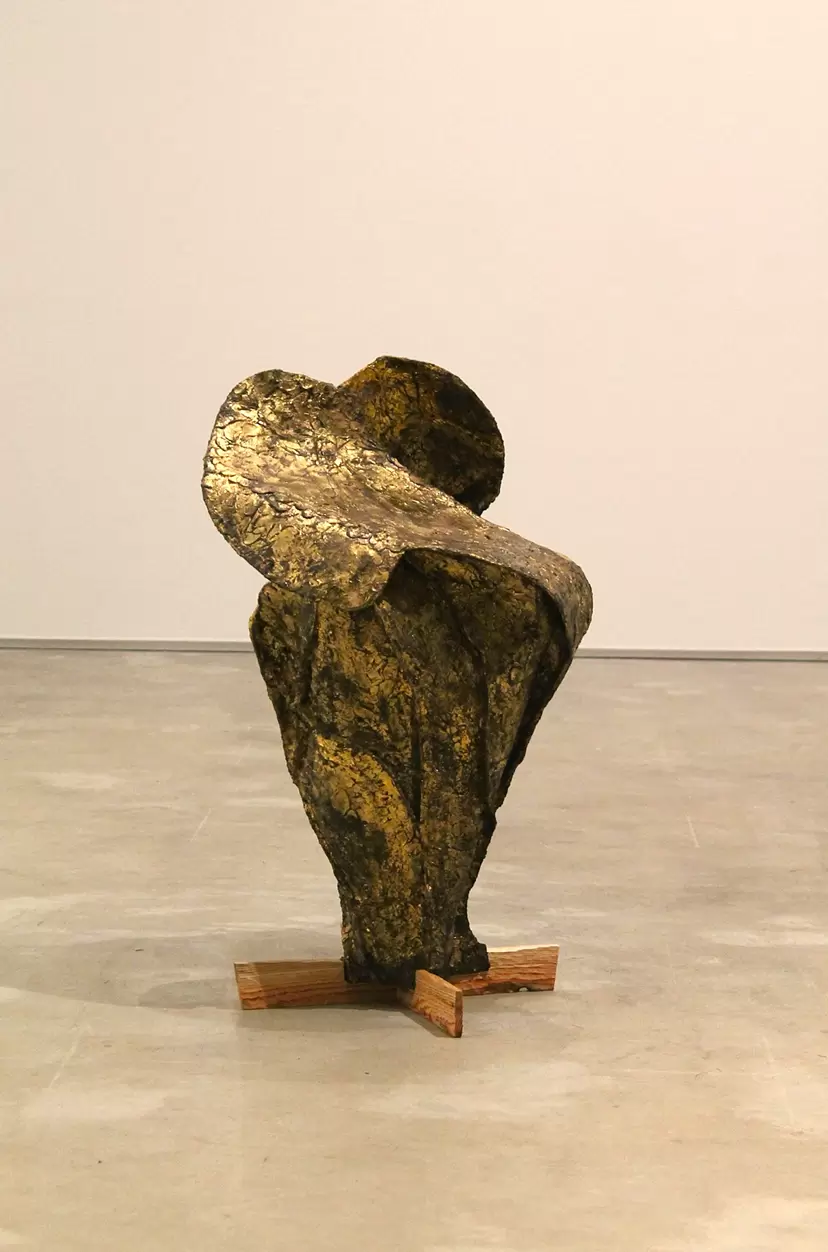
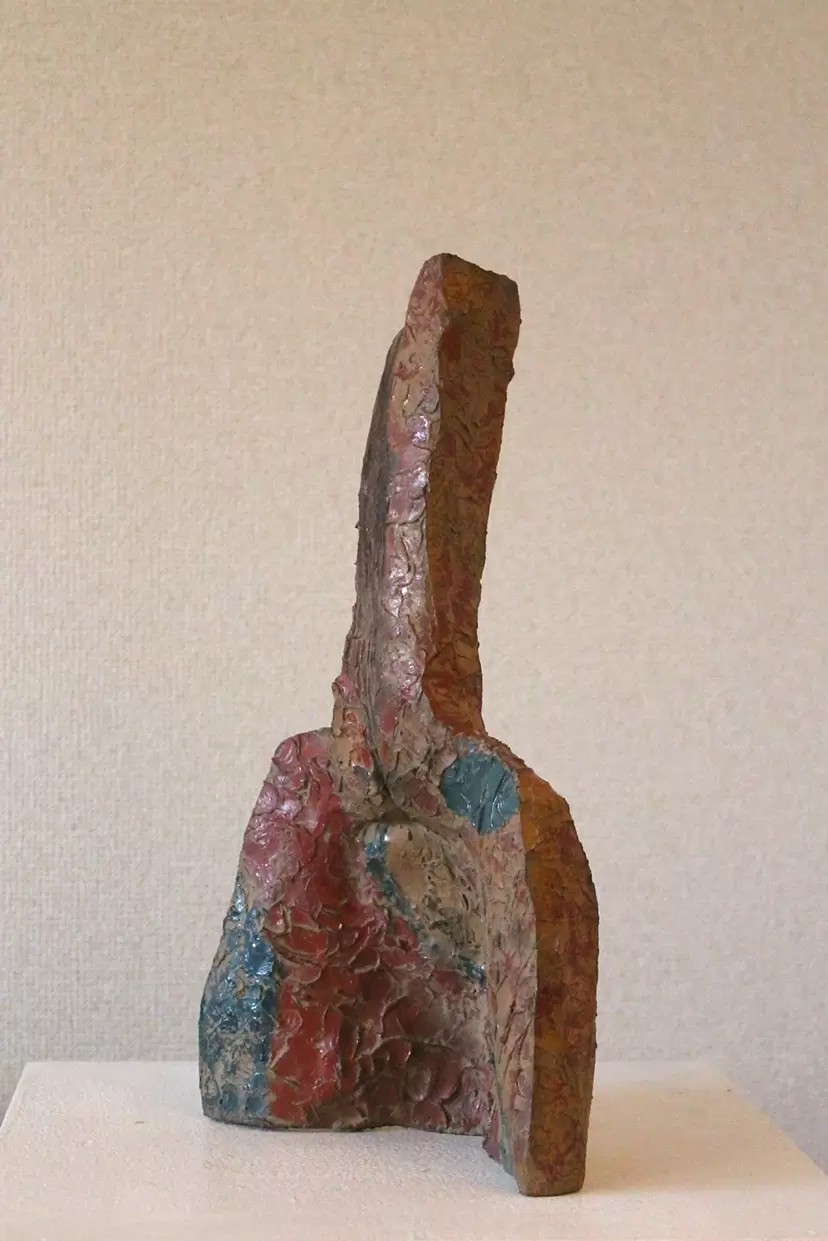
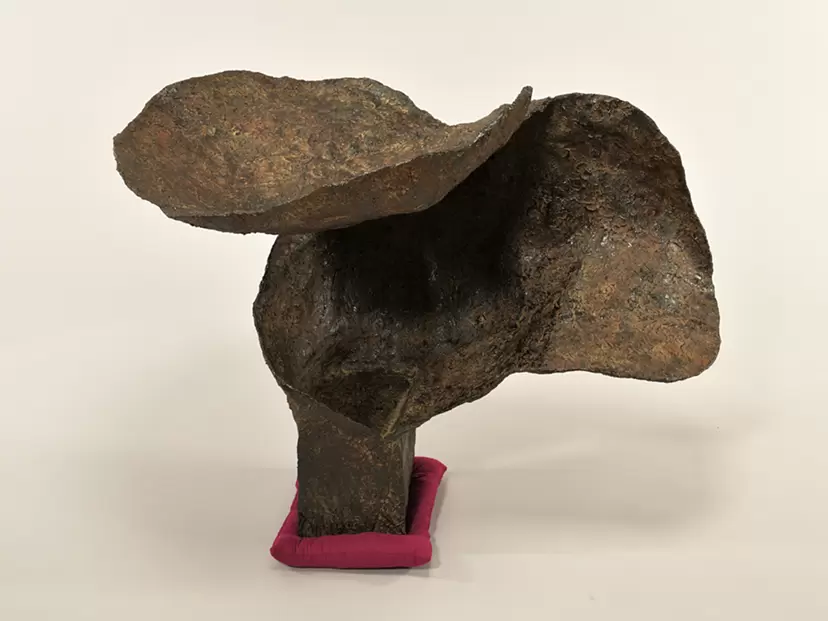
my party boots
製作年份: 2022
材料或技法: 纖維增強塑料, 鋁
尺寸: 33.5 × 14 × 38 cm
版本: 獨特
簽名:包括

關於作品
- 製作年份
- 2022
- 材料或技法
- 纖維增強塑料, 鋁
- 尺寸
- 33.5 × 14 × 38 cm
- 版本
- 獨特
- 簽名
- 包括
- 製作人員名單
- ©︎ MAYU SHIOMI
- 畫框
- 不包含
- 作品證書
- 包括
- 類別
- 雕塑
- 風格
- 流行藝術, 概念上的, 肖像, 日常生活, 幻想, 動物
作品詳情
購買方式


加入等候名單
加入等待名單,以便在有作品可供購買時收到通知。
在線諮詢
專業藝術顧問在這裡協助您購買作品。如果您對推薦的作品有任何疑問,或者您在購買時遇到任何問題,歡迎使用在線諮詢。
藝術家

sculptor
The Kasumigaura Log: Spatiotemporal Eco-Architecture and Non-Human AnimismAt the intersection of the visual lexicon of Pop art—critiquing hyper-consumer society—and the primal expressive impulses of Outsider art, sculptor Mayu Shiomi materializes non-physical phenomena to cultivate an expansive sense of space that encompasses the omissions, margins, and ma (interstitial space) generated at the boundaries of reality. The essence of her plastic expression lies in an inquiry into systems that solidify the thresholds between the real and the otherworldly, thereby connecting them to realms beyond the finite.Shiomi’s practice has previously centered on a methodology of reconstructing consumer goods, garments, and contemporary icons, utilizing a sculpture process rooted in clay modeling alongside material displacement. By translating and transmuting ubiquitous, everyday forms into alternative materialities, her work deconstructs "the myth of the readymade" surrounding mass-produced icons, recontextualizing the inherent temporality of objects through a material and spatial-archaeological lens.In recent years, Shiomi has relocated her base of operations to the rural environs of Kasumigaura in Ibaraki Prefecture. Engaging in the self-renovation of a traditional Japanese house (kominka), her fieldwork has descended into an alternative geological stratum. Treating this domestic space—in the midst of its transition into a studio—as a specific geological core sample of the Earth's surface, she documents and observes the plaster, soil walls, bamboo lathing, and straw discovered within, as well as the anonymous soil and wild flora germinating at her feet. Rather than remaining confined to a localized specificity, these elements function as nodes of universal materiality that humanity has interacted with across epochs.Here, her established approach of materializing signs through artificial materials evolves into a broader sphere of manifestation. While maintaining classical or traditional processes, the natural matter and spatial fissures under observation undergo an artificial treatment or intersection with contemporary materials, rendering a dynamic suspension wherein a singular moment and its temporality are fixed. By juxtaposing decayed logs and primitive animistic materials with the rigid signs of consumer society, the work instigates a structural displacement of matter.These cumulative processes are systematically archived through photographs and material documentation under The Kasumigaura Log. Shiomi continuously observes the ecological succession within the space—from the spontaneous growth of ferns emerging from the earth to the intricate geometry of spiderwebs spun across branches that have integrated into the architectural structure. Through human intervention, the deconstruction of the myth of the readymade, a disciplined structural approach, and a dialogue with the active agency of the more-than-human, Shiomi’s sculptural language transcends the production of singular objects, evolving into an essential, site-specific ecosystem that handles the environment as a whole.CORE CONCEPTS / RESEARCH FOCUS01. Japan-dan: The Intersection of Traditional Space and Modern MaterialityThe intersection of Japan’s traditional sensibilities—embracing shadows and the interstitial space of "ma"—with modern functionalism. While preserving classical techniques, the intervention of contemporary materials instigates a temporal dialogue that blurs the boundaries between human systems and nature.02. Defining Material Archaeology: Deciphering the Strata of ObjectsMaterial archaeology in my practice is not the excavation of antiquities, but a sculptural inquiry into the temporalities inherent in matter. It encompasses both the deconstruction of contemporary consumer myths by transmuting ready-mades into planetary materials, and the rigorous observation of universal elements—plaster, soil walls, and wild flora—treated as geological core samples of the Earth's surface.03. The Kasumigaura Log: Documenting Spatial Transformation and Non-Human AgencyA systematic archive tracking the architectural and ecological shifts within the studio space. By observing spontaneous ecological successions—such as ferns rising from the clay or spiderwebs integrated into beams—the practice transforms from singular object-making into a site-specific ecosystem in active dialogue with more-than-human agency.
查看藝術家信息




ご支援は制作費、展覧会の設営費用に使わせていただきます。よろしければ作品のご感想をお聞かせいただけましたら幸いです。