Du Ruo

製作年份: 2025
材料或技法: 混合媒體
尺寸: 100 × 72.7 cm
版本: 獨特
簽名:包括

關於作品
- 製作年份
- 2025
- 材料或技法
- 混合媒體
- 尺寸
- 100 × 72.7 cm
- 版本
- 獨特
- 簽名
- 包括
- 畫框
- 不包含
- 作品證書
- 包括
- 藝術品經銷商
- Takano Yuji
- 發貨區域
- 沒有設定
- 發送前的天數
- 沒有設定
- 類別
- 繪畫
- 風格
- 抽象的
作品詳情
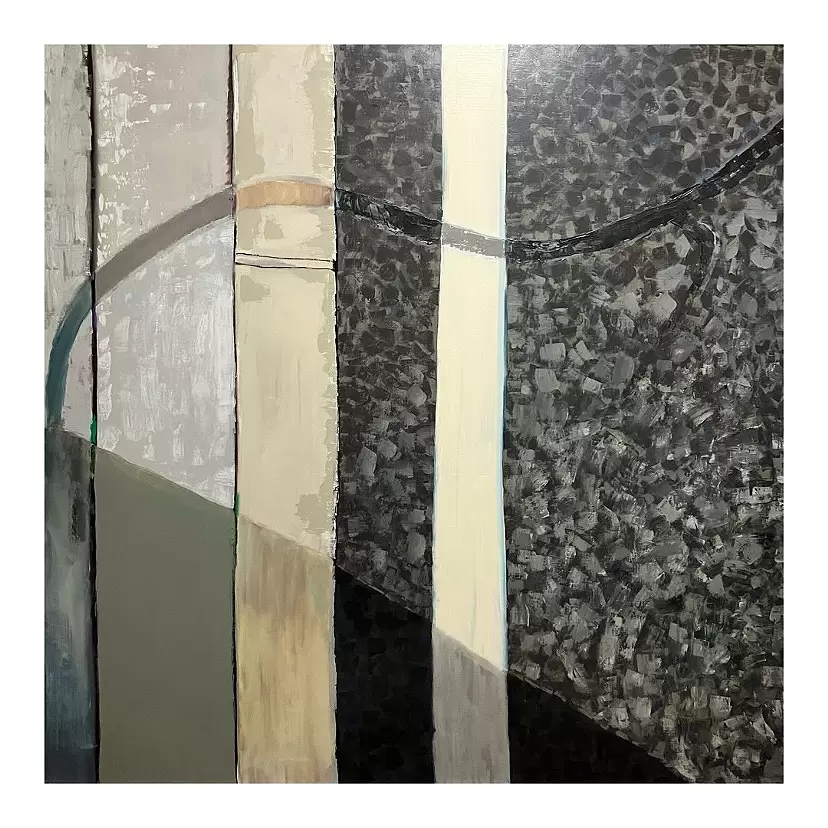
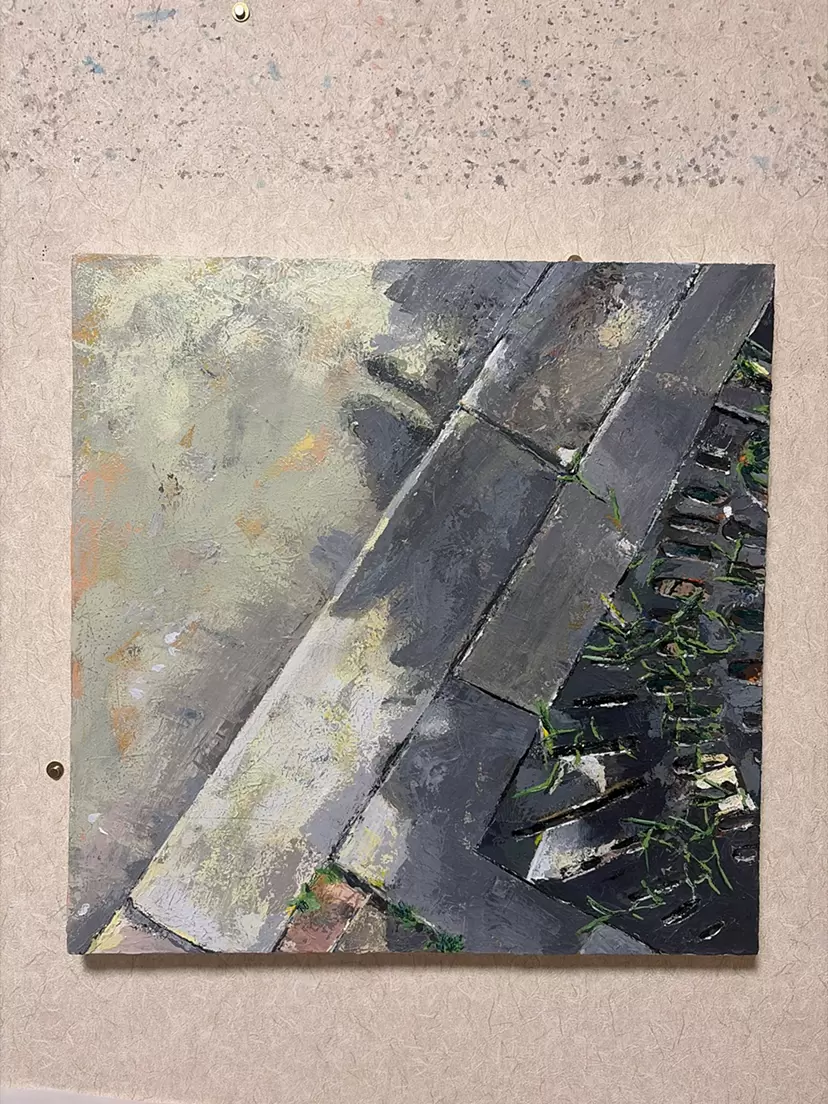
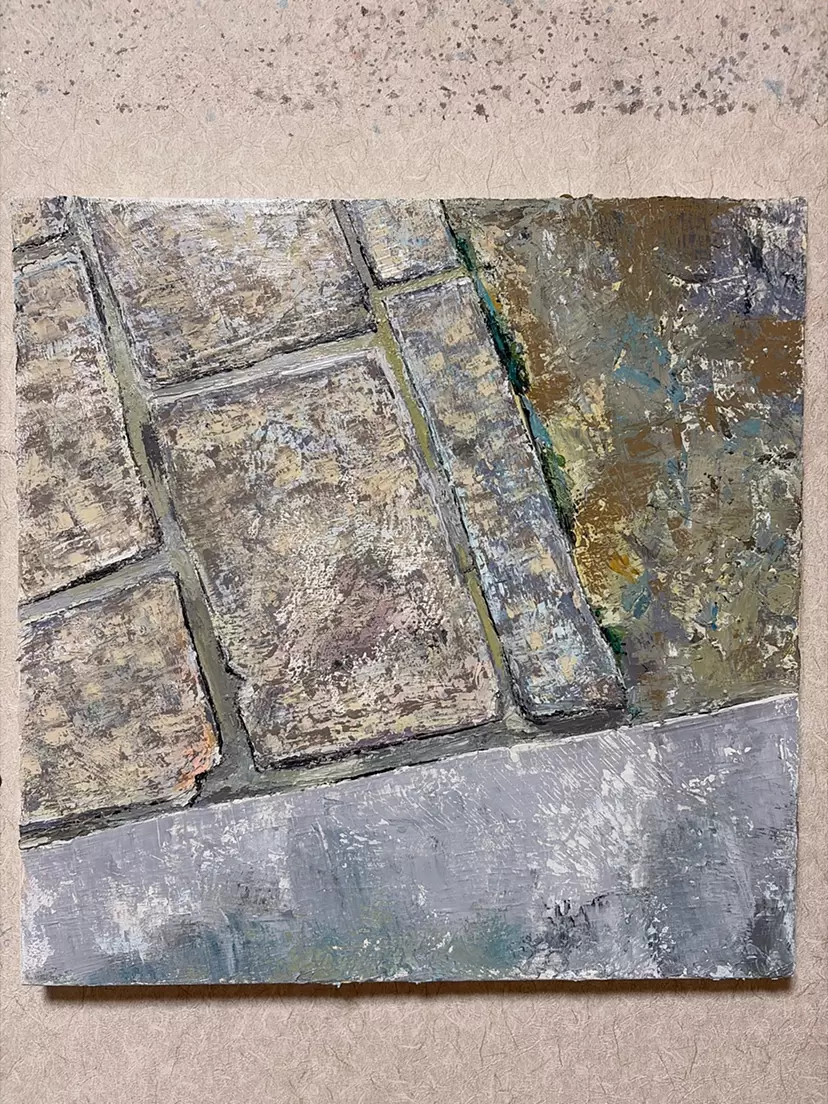
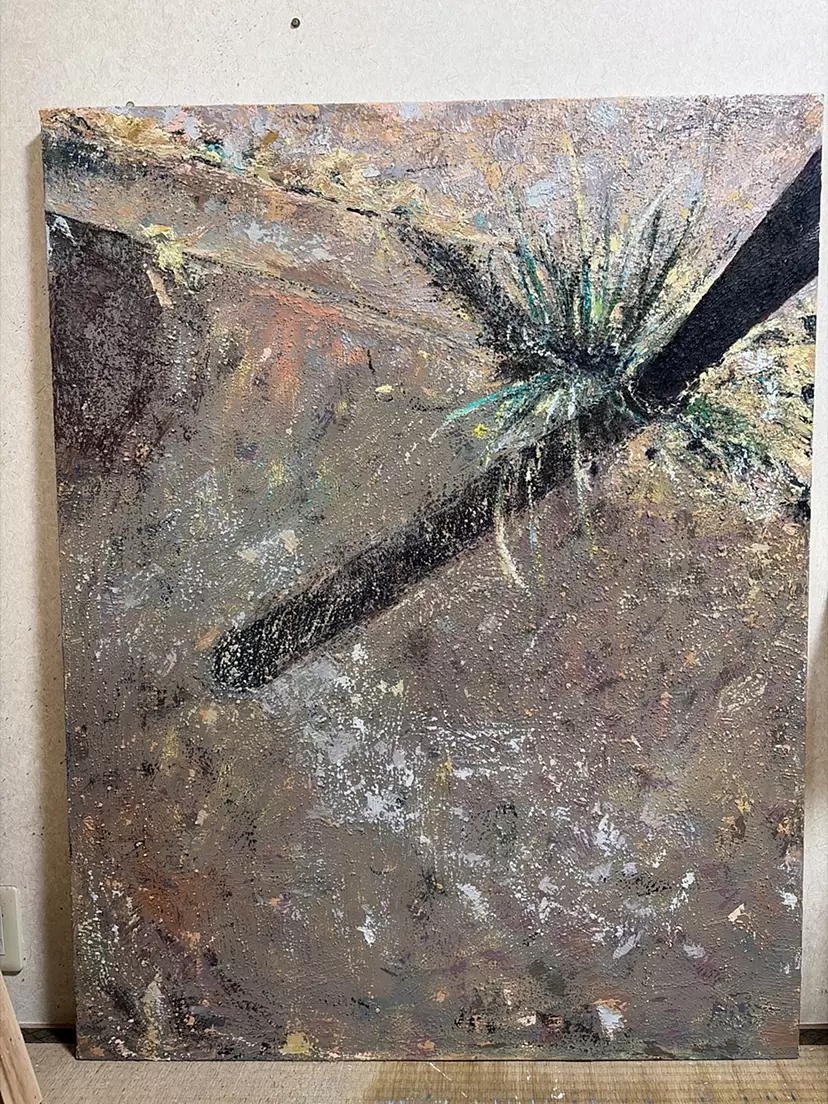
Du Ruo
2025
Production method
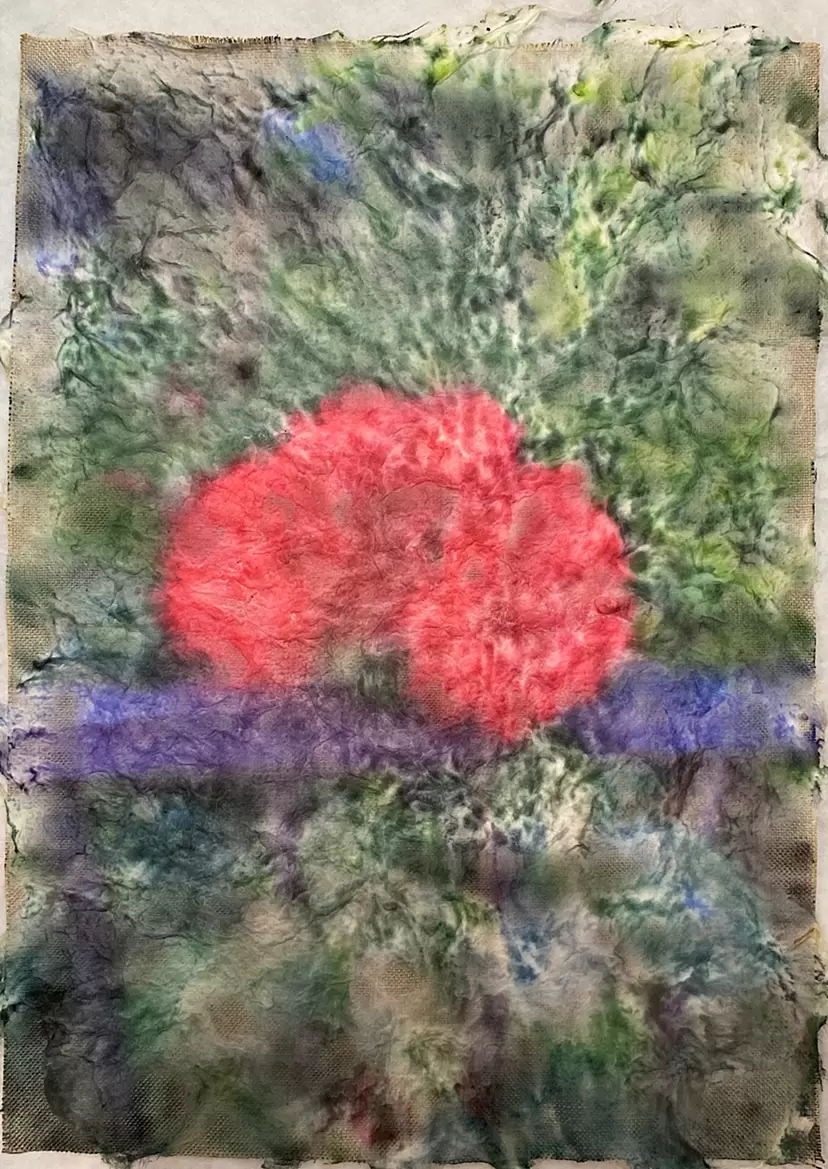
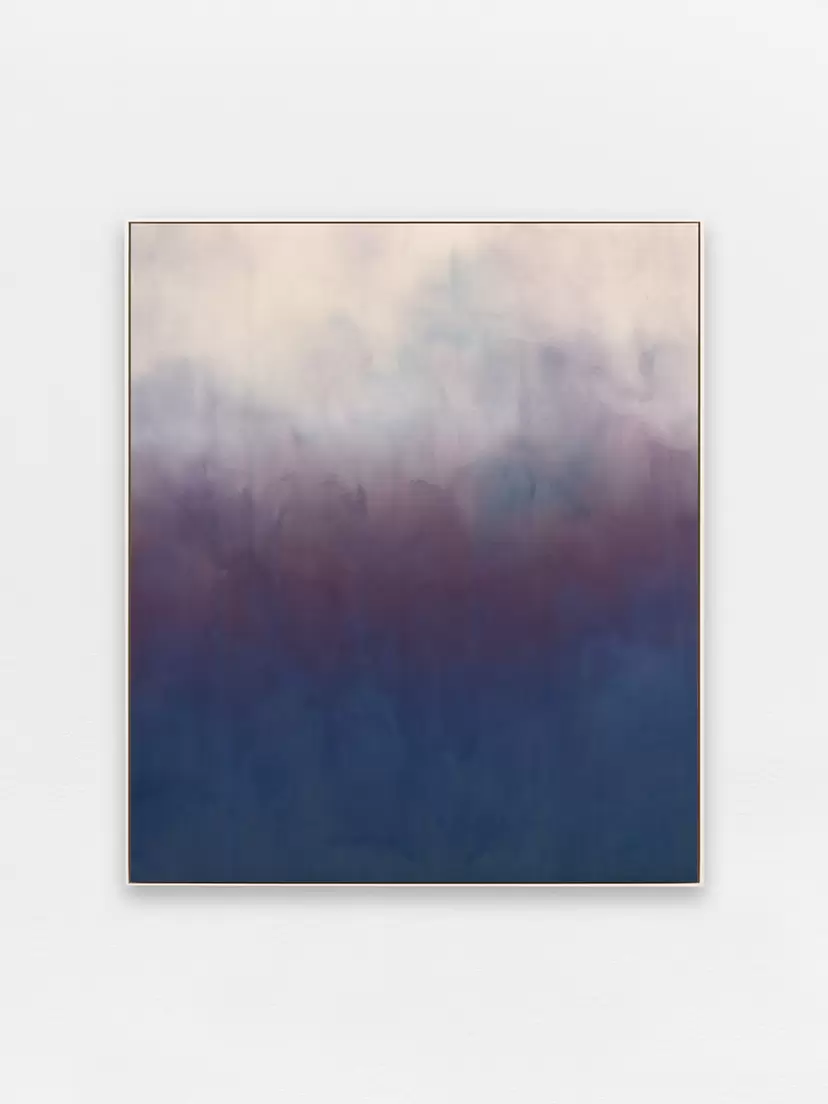
Ink on washi
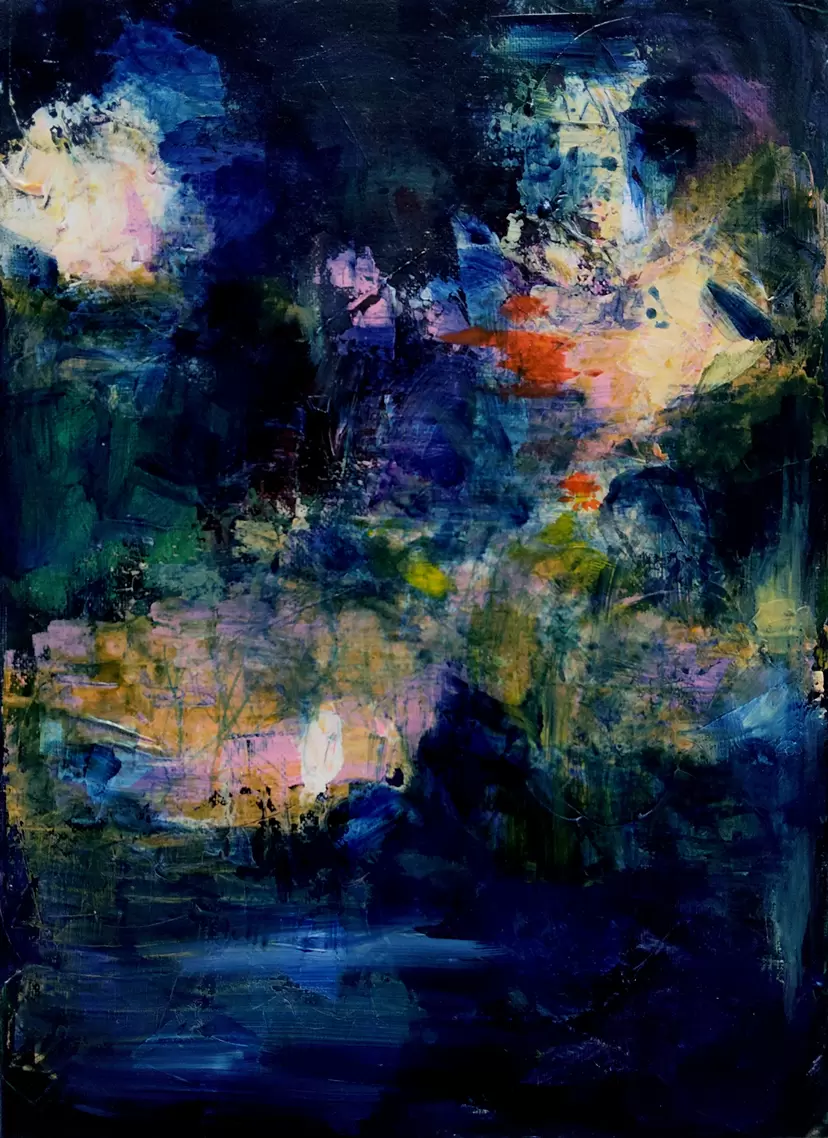
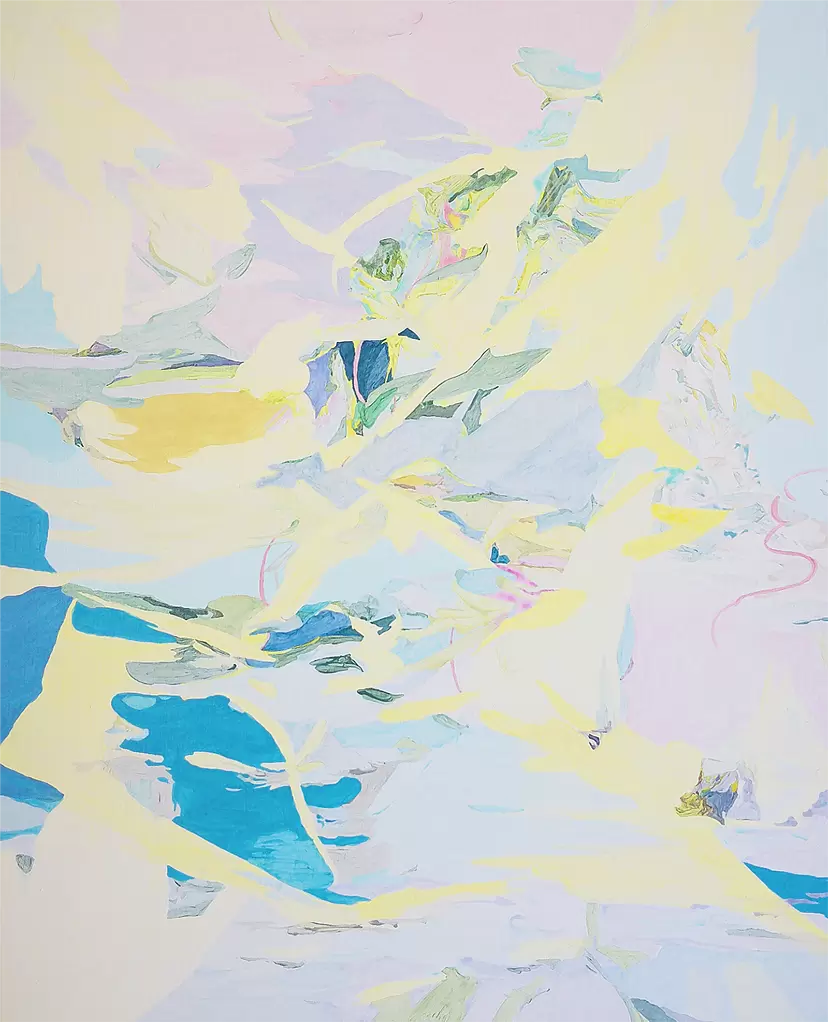
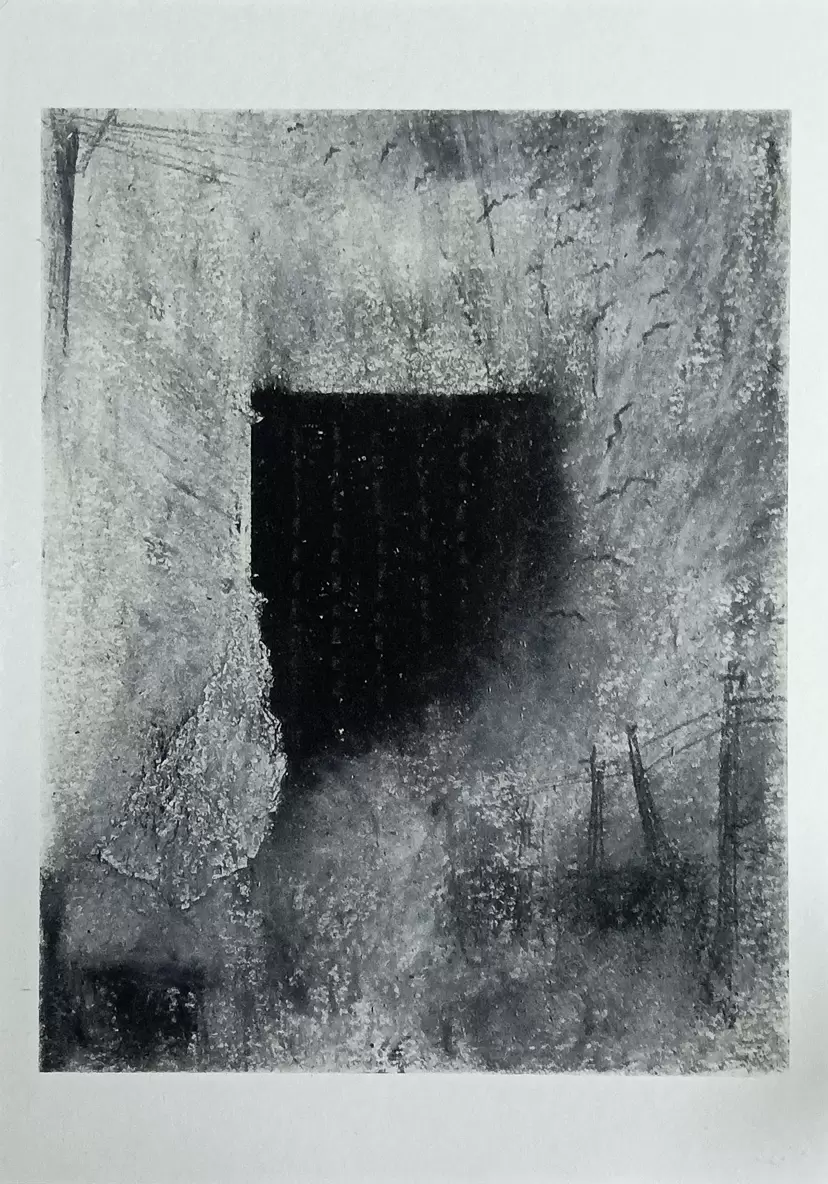
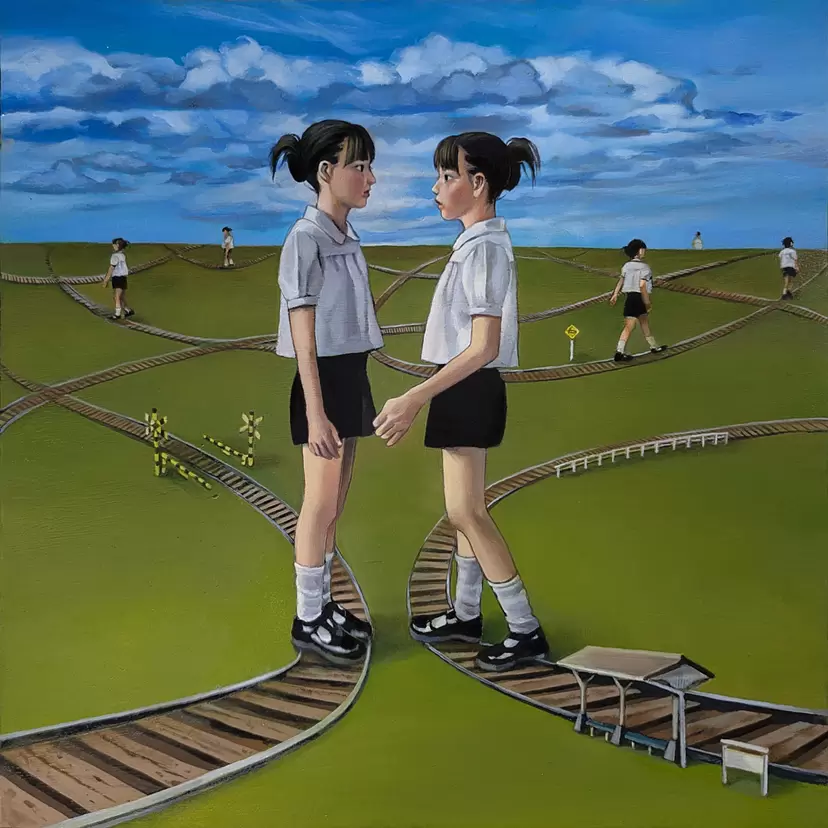
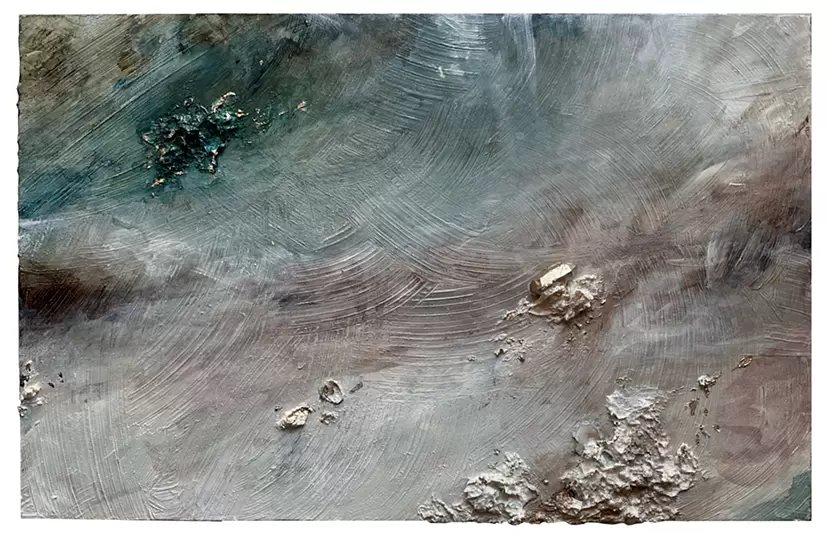
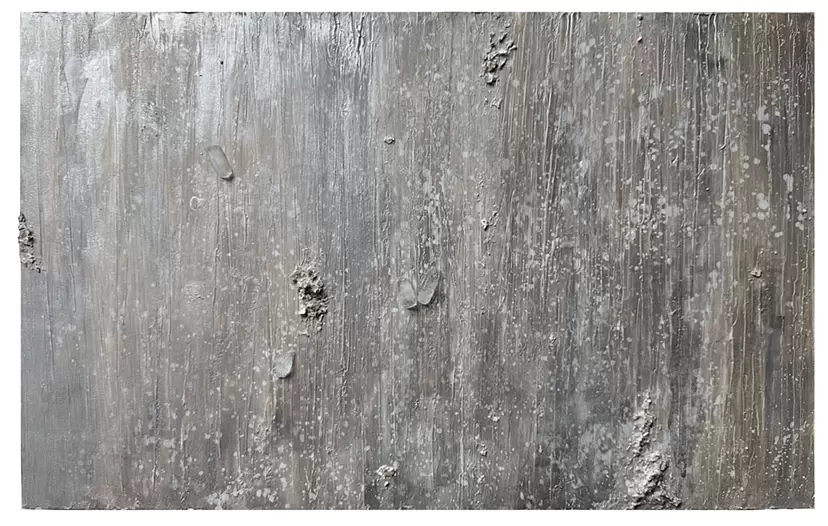
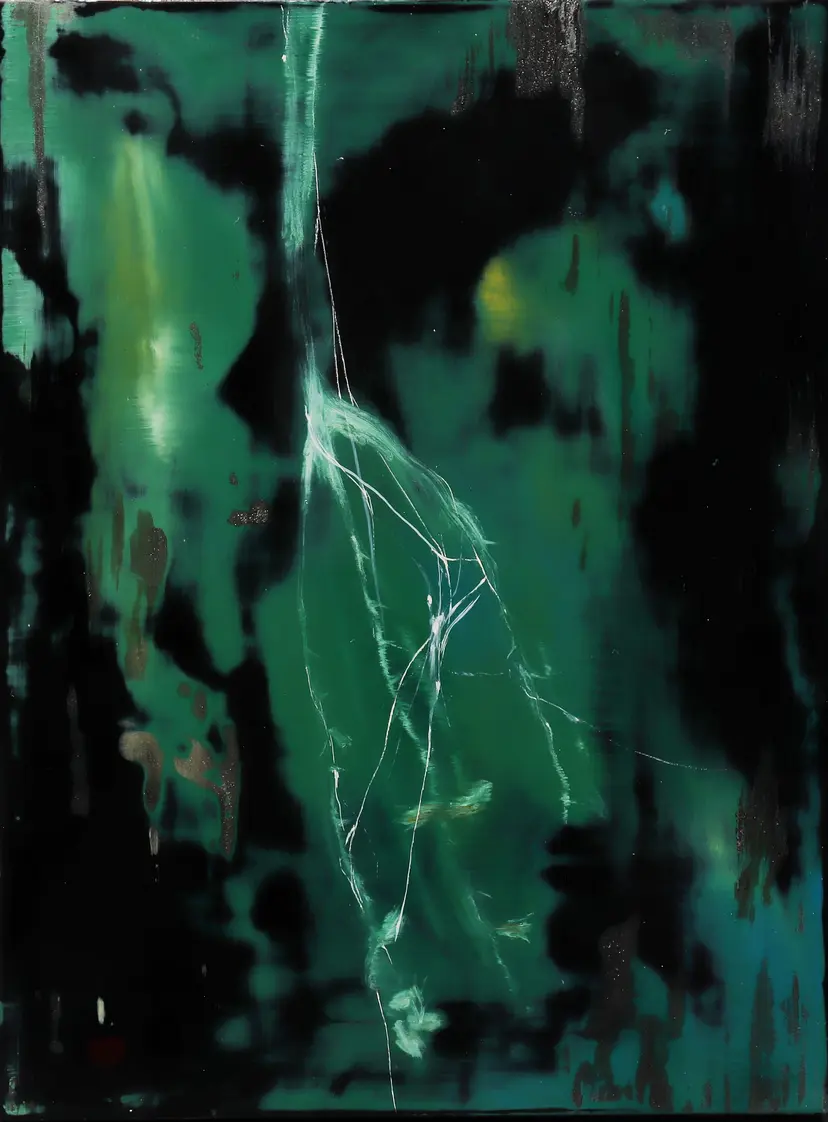
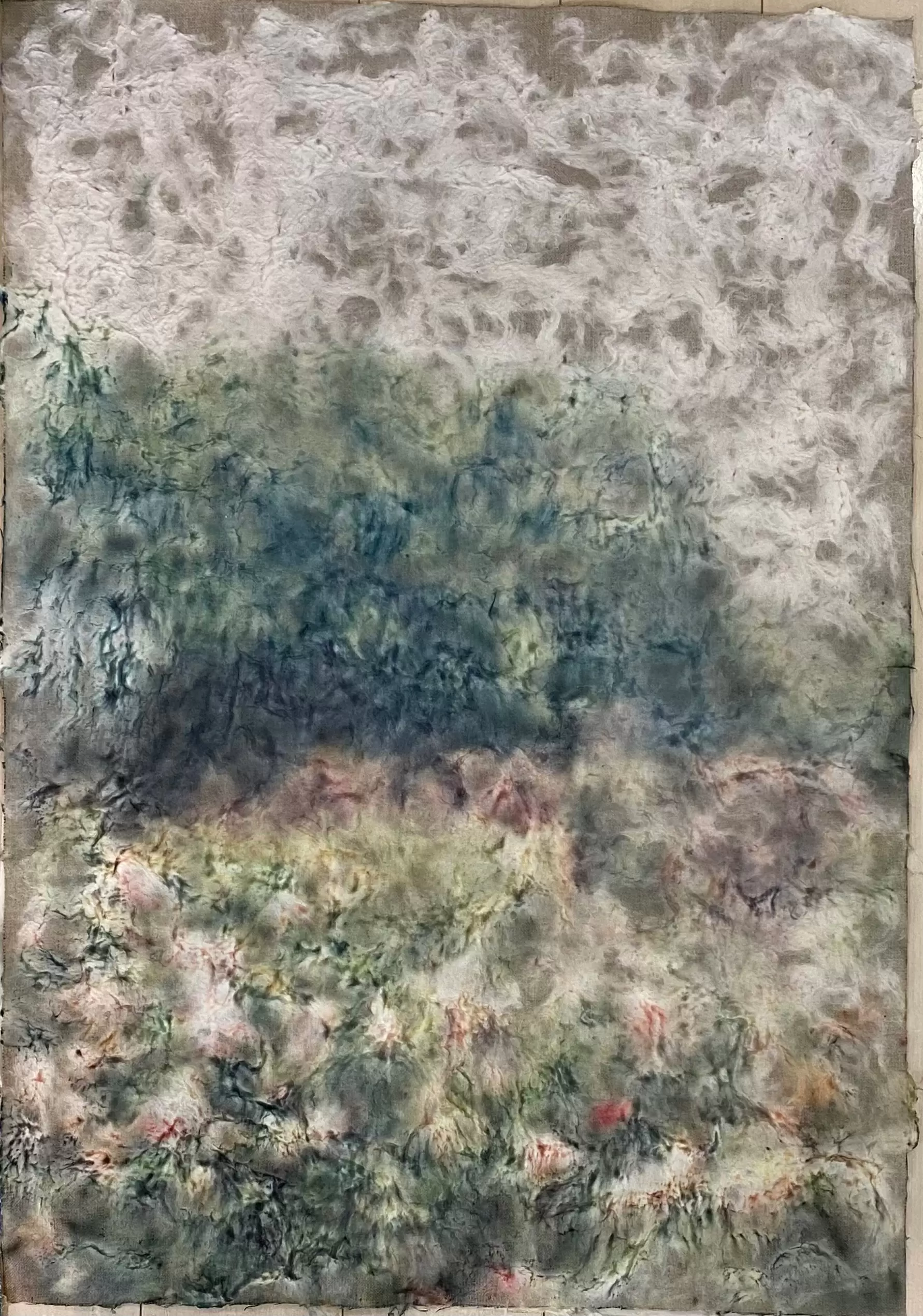
The concept of the work
My work began when I found in Japanese culture a sense of capturing the world not as a fixed object, but in the process of changing relationships and changes.
The world we see is not something that has been completed in advance; it is probably barely rising from the midst of countless fluctuations and accidents. What kind of relationships do things before they are fixed as meaning become images, and are they established as a world for humans? I'm interested in its uncertain origins.
In production, in the process of transferring photographs and images to materials such as Japanese paper, the grammar of the meaning that established the image is unraveled, and a situation is created where relationships are rearranged due to matter, time, and chance.
Currently, AI makes it possible to generate a visible world without directly referring to an actual object. As the relationship between humans and the visible world changes drastically, no matter how much knowledge and technology advance, there may still be things that cannot be fully explained. I see that possibility as a “sign.”
My work is an attempt to manifest the uncertain origins of the visible world and present relationships with things that cannot be captured by existing perceptions or the framework of meaning as a new fiction.
購買方式

這件作品可供購買。
請詢問
*顯示的為匯率換算的參考價格。結算將以日元進行。
購買作品時是否有需要幫助?在線諮詢
專業藝術顧問在這裡協助您購買作品。如果您對推薦的作品有任何疑問,或者您在購買時遇到任何問題,歡迎使用在線諮詢。
藝術家

abstract painter
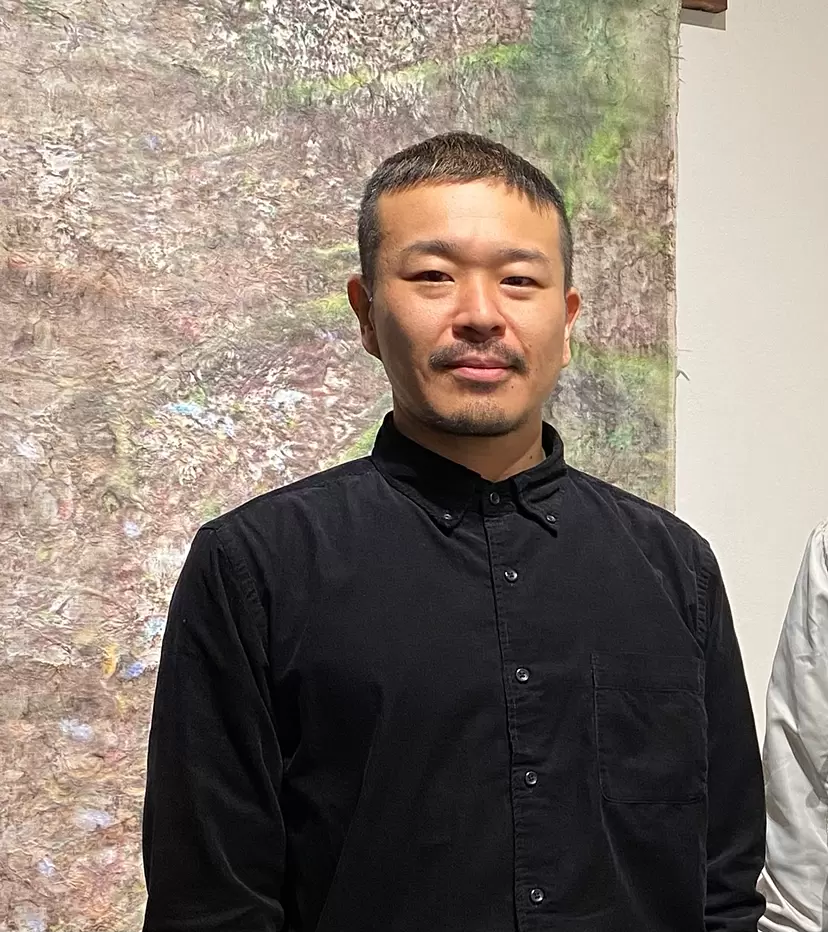
Born in Kanagawa. He spent his childhood in an environment surrounded by satoyama and rivers, and the origin of his work was “signs” that he felt in nature and could not be captured as meaning.After working for a design company, he developed unique expressions involving bleeding, omission, and coincidence while being involved in materials and printing technology at signboard construction sites.Using the sense of “transition” found in Japanese culture and language as a starting point, the way the visible world rises from countless fluctuations and accidents is examined from the concept of “dust.” Based on the “transition theory,” we are exploring not the object itself, but the structure in which the world is formed by relationships as “teniwa geometry.”Currently, using self-made Japanese paper, photographs, and images, I am developing production that transfers images fixed as meaning to relationships with matter, time, and chance. In the modern age where relationships between reality and representation are changing, we are exploring “signs” that cannot be captured by existing perceptions and the possibility of “new fictions” for humans to get involved with the world.
查看藝術家信息