


Decision in the Hospice

製作年份: 2020
材料或技法: 其他的
版本: 獨特
簽名:沒有設定

關於作品
- 製作年份
- 2020
- 材料或技法
- 其他的
- 版本
- 獨特
- 簽名
- 沒有設定
- 製作人員名單
- [宇佐美圭司作「きずな」所有権] 池上弥々 [「きずな」再現画像作成] 笠原浩(広島市立大学教授) [「きずな」画像貸与仲介] 加治屋健司(東京大学教授) [パフォーマンス] 渡辺眞弓 朱夫誠 岩田智哉 [音声] 荻須朝光 荻須良子 Jesse Hogan 朱夫誠 Chu Fuchen [展覧会記録撮影] 縣健司 松尾宇人 [機材協力] 上竹真菜美 東京藝術大学芸術情報センター [設営監督] 鷹野健(東京藝術大学講師) [設営協力] 常行哲弘 金湞珉 Kim Jung Min 前橋明門 五十嵐有理 寺田博亮 [特別協力] 東京藝術大学付属図書館 菅亮平 竹内亜耶
- 畫框
- 不包含
- 作品證書
- 沒有設定
- 類別
- 表現
- 風格
- 概念上的
作品詳情
year: 2020
size: Variable dimensions
media: Performance installation
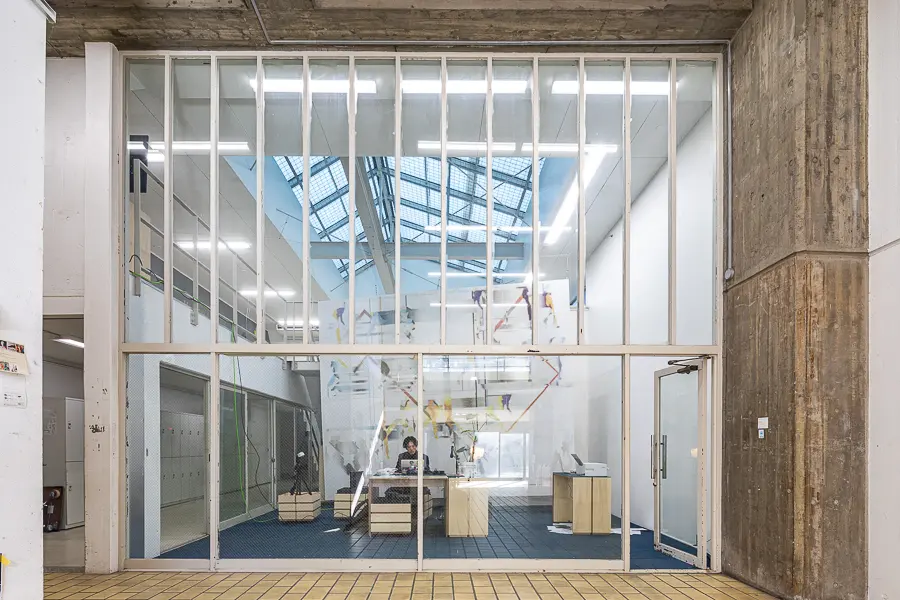
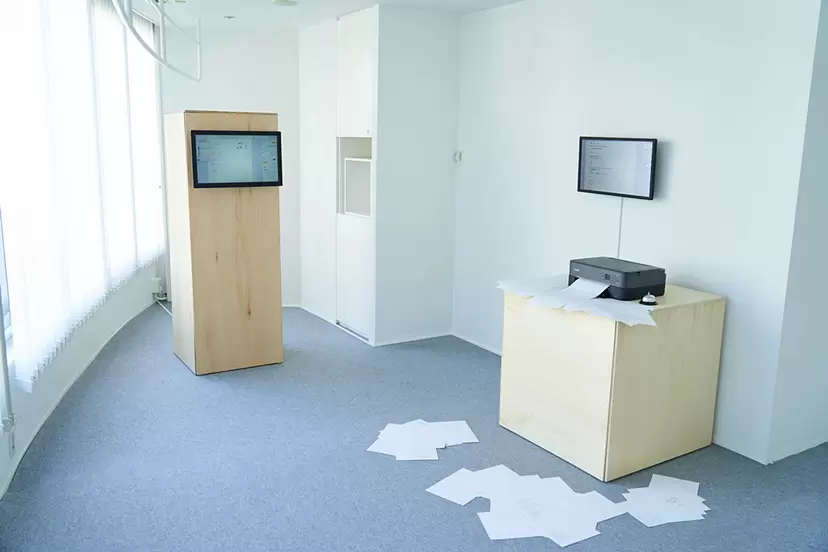
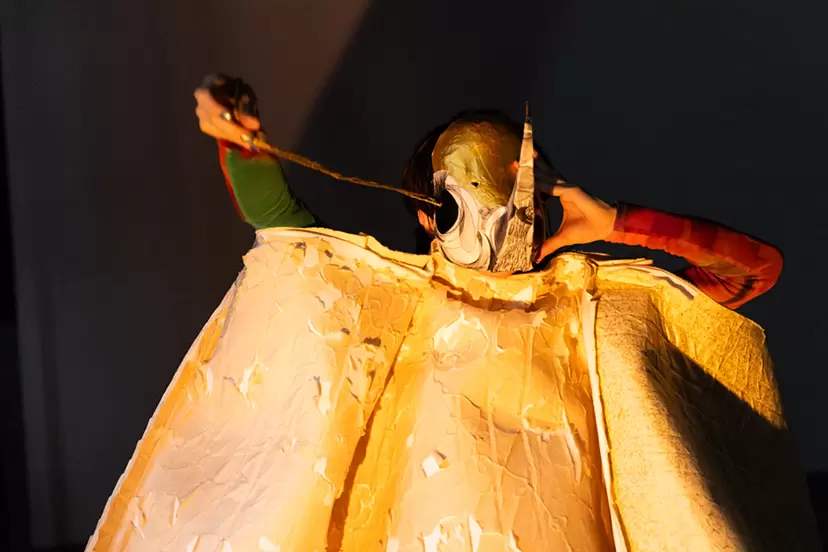
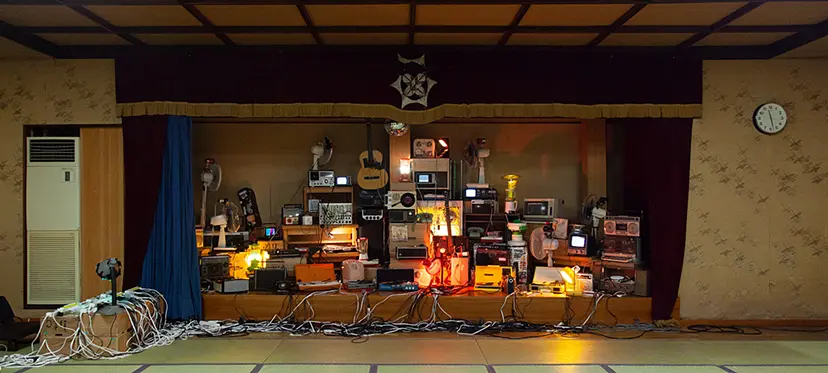
material: Me as a thinker, helpers, lights, PA system, internet router, houseplants, Laptop PC, stick PC, displays, wooden panel, wire, tile carpets, large format print, various furniture (Type-A, Type-C_1, Type-C_2, Type-D), office printer, DSLR camera, etc.
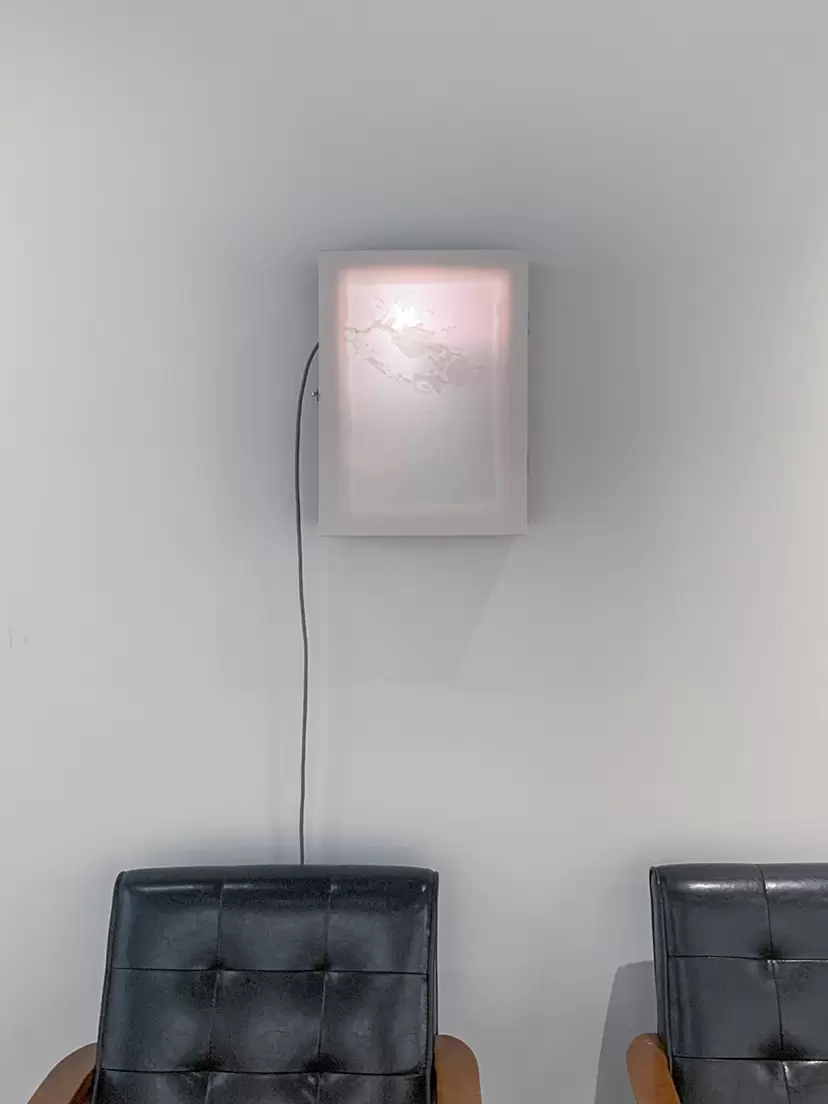
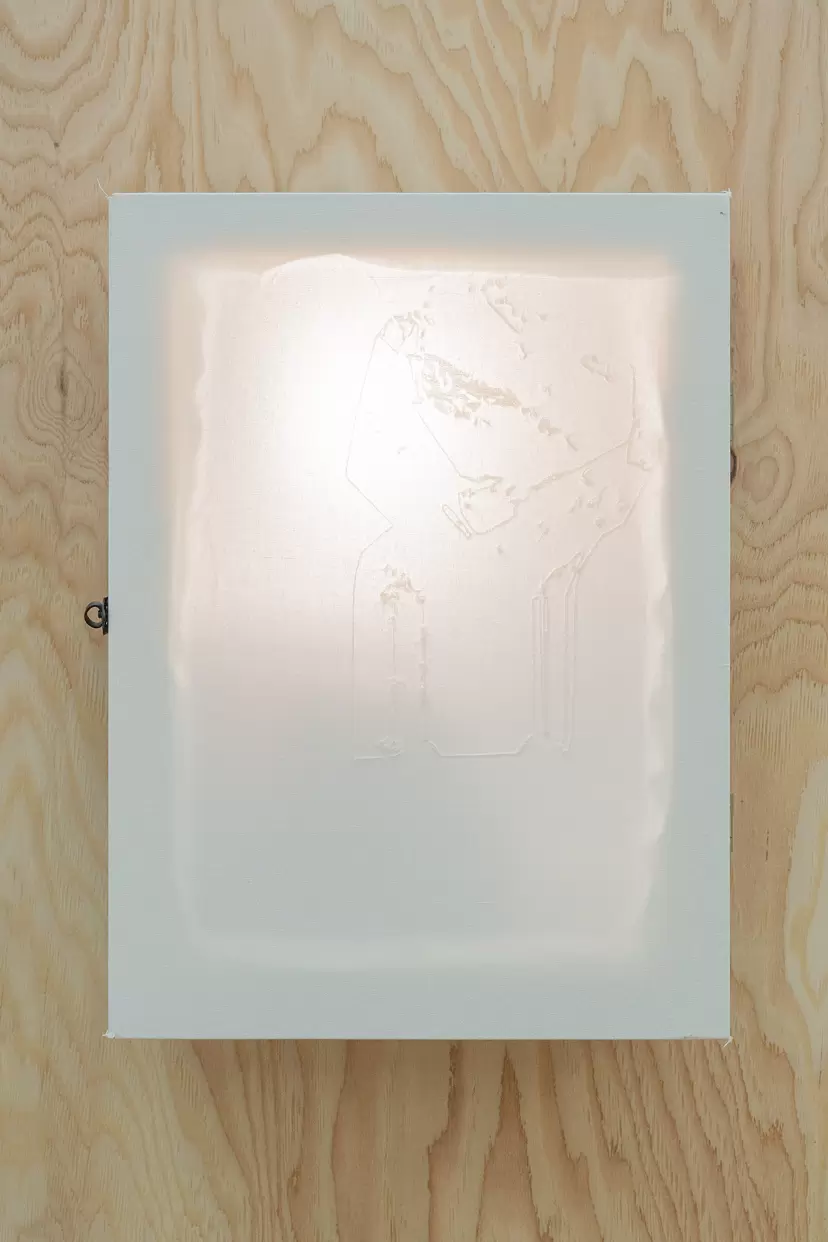
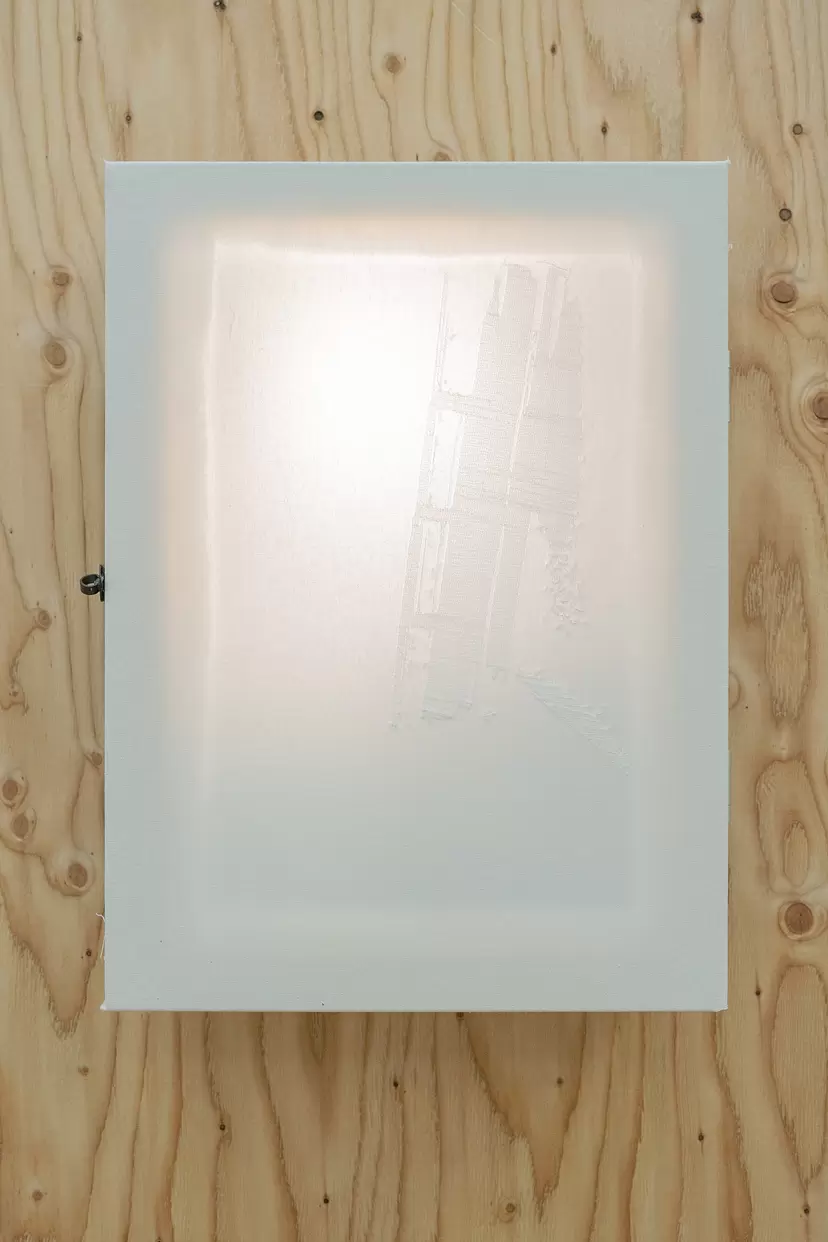
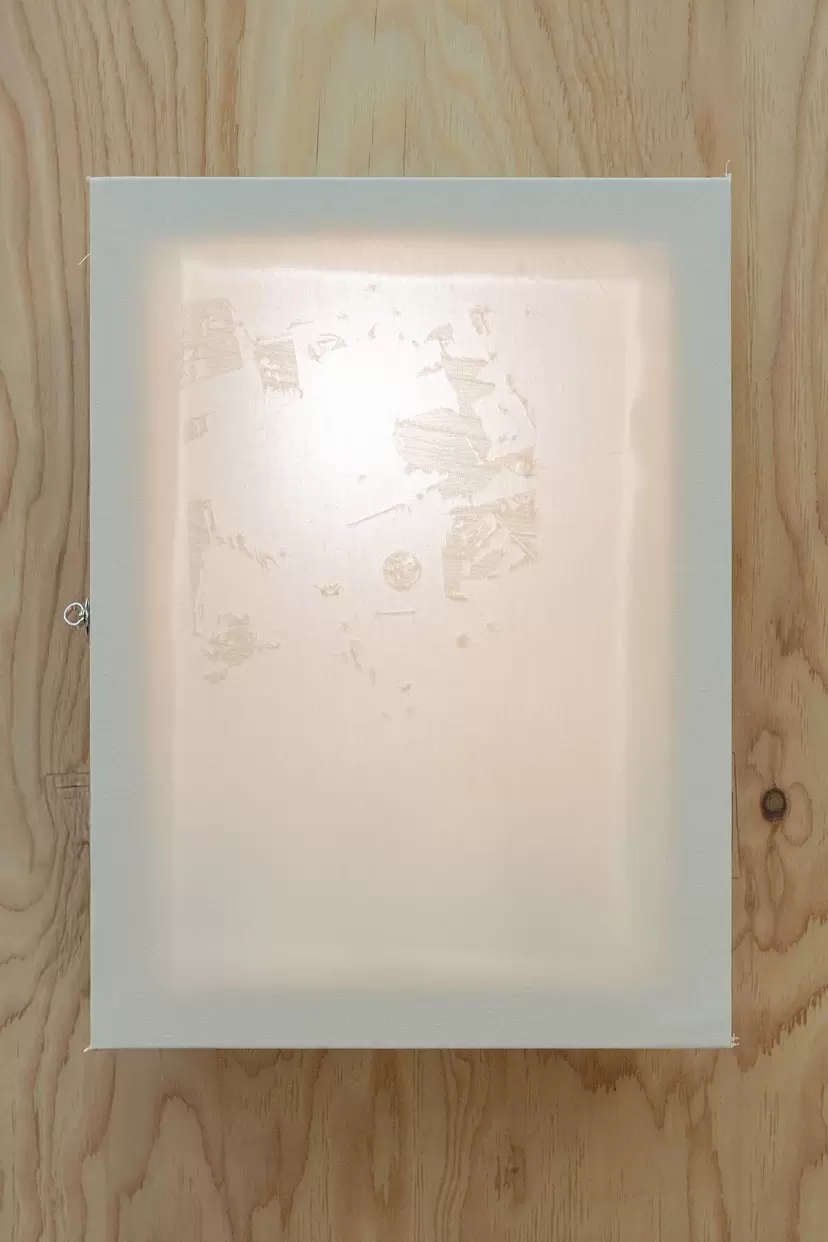
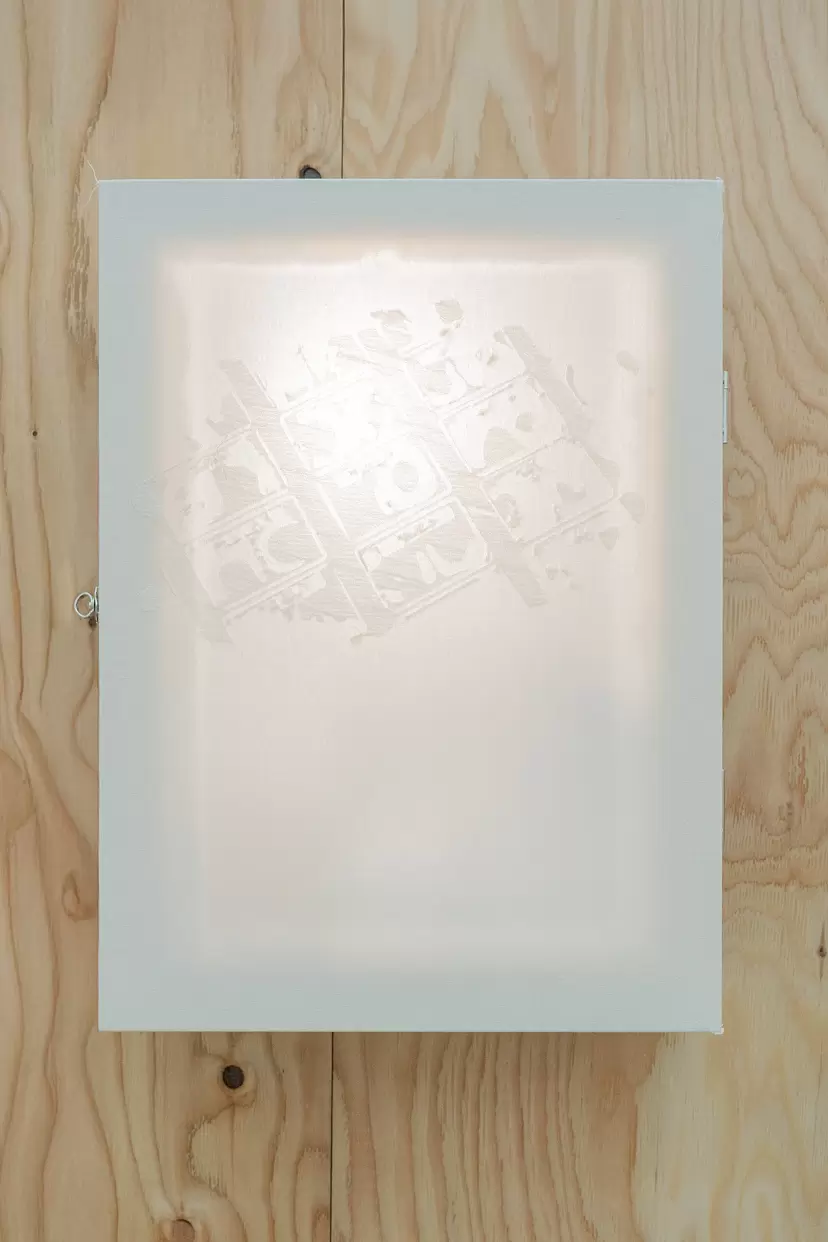
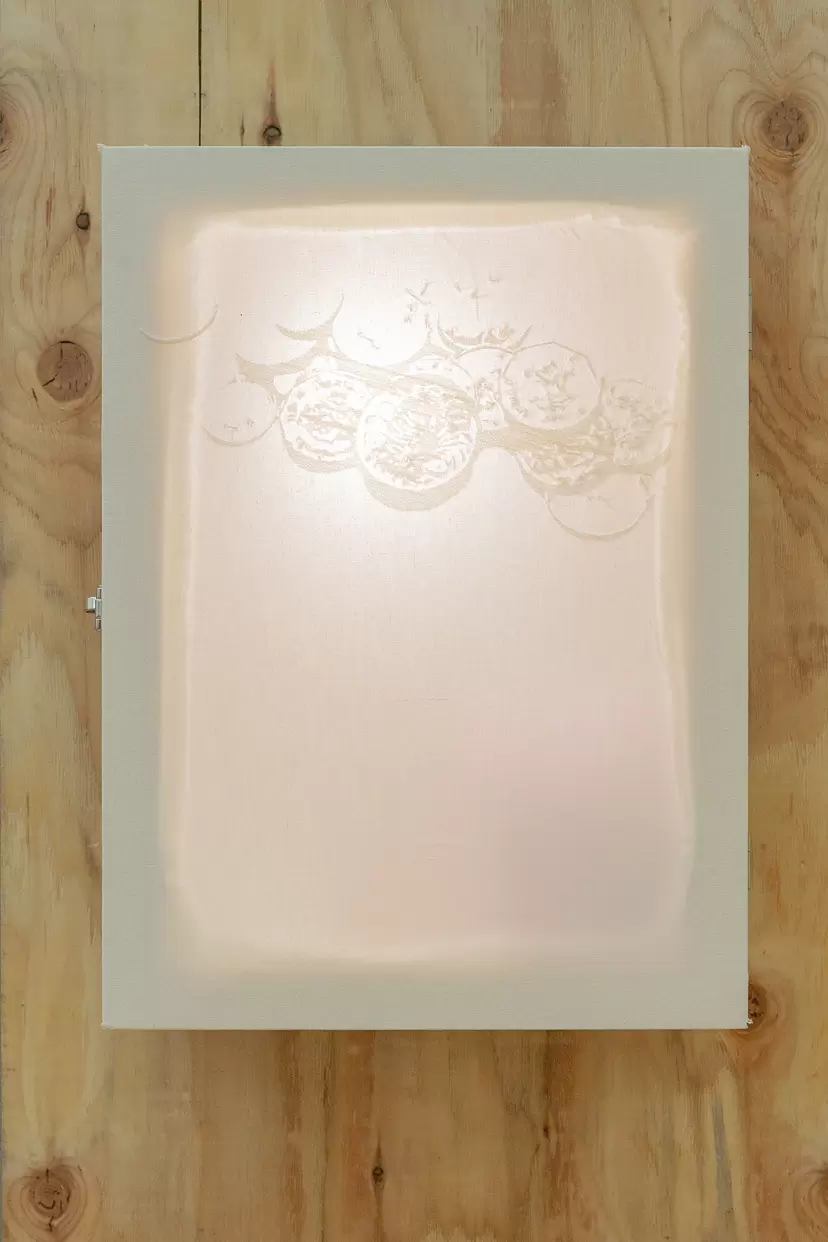
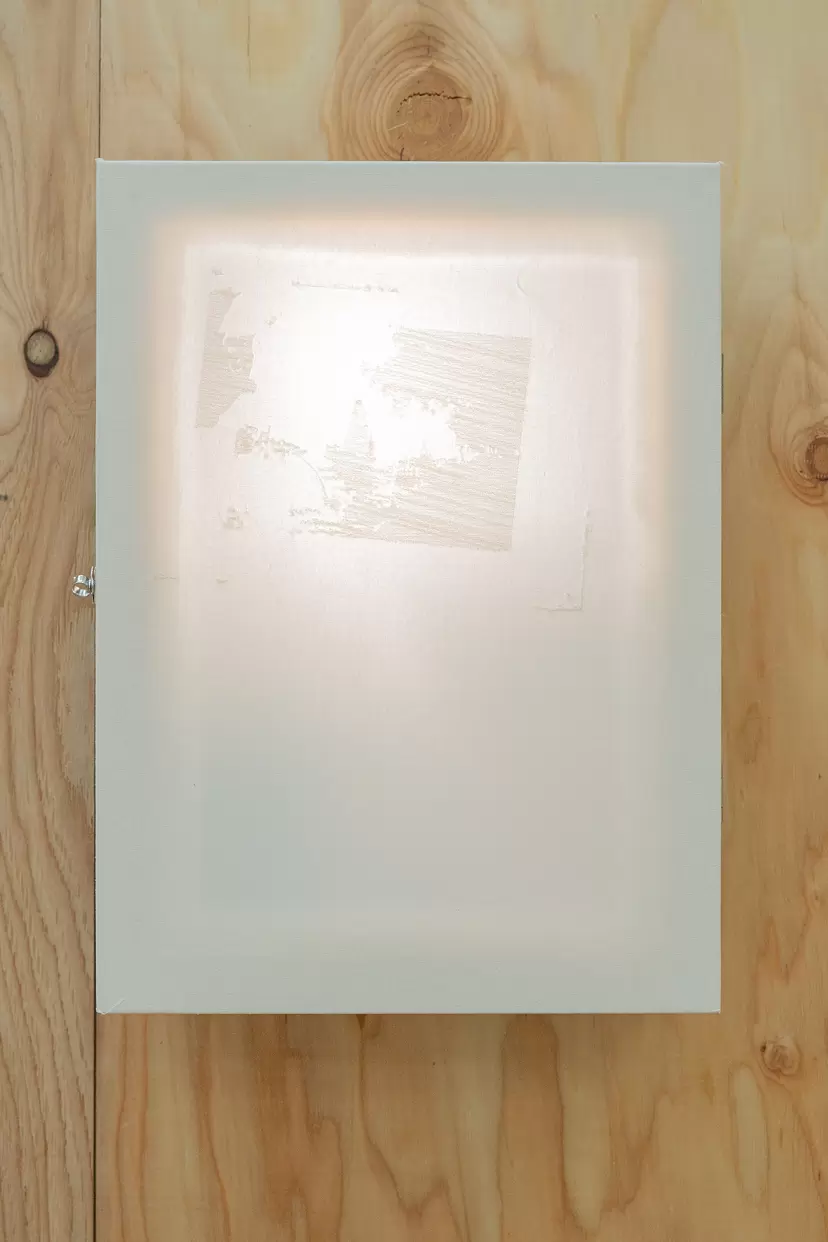
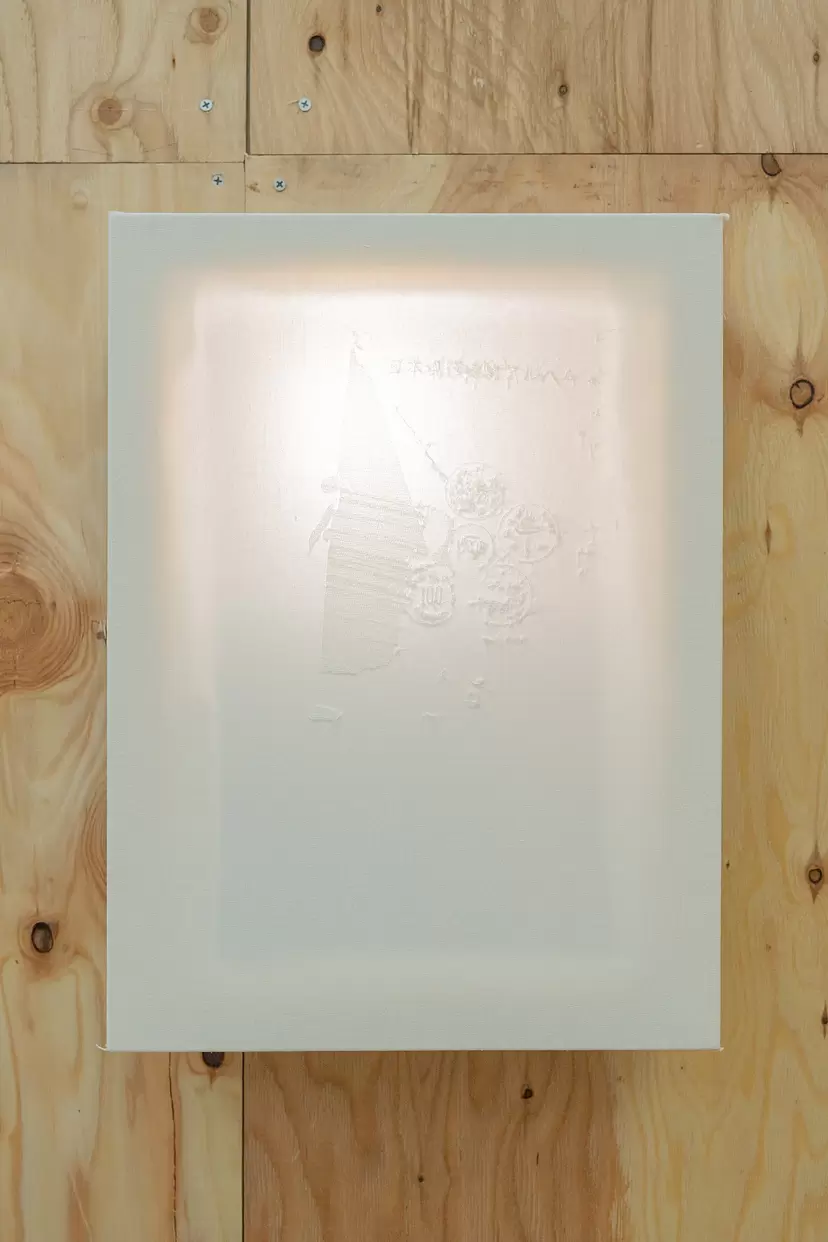
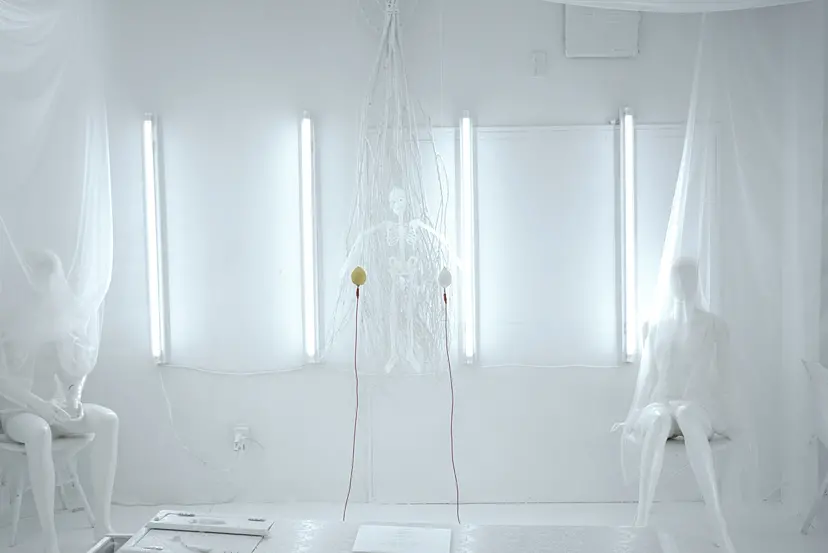
2017年末に東京大学学生食堂にあった宇佐美圭司氏による《きずな》が廃棄されたという事件が今作のインスタレーションの主要モチーフである。上記の事件を一つのケーススタディとして、価値を公的に蓄えることについて、その決断の政治性と問題について言及を行うためのパフォーマンス。
The main motif in this installation is the artwork Kizuna by Keiji Usami which was removed from the canteen at Tokyo University at the end of 2017 and subsequently destroyed. Using this incident as a case study, this installation provides a simulation to raise awareness of the political nature and issues around this decision-making towards the accruing of public value.
環境問題への関心が特に高まってきた昨今を鑑み、今後の未来私たちの生活環境が次第に不安定になっていき、ある程度の文化における維持費用を縮小しなければならなくなってしまったとしたら、抱え込める価値の定量も共に削減され、その以前までに設けた基準を見直さなければいけなくなるかもしれない。そこには痛みの伴う再選別の可能性が存在する。一度確たる評価を得たその逸品達をまた茫漠の海に戻す事は躊躇われる事だ。しかし、私たち自身の命でさえいつか必ずこの世界に還元されてしまう。何より文化的価値のある私たち自身でさえ。
遺産は重荷にもなりうる。私たちは生まれた時からその重荷の恩恵とストレスを享受してきた。
捨てられない病は治す事は難しいだろうが、それを緩和していく必要はあるだろう。
私たちはそのために新たな決断を絶え間なく行う必要がある。
2020/01/26
In view of recent heightened concern about environmental problems, in the future our lived environment will become more and more unstable. If we consider that support funds for culture will be curtailed by this to some extent, and in proportion, cutbacks to the rations of over-invested value, surely we will have to reassess these previously established criteria.
Herein lies the possibility of pain accompanying such a reselection. Rare “masterpieces” that have received firmly positive reputations will be thrown back into the wild open ocean of indecision again. However, even our own lives will always be returned to this world someday. Even us, with the cultural value we ourselves embody.
Heritage can be a burden. Since we were born, we have enjoyed the benefits and stress of that burden.
Treatment for the compulsion to hoard things is likely difficult, but there is a need to try to mitigate its worst effects. For this reason we must constantly make new decisions.
26th January 2020
I began to speak with Tomohiro about his work. “What’s this? Where did this come from? How did you make and choose this or that, etc.?” Kubota then asked me, “Can I record a short interview. Can you talk about your ideas surrounding your values on archiving art, and the disposal and storage of artworks and materials”? Tomohiro urges me, “this is especially regarding the post exhibition conditions”...
I wish to share my thoughts on the incredibly complex, thoughtful, interesting and beautiful work just presented as his Masters Graduation Exhibition at Tokyo University of the Arts... as I think it rather subtly but intricately sheds light on the various conditions we find ourselves in with the Contemporary (art) Condition. First of all I thought I should also try to write and share this in Japanese for the sake of even distribution of information, but this app is built in with the function of automatic translation and therefore performs something for the reader which is integral to Tomohiro’s work. That is textual translations of time, space and materials. It is no accident that the artist synchronized a live connected Wifi System into the Installation space. And that the artists blog website and all the flow of information accumulated both before and during the performance Installation was relayed through a display loop visually accessible in the space as he recorded live conversation with the viewers who chose to engage with the artists open situation.
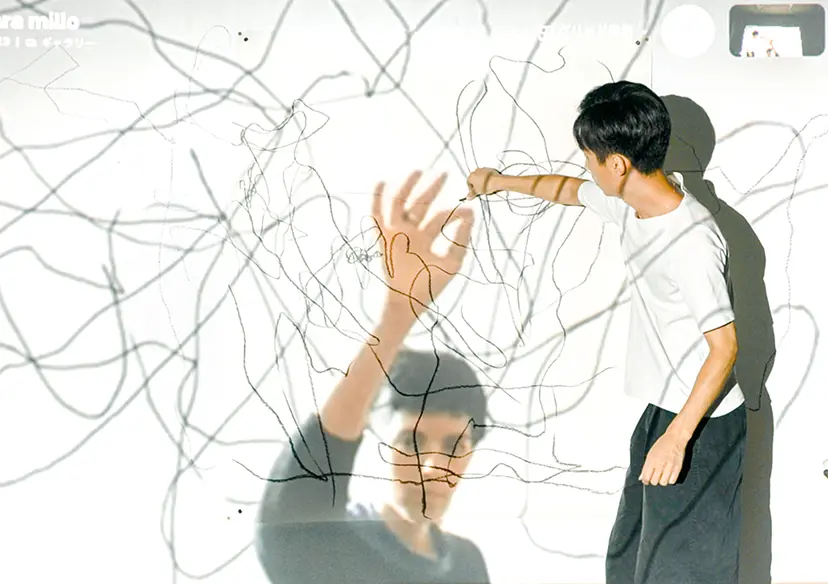
The result was a combination of prerecorded audio dialogues and live dialogues overlapping like a collage, but simultaneously being feed to the screens, the website and also being physically spat out by an online linked photocopy printer. The conversations Kubota proposed to his participating guests circulated around the ethics of art institutions handling of artistic Archives, the disposal of artworks and artists materials, and about how value is accumulated and also lost through depreciation. This topic was handled through a catalyst case study surrounding the case of the famous Artwork of Japanese Artist Keiji Usami that was carelessly disposed of by Tokyo University from the Universities Collection. The disposed artwork ‘Kizuna’ an artwork which incidentally had been exhibited as a part of the artists Installation in the Japan pavilion at the Venice Biennale in 1972. Tomohiro’s life-size photocopied replica of Keiji Usami‘s disposed Biennale Painting ~ indicates a collapse in art market research and cultural institutional values in regards to thousands of artworks, cultural artifacts and archives. The amnesiac absence of awareness and knowledge regarding the disposed artwork formally belonging to the University collection, previously exhibited and hung in the main campus canteen, demonstrates that artistic value and legacy is meaningless if economic and social values surrounding artworks are not collectively maintained.
Library Furniture & Support Structures
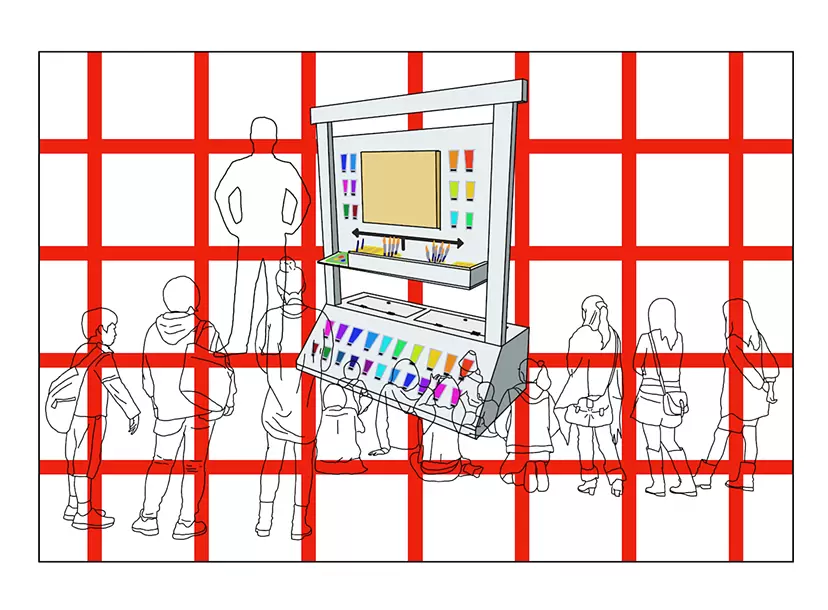
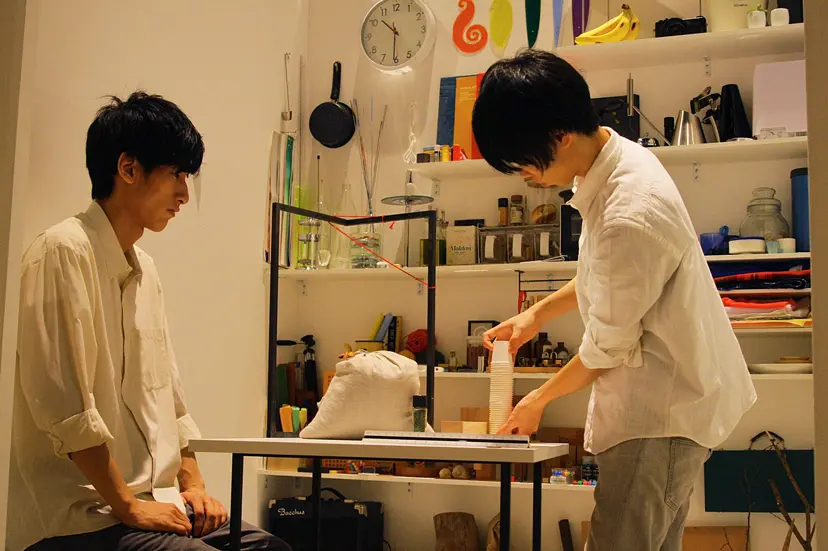
The aspect of Tomohiro piece ‘Decision in the Hospice’ which I also wish to illustrate is his clever use of the new Geidai Library modular stool desk cabinet support structures. These structures were exclusively designed by members of the University Architecture department and are completely unique and specific to the ‘Learning Commons’ area of the University Library. The very set of academic furniture on which Kubota had been conducting his research for his Masters - Structures that are familiar as Research utilities in the psyche of the students and academic staff of the University. Although this self-reflexive use of contextual structures is common in many works of Institutional critique, Kubota’s acquisition of the objects from the University Library for the period of the exhibition was a very difficult feat in itself.
Within the University such an act takes extensive communication and dialogue between departments to overcome the various rules, gates and obstacles that are rigidly held in place in such faculties. Usually it is very difficult the withdraw such objects from rooms and facilities to which they belong, requiring a accurate pulling of strings within the institution to cross the red tape. At first his proposal to acquire the Library furniture was declined, but after setting up an intervention through documents created with the approval of the Professors of the painting department, the Library facilitators and the central office finally agreed to lend the objects to Kubota for his Installation. By opting to use newly designed objects that are indispensable to one of the Universities facilities he was able to demonstrate that the Installation could be composed of onsite materials specific to the University and emphasize that the archive of his Installation materials was assured when the objects were returned to their functional position as objects of utility in the Library Space.
& when we speak here we are speaking of an accumulative archive practice. One in which there is fluidity from development into transition and continuity.
Artists are now expected to operate on three fronts. To be conceptual, Social political and economic. And, in terms of conceptual I don’t mean that the artwork or the project has a theme or a concept that the artist is addressing; but ‘Conceptual’ as in the Project specifically critiques the ontology of art. To consistently question the meaning and function of art in artistic terms, contextually specific to art practice and discourse. To address it in terms of medium, display and the works of others that reflect similar operations and critiques.
Jesse Hogan 02.02.2020
展覽資訊
- 過去的展覽
- バーチャル背景ミュージアム2020.04.20 - 06.30
藝術家

Artist
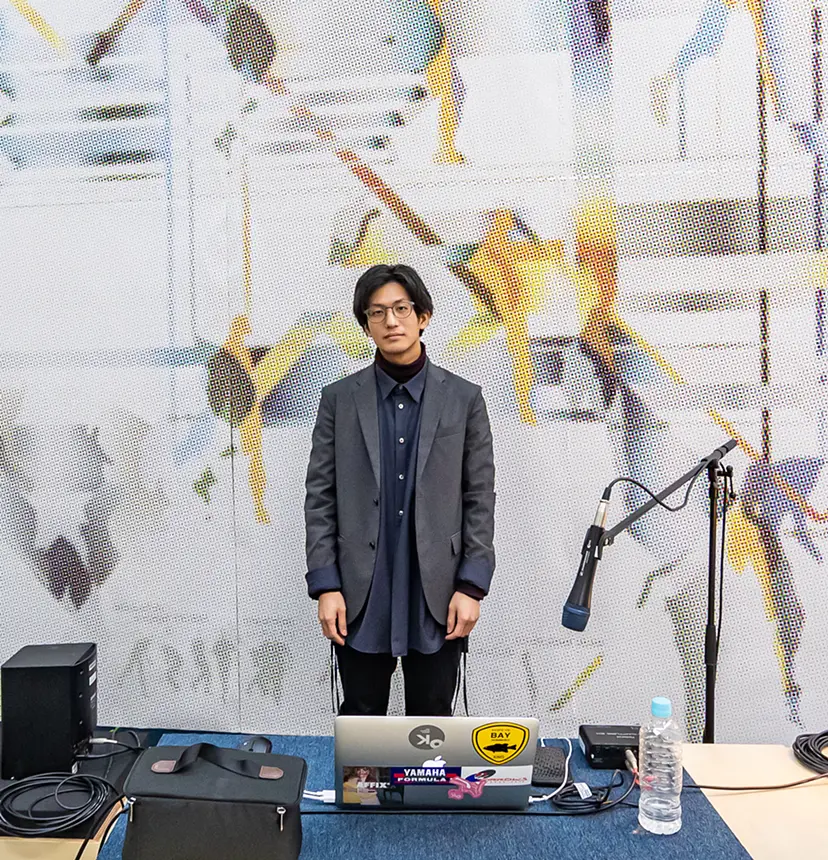
KUBOTAOGUISS Tomohiro focuses on the aspect of cultural assets as "debt," developing works that often do not involve physical creation through acts such as the temporary relocation of objects, contractual agreements, and assuming the debts of others. His practice critically examines how art intersects with institutional and economic systems through processes of ownership, management, relocation, and preservation. Recent works explore the relationships between ownership and accountability within communities, tracing how debt expands from individuals to organizations and ultimately to institutional frameworks, drawing from personal experiences and actual events. KUBOTAOGUISS Tomohiro completed the Master's Program in Printmaking at Tokyo University of the Arts in 2020 and is currently a doctoral candidate at the same institution. Based in Tokyo and Kanagawa, his practice focuses on contemporary art methodologies and institutional critique. Recent exhibitions include the solo exhibition 《eat ro ekyu》 (2022, EUKARYOTE), which sought to enhance the functionality of commercial galleries through the strategic relocation and reorganization of objects. In addition to his individual practice, KUBOTAOGUISS actively engages in collaborative projects with researchers and curators. As a co-founder of the curatorial unit "COM_COURSE" with art historian Shin Yoshimura, he co-curated the exhibition 《in search of lost figures》 at Tokyo Arts and Space Hongo in 2024, developed through research on the Taisho and Showa-era painter Takanori Oguiss.
查看藝術家信息


今後の作品制作のため、ご支援いただいたお金は大切に使わせていただきたいと思います。
何卒よろしくお願いいたします。